

PRIMARY_KEYWORDS: tea cup care, how to clean tea cup, tenmoku tea cup, tea cup patina
SECONDARY_KEYWORDS: tea cup maintenance, ceramic cup care, handmade tea cup, how to season tea cup
---
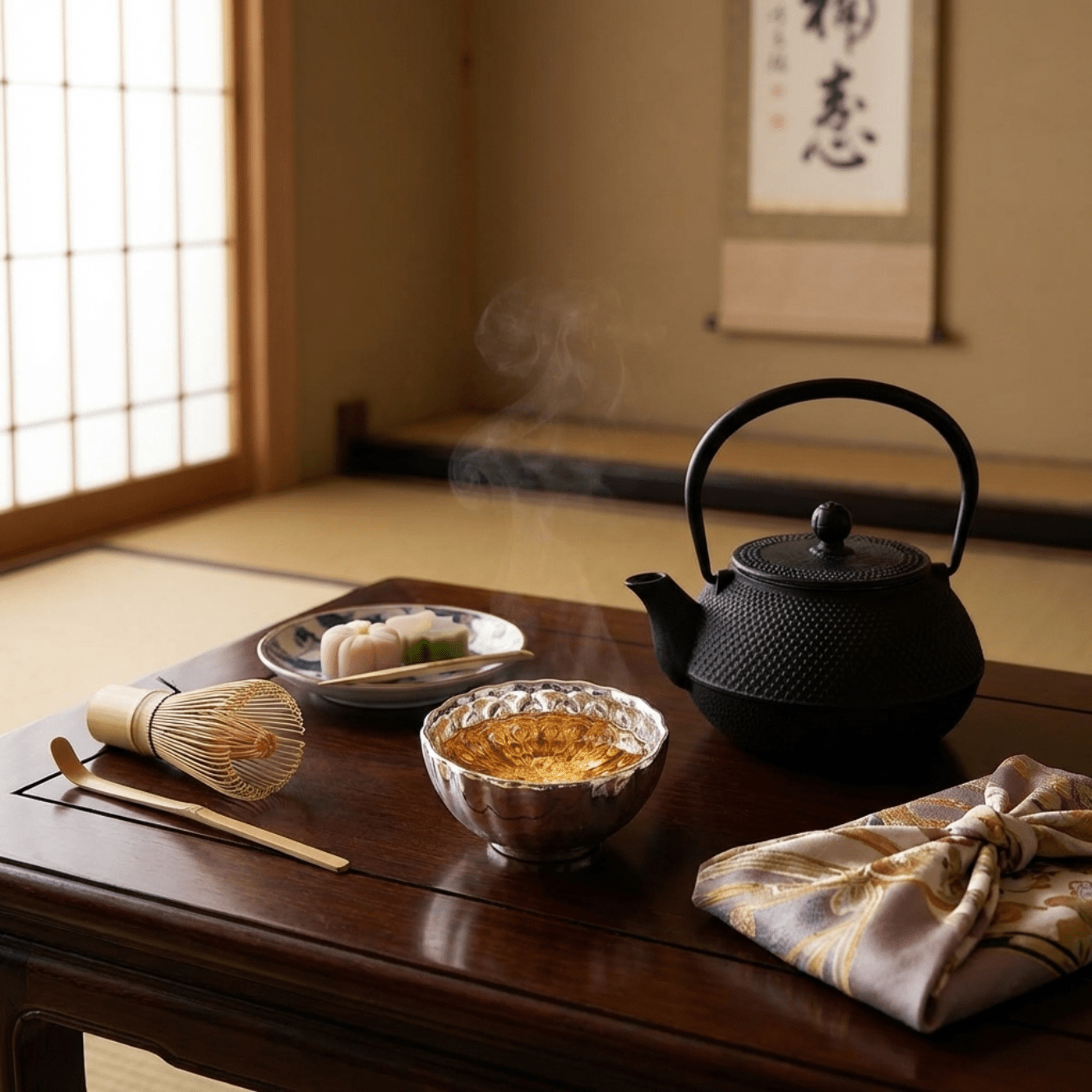
If you've ever watched a tea master cradle a centuries-old tenmoku bowl, admiring the deep, lustrous sheen that only time can create—you've witnessed in its finest form. This dark, glassy sheen is the hallmark of a well-loved ceramic tea cup, and building it is one of the most rewarding aspects of the tea drinking journey.
Patina is the gradual transformation of a ceramic tea cup's interior surface through repeated steeping and exposure to tea tannins. Unlike varnish or glaze applied during manufacturing, patina is earned—layered over months and years of consistent use.
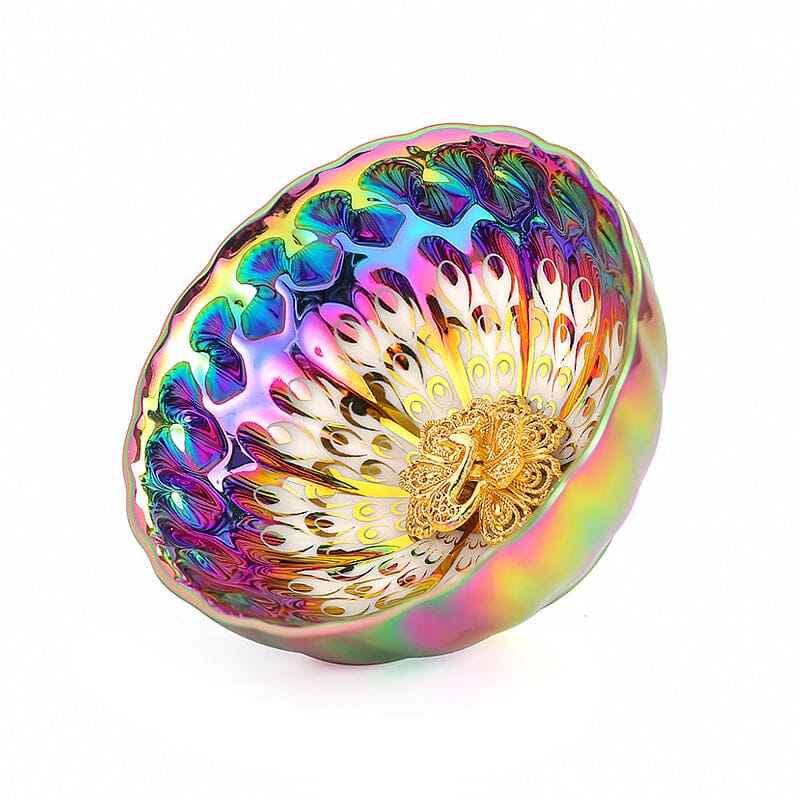
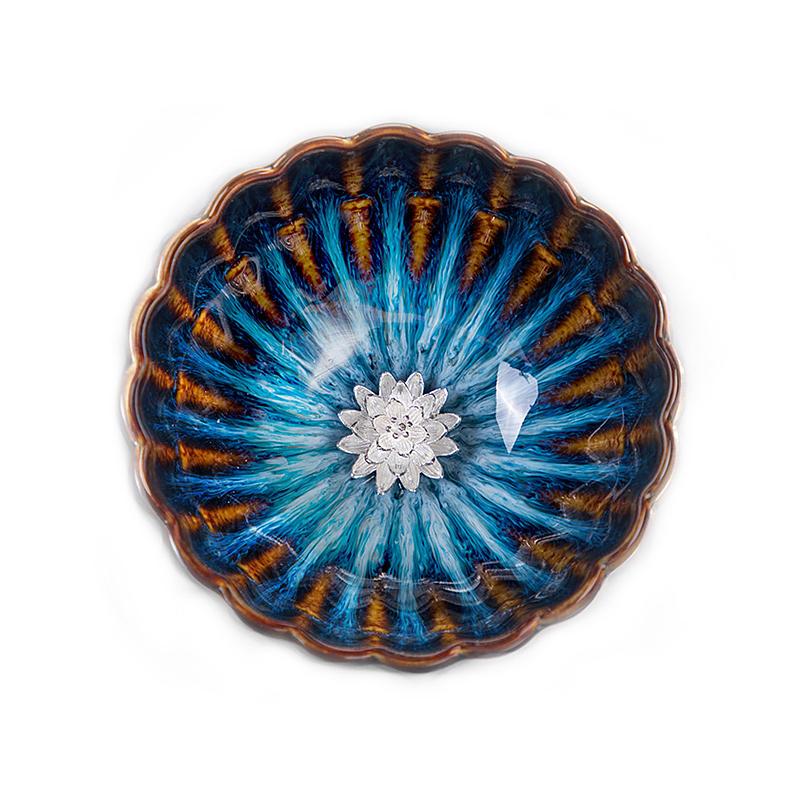
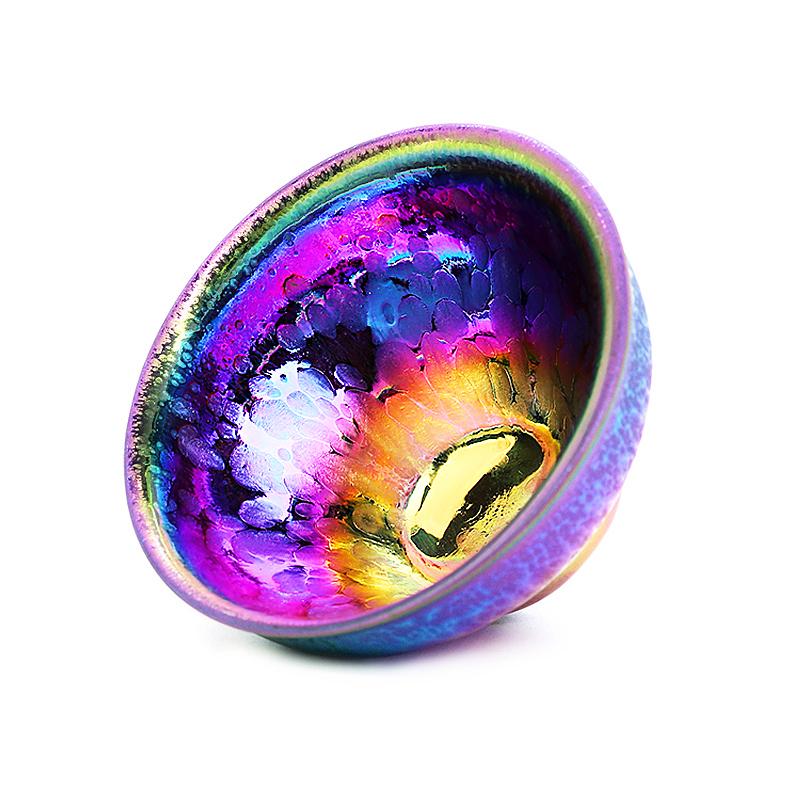
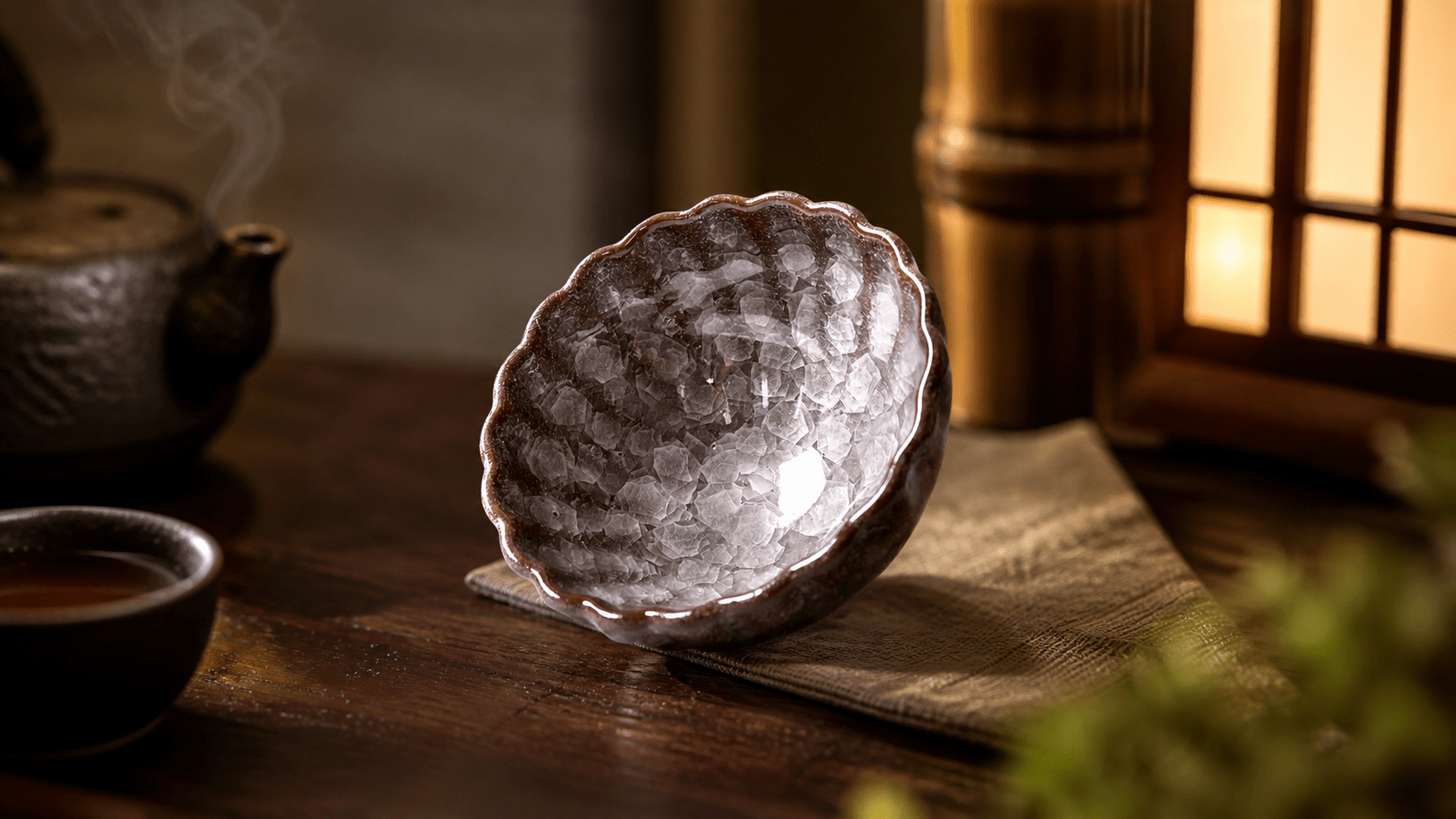
On tenmoku and jianzhan cups, patina typically develops as a rich mahogany to jet-black sheen, sometimes with iridescent hints under direct light. On porcelain or porcelain-bodied yixing ware, it manifests as warm amber undertones.
Beyond aesthetics, many tea connoisseurs believe a seasoned cup actually improves tea flavor. The micro-layer of tannins creates a flavor memory in the cup—so your favorite oolong or pu-erh tastes richer when steeped in a cup that "knows" that tea.
Caring for your ceramic tea cups isn't complicated, but it does require understanding what NOT to do. The wrong cleaning approach can strip away years of carefully built patina—or worse, damage the cup's glaze entirely.
The rule of thumb for tenmoku and jianzhan: These cups are built for tea, not for soap.
- — Don't let tea sit in the cup for hours. After your session, pour out the remaining liquid.
- — A thorough rinse with near-boiling water is usually sufficient. This removes residual tannins without stripping the developing patina.
- — Place the cup on a drying rack, inverted, so air circulates and moisture evaporates completely.
- — Even mild soap can interfere with patina development and leave residue that affects flavor.
- — A soft brush is acceptable only for the exterior. Never scrub the interior glaze.
- — The mechanical action can chip rim edges.
While patina develops naturally over years, you can encourage healthy seasoning in the first weeks:
- — Pour boiling water over the new cup and let it sit for 30 minutes. Discard the water.
- — Designate a new cup for a specific tea (pu-erh, oolong, or black tea work beautifully). Consistency builds patina faster.
- — After drinking, pour a fresh steep back into the cup even if you won't drink it. This exposes the surface to more tannins.
- — Let the cup air dry naturally after each use.
Many tea enthusiasts "feed" their cups between sessions by leaving a small amount of tea in the cup overnight. This is controversial—some argue it accelerates patina, others worry about mold. If you try this, use a dedicated cup and monitor for any white spots (mold sign).
True, deep patina takes years. Here's what to expect:
- First subtle color shifts. The interior may look slightly darker in areas where tea pools.
- Patina begins to even out. The shine starts to appear.
- A proper golden-brown to deep brown patina forms on lighter clay cups.
- On tenmoku and jianzhan, the cup approaches its full potential—a mirror-like, jet-black sheen that's genuinely stunning.
| Mistake | Why It Hurts | Solution |
|---------|-------------|----------|
| Using soap regularly | Strips tannins, neutralizes flavor | Stick to hot water rinses |
| Switching tea types frequently | Creates uneven, blotchy patina | Pick one tea per cup for the first year |
| Using abrasive scrubbers | Scratches glaze, ruins shine | Use only soft cloth on interior |
| Leaving tea to ferment | Creates mold, sour flavors | Empty and rinse after each session |
| Stack-storing wet cups | Traps moisture, causes mold | Always dry cups individually |
- Deep, even color with subtle shine
- No white or green spots (mold)
- Pleasant, subtle tea aroma when the cup is warm
- Enhanced flavor perception when drinking from the cup
If you've made mistakes (soap exposure, mold), don't panic. A reset is possible:
- Soak the cup in boiling water for 1 hour
- Scrub exterior only; wipe interior gently with a soft cloth
- Restart the seasoning process from Month 1
---
A tenmoku tea cup with deep, lustrous patina is more than a beverage vessel—it's a living record of every tea session you've shared. The investment is time and consistency, not complicated technique.
Start today: designate one cup for your favorite tea, rinse it with hot water after each use, and let time do the rest. In a year, you'll hold a cup that tells its own story.
Explore our collection of [handmade tenmoku cups](https://tenmokus.myshopify.com/collections/tenmoku-tea-cups) and [jianzhan tea bowls](https://tenmokus.myshopify.com/collections/jianzhan)—each piece ready to become your next companion.
---
Written by Tenmoku Studio | Last updated: 2026-04-21
Frequently Asked Questions
How long does it take to build patina on a tenmoku tea cup?
True, deep patina on a tenmoku or jianzhan cup takes years of consistent use. Within the first 1–2 months, you'll notice subtle color shifts. A noticeable golden-brown shine typically develops within 6–12 months, while the mirror-like, jet-black sheen that tea masters admire can take 3–5 years or longer.
Can I use soap to clean my tenmoku tea cup?
No — using soap on tenmoku or jianzhan cups is strongly discouraged. Even mild soap strips away the tannins that form patina, neutralizes flavor memory, and can leave residue that affects the taste of your tea. Always stick to a thorough rinse with near-boiling water.
What is the best tea for building patina on jianzhan?
Pu-erh, oolong, and black tea work best for building patina on jianzhan due to their high tannin content. Consistency matters more than tea type — using the same tea in the same cup for months (or years) creates the most even and beautiful patina. Avoid switching tea types frequently, as this can create blotchy, uneven results.
How do I reset my tea cup if I accidentally used soap?
If your cup has been exposed to soap or shows mold, a reset is possible: (1) Soak the cup in boiling water for 1 hour. (2) Scrub the exterior only with a soft brush; wipe the interior gently with a soft cloth. (3) Rinse thoroughly with near-boiling water. (4) Restart the seasoning process from Month 1 with your chosen tea.
Aktie:
The Complete Guide to Jianzhan Glaze Types: Oil Spot, Hare's Fur, Yohen & Partridge Spot Explained
How to Identify Authentic Jianzhan: 5 Key Features to Look For