Osterverkauf: Kaufen Sie 3 Holen Sie sich den 4. KOSTENLOS!

How to Identify Authentic Handmade Jianzhan: 5 Key Details to Check

As the popularity of Tenmoku (Jianzhan) tea cups grows, so does the market for mass-produced imitations. While a machine-made cup might look "perfect" at first glance, it lacks the soul, the crystalline depth, and the unique "life" of a truly handmade piece fired in a traditional kiln.

For a collector or a tea lover, knowing how to spot the difference is essential. Here are the 5 key details you should check to ensure your Jianzhan is an authentic, handcrafted masterpiece.

1. The "Iron Foot" (Tie Zu - 铁足)

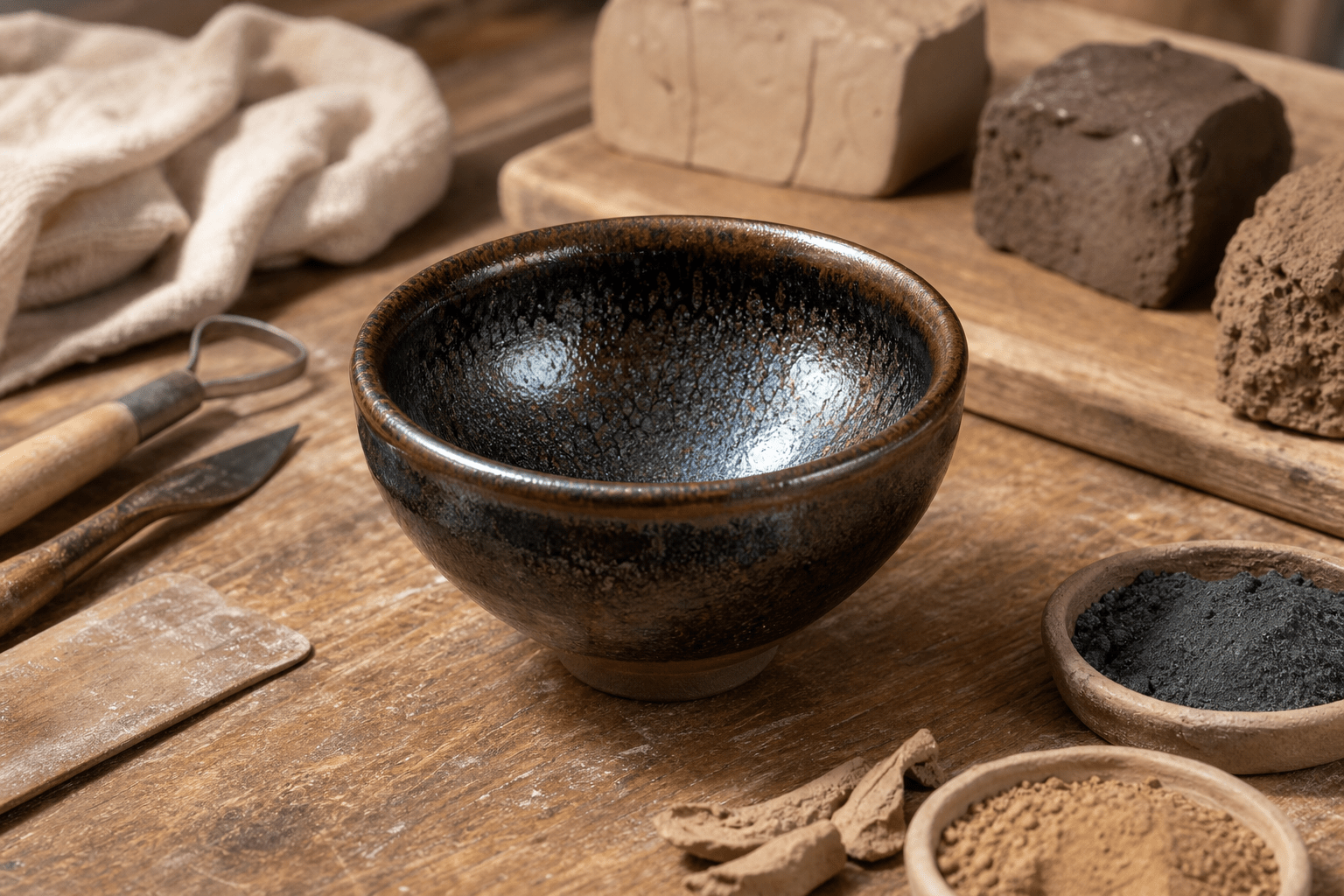
Authentic Jianzhan is made from local clay in Jianyang, which has an incredibly high iron content (often over 8%). When fired at high temperatures, the exposed bottom of the cup—the "foot"—turns a deep, dark brown or purplish-black. This is famously known as the "Iron Foot."

  • Handmade sign: The foot should feel slightly gritty and have a natural, metallic dark hue.
  • Machine sign: Imitations often use regular clay with a dark-colored slip or paint applied to the bottom, which looks too uniform or "flat."
Authentic Jianzhan Iron Foot Detail

2. Glaze Tears (You Lei - 釉泪)

Because Tenmoku glaze is thick and fluid at 1300°C, it naturally flows down the sides of the cup during firing. Master potters control this flow so that the glaze stops just before the foot, often forming a thick "drip" or "tear."

  • Handmade sign: Look for slightly uneven glaze thickness and the presence of "glaze tears" near the base. These are marks of the fire's movement.
  • Machine sign: Machine-sprayed glazes are perfectly even and thin, lacking the organic flow and the characteristic drips of traditional dipping.

3. Crystalline Depth and Texture

The patterns on a real Jianzhan (like Oil Spots or Hare's Fur) are crystals that grew inside the kiln. They are three-dimensional. If you look closely or use a magnifying glass, you should see layers of depth.

  • Handmade sign: The patterns have a "metallic" luster and seem to change color when viewed from different angles.
  • Machine sign: Decal or painted patterns look "flat" and sit on top of the glaze. They don't have the crystalline structure or the iridescent "oil-on-water" effect.

4. Subtle Irregularities

In the world of handmade Jianzhan, "perfection" is actually a red flag. A cup that is 100% symmetrical, perfectly weighted, and has a flawless surface is likely a product of a mold and an electric kiln.

  • Handmade sign: Tiny "pinholes" (natural gas release during firing) and slight variations in the rim's roundness are signs of an artisanal process. Each cup has its own "personality."
  • Machine sign: Identical cups with no variations. If you see ten cups that look exactly the same, they are not handmade.

5. The Artisan's Mark

Most reputable handmade Jianzhan cups will feature a stamp or "mark" on the bottom from the master potter. This is their signature and a guarantee of their work.

  • Tenmokus Guarantee: We work directly with licensed masters in Jianyang. Every premium cup in our collection comes with a certificate of authenticity signed by the artist.

Explore our collection of certified handmade Jianzhan here.

Recommended Authentic Pieces:


Frequently Asked Questions

How can I tell if a Jianzhan is authentic or fake?

Key indicators of authentic Jianzhan include: 1) Substantial weight from iron-rich clay (8-12% Fe₂O₃), 2) Deep resonant sound when tapped, 3) Irregular glaze patterns (oil spots, hare's fur) that aren't perfectly symmetrical, 4) Slightly rough foot ring from hand-grinding, 5) Price typically starting at $80+ for genuine handmade pieces.

What is the average price of an authentic Jianzhan?

Authentic handmade Jianzhan typically start at $80-150 for smaller cups. Master-grade pieces from named craftsmen can reach $500-3000+. Cups selling for under $30 are almost always mass-produced reproductions.

Does Jianzhan quality vary by kiln type?

Yes. Dragon kiln (longyao) fired pieces are considered most traditional and valuable due to the natural ash deposits. Gas kiln pieces offer consistent quality, while electric kiln pieces are more affordable. The firing method affects the glaze patterns and metallic sheen.

What glaze patterns are most valuable in Jianzhan?

Oil Spot (Yohen) and Yohen (mysterious moon) glazes are considered most prestigious. Hare's Fur and Partridge Feather are classic patterns. Among Song Dynasty surviving pieces, the three Yohen bowls in Japan are National Treasures.
Quick answers for Tenmoku teaware shoppers

Use this guide to connect the article topic with practical buying decisions: what Jianzhan Tenmoku teaware is, who it suits, how to choose a piece, and how to care for it after purchase.

How to use this guide before buying

Read the article first for the main explanation, then compare the product photos, glaze variation, form, seller clarity, return policy, and whether the piece fits daily tea, display, collecting, or gifting.

Common buying mistakes to avoid

Avoid choosing only by dramatic claims, copied photos, unusually low prices, or vague master language. A better decision uses visible product details, clear use case, realistic care needs, and trustworthy shop policies.

Recommended next step

After reading, compare a few real products side by side by size, glaze family, rim shape, capacity, price, and gift suitability instead of relying on one photo or one keyword.

What is Jianzhan Tenmoku teaware?

Jianzhan Tenmoku teaware is ceramic tea ware known for dark mineral-glaze effects and natural kiln variation. Common forms include tea cups, bowls, teapots, tea sets, and matcha bowls.

Who is it best for?

It is best for tea drinkers, ceramic collectors, and gift shoppers who value functional objects with visible handmade character. It is not ideal if you need every piece to look exactly identical.

How do I care for it?

Hand wash with warm water, avoid abrasive cleaners, and dry fully before storage. Gentle daily use helps preserve the surface and keeps the glaze easy to inspect over time.

How do I choose the right Tenmoku piece?

Choose by the main use first: daily tea, matcha, Gongfu brewing, display, or gifting. Then compare capacity, rim shape, glaze family, photos, and whether natural variation is acceptable for your needs.

Is Jianzhan Tenmoku teaware good as a gift?

Yes. It works well for tea lovers, ceramic collectors, birthdays, holidays, and housewarming gifts because it is both usable and visually distinctive. For gifts, choose an easy-to-use form and a glaze style with clear photos.

Related products and categories

Compare the guide above with real Tenmokus categories and representative pieces. Start with the use case, then compare glaze style, form, price, and whether the piece is mainly for daily tea, display, collecting, or gifting.

Handmade Tenmoku tea cups

Best for daily tea drinking, first Jianzhan purchases, ceramic gifts, and comparing glaze patterns across cup shapes.

Tenmoku tea sets

Best when you want a coordinated tea table, a hosting setup, or a complete gift instead of one individual cup.

Real vs fake Tenmoku guide

Use this guide to compare seller claims, glaze appearance, photos, and practical buying signals before choosing a piece.

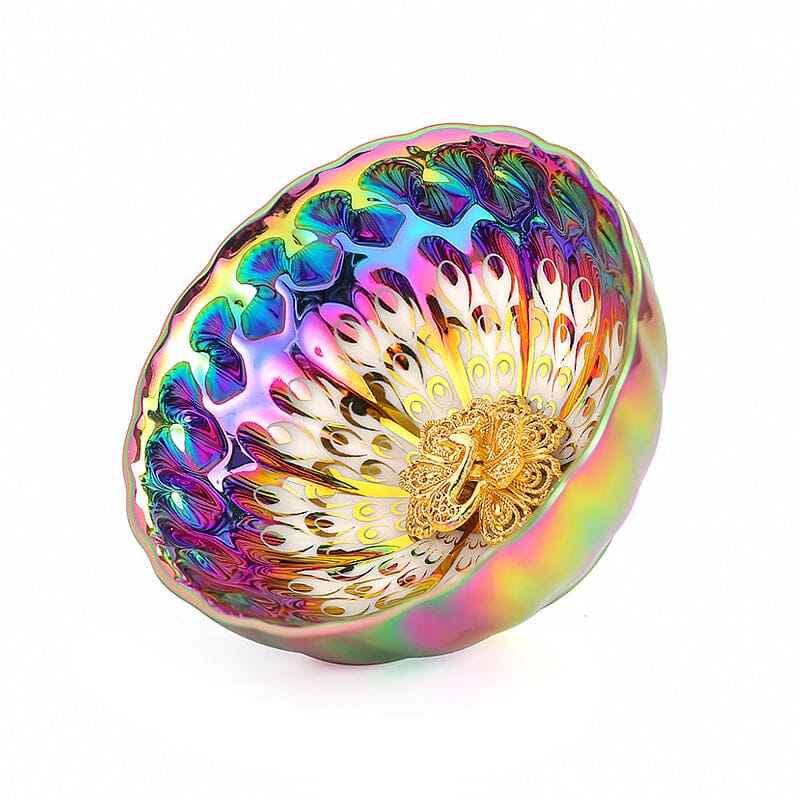
Lebendiger Pfau

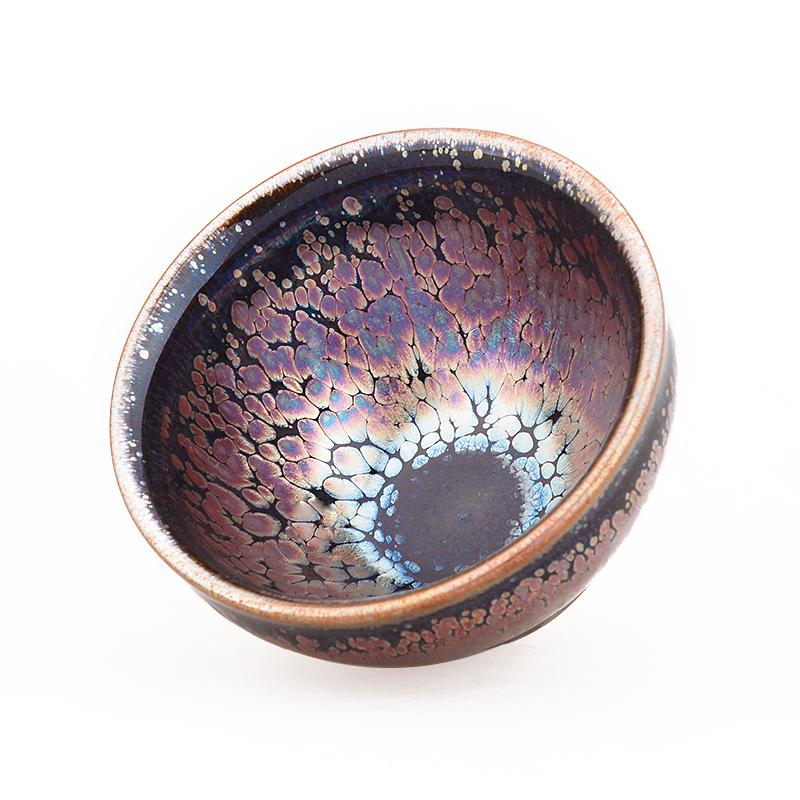
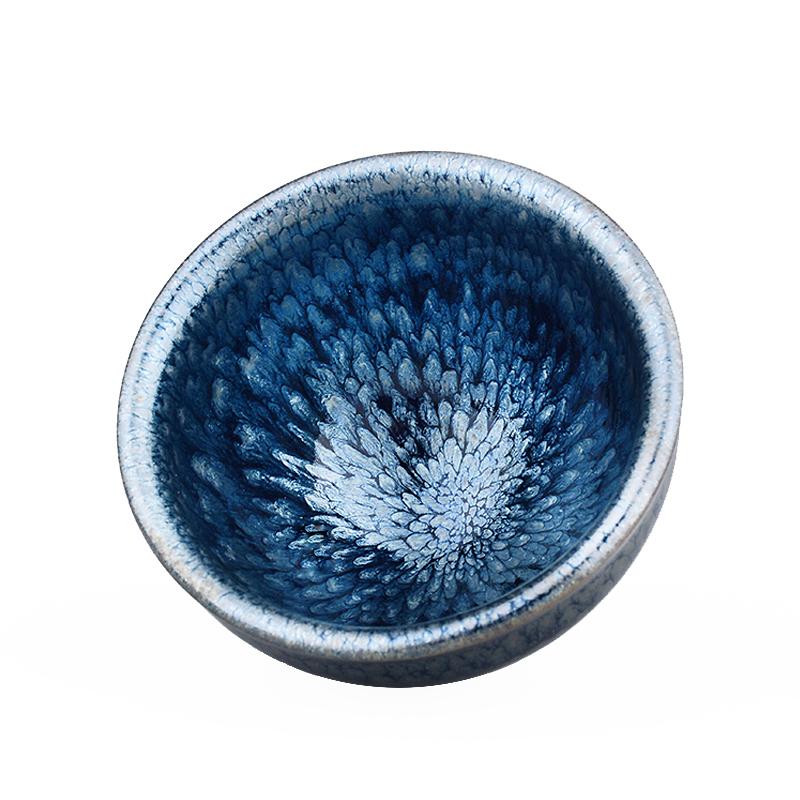
A representative Tenmoku tea cup to compare by glaze depth, cup shape, price, and gift fit.

Goldener Pfau

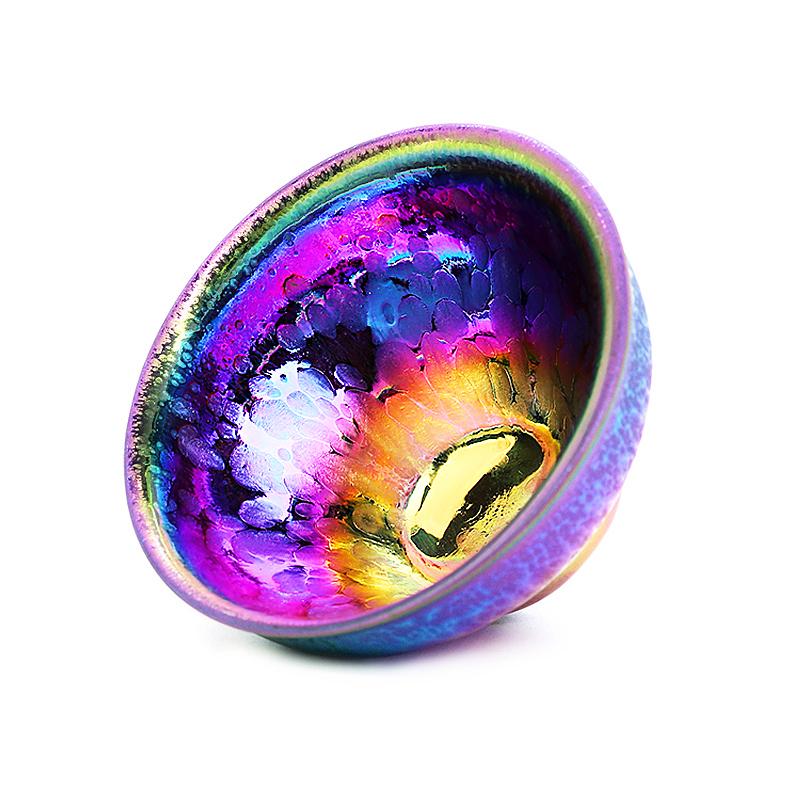
Compare this piece when you want a clear visual reference for a gold-toned Tenmoku glaze style.

Fee II

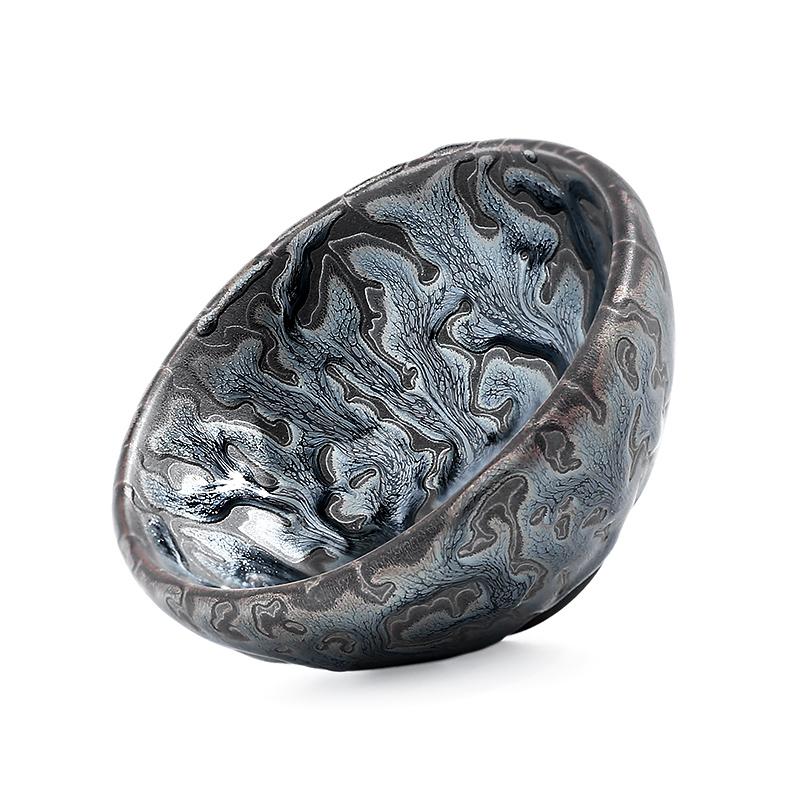
Use this product as another comparison point for handmade form, glaze variation, and gift suitability.

shop handmade Tenmoku tea cups compare Jianzhan teapots browse Tenmoku tea sets choose Tenmoku matcha bowls view Tenmoku tea cups read the real vs fake Tenmoku tea bowl guide browse Jianzhan buying guides learn about Tenmokus

From Tenmoku guide to teaware choice

Tenmokus is focused on handmade Jianzhan Tenmoku teaware for tea rituals, display, and gifting. If you are choosing after reading this guide, start with Tenmoku tea cups for daily tea tasting, Tenmoku teapots for loose leaf brewing, Tenmoku coffee cups for daily coffee, Tenmoku tea sets for coordinated gifts, Tenmoku matcha bowls for matcha preparation, Tenmoku beer cups for home bar drinkware, or Tenmoku sake sets for serving and display.

Neueste Geschichten

Keep exploring Tenmoku care, gift ideas, teaware selection, and the difference between Tenmoku and Jianzhan.

Alle anzeigen

How to Choose a Handmade Tenmoku Tea Bowl for Gongfu Tea (And Avoid Fake Jian Zhan)

If you’ve ever wanted to own a tenmoku tea bowl that feels uniquely yours, you’re not alone. These iron-rich glazed wonders from the Song Dynasty have captivated tea lovers for a thousand years—and today, a real jian zhan oil spot...

Mehr lesen

Transform Your Daily Ritual with a Handmade Tenmoku Tea Bowl: The Ultimate Luxury Wellness Upgrade

Transform Your Daily Ritual with a Handmade Tenmoku Tea Bowl: The Ultimate Luxury Wellness Upgrade

If you’ve ever swirled a fine wine in a hand-blown glass and felt the moment deepen, you already understand the power of a vessel. I’m Sophie Thompson, and as a lifelong tea lover and design curator, I want to introduce...

Mehr lesen

Tenmoku Tea Bowl Value: Why Handmade Cups Are Worth It

Tenmoku Tea Bowl Value: Why Handmade Cups Are Worth It

Tenmoku Tea Bowl Value: Why Handmade Cups Are Worth It A tenmoku tea bowl can cost more than an everyday cup because it is not simply a vessel: it is a handmade ceramic object shaped by clay, fire, and a...

Mehr lesen