

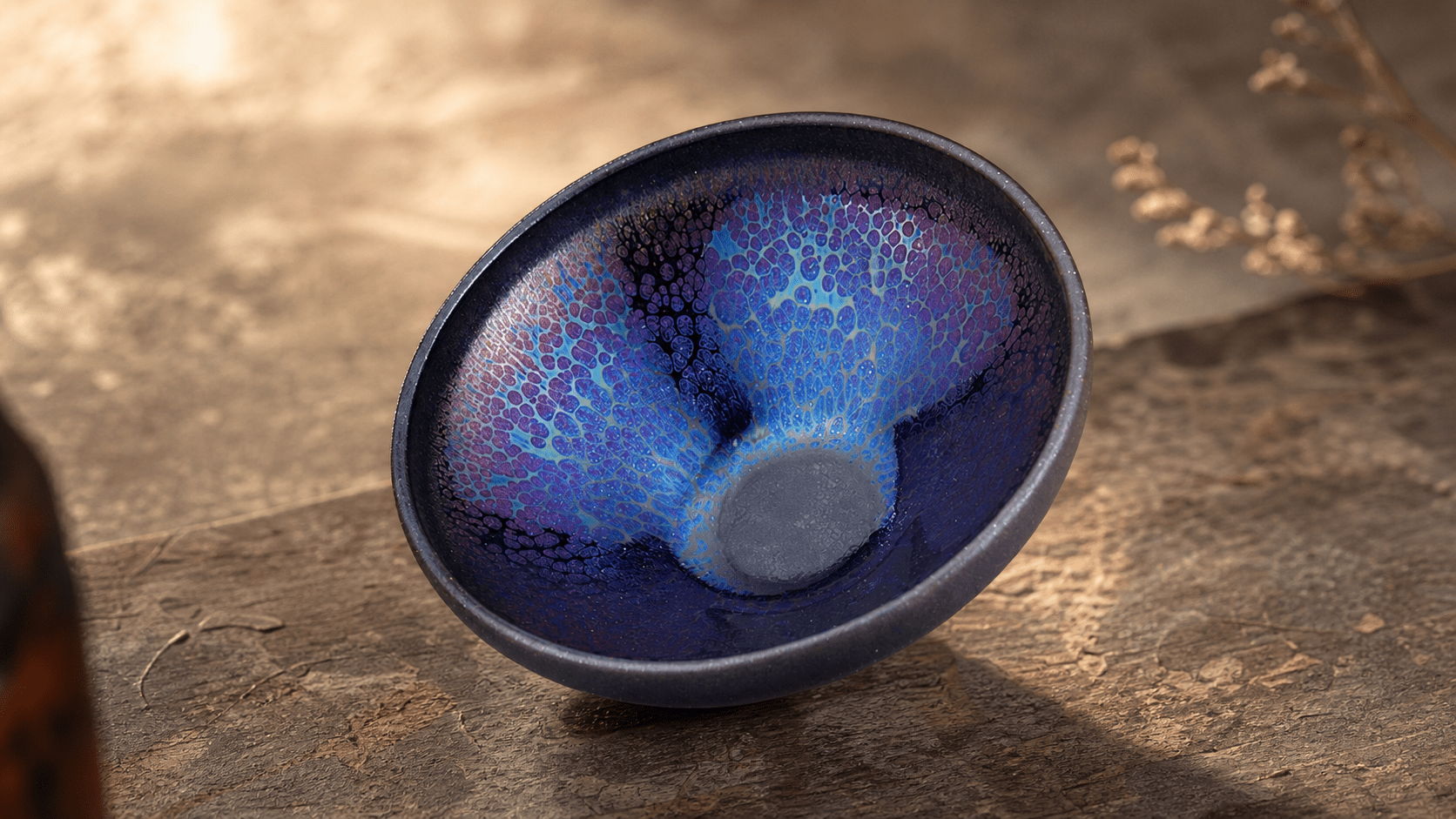

Tenmoku Tea Bowl Authenticity: How to Buy With Confidence
A real tenmoku tea bowl should be judged by more than a dramatic shiny pattern. Whether you are choosing a tea cup for daily gongfu tea, a matcha bowl, or a gift for tea lovers, look for a credible maker, a believable clay-and-glaze process, and details that hold up under close inspection.
The simplest rule is this: an authentic Jianzhan is a handmade ceramic connected to the Jianyang tradition, while a legitimate Japanese Tenmoku may be a different regional interpretation. A bowl is not automatically “fake” because it is Japanese or made outside China—but it should not be marketed as Jianzhan if its materials, origin, or process do not support that claim.
Key Takeaways
- Do not use one visual clue, such as an oil-spot pattern, as proof of authenticity.
- Ask for clear information about the maker, place of production, clay, glaze, firing, and photos of the actual bowl.
- Natural kiln variation is normal in handmade ceramic, but random-looking variation alone is not evidence of quality.
- “Tenmoku” is a broad term; “Jianzhan” is more specific and refers to the historic Jianyang ceramic tradition.
- For a meaningful gift for tea lovers, choose transparent provenance over exaggerated Song Dynasty claims.
What Does “Real vs Fake Tenmoku” Actually Mean?
The phrase real vs fake tenmoku can be misleading because Tenmoku is not a single modern certification. The word is associated with dark-glazed tea wares admired in Japan, with roots in Chinese Jian ware from the Song Dynasty. Today, it can describe both historic-style glaze aesthetics and contemporary handmade work.
For a buyer, the practical question is not “Does this bowl look old?” It is “Is this product described honestly?” A transparent listing might say that a bowl is a modern, handmade Jianzhan from Jianyang; a Japanese Tenmoku-style bowl by a Japanese potter; or a factory-made glazed cup inspired by Tenmoku. Each can have a place in a tea ceremony. The problem begins when a low-cost decorative cup is presented as an ancient collectible, a handmade original, or an authentic Jianzhan without evidence.
Think of it like coffee. A cup labeled “single-origin Ethiopian coffee” carries a specific sourcing claim. A blend inspired by Ethiopian flavor can still be enjoyable, but it is not the same purchase. In tea ware, the name, origin, and making process matter because they shape both value and expectations.
How to Identify Real Jianzhan Before You Buy
If you are learning how to identify real Jianzhan, start with the seller’s information rather than trying to authenticate a bowl from one product photo. A trustworthy seller should make it easy to understand what you are buying.
- Check the stated origin. Modern Jianzhan is closely associated with Jianyang, China. A listing does not need to make grand historical claims, but it should be clear about where the piece was made.
- Look for a specific maker or workshop. A named potter, studio, or workshop offers a traceable starting point. “Masterpiece” and “rare antique” are marketing words unless they are supported by real documentation.
- Read the material description. Authentic Jianzhan is typically discussed in terms of iron-rich clay and dark, iron-bearing glazes. The description should explain the work plainly instead of hiding behind vague phrases such as “premium mineral technology.”
- Ask about the firing process. Jianzhan patterns develop in the kiln. A seller need not reveal every workshop formula, but should be able to explain whether the bowl was kiln fired and why variation occurs.
- Examine the actual item. Request photos of the bowl you will receive, including the interior, exterior, rim, foot, and any maker’s mark. Stock photography makes close evaluation harder.
- Match the claim to the price and proof. A very low price does not prove a bowl is fake, but it should prompt questions if the listing also claims rare Song Dynasty origin, museum-level age, or a famous artisan connection.
Handmade does not mean flawless. Slight asymmetry, trimming marks around the foot, subtle glaze movement, and minor differences between bowls can be signs of handwork. But do not confuse every rough edge with craftsmanship. A good handmade tenmoku tea cup should still feel intentional, stable, and comfortable to hold.
Jianzhan Oil Spot vs Fake: What Should You Look For?
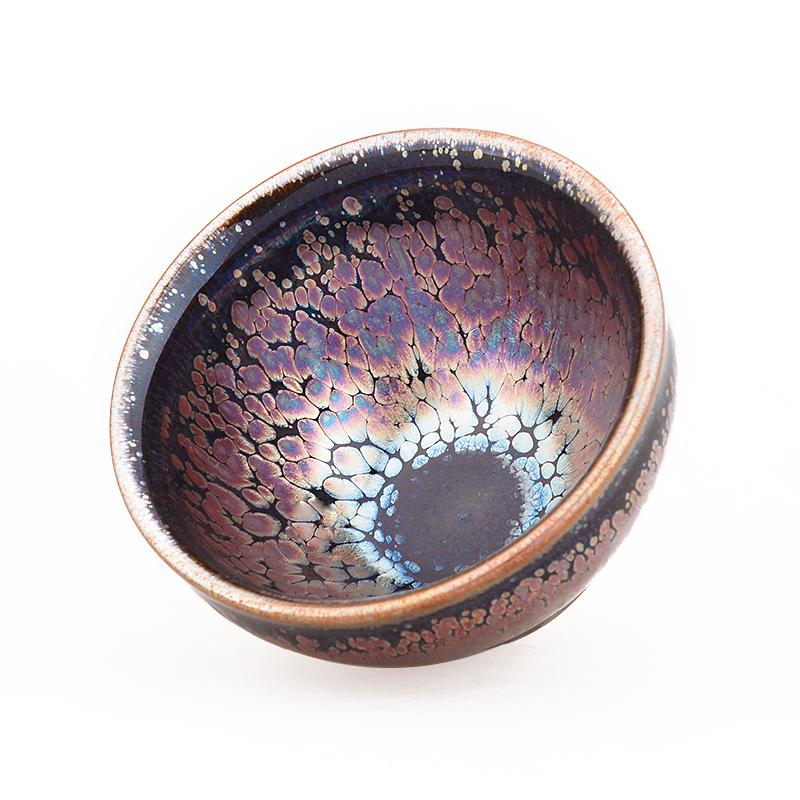
The jian zhan oil spot vs fake question comes up because oil-spot glazes are visually striking and easy to imitate in photos. Genuine kiln-developed patterns usually have depth: spots may vary in size, density, edge softness, and color as the glaze responds to heat and atmosphere.
That does not mean every authentic bowl must look chaotic, or that every regular pattern is false. Skilled potters can achieve controlled results. Instead, inspect whether the surface appears integrated into the glaze rather than sitting on top of it like a graphic overlay.
| What to inspect | More consistent with a kiln-developed glaze | Reason to ask more questions |
|---|---|---|
| Pattern depth | Spots or hare’s-fur streaks appear within and beneath a glossy glaze surface. | The design looks flat, pixel-perfect, or visibly printed on top. |
| Variation | Small changes occur around the rim, curves, and lower bowl. | Every bowl image has an identical pattern despite a handmade claim. |
| Glaze transitions | Color and texture shift naturally with the bowl’s form and firing. | A metallic coating ends abruptly or appears separate from the base glaze. |
| Listing evidence | Actual-piece photos, maker details, origin, and care guidance are available. | Only edited beauty shots appear, with no production information. |
Be especially cautious with descriptions that use “oil spot” as a catch-all label. Oil spot, hare’s fur, and other dark-glaze effects are related visually, but they are not interchangeable guarantees of origin. A well-written listing identifies the pattern as an aesthetic feature and describes the piece’s actual maker and process.
Are Japanese Tenmoku for Sale Listings Authentic Jianzhan?
Not necessarily—and that is not a negative judgment. Japanese and Chinese tea cultures have influenced one another for centuries. In Japan, Tenmoku commonly refers to a category of dark-glazed tea ware and can include work by Japanese ceramic artists. A Japanese bowl may be beautifully made, suitable for a tea ceremony, and fully authentic to its own origin.
The key is accurate naming. If you are searching for japanese tenmoku for sale, look for the potter’s name, studio location, materials, and whether the bowl is intended as a matcha bowl, a tea cup, or a display piece. If you specifically want authentic Jianzhan, confirm that the seller is not using “Jianzhan” merely as a style label.
Likewise, a modern Jianyang bowl is not a Song Dynasty antique just because its glaze recalls historic wares. Most buyers should treat “Song Dynasty glaze” as a reference to a ceramic heritage and visual tradition, unless the seller provides serious provenance, condition records, and independent expert documentation for an antique claim.
What Process Markers Matter in an Authentic Jianzhan?
Authenticity is strongest when several details tell the same story. An authentic Jianzhan should have a coherent relationship among its clay body, glaze, form, firing explanation, and origin. You are looking for an honest process trail, not a magic test.
- Form and balance: The bowl should sit steadily and feel considered in the hand. For gongfu tea, a smaller cup should be easy to lift and sip from without an awkwardly thick rim.
- Foot area: The unglazed or less-glazed foot often reveals the clay body and hand-finishing. It should be smooth enough for use, even if it retains subtle evidence of trimming.
- Glaze behavior: Glaze may pool, thin, or shift in response to the form. These effects should feel integral to the ceramic surface, not added later as decoration.
- Functional finish: A tea bowl should be food-safe as represented by the seller and should not have sharp chips, loose coatings, or cracks presented as normal “character.”
- Maker accountability: A studio that can answer practical questions about care, origin, and the individual bowl is more valuable than a listing full of unverifiable superlatives.
Do not rely on internet shortcuts such as a magnet test, a single sound test, or the belief that one tea will instantly change color in a bowl. These claims are not reliable ways to establish provenance. Use them, if at all, as observations—not as proof.
How Should You Buy a Handmade Tenmoku Tea Cup for Daily Use?
For daily pu-erh tea or gongfu tea, prioritize comfort, clear disclosure, and a form you will actually reach for. A bowl does not need to be a rare collector’s object to make a quiet tea session feel more deliberate.
Start by choosing size. A small cup suits concentrated gongfu tea pours, while a larger tenmoku tea bowl can work for a slower personal session or as a matcha bowl when its form supports whisking. Then review the rim, weight, foot, and return policy. A premium handmade ceramic piece should offer a sensory experience, not just an impressive product photo.
If you are buying a gift for tea lovers, include context. Explain that handmade glaze variation is part of the object’s character, and choose a seller that ships the actual piece shown or clearly documents variation. You can Shop authentic Tenmoku tea bowls when you want a starting point focused on transparent craftsmanship, or Explore our handmade Jianzhan tea cups to compare forms for everyday tea rituals.
FAQ: Real vs Fake Tenmoku Tea Bowls
How can I identify real Jianzhan from a product listing?
Look for a specific maker or workshop, clear Jianyang origin information when Jianzhan is claimed, actual-piece photographs, material details, and a straightforward firing explanation. No single visual feature proves authenticity on its own.
Is every oil-spot bowl an authentic Jianzhan?
No. Oil spot describes an appearance, not automatic provenance. For jian zhan oil spot vs fake comparisons, evaluate the pattern together with the seller’s process details, origin claims, and photos of the actual bowl.
Are Japanese Tenmoku bowls fake?
No. Japanese Tenmoku can be authentic Japanese handmade ceramic. It becomes misleading only when a Japanese or factory-made bowl is presented as an authentic Jianzhan from Jianyang without support for that claim.
Can a modern bowl be called Song Dynasty Tenmoku?
A modern maker may accurately say a bowl is inspired by Song Dynasty glaze traditions. Calling it an actual Song Dynasty object requires exceptional evidence, including credible provenance and independent expert assessment.
What should I ask before buying a tenmoku tea bowl for sale?
Ask who made it, where it was made, whether the photos show the exact bowl, what materials and firing method were used, whether it is represented as food-safe, and how it should be cared for.
Is a handmade tenmoku tea cup better for pu-erh tea?
That is a personal preference rather than a universal rule. Many people enjoy the visual contrast of dark glaze with amber pu-erh tea, but brew quality depends first on the tea, water, and brewing method.
Buy the Story You Can Verify
The best way to approach a tenmoku tea bowl is with curiosity, not suspicion. Learn the basic vocabulary, inspect the details, and favor sellers who distinguish clearly between Jianyang Jianzhan, Japanese Tenmoku, modern handmade work, and decorative imitations.
A bowl with an honest origin and a form you enjoy using can become part of your everyday tea ceremony. Choose the piece whose craftsmanship is explained clearly—and let the glaze reward a closer look each time you pour tea.
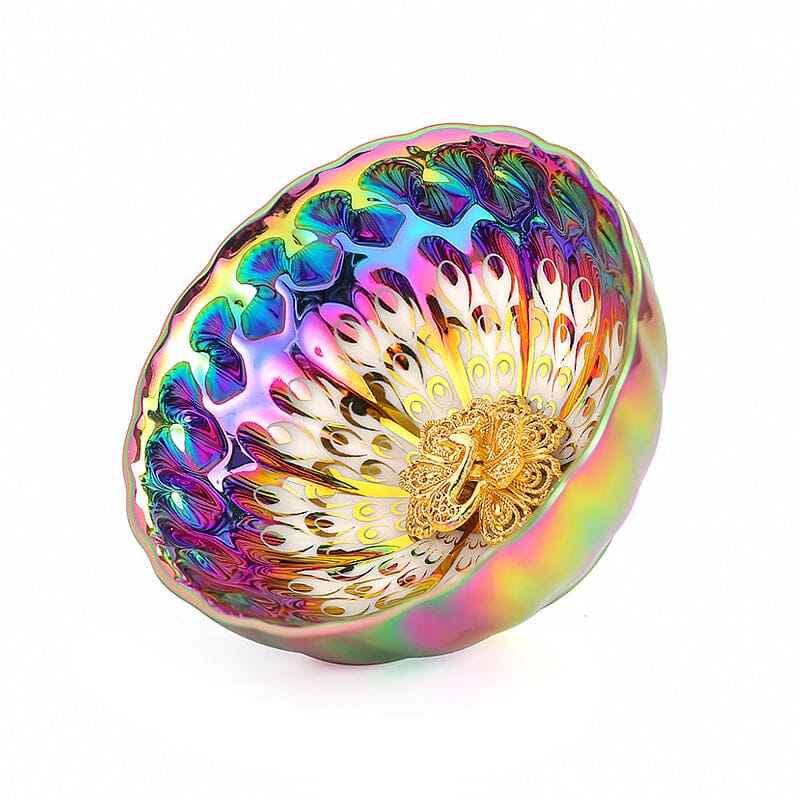
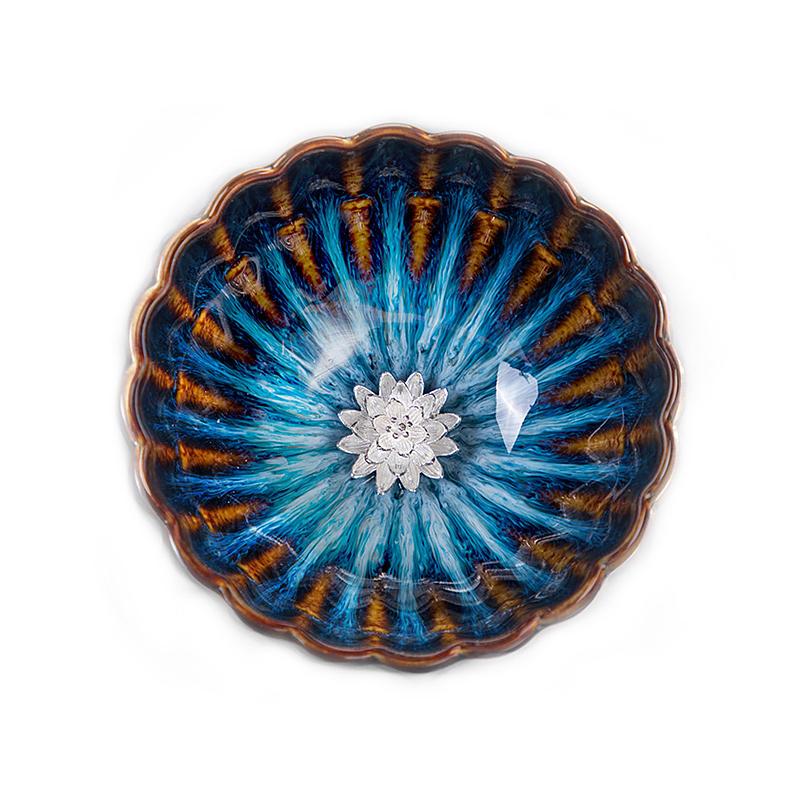
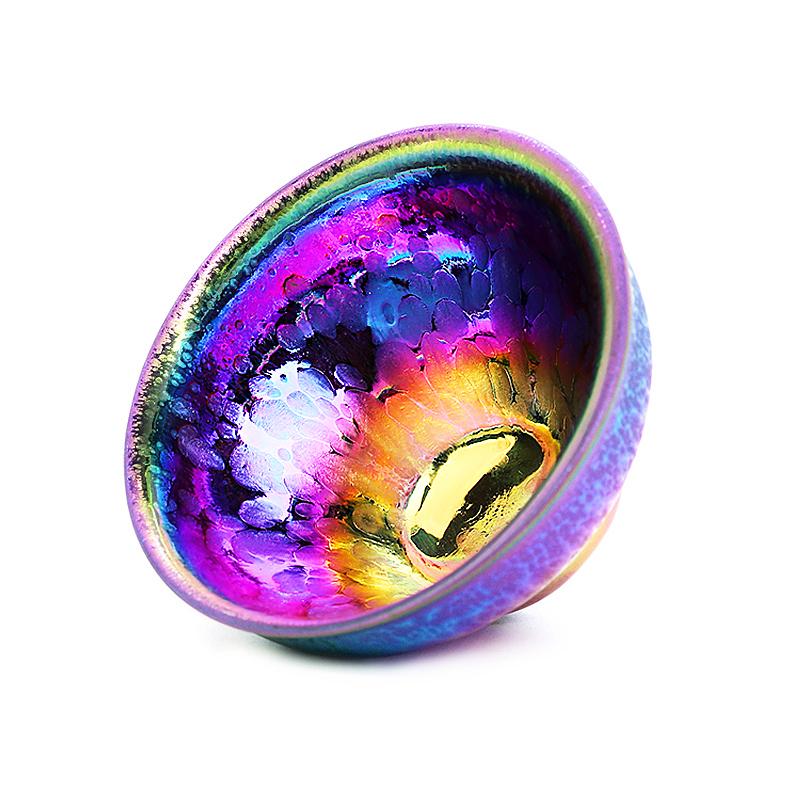
Explore Our Collection
Ready to experience the world of tenmoku tea bowl? Browse our curated collection:
Disclaimer: This article is for informational purposes. Products and pricing subject to change.
Aktie:
Tenmoku Tea Bowl: A More Restorative Daily Tea Ritual at Home