

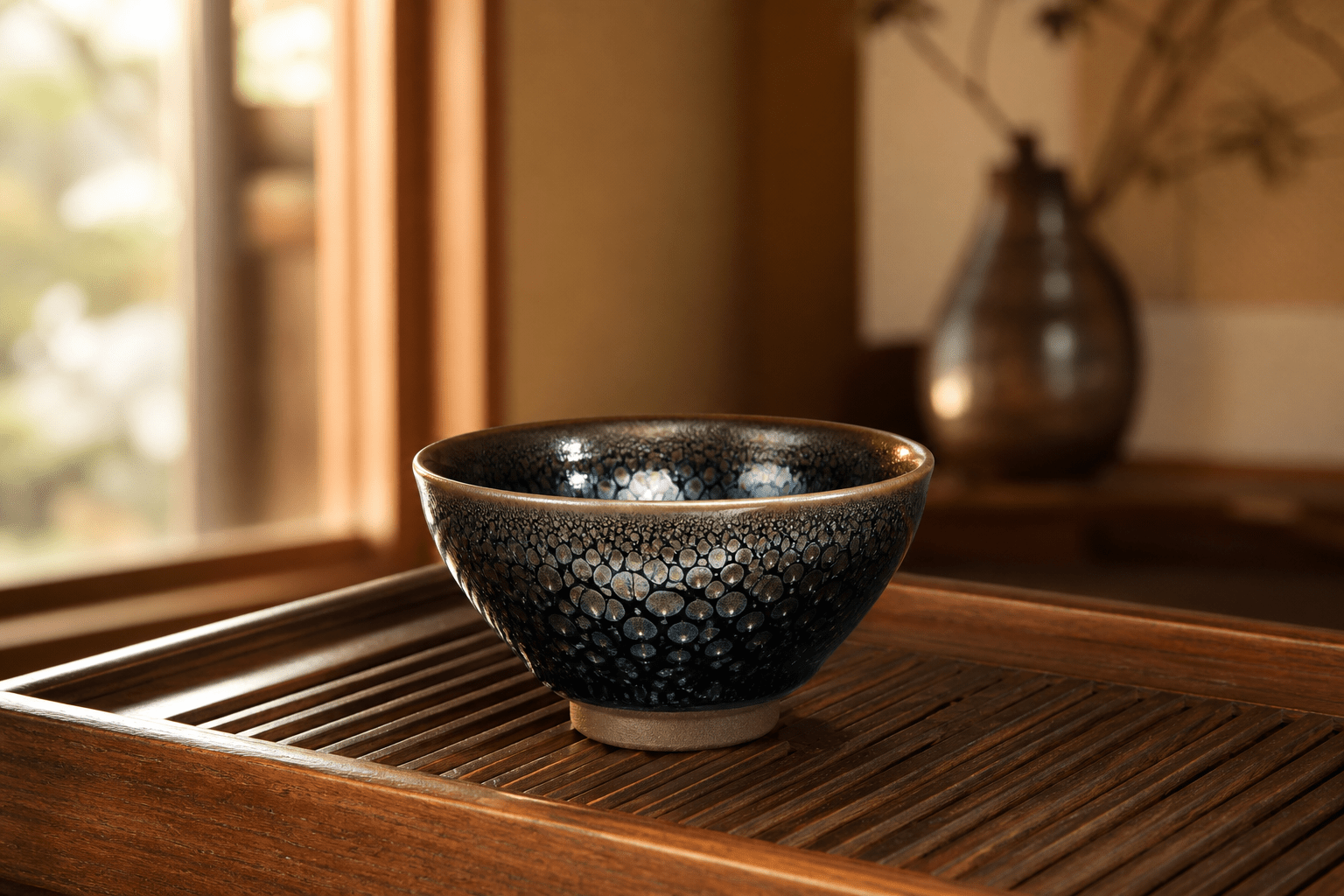

Why Is a Tenmoku Tea Bowl So Expensive? The Art, Labor, and Luxury of Japan’s Treasured Tea Cup
If you’ve ever shopped for a traditional Japanese tea bowl, you’ve probably paused at the price tag of a genuine tenmoku tea bowl and thought, “Wait—why does this cup cost as much as a weekend getaway?” I get that question all the time. These aren’t just ordinary drinking vessels. A tenmoku tea bowl—closely related to the Chinese jianzhan—is a handmade ceramic miracle born from a volatile kiln-change process inside a blazing dragon kiln. It’s a tea ceremony gift that carries eight centuries of soul in its glaze. I’m Sophie Thompson, a tea ceremony student and handmade pottery obsessive, and today I’ll break down exactly what makes these bowls worth their steep price—no fluff, just the craft, rarity, and the kind of luxury that feels like a vintage Rolex on your tea table.
Key Takeaways
- A real tenmoku tea bowl is handmade through a low-success kiln change process, with many pieces shattering or coming out ugly.
- Iron-rich clay, natural ash glazes, and wood-fired dragon kilns contribute to materials and labor costs that mass production can’t touch.
- The Japanese tea ceremony elevates the tenmoku tea bowl to an art object—a perfect unique tea cup gift for serious tea lovers.
- Prices range from $80 for a competent studio piece to $2,000+ for a masterwork with rare “hare’s fur” or “oil spot” patterning.
What Exactly Is a Tenmoku Tea Bowl? A Quick Cultural Primer
Think of the tenmoku tea bowl as the fine wine glass of the tea world—but far more dramatic. The term “tenmoku” is Japanese, tracing back to the Tianmu Mountain monasteries in China where Japanese monks first encountered these dark-glazed bowls during the Song Dynasty. Originally, they were jianzhan teacups from the Jian kilns of Fujian province. The Japanese later perfected their own versions, embedding them deep into the chanoyu tea ceremony. So whether you call it a tenmoku tea bowl or an authentic jian zhan tea cup, you’re talking about a piece of ceramic with an iron-heavy black glaze that morphs into patterns through a furnace mystery we call kiln change—or yohen in Japanese.
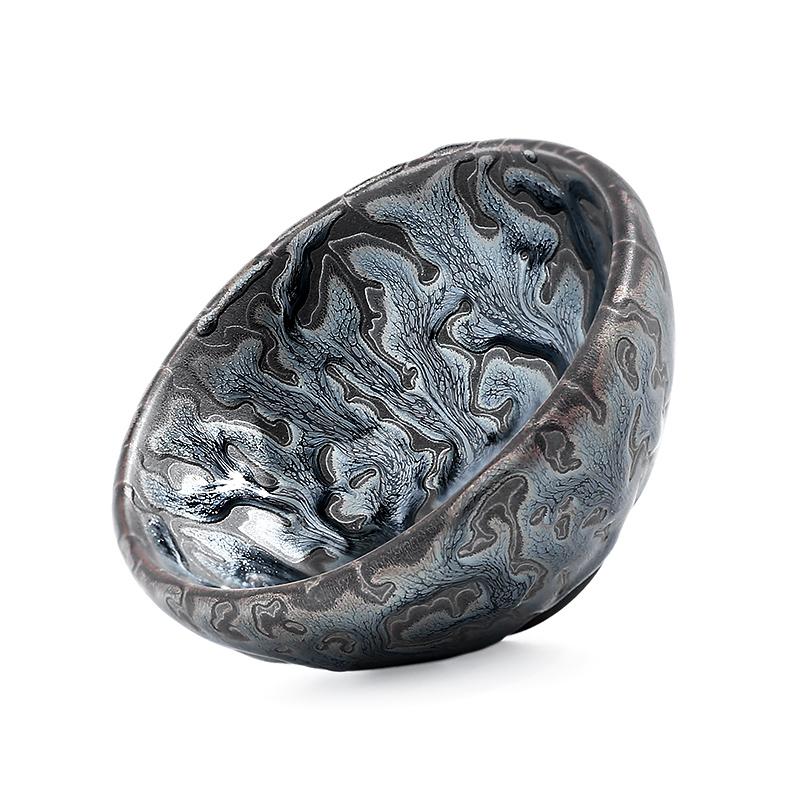
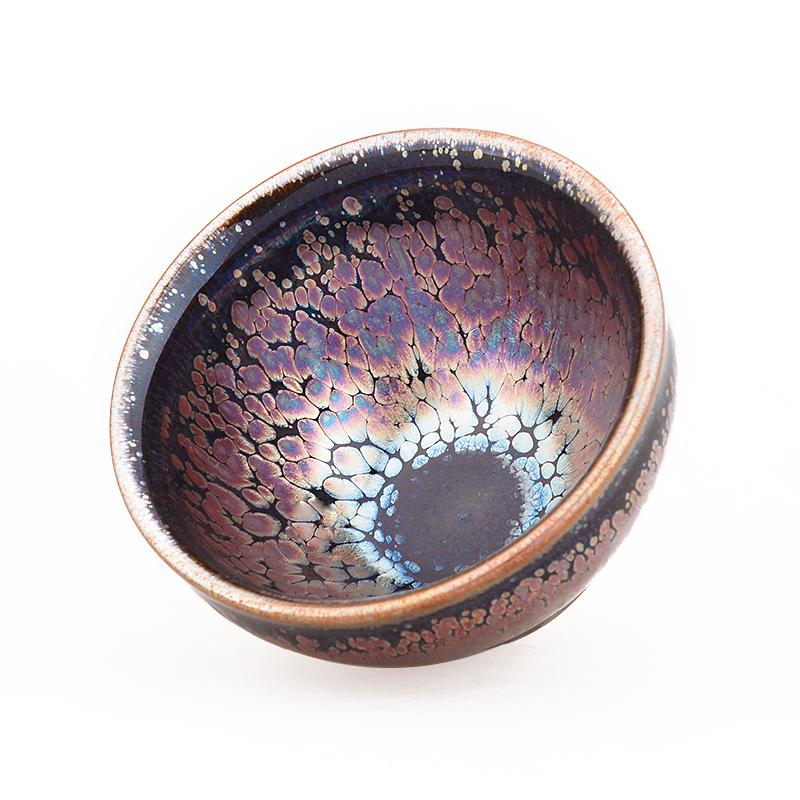
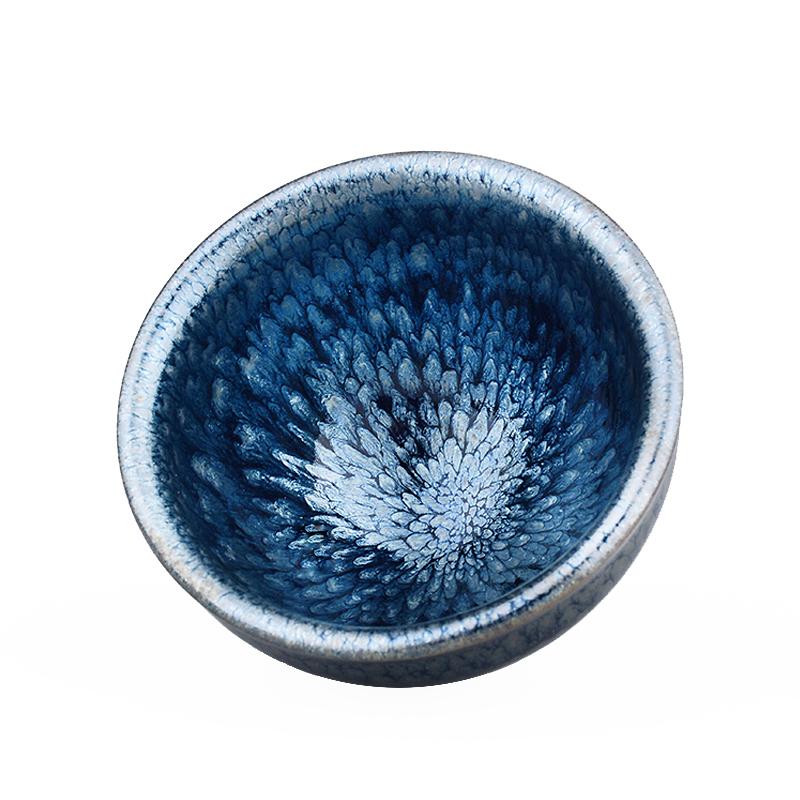
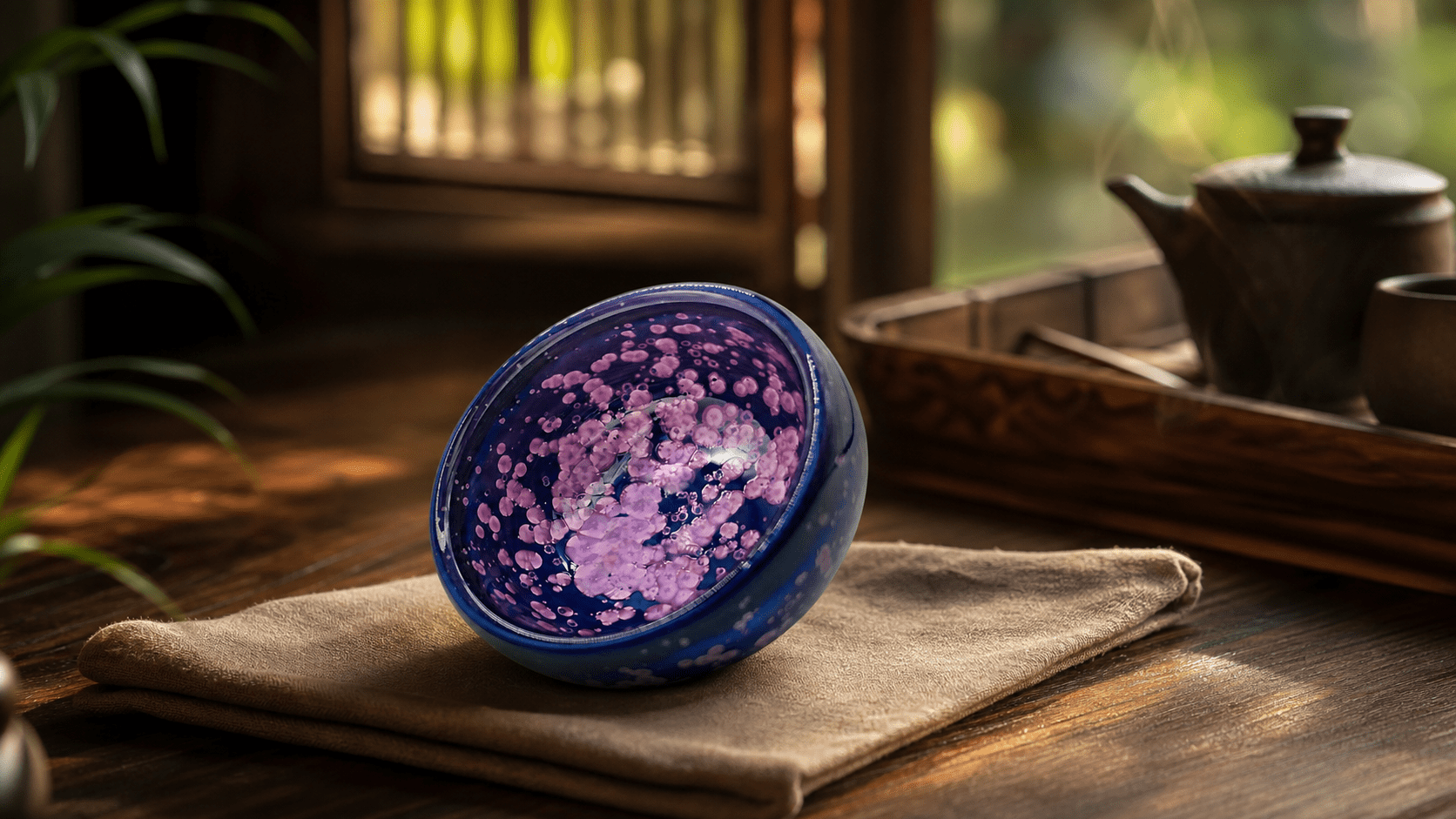
I like to describe it to my American friends like this: if a regular coffee mug is a mass-market paperback, a tenmoku bowl is a hand-bound, gilt-edged first edition. The glaze isn't painted on by a human; it happens when iron oxide inside the glaze reacts to extreme heat, oxygen reduction, and cooling inside the kiln. Unexpected iron crystals bloom, and you get “hare’s fur” streaks, “oil spot” circles, or shimmery “partridge feather” mottling. No two are alike—ever.
The 3 Reasons a Tenmoku Tea Bowl Commands a Premium Price
Let’s cut to the chase. The sticker shock boils down to three brutal truths about how these are made.
1. The Kiln Change Is a Beautiful Gamble (Low Success Rate)
Here’s the heart of the price: a tenmoku tea bowl is born in fire, and fire doesn’t take orders. A potter will load a wood-fired dragon kiln with hundreds of raw clay bowls coated in an iron glaze. Over days, the kiln temperature hits 1300°C (2372°F). Pine wood ash floats through the air, landing on the glaze. The kiln must be starved of oxygen at precise moments. If all the stars align, bowls emerge with liquid-silver streaks or iridescent spots. If not? They come out a flat, dead black, or bloated, or cracked in two. The success rate for top-tier patterning can be less than 10%. That kiln-change roulette—kiln change—is the single biggest reason you’re paying for an entire kiln load, not just the one beautiful cup you hold. Every exquisite handmade jian zhan tea cup you see has buried ten of its siblings.
2. Materials & Labor Are Anything But Ordinary
Mass-produced ceramic cups use refined, predictable materials. A traditional tenmoku tea bowl uses natural iron-rich clay dug from specific hillsides in Japan or Fujian. This clay is heavy, plastic, and notoriously tricky to throw on the potter’s wheel. Then there’s the glaze—a slurry of local stone powder, iron oxide, and plant ash, not a laboratory formula. Every batch behaves slightly differently. A master potter might spend thirty hours forming, trimming, bisque-firing, glazing, loading the kiln, and monitoring the forty-hour wood firing. It’s labor that no machine can copy. When I visited a small pottery studio in Seto, Japan, the potter told me he could only produce about twenty bowls a month—and only three of those might be gallery-worthy.
This kind of craftsmanship is like a Savile Row tailor versus a fast-fashion factory. You’re paying for the maker’s entire life of skill, not just the bowl in your hand. That’s why a handmade tea cup gift set featuring multiple tenmoku styles is such a profound present—it’s the opposite of disposable.
3. Tea Ceremony Status & Artistic Legacy
In Japan, certain historical tenmoku tea bowl pieces are National Treasures. The famous “Yohen Tenmoku” bowls (with their iridescent star-speckle glaze) are so revered that they’re displayed in museums under atmospheric control. This cultural weight adds intangible value. For a tea practitioner, using a fine tenmoku tea bowl during oolong tea or matcha is a meditative experience—the dark backdrop makes the tea’s color pop, and the thick lip feels warm and alive. This isn’t merely a cup; it’s a tea ceremony gift that says “I see the art in your daily ritual.”
Think of it like buying a high-end mechanical watch. A quartz watch tells time perfectly well, but a Patek Philippe is about lineage, craft, and soul. A tenmoku tea bowl occupies that same space in the tea world.
Why Tenmoku Tea Bowls Are the Ultimate Unique Tea Cup Gift for Tea Lovers
I’ve given these bowls as wedding gifts, milestone birthday presents, and thank-you gestures to mentors. The reaction is always deeper than with a generic gift card. Here’s why they work as a tea cup gift for tea lovers.
- No two are identical. Every unique tea cup gift from a wood-fired kiln carries a one-off pattern—like a snowflake. The recipient owns a piece of cosmic chance.
- It’s a daily luxury. We don’t use fine china often enough. A tenmoku tea bowl can be used daily for oolong tea or dark roasted teas, and actually improves with use as the oils build a soft patina.
- Connects to a story. You’re giving an object with eight centuries of Asian tea culture attached. It’s a conversation starter on any coffee table.
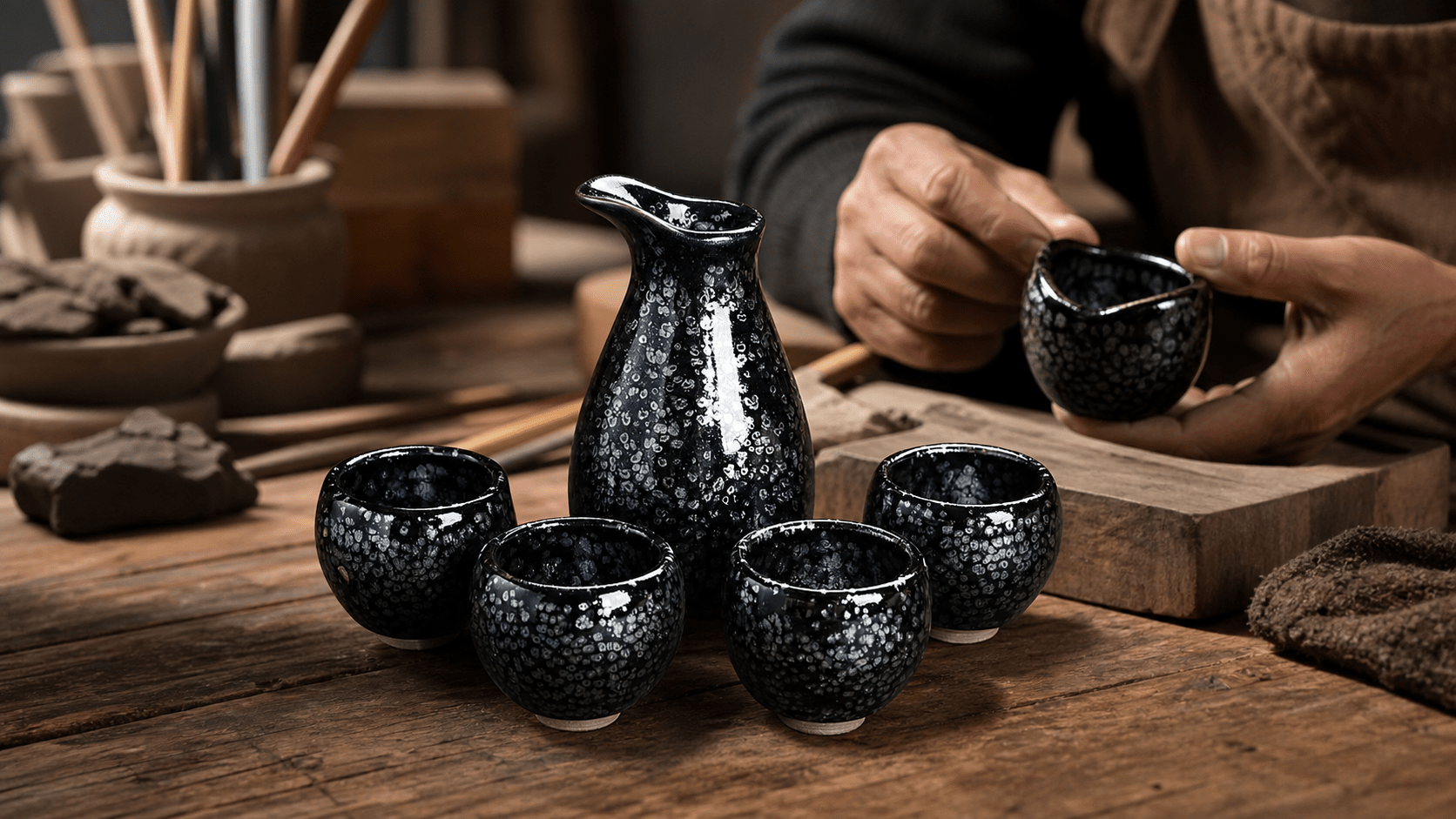
- Pairs beautifully. A single bowl or a handmade tea cup gift set of two (maybe one hare’s fur, one oil spot) elevates a tea lover’s gongfu tea setup instantly.
When a friend unwraps a handmade jian zhan tea cup with a rippling silver hare’s fur pattern, they’re not just holding a cup—they’re holding a moment of wildfire captured in clay. It’s the kind of gift that expresses “I know you love tea, and I took the time to find something extraordinary.”
Authentic Jianzhan vs. Japanese Tenmoku: What’s the Difference?
To choose the best jian zhan tea cup, it helps to understand the sibling relationship. Jianzhan is the original Song-dynasty Chinese blackware from Jianyang. Tenmoku is the Japanese interpretation + continuation of that tradition. In practice today, the lines blur. Many Chinese studios produce excellent authentic jian zhan tea cup pieces using original Jian clay and dragon kilns, while Japanese potters in regions like Seto and Mino create their own distinct variants. The Japanese versions often have slightly more refined symmetry and are closely linked with matcha tea ceremony; the Chinese jianzhan revival pieces tend to emphasize wild, rustic individuality. Both are valid and stunning. What matters is that you’re buying from a reputable artisan who uses real iron-glaze and proper reduction firing, not a factory slip-cast piece with a sprayed-on fake effect.
I always encourage buyers to look closely at the foot ring—the unglazed base. On a handmade piece, you’ll see iron-rich dark clay, often with a slight gritty texture, and rings or marks from the potter’s wheel. A perfectly smooth, white or light-colored base screams mass production. Want to see living examples of this? Browse our hare's fur Jianzhan series to see how authentic iron clay looks up close.
How Much Should You Pay? A Price Guide for Handmade Jianzhan Tea Cups
I’m often asked, “What’s a fair price for a tenmoku tea bowl?” Here’s my honest breakdown from years of buying and collecting. Think of it like wine: there’s an entry-level that’s still wonderful, and then there’s the stratosphere for masterpieces.
| Price Tier | What You Get | Tea Scenario |
|---|---|---|
| $30–$80 | Studio entry bowl. Handmade but may be electric-kiln fired with a simpler iron glaze, or a wood-fired piece with subtle patterning. Good daily driver, safe for learning. | Casual oolong tea drinking, first jianzhan experience. |
| $80–$250 | Quality artisan bowl with clear kiln-change effects—obvious hare’s fur or small oil spots. Wood-fired, iron-rich clay, good weight and balance. This is my sweet spot for tea ceremony gift giving. | Gongfu tea with guests, a thoughtful unique tea cup gift. |
| $250–$800 | Master-class bowl from a known potter or kiln. Brilliant, vivid glaze activity; maybe blue-gold oil spots or complex yuteki patterns. The best jian zhan tea cup at this tier becomes a family heirloom. | Daily luxury sipping, collection centerpiece. |
| $800–$2,500+ | Exhibition-grade pieces, often with an artisan’s stamp and lineage. Flawless form, jaw-dropping kiln change, sometimes inspired by National Treasure originals. | Serious collector territory, milestone gifts. |
A quick personal note: don’t be afraid of the $80–$150 range. Many brilliant Chinese and Japanese potters work in this bracket, delivering handmade jian zhan tea cups that will stun your guests and improve your tea’s aroma perception (yes, the iron glaze softens water texture, many of us swear by it). Explore our handmade Jianzhan tea cups to see curated options that balance quality and price beautifully.
How to Spot Real Handmade Ceramic vs. Factory Imitations
The market is flooded with cheap lookalikes. Since a genuine tenmoku tea bowl investment can be significant, here’s my quick checklist for authenticity.
- Check the foot. The unglazed base should show dark, rough, iron-rich clay. Often you can feel the wheel-throw lines.
- Examine the glaze depth. Real handmade ceramic kiln-change glaze looks layered, with crystals suspended inside a glassy matrix. Fakes look flat, like a paint coat.
- Look for kiln marks. Small kiln grit on the foot, or slight asymmetry in the glaze drips, are signs of a real wood-firing. Perfect, industrially-smooth surfaces = red flag.
- Weight. True jianzhan clay is heavy, almost stone-like. It should feel substantial in the palm.
- Ask the maker. Any reputable seller will tell you the kiln name, artisan, clay source, and firing method. If the answer is vague, walk away.
Frequently Asked Questions About Tenmoku Tea Bowls
Q: Why is a handmade Jianzhan tea cup so expensive?
A: Low success rate, rare clay, dozens of hours of labor, and an eight-century art tradition. Each masterpiece absorbs the cost of its failed kiln-mates.
Q: Can I use a tenmoku tea bowl for oolong tea or other teas?
A: Definitely. The visual drama and heat retention make it my go-to for oolong tea and pu-erh. The dark glaze makes the tea’s color glow.
Q: What makes a tenmoku tea bowl a unique tea cup gift?
A: No two patterns are alike. It’s a one-of-a-kind piece of Japanese pottery and a tea ceremony gift that tells a story every time someone brews.
Q: How do I care for my handmade tenmoku tea bowl?
A: Rinse with warm water, avoid soap and microwaves, and pat dry. The bowl will season gently with use—no scrubbing needed.
Q: Is Japanese pottery different from Chinese jianzhan?
A: They’re cousins. Jianzhan is the mother tradition; Japanese tenmoku tea bowl styles adapted it with local flair. Both are legitimate handmade ceramic art.
Who Should Buy a Tenmoku Tea Bowl?
You’ll treasure one if you:
- Practice gongfu tea or Japanese tea ceremony and want a vessel that does justice to rare leaves.
- Are searching for an unforgettable unique tea cup gift that combines art, history, and daily ritual.
- Appreciate handmade goods with a low environmental footprint—each bowl is a slow-craft, non-industrial object.
- Love the idea of owning something that shares a bloodline with Song Dynasty treasures.
- Collect small-batch studio pottery and want to add a handmade tea cup gift set to your home tea bar.
If you’re still enjoying your big-box-store mugs, that’s perfectly fine! But once you hold a warm bowl of oolong tea in a tenmoku tea bowl and watch the light move across its hare’s fur streaks, the experience shifts. The tea tastes fuller. The moment slows down. That, right there, is what the extra cost delivers—not just a cup, but a ritual.
Final Thoughts
The price of a tenmoku tea bowl is a direct reflection of the gamble, the heritage, and the human hands behind it. When you buy an authentic jian zhan tea cup, you’re not paying for a logo. You’re subsidizing the kiln that fires for days on end, the broken rejects that never leave the pottery yard, and the lifetime of experience that guides the potter’s every move. It’s the definition of slow luxury—something rare, meaningful, and utterly personal.
Whether you pick a modest hare’s fur bowl for daily use or splurge on a best jian zhan tea cup with star-burst oil spots, you’re embracing a tradition that dignifies the simple act of drinking tea. Ready to find your own kiln-born companion? Explore our handmade Jianzhan tea cups and discover a perfect match—or a tea cup gift for tea lovers that will be remembered for years.
Explore Our Collection
Ready to experience the world of tenmoku tea bowl? Browse our curated collection:
Disclaimer: This article is for informational purposes. Products and pricing subject to change.
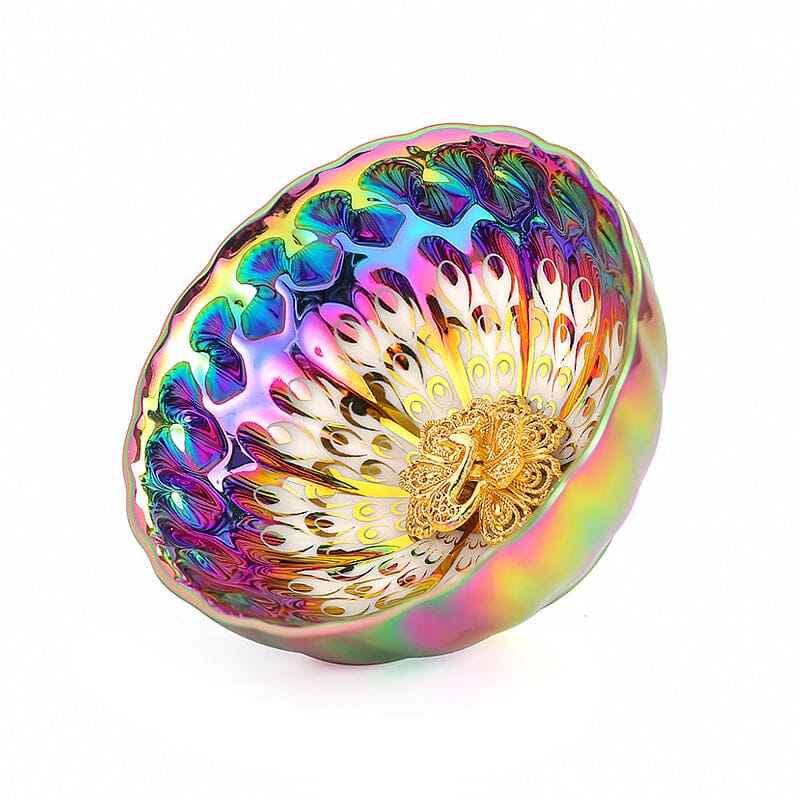
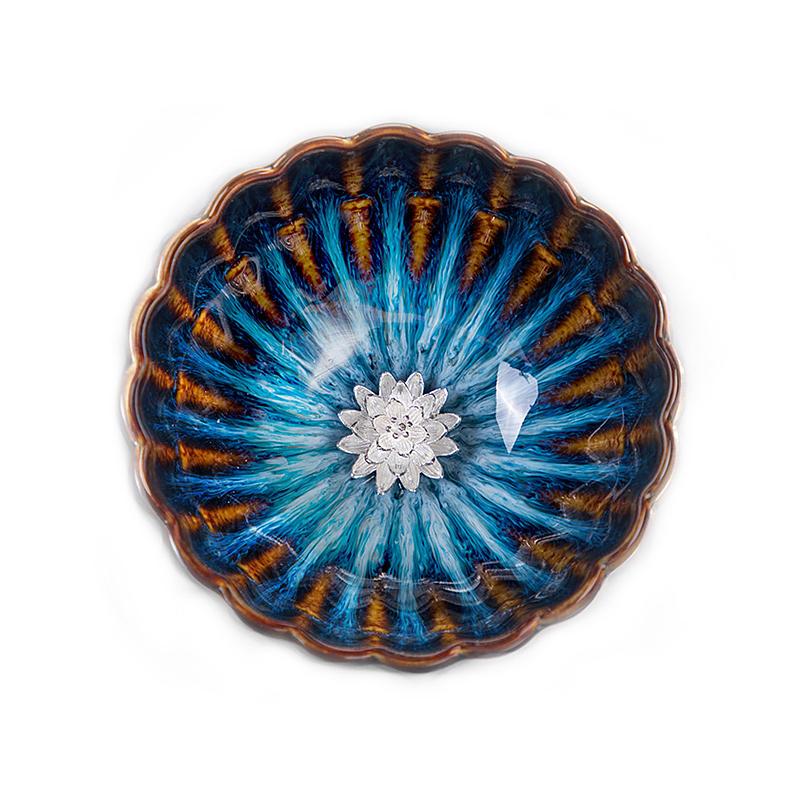
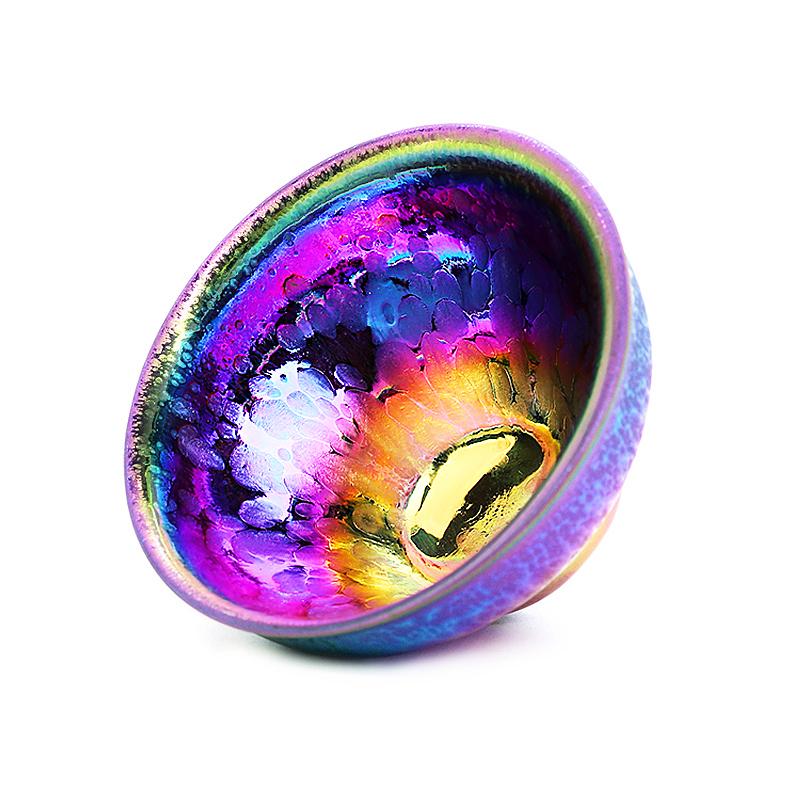
Aktie:
How a Fujian Artisan Revived the Tenmoku Tea Bowl: From Lost Song Dynasty Kilns to Your Tea Ceremony
The Ultimate Tea Lover's Gift Guide: Why a Tenmoku Cup Is the Most Thoughtful Present