

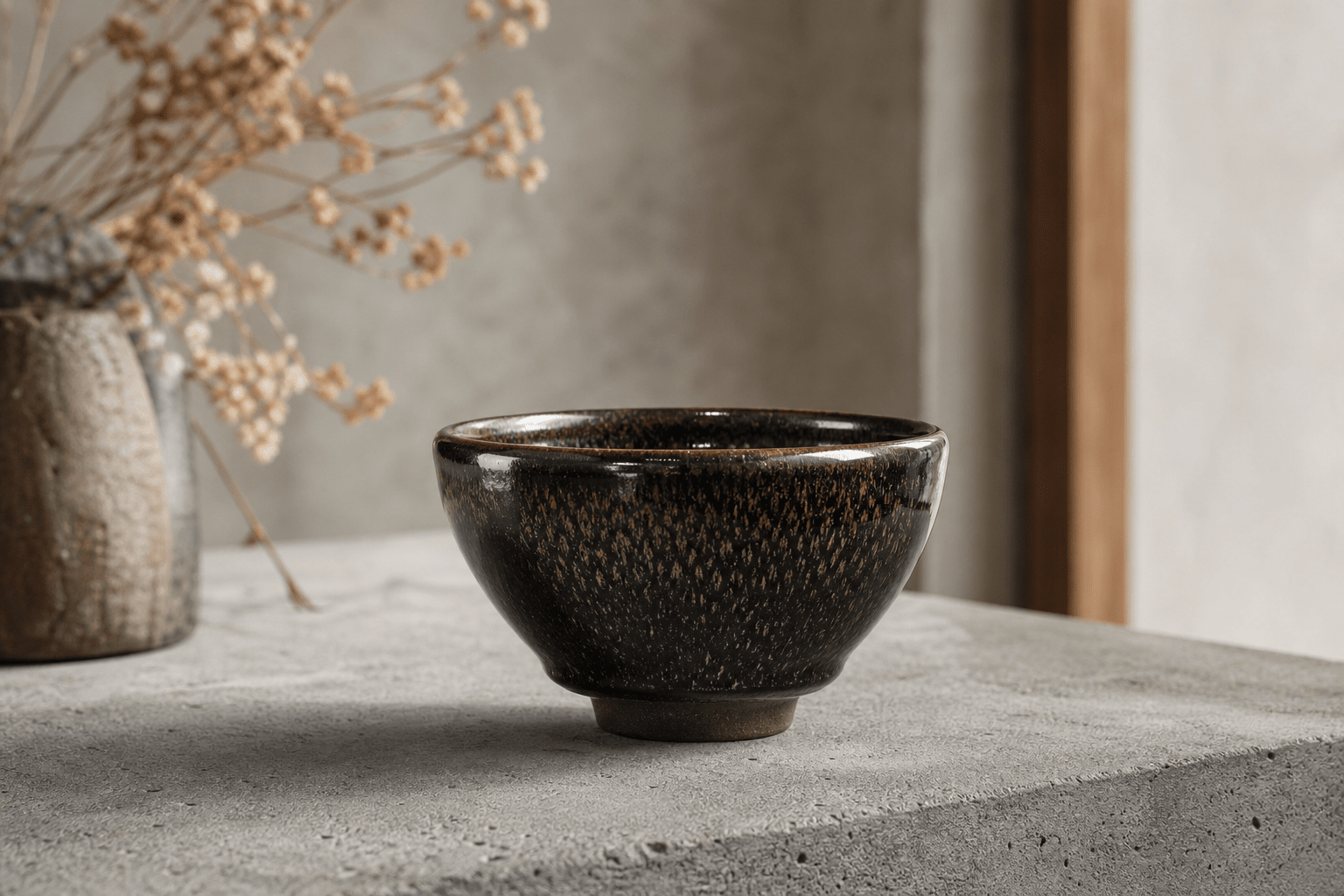


Why Are Handmade Tenmoku Tea Bowls So Expensive? A Deep Dive into Jianzhan Cost & Craft
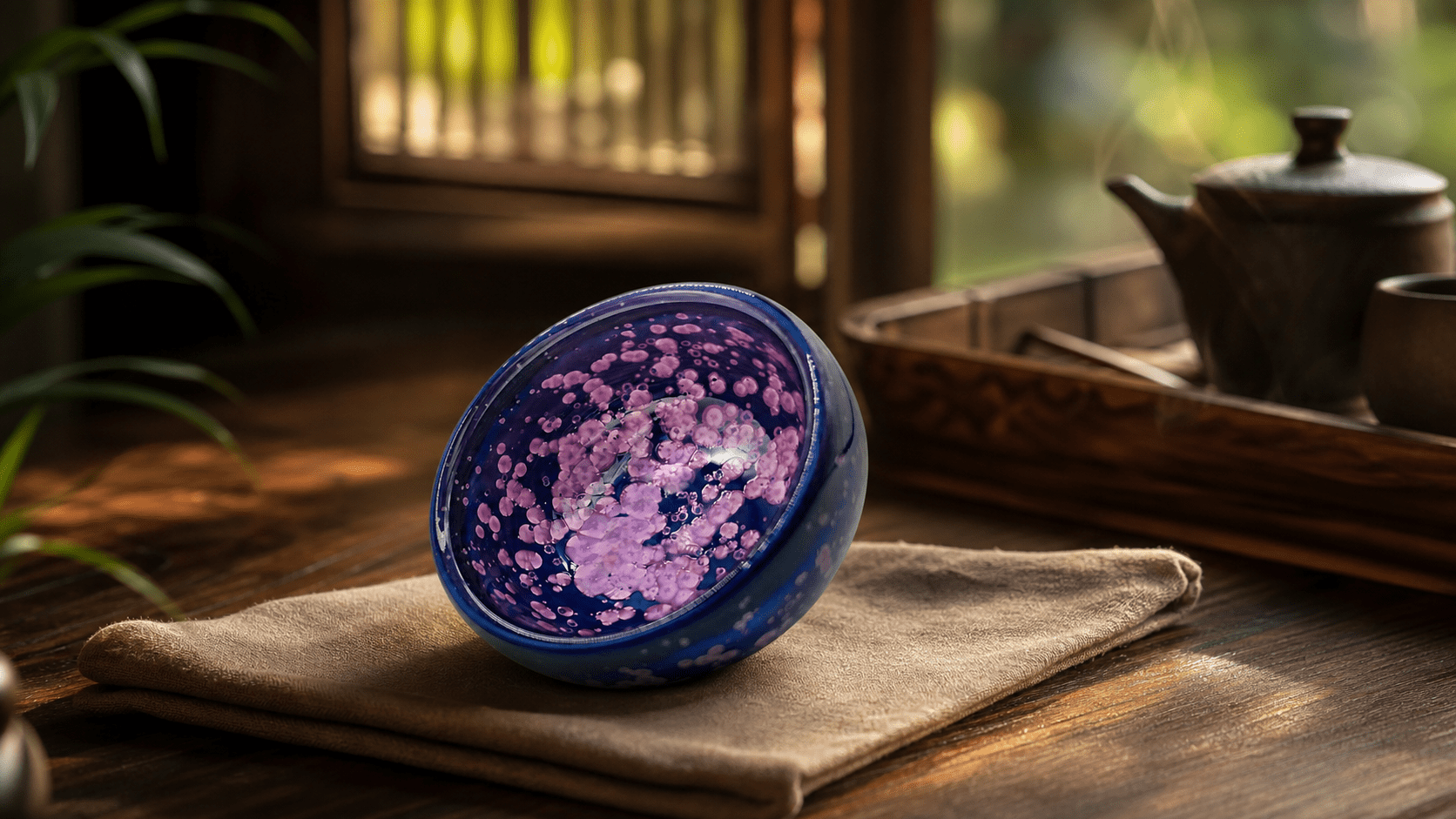
As Tenmokus Editorial Team, I get this question all the time from curious tea drinkers: why are handmade tenmoku tea bowls so expensive? When you first see a deep black tenmoku glaze shimmering with oil spots or hare’s fur, it’s easy to mistake it for just another cup. But for gongfu tea lovers, an authentic jian zhan is a piece of fire-born art—the result of a near‑mystical process that’s been burning in Fujian for over a thousand years. In this article, I’ll break down the real reasons behind the price tag, compare it to luxury crafts you already know, and help you find the best value jian zhan without getting burned.
- Handmade tenmoku is expensive because 70–80% of kiln firings fail, and every glaze effect is unique and uncontrollable.
- Authentic jian zhan comes from Fujian, using local iron‑rich clay and traditional wood‑firing or high‑temperature electric kilns.
- The cost reflects master craftsmanship, material purity, and the kiln’s unpredictability—much like a Swiss watch or Japanese whiskey.
- Entry‑level handmade jian zhan tea cups start around $80; museum‑grade pieces can exceed $3,000.
- You can shop smart: look for certifications, understand glaze types, and buy directly from trusted studios for best value jian zhan.
What Makes a Tenmoku Tea Bowl So Expensive? The Real Cost Breakdown
Think of a tenmoku tea bowl like a hand‑blown crystal wine glass from a legendary Venetian forge. Both are functional, both are born in extreme heat, and both are judged by how they transform light and liquid. The difference? A jian zhan’s magic happens entirely inside the kiln, and even the most skilled potter can’t control the final result. Here’s the honest breakdown of why tenmoku tea bowl price tags can make your eyes water.
- Clay & minerals: True Fujian jianzhan uses iron‑rich Jianzhan Tenmoku ceramic clay that can only be sourced from specific regions around Shuiji town. This clay has high shrinkage rates; if you don’t match the glaze formula perfectly, the entire piece cracks on cooling.
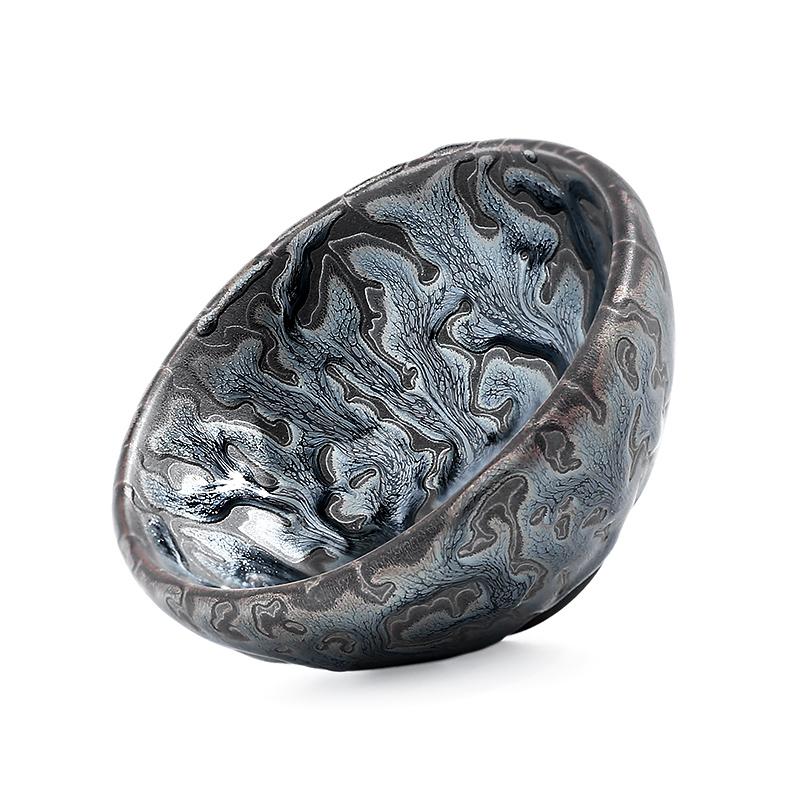
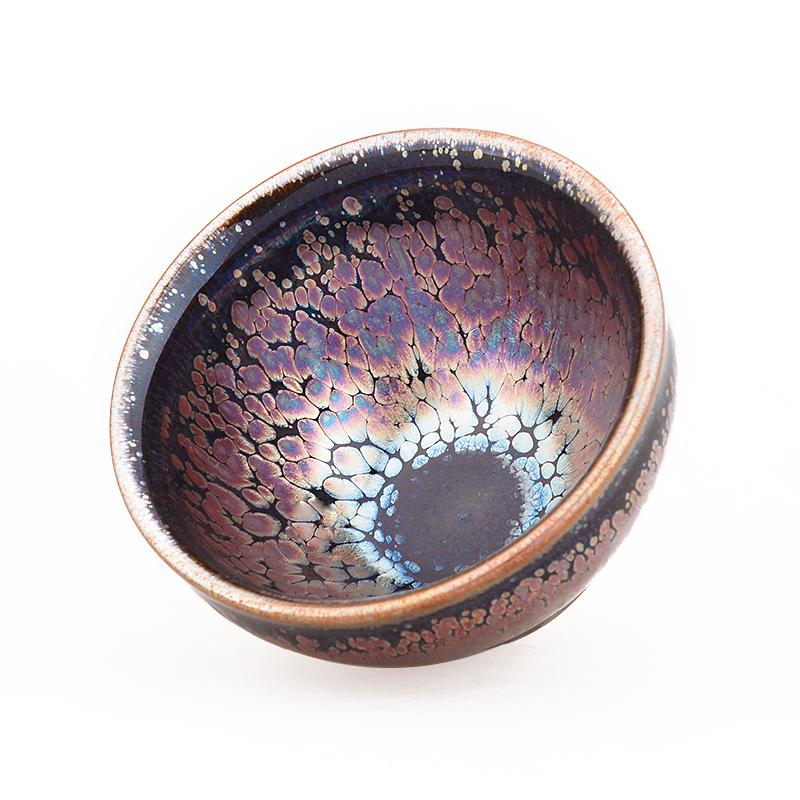
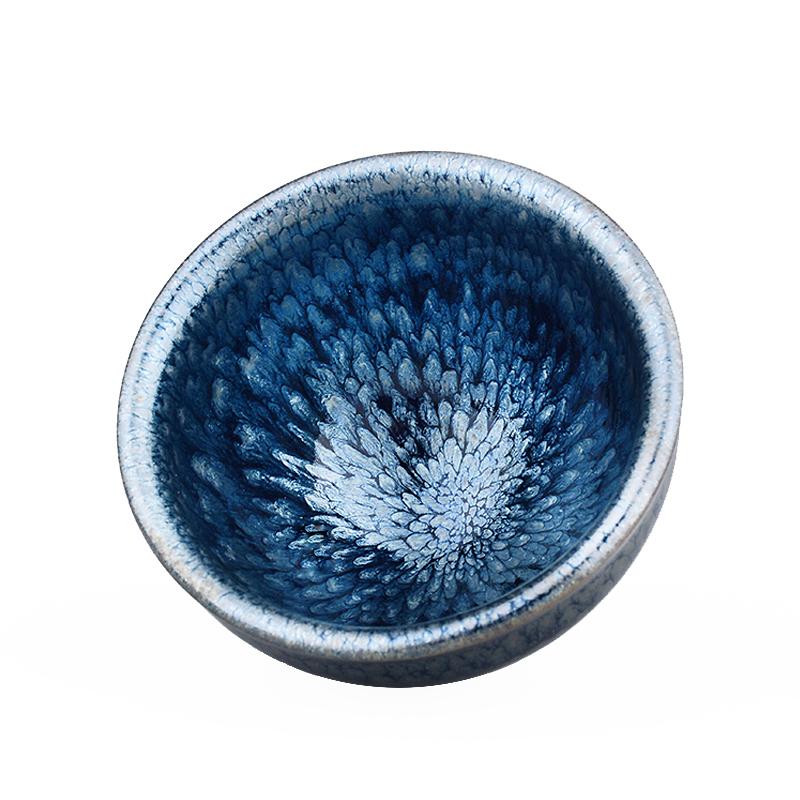
- Glaze alchemy: The tenmoku glaze is typically made from wood ash, feldspar, and iron oxide. Each master has a secret recipe. The famous partridge feather (Northern Song dynasty pattern) or oil spot effects are created by iron crystallization at exactly 1,300°C (2,372°F). A single degree off can turn a $1,000 masterpiece into a $10 lump of slag.
- Kiln failure rate: I’ve seen kilns in Fujian where less than 20% of the loaded handmade jian zhan tea cups survive without blisters, pinholing, or total collapse. That 80% failure rate is the biggest driver of jian zhan cost.
- Time & labor: A single cup takes weeks. Clay refining, throwing, trimming, sun drying, bisque firing, glazing, and the final 12‑hour roaring kiln. All before you even see the pattern.
So when you ask why tenmoku is expensive, the short answer is: you’re paying for the 8 out of 10 cups that didn’t make it.
Why Is Japanese Pottery’s Tenmoku Glaze So Hard to Master?
Though the tenmoku tea bowl originated in Song Dynasty China, the name “tenmoku” comes from Japanese monks who brought the bowls back to Japan. Today, both Chinese jianzhan and Japanese pottery studios produce tenmoku ware, but the technical challenge remains the same—this isn’t a paint job; it’s a volcanic micro‑storm inside a ceramic crust.
Here’s an analogy: imagine trying to photograph lightning. You can set up the camera, but you can’t make the bolt strike in a specific shape. A tenmoku glaze is lightning trapped in iron glass. The partridge feather pattern that collectors love isn’t drawn; it’s a cascade of iron crystals that forms as the kiln cools. If oxygen sneaks in, the crystals shatter into dull mush. If the cooling ramp is misprogrammed, you get a flat black mug, not an iridescent Jianzhan Tenmoku ceramic jewel.
In Japan, living national treasures spend decades failing in public before they produce a single perfect tea bowl. That rarity is baked into every tenmoku tea bowl price—whether it’s a modern handmade jian zhan tea cup from a Fujian craftsman or a Kyoto potter’s kiln.
How Does the Jianzhan Cost Reflect Its Kiln Failure Rate? (A Tiered Comparison)
If you’re trying to understand jian zhan cost, you have to think like a luxury buyer evaluating a watch. Some watches tell time reliably for $50; a hand‑finished Swiss tourbillon costs $50,000—both do the same job, but the failure rate and craftsmanship are worlds apart. Here’s the same spectrum for tenmoku tea bowl for sale options in today’s market.
| Tier | Typical Price (USD) | Kiln Survival Rate | Glaze Character | Best For |
|---|---|---|---|---|
| Studio Entry‑Level | $80 – $250 | ~30‑40% | Simple hare’s fur or basic oil spots; may have minor cosmetic bleeding | Daily gongfu tea ritual; beginner collectors |
| Artisan Mid‑Range | $300 – $900 | ~15‑25% | Crisp partridge feather or vivid oil spots; even pattern distribution | Serious tea lovers; distinctive gift for tea lovers |
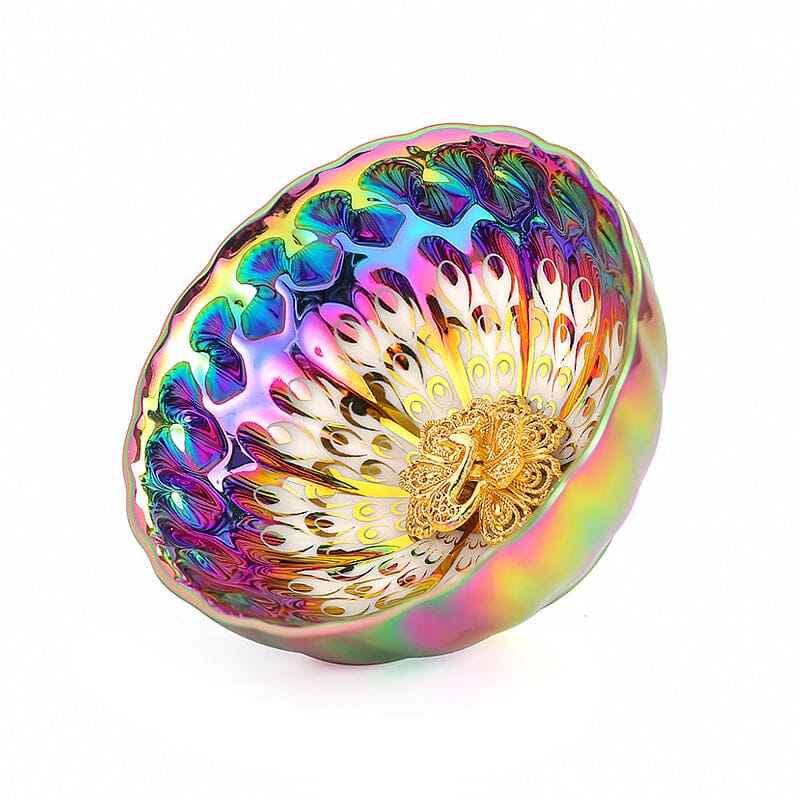
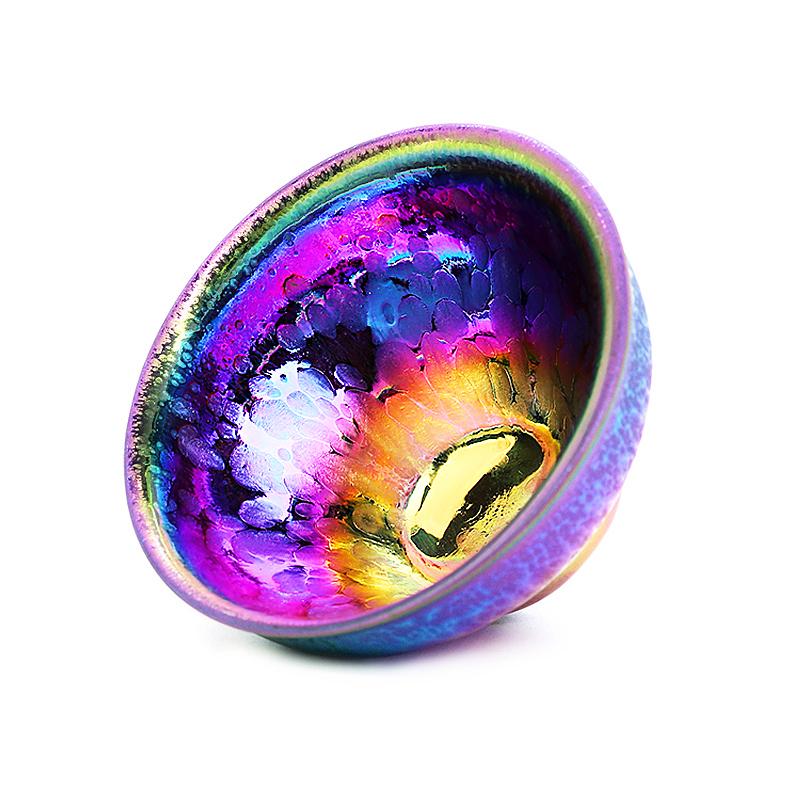
| Master Collection | $1,200 – $3,500+ | <10% | Rare Yohen (kiln‑change) effects, shimmering “rainbow” Tenmoku, metallic “oil drop” with depth | Display pieces; connoisseurs who appreciate Song Dynasty glaze as art |
| Antique / National Treasure | $5,000 – $1,500,000 | Negligible survival rate over centuries | Authenticated Song Dynasty jianzhan; muso‑class Japanese pottery pieces | Museums; private investors |
What this tells you: the best value jian zhan is rarely the cheapest. A $150 exquisite authentic jian zhan tea cup with crisp hare’s fur from a rising Fujian artisan often outperforms a drab $50 mass‑produced copy that uses chemical pigments instead of natural iron. Always shop authentic Tenmoku tea bowls where the artist’s seal and kiln certificate are included.
Where Can You Find the Best Value Jianzhan Tea Cup?
“Best value” doesn’t mean cheap—it means the highest artistry for the price paid without chasing hype. I’ve helped hundreds of US collectors find satisfaction, and these are my rules for finding a tenmoku tea bowl for sale that delivers on both beauty and integrity.
- Buy from the source province: Studios in Fujian (especially around Jianyang) can offer fresh wood‑fired pieces at a fraction of gallery mark‑ups. If you can’t travel, explore our handmade Jianzhan tea cups — we work directly with kilns that fire in dragon kilns, not mass‑production lines.
- Understand the glaze family: Partridge feather (鹧鸪斑) and oil spot are the most recognizable. If you want a tenmoku tea bowl that looks like a starry night, ask about yohen tenmoku. These are pricier but unforgettable.
- Check for the teapot symbol: Authentic jianzhan should carry the mark of the “Jianzhan” geographical indication and often the artist’s personal stamp on the base.
- Avoid “perfect” patterns: True tenmoku is full of tiny imperfections—a slight drip here, a crystal cluster there. That’s proof of a real kiln, not a decal.
- Use it to brew tea: A tenmoku tea bowl isn’t just an ornament. The iron in the Jianzhan Tenmoku ceramic subtly softens water, which is why gongfu tea masters prefer heavy‑iron glazed wares.
If you’re hunting for a best value jian zhan, target the $150–$400 artisan mid‑range. These cups often show monumental kiln‑change effects that would be priced in the thousands if they were one‑of‑a‑kind masterpieces, but they come from newer potters who haven’t yet reached rock‑star status. That’s your collector’s sweet spot.
Is an Authentic Jianzhan Tea Cup Worth the Investment? (Plus Who Should Buy)
Let’s be blunt: a $5 porcelain mug holds tea just fine. But you don’t ask if a handmade tenmoku tea bowl is just a cup. You’re asking if it’s art. In my experience, the answer is a resounding yes—if you buy the right piece and understand what you’re holding.
When you grip a handmade jian zhan tea cup, you’re touching a technology that was already ancient when Kyoto’s tea masters brought it to Japan. The micro‑oxide crystals aren’t painted; they grew in that exact spot during the fiery chaos of the kiln. That means your cup is literally a one‑of‑one snowflake of iron glass. That uniqueness is why I see serious jian zhan cost as identical to buying a numbered lithograph — except here the “print” was made by nature.
Who should buy an authentic tenmoku tea bowl?
- The daily gongfu tea ritualist: You’ll taste the difference. The iron‑rich body softens high‑mineral water, and the wide flared shape cools tea to drinking temperature instantly.
- The mindful gift giver: A tenmoku tea bowl wrapped with a note about Song Dynasty glaze is a soulful gift for tea lovers that no generic travel mug can match.
- The art collector: If you already collect hand‑thrown pottery or Japanese pottery, adding a mu‑heavenly‑eye tenmoku to your shelf is a logical next step.
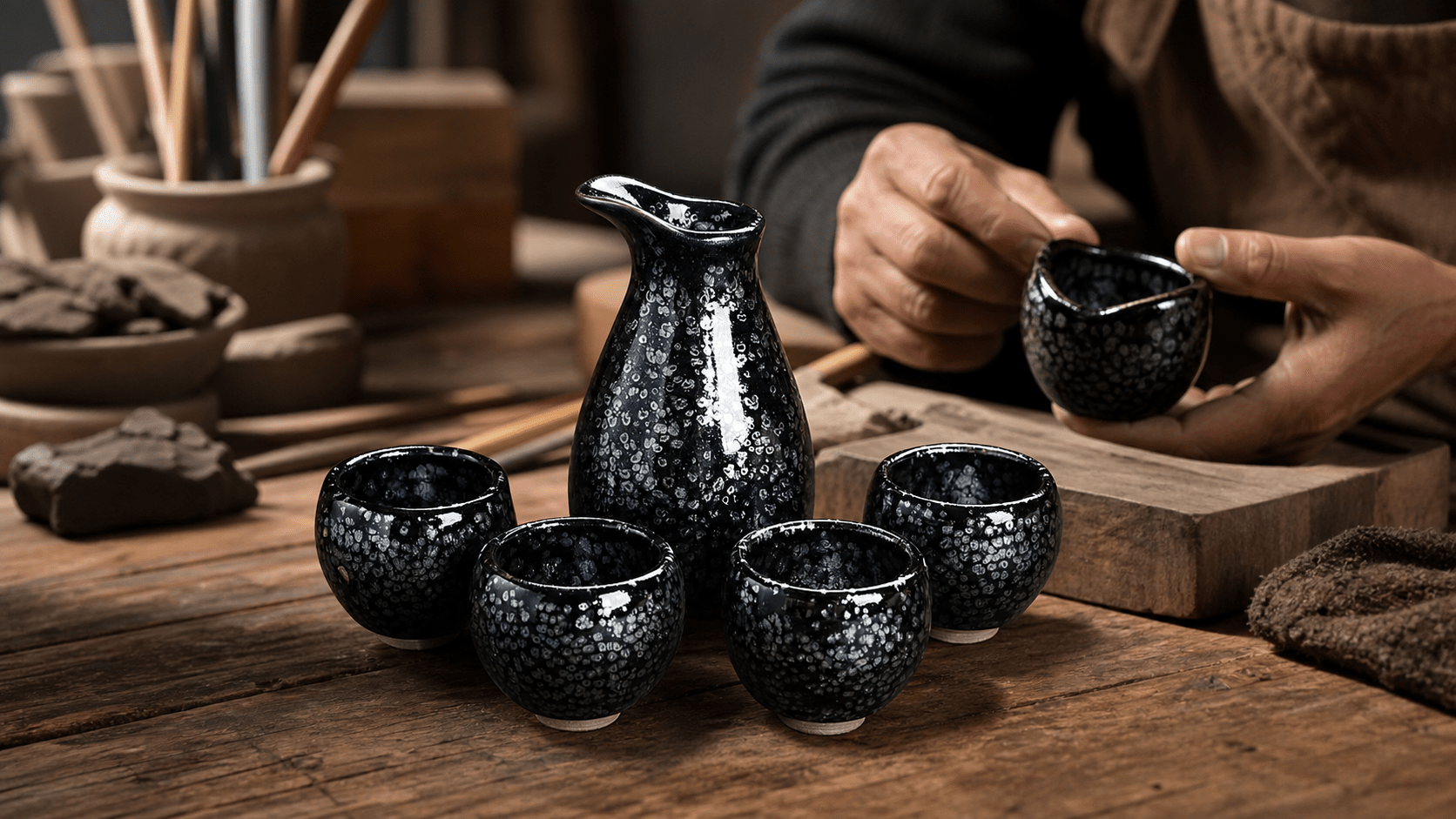
- The reluctant spirit drinker: Whisky in a tenmoku cup? It’s a taste revelation. The black surface with silver oil spots acts like a crystal decanter, highlighting the spirit’s color.
If you’re still asking why tenmoku is expensive, I’d answer: because every single one is an accidental masterpiece. That is the polar opposite of mass production, and in our world of identical objects, that rarity is exactly what gives a tenmoku tea bowl price its dignity.
Frequently Asked Questions About Tenmoku Tea Bowls
Why is tenmoku so expensive compared to regular tea cups?
The high cost comes from extreme kiln failure rates (70‑80%), the use of rare Fujian iron clay, and the unpredictable tenmoku glaze that creates a unique pattern every single time. You’re paying for the artist’s lost pieces as well as the survivor.
What determines the jian zhan cost for a single cup?
Material purity, talent of the potter, firing method (wood versus electric), and the demand for the specific glaze pattern. A crisp partridge feather jianzhan from a celebrated Fujian artist will always command a higher tenmoku tea bowl price.
Is a Japanese tenmoku tea bowl the same as a Chinese jianzhan?
They share the same lineage. The original tenmoku tea bowl was invented in Fujian’s Jian kilns and later adopted by Japanese pottery masters. Today, both traditions produce stunning Jianzhan Tenmoku ceramic glazed ware, but a true jianzhan always references the Chinese origin.
Where can I find an authentic jian zhan tea cup for sale in the US?
Work with importers who vet Fujian kilns directly. You can shop authentic Tenmoku tea bowls that arrive with kiln certificates and artist seals—this ensures you aren’t getting a chemical‑glazed counterfeit.
What is the best value jian zhan for a beginner?
Look for a handmade jian zhan tea cup in the $120–$250 range from an emerging artisan. Focus on recognizable patterns like hare’s fur or simple oil spots, and make sure it’s food‑safe and iron‑glazed, not painted. Explore our handmade Jianzhan tea cups to see what’s currently available.
Whether you’re captivated by the fierce beauty of a Song Dynasty glaze or simply want a daily tenmoku tea bowl that makes your gongfu tea session feel sacred, the price always traces back to one thing: the fire. The next time you see a tenmoku tea bowl for sale and wonder why tenmoku is expensive, remember—you’re not paying for a cup. You’re paying for a controlled miracle.
If you’re ready to find handmade jian zhan tea cups that honor this thousand‑year tradition, take a look at our curated collection. There’s no pressure, only the quiet invitation of Jianzhan Tenmoku ceramic waiting to catch the light.
Explore Our Collection
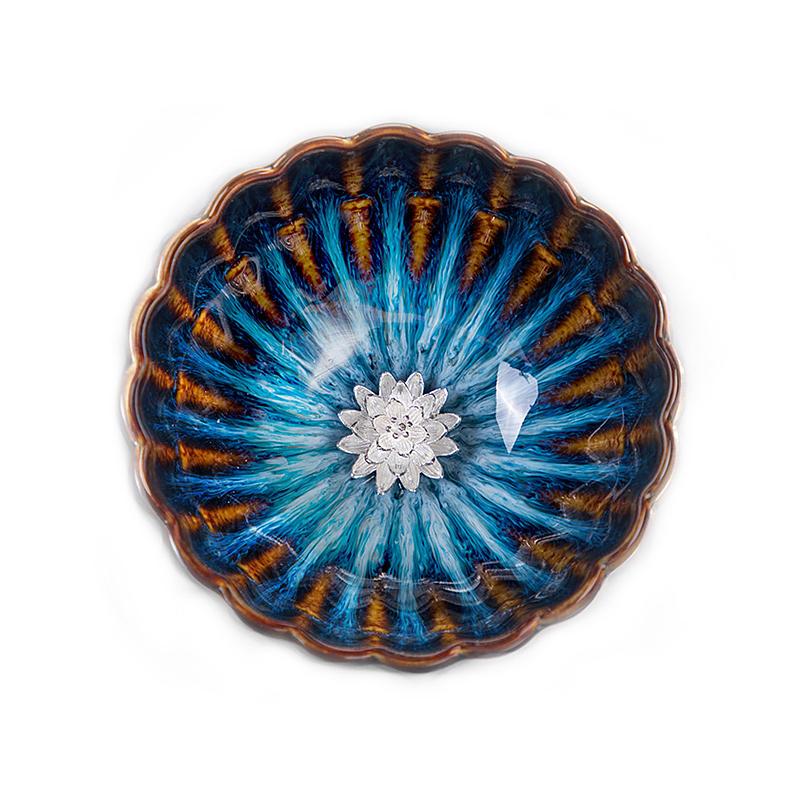
Ready to experience the world of tenmoku tea bowl? Browse our curated collection:
Disclaimer: This article is for informational purposes. Products and pricing subject to change.
Aktie:
Handmade Tenmoku Tea Bowl: Japanese Artisan Journey & Song Legacy
How a Fujian Artisan Revived the Tenmoku Tea Bowl: From Lost Song Dynasty Kilns to Your Tea Ceremony