Vente de Pâques: Achetez 3 Obtenez le 4e gratuit!

In the advanced practice of green tea brewing, the delicate downy protection of Biluochun and the layered release of Huangshan Maofeng require more precise operational skills. This article will delve into the secrets of maintaining clarity in multiple infusions of Biluochun, the step-by-step key points of the middle-pouring method for Huangshan Maofeng, as well as the applicable scenarios and health benefits of three green tea brewing methods, helping you master the "dynamic balance" in green tea brewing.

1. Advanced Brewing of Biluochun: Skills to Maintain Clarity in Multiple Infusions

Due to its abundant downy hairs and tender buds, Biluochun not only requires gentle operation in the initial brewing but also needs detailed control in the second and subsequent infusions to maintain clear tea soup and stable flavor.

(1) Core Essentials of Initial Brewing and Soup Serving

The characteristics of Biluochun's leaves determine its unique brewing rhythm:

Stalk characteristics: Dry tea has thin, tight, and curled stalks. When brewed, it gradually unfolds as it absorbs water and slowly sinks to the bottom of the cup. This process should avoid external interference;

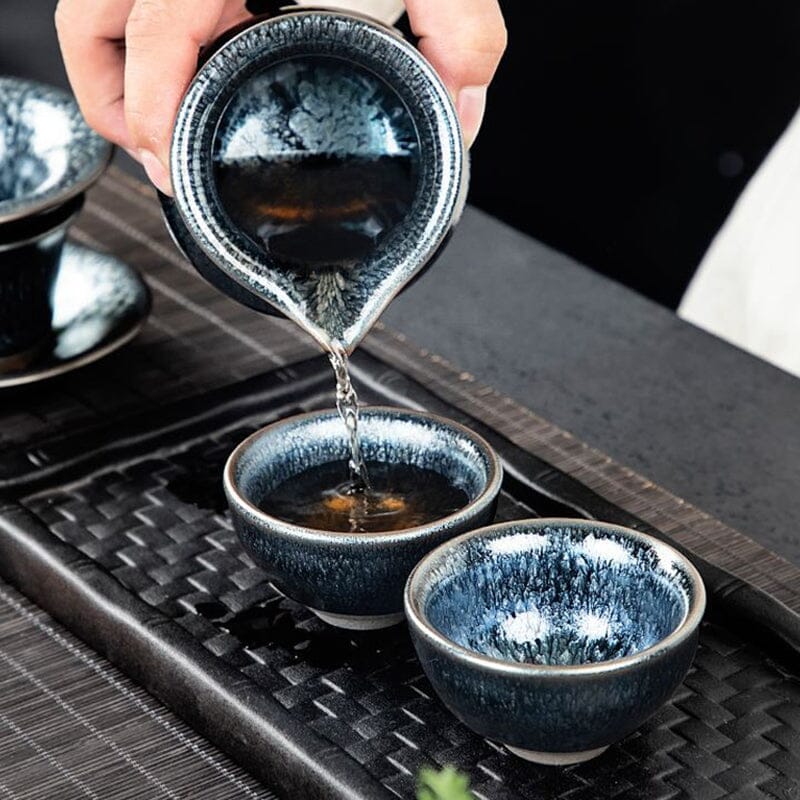
Soup serving skills: The action during soup serving must be gentle and slow. Keep the cup or fairness cup steady when holding to avoid shaking that causes tea leaves to roll—excessive rolling will make a large amount of downy hairs fall off, and the tea soup tends to be turbid;

Concentration balance: The flavor of Biluochun's tea soup shows a "light first, then strong" trend. The first infusion has a fresh taste because the tea leaves have just woken up; as the number of infusions increases, the internal substances are gradually released, and the concentration of the later soup will naturally increase. If you are worried about insufficient infusion in the first brew, you can slow down the soup serving speed appropriately (extend by 5-10 seconds), but do not shake vigorously to force out the flavor.

(2) Fairness Cup Temperature Control and Water Injection Skills for the Second Infusion

The second infusion is crucial for Biluochun's flavor release, requiring precise temperature control and water flow control through the fairness cup to maintain quality:

Water injection preparation: First pour hot water into the fairness cup and let it stand to dissipate heat (the water temperature still needs to be maintained at 30-70℃, which can be 5-10℃ higher than the first infusion because the tea leaves have initially unfolded). After transferring water from heat source containers such as iron kettles to the transparent fairness cup, "let it stand for 10 seconds" to reduce bubbles and agitation caused by water flow impact;

Water injection points: Pour water slowly from the edge of the cup mouth. The water flow needs to be as thin as a "silk thread", sliding down the cup wall to the surface of the tea soup. Avoid directly impacting the tea leaves at the bottom of the cup—tea leaves rolling is the core reason for downy hair loss and tea soup turbidity;

Clarity secret: For extreme clarity, you can use a fine strainer for secondary filtration when serving the second infusion. Compared with brewing without filtration, it can effectively intercept fallen downy hairs and fine tea residues, making the tea soup clearer.

2. Detailed Explanation of Middle-Pouring Method for Huangshan Maofeng: Step-by-Step Operation and Detail Control

Due to the characteristics of thicker stalks and connected buds and leaves, each step of the middle-pouring method for Huangshan Maofeng needs to balance "awakening" and "releasing", achieving flavor balance through layered water injection.

(1) Tea Selection and Pretreatment

Appearance features: Dry Huangshan Maofeng has thicker stalks than Biluochun, showing flat sparrow tongue shape, with complete buds and leaves connected, light greenish-yellow color. Pretreatment should avoid damaging buds and leaves;

Tool selection: Do not use a tea scoop when taking tea (easy to break tea leaves due to scraping), it is recommended to use a tea stone to gently peel off—tea stone has a smooth surface, which can reduce friction with tea leaves and protect the integrity of buds and leaves;

Tea amount: Add 3-4 grams of tea to a 150ml glass, suitable if buds and leaves are not crowded after unfolding.

(2) Four-Step Brewing Process of Middle-Pouring Method

Cup warming and preheating: Rinse the inner and outer walls of the glass evenly with hot water to fully preheat the utensils (Huangshan Maofeng needs a slightly higher temperature to awaken; insufficient preheating may cause slow subsequent tea unfolding). Pour out all water after warming;

Pour one-third water: Pour 1/3 volume of 70-80℃ hot water into the cup, and add tea after the water surface is completely calm—"adding tea after water is calm" is a key detail of the middle-pouring method, which can avoid uneven tea distribution caused by water flow shaking;

Tea stirring and moistening: Use a tea spoon to gently stir the tea leaves to disperse them evenly on the water surface, and gently shake the cup (with amplitude to prevent tea soup from overflowing) to allow the tea leaves to fully absorb water and expand. This step is similar to "awakening tea", preparing for subsequent flavor release, with moistening time of about 30 seconds;

Secondary water injection: Slowly pour hot water along the cup wall to 80% full. The water flow still needs to be gentle, following the rhythm of "water injection→tea addition→cup shaking→secondary water injection". After secondary injection, let stand for 1-2 minutes until the buds and leaves stand upright and unfold, and the tea soup is yellowish-green and bright, then it is ready to drink.

3. Health Benefits and Practical Skills of Green Tea

Green tea not only has an elegant flavor but also contains multiple health-promoting components such as tea polyphenols and amino acids. Daily drinking can balance taste and health:

Core benefits: Anti-inflammatory and fire-reducing (antioxidant effect of tea polyphenols), improving eyesight and detoxifying (rich in provitamin A);

External skills: Cooled brewed green tea bags wrapped in gauze can be applied to the eyes to relieve eye fatigue and reduce eye bags (due to the penetration of tea polyphenols and minerals);

Drinking suggestions: Control daily consumption at 5-10 grams to avoid gastrointestinal discomfort caused by excessive drinking (green tea is slightly cool; people with deficient and cold spleen and stomach can mix with honey to moderate).

4. Knowledge Summary: Advanced Points of Green Tea Brewing

The advanced way of green tea brewing lies in "understanding tea properties and controlling details". Maintaining clarity in multiple infusions of Biluochun requires gentleness to protect downy hairs, layered release of Huangshan Maofeng needs to grasp the rhythm of water injection, and flexible application of the three methods shows respect for the diversity of green tea. From temperature control to water injection, from downy protection to awakening, the refinement of each detail not only presents a good cup of tea but also a deep dialogue with natural gifts—when the tea soup is clear and unfolding in the cup, and the flavor is fresh and sweet in the mouth, it is the best proof of brewing skills.
Quick answers for Tenmoku teaware shoppers

Use this guide to connect the article topic with practical buying decisions: what Jianzhan Tenmoku teaware is, who it suits, how to choose a piece, and how to care for it after purchase.

How to use this guide before buying

Read the article first for the main explanation, then compare the product photos, glaze variation, form, seller clarity, return policy, and whether the piece fits daily tea, display, collecting, or gifting.

Common buying mistakes to avoid

Avoid choosing only by dramatic claims, copied photos, unusually low prices, or vague master language. A better decision uses visible product details, clear use case, realistic care needs, and trustworthy shop policies.

Recommended next step

After reading, compare a few real products side by side by size, glaze family, rim shape, capacity, price, and gift suitability instead of relying on one photo or one keyword.

What is Jianzhan Tenmoku teaware?

Jianzhan Tenmoku teaware is ceramic tea ware known for dark mineral-glaze effects and natural kiln variation. Common forms include tea cups, bowls, teapots, tea sets, and matcha bowls.

Who is it best for?

It is best for tea drinkers, ceramic collectors, and gift shoppers who value functional objects with visible handmade character. It is not ideal if you need every piece to look exactly identical.

How do I care for it?

Hand wash with warm water, avoid abrasive cleaners, and dry fully before storage. Gentle daily use helps preserve the surface and keeps the glaze easy to inspect over time.

How do I choose the right Tenmoku piece?

Choose by the main use first: daily tea, matcha, Gongfu brewing, display, or gifting. Then compare capacity, rim shape, glaze family, photos, and whether natural variation is acceptable for your needs.

Is Jianzhan Tenmoku teaware good as a gift?

Yes. It works well for tea lovers, ceramic collectors, birthdays, holidays, and housewarming gifts because it is both usable and visually distinctive. For gifts, choose an easy-to-use form and a glaze style with clear photos.

Related products and categories

Compare the guide above with real Tenmokus categories and representative pieces. Start with the use case, then compare glaze style, form, price, and whether the piece is mainly for daily tea, display, collecting, or gifting.

Handmade Tenmoku tea cups

Best for daily tea drinking, first Jianzhan purchases, ceramic gifts, and comparing glaze patterns across cup shapes.

Tenmoku tea sets

Best when you want a coordinated tea table, a hosting setup, or a complete gift instead of one individual cup.

Real vs fake Tenmoku guide

Use this guide to compare seller claims, glaze appearance, photos, and practical buying signals before choosing a piece.

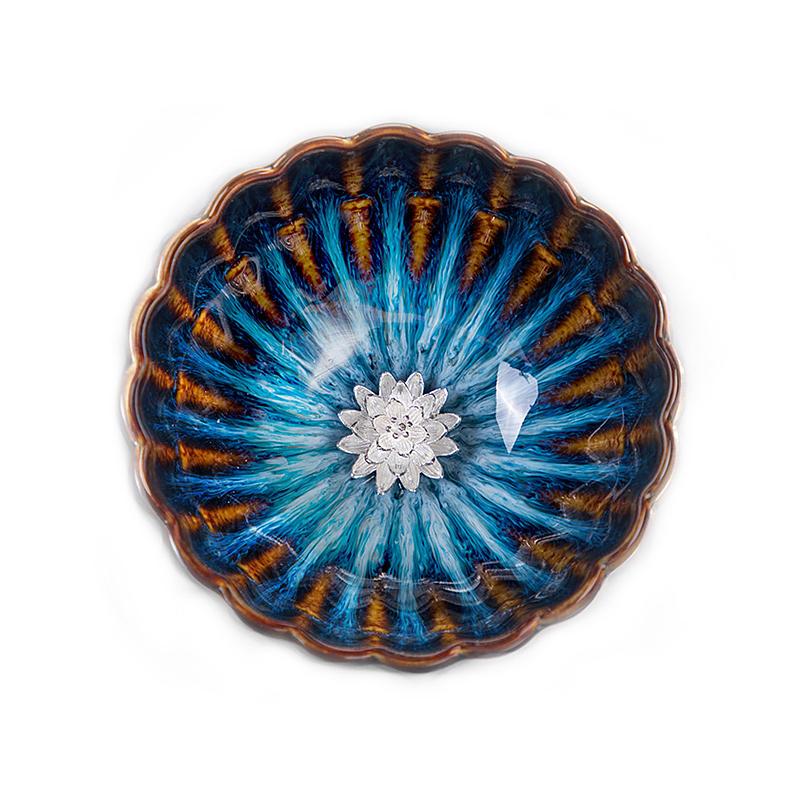
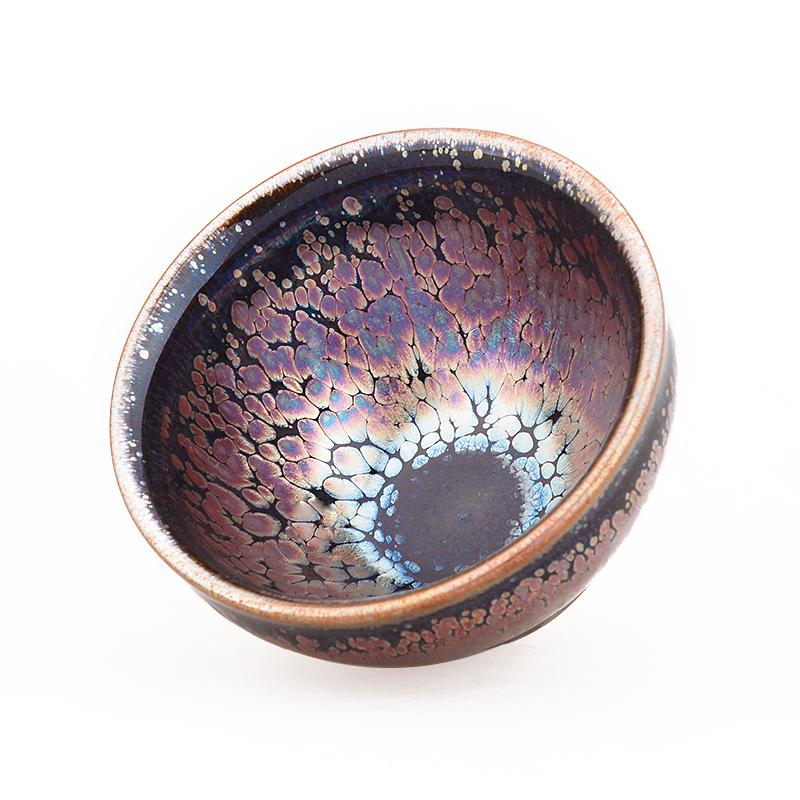
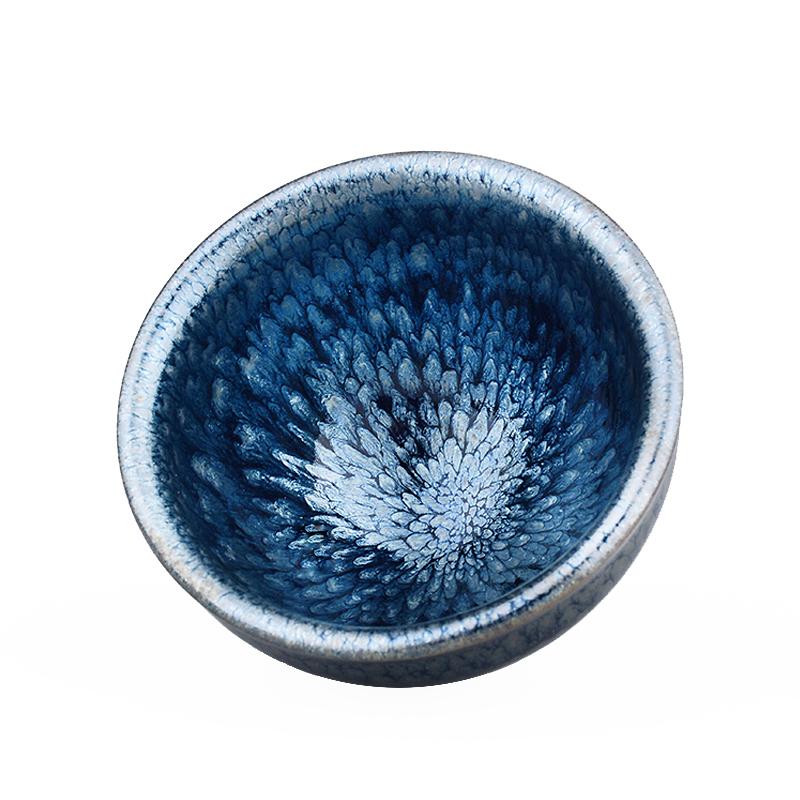
Paon vif

A representative Tenmoku tea cup to compare by glaze depth, cup shape, price, and gift fit.

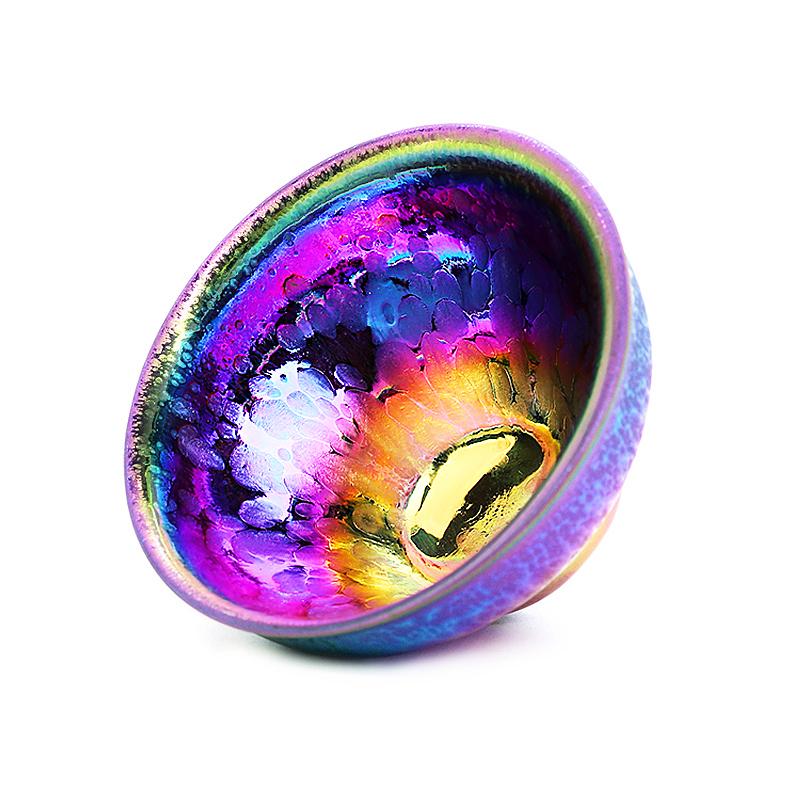
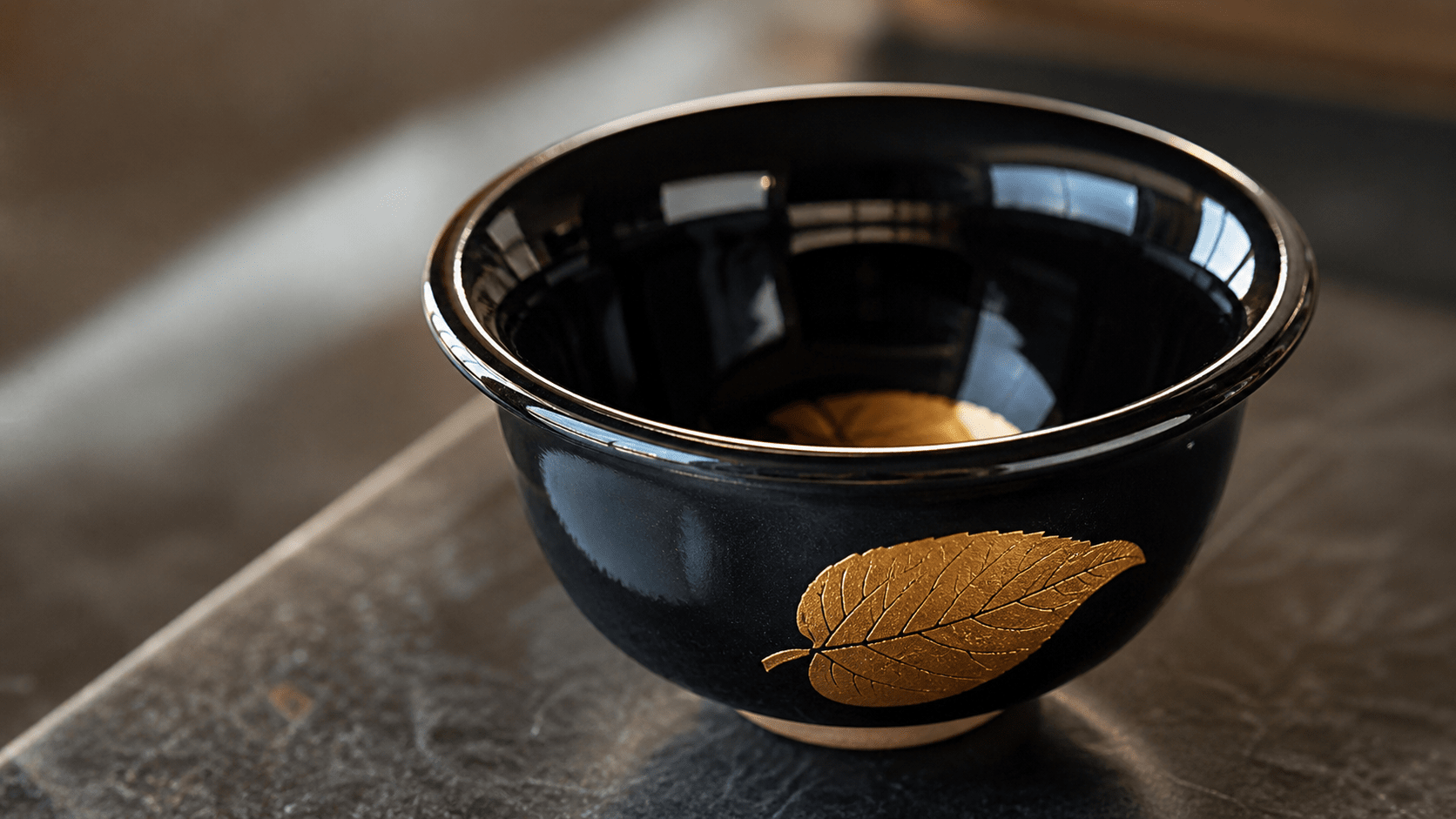
Paon doré

Compare this piece when you want a clear visual reference for a gold-toned Tenmoku glaze style.

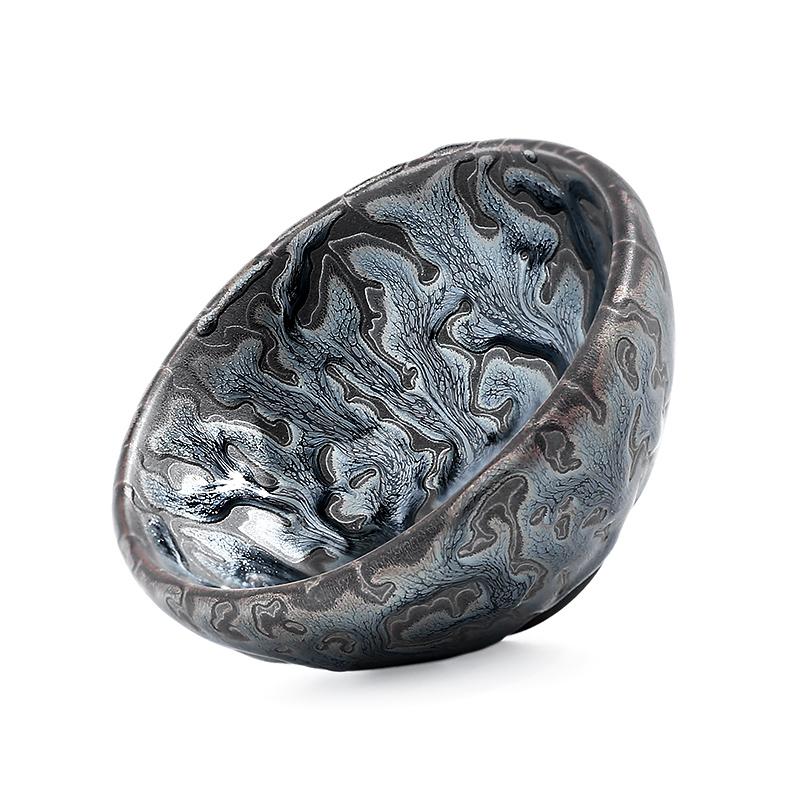
Fée II

Use this product as another comparison point for handmade form, glaze variation, and gift suitability.

shop handmade Tenmoku tea cups compare Jianzhan teapots browse Tenmoku tea sets choose Tenmoku matcha bowls view Tenmoku tea cups read the real vs fake Tenmoku tea bowl guide browse Jianzhan buying guides learn about Tenmokus

From Tenmoku guide to teaware choice

Tenmokus is focused on handmade Jianzhan Tenmoku teaware for tea rituals, display, and gifting. If you are choosing after reading this guide, start with Tenmoku tea cups for daily tea tasting, Tenmoku teapots for loose leaf brewing, Tenmoku coffee cups for daily coffee, Tenmoku tea sets for coordinated gifts, Tenmoku matcha bowls for matcha preparation, Tenmoku beer cups for home bar drinkware, or Tenmoku sake sets for serving and display.

Dernières histoires

Keep exploring Tenmoku care, gift ideas, teaware selection, and the difference between Tenmoku and Jianzhan.

Afficher tous

Tenmoku Tea Bowl Authenticity Guide: Buy Jian Zhan with Confidence

Tenmoku Tea Bowl Authenticity Guide: Buy Jian Zhan with Confidence

Tenmoku Tea Bowl Authenticity Guide: Choose a Better Cup for Gongfu Tea A real tenmoku tea bowl is more than a dark cup with shiny speckles: it is a high-fired ceramic piece whose clay, iron-rich glaze, and kiln atmosphere work...

En savoir plus

How to Choose a Handmade Tenmoku Tea Bowl for Gongfu Tea (And Avoid Fake Jian Zhan)

If you’ve ever wanted to own a tenmoku tea bowl that feels uniquely yours, you’re not alone. These iron-rich glazed wonders from the Song Dynasty have captivated tea lovers for a thousand years—and today, a real jian zhan oil spot...

En savoir plus

Transform Your Daily Ritual with a Handmade Tenmoku Tea Bowl: The Ultimate Luxury Wellness Upgrade

Transform Your Daily Ritual with a Handmade Tenmoku Tea Bowl: The Ultimate Luxury Wellness Upgrade

If you’ve ever swirled a fine wine in a hand-blown glass and felt the moment deepen, you already understand the power of a vessel. I’m Sophie Thompson, and as a lifelong tea lover and design curator, I want to introduce...

En savoir plus