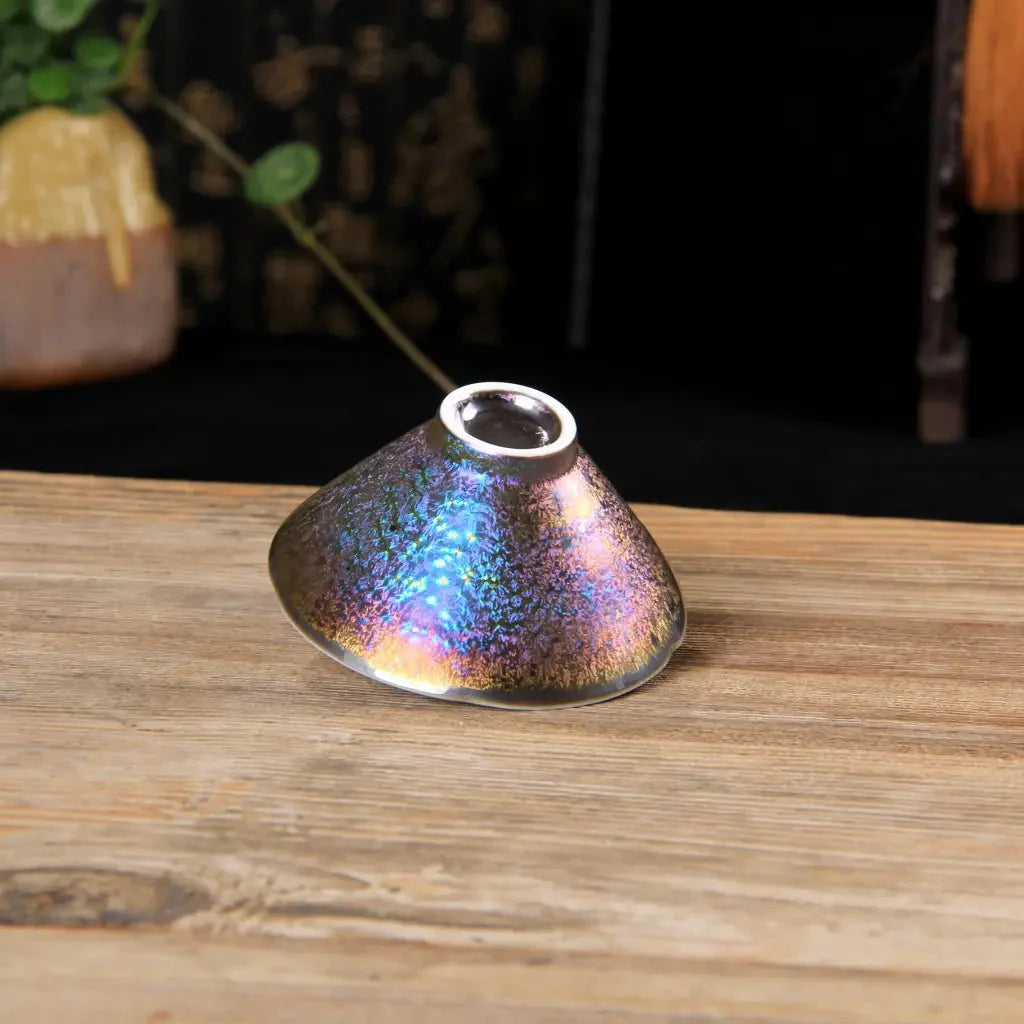
Vente de Pâques: Achetez 3 Obtenez le 4e gratuit!

Traduction : Le Jianzhan est-il toxique ?

Ce n'est absolument pas le cas, mais je ne sais pas si le « Jianzhan bon marché » est toxique. Il faut d'abord comprendre les matières premières utilisées pour sa fabrication.

Les matières premières utilisées pour la fabrication de l'émail Jianzhan sont très simples et se composent essentiellement de deux types de matériaux : des minéraux pour l'émail et des cendres végétales. Parmi les autres matériaux utilisés, on trouve le quartz, le feldspath et le calcaire.

L'émail céramique est composé de trois parties : la base de l'émail, le colorant et le fondant.

  1. Le quartz est utilisé comme base pour la glaçure, les minéraux de glaçure sont utilisés comme agents colorants et les cendres végétales sont utilisées comme fondant.

Quartz à base de glaçure : Il s'agit en fait d'un composant à texture vitreuse, probablement quelque chose comme du quartz, qui est du dioxyde de silicium.

Colorant minéral pour émail : Les composants chimiques du colorant déterminent la couleur de la porcelaine. Par exemple, l'oxyde de cobalt produit du bleu, l'oxyde de cuivre du vert et l'oxyde de fer, qui produit une couleur brun-rougeâtre, sont les principaux colorants utilisés à Jianzhan.

Les minéraux utilisés dans la glaçure proviennent des monts Nanshan, à Jianyang. Ce minéral est le colorant le plus important de la glaçure de Jianzhan et le facteur déterminant pour la formation de motifs.

L'émail à la chaux à haute teneur en fer est l'émail noir du four Jian, qui est un type d'émail cristallin de fer.

Alors, qu'est-ce qu'un émail cristal ?

Lorsque la température atteint un certain niveau, l'émail se cristallise, formant de belles fleurs de cristal visibles à la surface ou à l'intérieur de l'émail.

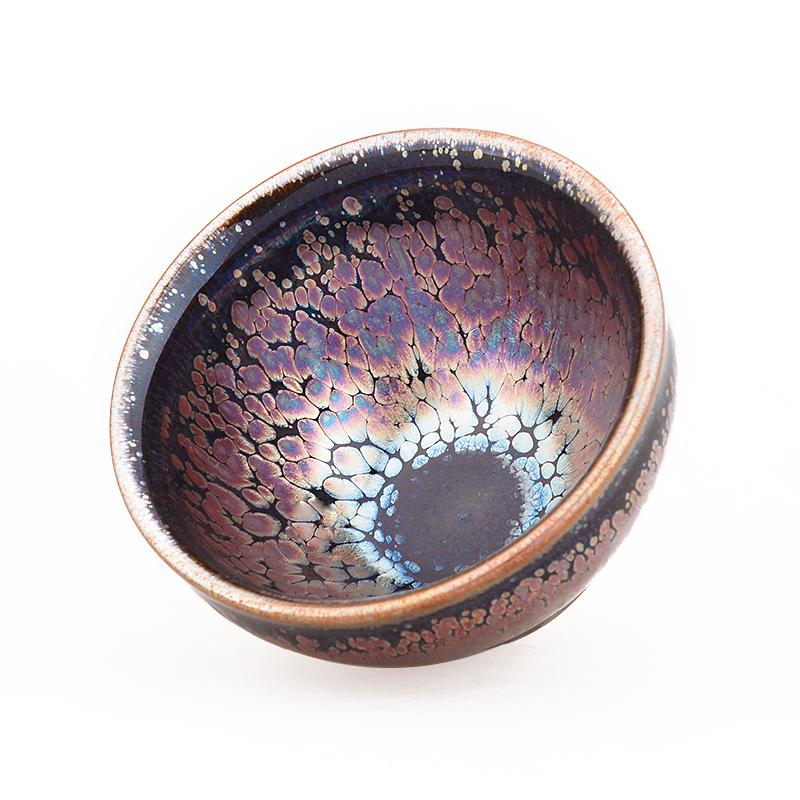
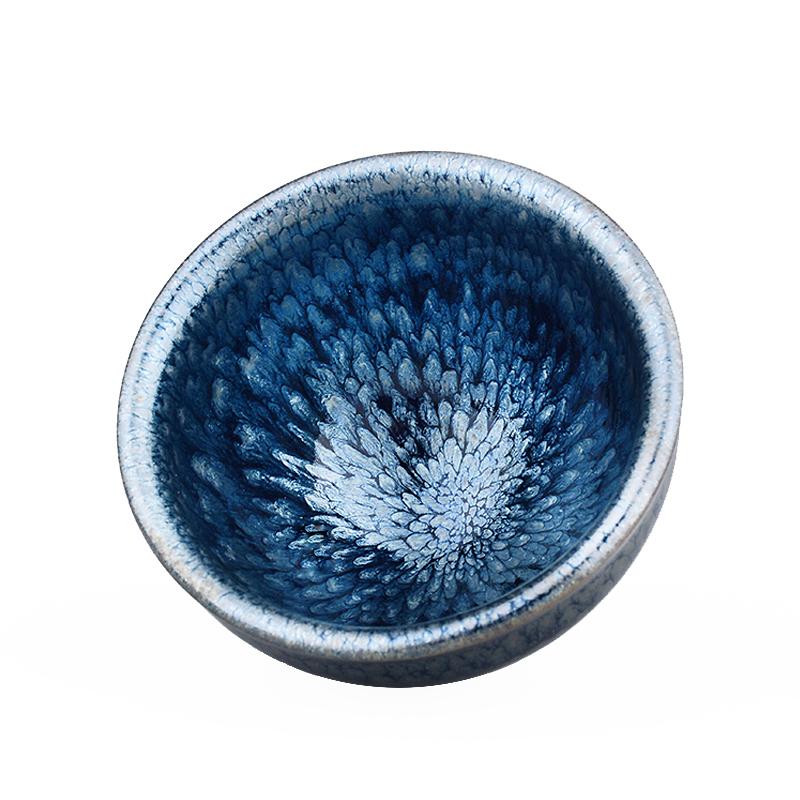
Plusieurs types de cristaux peuvent se former à haute température à partir de la glaçure. Par exemple, le motif en fourrure de lièvre brun, le motif en goutte d'argent et le motif en taches de perdrix qui apparaissent sur le Jianzhan.

Les fleurs cristallines brun rougeâtre sont composées d'hématite, une substance cristalline de Fe₂O₃. La magnétite, composée de Fe₃O₃, est la substance cristalline qui forme les taches argentées.

Flux : Il permet d'abaisser le point de fusion du quartz, économisant ainsi beaucoup de carburant et de temps. Des matériaux tels que le feldspath, les cendres végétales ou le baryum sont utilisés.

La glaçure noire Jianzhan est une glaçure à la chaux qui utilise de l'oxyde de calcium comme fondant.

Concernant la toxicité du Jianzhan, du point de vue de la précipitation des métaux lourds, une température de 1 300 °C est nécessaire pour que le fondant précipite. La température maximale d'ébullition de l'eau étant de 100 °C, il n'y a pas lieu de s'inquiéter de la dissolution de métaux lourds comme le plomb dans l'eau ou le thé. N'hésitez pas à l'utiliser.
Quick answers for Tenmoku teaware shoppers

Use this guide to connect the article topic with practical buying decisions: what Jianzhan Tenmoku teaware is, who it suits, how to choose a piece, and how to care for it after purchase.

How to use this guide before buying

Read the article first for the main explanation, then compare the product photos, glaze variation, form, seller clarity, return policy, and whether the piece fits daily tea, display, collecting, or gifting.

Common buying mistakes to avoid

Avoid choosing only by dramatic claims, copied photos, unusually low prices, or vague master language. A better decision uses visible product details, clear use case, realistic care needs, and trustworthy shop policies.

Recommended next step

After reading, compare a few real products side by side by size, glaze family, rim shape, capacity, price, and gift suitability instead of relying on one photo or one keyword.

What is Jianzhan Tenmoku teaware?

Jianzhan Tenmoku teaware is ceramic tea ware known for dark mineral-glaze effects and natural kiln variation. Common forms include tea cups, bowls, teapots, tea sets, and matcha bowls.

Who is it best for?

It is best for tea drinkers, ceramic collectors, and gift shoppers who value functional objects with visible handmade character. It is not ideal if you need every piece to look exactly identical.

How do I care for it?

Hand wash with warm water, avoid abrasive cleaners, and dry fully before storage. Gentle daily use helps preserve the surface and keeps the glaze easy to inspect over time.

How do I choose the right Tenmoku piece?

Choose by the main use first: daily tea, matcha, Gongfu brewing, display, or gifting. Then compare capacity, rim shape, glaze family, photos, and whether natural variation is acceptable for your needs.

Is Jianzhan Tenmoku teaware good as a gift?

Yes. It works well for tea lovers, ceramic collectors, birthdays, holidays, and housewarming gifts because it is both usable and visually distinctive. For gifts, choose an easy-to-use form and a glaze style with clear photos.

Related products and categories

Compare the guide above with real Tenmokus categories and representative pieces. Start with the use case, then compare glaze style, form, price, and whether the piece is mainly for daily tea, display, collecting, or gifting.

Handmade Tenmoku tea cups

Best for daily tea drinking, first Jianzhan purchases, ceramic gifts, and comparing glaze patterns across cup shapes.

Tenmoku tea sets

Best when you want a coordinated tea table, a hosting setup, or a complete gift instead of one individual cup.

Real vs fake Tenmoku guide

Use this guide to compare seller claims, glaze appearance, photos, and practical buying signals before choosing a piece.

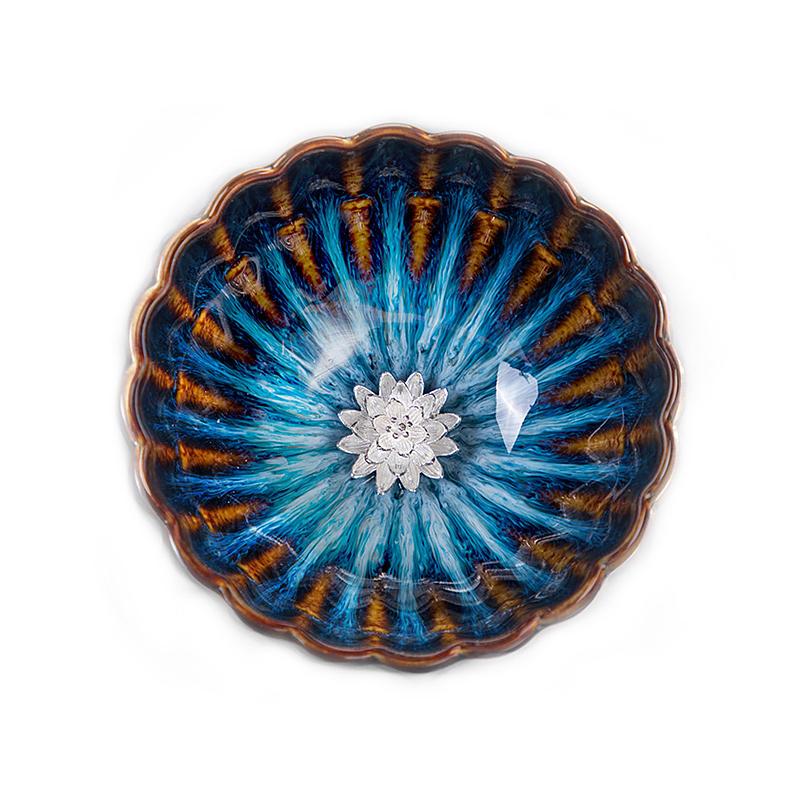
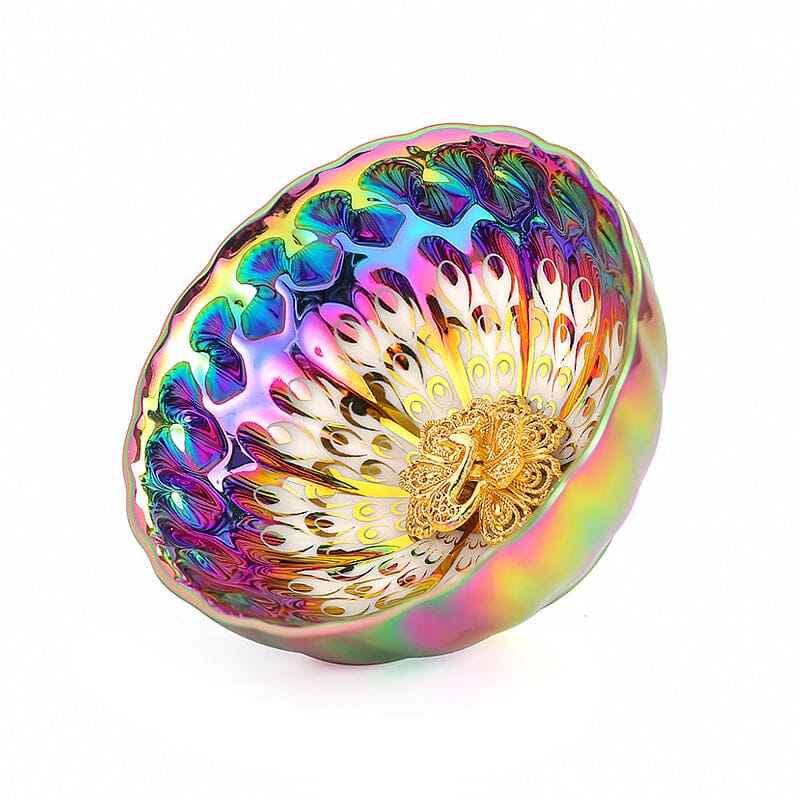
Paon vif

A representative Tenmoku tea cup to compare by glaze depth, cup shape, price, and gift fit.

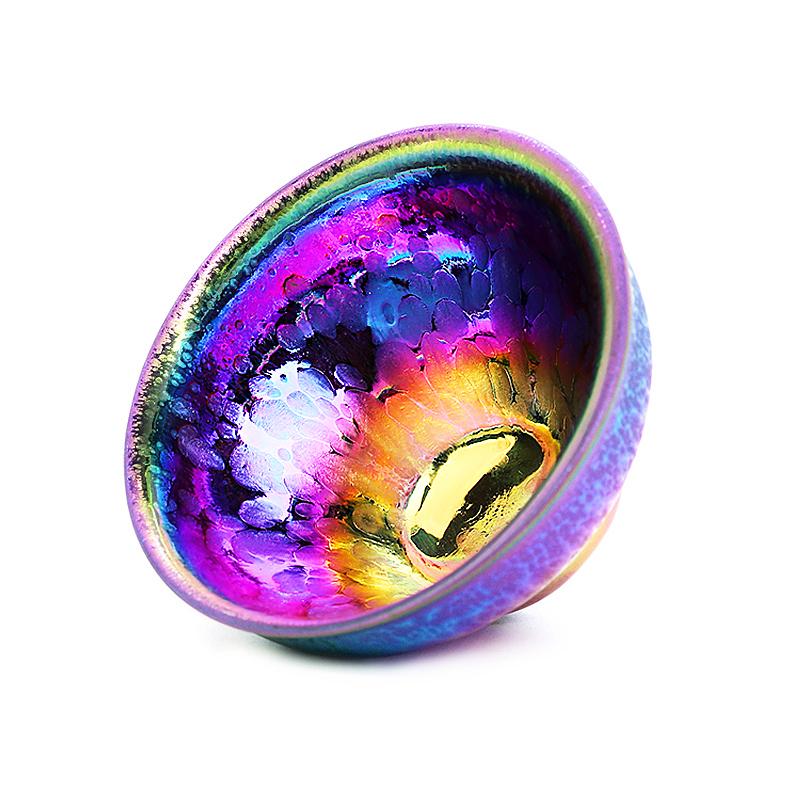
Paon doré

Compare this piece when you want a clear visual reference for a gold-toned Tenmoku glaze style.

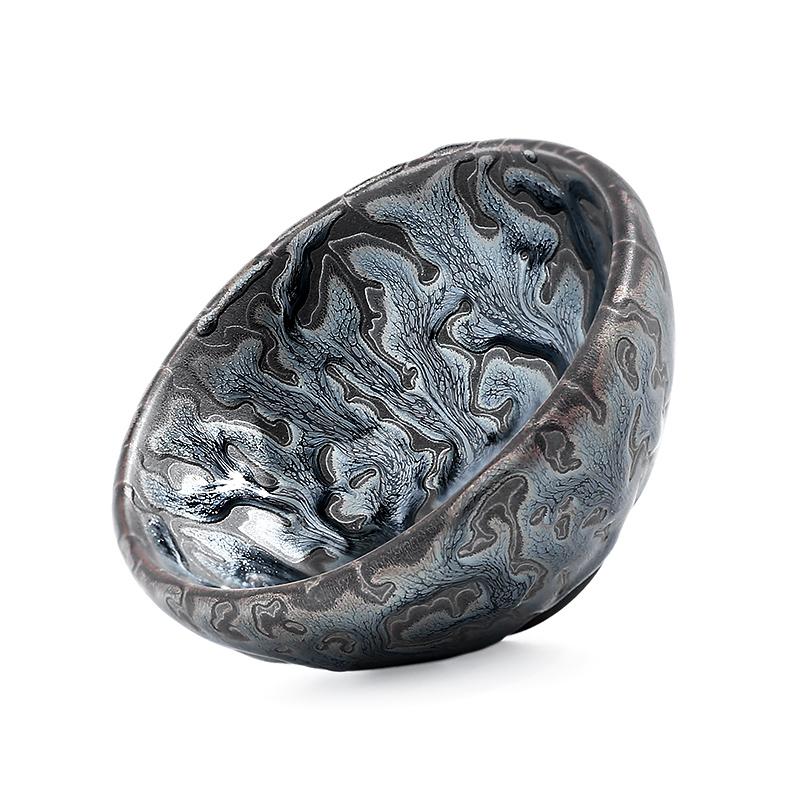
Fée II

Use this product as another comparison point for handmade form, glaze variation, and gift suitability.

shop handmade Tenmoku tea cups compare Jianzhan teapots browse Tenmoku tea sets choose Tenmoku matcha bowls view Tenmoku tea cups read the real vs fake Tenmoku tea bowl guide browse Jianzhan buying guides learn about Tenmokus

From Tenmoku guide to teaware choice

Tenmokus is focused on handmade Jianzhan Tenmoku teaware for tea rituals, display, and gifting. If you are choosing after reading this guide, start with Tenmoku tea cups for daily tea tasting, Tenmoku teapots for loose leaf brewing, Tenmoku coffee cups for daily coffee, Tenmoku tea sets for coordinated gifts, Tenmoku matcha bowls for matcha preparation, Tenmoku beer cups for home bar drinkware, or Tenmoku sake sets for serving and display.

Dernières histoires

Keep exploring Tenmoku care, gift ideas, teaware selection, and the difference between Tenmoku and Jianzhan.

Afficher tous

Why a Tenmoku Tea Bowl Is Worth the Price for Tea Lovers

Why a Tenmoku Tea Bowl Is Worth the Price for Tea Lovers

Why a Tenmoku Tea Bowl Is Worth the Price for Tea Lovers A tenmoku tea bowl can cost more than an everyday cup because it is a fired work of handmade ceramic art, not a factory-made drinking vessel. For someone...

En savoir plus

The Tenmoku Tea Bowl Story: A More Meaningful Gongfu Tea Ritual

The Tenmoku Tea Bowl Story: A More Meaningful Gongfu Tea Ritual

A tenmoku tea bowl brings color, texture, and a slower rhythm to a gongfu tea session.The Tenmoku Tea Bowl Story: A More Meaningful Gongfu Tea Ritual A tenmoku tea bowl is a dark-glazed tea vessel whose character comes from clay,...

En savoir plus

Tenmoku Tea Bowl Authenticity: How to Buy with Confidence

Tenmoku Tea Bowl Authenticity: How to Buy with Confidence

Tenmoku Tea Bowl Authenticity: How to Buy with Confidence A real tenmoku tea bowl is best recognized through its material, glaze behavior, firing marks, and clear origin story—not one flashy rainbow pattern. If you want a handmade ceramic cup for...

En savoir plus