

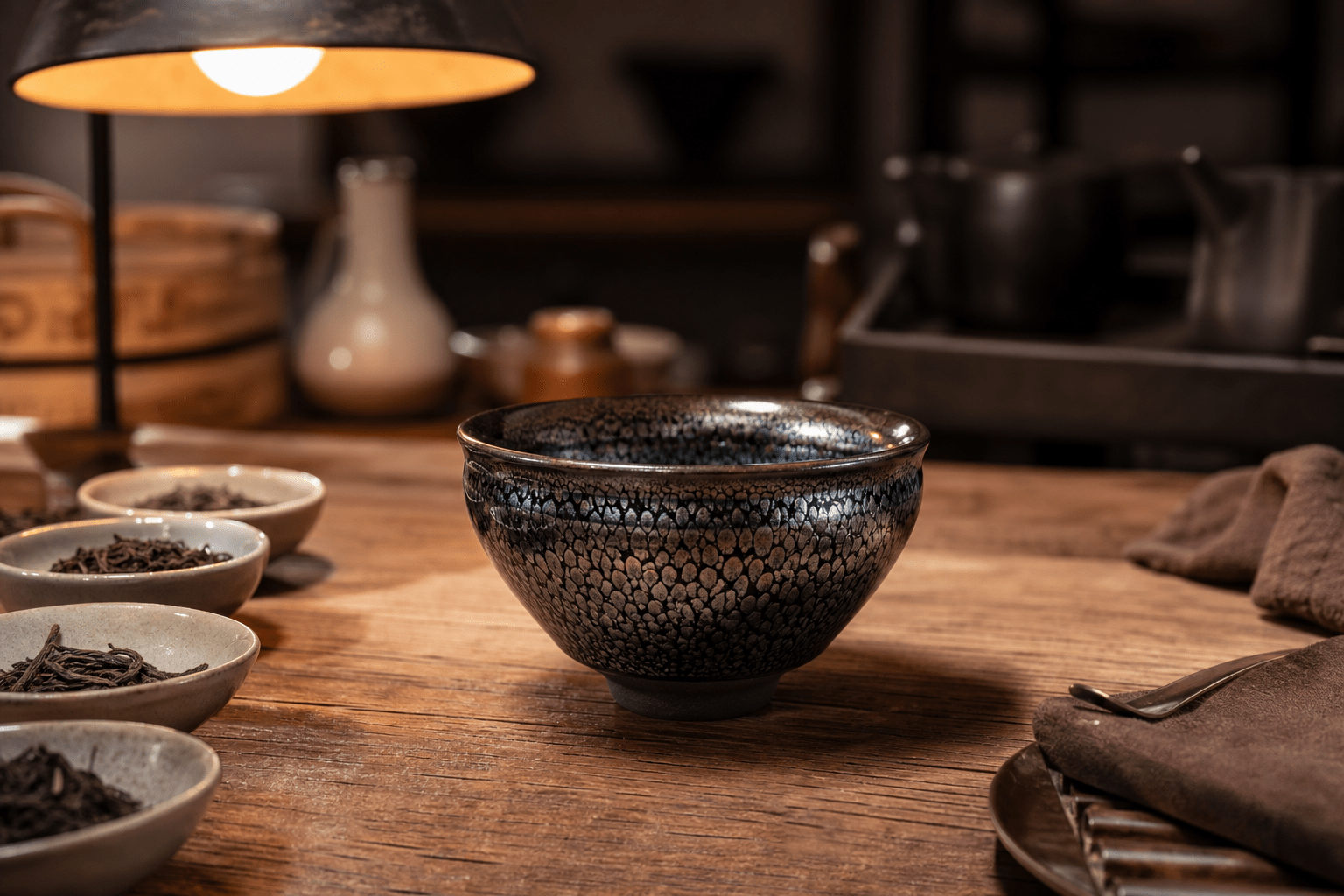
Introduction: Jianzhan Gets Better With Time
Unlike most ceramics, a Jianzhan is not meant to stay "as new." With regular use and proper care, the釉面 of your Jianzhan develops a patina — a living sheen that reflects the teas you've drunk from it. This process is called yang zhan (养盏), "nourishing the cup."
But proper care also means protecting your Jianzhan from damage, knowing what to avoid, and understanding how to clean different glaze types. This guide covers everything.
Before First Use: The Opening Ritual (开盏)
New Jianzhan bowls often have residual dust or glaze particles from the firing process. Before your first brew:
- Rinse with boiling water — pour boiling water over the bowl 3–5 times, swirling each time
- Let it soak — fill the bowl with boiling water and let it sit for 15–20 minutes
- Empty and dry — discard the water and dry completely with a clean soft cloth
- Air dry — let it air dry upside down for 24 hours before first use
This removes loose particles and begins the thermal "opening" of the釉面 — preparing the iron-rich glaze to interact properly with tea.
Daily Cleaning: What to Do and What Not to Do
✅ Do:
- Rinse with hot water immediately after use — before the tea residue dries
- Use a soft cloth or bamboo brush to gently remove tea stains
- Dry completely after washing — water spots can leave marks on the iron glaze over time
- Store bowl-side down (upside down) on a clean surface or drying rack
❌ Don't:
- Never use dish soap on Oil Spot, Yohen, or Silver Rabbit Fur bowls — detergents can strip the metallic sheen
- Never use abrasive scrubbers or brushes
- Never put Jianzhan in a dishwasher
- Never stack bowls directly on top of each other without protection
- Never expose to sudden temperature changes (thermal shock) — don't rinse a hot bowl with cold water
Understanding Tea Stains — And When to Remove Them
Over time, tea stains will accumulate in the cracks and texture of the glaze. For most Jianzhan owners, this is intentional — the stains contribute to yang zhan, the gradual "nourishing" of the cup that makes the glaze more beautiful with use.
However, if you want to lighten or remove stains:
- Soak in hot water with a teaspoon of rice or rice water for 30 minutes, then scrub gently
- For stubborn stains: soak in warm water + baking soda (1 tsp per 200ml) for 2–3 hours
- Never use chemical cleaners — they can permanently damage the釉面
The Yang Zhan (养盏) Question: Does Daily Use Really Change the Glaze?
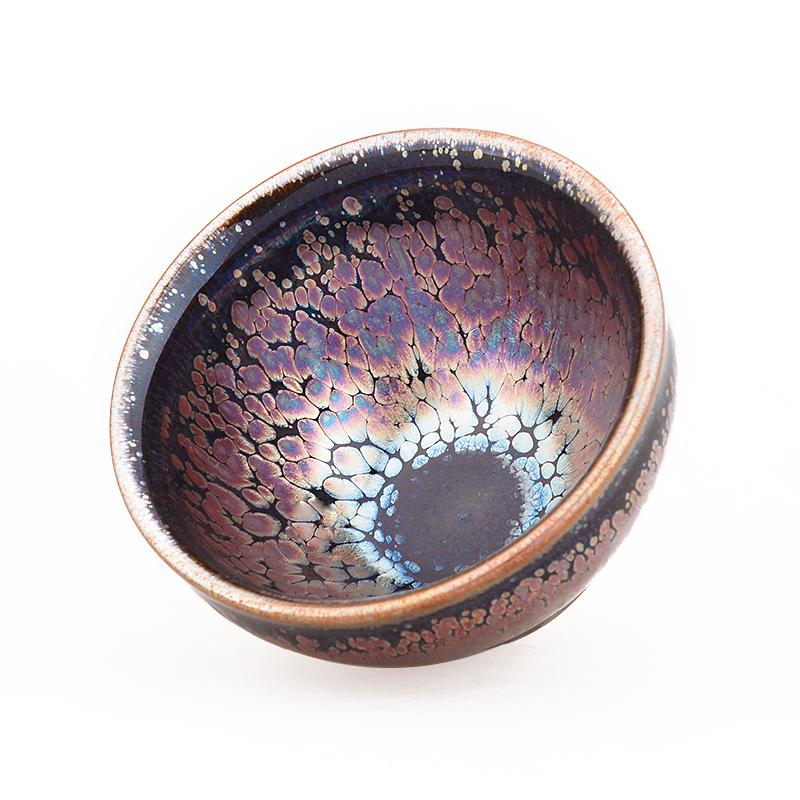
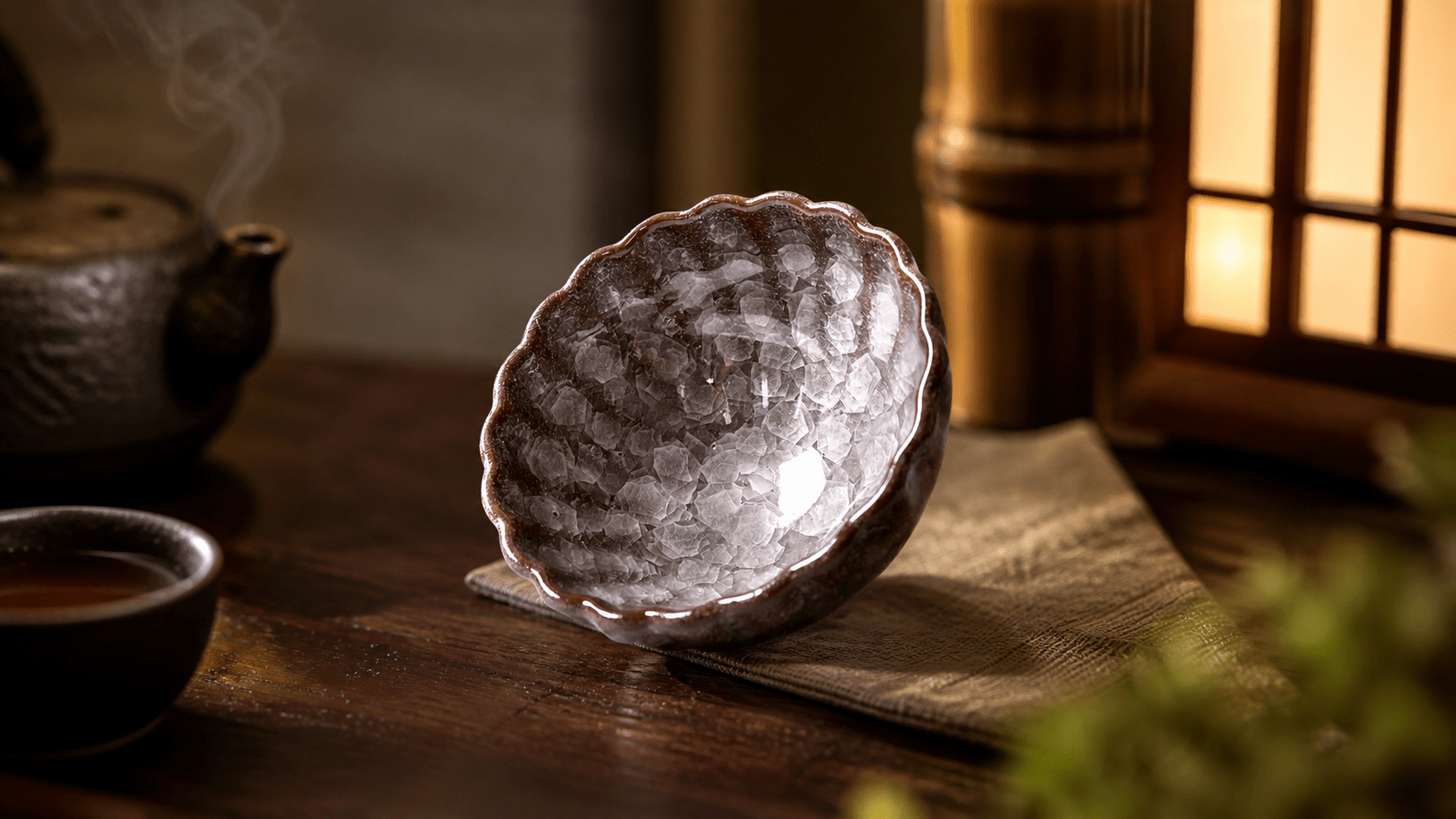
Yes — measurably. The釉面 of an iron-rich Jianzhan glaze is slightly porous at a microscopic level. Tea compounds — particularly tannins, caffeine, and polyphenols — gradually deposit in these pores. Over months and years, this deepens the color of the glaze, adds warm amber and gold tones, creates a lustrous "sheen," and can cause oil spot metallic dots to appear more pronounced as the surrounding釉面 darkens.
The change is most dramatic with consistent use of the same tea type. Daily oolong in an Oil Spot bowl will give the bowl a distinctly different character than daily matcha use.
Storage
- Temperature: Avoid extreme changes; don't store near heat sources or in direct sunlight
- Humidity: Jianzhan is fired at high temperature and is quite durable, but excessive humidity can affect the unglazed foot ring over very long periods
- Stacking: Use cloth or paper dividers between bowls when storing multiple pieces; the thick walls can chip if they knock together
- Display: Open shelves are fine; Jianzhan is meant to be used, not hidden away
What to Do If Your Jianzhan Cracks
Thermal shock — rinsing a very hot bowl with cold water, or dropping it — is the most common cause of damage.
- Hairline cracks: If the crack doesn't leak liquid, the bowl is still safe to use — it may even develop character over time
- Visible cracks that leak: Retire from liquid use — cracks can harbor bacteria and the bowl can fail catastrophically during use
- Chipped rim: A small chip can sometimes be ground smooth by a ceramic professional; large chips affect structural integrity
Glaze-Specific Care Summary
| Glaze Type | Key Care Point |
|---|---|
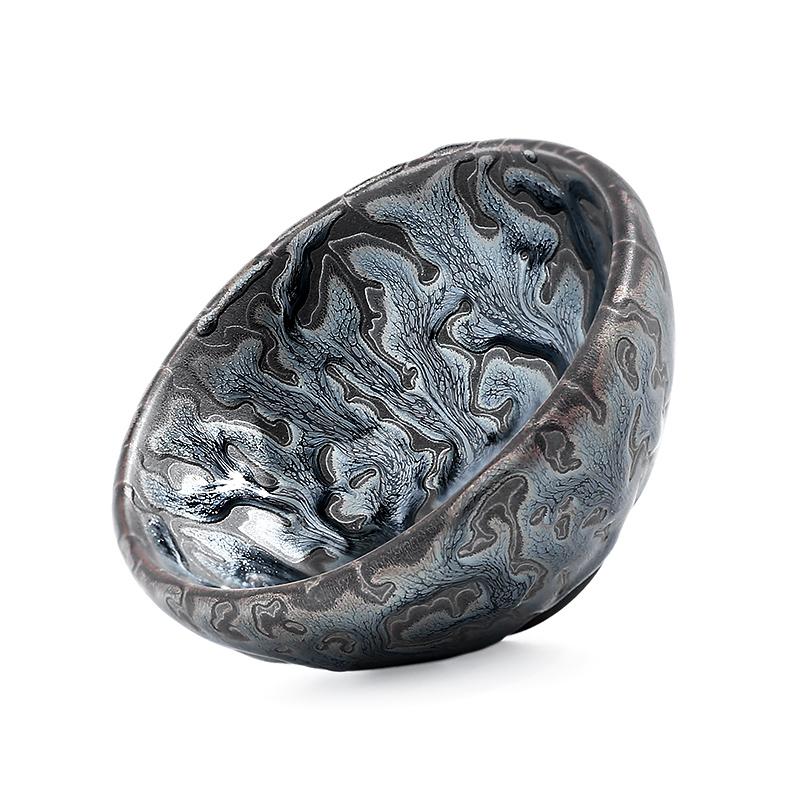
| Oil Spot | Most sensitive to soap — the metallic sheen dulls with detergents. Clean only with hot water. |
| Hare's Fur | Most forgiving. Soap is still not recommended but won't dramatically affect the fine streaks. |
| Yohen | The most delicate and valuable. Never use soap; store carefully; avoid thermal shock. |
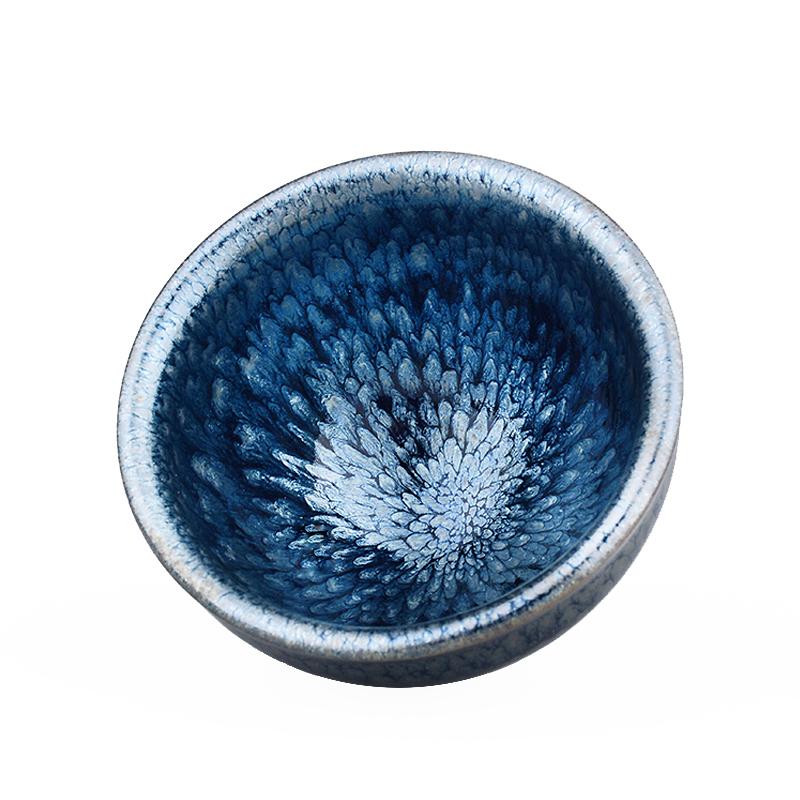
| Partridge Spot | Durable for daily use; responds well to yang zhan development over time. |
Conclusion
A Jianzhan is not just a cup — it's a relationship. With proper care, your bowl becomes more beautiful with use, telling the story of every tea you've shared from it. The opening ritual, the daily rinse, the gradual patina — these aren't chores. They're part of the practice.
Frequently Asked Questions
Should I use soap to clean my Jianzhan?
Never use dish soap on Oil Spot, Yohen, or Silver Rabbit Fur bowls — detergents can strip the metallic sheen. Clean only with hot water. For Hare's Fur, soap is still not recommended but has less dramatic effect.
What is yang zhan (养盏)?
Yang zhan means 'nourishing the cup.' Over months and years of use, tea compounds (tannins, caffeine, polyphenols) gradually deposit in the microscopic pores of the iron-rich glaze, deepening colors, adding warm amber tones, and creating a lustrous sheen unique to each user's tea practice.
How do I season a new Jianzhan?
Before first use: rinse with boiling water 3-5 times, soak in boiling water for 15-20 minutes, dry with a soft cloth, then air dry upside down for 24 hours. This removes residual glaze particles and thermally 'opens' the surface.
Can I put Jianzhan in the dishwasher?
Never. Dishwashers expose Jianzhan to harsh detergents, high heat, and physical jostling that can damage the metallic glaze and cause thermal shock. Always hand wash with only hot water.


Partager:
Handmade vs. Machine-Made: How to Tell If Your Jian Zhan Cup Is Authentic
From Song Dynasty Doucha to Your Morning Ritual: The 1,000-Year Journey of Jianzhan