

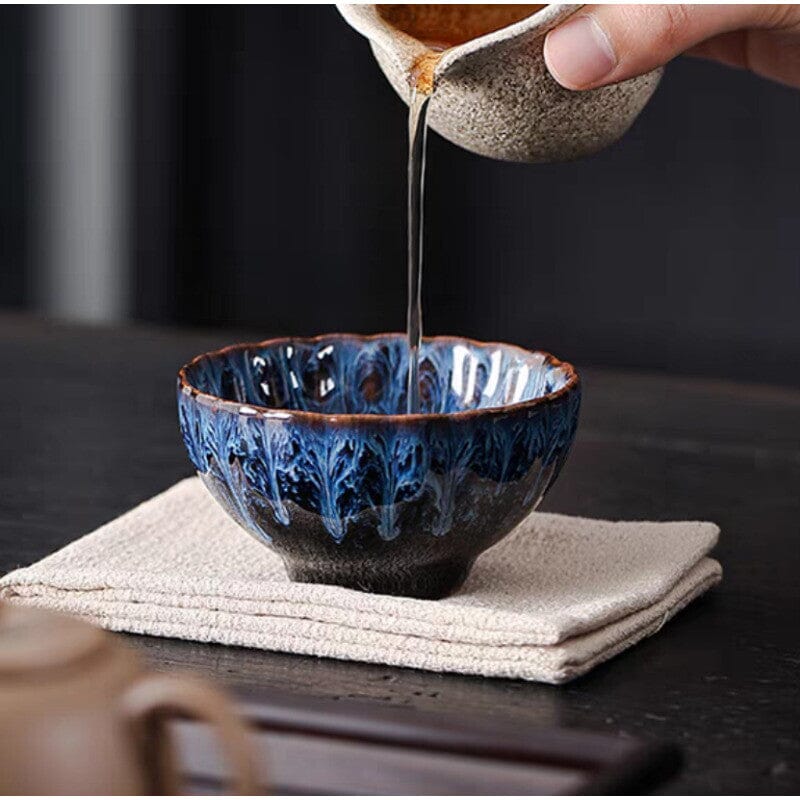
Drinking tea isn't just a daily indulgence; it also holds a wealth of health-related insights. "Tea intoxication," a unique condition that can occur while drinking tea, can be experienced more fully by understanding its causes and mastering healthy tea drinking techniques. Let's delve deeper into these aspects of tea culture.

1. Tea Intoxication Phenomenon: An Uncomfortable Reaction to Watch Out for When Drinking Tea
Drinking a large amount of tea on an empty stomach: On an empty stomach, the stomach lacks food for buffering. At this time, drinking a lot of tea, the caffeine and other components in the tea will stimulate the gastric mucosa, and at the same time accelerate the body's metabolism, which is very easy to lead to a drop in blood sugar and cause tea intoxication.
Suddenly switching from heavily fermented tea to other types of tea: For heavily fermented teas such as ripe Pu'er tea and dark tea, the irritating components such as tea polyphenols and caffeine in them will be transformed and reduced during the fermentation process. If you suddenly switch to unfermented or lightly fermented teas such as green tea and white tea, the body may find it difficult to adapt to the higher content of irritating components in them, thus inducing tea intoxication.
Dizziness: There will be a feeling of drowsiness and dizziness in the head, and in severe cases, it may even affect normal standing and walking.
Hand tremors: The hands will tremble involuntarily, affecting fine movements such as holding a cup and writing.
General weakness: The body will feel tired and weak, making it difficult to carry out daily activities.
Drinking sugar water: Take an appropriate amount of white sugar or rock sugar, brew it into sugar water with warm water and drink it. Sugar can be quickly absorbed by the body, replenish blood sugar, and reduce the discomfort caused by hypoglycemia.
Eating candies and other sugary foods: Choose high - sugar candies such as fruit candies and milk candies to eat. The sugar in candies can quickly raise blood sugar levels and relieve the symptoms of tea intoxication.

2. Healthy Tea Drinking: A Guide to Developing Scientific Tea - Drinking Habits
Avoid drinking tea on an empty stomach: The gastric mucosa is relatively fragile on an empty stomach, and tea components are easy to stimulate the stomach. It is recommended to drink tea about half an hour after a meal, which can not only reduce the damage to the stomach but also better absorb the nutrients in the tea, which is the basis of healthy tea drinking.
Control the amount of tea drunk at a single time: Drinking more tea is not necessarily better. Drinking too much tea at a single time will increase the burden on the body and may also cause problems such as tea intoxication. Usually, it is appropriate to control the amount of tea drunk each time at 200 - 300 ml, which is an important standard for scientific tea drinking.
Pay attention to the gradual transition of tea types: If you are used to drinking heavily fermented tea and want to switch to other types of tea, do not suddenly change completely. You can first try a small amount of the new tea type, gradually increase the proportion, and let the body adapt slowly to reduce the occurrence of adverse reactions such as tea intoxication, which is a key skill in healthy tea drinking.
Choose suitable tea types according to different constitutions: Everyone has different constitutions, and the suitable tea types are also different. People with a cold constitution are suitable for drinking warm teas such as black tea and ripe Pu'er tea; people with a hot constitution are suitable for drinking cool teas such as green tea and white tea. Understanding your own constitution and choosing the right tea type can better exert the health - care effect of tea, which is the core of personalized healthy tea drinking.
Reasonably match tea snacks: Matching tea snacks such as pastries, dried fruits, and fruits when drinking tea can not only enrich the taste but also reduce the stimulation of tea on the stomach to a certain extent. At the same time, it can supplement the energy and nutrients needed by the body and reduce the risk of tea intoxication, which is a common matching method in tea art life.
Maintain a regular tea - drinking time: Develop a regular tea - drinking habit, such as drinking tea at a fixed time every day, so that the body can adapt. Avoid drinking a lot of tea before going to bed to prevent caffeine and other components in the tea from affecting sleep quality, which is a necessary condition for long - term healthy tea drinking.
Give full play to the health - care effects of tea: Tea is rich in nutrients such as tea polyphenols, caffeine, and amino acids, which have various health - care effects such as anti - oxidation, refreshing the mind, and promoting digestion. Healthy tea drinking can allow these nutrients to be better absorbed and utilized by the body, giving full play to their health - care effects, which is the core value of tea drinking for health preservation.
Avoid adverse reactions: Following the principles and precautions of healthy tea drinking can effectively reduce the occurrence of adverse reactions such as tea intoxication and stomach discomfort, ensuring physical health, which is an important guarantee for safe tea drinking.
Establish scientific tea - drinking habits: Adhering to healthy tea drinking for a long time will gradually form scientific tea - drinking habits, making tea drinking a healthy and fashionable lifestyle to protect physical health, which is the life attitude advocated in tea art culture.






Partager:
Tea Art Knowledge Teaching: Gestures for Holding a Tea Tasting Cup
The True Meaning of Tea Conditioning - Tea Conditioning is not Just About Washing Tea