

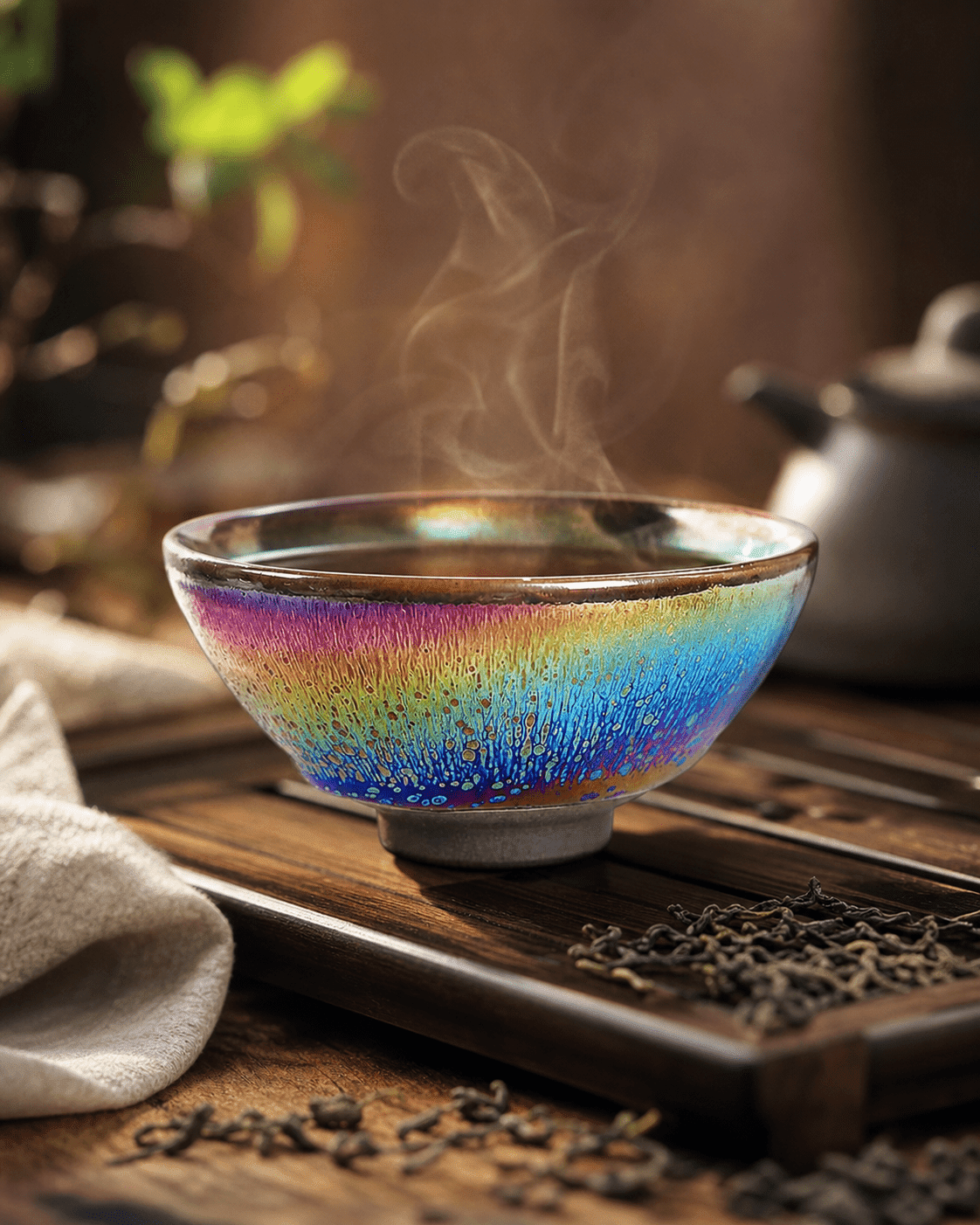


Six months ago, I traded my oversized latte mug for a small, weighty tenmoku tea bowl — and my entire morning changed. It wasn't just about tea anymore. The deep Jianzhan Tenmoku ceramic, shimmering with an iron-rich glaze, became a ten‑minute sanctuary. I now compare it to how a wine lover reaches for a hand‑blown Bordeaux glass: the vessel itself elevates the everyday into a private, luxurious ritual. For me, preparing matcha in a matcha bowl like this isn't a caffeine fix; it's a wellness practice that rivals my favorite five‑senses meditation session.
Key Takeaways
- A tenmoku tea bowl isn't just a cup; it's a handcrafted piece of Song Dynasty art that transforms tea into a mindful luxury experience.
- Its iron-rich glaze and one‑of‑a‑kind patterns (hare’s fur, oil spot) make each bowl a unique tea cup gift that blends art, history, and daily self‑care.
- Integrating a Japanese tea bowl into your routine can replace disposable consumer habits with a slow, grounding ritual — much like investing in a high‑end vinyl setup or artisanal coffee gear.
- Authentic jianzhan tea cup gift options are now accessible for Western homes, making the ancient tea ceremony gift a meaningful addition to modern wellness culture.
What Is a Tenmoku Tea Bowl and How Does It Differ from a Regular Tea Cup?
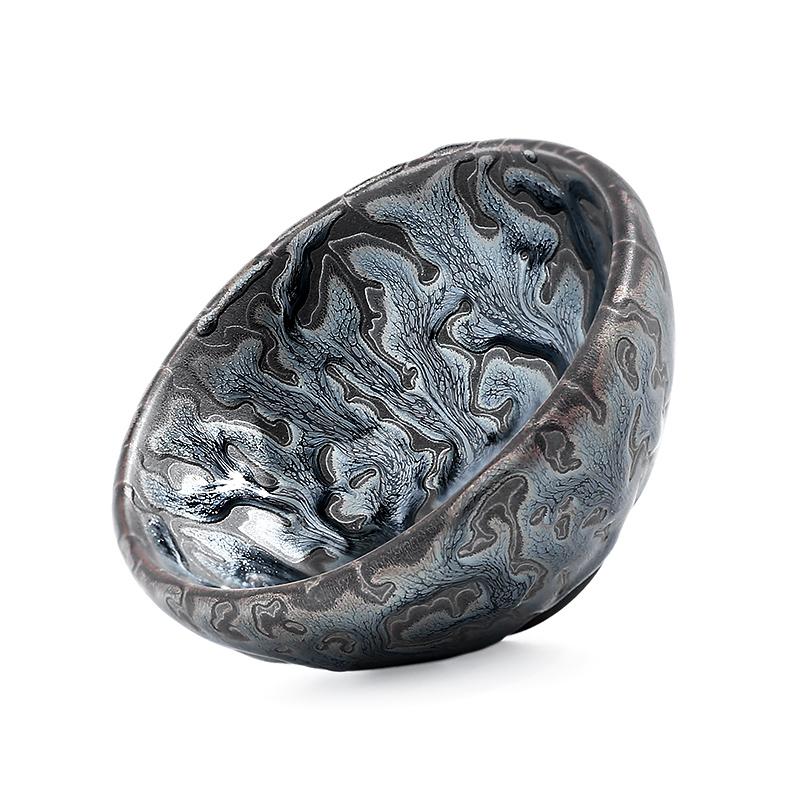
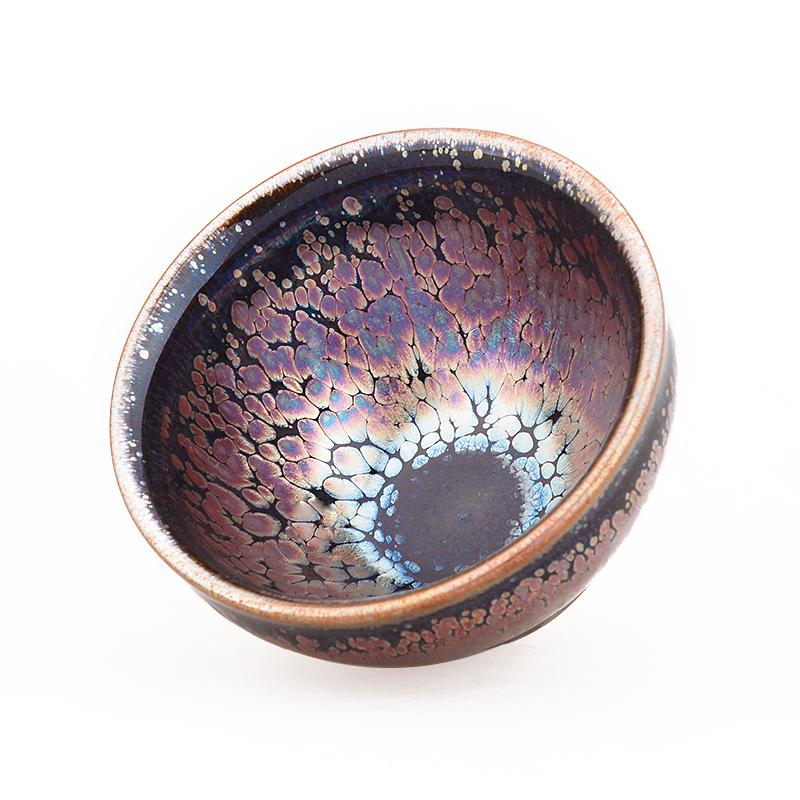
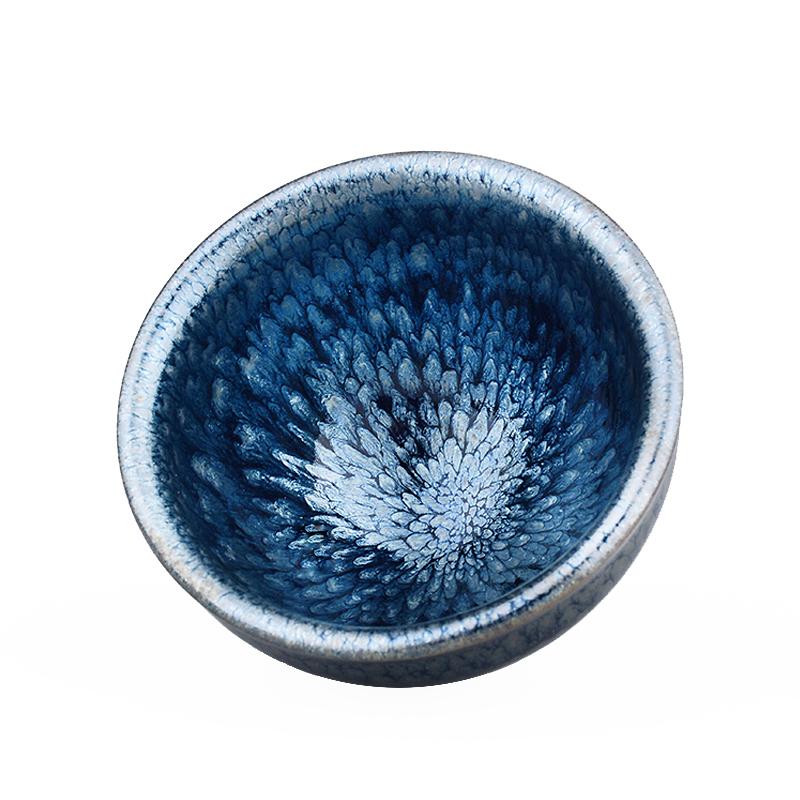
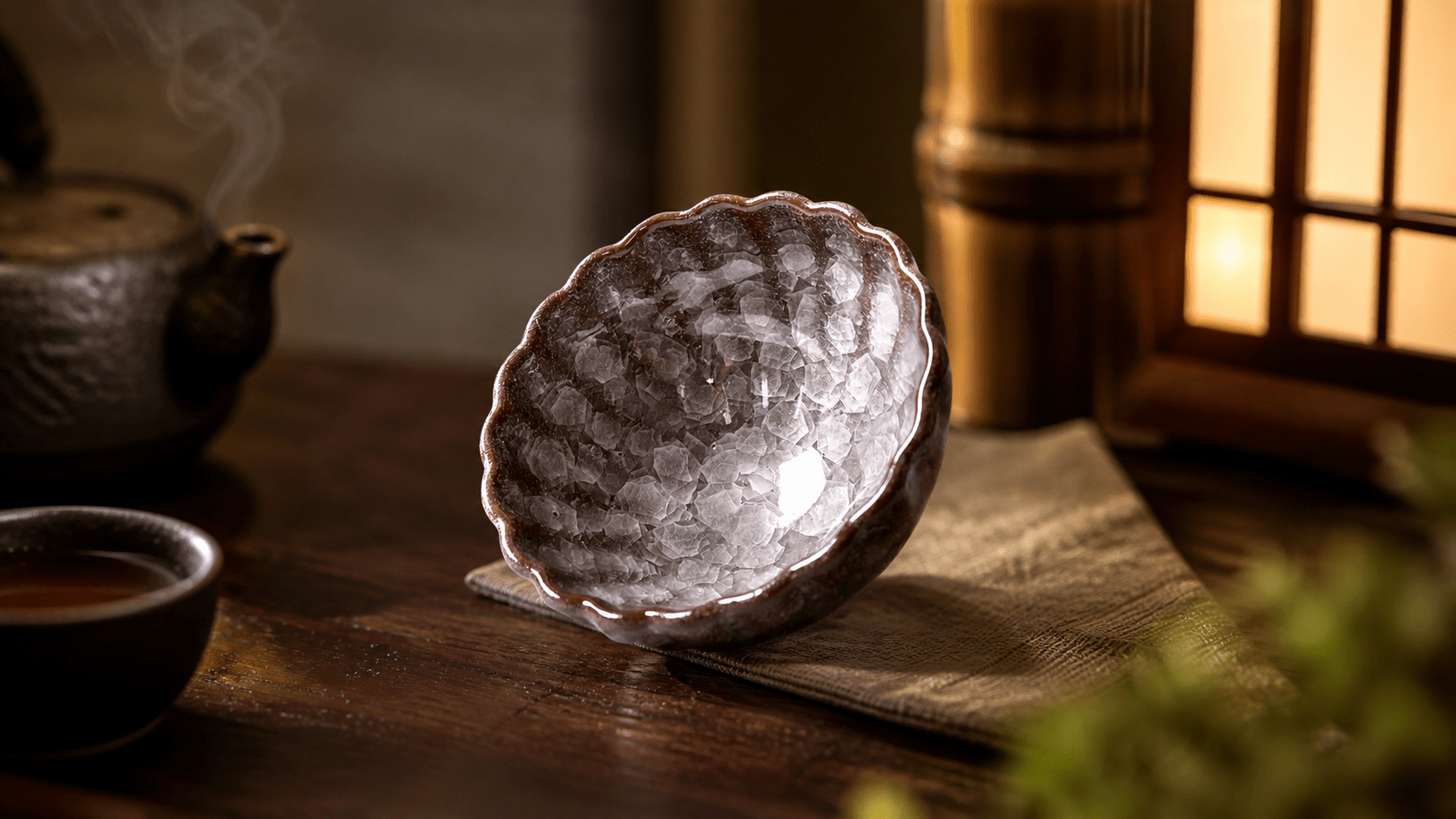
If you’ve ever picked up a mass‑produced ceramic mug, you know it’s just a container. A tenmoku tea bowl, by contrast, feels alive. Originally fired in the Song Dynasty‑era kilns of Jianyang, China (and later revered in Japan as a Japanese tea bowl), these vessels are defined by their Jianzhan Tenmoku ceramic body and a glaze so rich in iron oxides that it transforms dramatically inside the kiln. The result? Remarkable effects like the streaky “hare’s fur” pattern or the constellation‑like “oil spot.”
Think of it as the difference between a $10 bottle opener and a Paul Seurin corkscrew — both do the job, but one turns a simple action into a moment. A handmade ceramic tenmoku bowl does the same for tea. It’s thick‑walled, often slightly irregular, and designed to cup perfectly in your palms. The tenmoku glaze isn’t just decorative; its iron content subtly interacts with tea, and its insulating properties keep your brew warm while the lip stays cool. No regular double‑wall glass can replicate that tactile, ancient intelligence.
When I hold mine, I’m not just holding a cup. I’m holding a conversation between fire, clay, and 800 years of tea culture — a kind of luxury that feels profoundly grounded, not flashy.
Why a Handmade Ceramic Tenmoku Bowl Is the Ultimate Tea Ceremony Gift for Tea Lovers
I’ve gifted everything from high‑end tea samplers to smart mugs, but nothing sparks the kind of quiet awe that a handmade tea cup gift set centered around a single, exceptional tenmoku piece does. A unique tea cup gift like this speaks the secret language of tea lovers — the ones who understand that the vessel shapes the experience just as much as the leaf.
Here’s what makes it such an unforgettable tea cup gift for tea lovers:
- Utterly personal. No two tenmoku bowls are identical. Kiln transmutation during firing creates random patterns, so the recipient owns a genuine one‑off — not a stamped‑out commodity.
- Deep ritual significance. Gifting a tea ceremony gift like this says, “I want you to slow down and savor.” It’s the equivalent of giving a friend a leather‑bound journal in a world of sticky notes.
- Heirloom potential. A well‑crafted jianzhan tea cup gift becomes more beautiful with use. Over months, tea oils will gently patina the unglazed portions, making it a living record of mindful moments.
- Accessible luxury. Unlike a high‑tech espresso machine that may intimidate, an authentic jian zhan tea cup requires nothing more than hot water and your favorite leaves. Yet the feeling it imparts is pure indulgence.
I’ve seen friends — skeptical at first — become converts after one session. They place their phone aside, cradle the bowl, and for ten minutes, they’re not multitasking. If you’re hunting for a birthday, holiday, or “just because” gift that outclasses a spa voucher, Explore our handmade Jianzhan tea cups to find a piece that will redefine someone’s daily pause.
How Does the Iron-Rich Tenmoku Glaze Enhance Your Daily Wellness Routine?
Americans spend billions on wellness gadgets — sunrise alarm clocks, smart rings, weighted blankets. But true luxury wellness often lives in the simplest, oldest tools. My tenmoku tea bowl has become my most effective mindfulness anchor, and a huge part of that is the iron-rich glaze.
From a sensory standpoint, the glaze is pure magic. It absorbs and radiates heat gently, so when I wrap my hands around a bowl of freshly whisked matcha, the warmth seeps into my palms without scalding. The subtle crystalline surface has just enough tooth to engage the fingertips — it’s not slippery like glazed hotel china. This multi‑sensory input grounds me instantly, much like barefoot walking or holding a warm stone.
There’s also a quieter benefit I’ve noticed: water quality. Traditional jianzhan connoisseurs have long claimed that the iron‑rich body softens water and rounds out bitterness, making even an average green tea taste silky. Whether it’s the micro‑porosity or an ion exchange, I can’t scientifically prove it, but I can tell you my same‑brand sencha tastes noticeably sweeter in the Jianzhan Tenmoku ceramic bowl than in a standard cup. It’s like the difference between wine drunk from a wide‑bottom decanter versus straight from the bottle.
Integrating the tenmoku glaze into my morning routine has given me a tactile, beauty‑filled interlude that lowers my mental noise more reliably than any app. It’s a luxury wellness ritual that doesn’t need a subscription — just boiling water, good tea, and a vessel that demands you pay attention.
The Art of Slow Living: Incorporating a Japanese Tea Bowl into Your American Home
US lifestyle culture is adept at importing global practices and making them our own — just look at the rise of Japanese‑inspired minimalism, Marie Kondo, and shinrin‑yoku (forest bathing). A Japanese tea bowl in the tenmoku tradition slots perfectly into this landscape. It’s small, it’s intentional, and it doesn’t demand a full tatami room or a kimono to be authentic.
I keep mine on a small wooden tray next to my kettle — a dedicated “tea station” that occupies less space than a Nespresso machine. When I brew, I follow a loose adaptation of gongfu tea or a simple matcha ritual. The bowl itself becomes a visual cue for pause, much like a meditation cushion or a yoga mat unrolled in the living room.
Compare it to other American luxury home items that also merge function with ceremony:
| US Lifestyle Item | Japanese Tenmoku Tea Bowl |
|---|---|
| High‑end espresso machine | Handcrafted, zero‑electricity ritual vessel |
| Premium scented candle (e.g., Diptyque) | Sensory focus through heat, texture, and visual beauty; becomes part of the experience rather than just an ambient backdrop |
| Artisanal cocktail coupe | Elevates the beverage with shape and material; each use feels like a mini celebration of craft |
| Vinyl record player | Encourages a slow, engaged ritual — selecting, preparing, and appreciating with all senses |
The point isn’t to replicate a formal tea ceremony gift in the strictest sense; it’s to steal a slice of that mindfulness. Even the act of pouring hot water over leaves in a matcha bowl grown in Uji creates a bridge between my American kitchen and a centuries‑old Japanese art of presence. It’s deeply relaxing, and — if I’m honest — makes me feel a little more world‑wise without ever leaving home.
Choosing an Authentic Jianzhan Tea Cup Gift: What to Look For
If you’re ready to buy a japanese tenmoku for sale online, a bit of guidance goes a long way. Not every dark‑glazed cup is a true tenmoku. Here’s what I look for when selecting a jianzhan tea cup gift for myself or for loved ones:
- Kiln‑transmuted glaze effects. Authentic pieces will show clear hare’s fur or oil spot patterns that emerged naturally in high‑temperature firing (typically above 1300°C). Avoid uniformly matte or spray‑painted imitations — they’re dead on arrival.
- Hefty, iron‑rich body. Lift it. The bowl should feel dense, slightly gritty where unglazed, and noticeably heavier than standard stoneware. That’s the Jianzhan Tenmoku ceramic base talking.
- Subtle imperfections. True handmade ceramic pieces have tiny variations — a slight wobble in the foot ring, a glaze drip that froze mid‑flow. These aren’t flaws; they’re proofs of the maker’s hand and the fire’s temper.
- Provenance. Whether it’s a modern piece from a Japanese kiln or an authentic jian zhan tea cup from a Chinese master, a genuine article will come with information about the clay body, glaze composition, and firing method. Reputable sellers don’t hide the wizardry.
- Fit for purpose. For matcha, a slightly wider, bowl‑shaped profile (chawan style) works best. For sipping oolong or pu‑erh, a smaller, more upright jianzhan cup is ideal. Decide based on the recipient’s primary tea style.
When I source a tea cup gift for tea lovers from our collection, I always think about the moment of unwrapping. A gift that comes with a note explaining how the “oil spot” pattern is created by iron crystallization during a 30‑hour firing adds so much depth. Discover our collection of oil spot tenmoku cups to see pieces that marry ancient technique with truly personal artistry.
Who Should Buy a Tenmoku Tea Bowl?
Honestly? Anyone who longs for a daily ritual that feels both indulgent and grounding. But here are the people who will gain the most:
- The Wellness Seeker: If you’re already into meditation, journaling, or aromatherapy, a tenmoku tea bowl adds a warm, sensory layer to your toolkit.
- The Curious Gourmand: Not just a tea drinker, but someone who appreciates how a vessel transforms flavor — the way a cognac glass shapes aroma. This is a unique tea cup gift that will fascinate them endlessly.
- The Home Sanctuary Creator: If your idea of luxury is a quiet rainy morning, a cashmere throw, and a steaming drink, the bowl will become a permanent prop in your happiness.
- The Gift Giver Going Off‑Script: When the usual wine bottle or candle gift set feels tired, a handmade tea cup gift set centered on an individual bowl sends a message of care and cultural curiosity. It’s the gift you choose when you want to say, “I see you deserve more stillness.”
I honestly believe that a single, well‑made tenmoku tea bowl can shift your relationship with time. It did for me.
FAQ
What makes a tenmoku tea bowl different from a regular matcha bowl?
While all matcha bowls are used to whisk powdered tea, a tenmoku tea bowl is specifically characterized by its Jianzhan Tenmoku ceramic body and iron-rich glaze that yields patterns like hare’s fur or oil spot. Standard matcha bowls (typically raku or Hagi ware) often have lighter, softer glazes and lack the dense, heat‑retaining iron body of tenmoku. In essence, a tenmoku bowl is a distinct, highly prized subset within the world of Japanese tea bowls.
Can I use a tenmoku bowl for both matcha and loose‑leaf tea?
Absolutely. A wider, bowl‑shaped tenmoku tea bowl is perfect for whisking matcha, while a slightly narrower jianzhan cup works beautifully for sipping oolong, pu‑erh, or even a fine gyokuro. The key is choosing the right shape. I keep one broad tenmoku for my morning matcha and a smaller hare’s fur cup for afternoon gongfu sessions.
Is a jianzhan tea cup the same as a tenmoku bowl?
The terms are historically intertwined. “Jianzhan” refers to the original Song Dynasty tea bowls from the Jian kilns in China, whereas “tenmoku” is the Japanese term for these Chinese bowls (after Mount Tianmu, where Japanese monks first encountered them). Today, many modern potters produce works in this tradition, and “jianzhan tea cup gift” and “japanese tenmoku for sale” often refer to the same style of handmade ceramic with iron‑saturated glazes.
Are tenmoku tea bowls safe to drink from?
Yes, absolutely. Authentic authentic jian zhan tea cup pieces are fired at extreme temperatures (above 1300°C), vitrifying the clay and stabilizing the iron‑rich glaze so it’s entirely food‑safe. There are no synthetic paints or cold‑applied finishes. Just ensure you buy from a reputable source that sells genuine, high‑fired handmade ceramic.
How do I care for a handmade tenmoku tea bowl?
Treat it with gentle reverence. I hand‑wash mine with warm water and a soft cloth, avoiding soap that might seep into the micro‑pores of the unglazed foot. After rinsing, let it air‑dry completely. Over time, tea will naturally condition the bowl’s surface, deepening its character. Never put it in the dishwasher or microwave — this is a unique tea cup gift that deserves simple, mindful care, and it will reward you with a lifetime of beauty.
Every cup tells a story, and bringing a tenmoku tea bowl into your home writes a new chapter in yours. Whether you’re starting a personal wellness practice or searching for that one‑of‑a‑kind tea cup gift for tea lovers, the ancient craft of tenmoku offers a quiet luxury that fits perfectly into American life. Ready to find your ritual companion? Discover our collection of oil spot tenmoku cups and let a 1,000‑year‑old tradition transform your everyday.
Explore Our Collection
Ready to experience the world of tenmoku tea bowl? Browse our curated collection:
Disclaimer: This article is for informational purposes. Products and pricing subject to change.


Partager:
Tenmoku Tea Bowl Price Guide: Why It Costs More and How to Buy with Confidence
How a Handmade Tenmoku Tea Bowl Can Transform Your Morning Tea Into a Luxury Wellness Ritual