

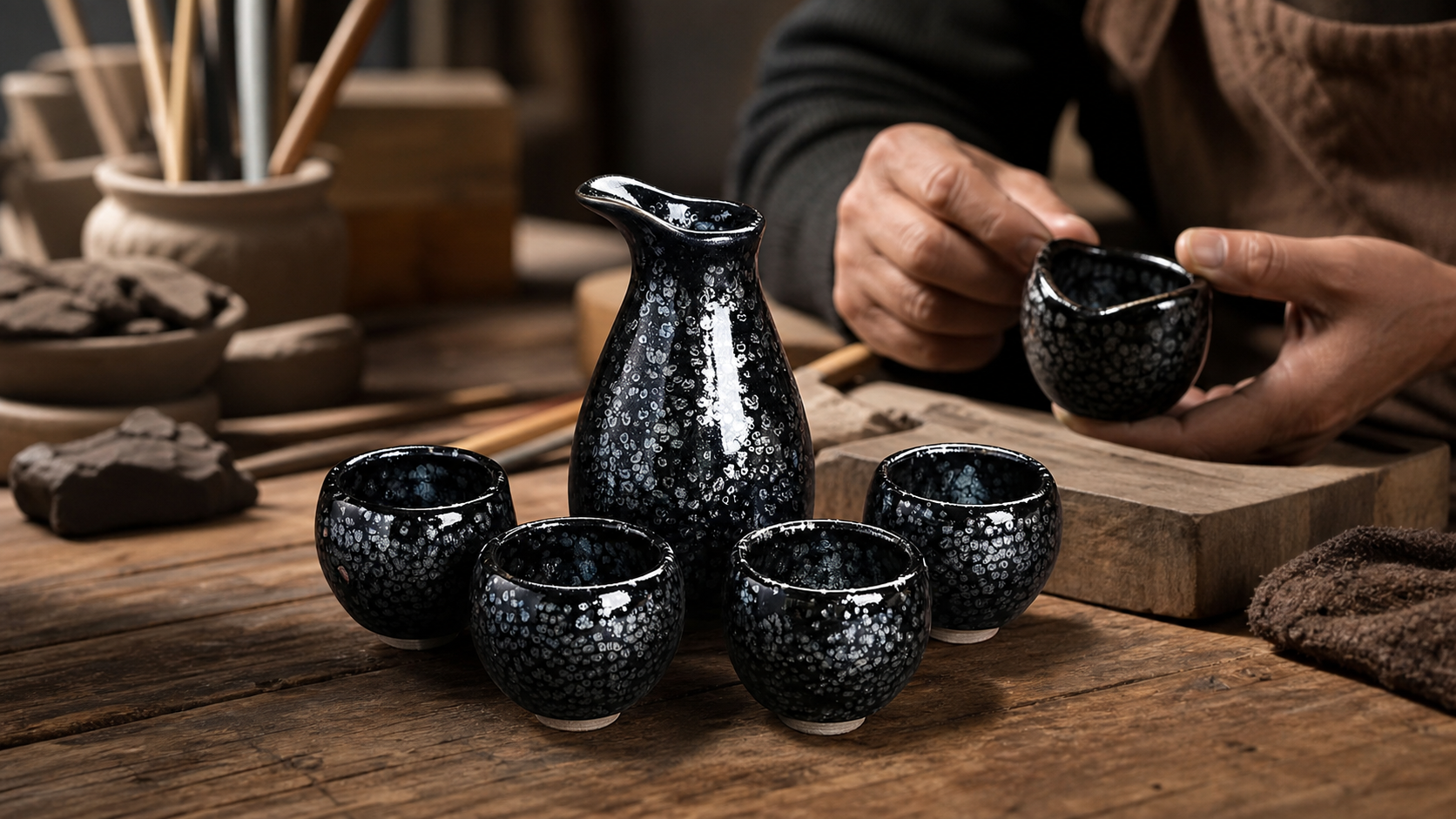

Tenmoku Tea Bowl: The Handmade Story Behind a More Meaningful Tea Ritual
A tenmoku tea bowl is more than a dark-glazed cup: it is a handmade vessel shaped by fire, mineral-rich glaze, and a long tea tradition. Whether you are brewing gongfu tea on a quiet morning or choosing a gift for tea lovers, a Jianzhan-style tea cup can make an everyday pour feel more intentional.
Its appeal is easy to understand. Like a favorite cast-iron skillet or a hand-finished leather bag, a handmade ceramic tea bowl carries visible character. No two surfaces develop in exactly the same way, so the piece you hold has its own pattern, weight, and story.
Key Takeaways
- A tenmoku tea bowl is valued for its dark glaze, tactile handmade presence, and connection to historic tea culture.
- The Fujian tea bowl tradition is closely associated with Jian ware, often called Jianzhan in modern product descriptions.
- Patterns such as partridge feather and oil spot come from kiln conditions and glaze behavior, not a printed decoration.
- For gongfu tea, a well-proportioned bowl can turn a short tasting session into a slower, more attentive ritual.
- A handmade bowl is a strong gift for tea lovers because it is useful, personal, and visually distinctive without requiring prior tea expertise.
What is the story behind a tenmoku tea bowl?
The story begins with tea, clay, and a willingness to accept variation. A tenmoku tea bowl is commonly associated with dark-glazed wares that gained recognition through the tea culture of China and later became admired in Japan. The name “tenmoku” is linked to the Japanese reading of Tianmu, a place connected with the movement of tea wares and tea practices across cultures.
For a modern tea drinker in the United States, that history does not need to feel distant or academic. Think of the bowl as a bridge between a historic craft tradition and a current personal ritual. You do not need a formal tea room to appreciate it. You only need tea, warm water, and a few unhurried minutes.
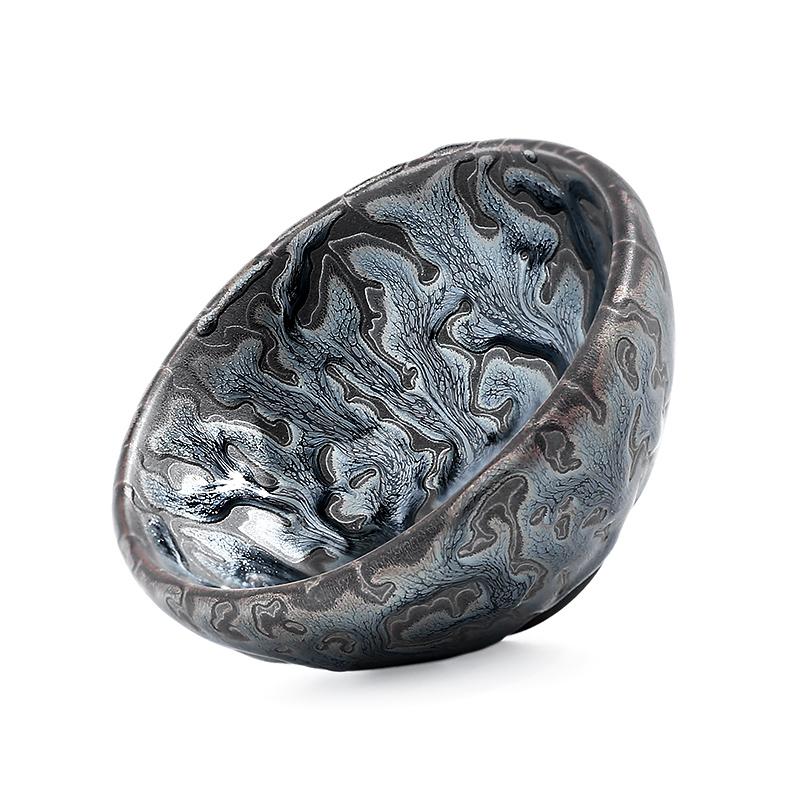
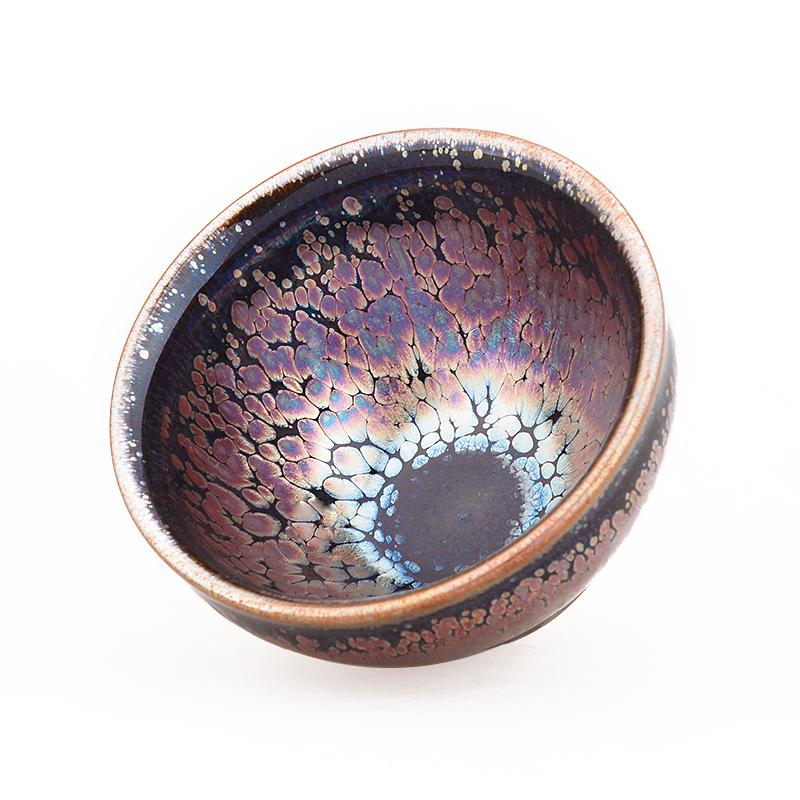
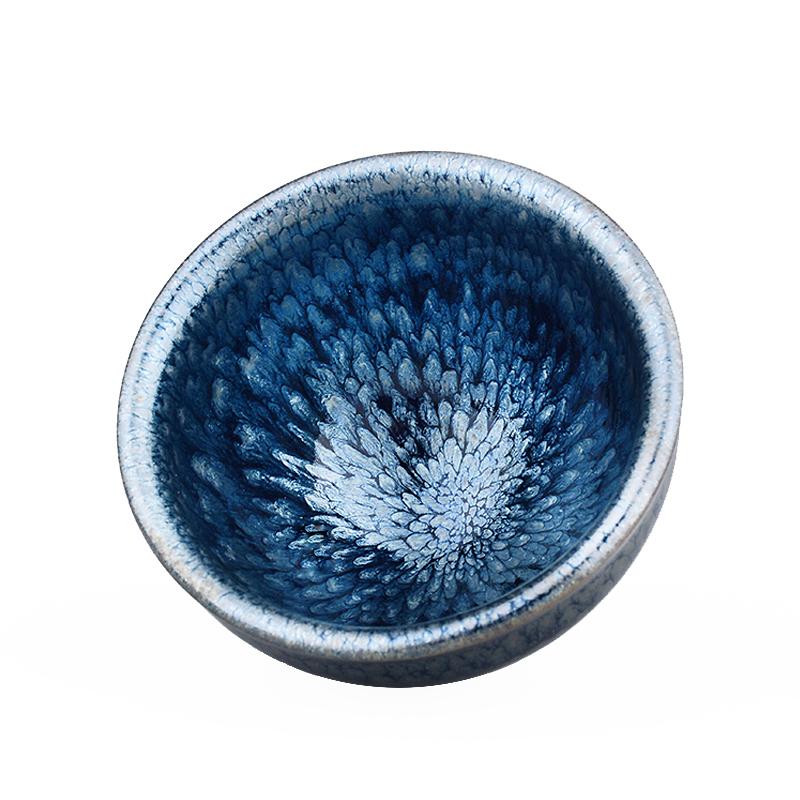
The heritage behind a tenmoku glaze is especially compelling because it keeps the maker’s process visible. A glossy black surface may reveal a soft silver-blue oil spot effect. Another piece may show fine streaks resembling a bird’s feather. These are not defects to be hidden; they are part of the record left by heat, minerals, atmosphere, and timing inside the kiln.
That is why a well-chosen tenmoku tea bowl often feels different from mass-produced drinkware. Factory consistency has its place, but handmade work offers something else: evidence that material and maker had to cooperate.
How did Song Dynasty tea culture shape the Fujian tea bowl tradition?
Song Dynasty tea culture placed unusual attention on the act of preparing and seeing tea. During this period, whisked tea and tea competitions gave dark bowls a practical visual role: lighter foam could stand out against a deep, dark interior. This does not mean every modern tea drinker needs to recreate a historical contest. It does explain why dark bowls became so memorable in the larger story of tea.
The Fujian tea bowl tradition is central to that story. Fujian is associated with the historic Jian kilns and the black-glazed wares that inspired generations of collectors, tea practitioners, and ceramic artists. When people discuss Jianzhan history, they are often referring to this relationship among regional clay, kiln practice, tea culture, and dark glaze.
Japan played an important role in carrying admiration for these bowls forward. Japanese tea culture developed its own ways of valuing imported and locally made dark-glazed bowls, and “Japanese tenmoku” became a familiar collecting and shopping term. Today, shoppers may search for japanese tenmoku for sale, but that phrase can describe a broad category rather than one single origin, period, or maker.
For buyers, the useful question is not simply “Is it old?” or “Is it Japanese?” The better question is: What is this specific piece, who made it, how is it described, and does its form suit the way I drink tea? A transparent product listing should distinguish historical inspiration from an antique claim and describe the current handmade ceramic piece clearly.
| What you may notice | Why it matters in the tea experience | What to ask before buying |
|---|---|---|
| Dark tenmoku glaze | Creates contrast and a reflective surface for tea | Is the glaze description specific and evidence-based? |
| Partridge feather pattern | Adds fine, feather-like visual movement | Are the patterns naturally varied from piece to piece? |
| Oil spot effect | Can show shimmering, clustered spots under changing light | Is it described as a kiln-created glaze effect rather than printed decoration? |
| Handmade form | Offers tactile character and small variations in profile | What are the actual capacity, dimensions, and care instructions? |
| Wide bowl shape | Can make aroma, color, and warmth easier to notice | Will it feel comfortable for your preferred tea session? |
What does a tenmoku artisan bring to a handmade ceramic tea bowl?
A tenmoku artisan does not simply apply a black coating and wait for a predictable result. The work involves a sequence of choices: selecting and preparing clay, shaping the bowl, drying it carefully, applying glaze, loading the kiln, and firing under closely managed conditions. The final surface depends on how those decisions interact with heat and atmosphere.
That is where kiln change becomes part of the story. In ceramics, the kiln is not merely an oven. It is more like the final collaborator in a recipe where temperature, timing, oxygen, minerals, and placement all influence the result. A maker can guide the process, but cannot honestly promise that every bowl will emerge with identical markings.
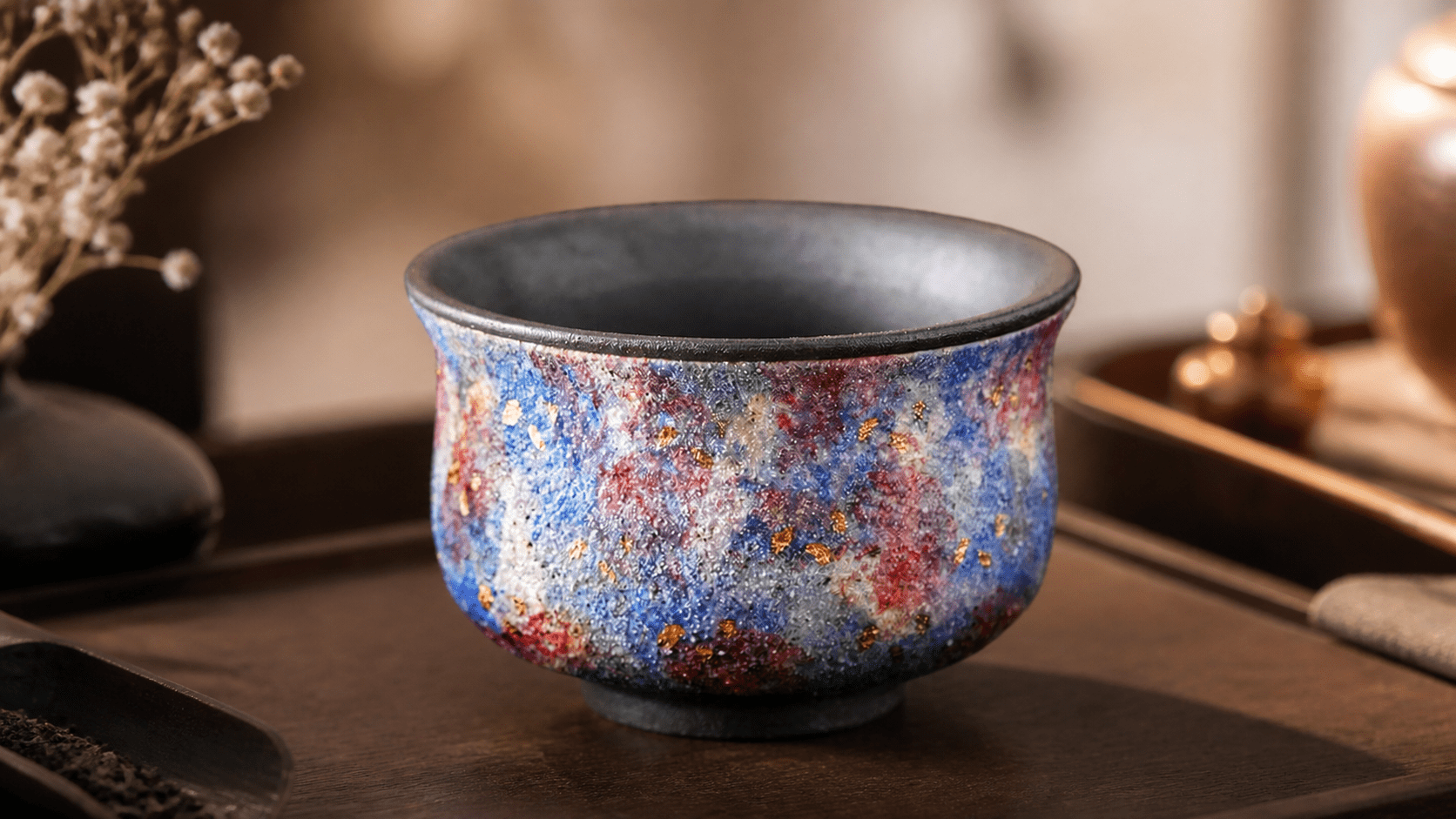
For this reason, handmade Jianzhan tea cups should be appreciated as individual works rather than as interchangeable units. One cup may have a concentrated pattern at the center. Another may have a more open field of color near the rim. A third may look almost black until light reveals subtle variation. These differences are part of why collectors and daily tea drinkers return to the form.
The best brand stories do not exaggerate this uncertainty into mysticism. The real value is already enough: an artisan is working with material knowledge, patience, and controlled risk. When a finished tea bowl has balance in the hand, a smooth drinking edge, and a lively glaze surface, you can sense that many small choices led to that outcome.
If you are comparing an oil spot tenmoku cup with a partridge feather style, think of them as two visual languages rather than a ranking. Oil spot effects often read as round, luminous clusters. Partridge feather patterns tend to feel linear and directional. Your preference may depend on whether you enjoy bold sparkle or a quieter, flowing surface.
Why does a tenmoku tea bowl work so well for gongfu tea?
Gongfu tea is a method of preparing tea in smaller, repeated infusions so you can notice how aroma, texture, and flavor change from steep to steep. It does not require expensive equipment or complicated rules. At its heart, it is simply a more attentive way to brew.
A tenmoku tea bowl fits naturally into this rhythm. Its compact form encourages smaller pours, and its dark interior can make pale tea liquor visually striking. A warm amber oolong, a bright green tea, or a rich red black tea can look especially vivid against a deep tenmoku glaze.
The experience is also tactile. When you lift a bowl with both hands, you notice its warmth and weight. That small physical pause can make tea feel less like a task between meetings and more like a reset. For a beginner, this is often the most approachable benefit: the bowl gives the ritual a focal point without demanding that you become an expert.
Choose a bowl based on how you actually drink. If you enjoy short solo sessions, a smaller cup may feel natural. If you regularly share tea, consider a set of complementary handmade pieces rather than expecting exact matches. A family resemblance in glaze and shape can feel more inviting than a perfectly uniform row.
Browse our hare's fur Jianzhan series to compare how linear glaze movement can change the mood of a tea setting. You can also Explore our handmade Jianzhan tea cups when you want to choose a form that suits your daily brewing style.
How do you choose a tenmoku tea bowl as a gift for tea lovers?
A tenmoku tea bowl is a thoughtful gift because it does not assume the recipient already owns a complete tea collection. It can be used with loose-leaf tea, tea bags, gongfu tea, or even as a small dessert or tasting bowl. The key is choosing with the person’s habits in mind.
- For the curious beginner: Choose a comfortable, versatile bowl with a clear description of size and care.
- For the design-focused home host: Choose a distinctive glaze pattern that looks compelling on a shelf as well as in the hand.
- For the dedicated tea drinker: Consider a bowl sized for small pours and repeated tastings.
- For a meaningful occasion: Add a short note explaining that each handmade surface may vary because of the firing process.
Do not overcomplicate the gift. A good tea bowl says, “Take a moment for yourself.” That is useful for birthdays, housewarmings, holidays, weddings, and thank-you gifts. It has the emotional weight of a personal object without being too precious to use.
Before buying, look for practical details: capacity, diameter, height, whether the photos show the actual item or a representative example, and how the maker or seller describes natural variation. Avoid listings that make unverified claims about ancient origin, rarity, health effects, or exact material composition. Honest details are more valuable than dramatic claims.
What should buyers know about Japanese tenmoku for sale and modern Jianzhan?
Search terms can blur important distinctions. “Japanese tenmoku for sale” may lead to Japanese-made work, Japanese-inspired work, antique-style listings, or Chinese Jian ware-related pieces. Likewise, “Jianzhan” can refer broadly to historically inspired black-glazed tea bowls or more specifically to work connected to the Jian kiln tradition in Fujian.
For a confident purchase, read beyond the headline. A responsible listing should identify whether the item is contemporary or antique, handmade or factory-made, and what makes the glaze pattern distinctive. It should not rely on vague claims alone.
There is no single “best” tenmoku tea bowl. A premium lifestyle buyer may value a nuanced surface, a refined silhouette, and a strong maker story. A beginner may value a comfortable shape, clear care guidance, and a piece that makes daily tea feel special. Both are legitimate reasons to choose handmade work.
The most rewarding purchase is one you will actually use. Let the bowl become part of your own story: a Saturday morning oolong, a post-dinner cup with friends, or a quiet five-minute pause before the day begins.
Frequently Asked Questions
What is a tenmoku tea bowl?
A tenmoku tea bowl is a tea vessel known for a dark, often visually complex glaze. The term is associated with historic Chinese black-glazed wares and their later appreciation in Japan, while modern examples can be handmade contemporary ceramics.
How is Song Dynasty tea culture connected to a tenmoku tea bowl?
Song Dynasty tea culture helped elevate dark bowls because they offered visual contrast for whisked tea. That historic use is one reason black-glazed bowls remain important in tea culture today.
What is the Fujian tea bowl tradition?
The Fujian tea bowl tradition refers to the heritage surrounding Jian kilns and dark-glazed ware from Fujian, China. It is closely connected to Jianzhan history and to the enduring appeal of deep, kiln-developed glazes.
What does a tenmoku artisan do differently from a factory producer?
A tenmoku artisan shapes, glazes, and fires each piece through a hands-on process where kiln placement and firing conditions can create individual variation. Factory production may offer greater uniformity, while handmade work emphasizes character and process.
Is an oil spot tenmoku cup good for gongfu tea?
Yes. An oil spot tenmoku cup can work beautifully for gongfu tea if its size and drinking edge feel comfortable to you. The dark glaze can also create attractive contrast with different tea colors.
Are handmade Jianzhan tea cups all exactly alike?
No. Handmade Jianzhan tea cups commonly vary in glaze pattern, tone, and small details of form. This variation is a normal result of handmade ceramic production and kiln firing.
Is Japanese tenmoku for sale always made in Japan?
Not necessarily. The phrase may be used for Japanese-made tea ware, Japanese-inspired tenmoku styles, or broader marketplace categories. Check the listing for the maker, origin, production method, and whether the item is contemporary or antique.
Conclusion: Choose a bowl with a story you want to use
A tenmoku tea bowl brings craft, cultural heritage, and everyday usefulness into one small object. Its connection to Fujian, Song-era tea culture, Japan, and Japanese tea appreciation gives it depth, but its real value appears in the present moment: tea in your hands, a glaze catching the light, and a reason to slow down.
If you are looking for a gift for tea lovers or a more personal way to enjoy gongfu tea, choose a handmade bowl with clear details, a comfortable form, and a glaze that speaks to you. The right piece does not need to be identical to any other. It only needs to earn a place in your own ritual.
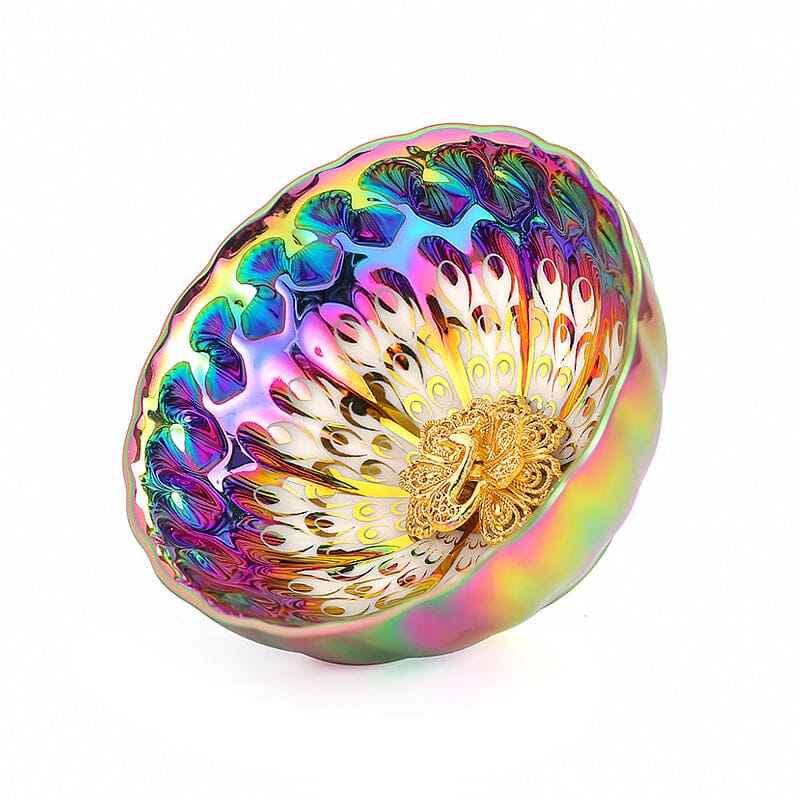
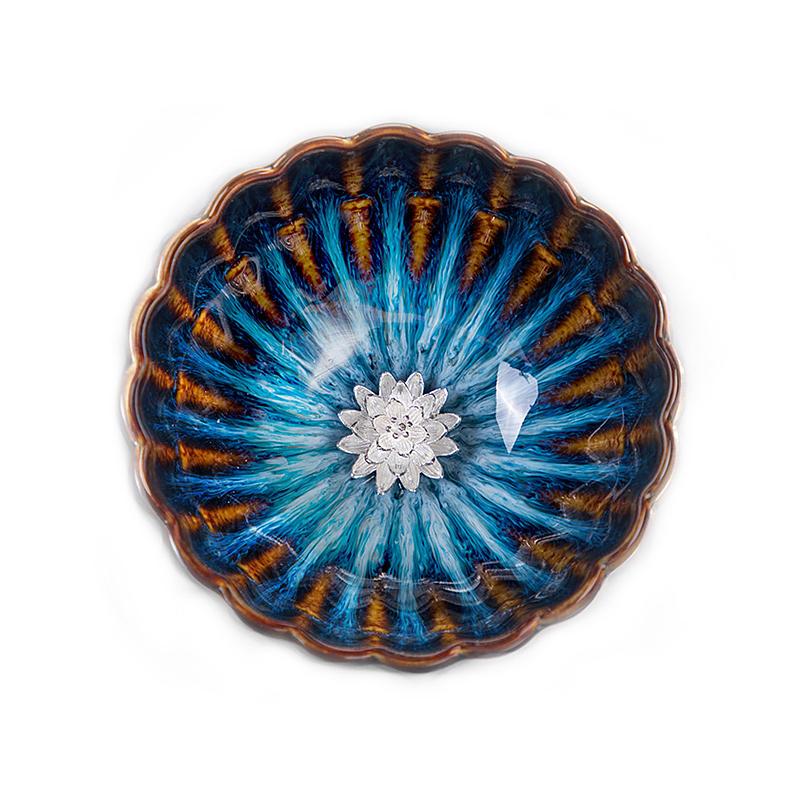
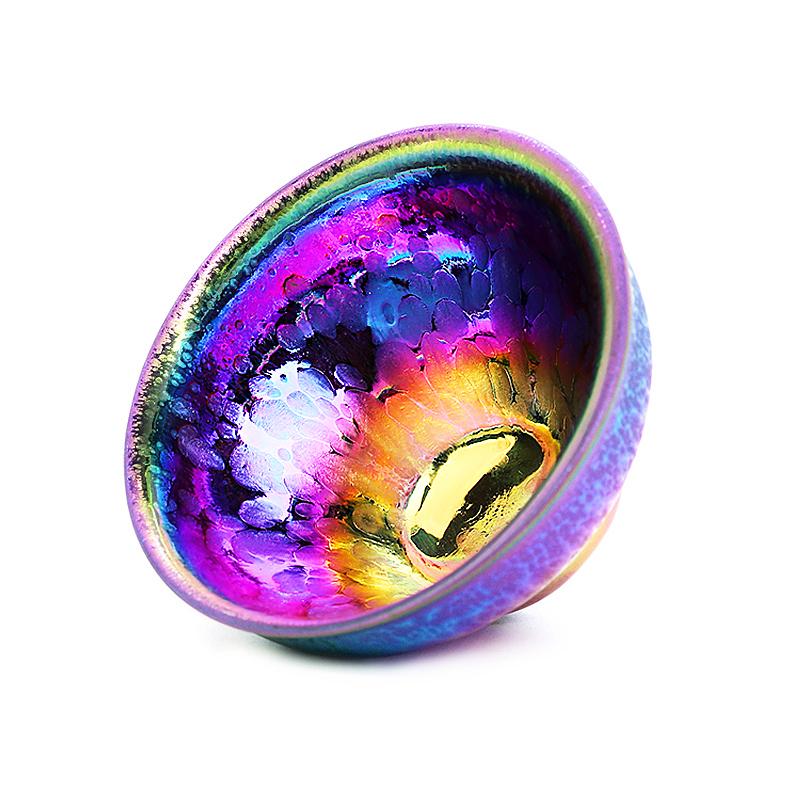
Explore Our Collection
Ready to experience the world of tenmoku tea bowl? Browse our curated collection:
Disclaimer: This article is for informational purposes. Products and pricing subject to change.


Partager:
Tenmoku Tea Bowl: Bring a Calmer, More Intentional Tea Ritual Home