

Introduction: Why Rituals Matter in a Distracted World
We live in an age of infinite notifications and fragmented attention. The average person checks their phone over 350 times a day. We rush through meals. We drink coffee standing over the sink.
Against this backdrop, the idea of sitting down for 20 minutes to drink tea from a specific bowl, in a specific way, might seem almost rebellious.
That's because it is.
A tea ritual — even a simple one — is an act of intentional living. It's a deliberate pause in a world that rewards speed. And Jianzhan is the perfect vessel for this practice, because the bowl itself demands attention. You have to look at it. You have to hold it. You have to pour slowly, because the thick walls mean the tea stays hot longer — and that means you can take your time.
The 5-Minute Morning Jianzhan Ritual
You don't need 20 minutes. You need 5. Here's a minimal morning practice that works even on the busiest days:
- The setup (30 seconds): Boil water. Place your Jianzhan on the table. Take a breath.
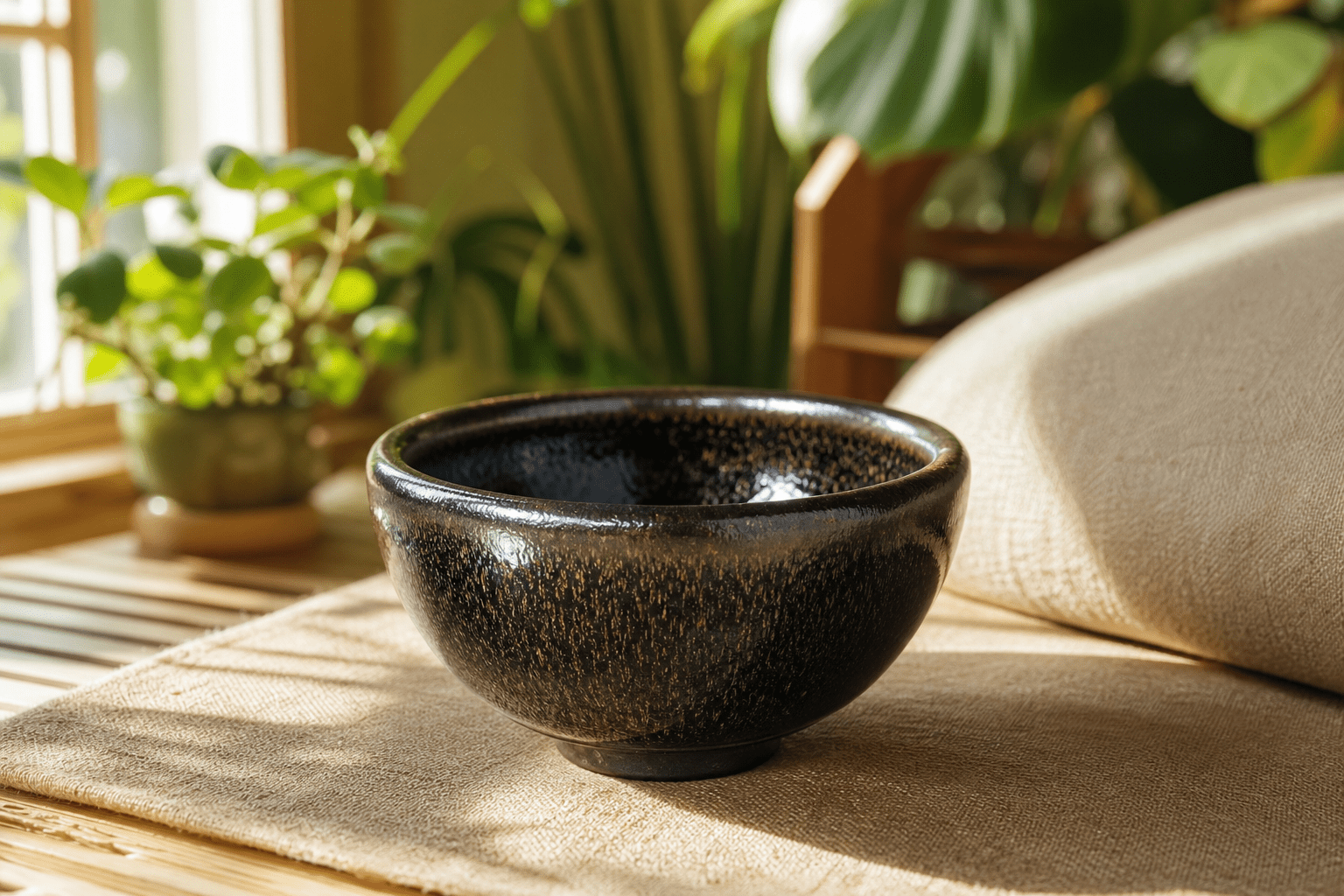
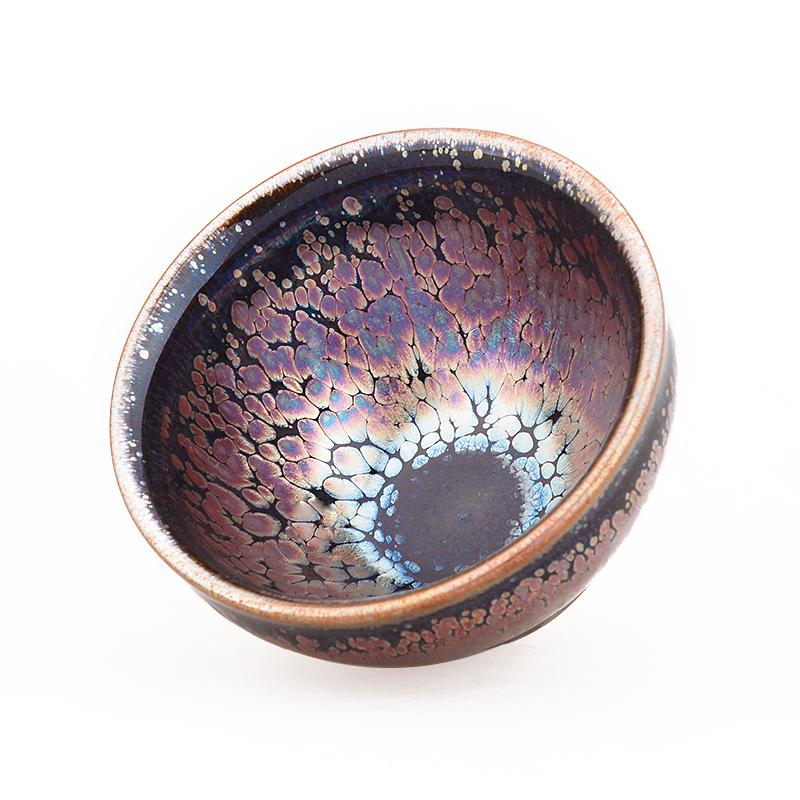
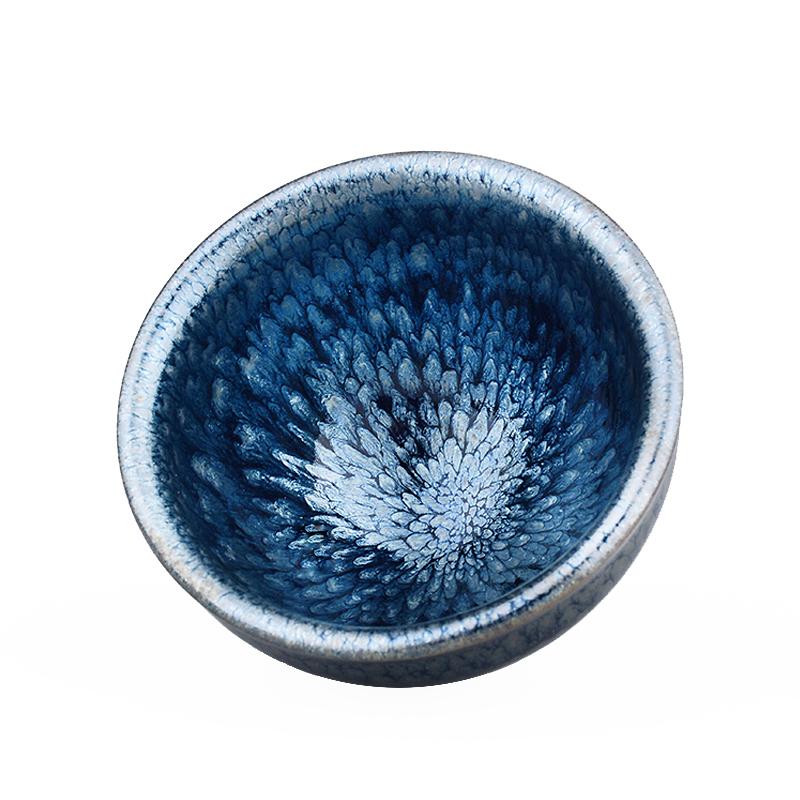
- The observation (30 seconds): Before you pour, hold the empty bowl. Look at the glaze — the oil spots, the hare's fur streaks, the patterns that no one else in the world has exactly. This is your bowl. Notice it.
- The pour (1 minute): Pour your tea — oolong, aged pu-erh, or matcha — and watch the color of the liquor against the dark釉面. The contrast is part of the experience.
- The drinking (3 minutes): Sip slowly. Don't scroll. Don't read. Just be with the tea. Notice the warmth, the aroma, the way the flavor evolves as the tea cools slightly in the bowl.
- The pause (30 seconds): When the cup is empty, set it down. Take one more breath. Then begin your day.
Five minutes. That's all it takes. And it changes the quality of everything that follows.
The Sunday Deep Brew
On weekends, when time allows, extend the ritual to 30–45 minutes. Here's a deeper practice for Sunday morning:
- The setup: Set up your tea space — it can be a corner of the kitchen table. Choose your Jianzhan deliberately. Each bowl has its own character; choose the one that matches your mood.
- The rinse: After your opening ritual rinse, let the warm bowl rest in your hands for a moment. Feel the weight of it. Jianzhan is heavier than it looks — that solidity is intentional.
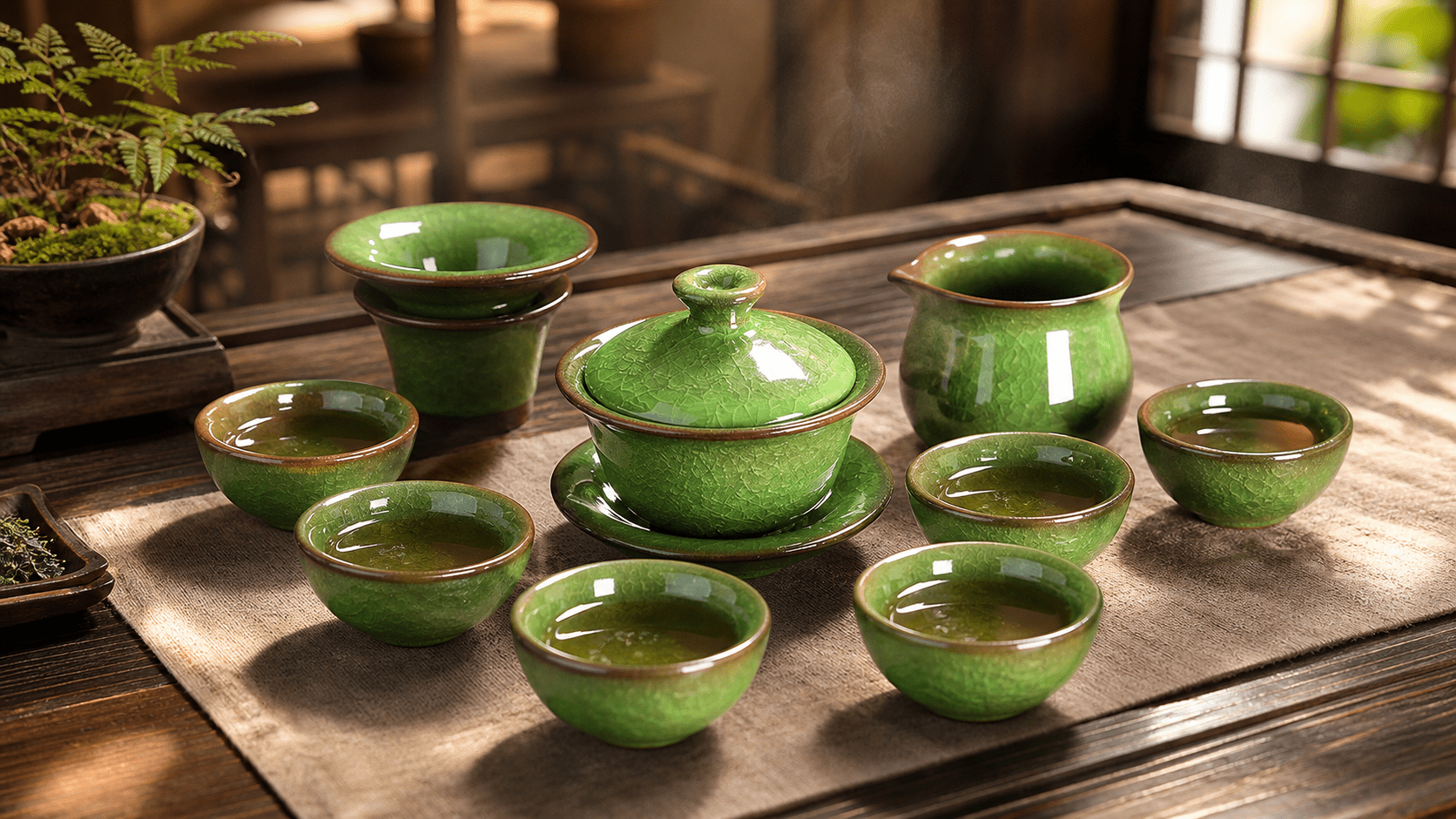
- The gongfu session: If you have a gaiwan or small teapot, do a proper gongfu session. Pour tea from the gaiwan into the Jianzhan bowl. Sip from the bowl. This is the traditional method — it allows the full flavor to develop and the bowl to showcase the tea at its best.
- The patience: With each steep, notice how the flavor evolves. Tea changes as it cools. The last steep is always different from the first. Stay present for all of it.
- The reflection: At the end of the session, sit with your empty bowl. Look at the patterns again — now wet, now catching light differently. This is the same bowl you use every day, and it looks entirely different wet.
The Neuroscience of Tea Rituals
There's actual science behind why rituals make things better — including tea.
Research from the University of Oxford and other institutions consistently shows that the anticipation and structure of a ritual enhances the enjoyment of the activity itself. A ritual primes the brain to expect pleasure, amplifies sensory perception, and creates a stronger emotional connection to the experience.
With Jianzhan, you have a built-in ritual object. The weight of the bowl, the visual drama of the glaze, the deliberate pouring — these aren't just aesthetic choices. They're neurological triggers that tell your brain: this is something worth paying attention to.
And attention is the thing we're all starved for.
Building a Practice Over Time
The beauty of a Jianzhan is that it develops with you. As you use the same bowl over months and years, the yang zhan process transforms the釉面 — deepening colors, adding patina, making it increasingly yours. Your bowl becomes a record of your practice.
After a year of daily use, you'll hold a bowl that looks different from when you started. That's not just tea stains. That's a year of mornings, preserved in the glaze.
Jianzhan and Productivity
The counterintuitive finding: people who maintain a daily tea ritual often report higher productivity, not lower. This seems to contradict the time investment — 5 minutes at the start of the day is 5 minutes not working.
But the ritual acts as an anchor. It creates a deliberate start to the day — a moment of clarity before the demands begin. People who do it consistently often say the same thing: it sets the tone. Everything after feels less frantic because it started with intention.
The Community: Share Your Practice
Tenmokus customers around the world share their morning rituals on Instagram with #MyTenmokuMoment. Looking at these posts — hands cradling oil spot bowls in Tokyo apartments, Sunday morning tea tables in London flats, early light over hare's fur bowls in Sydney kitchens — you see the same thing: people who have found something worth slowing down for.
If you build a Jianzhan morning practice, share it. Your ritual might inspire someone else's.
Conclusion
You don't need a special occasion to use your Jianzhan. You don't need 30 minutes or a perfectly arranged tea space or the right music. You just need the willingness to sit down, pour tea, and pay attention for five minutes.
In a world designed to fragment your attention, a five-minute tea ritual is a radical act. It's a small declaration that says: this moment matters. I matter. I'm going to be here for this.
Your Jianzhan is waiting. Tomorrow morning, try it.
Written by Tenmoku Studio | Last updated: 2026-04-12
Frequently Asked Questions
How long should a Jianzhan morning tea ritual take?
A basic morning ritual takes just 5 minutes: 30 seconds to set up and observe the empty bowl, 1 minute to pour and watch the tea color against the dark glaze, 3 minutes to drink mindfully, and 30 seconds to pause before starting your day.
Does a tea ritual actually improve productivity?
Research from Oxford and other institutions shows that the anticipation and structure of a ritual enhances enjoyment and creates stronger emotional connection to the experience. People who maintain daily tea rituals often report higher productivity — the ritual creates a deliberate start that sets an intentional tone.
How does Jianzhan develop over time with daily use?
Through yang zhan, the iron-rich glaze develops a personal patina unique to each user's tea habits. After a year of daily use, your bowl will look notably different — deeper colors, warmer tones, more pronounced patterns. It's a year of mornings preserved in the glaze.
What tea pairs best with Jianzhan?
Jianzhan pairs exceptionally well with oolong teas and aged pu-erh — the dark glaze enhances the visual experience of the tea liquor. Matcha is historically appropriate for larger bowl-style Jianzhan. The iron-rich clay also retains heat well, keeping tea warm longer.



Partager:
Jianzhan Care Guide: How to Season, Clean and Preserve Your Tenmoku
The Ultimate Guide to Tenmoku (Jian Zhan) Maintenance and Opening Ritual