Analysis of Misunderstandings about Anji White Tea
door Tenmokus Editorial Team
In the profound Chinese tea culture, Anji White Tea often causes cognitive confusion among tea lovers due to its unique name and excellent quality. Gaining an in-depth understanding of the true attributes and core characteristics of Anji White Tea can help tea lovers appreciate and understand this characteristic green tea more accurately, avoiding misunderstandings caused by its name. The following will detailedly analyze the common misconceptions about Anji White Tea and its core quality features.
1. Core Misconception: Anji White Tea is Not White Tea
Clarification of Classification Misunderstanding
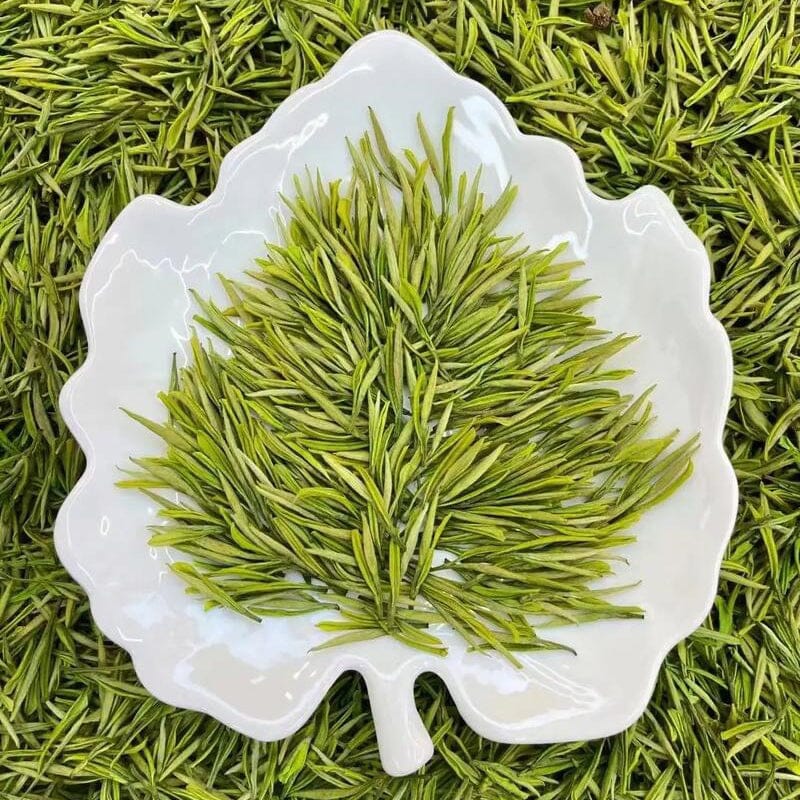
Anji White Tea is a typical case of "discrepancy between name and reality" in tea classification—although the name contains the word "white tea", itactually belongs to the green tea category,which is the most commonAnji White Tea cognitive misunderstandingamong tea lovers. Many people confuse it with traditional white tea categories such as Fuding White Tea and Zhenghe White Tea because of its name, but in fact, they are essentially different in taxonomy and belong to different tea categories, which is also a typical representative ofcommon misunderstandings in tea classification.
Background of the Misconception
This naming originates from the unique phenotypic characteristics of its tea tree variety, not the category of tea processing technology. In the early days, it was named "white tea" because the new shoots and leaves in early spring showed white color, and the name has been used till now, leading to long-term confusion in classification cognition and making many beginners in the tea circle misunderstand theAnji White Tea category.
2. Analysis of Core Characteristics of Anji White Tea
Origin and Tea Tree Characteristics
Origin Features
Anji White Teahas its core producing area in Anji County, Zhejiang Province. The superior ecological environment, suitable soil and climatic conditions there provide an advantageous natural foundation for the growth of tea trees, and it is an important representative ofZhejiang characteristic green tea. The tea trees here belong to temperature-sensitive mutant varieties and show strong sensitivity to temperature changes.
Causes of White Leaves
In the early spring germination period, due to low temperatures (usually below 20℃), the synthesis of chlorophyll in the cells of new tea shoots is significantly inhibited, resulting in a significant reduction in chlorophyll content. In contrast, pigments such as lutein are relatively prominent, making the leaves show unique white or light jade color characteristics, which is also the direct origin of the name "white tea" and the reason for the formation ofAnji White Tea unique appearance. As the spring temperature gradually rises, the synthesis of chlorophyll in the leaves returns to normal, and the color will gradually turn green.
Process Characteristics
Anji White Tea is made usingtypical green tea processing techniques, going through procedures such as fixing, rolling, and drying, and belongs tounfermented tea. According to the core standard of tea classification—"processing technology and fermentation degree", the unfermented production process determines that it must be classified into the green tea category, which is the key scientific basis for distinguishing it from white tea (slightly fermented tea) and the core point for clarifying theAnji White Tea process attribution.
Nutritional Composition and Quality Advantages
The core advantage of Anji White Tea lies in itsultra-high amino acid content.According to professional testing, its amino acid content is generally 1-2 times that of ordinary green tea. This unique nutritional composition not only endows the tea with higher nutritional value but also directly creates its signature fresh and sweet aftertaste, making it a representative variety ofhigh-amino acid green teaand an important embodiment ofAnji White Tea quality advantages.
Tasting Experience Characteristics
Taste and Aroma
Benefiting from the high amino acid content, Anji White Tea has an exceptionally fresh and sweet taste, with a rich and long-lasting tea aroma, and obviousnatural floral and sweet notes. After drinking, the effect of sweet aftertaste and fluid production is significant, and a fresh and sweet lingering charm remains in the mouth, giving people a comfortable and pleasant tasting experience, which is a prominent manifestation ofAnji White Tea tasting characteristics.
Brewing and Tasting Scenarios
When brewing Anji White Tea in a glass, you can clearly enjoy the beautiful posture of the tea leaves slowly stretching in water. The process of the leaves changing from the pale white of initial blooming to light green is highly ornamental, making it a high-quality choice ofornamental green tea. Its fresh and crisp characteristics make it particularly suitable for tasting in spring, allowing people to intuitively feel the fresh breath of spring tea and the vitality of nature, and it is a popular category inspring green tea recommendations.
3.The Importance of Correct Understanding
Understanding Anji White Tea's green tea properties will help tea lovers more effectively choose brewing methods and drinking timings. Using green tea brewing parameters (water temperature 80-85°C) can better unleash its unique qualities. Furthermore, understanding the uniqueness of its varieties and craftsmanship allows us to more deeply appreciate the richness of Chinese tea naming culture and the diversity of tea plant varieties, avoiding classification errors that can hinder our drinking experience.
By clarifying this misconception, we can more accurately grasp the essence of Anji White Tea's quality, truly appreciating the natural flavor and craftsmanship of this distinctive green tea, known for its "white in name, green in essence," and making the drinking experience more professional and culturally enriched.
Quick answers for Tenmoku teaware shoppers
Use this guide to connect the article topic with practical buying decisions: what Jianzhan Tenmoku teaware is, who it suits, how to choose a piece, and how to care for it after purchase.
How to use this guide before buying
Read the article first for the main explanation, then compare the product photos, glaze variation, form, seller clarity, return policy, and whether the piece fits daily tea, display, collecting, or gifting.
Common buying mistakes to avoid
Avoid choosing only by dramatic claims, copied photos, unusually low prices, or vague master language. A better decision uses visible product details, clear use case, realistic care needs, and trustworthy shop policies.
Recommended next step
After reading, compare a few real products side by side by size, glaze family, rim shape, capacity, price, and gift suitability instead of relying on one photo or one keyword.
What is Jianzhan Tenmoku teaware?
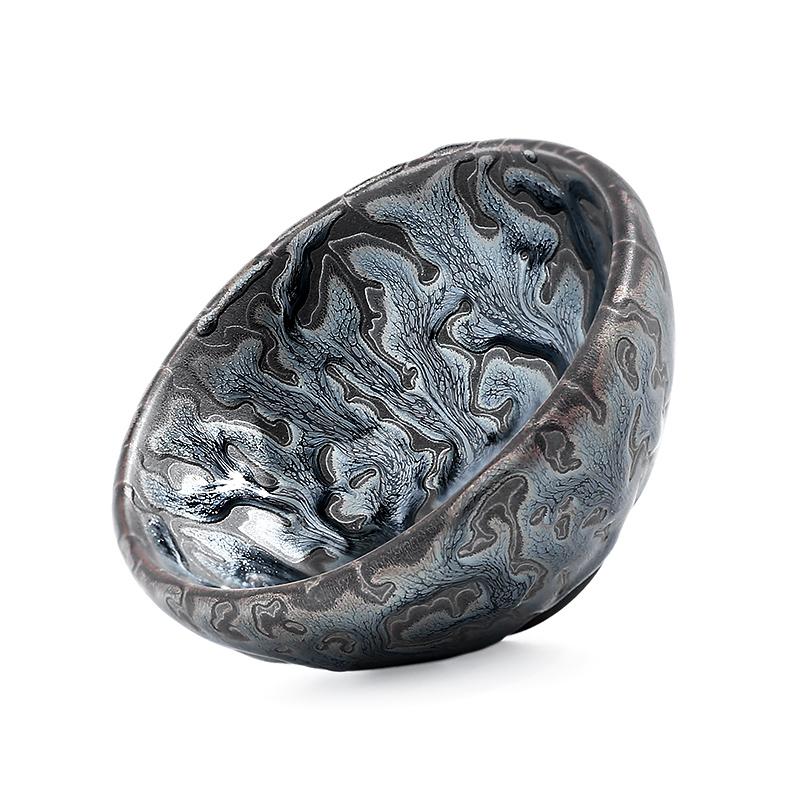
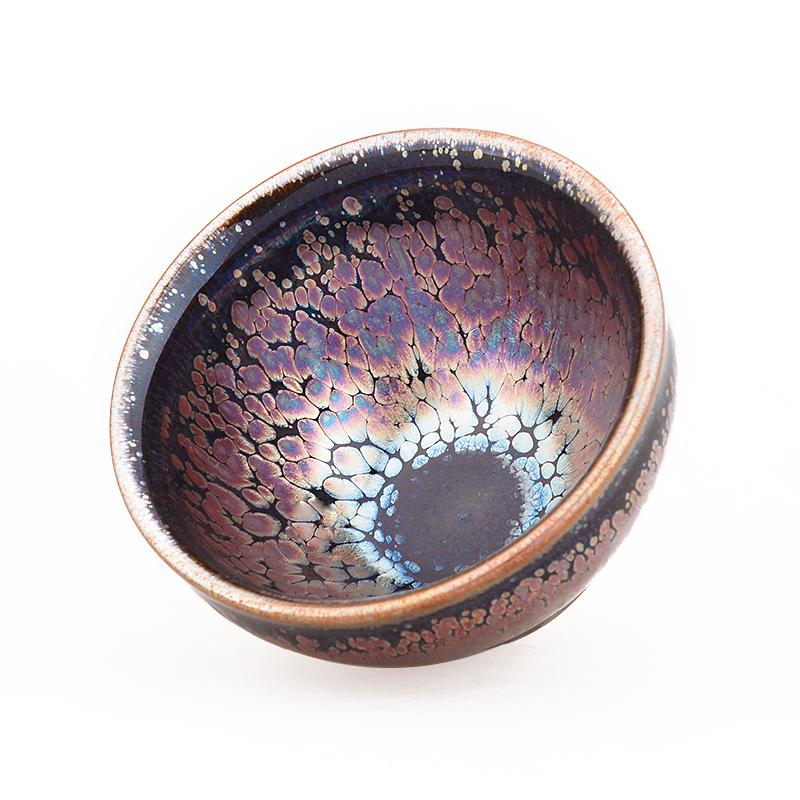
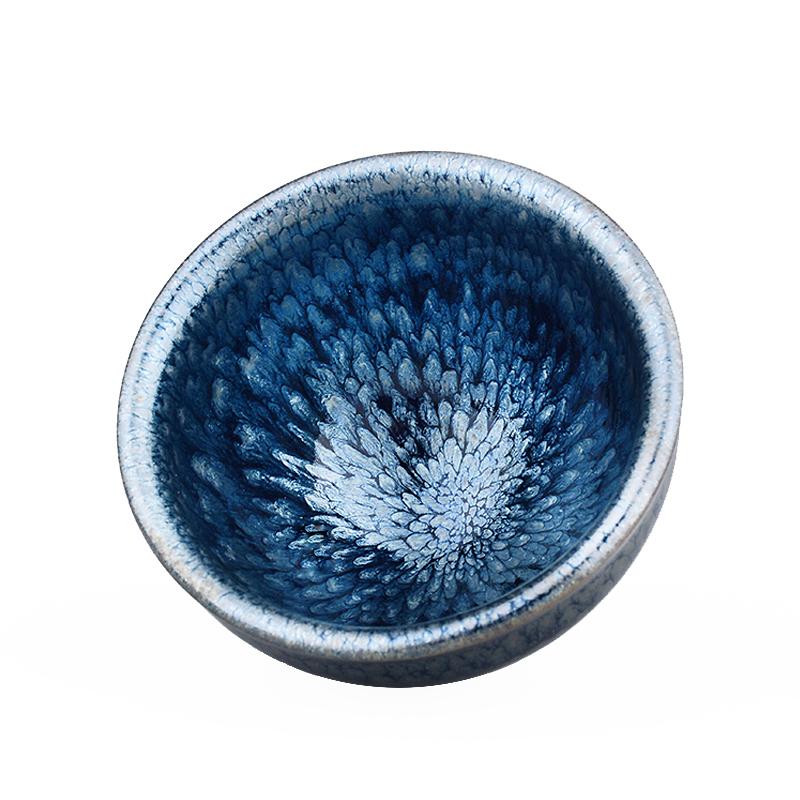
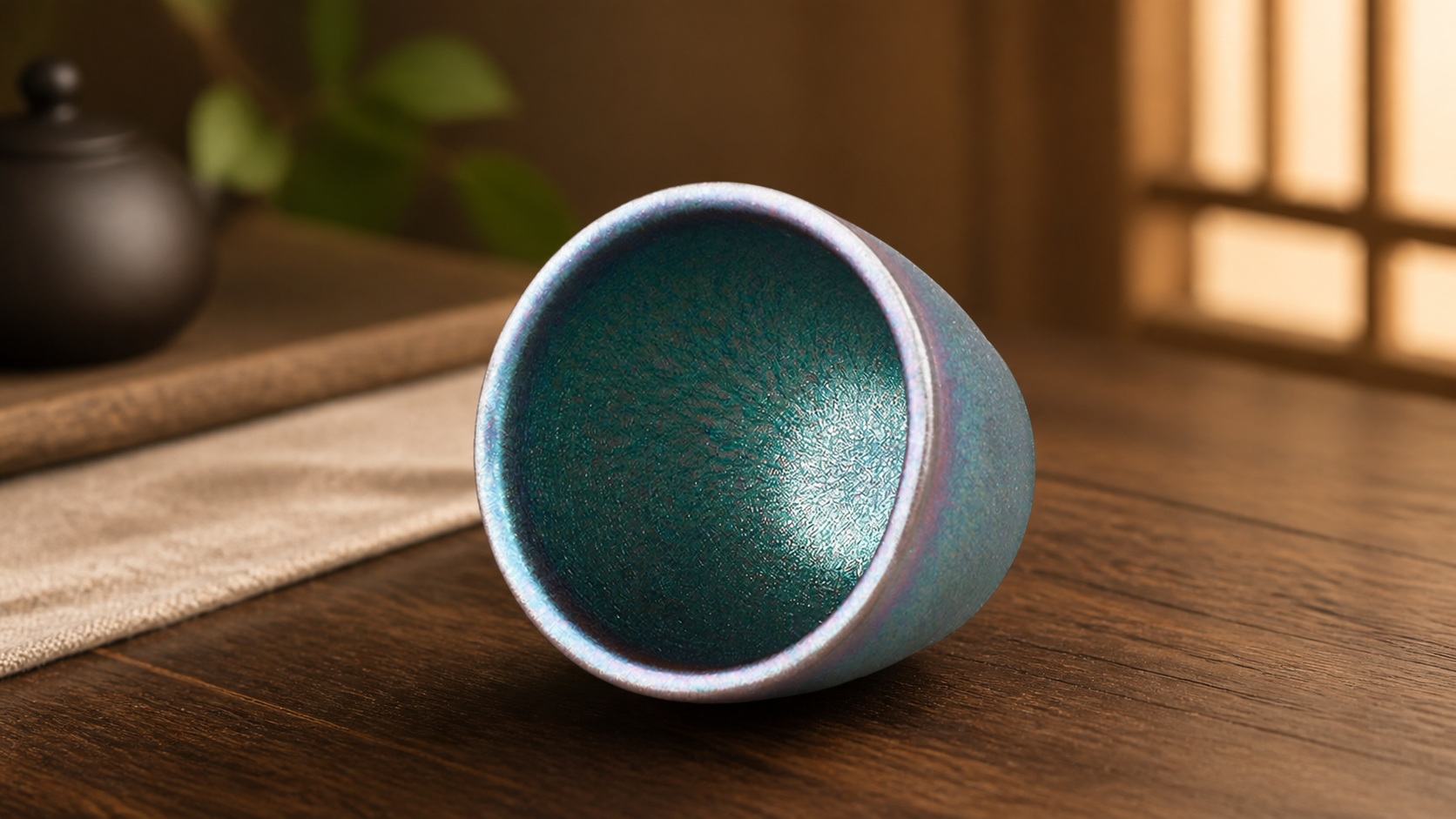
Jianzhan Tenmoku teaware is ceramic tea ware known for dark mineral-glaze effects and natural kiln variation. Common forms include tea cups, bowls, teapots, tea sets, and matcha bowls.
Who is it best for?
It is best for tea drinkers, ceramic collectors, and gift shoppers who value functional objects with visible handmade character. It is not ideal if you need every piece to look exactly identical.
How do I care for it?
Hand wash with warm water, avoid abrasive cleaners, and dry fully before storage. Gentle daily use helps preserve the surface and keeps the glaze easy to inspect over time.
How do I choose the right Tenmoku piece?
Choose by the main use first: daily tea, matcha, Gongfu brewing, display, or gifting. Then compare capacity, rim shape, glaze family, photos, and whether natural variation is acceptable for your needs.
Is Jianzhan Tenmoku teaware good as a gift?
Yes. It works well for tea lovers, ceramic collectors, birthdays, holidays, and housewarming gifts because it is both usable and visually distinctive. For gifts, choose an easy-to-use form and a glaze style with clear photos.
Related products and categories
Compare the guide above with real Tenmokus categories and representative pieces. Start with the use case, then compare glaze style, form, price, and whether the piece is mainly for daily tea, display, collecting, or gifting.
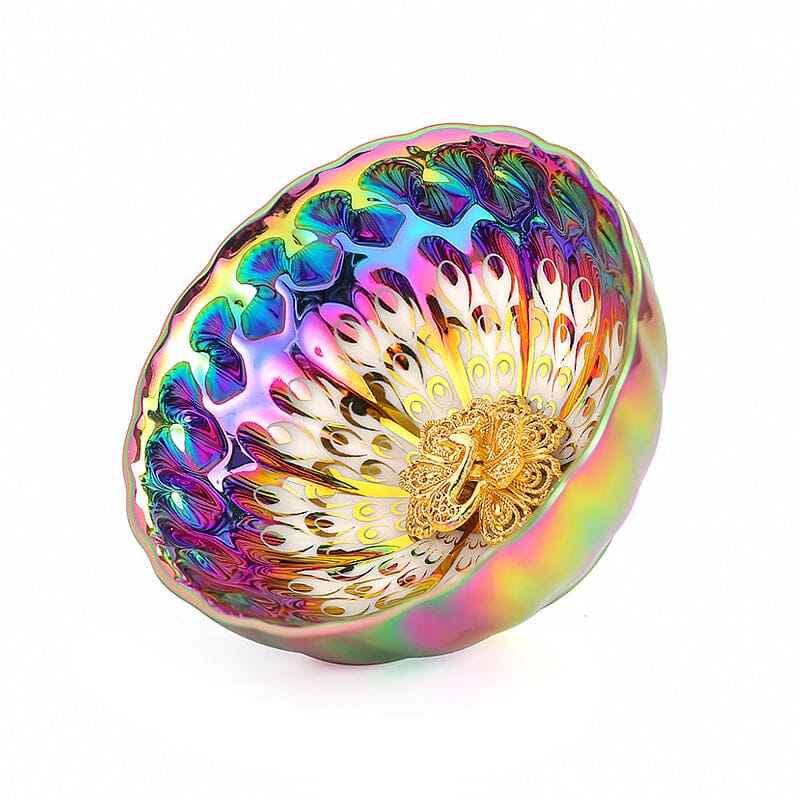
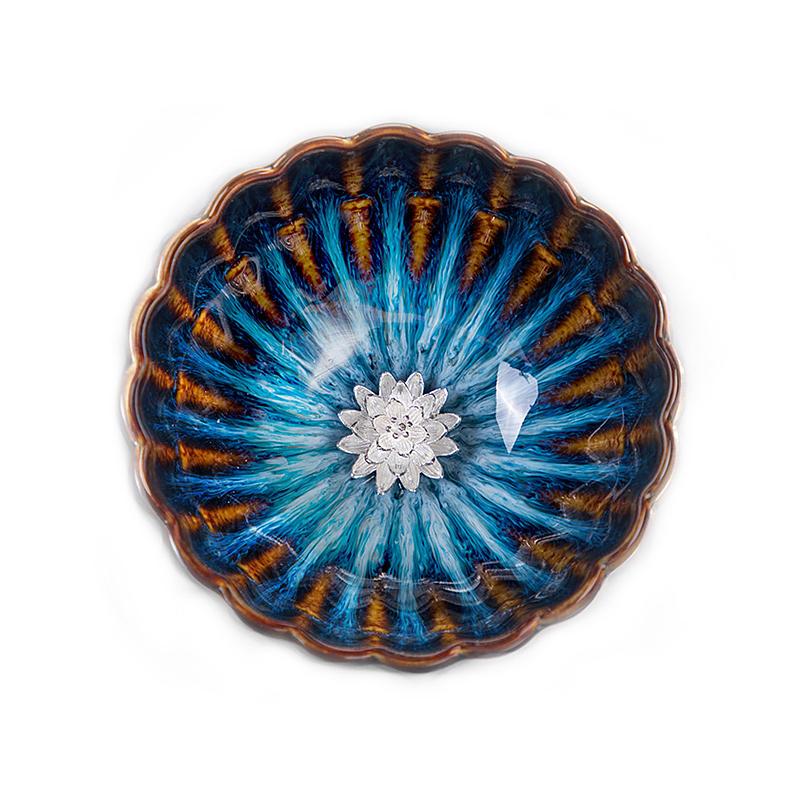
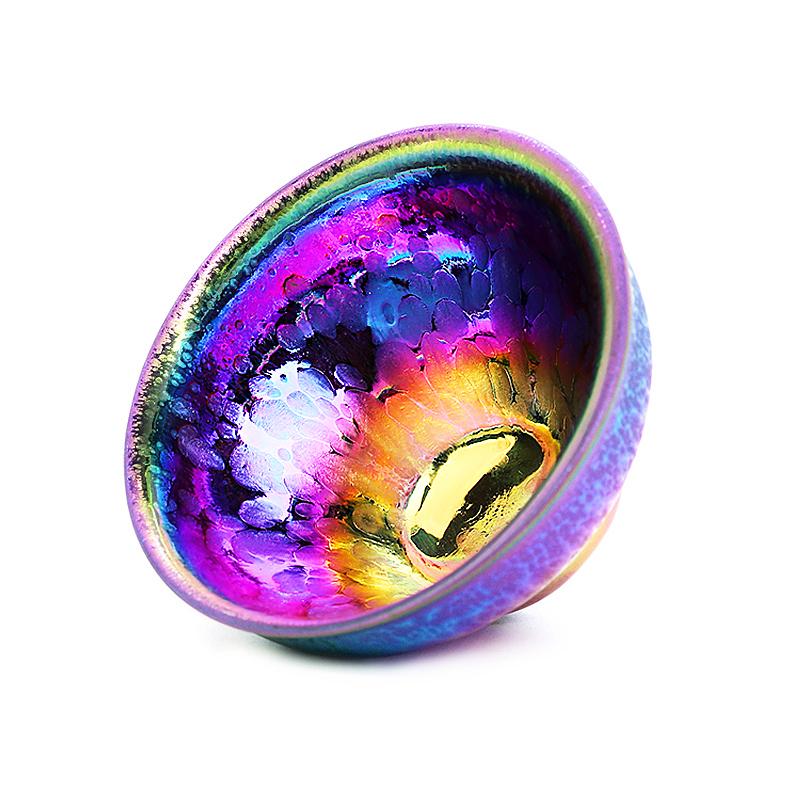
Compare handmade Jianzhan Tenmoku tea cups by glaze style, cup size, hand feel, and gift intent. Check each product page for current photos, capacity, availability, care details, shipping, and return information.
Tenmoku Tea Bowl Price: Why a Handmade Cup Can Elevate Your Gongfu Tea Ritual A tenmoku tea bowl can cost more than an ordinary ceramic cup because it is not simply molded, glazed, and repeated by machine. A handmade Jian...
Tenmoku Tea Bowl: Bring Craft and Calm to Every Tea Ritual A tenmoku tea bowl is more than a dark-glazed vessel: it is a handmade tea cup that makes a daily gongfu tea session feel more deliberate and personal. Whether...
Tenmoku Tea Bowl Authenticity Guide: Choose a Better Cup for Gongfu Tea A real tenmoku tea bowl is more than a dark cup with shiny speckles: it is a high-fired ceramic piece whose clay, iron-rich glaze, and kiln atmosphere work...






Deel:
How to Brew Taiping Houkui Tea
Reasons and Solutions for Tea Stains on Tea Sets Being Difficult to Clean