

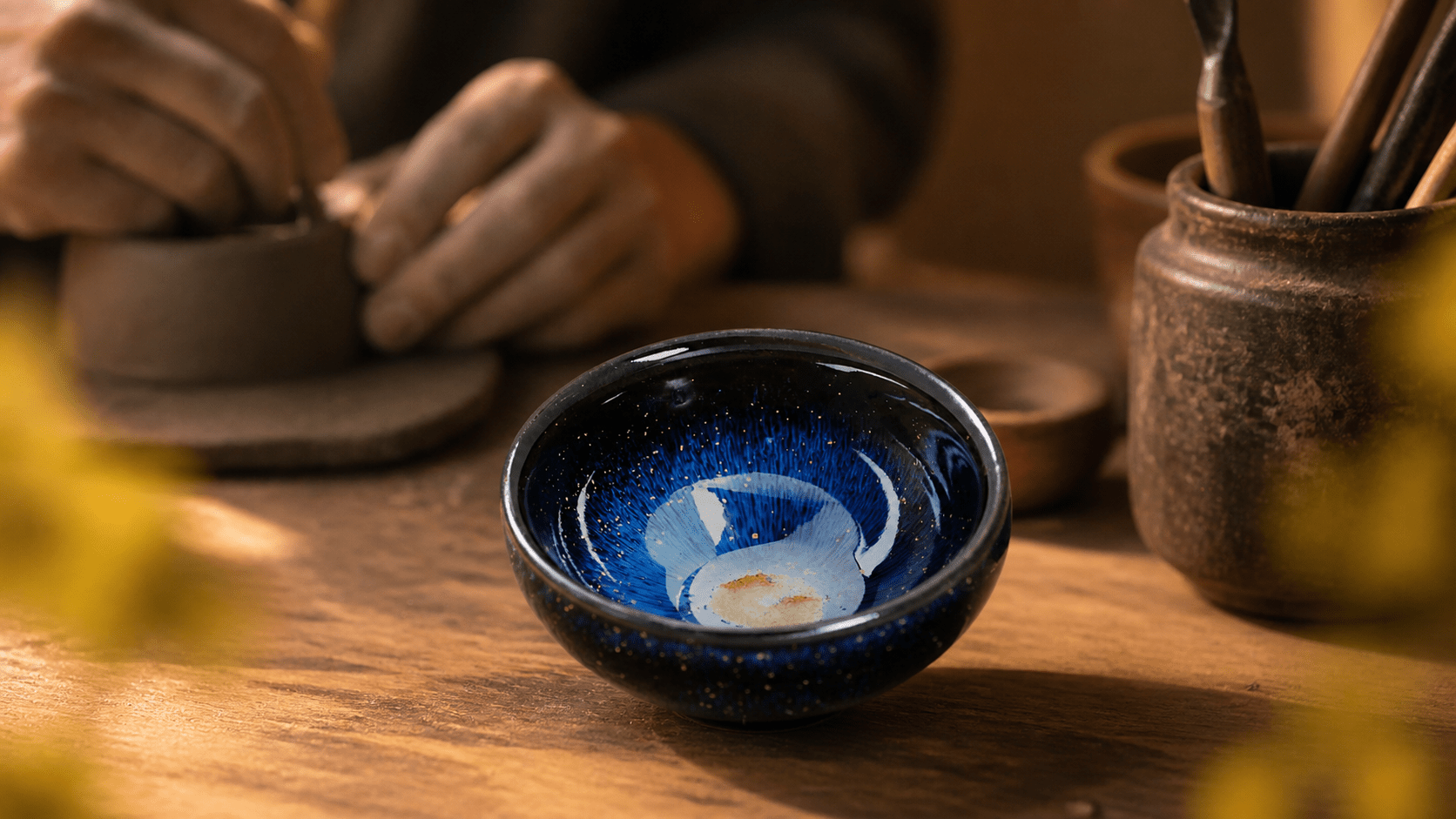

The Tenmoku Tea Bowl Story: A More Meaningful Gongfu Tea Ritual
A tenmoku tea bowl is a dark-glazed tea vessel whose character comes from clay, mineral-rich glaze, high heat, and patient making—not from a factory-perfect printed pattern. For a gongfu tea session at home, a Jianzhan cup can turn one small pour into a moment to notice warmth in your hands, shifting glaze in the light, and the aroma of the tea.
For curious beginners, this is an accessible way into tea culture. For a premium lifestyle buyer or someone choosing a gift for tea lovers, it is a useful object with a story: a bowl shaped by a long ceramic tradition and finished with variation that makes each piece feel personal.
Key Takeaways
- A tenmoku tea bowl is valued for its high-fire dark glaze, tactile form, and visible variation.
- Jian ware is connected to the tea culture of China’s Song Dynasty and later appreciation in Japan.
- Patterns such as hare's fur and oil spot develop through firing conditions; they should not be treated as identical from cup to cup.
- A good tea cup purchase begins with honest product details, a comfortable form, and the way you actually drink tea.
- Handmade Jianzhan tea cups make especially thoughtful gifts because the object is both practical and story-rich.
What Does Jianzhan History Tell Us About a Tenmoku Tea Bowl?
Jianzhan history begins in the region of Jianyang, Fujian, China, where dark-glazed bowls were made at the Jian kilns. During the Song Dynasty, whisked tea was an important social and aesthetic practice. Dark bowls offered a striking visual contrast to pale tea foam, which helped make them especially suited to the tea customs of the period.
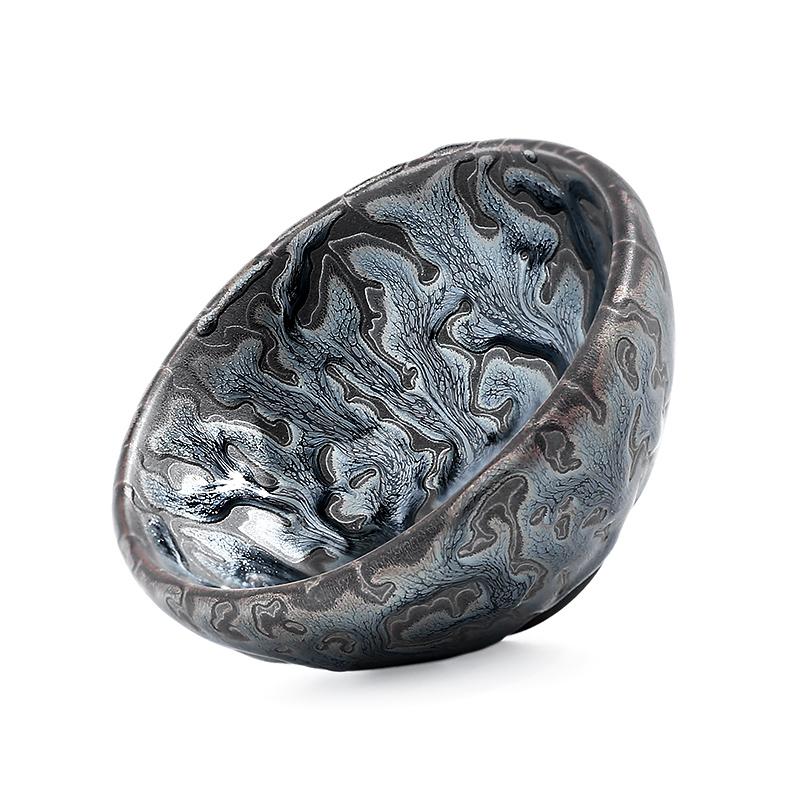
That context matters because a tenmoku tea bowl is not simply “a black cup.” Its visual language comes from a ceramic tradition in which the glaze was part of the experience. Iron in the glaze, heat inside the kiln, and cooling conditions could create fine streaks, speckled fields, or deep, reflective surfaces.
The word “tenmoku” is commonly associated with the Japanese reading of Tianmu. Tea culture created a bridge between China and Japan, and these dark bowls became admired in Japan as part of tea ceremony culture. Today, the terms Jianzhan and tenmoku are often used together in retail and collecting conversations, though the exact origin, technique, and maker still matter when describing a specific piece.
Think of this history like the difference between a mass-market coffee mug and a handmade pour-over dripper from a respected potter. Both hold a drink. One may also invite you to notice material, process, and ritual. That is the enduring appeal of the tenmoku tea bowl.
How Did Song Dynasty Tea Culture Shape the Bowl’s Purpose?
Song Dynasty tea culture was highly attentive to preparation, presentation, and the social pleasure of sharing tea. It was not only about caffeine or thirst. The bowl, the water, the tea, and the setting all contributed to the experience.
Modern gongfu tea is prepared differently from Song-era whisked tea, but the same attention to small details feels familiar. When you pour oolong, pu-erh, or black tea into a small cup, you are already working at a slower scale. A tenmoku tea bowl complements that scale because its glaze changes as tea, steam, and ambient light move across the surface.
This does not mean a handmade bowl makes tea objectively better. Taste is shaped by tea leaves, water, brewing temperature, and your own senses. What the bowl can do is make the ritual more intentional. Its dark interior can frame lighter tea tones; its weight can make a pause between pours feel more deliberate.
For American tea drinkers, this is an easy entry point: you do not need a formal tea room or a memorized tea ceremony. Start with a tea you enjoy, use a comfortable cup, and give yourself ten quiet minutes. Cultural appreciation becomes more meaningful when it is paired with curiosity, clear sourcing, and respect for the traditions behind the object.
What Does a Tenmoku Artisan Actually Do During the Making Process?
A tenmoku artisan works with a process that rewards control but never fully eliminates variation. The maker shapes the bowl, allows it to dry, applies glaze, and fires it at high temperatures. At each stage, choices affect the result: the clay body, bowl thickness, glaze application, kiln placement, atmosphere, temperature curve, and cooling.
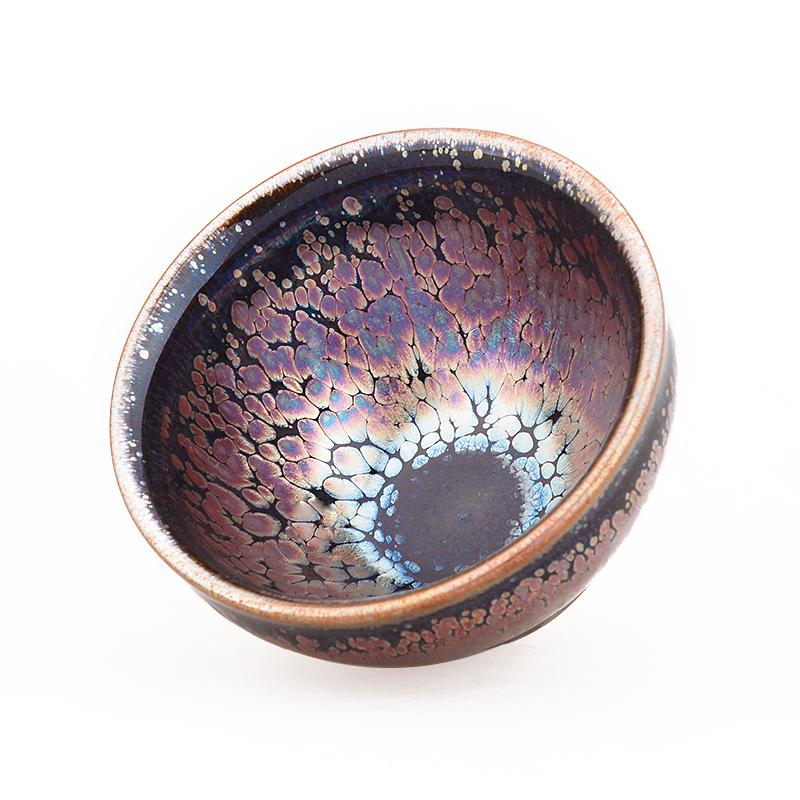
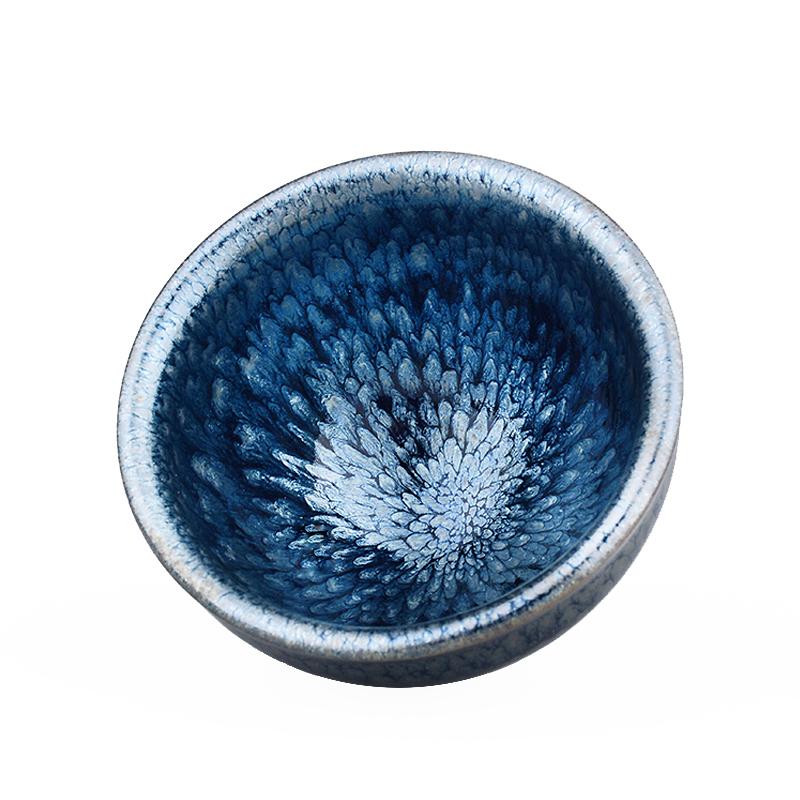
Patterns often described as hare's fur may appear as fine radiating streaks, while oil spot glazes can show round or clustered reflective marks. These names are visual descriptions, not promises that every bowl will show the same pattern at the same intensity. A handmade surface is closer to a naturally patterned stone than a repeated wallpaper print.
That uncertainty is part of the craft story. A skilled maker can develop a consistent process and a recognizable visual direction, but a kiln still contributes its own conditions. The most useful way to shop is not to chase a label alone. Look closely at the actual bowl shown, its shape, glaze coverage, rim, foot, dimensions, and any maker or production information provided.
For a premium gift, this distinction matters. The value of handmade Jianzhan tea cups is not that they are flawless in an industrial sense. It is that their details reveal a real making process. A slight difference in glaze flow or color can become the feature a recipient remembers every time they make tea.
Why Does the Fujian Tea Bowl Tradition Still Matter to Modern Tea Drinkers?
The Fujian tea bowl tradition matters because it connects a contemporary tea object to a specific place and a long conversation about tea, clay, and firing. It gives buyers a better question than “Is this trendy?” Instead, ask: “What craft tradition is this piece drawing from, and how transparently is that connection described?”
That question is useful in a global marketplace. Japanese pottery, Chinese ceramics, and modern studio work can influence one another, while brands and sellers may use broad terms differently. A responsible product page should distinguish between verified facts and broad inspiration. If the maker, origin, clay, or firing method is not confirmed, it should be described carefully rather than turned into a dramatic claim.
This transparency does not make the story less romantic. It makes it more durable. A buyer can appreciate the Song Dynasty roots of Jian ware, the Japanese history of tenmoku appreciation, and a modern maker’s interpretation without confusing them as the same thing.
For gifting, the story is simple and compelling: this is not a generic tea accessory. It is a small object designed for repeat use, connected to centuries of tea appreciation, and distinct enough that no two daily tea moments look exactly alike.
How Do You Choose the Best Jianzhan Tea Cup for Gongfu Tea or Gifting?
The best Jianzhan tea cup is the one that fits the recipient’s drinking habits and gives you enough honest information to buy with confidence. A visually dramatic bowl may be perfect for a collector, while a smaller, lighter cup may be more practical for someone who drinks gongfu tea every morning.
| What to consider | Why it matters | Practical buying question |
|---|---|---|
| Size and shape | Affects how the cup feels and how quickly tea cools. | Will it suit small gongfu pours or a larger everyday serving? |
| Glaze pattern | Hare's fur and oil spot can create very different visual moods. | Do you prefer fine movement, bold spots, or a quieter dark surface? |
| Comfort | The rim, foot, and weight affect repeated use. | Does the shape look comfortable to hold and sip from? |
| Product transparency | Clear details build trust in a handmade purchase. | Are dimensions, materials, care guidance, and origin information clearly stated? |
| Gift context | The best gift matches the recipient, not only the trend. | Are they new to tea, a collector, or someone who values design objects? |
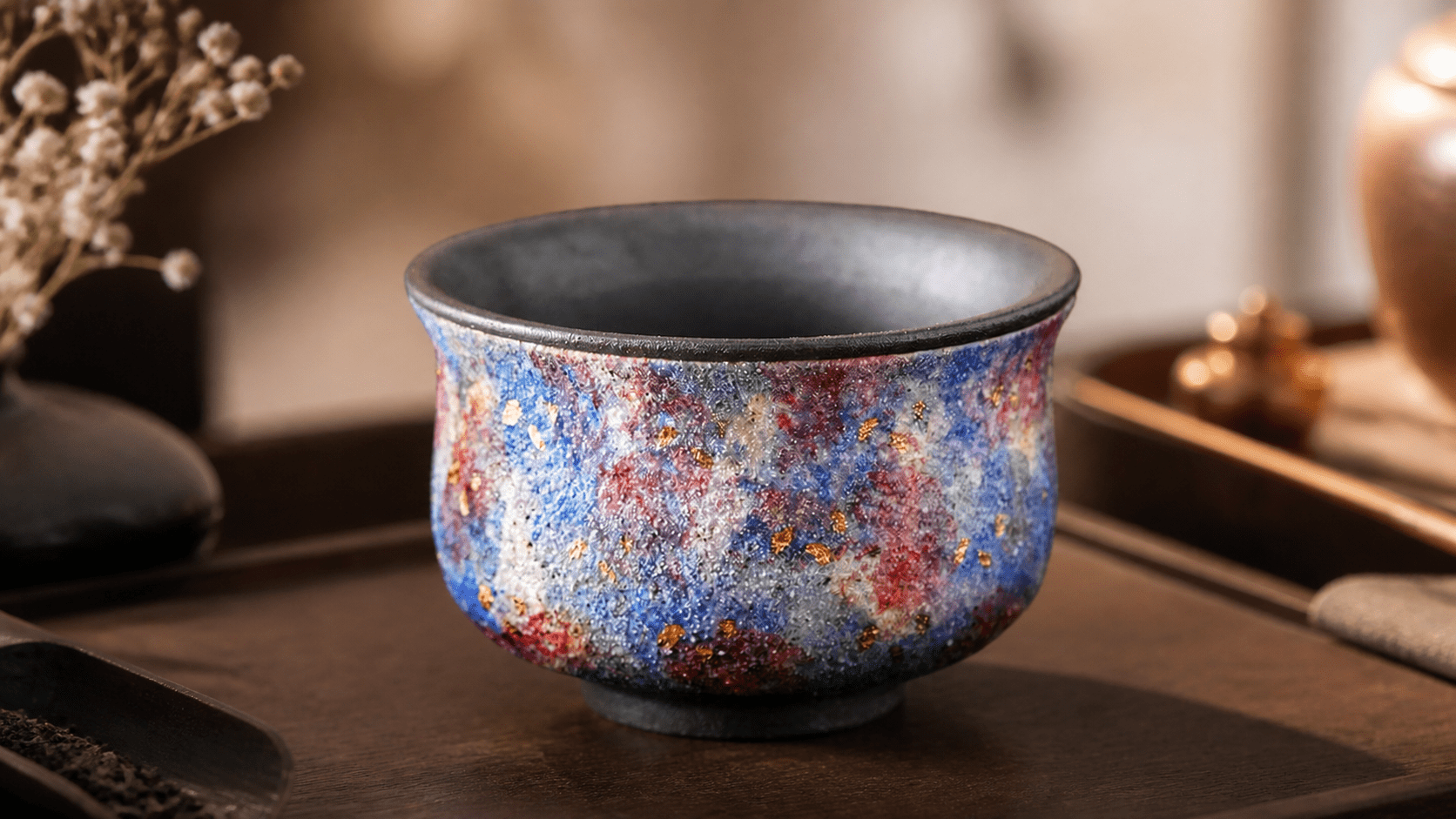
When comparing a tenmoku tea bowl for sale, avoid assuming that more shimmer automatically means better quality. A calmer glaze can be just as beautiful, especially for someone who prefers understated interiors. The strongest choice is one you would be glad to see on the table every day.
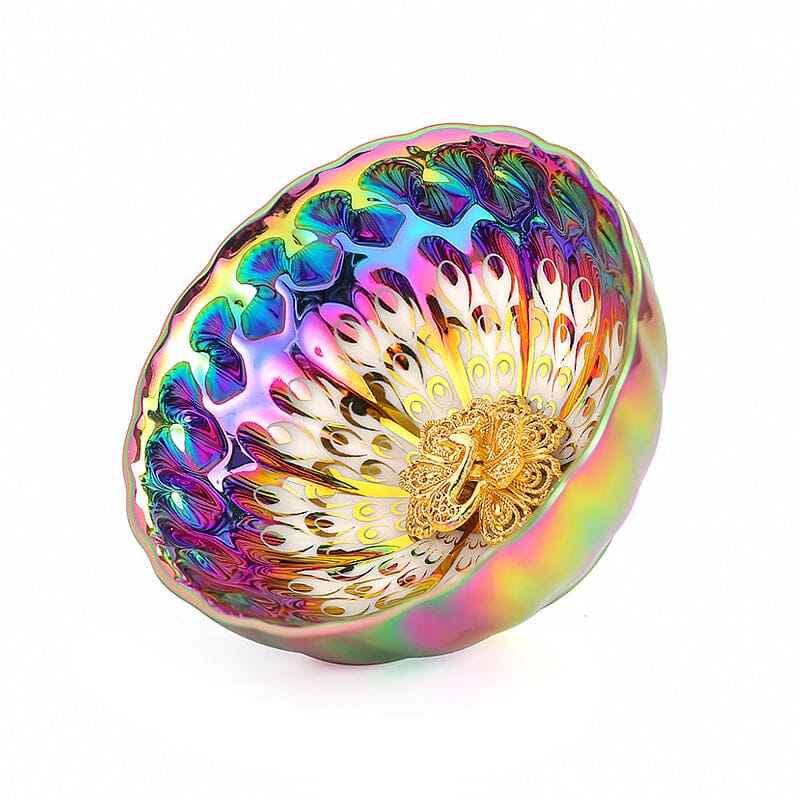
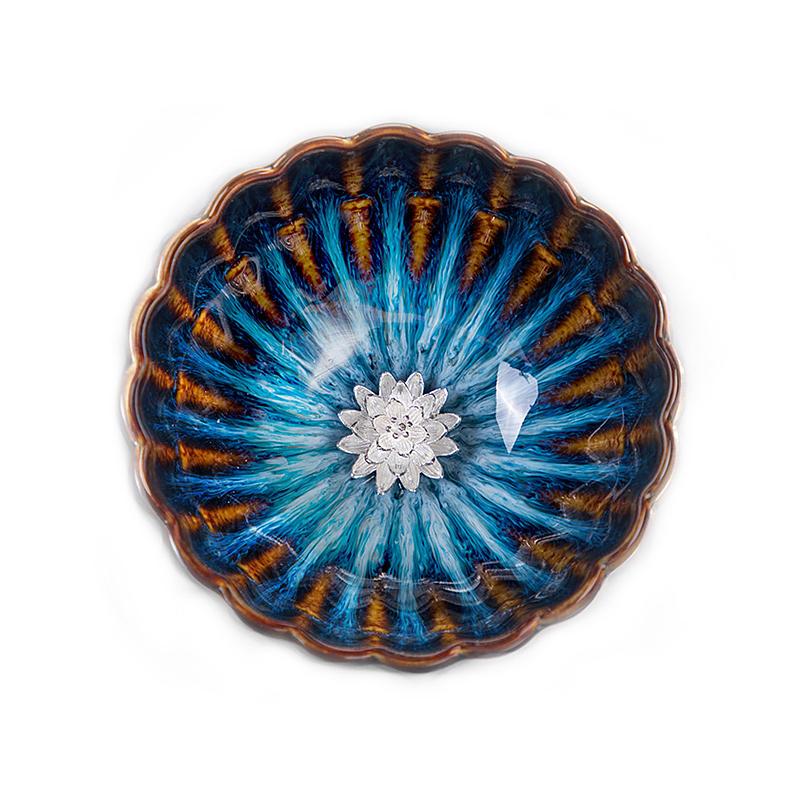
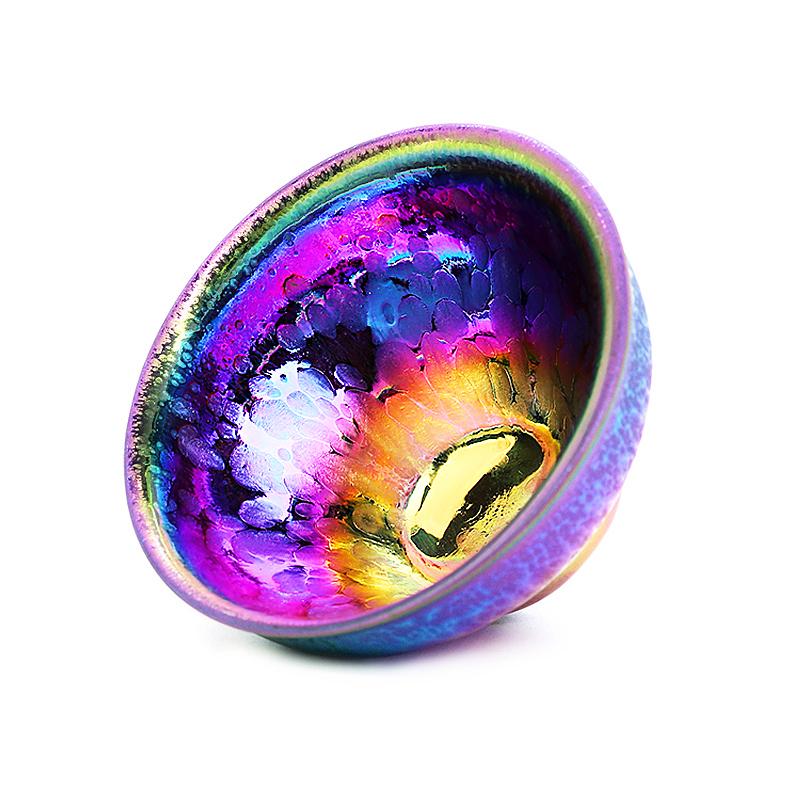
Explore our handmade Jianzhan tea cups to compare shapes and glaze expressions for daily tea, collecting, or gifting. If reflective patterns are the main attraction, Discover our collection of oil spot tenmoku cups and choose the individual surface that speaks to you.
How Can a Tenmoku Tea Bowl Become a Gift for Tea Lovers?
A tea gift works best when it supports a ritual the recipient can actually enjoy. A tenmoku tea bowl does that beautifully because it is useful from the first brew, while also offering a story that can unfold over time.
For a beginner, pair the bowl with a simple note: “Use this for your first quiet cup of the day.” For an experienced tea drinker, choose a glaze that adds contrast to their existing teaware. For a design-minded friend, focus on form, texture, and the way the bowl catches evening light.
There is also a practical reason handmade objects make memorable gifts: they resist being treated as disposable. A well-chosen bowl can become part of a morning routine, a weekend tea ceremony, or a shared conversation after dinner. That ongoing use is more meaningful than a gift that is admired once and stored away.
Frequently Asked Questions About Tenmoku Tea Bowls
What is Jianzhan history, and is every tenmoku tea bowl antique?
Jianzhan history refers to the dark-glazed ware associated with the Jian kilns in Fujian, China, especially during the Song Dynasty. Most bowls sold today are contemporary pieces inspired by or continuing that ceramic tradition, not antiques. Product listings should clearly distinguish modern handmade work from antique ware.
How does Song Dynasty tea culture relate to modern gongfu tea?
Song Dynasty tea culture often emphasized whisked tea and dark bowls, while modern gongfu tea usually uses small repeated infusions. They are different practices, but both value attention to tea, water, vessels, and shared ritual. A tenmoku bowl can fit naturally into a modern gongfu setup.
What does a tenmoku artisan control, and what is left to the kiln?
A tenmoku artisan controls major variables such as clay, form, glaze preparation, glaze application, and firing strategy. The kiln environment and cooling still influence the final surface, which is why handmade glaze patterns vary from piece to piece.
What is the Fujian tea bowl tradition?
The Fujian tea bowl tradition refers to the regional ceramic heritage connected with Jian ware and its dark glazes. It is important because it gives context to the materials, firing practices, and tea culture that shaped Jianzhan bowls.
Are hare's fur and oil spot the same glaze pattern?
No. Hare's fur generally describes fine streak-like markings, while oil spot describes rounded or clustered spots with reflective effects. Individual pieces may show subtle, bold, or mixed expressions depending on the glaze and firing.
What should I look for when buying handmade Jianzhan tea cups?
Review the actual product photos, dimensions, cup shape, care guidance, and any confirmed maker or origin details. Choose based on how you drink tea and what visual character you enjoy, rather than relying on a pattern name alone.
A Small Bowl With a Long Cultural Conversation
A tenmoku tea bowl earns its place in a modern home because it joins function with attention. It can be a beginner’s first thoughtful tea cup, a collector’s daily-use piece, or a meaningful gift for tea lovers who appreciate craft over sameness.
Choose a bowl for the way it feels in the hand, the glaze you genuinely want to see again tomorrow, and the clarity of the story behind it. That is how a small tea vessel becomes part of a larger ritual—one cup, one pour, and one unhurried moment at a time.
Explore Our Collection
Ready to experience the world of tenmoku tea bowl? Browse our curated collection:
Disclaimer: This article is for informational purposes. Products and pricing subject to change.


Deel:
Tenmoku Tea Bowl Authenticity: How to Buy with Confidence
Why a Tenmoku Tea Bowl Is Worth the Price for Tea Lovers