

Introduction
If you've heard the word Tenmoku and wondered what it means, you're not alone. This ancient term refers to a specific style of tea bowl—one of the most revered in the world—and understanding it opens the door to a remarkable 1,000-year story of art, ritual, and cultural exchange.
In simple terms, Tenmoku (天目) refers to dark-walled tea bowls originally from China, later perfected in Japan, and now sought after by tea enthusiasts worldwide. But like all great things, there's more depth beneath the surface.
This guide will give you everything you need to understand Tenmoku—whether you're a tea beginner or a seasoned collector.
What Exactly Is Tenmoku?
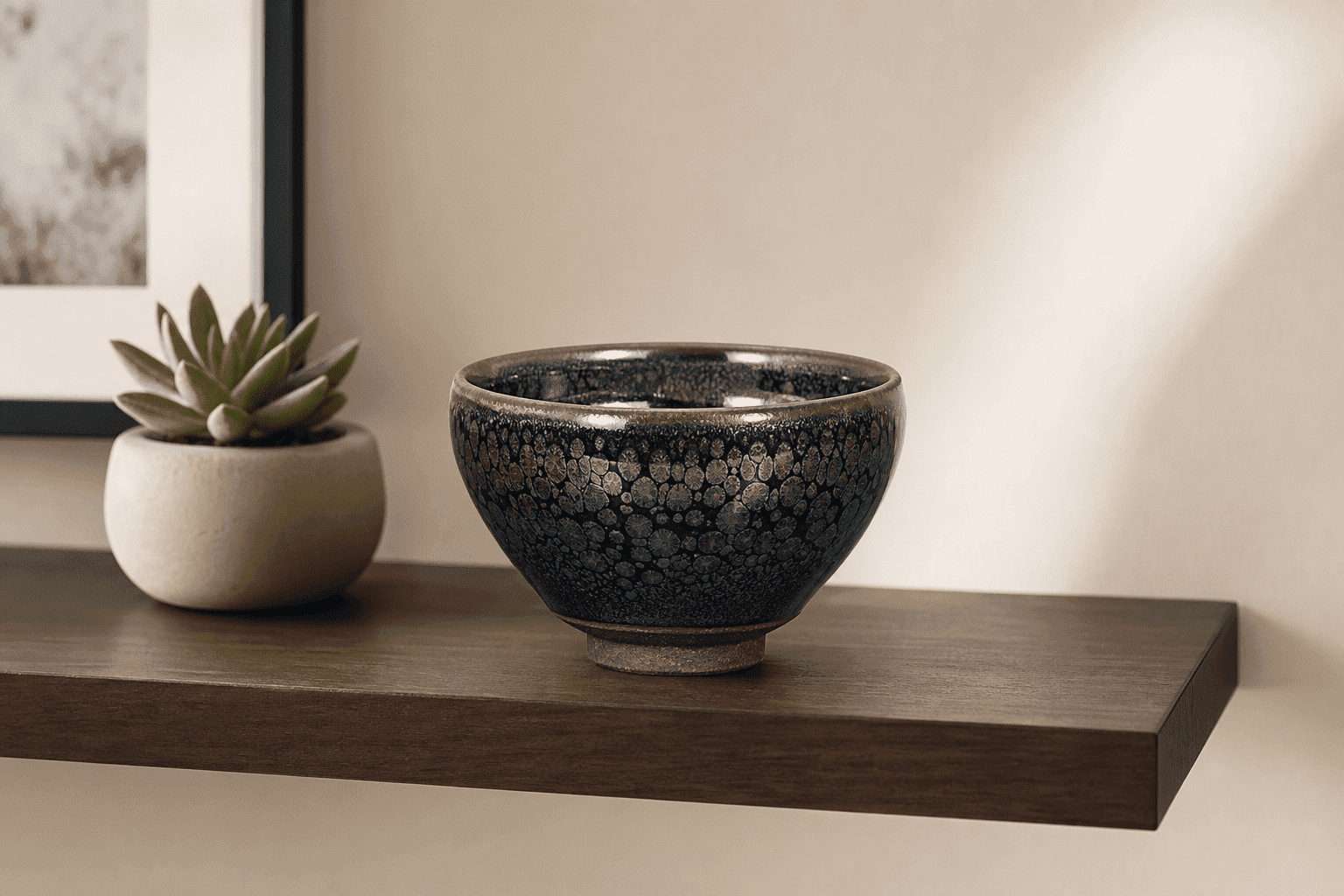
Tenmoku is a type of tea bowl characterized by its thick walls, dark iron-rich glaze, and extraordinary heat retention properties. The name comes from Mount Tianmu (天目山) in China, where Japanese Buddhist monks first encountered these bowls during the Song Dynasty (960–1279 AD).
Key characteristics:
- Deep, dark colors — ranging from black to brown to oil-spot patterns
- Thick walls — excellent heat retention for tea drinking
- Iron-rich clay body — typically 7–10% iron content
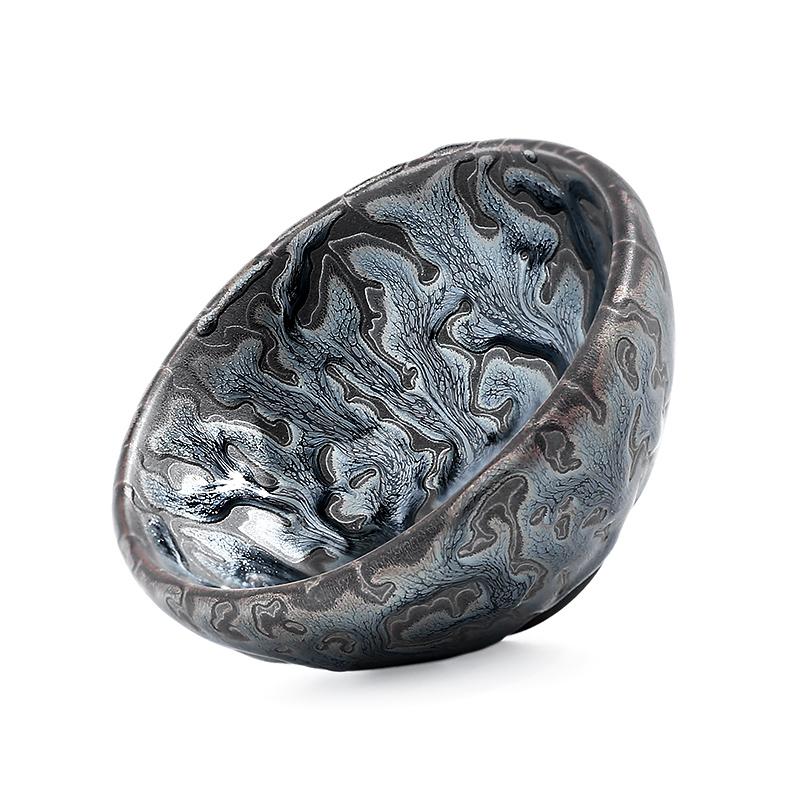
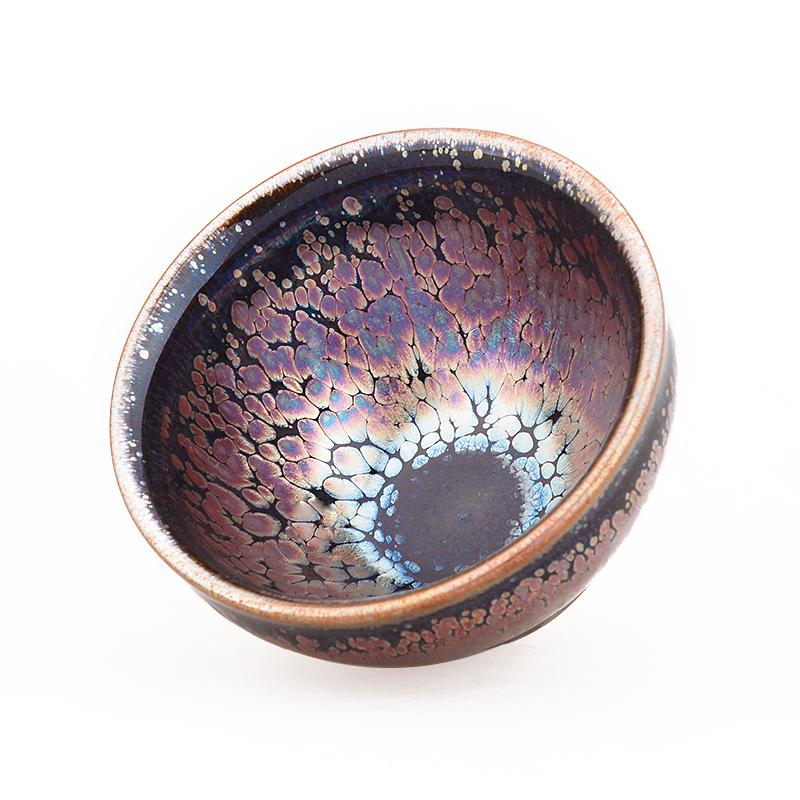
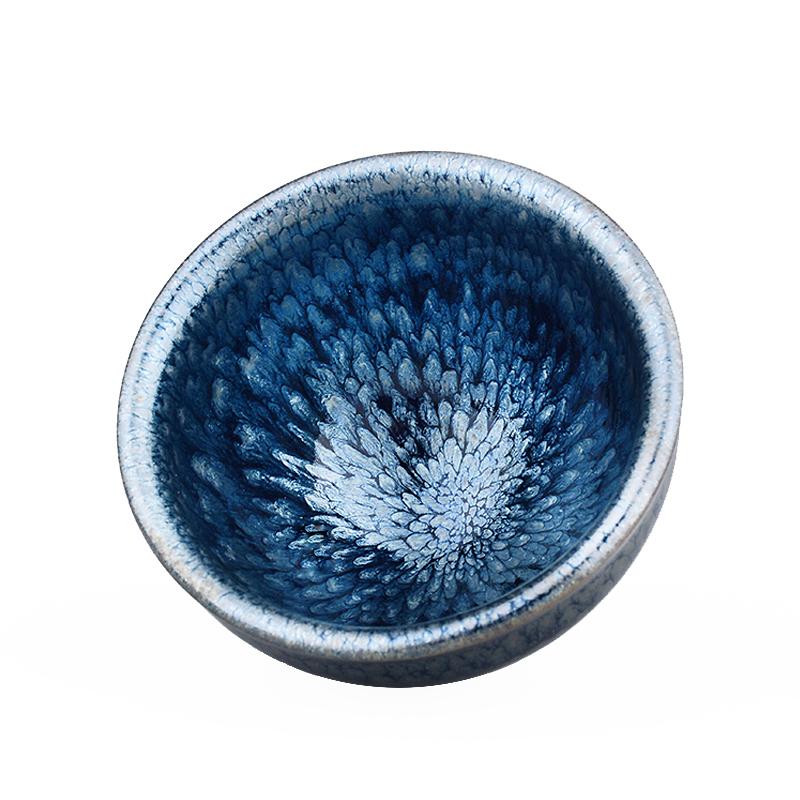
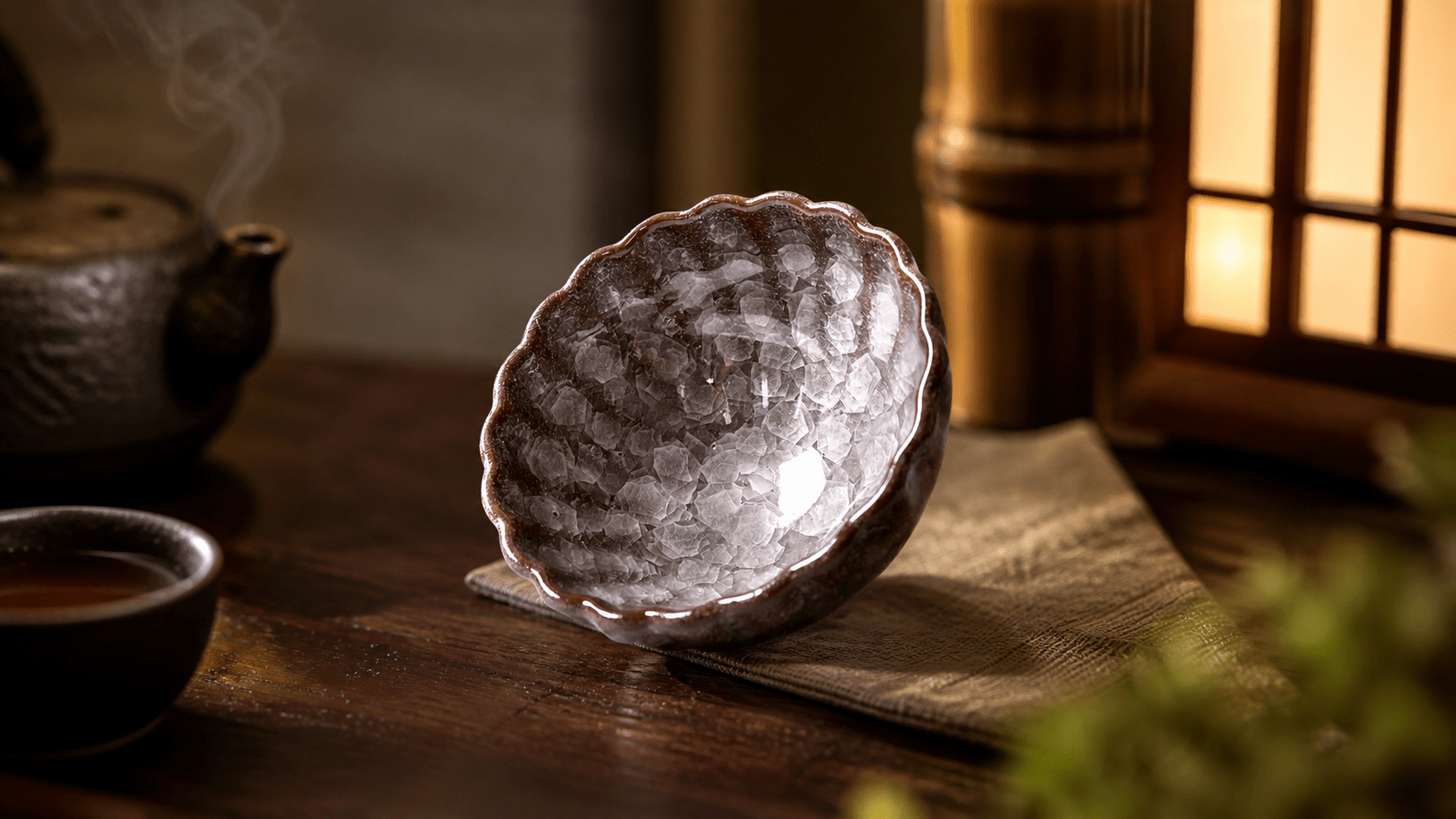
- Natural glaze patterns — oil spots, hare's fur, or partridge feathers
- Rounded footrim — characteristic of traditional design
Tenmoku bowls are designed specifically for tea, particularly for styles like matcha (Japanese powdered tea) and diancha (Chinese powdered tea tradition).
Tenmoku vs Jianzhan: Are They the Same?
This is where confusion often arises. Here's the quick breakdown:
| Feature | Jianzhan (建盏) | Tenmoku (天目) |
|---|---|---|
| Origin | Jianyang, Fujian, China | Originally Chinese, developed in Japan |
| Era | Song Dynasty (960–1279 AD) | 13th century onward |
| Primary use | Diancha (Chinese powdered tea) | Matcha (Japanese tea ceremony) |
| Glaze | Oil-spot, hare's fur, partridge feather | Same patterns, refined by Japanese artisans |
| Today | Antique collectors / modern reproductions | Tea ceremony / collectors |
In practice: The terms are often used interchangeably, especially for antique bowls. Modern "Tenmoku cups" typically refer to any dark-glazed tea bowl inspired by this tradition—whether Chinese or Japanese-made.
Why Are Tenmoku Bowls So Special?
1. The Mathematics of Heat Retention
Tenmoku bowls are heavy and thick-walled. This isn't just tradition—it's physics. The thermal mass keeps tea at the optimal drinking temperature longer. For matcha, which is prepared at specific temperatures, this matters significantly.
2. The Aesthetic Drama
Watch hot water hit a Tenmoku bowl's dark interior and you'll understand. The contrast between the pale green or amber tea foam and the deep black glaze creates visual drama. The glaze patterns—formed naturally during 1300°C kiln firing—make each bowl genuinely unique.
3. The Cultural Weight
These bowls carried Buddhist monks across
Related Tenmokus guides: Compare terminology in Tenmoku vs Jianzhan: what is the difference?, or choose by use case with How to choose Tenmoku tea cups, teapots, coffee cups, and tea sets.
the Silk Road. They were present in the moments that shaped Japanese tea ceremony culture. Owning a Tenmoku bowl means holding a piece of that history.
How to Choose Your First Tenmoku Bowl
If you're ready to buy, consider these factors:
For beginners:
- Start with a modern reproduction (authentic Song Dynasty bowls cost $1,000+)
- Look for bowls from Jianyang, Fujian—the original kiln site
- Price range: $30–$150 for quality modern pieces
What to look for:
- Glaze consistency without cracks
- Balanced weight (substantial but not unwieldy)
- Footrim finished smoothly
- Color and pattern that appeal to you personally
Avoid:
- Bowls with明显气泡 or glaze defects
- Suspiciously cheap "antique" listings
- Bowls without provenance if buying high-value pieces
Caring for Your Tenmoku Bowl
Tenmoku bowls are durable but have preferences:
1. Seasoning: New bowls benefit from a few rounds of tea before first use
2. Cleaning: Hand wash only, no dishwasher
3. Drying: Air dry completely to prevent moisture buildup
4. Storage: Avoid stacking unless protected
With proper care, a Tenmoku bowl can last generations.
Frequently Asked Questions
Q: Are Tenmoku bowls only for Japanese tea?
A: No. While central to Japanese tea ceremony, they work beautifully for any tea—especially matcha, hojicha, and aged teas. Many tea enthusiasts use them daily.
Q: How can I tell if a Tenmoku bowl is authentic?
A: For antiques: seek provenance and expert authentication. For modern pieces: research the kiln or artisan, check for consistent craftsmanship, and buy from reputable dealers.
Q: What's the difference between Tenmoku and Raku?
A: Raku bowls are typically lighter, with a more rustic feel, and use a low-fire process. Tenmoku bowls are heavier, darker, and fired at higher temperatures with iron-rich glazes.
Q: Can I use Tenmoku bowls for hot coffee?
A: Yes, though the design is optimized for tea. The heat retention works well for coffee too, though the dark interior may affect how you observe the liquid.
Conclusion
Tenmoku represents one of the world's most enduring tea traditions—1,000 years of history in a single bowl. Whether you're drawn to the aesthetics, the functionality, or the cultural significance, a Tenmoku bowl offers something rare: a connection to centuries of human ritual around tea.
Ready to explore Tenmoku? Browse our collection to find a bowl that speaks to you.
---
*Have questions about Tenmoku? Drop them in the comments below.*
Frequently Asked Questions
What makes Jianzhan different from other tea cups?
Jianzhan are made from iron-rich clay (8-12% Fe₂O₃) fired at temperatures exceeding 1300°C in Jianyang, Fujian. The spontaneous kiln transformation creates unique glaze patterns — oil spots, hare's fur, or partridge feathers — that cannot be replicated by machines. No two pieces are ever identical.
How do I care for my Jianzhan?
Clean with hot water only — never use dish soap as it strips the metallic sheen. Dry completely after washing. Store upside down. Avoid thermal shock (don't rinse hot bowls with cold water). With regular use, the glaze develops a beautiful patina called yang zhan.
What tea should I drink from a Jianzhan?
Jianzhan pairs exceptionally well with oolong teas and aged pu-erh. The dark glaze creates dramatic visual contrast with the tea liquor. The iron-rich clay also retains heat well, keeping tea warm longer during extended sessions.
Are all Jianzhan on the market authentic?
Unfortunately, no. The surge in Jianzhan popularity has brought many mass-produced counterfeits, often selling for under $30. Authentic Jianzhan require skilled artisans, traditional kilns, and weeks of labor. Always buy from verified sellers with documented provenance.


Deel:
Jianzhan vs Ruoqingshi vs Oriibe: Which Tea Bowl Is Right for You?
How to Choose a Tenmoku (Jian Zhan) Tea Cup as a Gift: The Ultimate Guide