

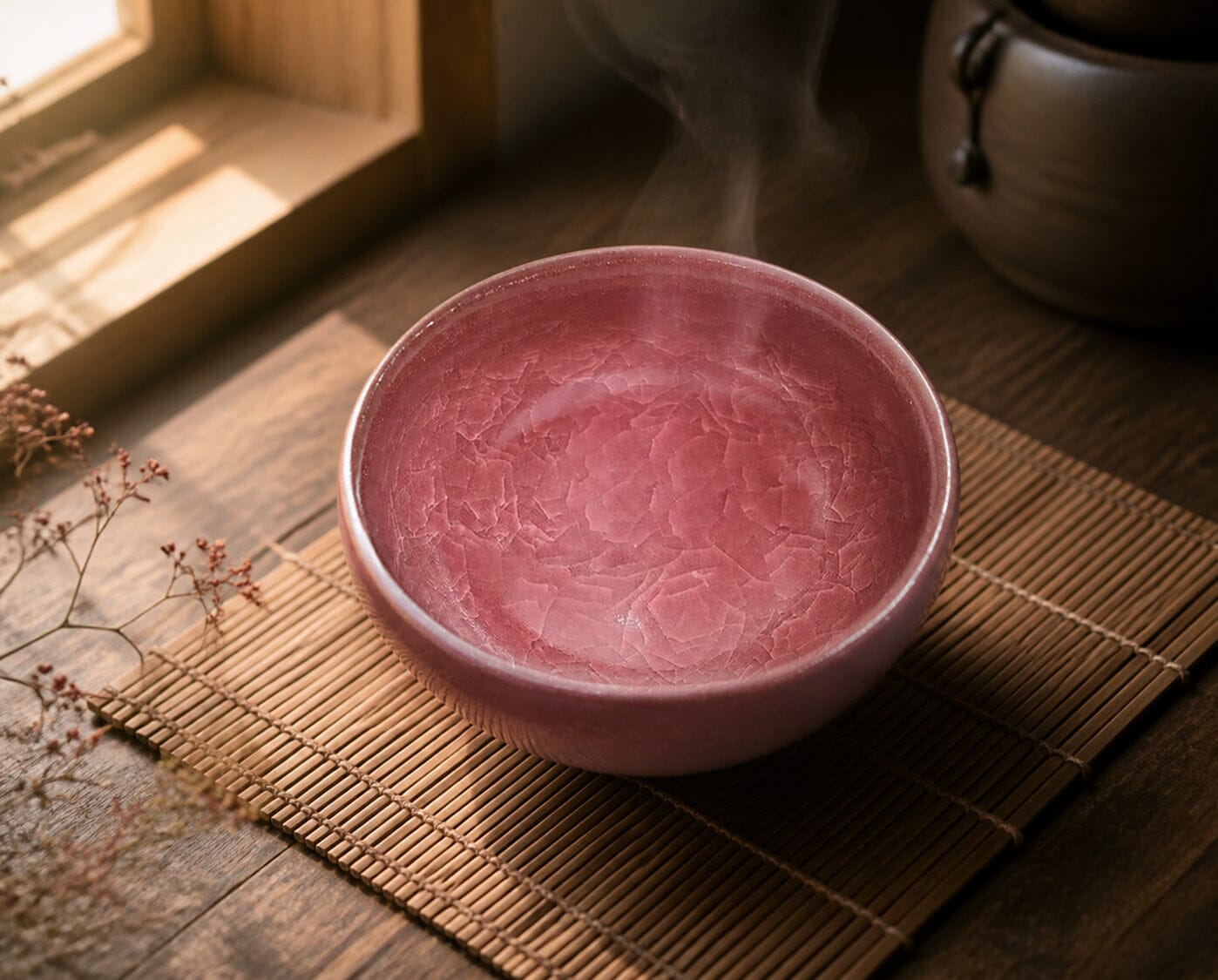

How to Spot a Real Tenmoku Tea Bowl: The Ultimate Jianzhan Identification Guide
Real talk: the online market for tenmoku tea bowls is a minefield. Every other listing claims “authentic Jianzhan,” but most are mass-produced ceramics with sprayed-on patterns. I’m Tenmokus Editorial Team, a collector who’s handled hundreds of bowls, and I’ve fallen for fakes before. Here’s the shortcut: a genuine tenmoku tea bowl, crafted as a handmade ceramic work, feels alive under your fingers and elevates a gongfu tea session like nothing else. In the first 100 words, I’ll give you my battle-tested checklist to avoid the fakes and spot a real jian zhan immediately—no fluff, just the glaze science and kiln truth.
Key Takeaways
- A real tenmoku tea bowl (jian zhan) carries a deep, crystalline glaze born from wood-fired kilns—it cannot be perfectly faked.
- Check the texture, sound, weight, and crystal formations to spot a fake; mass-produced bowls lack the “hare’s fur” or oil spot depth.
- Authentic jian zhan tea cups are handmade ceramic treasures; avoid listings that use terms like “tenmoku style” without provenance.
- Use this guide to buy with confidence, whether you’re into gongfu tea with pu-erh or Japanese matcha.
What Is a Real Tenmoku Tea Bowl (Jianzhan)?
The term “tenmoku” comes from Japan—monks visiting China’s Mount Tianmu took Song Dynasty black-glazed bowls home for their tea ceremonies. In China, these are called Jianzhan, fired in the ancient kilns of Jianyang. The magic is all in the tenmoku glaze: a thick, iron-rich slip that melts, crystallizes, and drips into patterns like “hare’s fur” or “oil spot” during a 1300°C wood firing. A true jian zhan is never painted or printed; the glaze transforms itself in the kiln, making every bowl one of a kind. This is why authentic pieces feel like heirloom matcha bowl treasures to Japanese chajin and Chinese tea masters alike.
Why Do So Many Fakes Exist? (Real vs Fake Tenmoku)
The simple answer: demand and ignorance. When a tenmoku tea bowl can sell for hundreds or thousands, factories rush to mass-produce cheap copies. Most use low-temperature glazes, decals, or acid-etched patterns to mimic jian zhan oil spot vs fake glazes. I’ve seen bowls sold as “tenmoku” that have a flat, plastic-looking surface—nothing like the layered, glassy depth of the real thing. As an enthusiast, you need to learn how to identify real jian zhan before buying. Once you hold an authentic jian zhan, your hands will know the difference forever.
How to Identify Real Jianzhan: 6 Practical Checks
I’ve boiled down identification into six feel‑it‑yourself checks. Run these on any bowl you’re considering, and you’ll quickly separate the treasures from the tourist traps.
- Glaze texture and depth. Run your fingertip over the surface. A real tenmoku glaze feels complex—sometimes silky, sometimes slightly gritty from iron crystals, and always with a noticeable thickness. Fake glazes are often uniform and thin, like a cheap phone screen protector.
- Sound test. Flick the rim gently with a fingernail. Authentic jian zhan rings with a clear, sustained note because of the high‑temperature stoneware body. Fakes produce a dull thud or a short, plasticky sound.
- Weight and foot rim. Pick up the bowl. Handmade jian zhan tea cups have a reassuring heft, and the unglazed foot rim shows the dark, iron-rich clay (called “zi ni” or purple earth). Machine‑pressed bowls feel too uniform and often lack the rough‑cut foot.
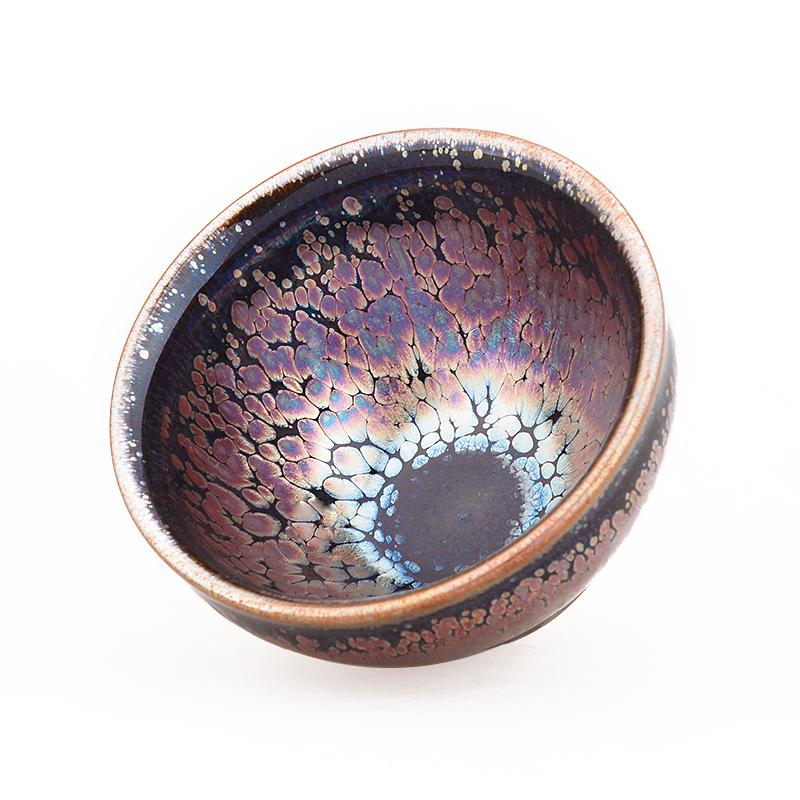
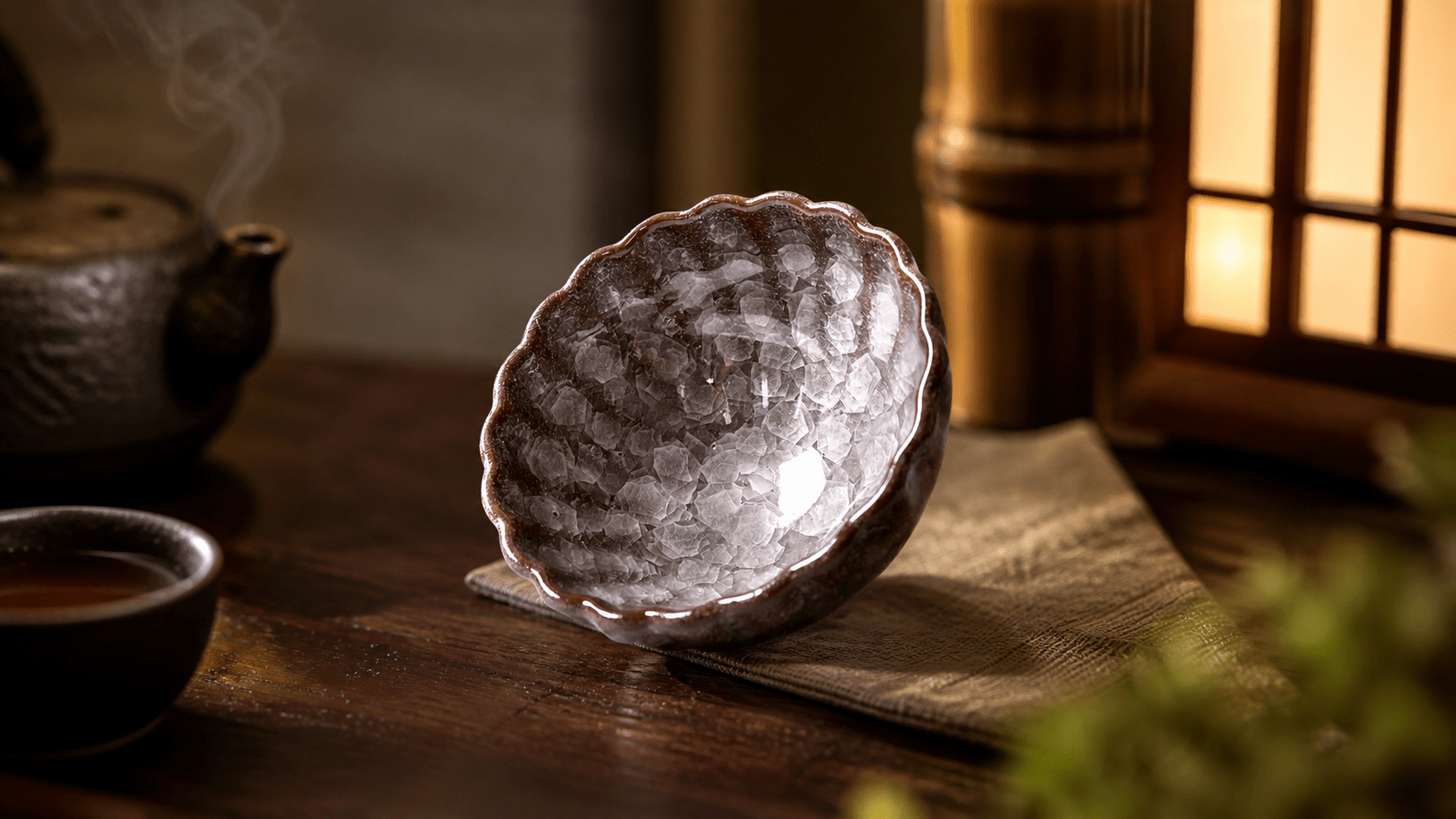
- Crystal formations (oil spot, hare’s fur). This is my favorite check. In a genuine jian zhan oil spot vs fake, the spots are actually micro‑crystals of magnetite and hematite that burst into view under a loupe. Fakes use printed dots or stenciled patterns that look static from every angle. Real oil spots seem to float beneath the glass.
- Color shift under light. Rotate an authentic bowl under sunlight or a strong LED. The tenmoku glaze shifts from near black to deep brown, silver, or even blue with “hare’s fur” streaks. Fake bowls stay dead black or show a milky, unnatural sheen.
- Handmade evidence. Look for subtle thumb marks, tool lines, or a slight asymmetry in the rim. A perfect, machine‑pressed circle is a red flag. Kiln‑fired handmade ceramic always carries the maker’s fingerprint.
| Feature | Authentic Jianzhan | Fake / Mass‑Produced |
|---|---|---|
| Glaze | Thick, layered, crystalline; oil spots or hare’s fur formed by iron crystallization | Thin, printed or sprayed‑on pattern; no depth |
| Sound | Clear, ringing note | Dull thud or plastic click |
| Weight & Foot | Ponderous, raw clay foot with iron specks | Light, uniform foot rim, often painted |
| Oil Spot / Hare’s Fur | Floating micro‑crystals visible in sunlight | Flat dots or stenciled lines |
| Price | Typically $80 – 300+ for a quality handmade jian zhan tea cup | $10 – 30, often sold as “tenmoku style” |
Jianzhan Oil Spot vs Fake Glaze: What to Look For
The oil spot glaze is the holy grail for many collectors. In a real tenmoku tea bowl, iron oxides bubble up through the melting glaze during firing. As the kiln cools, these bubbles burst and recrystallize into thousands of tiny, shimmering rings. That’s why genuine oil spots appear three‑dimensional—they’re literally suspended in glass. When I hear someone ask about how to identify real jian zhan, I hand them a loupe. Under 10× magnification, fake glaze reveals its secret: printed pixels or a smooth, unaffected base. Real oil spots show jagged edges, size variation, and sometimes a “rainbow” halo around each spot—an effect impossible to replicate with stickers or acid. If the bowl looks perfect from every angle with zero randomness, it’s a clone, not a tenmoku glaze miracle.
How to Avoid Fake Tenmoku Tea Bowls When Buying Online
The best defense is buying from someone who stakes their reputation on authenticity. I stick to a short list of trusted studios and curators who personally fire or inspect every piece. Here is my advice:
- Read the description carefully. If it says “tenmoku style” or “tenmoku effect,” it’s a fake. Look for keywords like “Jian kiln,” “wood‑fired,” “handmade jian zhan tea cups,” or a specific artist’s name.
- Examine the images. Request close‑ups of the foot rim, the rim edge, and the oil spot or hare’s fur area under different lighting. A legitimate seller will happily provide these.
- Ask about firing temperature. Real jian zhan is fired at cone 10–12 (around 1280–1350 °C). Anything lower won’t develop true crystallization.
- Start with a curated collection. If you’re new, I’d recommend you Discover our collection of oil spot tenmoku cups—each piece is vetted for glaze authenticity. Or Explore our handmade Jianzhan tea cups to find a true work of kiln art.
Who Should Buy an Authentic Tenmoku Tea Bowl?
If you love gongfu tea and dark teas like pu-erh or aged oolong, an authentic jian zhan tea cup will become your daily ritual. The iron‑rich body softens the water and makes the tea feel rounder on the tongue. Matcha practitioners in the Japanese tradition will also treasure a genuine matcha bowl (tenmoku chawan) because the deep glaze visually complements the bright green whisked tea. It’s also one of the best jian zhan tea cup gifts for a tea lover who already owns everything—it’s a piece of Song Dynasty art they can use every morning. Collectors, too, will find that a real handmade ceramic bowl grows in character and rainbow patina with years of bonding (yes, we call it “nurturing” the bowl).
Frequently Asked Questions About Tenmoku Tea Bowls
How can I tell if my tenmoku tea bowl is real?
Start with the glaze depth test (no printed dots), the sound test (a clear ring), and the foot rim (raw iron‑rich clay). Real jian zhan also feels notably heavier than its size suggests. If you have a loupe, any oil spot or hare’s fur pattern will look crystalline, not pixelated.
What is the difference between real and fake jian zhan oil spot glaze?
Real oil spot glaze is born from iron crystallization during high‑temperature wood firing. Each spot is a cluster of hematite and magnetite crystals that seem to hover under a glassy surface. Fake oil spot glaze is usually a stamped, sprayed, or decal pattern that appears flat, uniform, and unresponsive to changing light.
Why do authentic tenmoku tea bowls cost so much?
True tenmoku tea bowls are handmade by artists who often spend decades mastering the kiln. The failure rate is painfully high—many bowls crack, warp, or come out with dull glaze. A single successful bowl can represent days of work. When you buy an authentic jian zhan tea cup, you’re paying for the artist’s skill, not the clay.
Can I use a tenmoku tea bowl for matcha and gongfu tea?
Absolutely. The bowl’s shape works beautifully as a matcha bowl in a Japanese ceremony, and it’s equally perfect for gongfu tea when drinking pu-erh or oolong. Just remember to rinse with warm water and air‑dry—no soap, no scrubbing, to preserve the patina.
Are Japanese tenmoku bowls the same as Chinese jian zhan?
Historically, yes. Japan imported Song Dynasty jian zhan and called them tenmoku. Today, some Japanese potters produce tenmoku‑style glazes, but the authentic, wood‑fired, iron‑crystal bowls still trace back to the Jian kilns of China. When I refer to a tenmoku tea bowl, I mean the genuine Chinese jian zhan.
Where can I buy authentic jian zhan tea cups?
Buy directly from reputable studios or curated shops that specialize in handmade jian zhan tea cups. Avoid general marketplaces unless the seller provides provenance, high‑resolution images, and a money‑back guarantee. A good starting point is our collection of oil spot tenmoku cups, where every piece is hand‑inspected.
Bring Authentic Tenmoku Magic to Your Tea Ritual
I fell in love with jian zhan not just for the look, but for how a real tenmoku tea bowl makes me slow down and appreciate every sip. The fake stuff only disappoints—flat glaze, lifeless sound, never improving with use. You deserve the real thing. Whether you’re shopping for the best jian zhan tea cup to gift a tea lover or adding an authentic jian zhan tea cup to your own collection, trust your hands and these tests. When you’re ready, take a look at our oil spot tenmoku cups or handmade Jianzhan tea cups. See you on the tea table.
Explore Our Collection
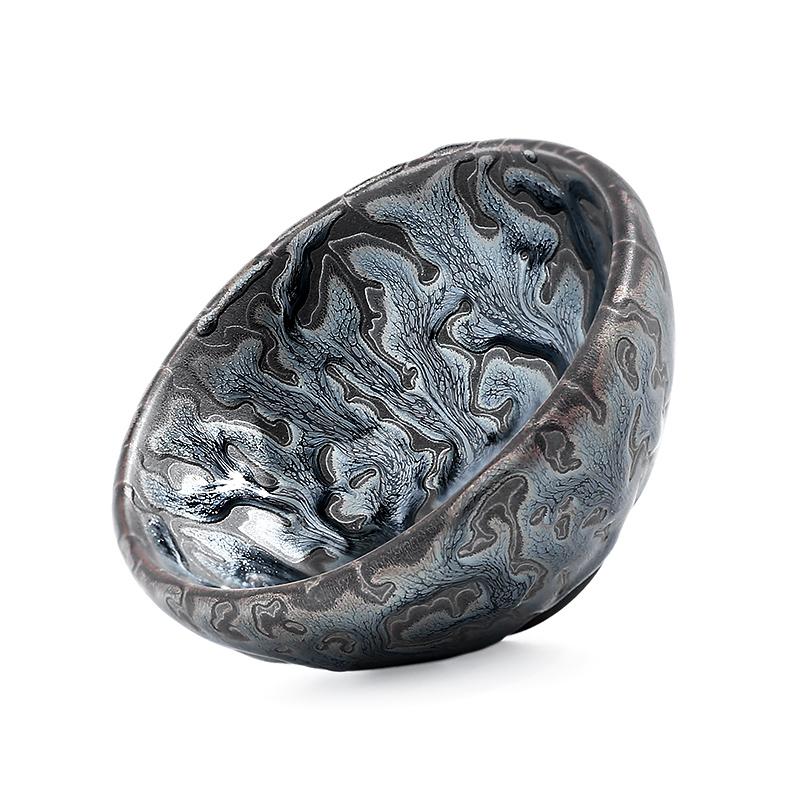
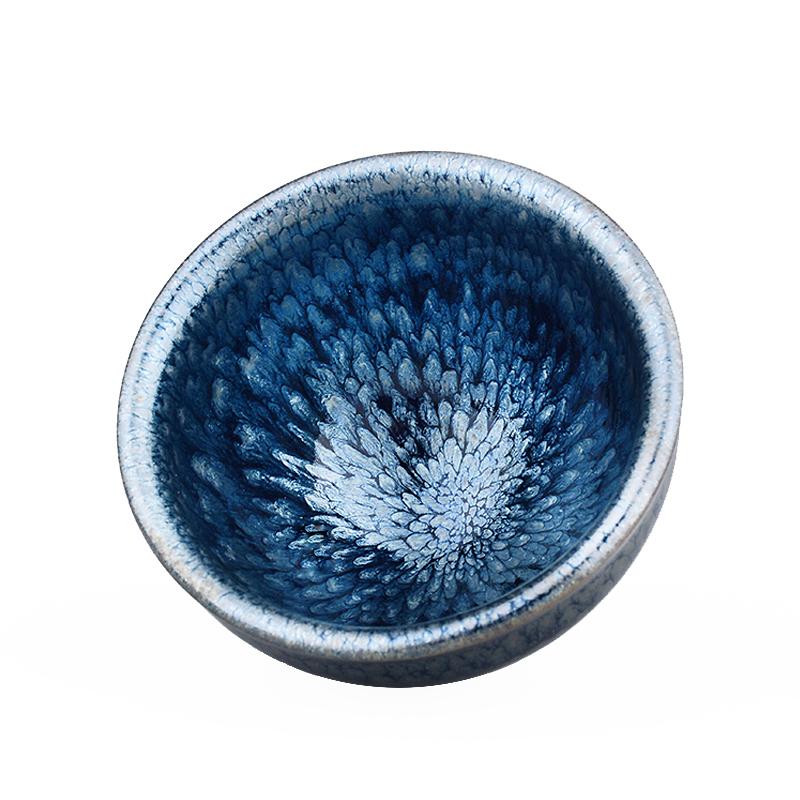
Ready to experience the world of tenmoku tea bowl? Browse our curated collection:
Disclaimer: This article is for informational purposes. Products and pricing subject to change.
Aktie:
Why Is a Tenmoku Tea Bowl So Expensive? A Guide to Jian Zhan Value
Real vs Fake Tenmoku Tea Bowl: How to Identify an Authentic Jian Zhan