

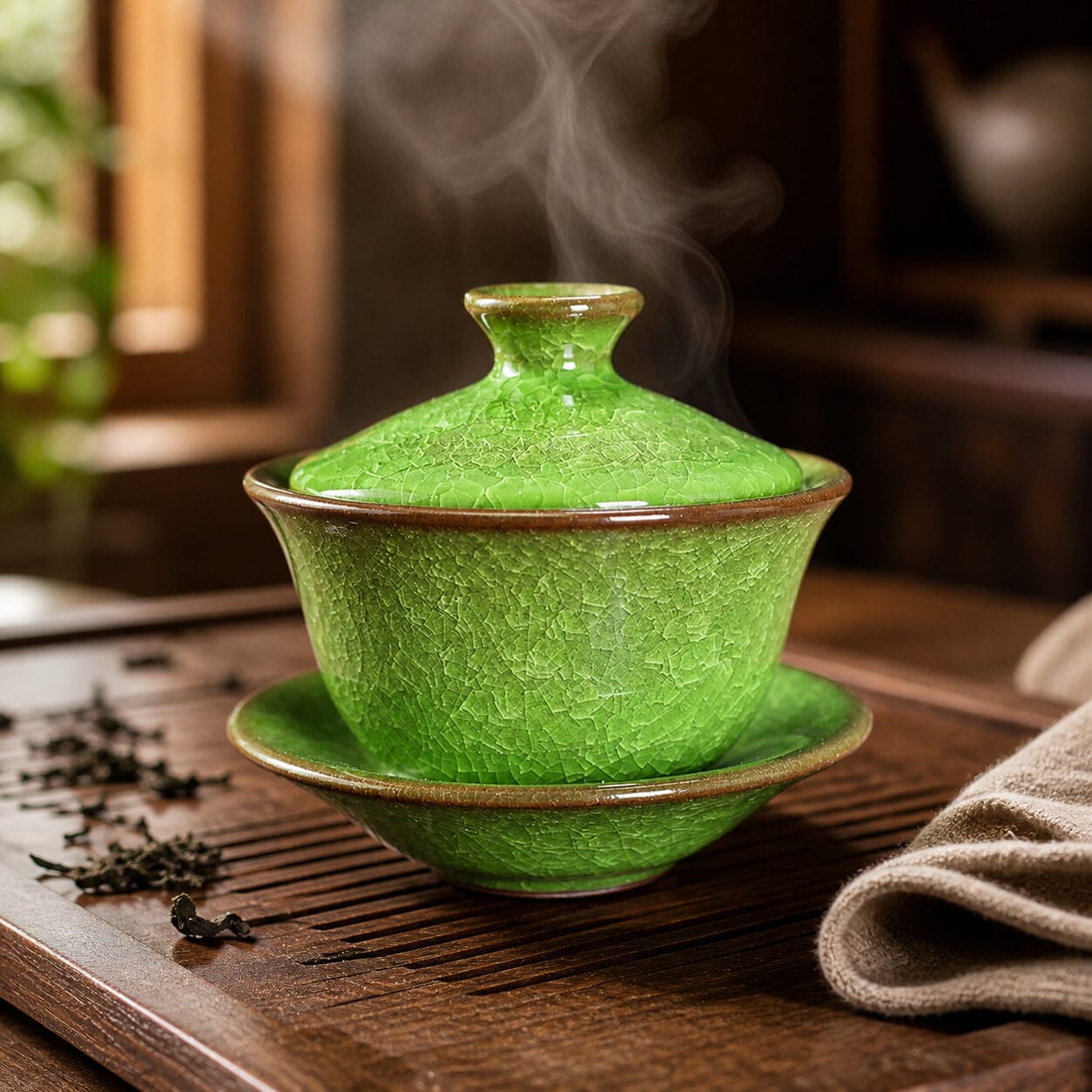

A tenmoku tea bowl isn't just a cup—it's a piece of kiln-fired art with a 1,000-year lineage. I often tell U.S. tea lovers that investing in a Jianzhan (the Chinese term for tenmoku) is like buying a hand-forged chef's knife: the price reflects hundreds of hours of skill, rare materials, and unpredictable beauty. When you first cradle one while sipping oolong tea in a gongfu session, you immediately feel the difference—an echo of the Song Dynasty and the fierce fire that shaped its Jianzhan Tenmoku ceramic surface.
Key Takeaways
- The tenmoku tea bowl price is driven by extreme handcrafting labor, high-kiln failure rates, and natural glaze chemistries that few artisans can control.
- Not all pieces are equal: an oil spot tenmoku cup or a partridge feather pattern can multiply cost due to rarity and difficulty of formation.
- A best value jian zhan balances authentic Song Dynasty technique, usable shape, and a glaze that resonates with your personal tea ritual—not just the lowest tag.
- Authentic Japanese tenmoku for sale often carries a premium due to preservation of national craft heritage, while high quality Chinese Jianzhan offer a comparable experience at a wider price spectrum.
What Makes a Tenmoku Tea Bowl So Expensive? The Art Behind the Price
The answer lies in a perfect storm of craft, chemistry, and chance. I've visited kilns in both Fujian, China, and Japanese pottery studios, and the story is always the same: mastery is expensive. A single bowl can take a master potter weeks from clay preparation to the final firing. The clay itself—iron-rich stoneware from specific mountain deposits—is dug, weathered, and kneaded just to survive the 1,300°C (2,372°F) inferno that brings tenmoku glaze to life.
Think of it like a Michelin-star dish. You aren't paying for the ingredients alone; you're paying for the decades of failure, the precise control of reduction firing (where oxygen is starved to force iron to the surface), and the stunning patterns that emerge. When a kiln opens, only a fraction of the bowls will show that coveted oil spot tenmoku cup effect or the delicate partridge feather streaks. The rest end up discarded. That's why why tenmoku is expensive often surprises newcomers: the price tag embodies all the failed attempts, not just the one perfect bowl in your hand.
How Much Does a Tenmoku Tea Bowl Cost? A Breakdown of Jianzhan Prices
I always break jian zhan cost into three clear tiers so that U.S. buyers can navigate the market without overpaying or getting burned by cheap imitations. A mass-produced, chemically glazed knockoff might cost $15–$30 on a random marketplace, but it has none of the soul or functional iron reactivity that defines an authentic piece. Here's what real handcraft typically looks like:
| Category | Price Range (USD) | What You Get |
|---|---|---|
| Entry-Level Studio Jianzhan | $60–$120 | A genuine wood- or electric-kiln fired bowl with simple tenmoku glaze (often hare's fur or small oil spots). Perfect for daily gongfu tea practice. Clay is authentic, but the pattern may be less dramatic. |
| Mid-Range Distinctive Glaze | $150–$400 | Consistent oil spot tenmoku cup or partridge feather patterns, often fired in a dragon kiln (longyao) over multiple days. The iron crystallization is clearly visible and the piece has a strong Song Dynasty aesthetic. Many Japanese tenmoku for sale by recognized studios fall here. |
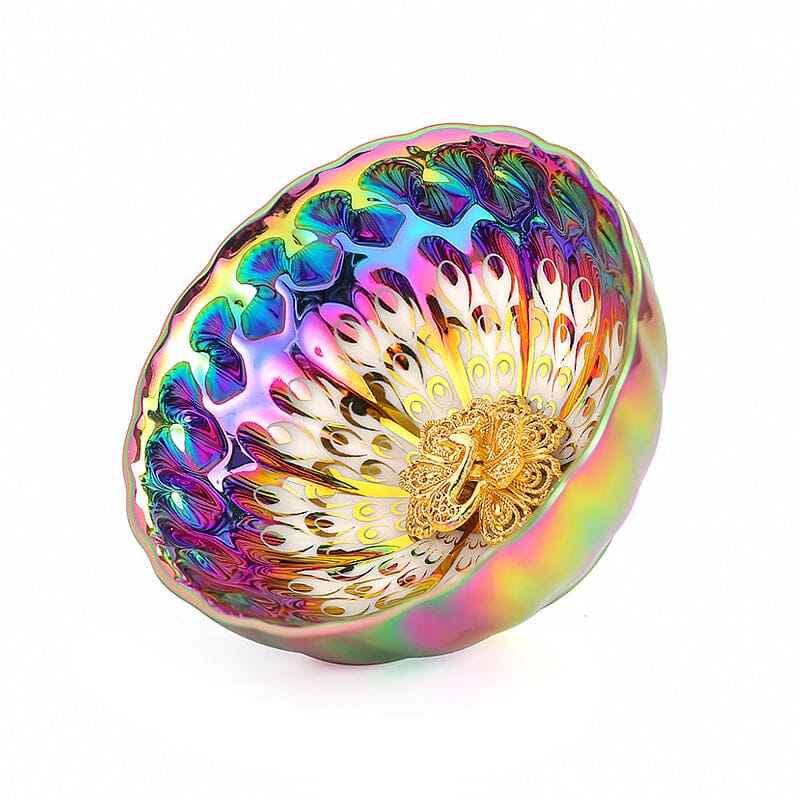
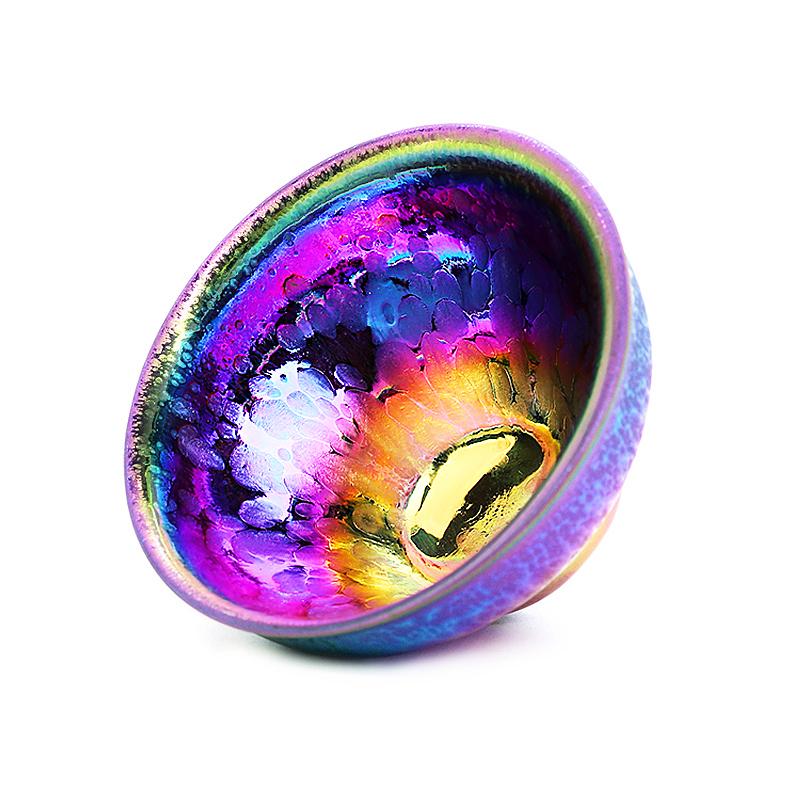
| Collector/Gallery Grade | $500–$2,500+ | Exquisite, unpredictable glaze transformations (like “iridescent rainbow” oil spots), oversized shapes, or works by Named Living National Treasure-affiliated artisans. The best yuteki (oil spot) pieces rival fine jewelry in their depth. |
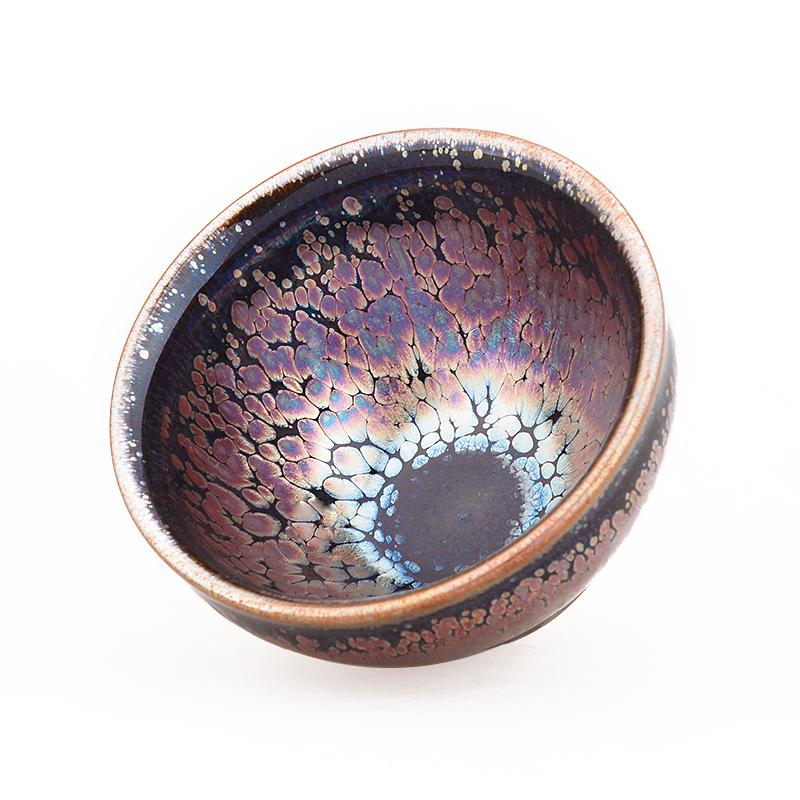
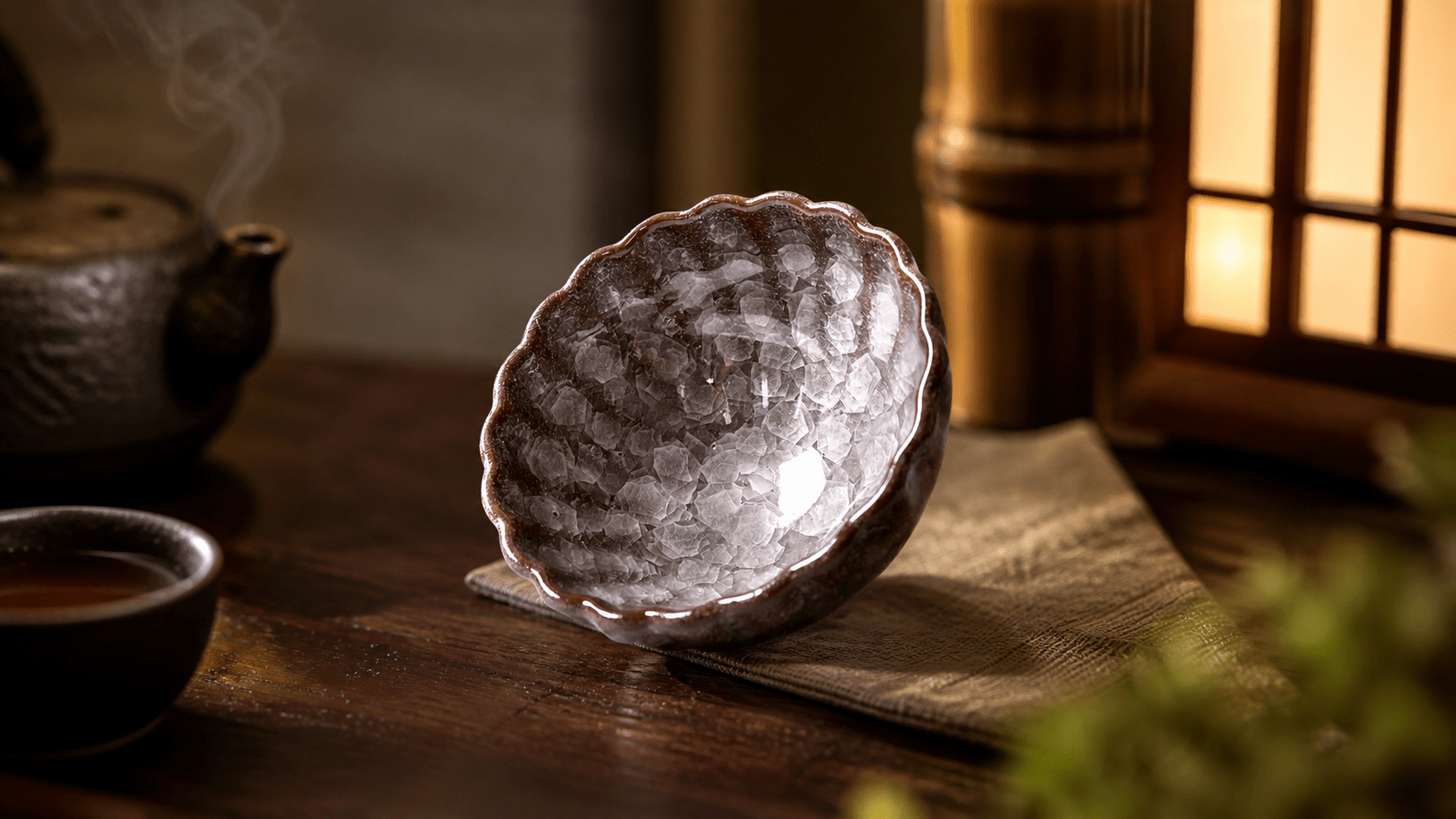
Notice that as patterns become rarer—like the perfectly circular oil spot tenmoku cup where each spot shimmers like a tiny galaxy—the tenmoku tea bowl price climbs sharply. This is identical to how a flawless natural diamond commands a premium over a stone with inclusions.
Is There a Best Value Jianzhan? Finding Quality Without Overpaying
Absolutely, but my definition of best value jian zhan isn't the cheapest: it's the bowl that gives you the most interactive pleasure per dollar spent. For most tea lovers in the U.S., that sweet spot sits between $80 and $180. At this level, you can acquire a genuine, wood-fired tenmoku tea bowl with a lively hare's fur (nogime) pattern that evolves as you brew oolong tea or aged white teas. The iron in the clay genuinely softens water, a subtle effect that you'll notice over months of use.
I always advise beginners to look for three things when hunting for a best value jian zhan: 1) a kiln name or potter's mark on the base, 2) evidence of real Jianzhan Tenmoku ceramic that shows a dark brown/iron-black underbody (not white or grey slip-covered clay), and 3) a surface that isn't perfectly uniform—true tenmoku glaze flows and pools unpredictably. If you want to experience that wabi-sabi wonder without remortgaging your house, Browse our hare's fur Jianzhan series—pieces that I've personally sourced from kilns that prioritize authentic Song Dynasty methods.
Why Does Japanese Tenmoku for Sale Command Such High Prices?
When you see a piece of Japanese tenmoku for sale tagged at double or triple what a Chinese counterpart costs, take a moment to understand the cultural economics. In Japan, tenmoku tea bowl traditions are tightly guarded, often descending through family lineages in regions like Seto or Kyoto. Japanese law can designate master potters as Living National Treasures, and their output is naturally limited and priced accordingly. That japanese pottery you're holding may represent a life's work that adheres to ritualized clay preparation, ash-glaze formulas, and wood-kiln schedules that haven't changed in centuries.
Yet the value proposition isn't always straightforward. I've seen outstanding Song Dynasty-style Jianzhan from Fujian that rival any Japanese oil spot in sheer beauty while costing significantly less. The key is to appraise the bowl itself, not just the country label. Both traditions share the same original DNA from the Song Dynasty, but China today offers a broader price spectrum, which sometimes means that the best jian zhan tea cup for your personal collection and budget is a carefully chosen Chinese piece.
What Is the Role of Rarity in Oil Spot Tenmoku Cup Pricing?
Rarity is the engine behind the most staggering tenmoku tea bowl price examples. To form a genuine oil spot tenmoku cup, the iron in the tenmoku glaze must decompose into magnetite crystals as the kiln cools. A fluctuation of just 5–10°C or a slight change in the kiln's atmosphere can wipe out every spot and produce a flat, dead black. I like to compare it to the Northern Lights: the conditions have to be exactly right, and even then, you never know if the sky will just stay dark.
An artisan might load 200 bowls into a single wood-firing and get perhaps 10 with a coherent oil spot pattern. Of those, maybe 1 or 2 will have the perfect symmetry and lifelike shimmer that collectors hunt for. That one-in-a-hundred ratio explains why a top-tier oil spot tenmoku cup often feels expensive: it literally carries the ashes of its 99 siblings. When you see a piece with a name like "partridge feather" (shako yū), you're seeing an even rarer crystal growth that resembles the mottled breast plumage of a bird—a pattern so elusive that some potters chase it their entire careers without ever capturing it on a full bowl.
Who Should Buy a Handmade Tenmoku Tea Bowl?
This isn't a product for everyone, and I say that with love. A tenmoku tea bowl is for the tea drinker who has moved beyond simply quenching thirst. You might be:
- The daily gongfu practitioner who brews oolong tea or pu'er in a dedicated session and wants a tool that evolves with use. The porous Jianzhan Tenmoku ceramic body gradually seasons, subtly altering aroma and texture.
- The design-conscious gift buyer seeking a present for a tea lover that is genuinely meaningful. A handcrafted Jianzhan says "I see your passion," while a generic mug says "I was at the mall." It's a ready-made heirloom that connects to Song Dynasty history.
- The mindful collector drawn to japanese pottery or Chinese ceramic art, who values the unpredictable alchemy of flame and mineral over machine precision. Each piece is a singular creative act.
If you simply want a vessel that holds hot liquid, a $10 stoneware mug will do the job. But if you begin to taste the difference that iron-rich clay can make and feel the calm energy of holding a bowl kissed by fire for 30 hours, you're exactly who I write this for. To step into this world, Shop authentic Tenmoku tea bowls and see what speaks to you.
FAQ
Why is a tenmoku tea bowl more expensive than a regular teacup?
Because a tenmoku tea bowl is entirely handcrafted using rare, iron-rich clays and natural Song Dynasty glaze recipes fired in extreme heat. The intense reduction firing creates unique patterns like oil spots, but most bowls fail. You pay for the skill, the 30+ hour firings, and the high waste rate, not just the raw materials. It’s comparable to why a hand-stitched leather handbag costs more than a factory version.
What is the typical tenmoku tea bowl price range?
For a genuine, usable Jianzhan teacup, expect to pay between $60 and $400. Entry-level studio bowls with simple hare's fur start around $60–$120, while well-defined oil spot or partridge feather pieces run $150–$400. Master works and rare Japanese tenmoku for sale can exceed $2,000. Any bowl under $30 is almost certainly a chemical-glazed imitation with no connection to traditional craft.
How can I tell if a tenmoku tea bowl is worth the jian zhan cost?
Look for an iron-black clay body (not white porcelain), a potter's or kiln stamp on the base, and an irregular, flowing glaze that shows heat movement. A genuine piece will often have a slight golden-brown "boundary" where the glaze thins near the rim. The weight should feel dense and grounding. If the pattern looks too perfectly painted on, it's likely a decal, not real tenmoku glaze crystallization.
Does an oil spot tenmoku cup need special care to keep its value?
No harsh chemicals or dishwasher—hand washing with warm water only is essential to preserve the microcrystalline surface and iron sheen. Over time, tea liquor will naturally fill the nano-pores, deepening the color and enhancing the bowl's character. This is a prized process called "nurturing" the cup, and it often increases the subjective value for collectors.
Where can I find a best value jian zhan tea cup online?
The best value jian zhan typically lives in the $80–$180 range from a specialist tea ware retailer that works directly with specific kilns. Avoid mass-market retailers; look for a seller who can explain the firing method and clay origin. You can shop our criteria-driven selection—we offer both Chinese Jianzhan and Japanese pottery sourced through direct artisan relationships to ensure authenticity at fair tenmoku tea bowl prices.
Explore Our Collection
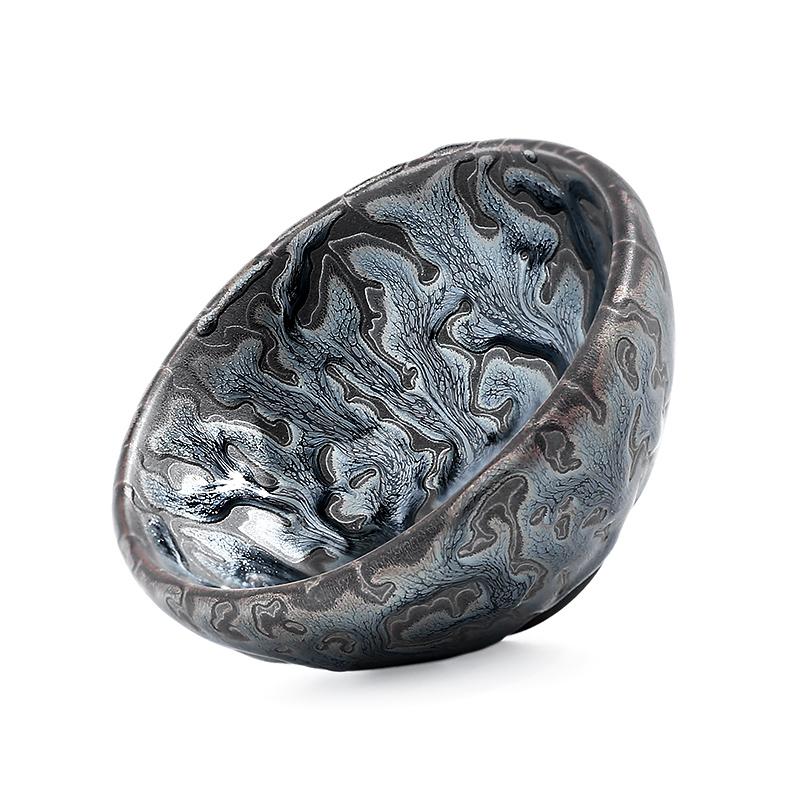
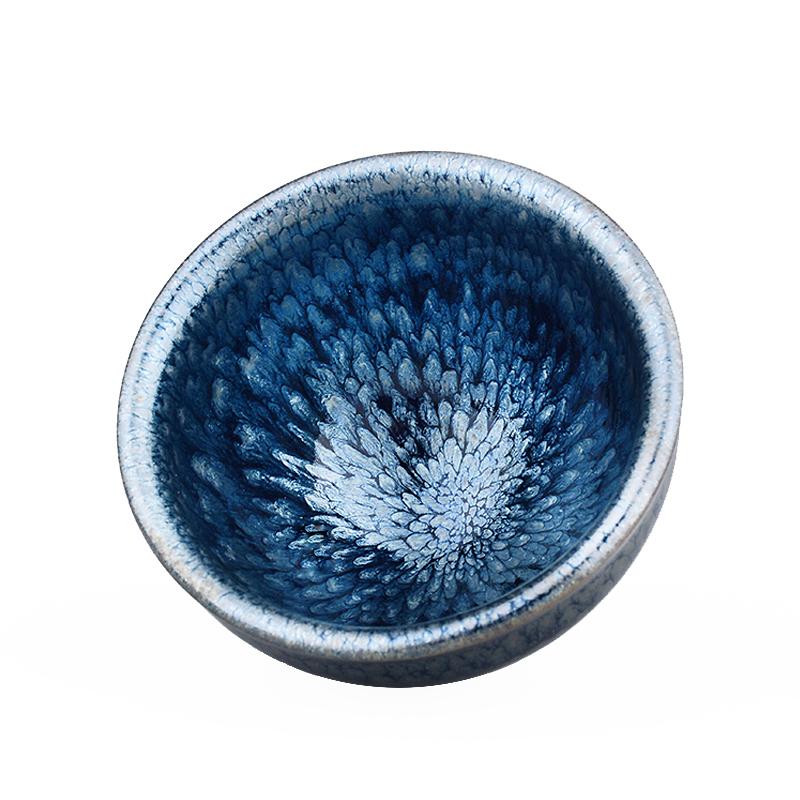
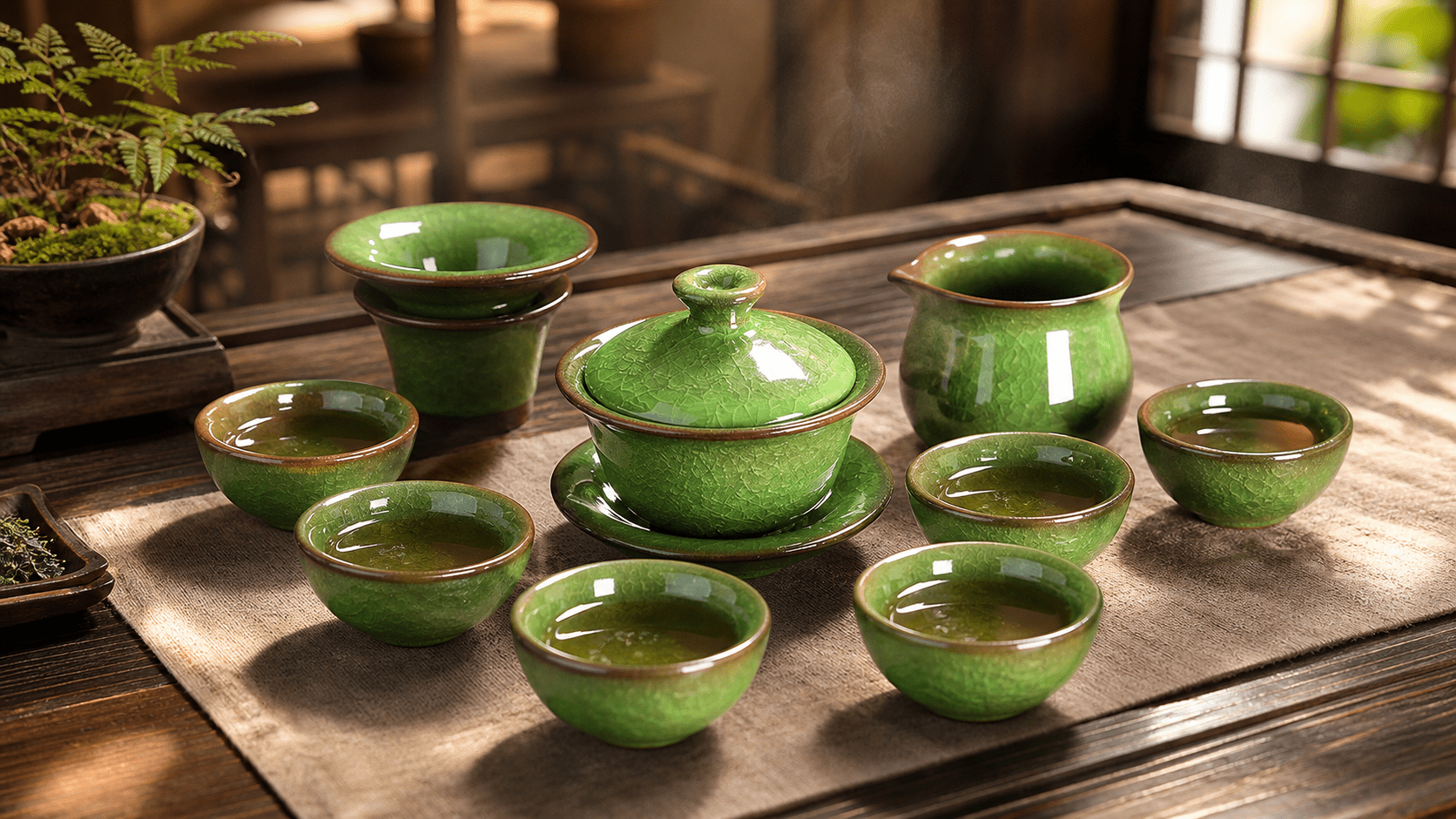
Ready to experience the world of tenmoku tea bowl? Browse our curated collection:
Disclaimer: This article is for informational purposes. Products and pricing subject to change.
Aktie:
Tenmoku Tea Bowl: An Artisan's Journey Through Fire & Time
How to Spot a Real Tenmoku Tea Bowl: The Ultimate Jian Zhan Identification Guide