

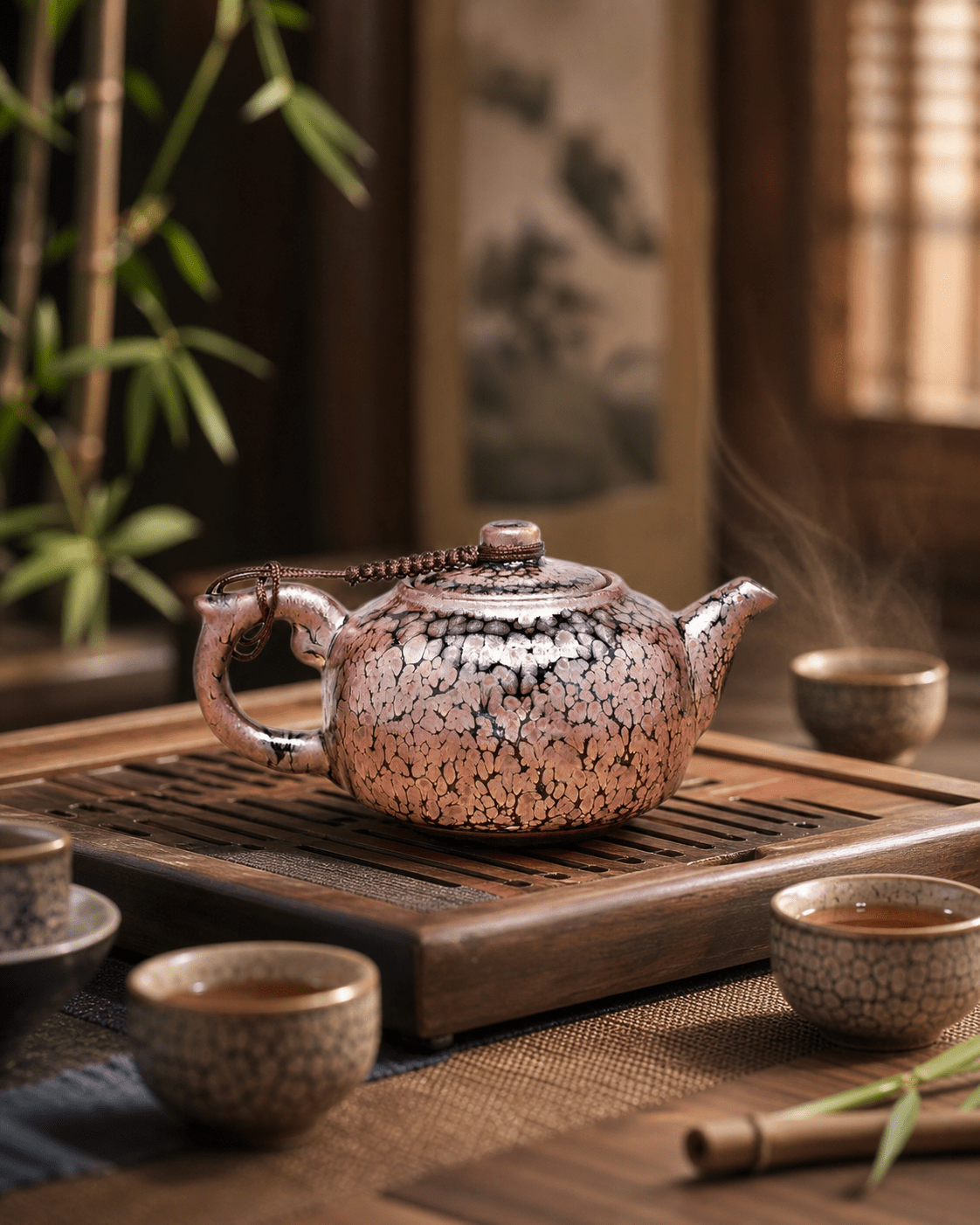
Tenmoku Tea Bowl: A Handmade Story of Heritage, Craft, and a More Meaningful Tea Ritual
A tenmoku tea bowl is more than a beautiful tea vessel; it is a handmade expression of fire, mineral glaze, and centuries of tea culture. Also known as Jianzhan or jianzhan, this Jianzhan Tenmoku ceramic cup is especially loved for gongfu tea, quiet solo tea sessions, and as a thoughtful gift for tea lovers who appreciate craft with a story.
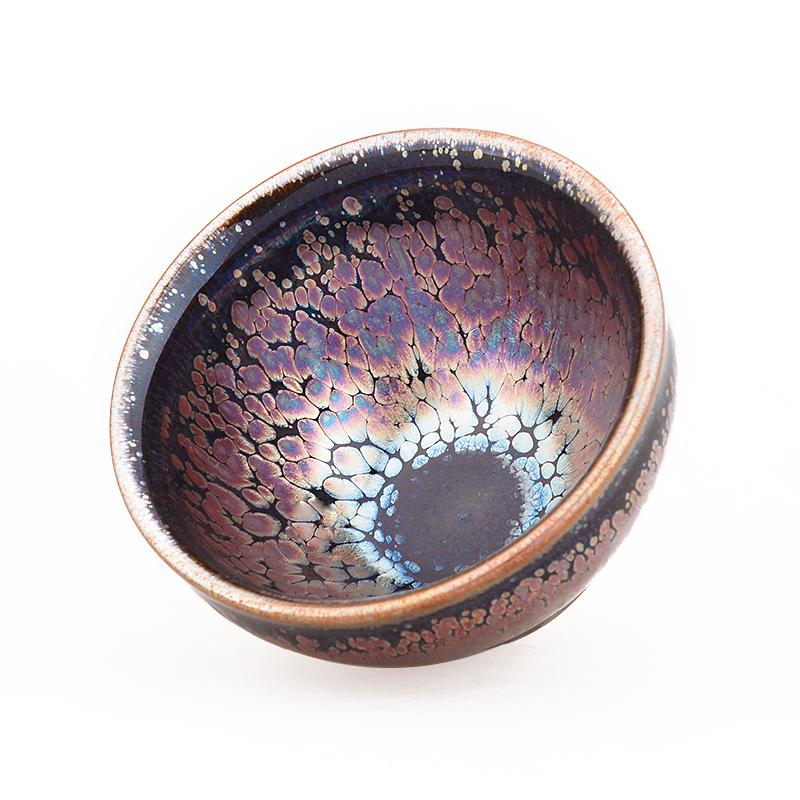
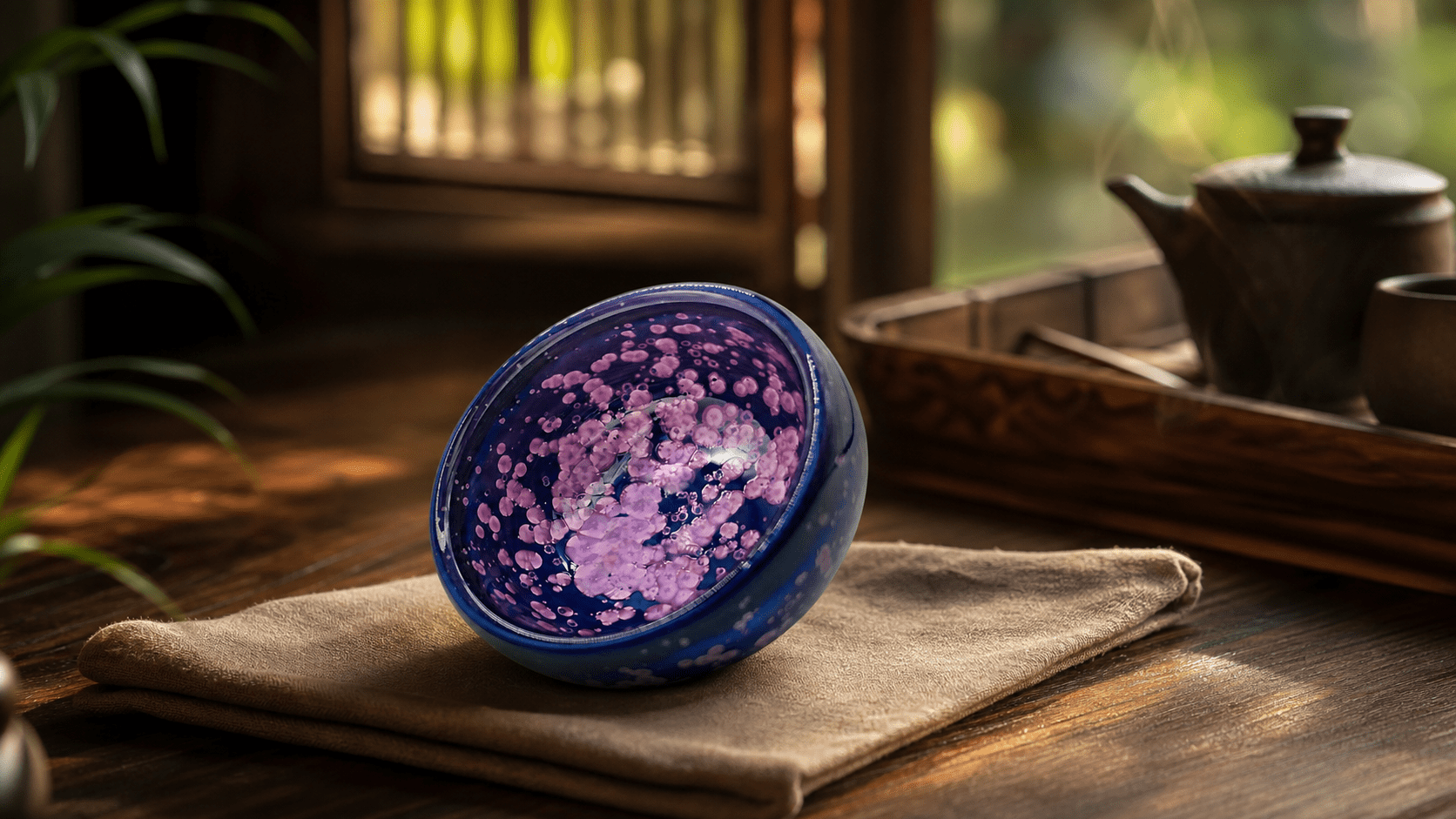
For many people in the United States, the first encounter with a tenmoku piece feels a little like seeing a night sky captured in ceramic form. Oil spots, hare’s fur streaks, and metallic flashes are not painted on by hand. They are born in the kiln through heat, timing, iron-rich clay, and the judgment of a skilled artisan.

Key takeaways
- A tenmoku tea bowl, or Jianzhan, comes from a historic Chinese Jianzhan Tenmoku ceramic tradition centered in Jianyang, Fujian.
- Its dramatic glaze effects are created by kiln change, not surface painting.
- The craft is closely tied to song dynasty tea culture and later influenced Japanese tea aesthetics.
- Each authentic jian zhan tea cup is unique because fire, minerals, and reduction atmosphere behave differently in every firing.
- A handmade jianzhan tea cup gift is ideal for tea lovers, collectors, and anyone building a personal gongfu tea ritual.
What makes a tenmoku tea bowl meaningful for gongfu tea and gifting?
The value of a tenmoku tea bowl begins with use. In a gongfu tea setting, the cup is small enough to focus aroma and encourage slow tasting. The dark interior makes the color of tea liquor stand out, much like a dark frame around a painting.
But the meaning goes deeper than function. A handmade jian zhan carries visible evidence of its making: the pull of the clay, the thickness of the glaze, the melt near the foot, and the unpredictable shimmer that appears after firing. These details give the bowl a human quality.
For premium lifestyle buyers, this is the difference between a mass-produced object and a daily ritual piece. A good cup does not simply hold tea. It changes the feeling of the table. It invites you to pause, look closer, and drink with attention.
That is why many customers choose a jianzhan tea cup gift for birthdays, housewarmings, holidays, or corporate gifting. It feels personal without being overly ornate. It is useful, collectible, and rooted in cultural heritage.
How did song dynasty tea culture shape the tenmoku tea bowl?
To understand the tenmoku bowl, it helps to start with song dynasty tea culture. During China’s Song Dynasty, tea was often whisked from powdered tea, creating a pale foam on the surface. Dark bowls were prized because they made the light tea foam easier to see.
This visual contrast mattered. Tea contests, appreciation gatherings, and refined scholar culture all placed importance on the appearance of the tea. A deep Jianzhan Tenmoku ceramic bowl became the ideal stage for the performance of whisked tea.
Jian ware from Fujian rose to fame during this period. Its iron-rich clay and black glaze produced dramatic effects in the kiln. The most admired patterns included hare’s fur streaks, oil spot crystals, and rare iridescent surfaces that seemed to shift under changing light.
When these bowls reached Japan, they became deeply admired in Japanese tea circles. The word “tenmoku” is often associated with this cross-cultural journey. In simple terms, Jianzhan is the Chinese origin tradition, while tenmoku became a widely recognized Japanese term connected to tea bowls of this style.
For American tea drinkers today, this history adds emotional depth. When you hold a tenmoku tea bowl, you are not only holding a cup. You are touching an object connected to imperial taste, monastic exchange, Japanese tea aesthetics, and centuries of ceramic experimentation.
Why is the fujian tea bowl tradition rooted in Jianyang?
The fujian tea bowl tradition is inseparable from Jianyang, a region in Fujian Province known for the historic Jian kilns. The local environment offered the essential ingredients for Jianzhan: iron-rich clay, mineral-bearing glaze materials, wood-firing traditions, and generations of ceramic knowledge.
Jianyang clay gives authentic Jianzhan its dense, grounded feeling. Compared with light porcelain, it often feels substantial in the hand. That weight is part of its character. It suggests earth, heat, and endurance.
The glaze is equally important. Traditional Jianzhan glaze contains a high amount of iron. When fired at extreme temperatures, the glaze melts, flows, separates, crystallizes, and sometimes reveals metallic color. This is why two bowls from the same kiln load may look like siblings, but never twins.
In a modern studio, the artisan still works in conversation with this region’s past. The shape may be adjusted for today’s tea drinkers. The cup size may suit gongfu tea rather than Song powdered tea. Yet the central philosophy remains the same: let earth and fire speak.
That is the heart of Jianzhan. It is not a ceramic style built on perfect uniformity. It is a tradition built on controlled uncertainty.
What does a tenmoku artisan do before the bowl reaches the kiln?
A tenmoku artisan begins long before the fire is lit. The journey starts with selecting and preparing clay. The clay must be refined enough to shape well, yet true enough to retain the character of Jianyang Jianzhan Tenmoku ceramic.
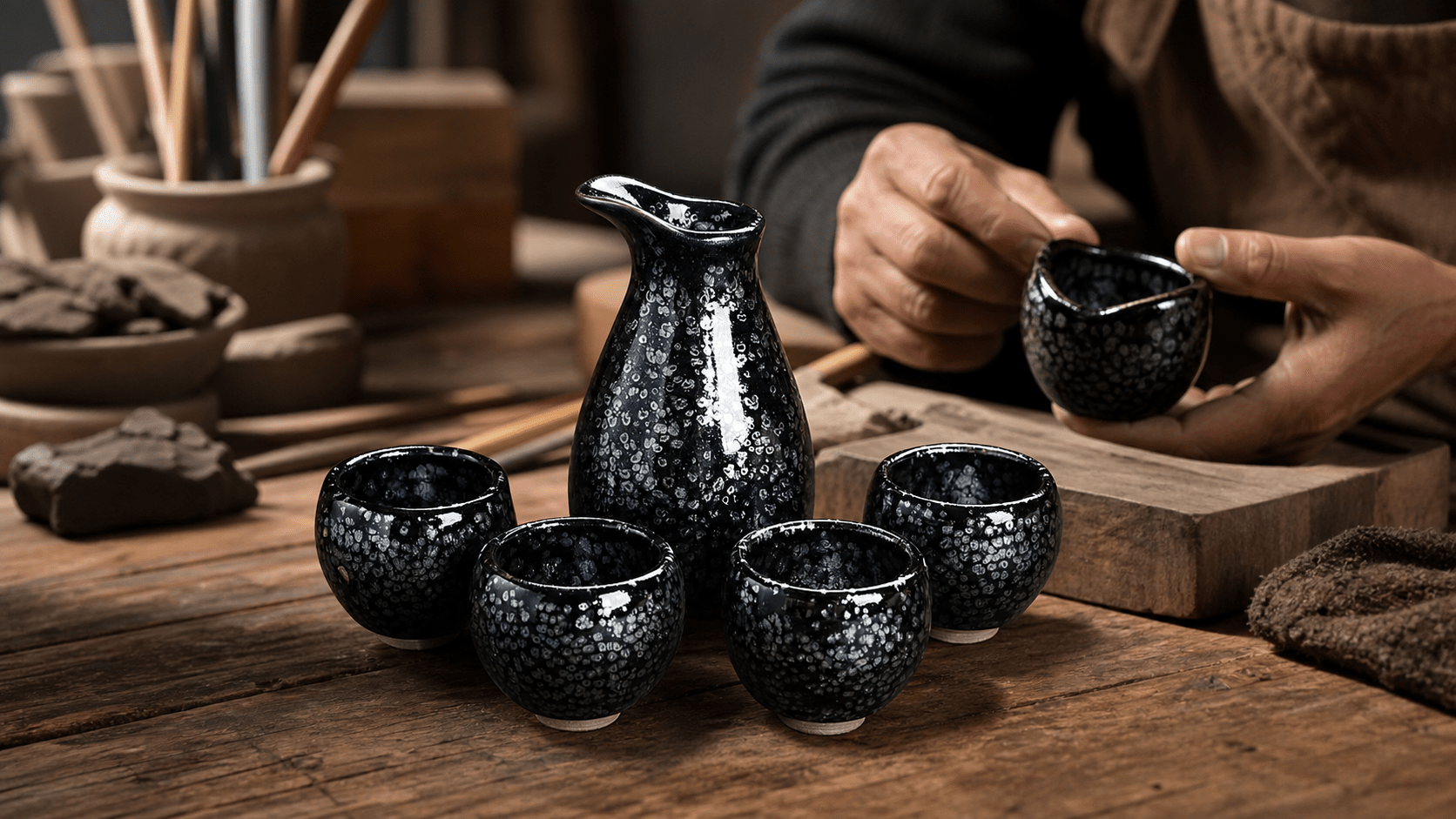
Next comes forming. Some cups are wheel-thrown, while others may involve additional trimming and shaping by hand. The artisan pays attention to lip thickness, foot ring balance, wall curve, and how the cup will feel between the fingers.
For gongfu tea, these details matter. A cup that is too thick can feel heavy; too thin, and it may lose the grounded warmth people love in jianzhan. The curve of the interior affects how tea moves when poured. The rim affects the drinking experience.
After the first drying stage, the bowl is trimmed. This is where the foot ring is refined. The foot is more than a base. It gives the piece visual lift, helps the bowl sit securely, and reveals the contrast between raw clay and molten glaze.
Then the glaze is applied. This stage requires patience and instinct. Too little glaze may look flat. Too much may run excessively or fuse to the kiln shelf. The artisan must know not only the recipe, but also how that glaze behaves under changing heat and atmosphere.
This is why a handmade tenmoku tea bowl feels different from factory tableware. The maker’s decisions are embedded in the final object, even when the fire has the last word.
How does kiln change create the Song Dynasty glaze effect?
The phrase kiln change refers to the transformation that happens when clay, glaze, heat, oxygen, and time interact inside the kiln. In Jianzhan, this process is responsible for the famous Song Dynasty glaze effects.
Think of it like baking bread with wild fermentation. You can control the flour, temperature, and timing, but the final crumb and crust still have a living unpredictability. Jianzhan is similar. The artisan guides the process, but the kiln completes the design.
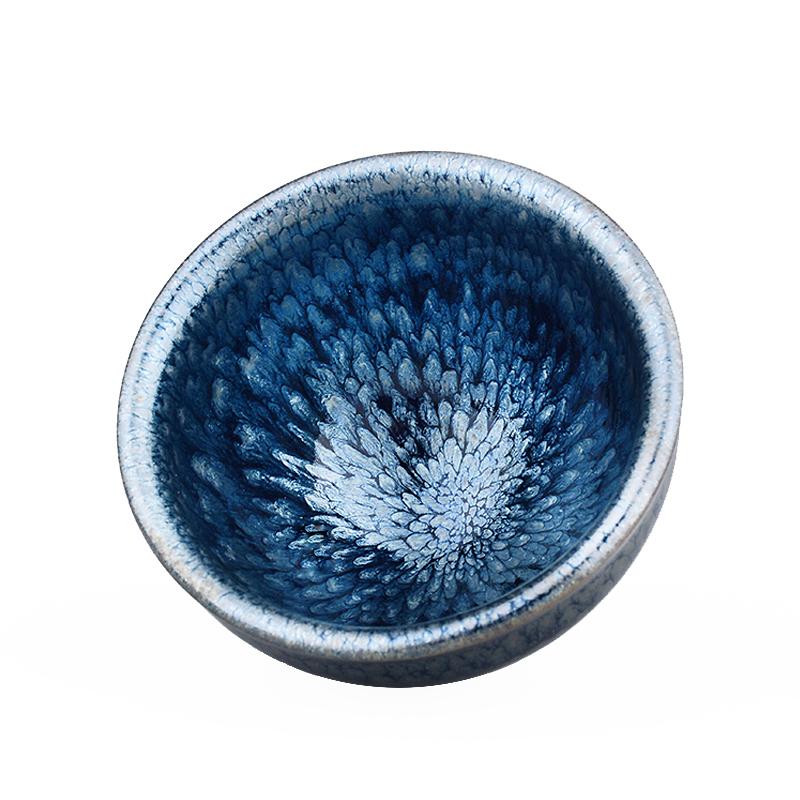
At high temperatures, the iron in the glaze becomes active. Under reduction firing, where oxygen is limited, iron compounds react in complex ways. Crystals may form. Glaze may streak downward. Metallic specks may bloom across the surface like stars.
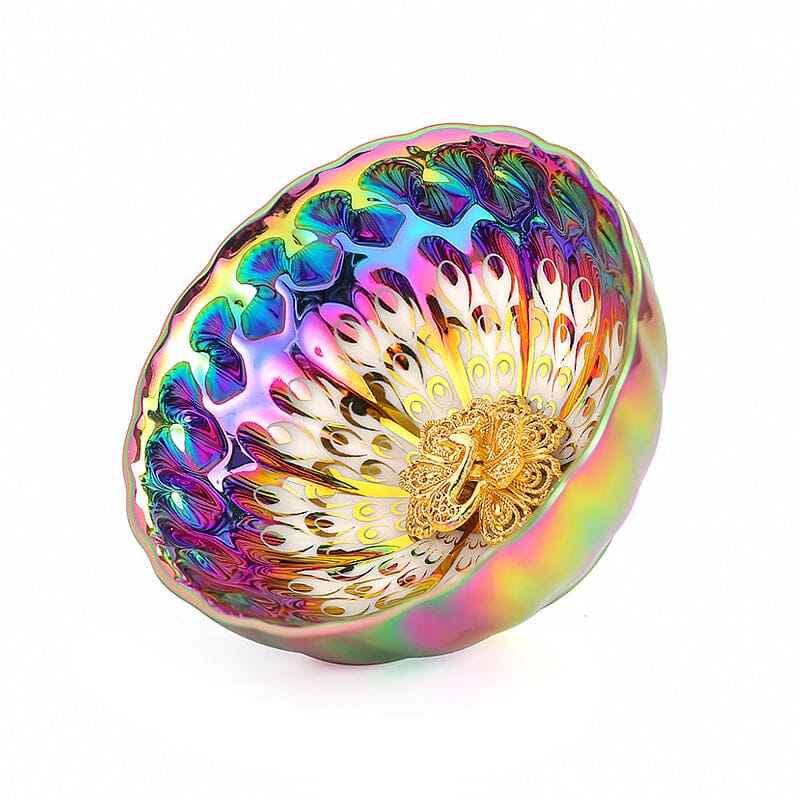
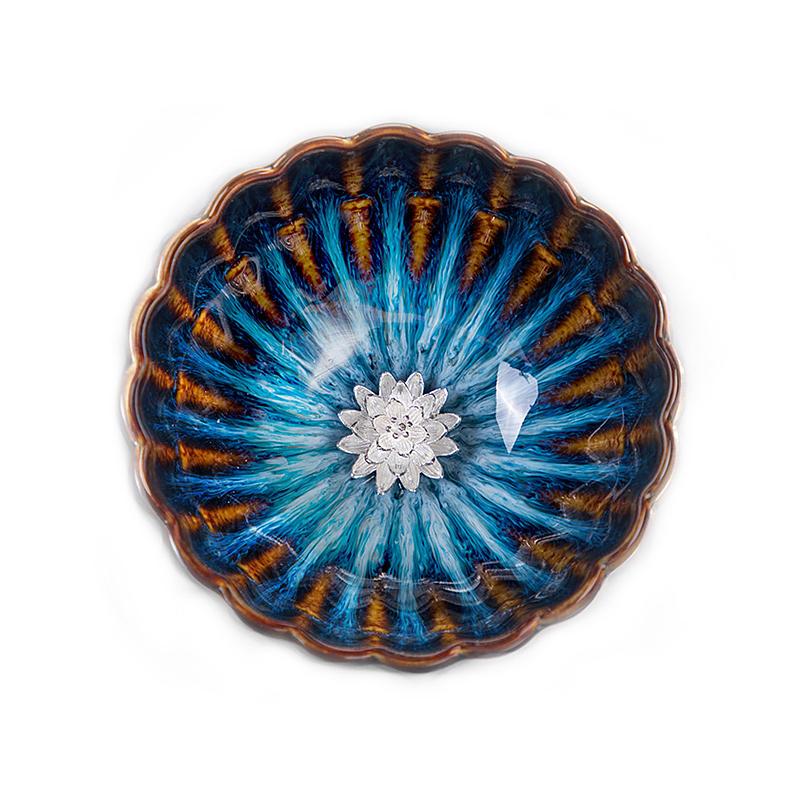
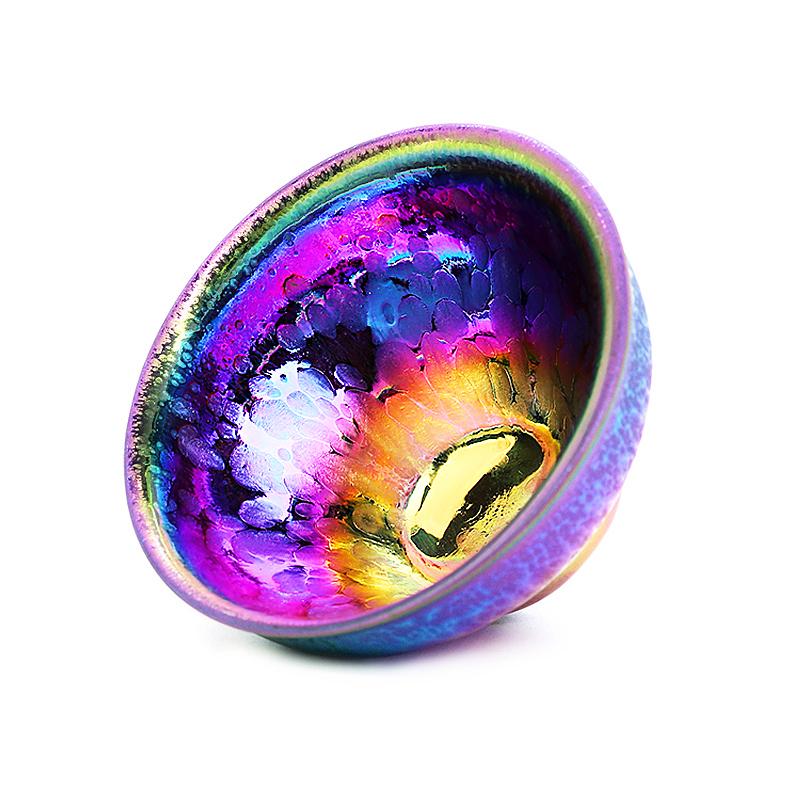
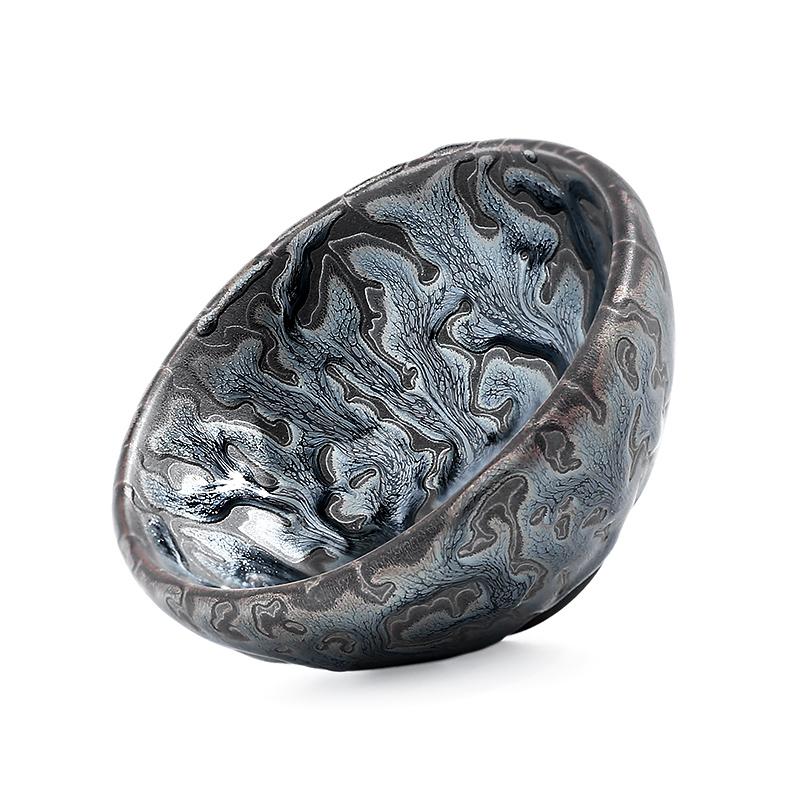
Some bowls develop hare’s fur lines, fine vertical streaks that resemble the fur of a rabbit. Others reveal oil spot patterns, with small circular crystals that shine in silver, gold, blue, or bronze tones. Rare pieces may show rainbow-like iridescence.
This is why collectors study each bowl carefully. A glaze pattern is not decoration added after the fact. It is the record of a specific firing moment that can never be repeated exactly.

What can jian zhan history teach modern tea lovers?
Jian zhan history teaches patience, imperfection, and attention. In a culture that often rewards speed and sameness, Jianzhan offers the opposite: slow craft, natural variation, and quiet looking.
The historic Jian kilns produced bowls for a sophisticated tea culture, but they were also deeply practical objects. They were made to be used. That balance between beauty and function is one reason the tradition still feels relevant.
Modern tea drinkers do not need to be historians to appreciate Jianzhan. You can simply enjoy the way a cup warms in your hand, the way oolong glows against a dark glaze, or the way a small bowl makes a daily tea break feel intentional.
At the same time, knowing the background enriches the experience. The Japanese appreciation of tenmoku, the Chinese roots in Jianyang, and the revival of handmade Jianzhan Tenmoku ceramic all add layers to the object.
When a customer asks why two cups in the same series are priced differently, history gives part of the answer. Some glazes are more difficult to achieve. Some shapes require more refined throwing. Some surfaces show rare kiln behavior. The value is not only in materials, but in skill, risk, and outcome.
How do handmade Jianzhan cups compare with ordinary tea cups?
If you are shopping for a tenmoku tea bowl for sale, it helps to compare Jianzhan with standard ceramic tea cups. Both can serve tea, but they create very different experiences.
| Feature | Handmade Tenmoku / Jianzhan | Ordinary Ceramic Tea Cup |
|---|---|---|
| Origin | Rooted in Jianyang and the Fujian tea bowl tradition | Often general-purpose production |
| Material character | Iron-rich Jianzhan Tenmoku ceramic with mineral glaze | Varies widely; often white porcelain or stoneware |
| Surface | Unique kiln change effects such as oil spot or hare’s fur | Usually uniform glaze or printed decoration |
| Tea experience | Designed for mindful tasting, especially gongfu tea | Designed for everyday beverage use |
| Collectibility | Each piece is one of a kind due to firing variation | Often identical across a production run |
| Gift appeal | Strong cultural story and premium presentation | Depends mainly on design or brand |
This comparison does not mean one is always better. An ordinary cup can be practical and pleasant. But if you want a tea object with heritage, depth, and visual surprise, an authentic jian zhan tea cup offers something distinctive.
How can you choose an authentic jian zhan tea cup as a gift?
Choosing an authentic jian zhan tea cup is easier when you focus on the recipient’s tea habits and personal style. A dramatic oil spot cup may suit someone who loves bold design. A hare’s fur glaze may appeal to someone who prefers elegance and movement.
For a beginner, choose a comfortable size that works for daily tea. For a gongfu tea lover, smaller cups are often preferred because they support multiple short infusions. For collectors, glaze rarity and artisan background may matter more.
Consider these buying tips:
- Look at the foot ring: It should feel stable and intentional, not rough without reason.
- Study the glaze: Natural variation is good, but the surface should still feel complete and well-fired.
- Check the shape: A pleasing curve makes the cup comfortable to hold and drink from.
- Ask about origin: Jianyang and Fujian heritage matter in true Jianzhan culture.
- Match the gift to the person: Minimalists may prefer subtle Jianzhan Tenmoku ceramic; collectors may love dramatic kiln change.
If you are searching for a memorable jianzhan tea cup gift, choose a piece that feels personal rather than generic. The right bowl should make the recipient want to turn it in their hands and discover new details each time.
You can Browse our hare's fur Jianzhan series to see pieces with flowing vertical patterns inspired by one of the most admired Song-style glaze effects.
Why does our brand focus on handmade tenmoku tea bowls?
Our brand began with a simple belief: tea objects should carry meaning. We were drawn to Jianzhan because every bowl tells the truth about its making. It does not hide the fire. It celebrates it.
In building our collection, we look for pieces that balance heritage and modern use. A bowl must be beautiful, but it must also feel good at the tea table. It should serve a quiet morning green tea, a focused oolong session, or a shared tasting with friends.
We work with the idea that a tenmoku tea bowl should connect three people: the artisan who shaped it, the tea drinker who uses it, and the long cultural lineage behind it. That connection is what makes the object feel alive.
Our selection process considers glaze depth, firing character, hand feel, and overall harmony. We appreciate bold kiln results, but we also value restraint. Some of the most beautiful Jianzhan pieces are not the loudest; they are the ones that keep revealing themselves over time.
For American customers discovering this tradition, we aim to make the experience approachable. You do not need specialized knowledge to begin. You only need curiosity, good tea, and a willingness to slow down.
To find a piece for your own tea practice, Explore our handmade Jianzhan tea cups and compare shapes, glaze styles, and sizes.
What role did Japan and Japanese tea aesthetics play in tenmoku appreciation?
Japan played an important role in preserving and celebrating tenmoku aesthetics. Chinese Jian ware traveled to Japan through cultural and religious exchange, where it became highly valued in Japanese tea settings.
Japanese tea culture often prizes quiet beauty, natural irregularity, and objects that gain meaning through use. Tenmoku bowls fit beautifully into that worldview. Their dark surfaces, unpredictable glaze, and dignified presence made them treasured tea utensils.
For today’s tea lovers, this cross-cultural history is part of the appeal. A tenmoku tea bowl reflects Chinese ceramic origins and Japanese appreciation, while now finding a place in American homes, studios, and tea corners.
That global journey does not dilute the tradition. It shows how powerful the form is. A well-made Jianzhan cup can speak across language and geography because it appeals to something universal: the human desire to make everyday rituals beautiful.
FAQ: Tenmoku tea bowl, Jianzhan history, and buying guidance
How is a tenmoku tea bowl connected to song dynasty tea culture?
A tenmoku tea bowl is connected to song dynasty tea culture through the use of dark Jian ware bowls for whisked powdered tea. The black glaze highlighted pale tea foam, making the bowl both practical and visually refined for tea appreciation.
What is the fujian tea bowl tradition behind Jianzhan?
The fujian tea bowl tradition refers to the ceramic heritage of Jianyang in Fujian Province, where iron-rich clay and high-temperature firing produced Jianzhan Tenmoku ceramic tea bowls known as Jianzhan. This tradition became famous during the Song Dynasty.
What does a tenmoku artisan control during kiln change?
A tenmoku artisan controls clay preparation, shape, glaze thickness, kiln placement, firing temperature, and atmosphere. However, kiln change always includes natural unpredictability, which is why each Jianzhan surface is unique.
Why is jian zhan history important when buying an authentic jian zhan tea cup?
Jian zhan history helps buyers understand what makes the cup meaningful: Jianyang origin, Jianzhan Tenmoku ceramic clay, iron-rich glaze, Song Dynasty influence, and handmade firing skill. This knowledge helps distinguish authentic craft from ordinary decorative cups.
Is a handmade tenmoku tea bowl good for gongfu tea?
Yes. A handmade tenmoku tea bowl is excellent for gongfu tea because its size, heat retention, and dark glaze support focused tasting. Many tea lovers enjoy how the cup frames the color and aroma of oolong, black tea, pu-erh, and roasted teas.
Where can I find a tenmoku tea bowl for sale as a gift?
You can find a tenmoku tea bowl for sale in curated Jianzhan collections that explain origin, glaze style, and artisan process. For gifting, look for comfortable size, stable shape, distinctive glaze, and clear information about handmade production.
Conclusion: A bowl shaped by earth, fire, and memory
A tenmoku tea bowl is small enough to fit in your palm, yet large enough to hold a thousand years of ceramic memory. From song dynasty tea culture to Japanese tea appreciation, from Jianyang clay to modern gongfu tea tables, its story continues each time tea is poured.
For beginners, it offers a beautiful way to make tea feel more intentional. For collectors, it offers endless variation in glaze, form, and firing character. For gift buyers, it offers something rare: a useful object with soul.
If you are ready to bring this tradition into your daily ritual, explore a handmade Jianzhan piece that speaks to you. The right bowl does not need to be perfect. It needs to feel alive in your hands.
Explore Our Collection
Ready to experience the world of tenmoku tea bowl? Browse our curated collection:
Disclaimer: This article is for informational purposes. Products and pricing subject to change.
Aktie:
Tenmoku Tea Bowl Authenticity Guide: How to Buy a Real Jian Zhan With Confidence
Tenmoku Tea Bowl Value Guide: Why a Handmade Cup Is Worth More