

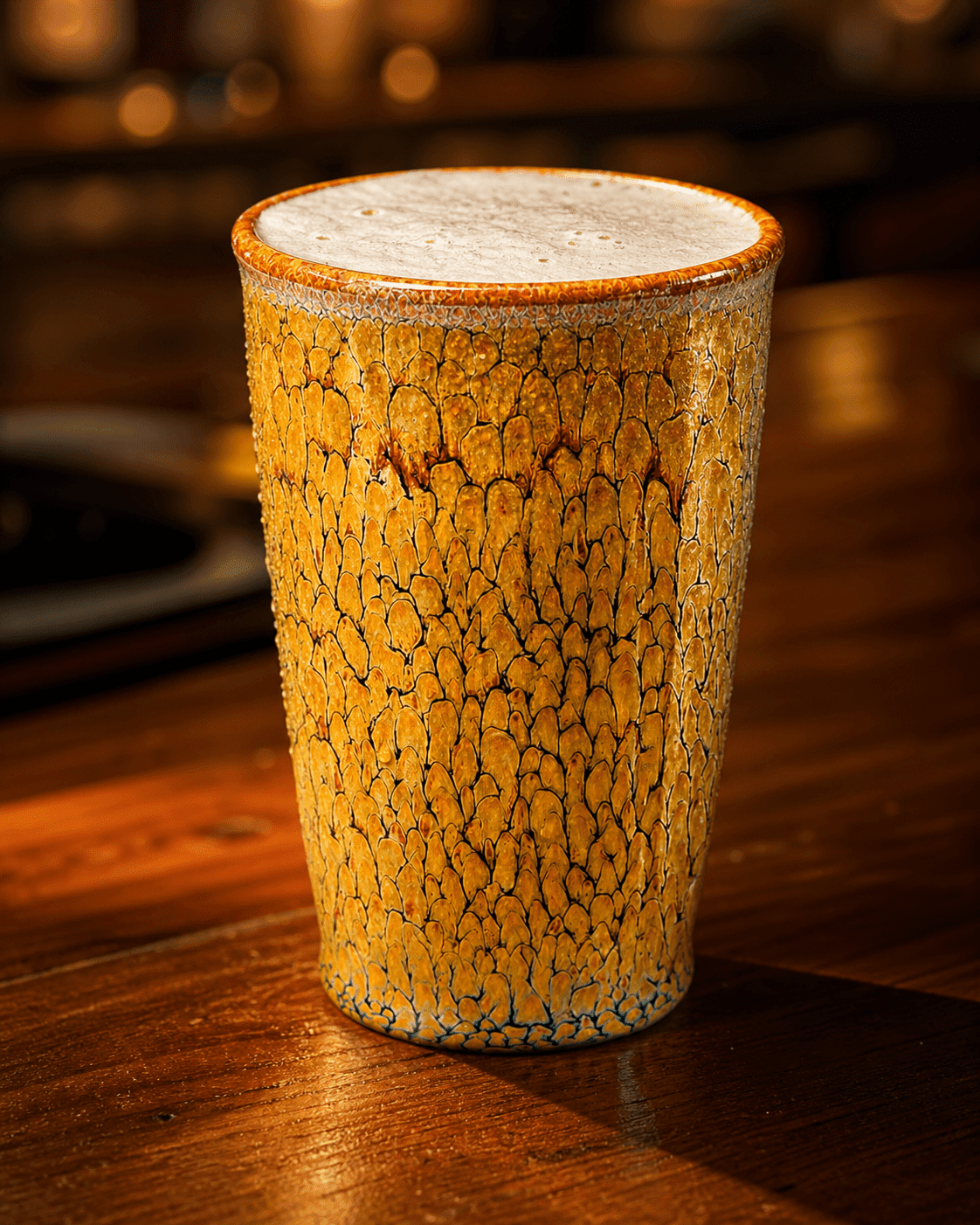

Tenmoku Tea Bowl Value Guide: Why a Handmade Cup Is Worth More
A tenmoku tea bowl is expensive because it combines rare materials, hand-formed pottery, high-risk kiln firing, and a glaze that cannot be fully controlled. Also known as jianzhan, this cup is especially prized for gongfu tea sessions with pu-erh tea, oolong, and other premium teas because it turns a simple pour into a visual and tactile ritual.
If you are comparing a handmade tenmoku tea cup with a regular ceramic mug, think of the difference between a mass-market watch and a hand-finished mechanical timepiece. Both tell time, but one carries craft, risk, scarcity, and emotional value.

Key takeaways: why is a tenmoku tea bowl expensive?
- The glaze is unpredictable. Patterns like oil spot and hare's fur form naturally in the kiln, not by painted decoration.
- Many pieces fail. Cracking, warping, dull glaze, and uneven crystals can make a cup unsellable.
- True jianzhan requires skill. The clay body, iron-rich glaze, temperature curve, and cooling process all matter.
- Rarity drives value. A dramatic oil spot tenmoku cup or balanced hare's fur pattern is much harder to produce than a plain cup.
- Better value does not always mean cheaper. The best value jian zhan is usually the one with authentic craft, pleasing glaze, comfortable function, and fair pricing.
For buyers in the United States, the easiest way to understand the tenmoku tea bowl price is to treat it like a luxury object in miniature. It is closer to a hand-thrown artisan bourbon glass, a custom leather wallet, or a small-batch Japanese knife than a standard kitchen cup.
Why is tenmoku expensive compared with a normal tea cup?
The short answer: a normal tea cup is designed for consistency, while a tenmoku tea bowl is born from controlled unpredictability. A factory cup is usually slip-cast or machine-assisted, glazed evenly, and fired for repeatable results. Tenmoku is different.
Traditional jianzhan comes from Jianyang in Fujian, China, and became famous during the Song Dynasty. Its dark iron-rich surface was loved by tea drinkers because it made pale tea foam stand out beautifully. Later, the style influenced Japan, where the term tenmoku became closely associated with the Japanese tea bowl used in tea ceremony culture.
That historical journey matters. When you hold an authentic jian zhan tea cup, you are not just holding a drinking vessel. You are holding a ceramic tradition that connects Chinese Song Dynasty taste, Japanese tea aesthetics, and modern tea rituals in one small object.
Luxury buyers often pay for heritage. A handmade fountain pen costs more than a disposable pen because of nib tuning, materials, brand story, and craftsmanship. A tenmoku tea bowl follows a similar logic. Its value is in the material, the hand, the firing risk, and the fact that no two cups are exactly alike.
What affects the tenmoku tea bowl price?
The tenmoku tea bowl price can range widely. You may see affordable pieces under $50, refined handmade cups between $80 and $300, and collectible works by recognized masters costing hundreds or even thousands of dollars. The gap can be confusing for beginners, but the pricing usually comes down to several factors.
1. Authentic clay and origin
Jianzhan is traditionally made with iron-rich clay. This clay gives the cup weight, density, and a dark body that supports the tenmoku glaze. While beautiful tenmoku-style ceramics can be made elsewhere, an authentic jian zhan tea cup should be transparent about its origin, materials, and maker.
2. Glaze difficulty
Patterns like oil spot, hare's fur, and iridescent kiln effects are not simple painted designs. They emerge when iron in the glaze separates, crystallizes, flows, and cools in a particular way. The potter can guide the process, but the kiln has the final say.
3. Firing loss rate
Imagine a luxury sneaker brand producing 100 pairs and discarding 40 because the leather grain is wrong, the stitching pulls, or the color is off. Tenmoku firing can be even less forgiving. A kiln load may include pieces that come out too matte, too runny, cracked, stuck to shelves, or visually unbalanced.
4. Form and usability
A beautiful bowl still needs to feel good in the hand. Weight, lip thickness, foot ring, balance, and size all influence value. For gongfu tea, many US tea lovers prefer a smaller handmade tenmoku tea cup that fits comfortably between the fingers and highlights concentrated aromas from pu-erh tea or roasted oolong.
5. Artist reputation
Work by established ceramic artists costs more because their skill is proven and their output is limited. Just as a signed photograph or studio-made knife can command a premium, a refined jianzhan by a respected maker carries collectible value beyond daily function.
| Price range | What you can expect | Best for |
|---|---|---|
| Under $50 | Entry-level tenmoku-style cups, often simpler glaze or mass-produced finish | Beginners testing the style |
| $50–$120 | Good handmade options, attractive glaze, practical daily use | Tea drinkers seeking value |
| $120–$300 | Stronger glaze character, better form, more successful oil spot or hare's fur effects | Premium gifts and serious gongfu tea sessions |
| $300+ | Artist pieces, rare firing results, collectible quality, limited production | Collectors and luxury buyers |
What is the real jian zhan cost behind the scenes?
When people search for jian zhan cost, they often want to know whether the price is justified. The real cost includes more than clay and glaze. It includes labor, experimentation, kiln fuel, failed pieces, selection, packaging, and the time needed to master a difficult ceramic language.
A tenmoku potter starts by preparing clay. The clay must be aged, wedged, shaped, trimmed, dried, and bisque fired. Then the glaze is mixed and applied with careful attention to thickness. Too thin, and the surface may look flat. Too thick, and the glaze may run, bubble, or stick to the kiln shelf.
The firing stage is where the economics become brutal. Tenmoku glaze often requires high heat and careful atmosphere control. Potters may adjust oxidation and reduction, temperature ramps, holding time, and cooling speed. These variables affect whether the cup develops shimmering oil spots, streaming hare's fur lines, or a deep black-brown surface with subtle silver-blue light.
In US luxury terms, this is like dry-aging beef or making small-batch whiskey. You invest time and materials up front, but the final result is not guaranteed. Some barrels become exceptional. Some are blended. Some are disappointing. Tenmoku firing has the same risk-reward structure, except the outcome is visible on the surface of each bowl.
After firing, each cup must be inspected. Is the mouth smooth? Is the foot stable? Is the glaze safe and fully matured? Is the pattern attractive from multiple angles? Is the interior pleasant for tea? A reputable seller absorbs the cost of rejecting flawed pieces so that the customer receives something worthy of display and daily use.
Why does oil spot and hare's fur glaze increase value?
The most famous tenmoku glaze effects are not decorative shortcuts. They are mineral events. That is why collectors react so strongly to an excellent oil spot tenmoku cup or a dramatic hare's fur bowl.
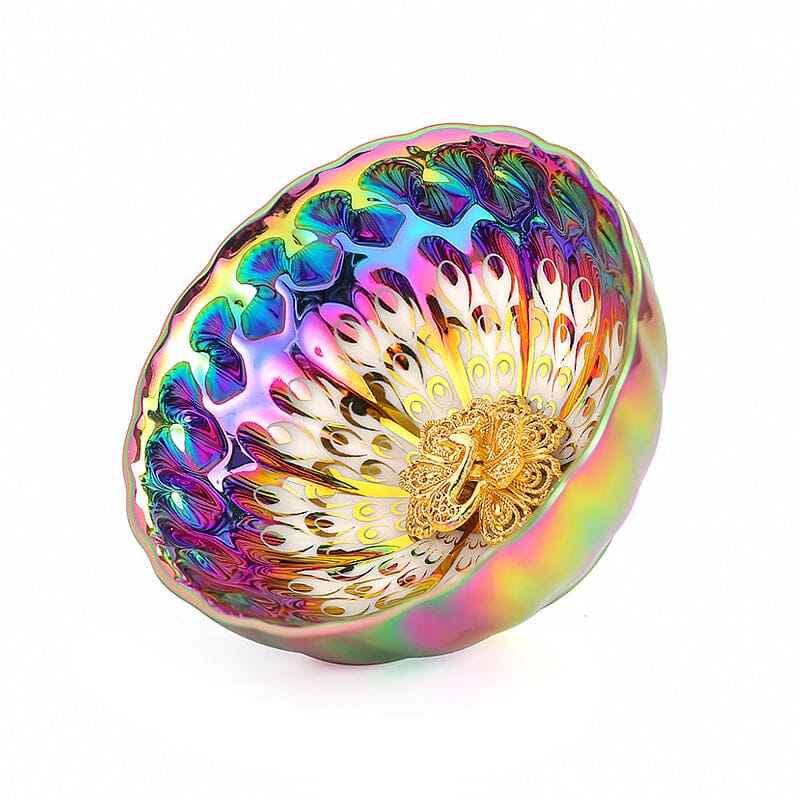
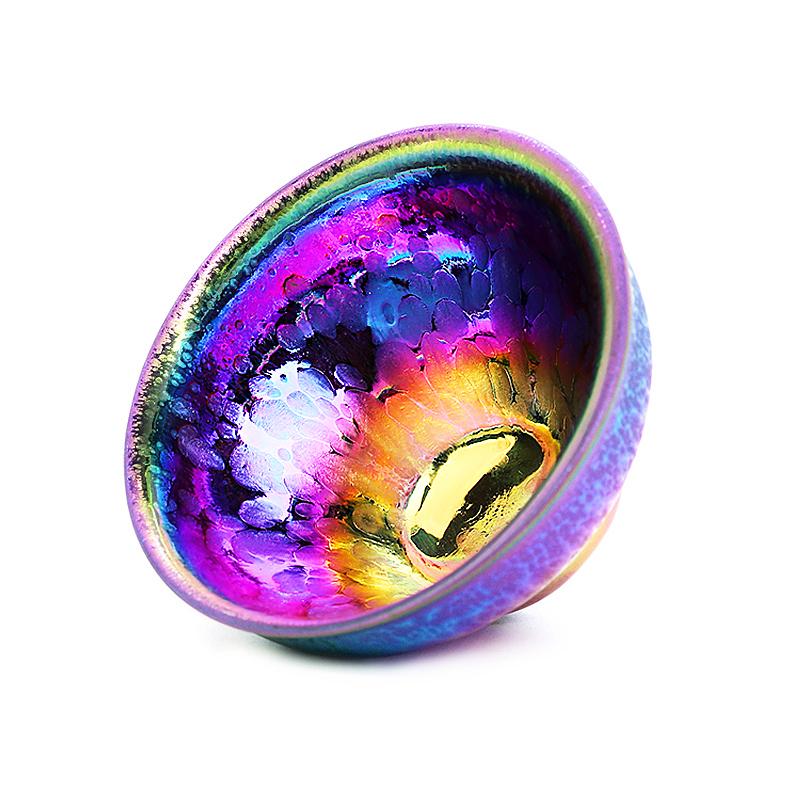
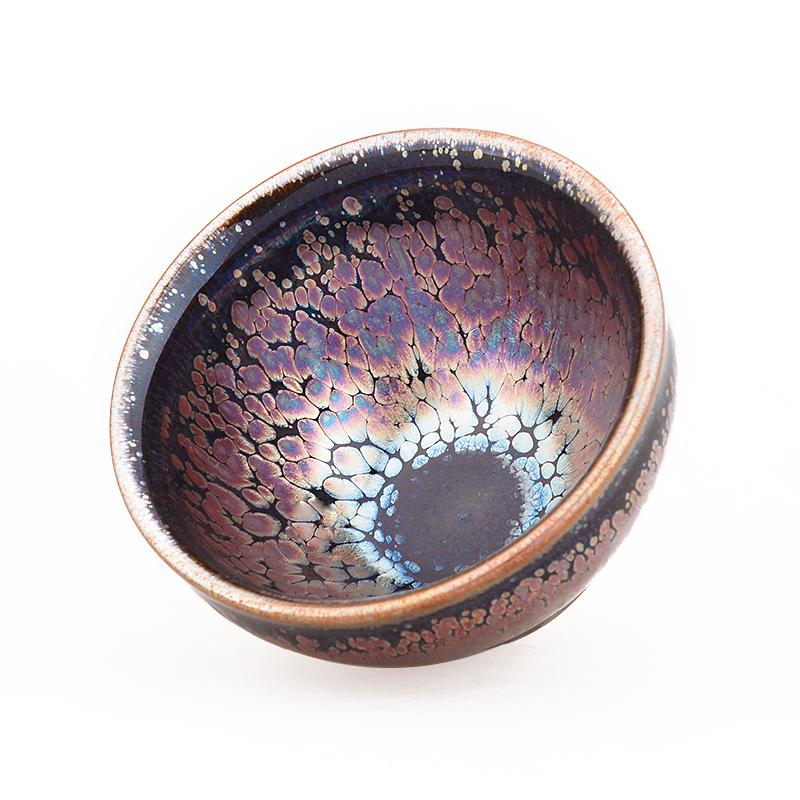
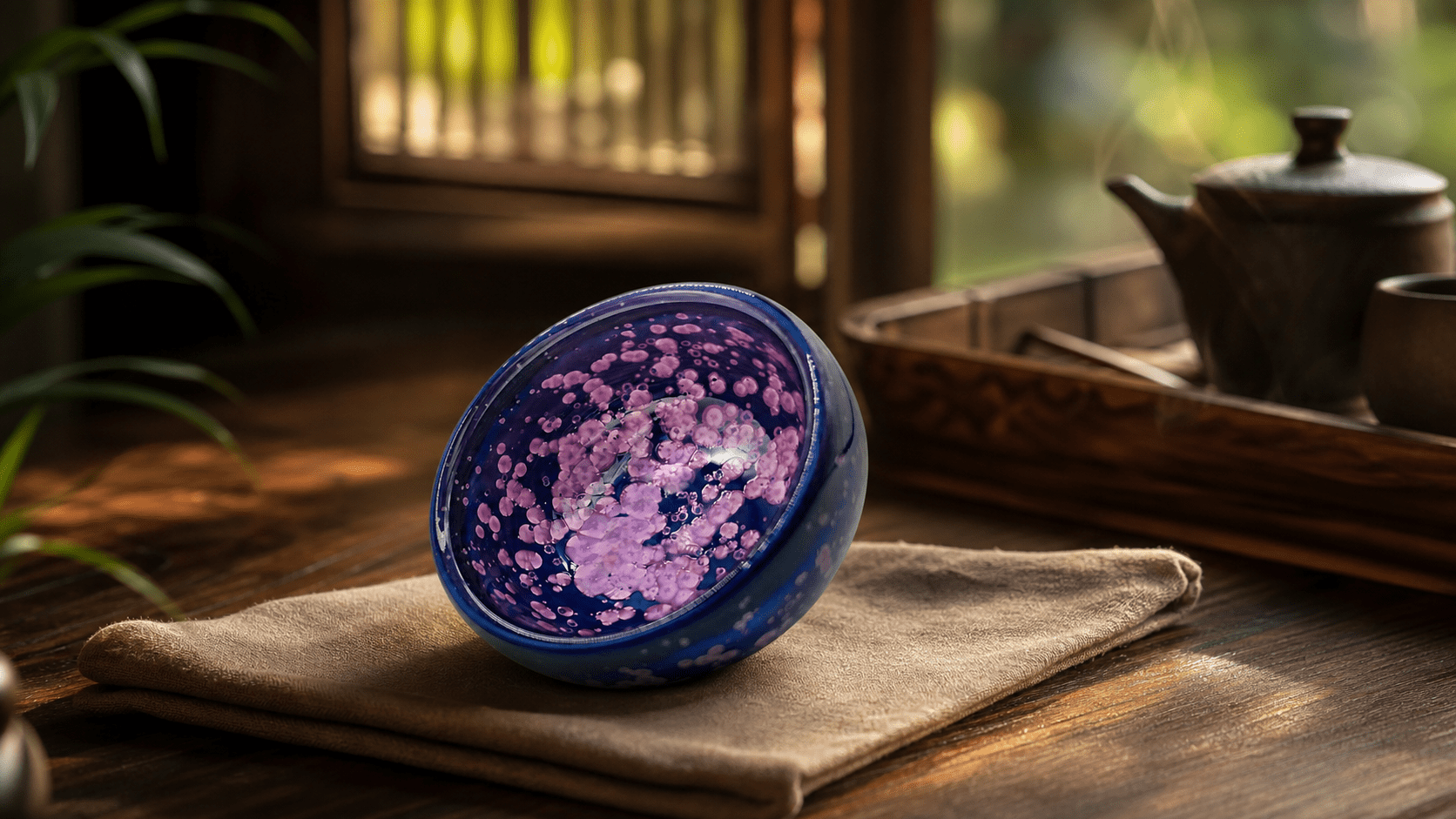
Oil spot patterns look like metallic droplets floating across a dark surface. Depending on the firing, they may appear silver, bronze, blue, or rainbow-like. A balanced oil spot glaze is prized because the spots must be clear, lively, and well distributed without becoming messy or dull.
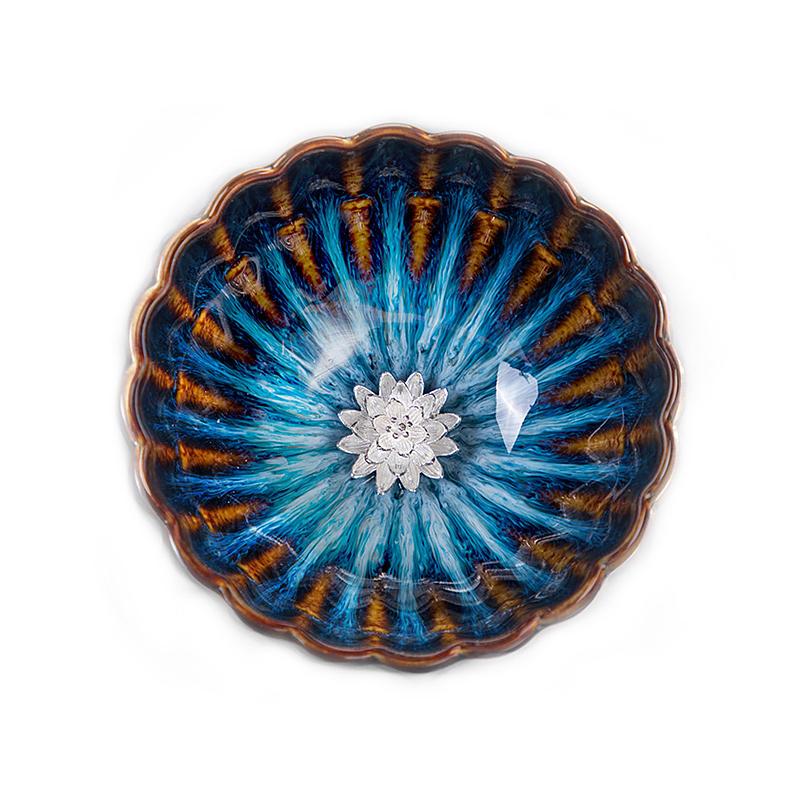
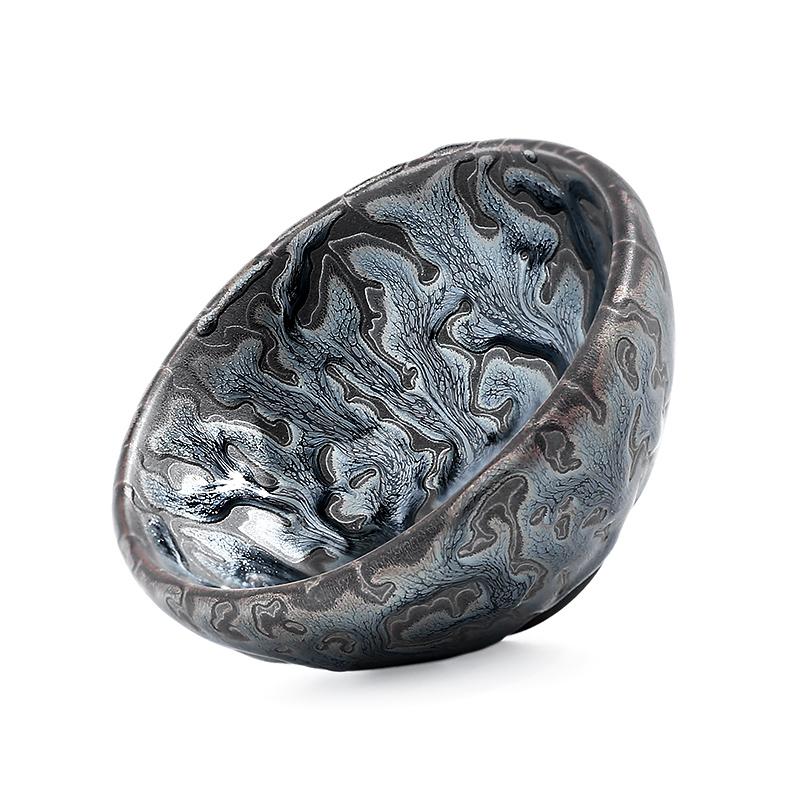
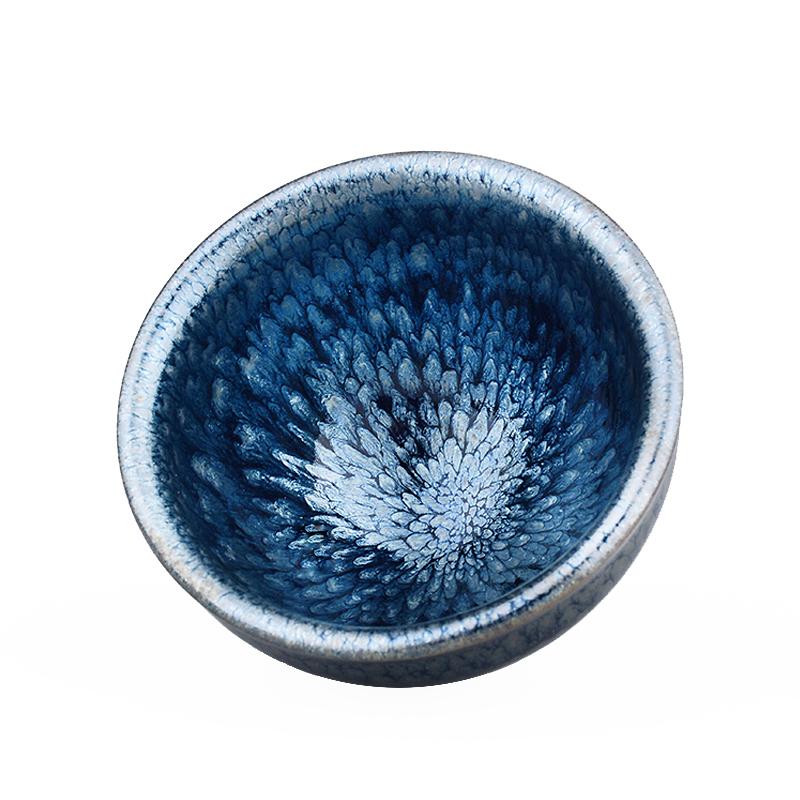
Hare's fur refers to fine streaks that resemble the soft lines of rabbit fur. These streaks form as the glaze flows downward during firing. A strong hare's fur pattern requires the right combination of glaze chemistry, gravity, heat, and timing.
For an American analogy, compare it to natural marble. A basic stone countertop may be useful, but a rare slab with dramatic veining commands a premium because nature made it beautiful and unrepeatable. Tenmoku glaze works in a similar way. The potter creates the conditions, but the kiln produces the final signature.
This is also why two cups from the same artist and kiln can have different prices. One may show a quiet, elegant surface. Another may display a rare constellation of oil spots across the interior and exterior. The second piece took the same labor, but the result is rarer, so the value is higher.
If you are drawn to this look, you can Discover our collection of oil spot tenmoku cups to compare surfaces, shapes, and price levels side by side.
How do you find the best value jian zhan without overpaying?
The best value jian zhan is not always the lowest-priced cup. It is the piece where authenticity, beauty, function, and price are in balance. Beginners sometimes chase the biggest glaze effect, while collectors may focus on artist lineage. Most tea lovers should begin with practical quality.
Use this checklist before buying:
- Look for clear product photos. You should see the interior, exterior, foot ring, and lip.
- Check the description. A good listing explains whether it is handmade, its glaze type, size, and intended use.
- Consider the tea you drink. Pu-erh tea, roasted oolong, black tea, and aged white tea pair especially well with the mood of tenmoku.
- Match size to use. Smaller cups suit gongfu tea; larger bowls may feel closer to a Japanese tea bowl for matcha-style presentation.
- Avoid perfection myths. Handmade ceramics may have tiny variations. That is part of the appeal, not automatically a defect.
- Buy from a specialist. Sellers who understand jianzhan can better explain quality and value.
For gift buyers, a handmade tenmoku tea cup makes a strong impression because it feels personal without being overly flashy. It works for tea lovers, design-minded friends, collectors of Japanese and Chinese ceramics, and anyone building a more intentional home ritual.
If you want a curated starting point, Shop authentic Tenmoku tea bowls and compare pieces by glaze style, size, and price.
Is a Japanese tea bowl the same as a tenmoku tea bowl?
Not exactly, but the histories overlap. The word tenmoku is strongly associated with Japan and Japanese tea culture, while jianzhan refers to the Chinese Jian ware tradition that inspired many tenmoku forms. In simple terms, jianzhan is the original Chinese lineage, and tenmoku is the broader name many English-speaking and Japanese buyers use for dark-glazed tea bowls influenced by that tradition.
A Japanese tea bowl may be made for matcha, with a wider shape designed for whisking powdered green tea. A jianzhan cup is often smaller and used for sipping brewed tea, especially in gongfu tea practice. However, both can share a love of dark glaze, quiet form, and seasonal beauty.
For US buyers, the terminology can feel confusing because online listings may use tenmoku, temmoku, jianzhan, Jian ware, and Japanese tea bowl in overlapping ways. The key is to look beyond the label and evaluate the piece: material, glaze, shape, maker, and intended use.

When is a higher tenmoku tea bowl price worth it?
A higher price is worth considering when the cup offers visible craft, rare glaze quality, and long-term enjoyment. You do not need to buy the most expensive piece to enjoy tenmoku, but paying a little more can deliver a noticeably better experience.
Choose a higher-priced piece when:
- You want a memorable gift for tea lovers.
- You appreciate rare glaze effects such as oil spot or hare's fur.
- You drink tea daily and want a cup that feels special every time.
- You value handmade work over factory uniformity.
- You are building a small collection of meaningful ceramics.
On the other hand, you may not need a premium collector piece if you are just learning gongfu tea or buying your first cup. A well-made mid-range jianzhan can deliver beauty, durability, and a strong connection to the tradition without pushing into serious collector pricing.
Think of it like buying wine glasses. You do not need museum-grade crystal to enjoy good wine, but a better glass improves the ritual. A tenmoku tea bowl does the same for tea. It frames aroma, color, handfeel, and mood.
FAQ: tenmoku tea bowl price, cost, and value
Why tenmoku is expensive?
Tenmoku is expensive because the glaze is difficult to control, many pieces fail during firing, and the best patterns form naturally rather than being painted. A handmade tenmoku tea cup also requires skilled shaping, careful glazing, high-temperature firing, and strict selection after the kiln opens.
What is the average tenmoku tea bowl price?
The average tenmoku tea bowl price depends on quality and maker. Entry-level pieces may be under $50, good handmade cups often range from $50 to $150, and more refined or collectible jianzhan can cost $200, $500, or more. Rare artist pieces may reach much higher prices.
What affects jian zhan cost the most?
Jian zhan cost is most affected by handmade labor, firing loss rate, glaze rarity, clay quality, artist reputation, and final selection standards. A strong oil spot or hare's fur surface usually costs more because it is harder to achieve consistently.
How do I choose the best value jian zhan?
To choose the best value jian zhan, look for authentic materials, a comfortable shape, clear glaze character, honest photos, and a price that matches the maker and finish. For most beginners, a mid-range handmade piece offers the best balance of beauty and usability.
Is an authentic jian zhan tea cup better for pu-erh tea?
An authentic jian zhan tea cup is popular for pu-erh tea because its dark glaze highlights the tea liquor and creates a calm, grounded drinking experience. It will not magically change poor tea into great tea, but it can make a good pu-erh session feel more focused and enjoyable.
Is an oil spot tenmoku cup worth more than a plain black cup?
Often, yes. An oil spot tenmoku cup can be worth more because the metallic spotting is difficult to produce and visually distinctive. However, value still depends on balance, clarity, craftsmanship, and whether the cup feels good in use.
Conclusion: the value is in the fire, the hand, and the ritual
A tenmoku tea bowl costs more because it is not just a cup. It is a small artwork shaped by hand, tested by fire, and finished by chance. Its beauty comes from mineral reactions that no machine can perfectly duplicate.
For beginners, the smartest move is to buy with curiosity rather than hype. Learn the difference between oil spot and hare's fur, compare forms, and choose a piece you will actually use. For premium lifestyle buyers, a well-selected jianzhan offers the same pleasure as other quiet luxuries: craftsmanship you can feel every day.
Whether you are drinking pu-erh tea alone on a Sunday morning or giving a meaningful gift to a tea lover, the right handmade tenmoku tea cup adds depth to the moment. Explore authentic pieces, compare glaze styles, and choose the bowl that makes you want to slow down.
Explore Our Collection
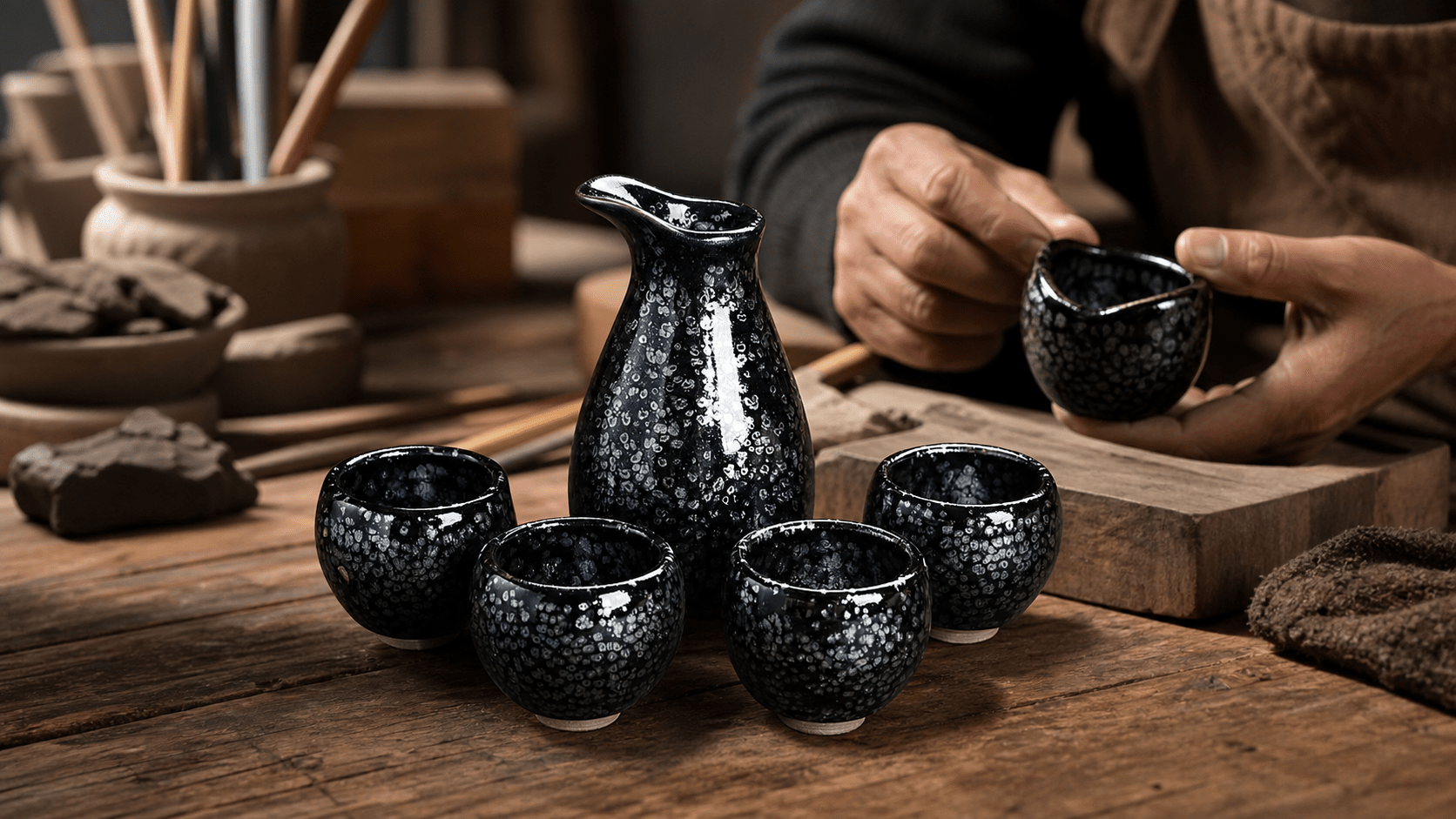
Ready to experience the world of tenmoku tea bowl? Browse our curated collection:
Disclaimer: This article is for informational purposes. Products and pricing subject to change.
Aktie:
Tenmoku Tea Bowl: A Handmade Story of Heritage, Craft, and a More Meaningful Tea Ritual
Tenmoku Tea Bowl for Everyday Luxury: Create a Calming Tea Ritual at Home