

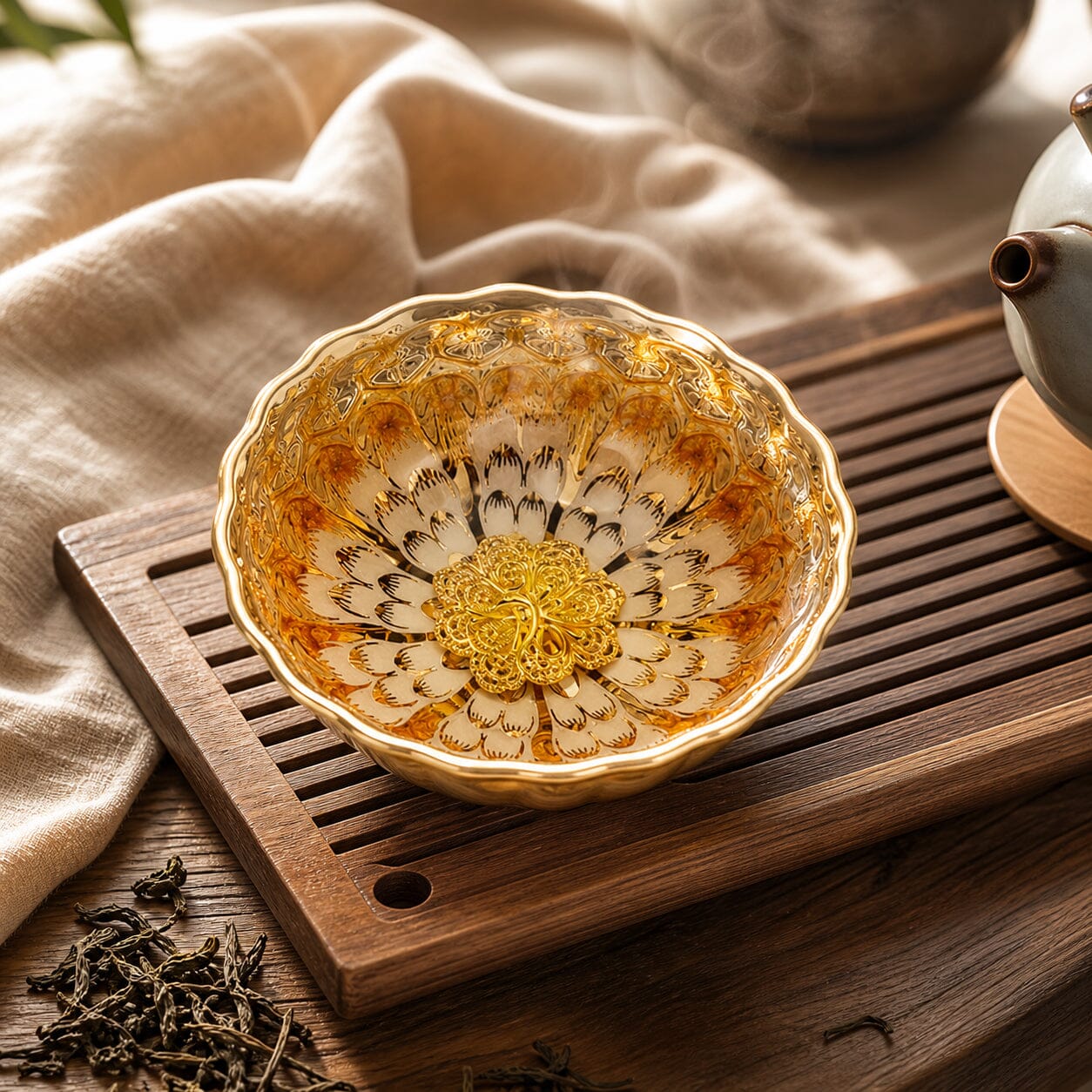

Tenmoku Tea Bowl Value Guide: Why It Costs More and How to Buy Wisely
A tenmoku tea bowl is expensive because its beauty depends on a difficult high-fire glaze, skilled handwork, and unpredictable kiln results. Also called jianzhan, this Jianzhan Tenmoku ceramic cup is especially loved for gongfu tea, quiet tea rituals, and premium gifts for tea lovers who appreciate objects with history.
For beginners in the United States, the simplest way to understand tenmoku value is to compare it to a hand-built mechanical watch or a small-batch Japanese chef’s knife. You are not paying only for clay. You are paying for material, fire, timing, failure rate, and the trained eye of the maker.
Key Takeaways
- A real tenmoku tea bowl is valued for iron-rich Jianzhan Tenmoku ceramic glaze, not printed decoration.
- Price depends on the maker, firing method, glaze effect, shape, rarity, and finishing quality.
- Common visual patterns include hare’s fur, oil spot, and partridge feather effects.
- The best value jian zhan is usually a well-made daily-use cup from a skilled studio, not the cheapest listing online.
- If you are buying a gift, choose an authentic jian zhan tea cup with clear photos, measurements, origin details, and a return policy.
Why Tenmoku Is Expensive Compared With Ordinary Tea Cups?
The short answer to why tenmoku is expensive is that the glaze is not easy to control. A plain ceramic cup can be shaped, glazed, fired, and repeated with consistent results. A tenmoku tea bowl, especially one inspired by Song Dynasty glaze traditions, relies on natural mineral reactions inside a very hot kiln.
Jianzhan originated in China’s Jian kilns and became deeply admired in Japan, where the word “tenmoku” became associated with prized dark-glazed tea bowls used in tea culture. Today, buyers often see both Chinese jianzhan and Japanese tenmoku for sale, and the naming can overlap. The important point is not the label alone, but the material, firing, pattern, and craftsmanship.
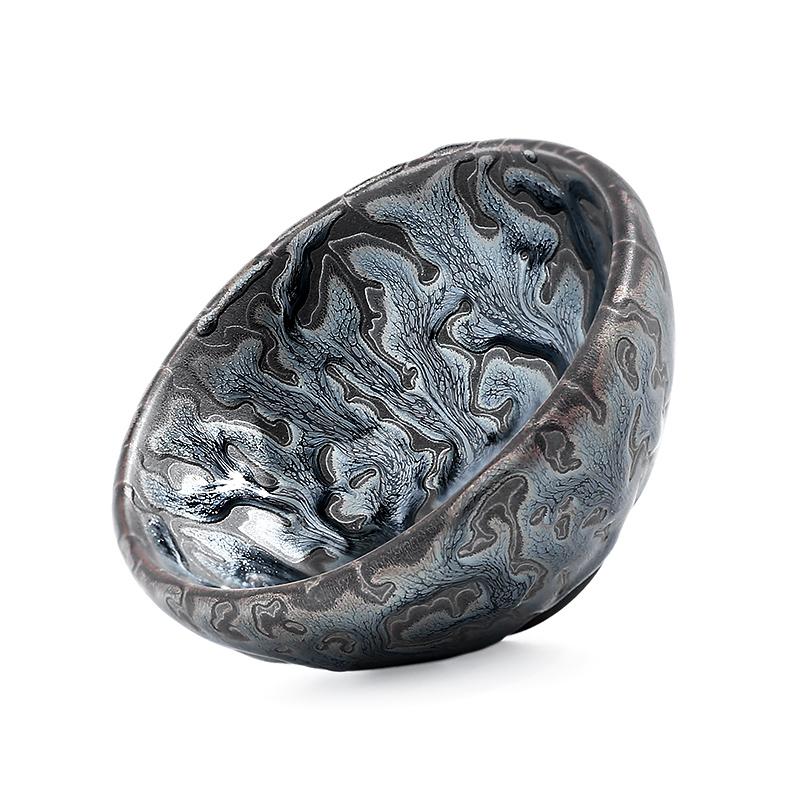
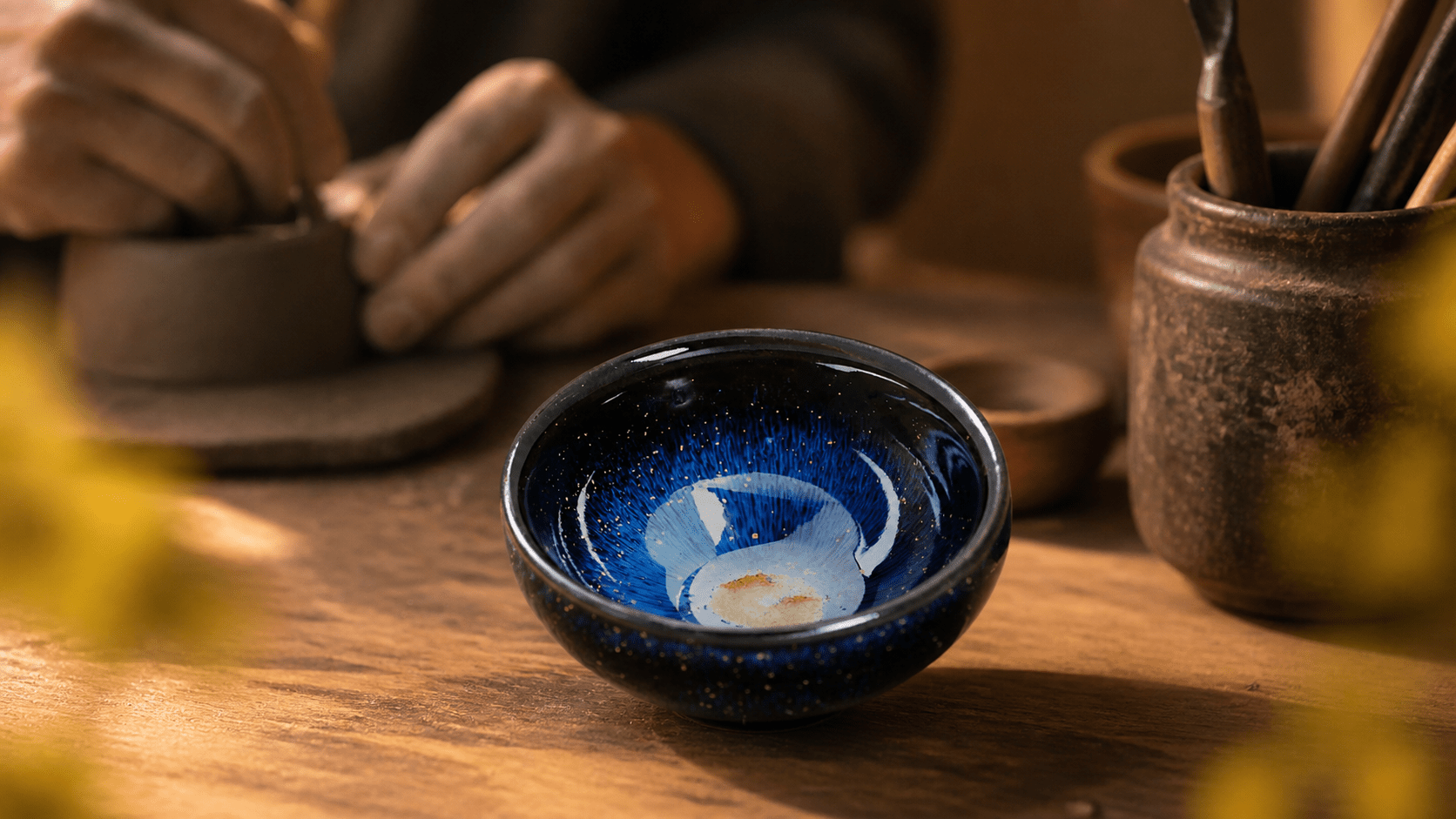
The glaze usually contains a high level of iron. During firing, minerals move, crystallize, separate, and cool into effects that may resemble silver streaks, golden drops, blue-black depth, or feathered markings. The maker can guide the process, but cannot fully command it. That uncertainty is part of the value.
Think of it like natural marble or a hand-dyed leather patina. Two pieces may come from the same workshop, but the final surface is never perfectly identical. A strong tenmoku glaze feels alive because the pattern is born from heat, not painted on afterward.
What Drives Tenmoku Tea Bowl Price in the US Market?
Tenmoku tea bowl price varies widely because the category includes casual cups, studio-made pieces, collector-grade bowls, and museum-level antiques. For modern buyers, most practical purchases fall into a few broad ranges.
| Category | Typical US Price Range | What You Usually Get | Best For |
|---|---|---|---|
| Entry-level inspired cup | $25-$60 | Mass-produced or lightly handmade cup with tenmoku-style glaze | Beginners testing the style |
| Daily-use handmade jianzhan | $60-$180 | Handmade tenmoku tea cup with better form, glaze depth, and usable finish | Gongfu tea drinkers and gift buyers |
| Studio-grade piece | $180-$600 | More refined shape, stronger kiln effect, recognizable artisan or studio | Premium gifts and collectors |
| High-end or rare work | $600+ | Exceptional glaze, rare pattern, master maker, limited firing success | Collectors and luxury ceramic buyers |
These ranges are not strict appraisals. They are practical buying bands for modern ecommerce shoppers. Antique Song Dynasty pieces, verified museum-quality works, and historically significant Japanese pottery can reach far higher levels and should be evaluated by specialists.
Several factors push price upward. The first is the maker’s skill. A bowl that looks effortless may require years of testing clay bodies, glaze thickness, firing temperature, cooling time, and kiln atmosphere. The second is rarity. Some effects happen only when the kiln conditions are exactly right.
The third factor is shape. A tenmoku tea bowl should feel balanced in the hand. The foot ring, lip, weight, wall thickness, and interior curve all affect the drinking experience. In gongfu tea, where small pours are repeated slowly, that tactile quality matters.
The fourth factor is curation. A reputable seller screens for cracks, sharp glaze runs, unstable bases, and disappointing surfaces. That selection process adds cost, but it also protects the buyer from paying for a piece that looks good in one photo and feels poor in real use.
How Does Jianzhan Cost Reflect Labor, Rarity, and Firing Loss?
Jian zhan cost starts long before the bowl reaches the shelf. The clay must be prepared, the form shaped, the body dried, the glaze mixed, and the kiln loaded with care. Even after all that work, the final firing may produce only a small number of standout pieces.
In luxury terms, this is similar to small-batch bourbon barrels or couture fabric dyeing. The process has science behind it, but the final character depends on natural transformation. A maker may fire dozens or hundreds of cups and still find that only a fraction have the depth, pattern, symmetry, and glow expected of a premium tenmoku tea bowl.
The most admired patterns often require narrow firing windows. If the temperature climbs too far, glaze may run heavily or lose definition. If the firing is too mild, the surface may look flat. If cooling is wrong, the crystals may fail to develop clearly.
This is why a handmade tenmoku tea cup with a vivid oil spot or partridge feather pattern can cost much more than a plain black cup. The visual effect is not simply decorative. It is evidence of a difficult process that succeeded.
There is also labor after firing. Makers or sellers inspect each piece, clean the foot, check stability, photograph the glaze, and decide whether the bowl belongs in a daily-use, gift-grade, or collector-grade category. That sorting is one reason two cups from the same firing can have very different prices.
What Makes Oil Spot, Partridge Feather, and Hare’s Fur Patterns Valuable?
Tenmoku value often comes down to the quality of the glaze effect. The most familiar styles include hare’s fur, oil spot, and partridge feather. Each has its own personality.
Hare’s fur usually shows fine vertical streaks running through the dark glaze. The lines may appear silver, brown, gold, or blue depending on the firing. The name comes from the soft, streaked look of fur. For many buyers, hare’s fur is the classic Song Dynasty glaze expression.
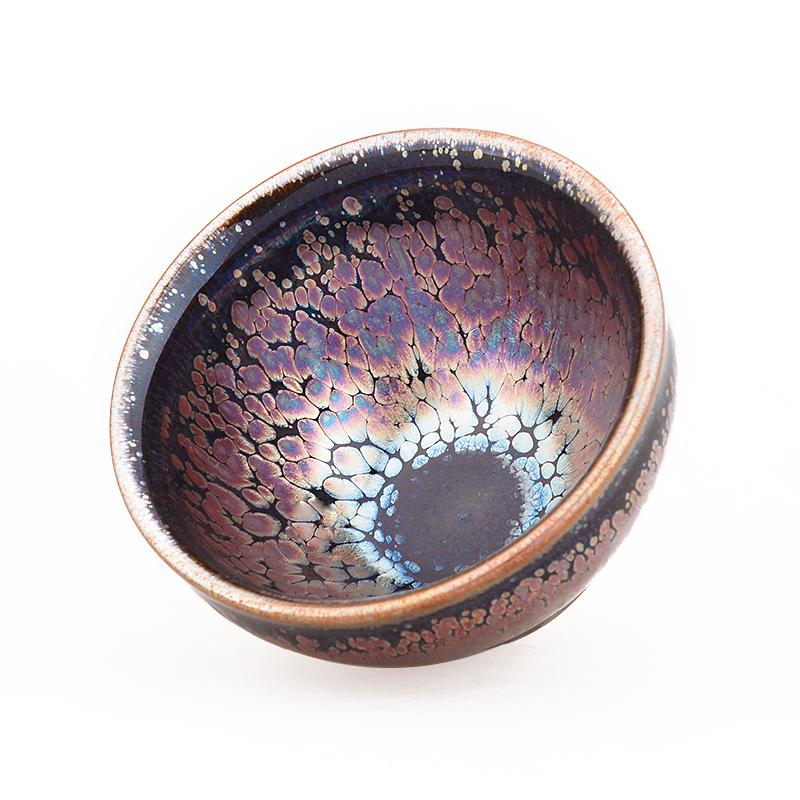
Oil spot patterns look like metallic droplets floating on a dark surface. Strong oil spot bowls can feel almost cosmic, like a night sky seen in a cup. The best examples have depth, contrast, and an even distribution of spots without looking mechanically repeated.
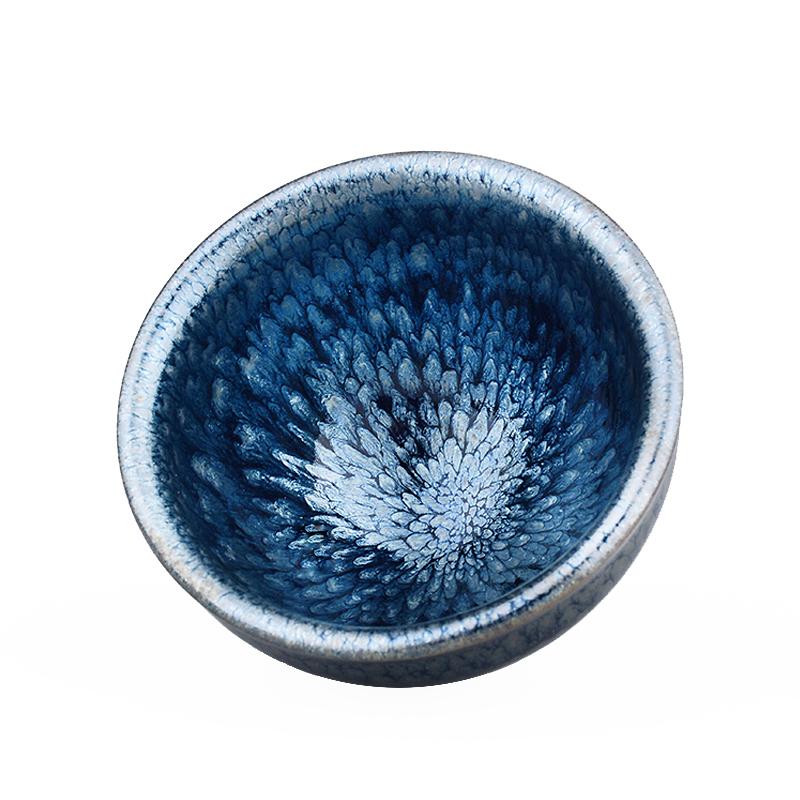
Partridge feather patterns are more dramatic. They can show clustered markings with a feather-like rhythm, often prized because they are harder to achieve convincingly. When the pattern has movement, balance, and natural variation, it can raise the value significantly.
For a buyer, the question is not only “Which pattern is rare?” but “Which pattern do I want to live with?” A daily gongfu tea cup should invite repeated use. A premium gift should feel special when opened. A collector’s bowl should reward close looking over time.
If you like classic elegance, browse hare’s fur pieces first. Browse our hare's fur Jianzhan series to compare line quality, tone, and cup shapes.
Is Japanese Tenmoku for Sale the Same as Chinese Jianzhan?
Not exactly, although the histories are connected. Jianzhan refers to the Chinese Jianzhan Tenmoku ceramic tradition from Jian kiln culture. Tenmoku is the Japanese reading connected to tea bowls admired and preserved in Japan. Over time, “tenmoku” became a broader term used in English for dark, iron-rich glazed tea bowls.
When you see japanese tenmoku for sale, it may refer to a bowl made by a Japanese potter, a Japanese-style tea bowl, or a seller using the term because Western buyers recognize it. When you see jianzhan, it usually points more directly to Jianzhan-style Jianzhan Tenmoku ceramic from China.
Neither term is automatically better. Japanese pottery has its own tea culture, forms, and aesthetics. Chinese jianzhan carries the direct lineage of Jian kiln Jianzhan Tenmoku ceramic and Song Dynasty glaze. A serious buyer should look beyond the name and ask practical questions: Who made it? Is it handmade? What is the glaze type? What are the dimensions? Is it intended for matcha, gongfu tea, or display?
For American buyers, a helpful analogy is wine. “Pinot Noir” tells you something, but region, producer, vintage, and farming matter. “Tenmoku” gives a category. The real value is in the specific piece.
How Do You Find the Best Value Jianzhan Without Overpaying?
The best value jian zhan is not necessarily the lowest-priced cup. It is the piece where craftsmanship, beauty, usability, and seller trust meet at a fair price. A $35 cup can be a poor value if the glaze is flat and the base wobbles. A $120 cup can be excellent value if it is handmade, comfortable, visually rich, and durable enough for regular tea sessions.
Start with your intended use. If you drink gongfu tea several times a week, prioritize hand feel, cup volume, lip comfort, and easy cleaning. If you are buying a gift for tea lovers, choose a visually expressive glaze and a presentation that feels considered. If you collect ceramics, look for maker background, firing details, and pattern quality.
Use this quick checklist before buying:
- Does the seller show clear photos of the inside, outside, foot ring, and lip?
- Are the dimensions listed in inches or millimeters?
- Is the piece described as handmade, wheel-thrown, hand-finished, or studio-made?
- Does the glaze effect look natural rather than printed or overly uniform?
- Is the cup stable when placed on a flat surface?
- Does the seller explain whether it is suitable for tea use?
Also watch for vague listings that use every luxury keyword without specifics. “Rare master antique museum tenmoku” means little if there is no maker, no firing description, no provenance, and no detailed photography.
For a balanced place to start, Explore our handmade Jianzhan tea cups and compare shapes, glaze patterns, and price levels side by side.
What Should Premium Lifestyle Buyers Look For in an Authentic Jianzhan Tea Cup?
A premium buyer is often looking for more than function. The cup should feel personal, sculptural, and gift-worthy. An authentic jian zhan tea cup should communicate craft without needing a long explanation.
First, look at depth. Good Jianzhan Tenmoku ceramic is rarely just “black.” It may shift from espresso to blue-black, bronze, silver, or amber under light. That layered effect is one reason a tenmoku tea bowl feels luxurious on a tea tray.
Second, look at proportion. A gongfu tea cup should not feel clumsy. Smaller cups concentrate aroma and encourage mindful sipping. A larger bowl may suit matcha, display, or Japanese-style tea settings, but it may feel oversized for Chinese gongfu tea.
Third, look for a glaze pattern that matches the recipient. Oil spot feels bold and dramatic. Hare’s fur feels classic and elegant. Partridge feather feels rare and expressive. For a gift, choose a pattern with immediate visual appeal.
Fourth, consider story. Premium lifestyle buyers often appreciate objects that carry cultural meaning. A tenmoku bowl connects Song Dynasty glaze, Japanese tea admiration, and modern handmade ceramics. It is a small object with a long conversation behind it.
Finally, avoid treating price as the only proof of quality. A higher price may reflect reputation, rarity, or low firing yield, but the cup still needs to be beautiful, usable, and honestly represented.
How Much Should You Spend on a Handmade Tenmoku Tea Cup as a Gift?
For most US gift buyers, a strong handmade tenmoku tea cup falls between $60 and $180. This range usually offers better glaze, better hand feel, and a more meaningful presentation than entry-level pieces while staying approachable for birthdays, holidays, housewarmings, and tea milestones.
If the recipient is new to tea, choose a cup that is easy to use and visually clear. A classic hare’s fur or oil spot cup is usually safer than an unusual collector shape. If the recipient already owns teaware, consider a more distinctive partridge feather or higher-grade oil spot piece.
At $200 and above, you should expect stronger reasons for the price: a known maker, exceptional glaze, rare firing effect, limited availability, or refined form. At this level, the cup becomes less like a kitchen accessory and more like a piece of functional art.
For a luxury analogy, think of the difference between a good department-store candle and a hand-poured niche fragrance candle. Both can create atmosphere, but one carries more material nuance, design intention, and gifting weight. A fine tenmoku tea bowl works the same way on the tea table.
FAQ: Tenmoku Tea Bowl Price and Value
Why tenmoku is expensive for such a small tea bowl?
Tenmoku is expensive because the glaze is difficult to make consistently. The iron-rich surface develops in a high-temperature kiln, and many pieces do not achieve the desired pattern, color, or finish. You are paying for skilled labor, firing risk, rarity, and the final beauty of the successful piece.
What is a fair tenmoku tea bowl price for beginners?
A fair tenmoku tea bowl price for beginners is often around $60 to $180 for a handmade daily-use cup. Lower prices can be fine for casual exploration, but premium glaze depth, stable form, and better finishing usually cost more.
How much does jian zhan cost if it is handmade?
Handmade jian zhan cost depends on the maker, glaze type, firing method, and rarity. Many modern handmade cups range from about $60 to several hundred dollars. Master-level or rare pieces can cost significantly more.
What is the best value jian zhan for gongfu tea?
The best value jian zhan for gongfu tea is a comfortable, stable, handmade cup with a natural glaze effect and practical size. Look for clear photos, honest descriptions, and a shape that suits repeated small pours.
Is an authentic jian zhan tea cup better than Japanese tenmoku?
One is not automatically better. An authentic jian zhan tea cup connects directly to Chinese Jian kiln Jianzhan Tenmoku ceramic traditions, while Japanese tenmoku reflects Japan’s tea culture and ceramic interpretation. Quality depends on the individual piece, maker, and glaze.
Are oil spot and partridge feather patterns worth paying more for?
They can be worth more when the pattern is natural, balanced, and difficult to reproduce. Oil spot and partridge feather effects often signal successful kiln chemistry. However, personal taste matters, so choose the piece you will enjoy using or giving.
Conclusion: Buy the Bowl, Not Just the Label
A tenmoku tea bowl is expensive when it represents real craft: iron-rich Jianzhan Tenmoku ceramic, demanding kiln work, a refined shape, and a glaze pattern that could not be mass-produced exactly the same way twice. The best pieces feel quiet at first, then reveal more every time light moves across the surface.
For beginners, start with a well-made handmade cup in a practical price range. For premium gift buyers, look for stronger glaze character, thoughtful presentation, and seller transparency. Whether you prefer Chinese jianzhan or Japanese tenmoku, the smartest purchase is the one that balances beauty, usability, and honest value.
When you are ready to compare forms and finishes, start with handmade Jianzhan pieces that show clear glaze detail and are made for real tea use.


Explore Our Collection
Ready to experience the world of tenmoku tea bowl? Browse our curated collection:
Disclaimer: This article is for informational purposes. Products and pricing subject to change.
Aktie:
Handmade Tenmoku Tea Bowl vs Mass-Produced: What's Right for Your Gongfu Tea?
The Tenmoku Tea Bowl: My Favorite Daily Ritual for Mindful Mornings