

Tenmoku Tea Bowl Price Guide: Why It Costs More and How to Choose Better Value
A tenmoku tea bowl costs more because it is not just a tea vessel; it is a small ceramic work shaped by clay, fire, an iron-rich glaze, and unpredictable kiln change. For gongfu tea, matcha, or a quiet evening tea ritual, a handmade tenmoku tea cup offers depth, texture, and visual movement that mass-produced cups rarely match.
If you are new to jianzhan, the price can look confusing. One bowl may be under $50, while another may cost hundreds or more. The difference usually comes down to clay quality, glaze difficulty, firing risk, finishing, artist reputation, and whether the piece has a rare or especially beautiful tenmoku glaze pattern.
Key Takeaways
- A tenmoku tea bowl is valued for its iron-rich glaze, kiln-fired effects, and historical connection to Jian ware and Song Dynasty glaze traditions.
- The main reason why tenmoku is expensive is that the best patterns cannot be fully controlled; fire, temperature, oxygen, and minerals all affect the final result.
- Jian zhan cost depends on clay, glaze pattern, firing success rate, hand finishing, rarity, and maker reputation.
- The best value jian zhan is not always the most expensive one. Look for balance, comfort, glaze depth, and honest product information.
- A handmade tenmoku tea cup can be a strong jianzhan tea cup gift for tea lovers, especially buyers who appreciate craft, history, and quiet luxury.
Why Is Tenmoku Expensive Compared With Regular Tea Cups?
The short answer: tenmoku is expensive because the result depends on skilled labor and a high-risk firing process. A regular ceramic cup can be made with predictable glaze and consistent color. A tenmoku tea bowl depends on a more dramatic interaction between iron, heat, and atmosphere inside the kiln.
Think of it like buying a hand-woven cashmere scarf instead of a factory fleece scarf. Both can keep you warm, but they do not carry the same material story, labor, texture, or sense of rarity. A good tenmoku tea bowl is similar. It is useful, but its value also comes from what happened during the making.
Traditional Jian ware, often called jianzhan, became famous in China during the Song Dynasty. Its dark clay body and iron-rich glaze created natural effects such as hare's fur, oil spot, and deep black-gloss surfaces. These bowls later influenced tea culture in Japan, where tenmoku forms became associated with tea ceremony aesthetics and the Japanese appreciation for imperfect, natural beauty.
The important point for US buyers is simple: you are not paying only for a bowl. You are paying for a process where many pieces may fail, only some succeed, and a smaller number become visually exceptional.
How Does Jianzhan Cost Reflect Craft, Rarity, and Labor?
Jian zhan cost usually reflects several layers of work. First, the clay body must be suitable for high-temperature firing. Many authentic jian zhan tea cup pieces use a darker clay body that works well with the iron-rich glaze. This gives the cup weight, heat retention, and the visual depth people associate with jianzhan.
Second, the glaze is not a simple painted surface. Tenmoku glaze contains minerals that react under intense heat. During firing, the glaze can run, crystallize, separate, or form fine streaks and spots. This is where kiln change matters. The maker can guide the process, but cannot fully command it.
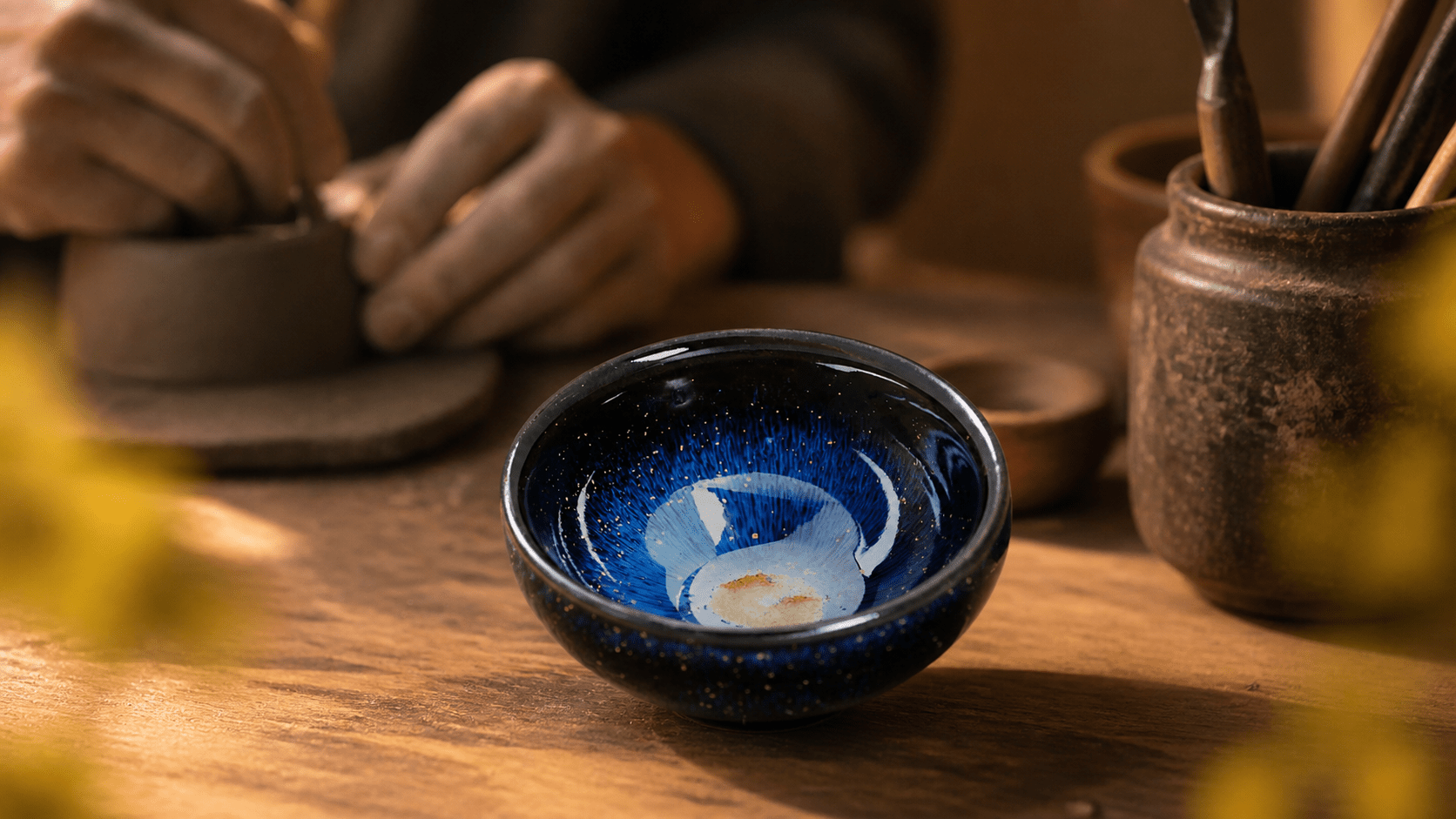
Third, each bowl must be shaped, trimmed, glazed, fired, inspected, and often finished by hand. Even when a potter uses tools, the best pieces still require close judgment. The rim must feel comfortable. The foot ring should sit steadily. The glaze should have character without looking messy or defective.
Finally, rarity increases value. A clean, balanced, richly patterned tenmoku tea bowl is harder to produce than a plain dark cup. Like a well-marbled steak, a natural sapphire, or a limited small-batch bourbon, the appeal comes partly from variation. No two high-quality pieces are exactly the same.
What Affects Tenmoku Tea Bowl Price the Most?
The tenmoku tea bowl price can vary widely, but most differences come from a few practical factors. Understanding them helps you avoid overpaying and makes it easier to recognize real value.
| Price Factor | Why It Matters | Buyer Tip |
|---|---|---|
| Glaze pattern | Oil spot, hare's fur, and deep kiln-change effects are harder to achieve cleanly. | Look for depth, movement, and balance rather than loud color alone. |
| Handmade process | A handmade tenmoku tea cup takes more labor than a molded factory cup. | Check for natural variation, clear photos, and honest descriptions. |
| Firing success rate | High-temperature firing can produce defects, so successful pieces carry more value. | Ask whether the piece is suitable for tea use, not just display. |
| Clay and glaze quality | Good materials affect texture, weight, heat retention, and visual richness. | A good cup should feel stable, not thin or cheap. |
| Maker reputation | Known artists or studios may command higher prices. | Pay more only when the provenance and quality justify it. |
| Size and purpose | A bowl for matcha, gongfu tea, or display may have different proportions. | Choose based on how you will actually use it. |
For beginners, the safest approach is to focus on the quality you can see and feel. Does the glaze look layered? Does the shape feel calm and balanced? Is the rim comfortable? Is the seller clear about what the cup is and what it is not?
Is a Tenmoku Tea Bowl the Same as a Matcha Bowl or Japanese Tea Bowl?
Not exactly. A tenmoku tea bowl can overlap with matcha bowl and Japanese tea bowl categories, but the terms are not identical.
A matcha bowl, or chawan, is used for whisking powdered green tea. It usually needs enough width and depth for the whisk to move comfortably. A Japanese tea bowl may refer to many styles used in Japanese tea ceremony, including raku, hagi, shino, and tenmoku-inspired forms.
A tenmoku tea bowl refers more specifically to a dark-glazed ceramic style connected to Jian ware and tenmoku glaze aesthetics. In Japan, tenmoku bowls became highly admired after Chinese Jian ware entered Japanese tea culture. That is why you may see both Chinese jianzhan and Japanese tenmoku references when researching the same visual tradition.
For American buyers, the practical difference is use. If you drink matcha, choose a wider bowl with enough space for whisking. If you drink oolong, black tea, or pu-erh in gongfu style, a smaller handmade tenmoku tea cup may be more practical. If you want a gift, consider how the recipient drinks tea before choosing the size.
What Is the Best Value Jianzhan for Beginners?
The best value jian zhan is usually a well-made, usable cup with a beautiful but not ultra-rare glaze. You do not need to start with the most expensive piece. A carefully chosen entry-level or mid-range cup can still offer the main experience: warmth in the hand, dark glaze depth, and the feeling of a small object shaped by fire.
Look for these signs of good value:
- Comfortable size: For gongfu tea, many buyers prefer smaller cups that make each pour feel intentional.
- Stable foot: The cup should sit flat and not wobble.
- Smooth rim: The drinking edge should feel clean and pleasant.
- Glaze depth: A good tenmoku glaze should have visual layers, not just a flat black coating.
- Honest description: Avoid sellers making unsupported claims about masters, certificates, or rare origins without proof.
- Clear photos: You should be able to see the inside, outside, foot ring, and close-up glaze texture.
If you are shopping for yourself, start with a cup you will actually use. If you are buying a jianzhan tea cup gift, choose a balanced design rather than the most dramatic one. A clean hare's fur or oil spot surface often feels premium without being too loud.
You can Explore our handmade Jianzhan tea cups if you want to compare shapes, glaze styles, and gift-friendly options in one place.
How Do Song Dynasty Glaze Traditions Influence Modern Tenmoku Value?
The value of a tenmoku tea bowl is partly historical. Jian ware became especially important during the Song Dynasty, when tea culture was refined, visual, and highly ritualized. Dark bowls were appreciated because they made pale tea foam stand out beautifully.
That history still matters today because it gives the object cultural depth. A modern jianzhan cup is not an antique simply because it uses the style, but it can carry the influence of that older ceramic language. The dark body, iron-rich glaze, and kiln change effects all point back to a tradition that has been admired for centuries.
For premium lifestyle buyers in the United States, this is similar to choosing hand-thrown stoneware over a plain department-store mug. You may be buying it for daily use, but you also want the piece to have a story. The story should be real, simple, and grounded in craft, not inflated with fake prestige.
That is also why buyers should be careful with exaggerated claims. A cup can be beautiful without being called museum-grade. A maker can be skilled without being presented as a legendary master. Real value is stronger when the language stays honest.
Which Tenmoku Glaze Styles Are Worth Considering?
Several glaze styles appear often in the tenmoku and jianzhan world. Each creates a different mood and price range.
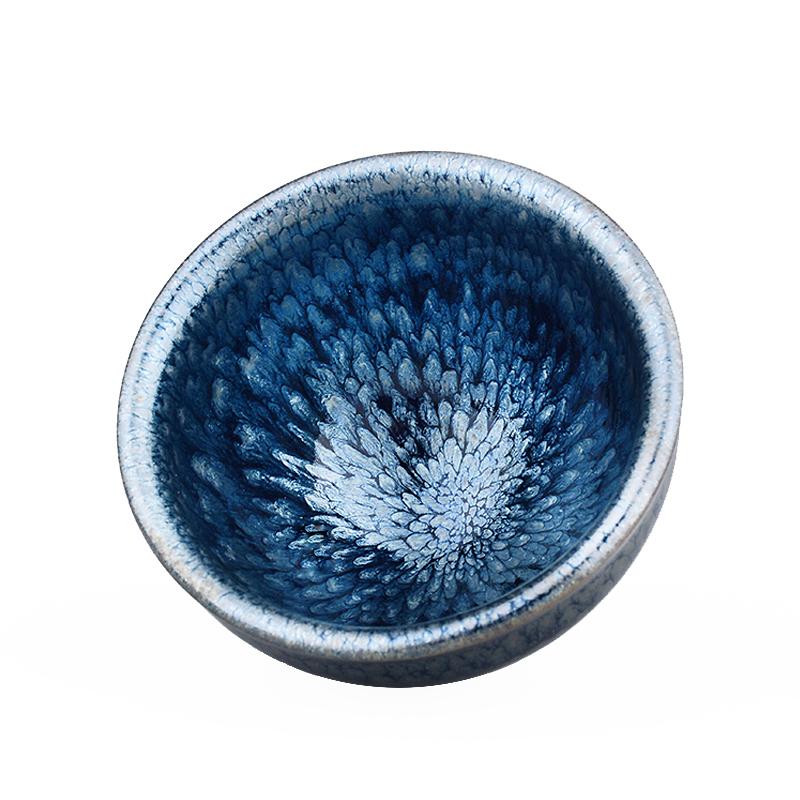
Hare's fur glaze shows fine streaks running down the cup. The lines can look like rain, feathers, or brushed metal. It is one of the most recognizable Jian ware styles and often a good balance of beauty and value.
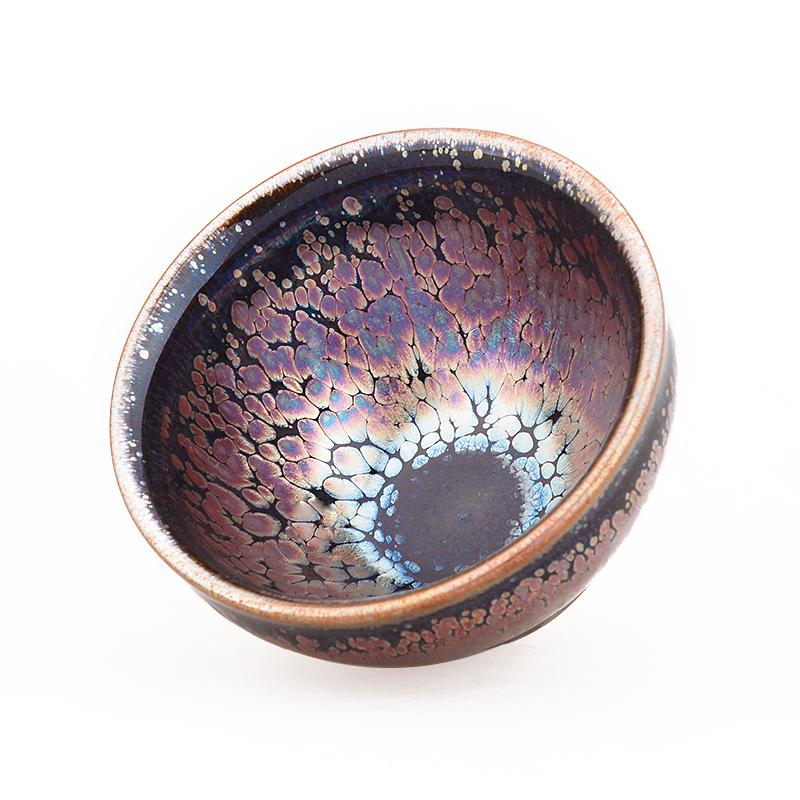
Oil spot glaze creates small reflective spots across the dark surface. A strong oil spot effect can feel luxurious, almost like stars scattered across black glass. Clean and evenly developed oil spot patterns may raise the tenmoku tea bowl price.
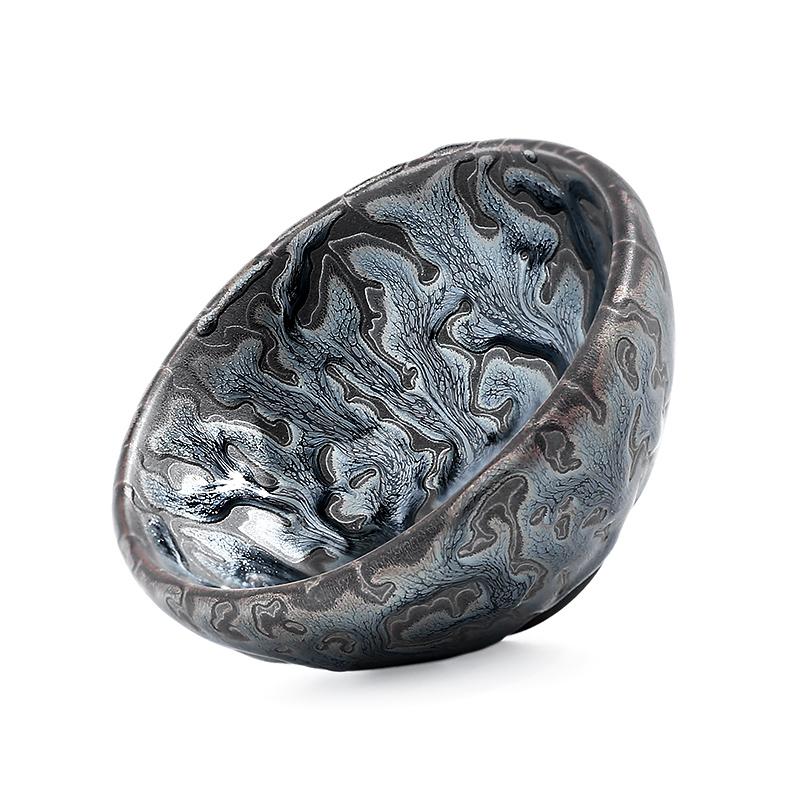
Black glaze can be understated and elegant. It may cost less than dramatic kiln-change pieces, but a good black-glazed cup can still feel refined and timeless.
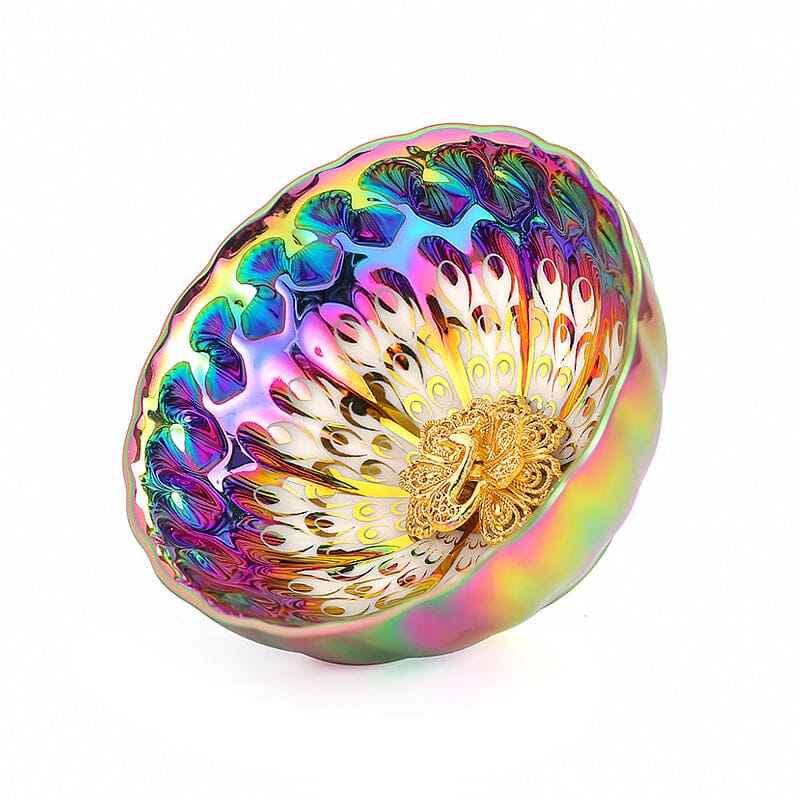
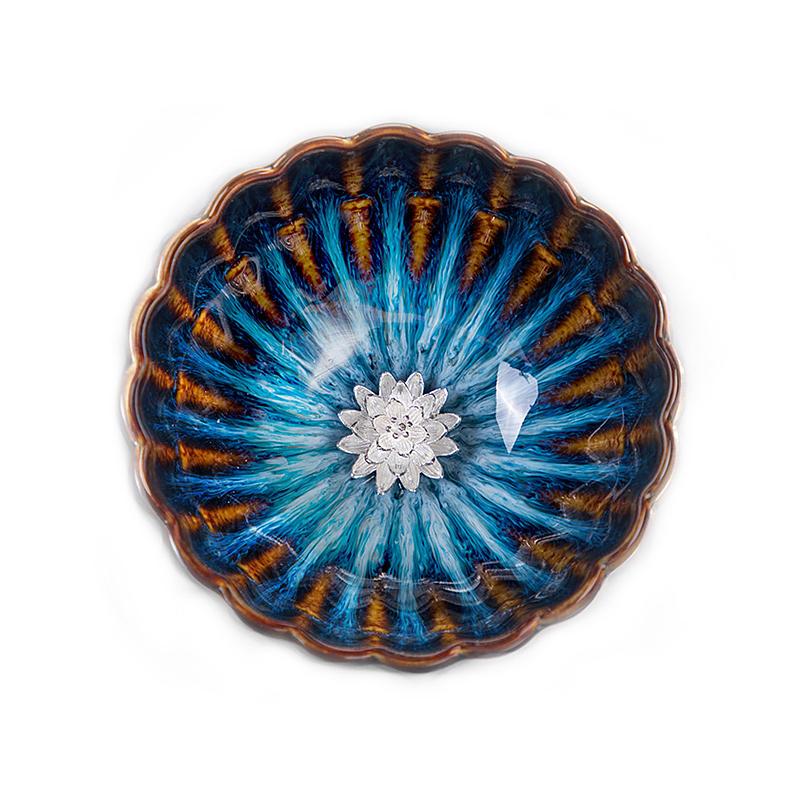
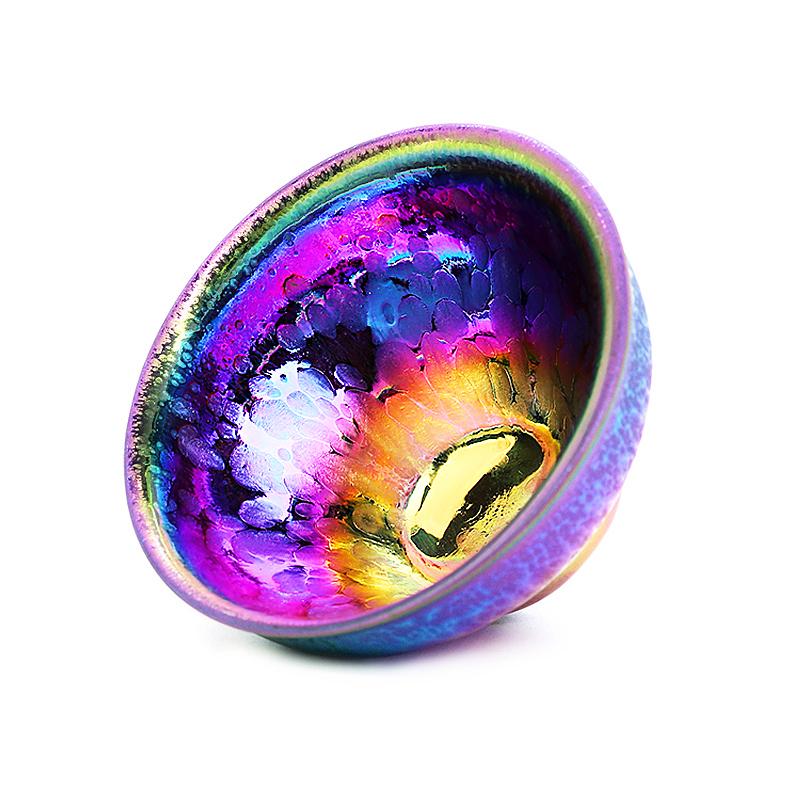
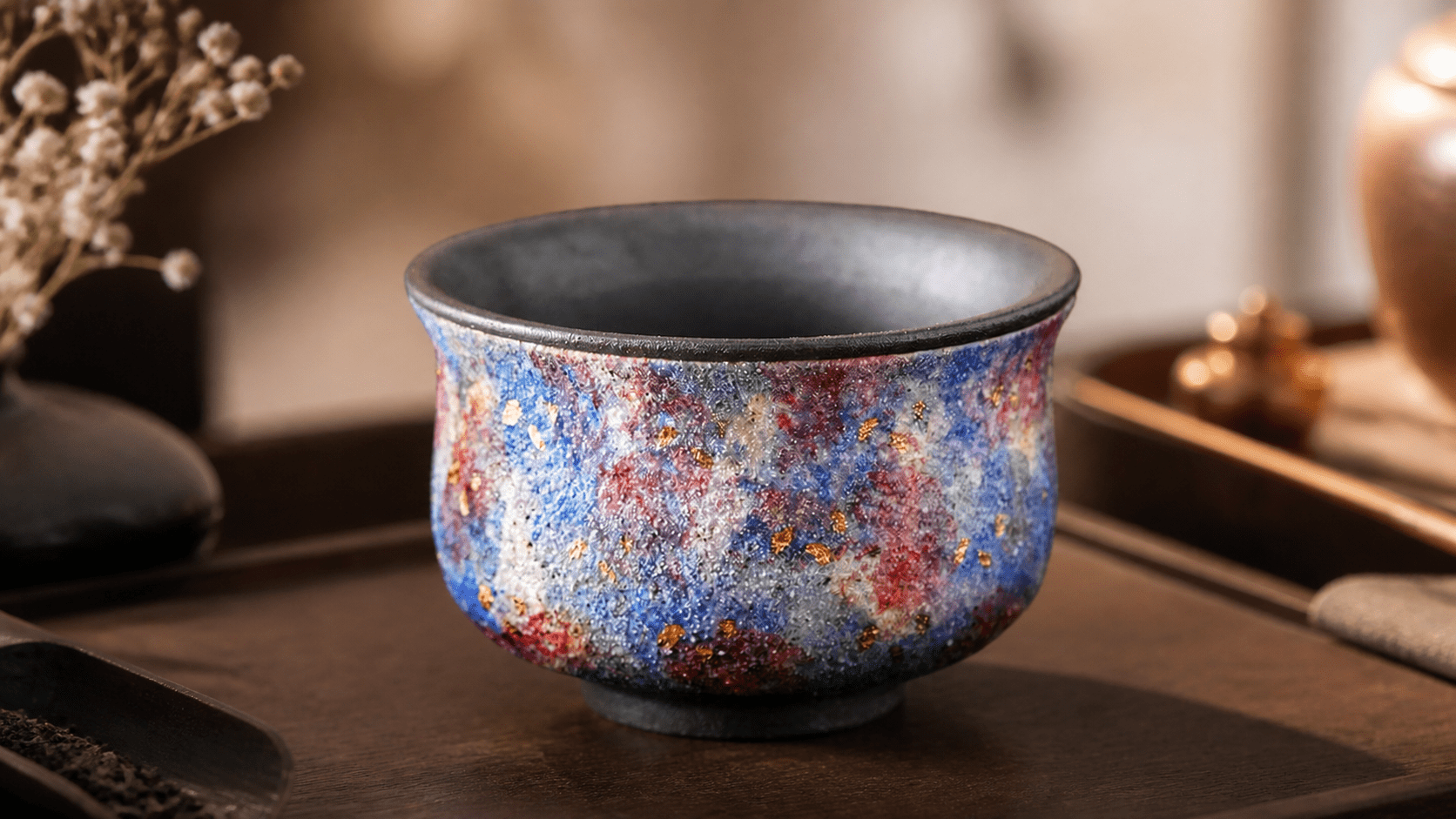
Color-shift or kiln-change glaze can show blues, bronze, silver, or iridescent effects. These pieces can be striking, but buyers should look for harmony. A cup that is too flashy may lose the calm quality many people want from tea ware.
If you like vertical movement and classic tradition, Browse our hare's fur Jianzhan series. It is often a strong choice for buyers who want a recognizable tenmoku look without chasing the rarest price tier.
How Should You Judge an Authentic Jianzhan Tea Cup Before Buying?
To judge an authentic jian zhan tea cup, start with the product information and photos. You want enough detail to understand the cup, but not so much dramatic language that it feels suspicious.
Use this quick checklist:
- Purpose: Is it made for drinking tea, display, matcha, or gongfu tea?
- Material description: Does the seller explain the clay body and glaze in plain language?
- Glaze clarity: Are close-up photos provided?
- Rim and foot: Can you see the drinking edge and base?
- Size: Are dimensions and capacity listed?
- Care guidance: Does the seller explain cleaning and use?
- Claims: Are artist, origin, and rarity claims supported?
For gifts, also consider presentation. A jianzhan tea cup gift should feel special when opened. The cup does not need to be covered in luxury branding, but it should arrive clean, protected, and easy to understand. A short care card or cultural note can help a beginner appreciate what they received.


FAQ: Tenmoku Tea Bowl Price, Value, and Buying Questions
Why is tenmoku expensive?
Tenmoku is expensive because it combines hand shaping, mineral-rich glaze, high-temperature firing, and unpredictable kiln change. Many pieces may not achieve the desired pattern, so successful bowls with beautiful glaze depth carry more value.
What is a fair jian zhan cost for beginners?
A fair jian zhan cost for beginners depends on size, glaze, and maker, but entry and mid-range pieces often provide the best balance. Instead of chasing the highest price, look for a comfortable shape, stable foot, clear glaze photos, and honest product details.
How much should I expect the tenmoku tea bowl price to vary?
The tenmoku tea bowl price can vary from affordable handmade cups to expensive collectible bowls. Factors include glaze rarity, firing success, clay quality, artist reputation, and whether the piece is made for daily tea use or collection.
What is the best value jian zhan for gongfu tea?
The best value jian zhan for gongfu tea is usually a smaller handmade cup with a stable shape, smooth rim, and balanced glaze. Hare's fur and classic dark-glazed cups are often good choices because they feel traditional, usable, and visually rich without being overly expensive.
Is a tenmoku tea bowl good as a gift for tea lovers?
Yes. A tenmoku tea bowl or handmade tenmoku tea cup can be an excellent gift for tea lovers because it is practical, beautiful, and culturally meaningful. For a jianzhan tea cup gift, choose a versatile size and a glaze pattern that feels elegant rather than too experimental.
Is tenmoku the same as jianzhan?
They are closely related but not always used the same way. Jianzhan usually refers to Jian ware tea bowls from the Chinese tradition, while tenmoku is a term widely used in Japan and internationally for dark, iron-rich glazed tea bowls inspired by that tradition.
Can I use a tenmoku bowl as a matcha bowl?
You can use some tenmoku bowls as a matcha bowl if the shape is wide enough for whisking. Smaller jianzhan cups are better for gongfu tea, while wider bowls are better for matcha preparation.
Conclusion: Pay for Craft, Not Hype
A tenmoku tea bowl is expensive when it carries real craft value: good clay, strong form, iron-rich glaze, successful kiln change, and a finish that feels good in daily use. The best piece is not always the rarest or most dramatic. It is the one that makes your tea ritual feel more focused, more tactile, and more personal.
If you are buying your first bowl, choose clarity over hype. Look for honest descriptions, clear photos, practical size, and a glaze that you want to look at every day. For tea lovers, that kind of quiet value often lasts longer than trend-driven luxury.
When you are ready to compare styles, start with handmade Jianzhan tea cups and classic hare's fur pieces. They offer a strong entry point into the world of tenmoku glaze, Japanese tea influence, and Song Dynasty ceramic beauty without requiring you to become a collector first.
Explore Our Collection
Ready to experience the world of tenmoku tea bowl? Browse our curated collection:
Disclaimer: This article is for informational purposes. Products and pricing subject to change.
Aktie:
Why Are Tenmoku Tea Bowls So Expensive? The True Value Behind the Price
Real vs Fake Tenmoku Tea Bowls: A Complete Identification Guide