

Why Are Tenmoku Tea Bowls So Expensive? The Craft & Luxury Behind Japanese Tea Bowls
Tenmoku tea bowls can cost anywhere from $200 to over $10,000 — and the reasons come down to high‑stakes fire alchemy, a microscopic glaze lottery, and an artistic tradition that treats each bowl like a one‑of‑a‑kind sculpture. If you've ever wondered why a simple dark‑glazed cup commands prices comparable to a fine Swiss watch, you're about to discover the handcrafted magic, rarity, and cultural depth that make these Japanese tea bowls true luxury objects.
What Is a Tenmoku Tea Bowl?
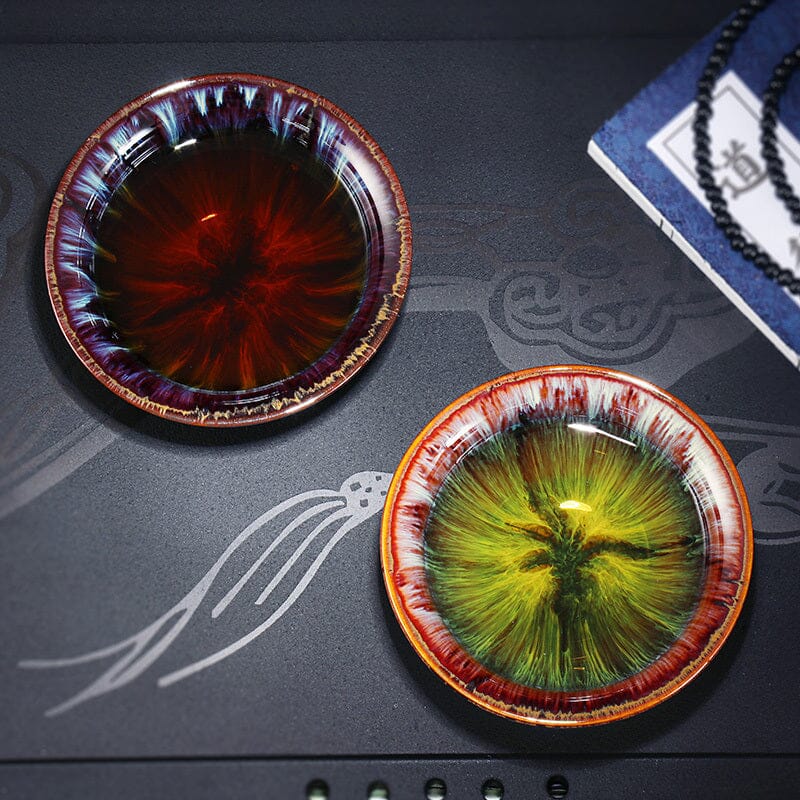
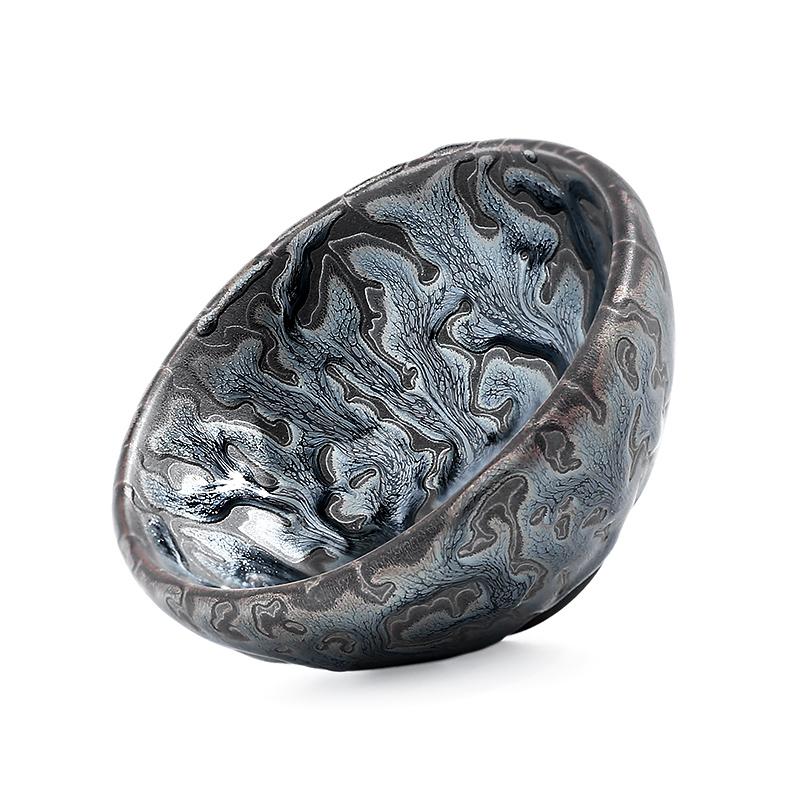
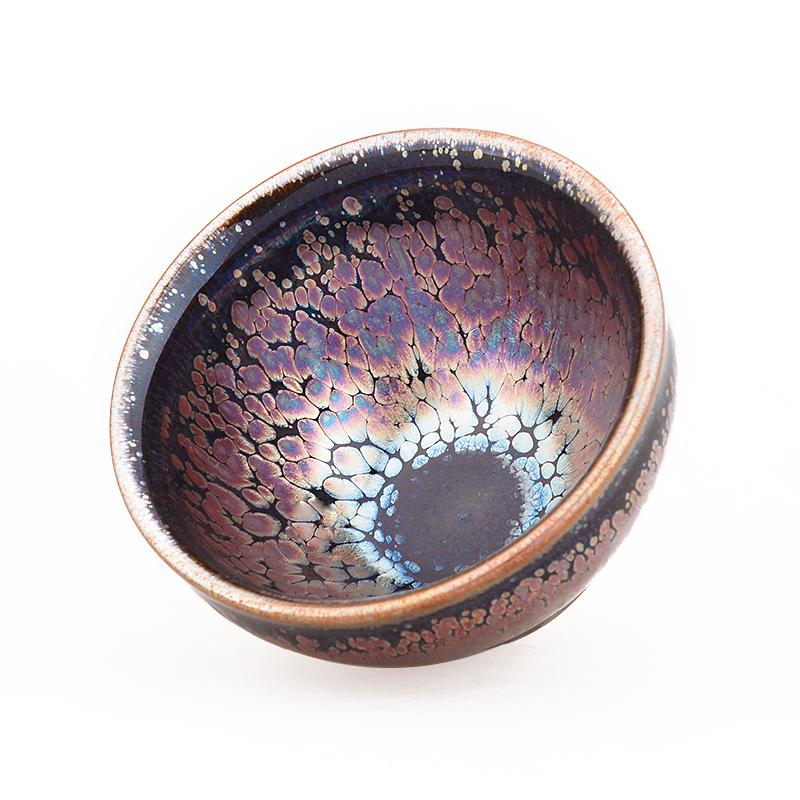
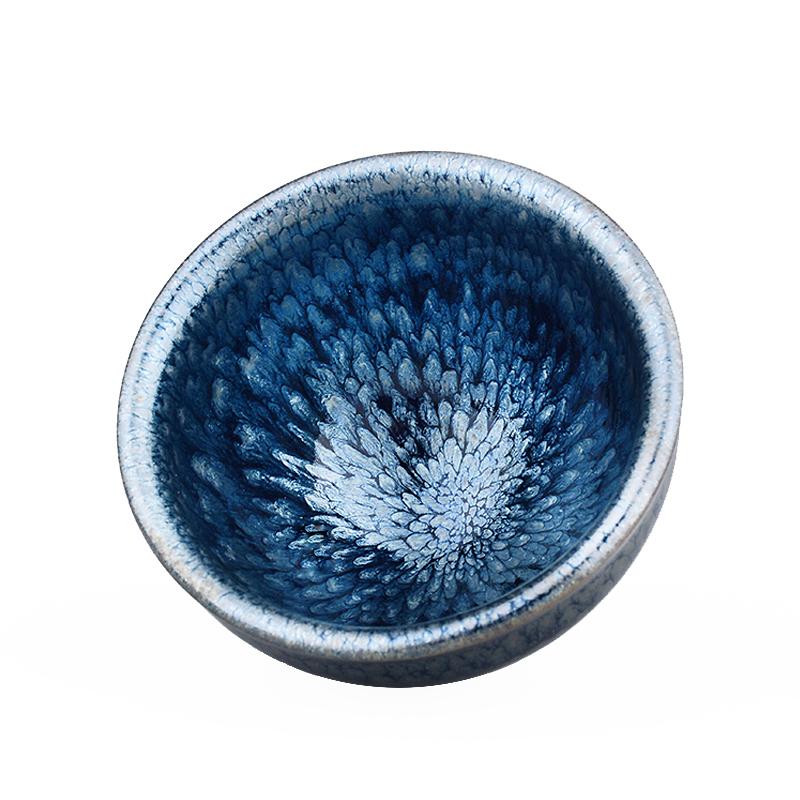
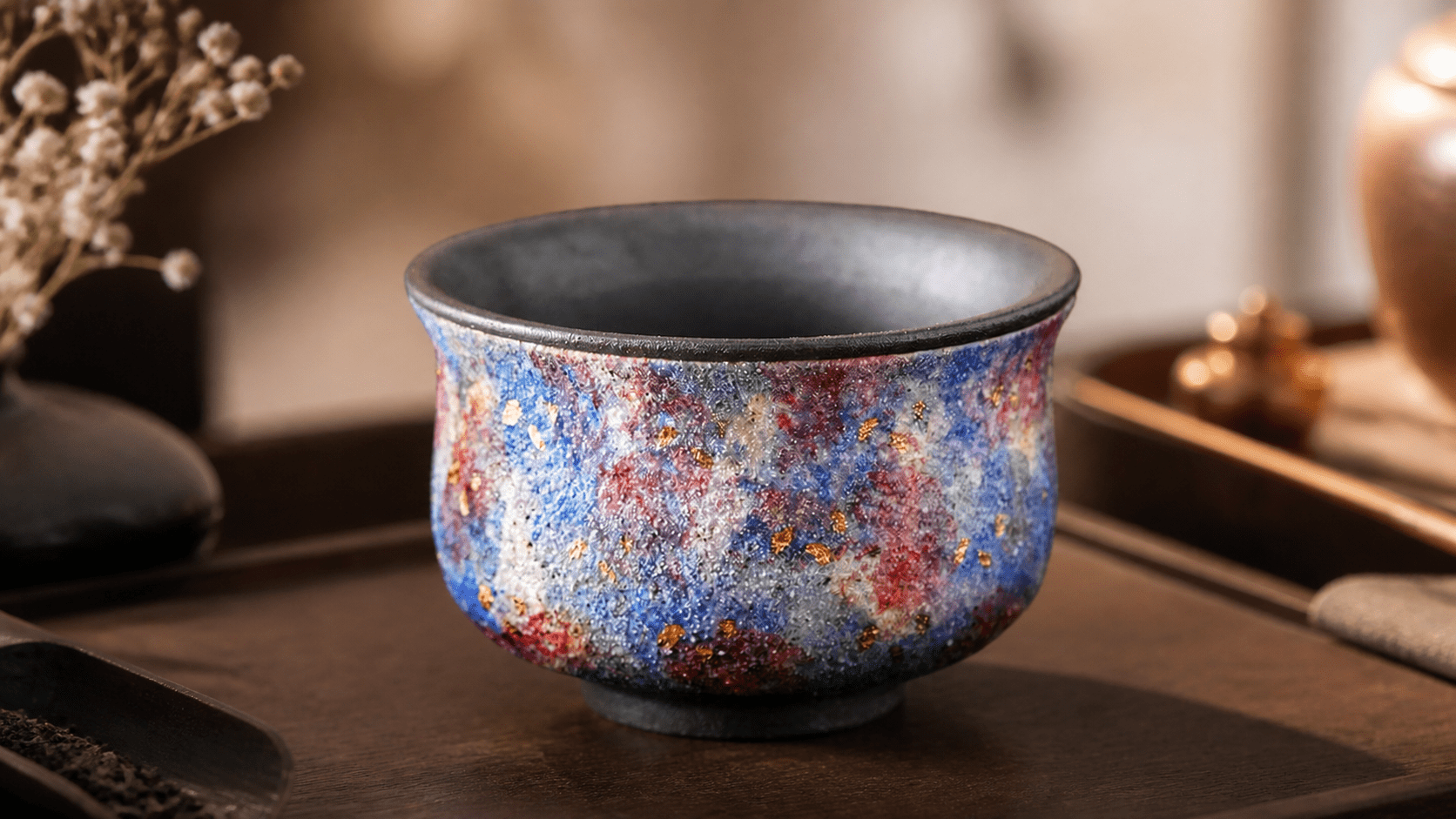
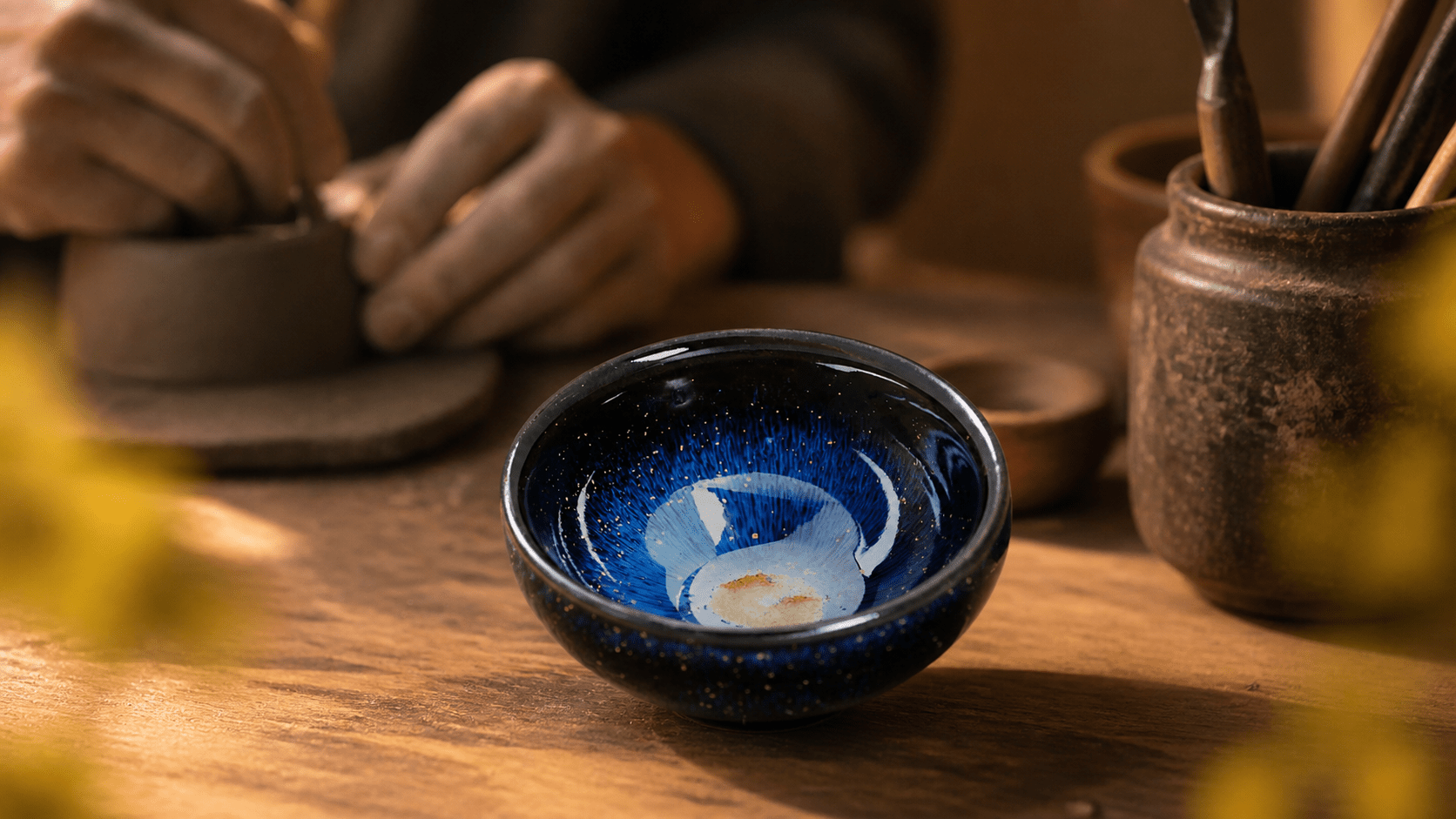
A tenmoku tea bowl is a stoneware vessel with a dark, iron‑rich glaze that produces mesmerizing crystalline patterns — most famously oil spots, hare’s fur, and yuteki. The style originated in China (as Jianzhan) during the Song Dynasty, but was perfected and deeply embraced by Japanese tea culture after monks brought the bowls back from Mount Tianmu (Tenmoku in Japanese). Today, the term "tenmoku" refers to the Japanese tradition of hand‑making these bowls specifically for matcha and powdered green tea.
In the US, think of a tenmoku bowl as the tea world's equivalent to a hand‑blown Venetian wine glass: functional, but truly an experiential art piece.
Why It Matters: More Than Just a Cup
In a world of mass‑produced mugs, a tenmoku tea bowl stands as a rebellion against uniformity. Owning one connects you to a 900‑year legacy of Zen mindfulness. For premium lifestyle buyers, it signals a refined taste for objects that marry utility, history, and imperfection — the Japanese concept of wabi‑sabi. This isn't a cup you grab from a cupboard; it's a daily meditation tool and a conversation centerpiece.
Key Benefits of a Tenmoku Tea Bowl
- One‑of‑a‑kind art: No two kiln effects are ever identical. You own a unique piece.
- Enhanced tea experience: The thick stoneware retains heat perfectly and the dark glaze makes the vibrant green of matcha pop visually.
- Collectible investment: Works by master potters (like Living National Treasures) appreciate over time.
- Mindful ritual: The weight, texture, and warmth invite you to slow down.
Who Should Buy a Tenmoku Tea Bowl?
- Tea enthusiasts who want to elevate their matcha or loose‑leaf tea ritual beyond a regular mug.
- Art collectors seeking a functional ceramic with deep historical roots and unpredictable beauty.
- Mindfulness seekers looking for a daily tactile anchor for meditation.
- Luxury gift shoppers who need a meaningful present for a design‑conscious friend or executive.
Why Is Tenmoku So Expensive? The Craft & Labor Explained
Here’s where the luxury analogies get real. Making a true tenmoku bowl is like a high‑risk culinary experiment at a 3‑Michelin‑star restaurant — except the "kitchen" is a 1300°C wood‑fired kiln, and the "ingredients" are extremely sensitive glaze recipes that can easily fail. Here are the three main cost drivers:
1. The Kiln Alchemy: Fire, Timing & Luck
Tenmoku glazes are thick iron‑oxide recipes that must be fired in a reduction atmosphere (oxygen‑starved) to draw out metallic crystals. Potters spend decades learning exactly where to place the bowl in the kiln, how long to soak the temperature, and when to crash‑cool. Even masters face a success rate as low as 20% — the rest come out muddy brown, blistered, or cracked. Each usable bowl is a survivor of a fiery trial.
2. Microscopic Masterpieces: The Glaze Lottery
The iconic oil‑spot and hare’s fur patterns are formed by iron crystallization on the glaze surface. These effects are so sensitive that a 5‑degree difference or a slight draft in the kiln can change the outcome completely. A perfect, symmetrical field of silvery oil spots is rarer than a flawless diamond. Japanese connoisseurs grade bowls much like gemologists grade stones — clarity, distribution, and luster matter. Premium examples fetch auction prices comparable to contemporary art.
3. Human Hours: Man‑Made, Not Machine‑Made
From hand‑wedging the clay to throwing on a wheel, trimming a perfect foot ring, mixing the glaze from raw minerals, and multiple multi‑day firings, a single tenmoku bowl can represent over 80 hours of artisan labor. Master potters in Japan’s historic kiln towns like Seto or Bizen often produce only 30–50 pieces a year. When you buy a tenmoku bowl, you’re paying for a living artist’s lifetime of skill, not a factory line.
A Quick Comparison: Tenmoku vs. Everyday Tea Cups
| Feature | Tenmoku Tea Bowl | Standard Ceramic Mug | Fine Porcelain Teacup |
|---|---|---|---|
| Uniqueness | Every piece is one‑of‑a‑kind | Mass‑produced, identical | Often decal‑printed, limited variation |
| Heat Retention | Excellent; thick stoneware holds warmth | Moderate | Thin walls cool quickly |
| Craftsmanship | Hand‑thrown, wood‑fired, master artisan | Machine‑pressed, factory‑glazed | Slip‑cast, uniform |
| Price Range | $200 – $10,000+ | $5 – $20 | $15 – $100 |
| Best For | Mindful tea ritual, art collection | Morning coffee, daily use | Formal afternoon tea, display |
Real‑Life Scenarios: How a Tenmoku Bowl Fits Into Your Day
- Morning Matcha Ritual: Hold the warm, heavy bowl as you whisk matcha. The dark glaze makes the bright green froth feel like a jewel.
- Guest Entertaining: Serve single‑origin sencha in tenmoku bowls; your guests will ask about the pattern’s story.
- Meditation Corner: Place a bowl on your desk or shelf as a visual anchor — its random beauty invites calm focus.
- Gift of Excellence: Give one to a boss, mentor, or partner — it’s far more personal than a luxury watch box.
Care Tips: Protecting Your Investment
- Hand wash only with lukewarm water and mild soap. Never use abrasive scrubbers.
- Avoid microwave and dishwasher. The iron‑rich glaze can react and the thermal shock may crack the bowl.
- No sudden temperature changes. Warm the bowl gradually; never pour boiling water directly onto a cold bowl.
- Allow tea patina to develop. Over time, the bowl’s interior will deepen in tone — this is prized, not a defect.
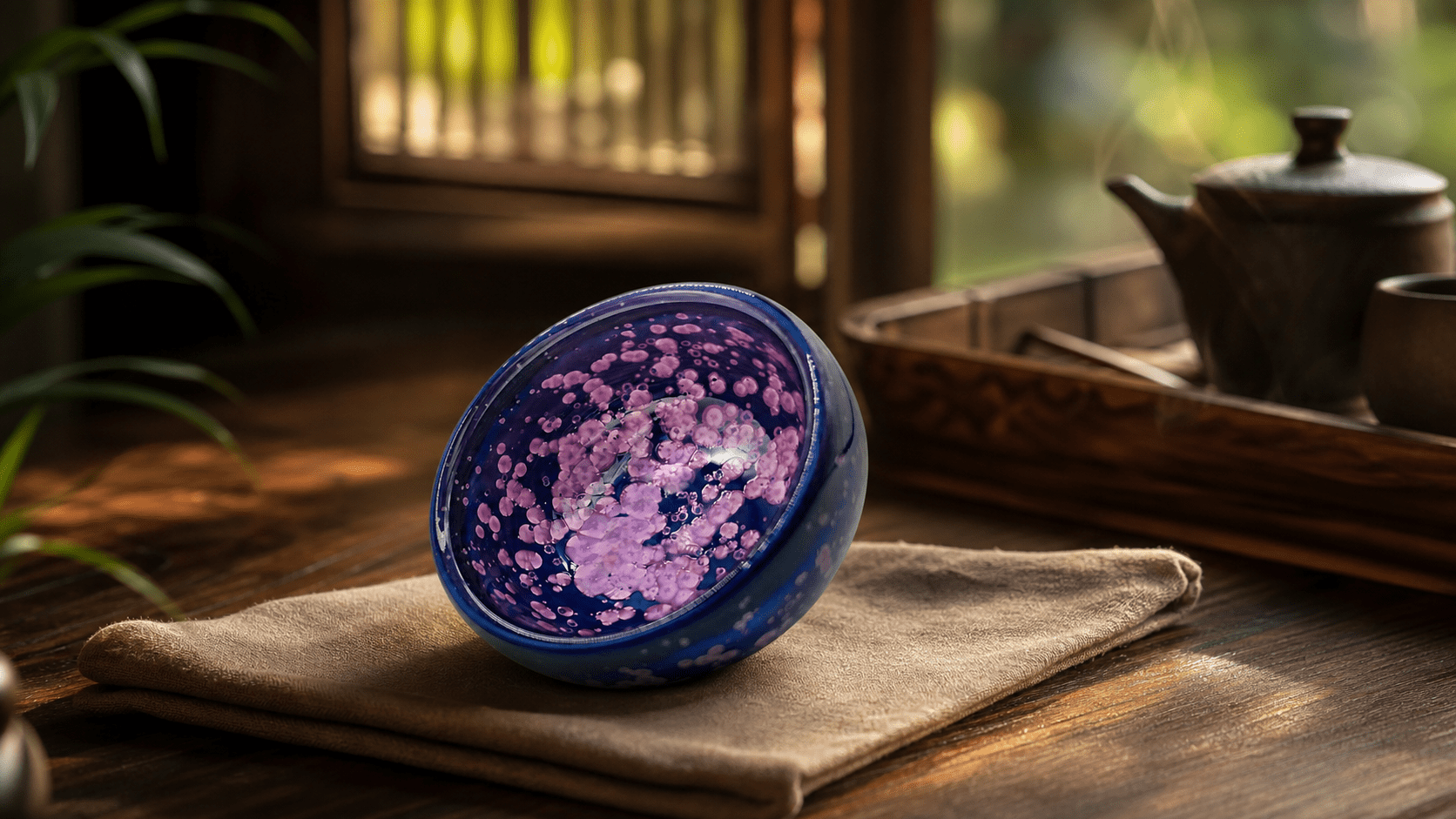
- Store carefully on a soft cloth or in its wooden box (tomobako) when not in use.
FAQ: Your Tenmoku Bowl Questions Answered
Why are tenmoku tea bowls so expensive?
The high cost comes from the labor‑intensive handcrafting, a firing process with a very high failure rate, the rarity of perfect glaze patterns like oil spots, and the cultural cache of master Japanese potters. Each bowl is a unique work of art that cannot be replicated.
How can I tell a real tenmoku bowl from a fake?
A genuine tenmoku bowl will show slight irregularities in shape (from wheel‑throwing), a distinctive dark iron‑rich glaze with visible crystalline structures, and a foot ring that reveals the natural clay body. It often comes with the artist’s seal or a signed box. Look for reputable US sellers who source directly from Japanese kilns.
Can I use a tenmoku bowl for coffee or other drinks?
Yes, but traditionalists use them only for tea — especially matcha. The porous clay can absorb flavors, so if you switch between coffee and tea, the bowl may pick up lingering notes. Many collectors reserve one solely for matcha to preserve its purpose.
Are tenmoku bowls microwave or dishwasher safe?
No. The iron content in the glaze can cause sparking in the microwave, and dishwasher detergents can dull the delicate crystalline surface. Hand care is essential to protect your investment.
Do tenmoku bowls keep tea hotter for longer?
Absolutely. The thick stoneware body acts as a thermal reservoir, absorbing heat and releasing it slowly — perfect for the 15‑minute mindful sip session.
What makes an oil‑spot pattern so desirable?
Oil spots are formed by liquid‑phase separation of iron crystals during cooling. A uniform field of silver, mirror‑like spots against a deep black ground is extremely difficult to achieve, making these the most coveted and valuable tenmoku bowls.
Conclusion: The Price Is a Reflection of Art, Not Function
A tenmoku tea bowl is expensive for the same reason a handcrafted Swiss chronometer is: it transforms an everyday act into something transcendent. With each piece surviving a kiln’s fire lottery, you’re not buying a cup — you’re commissioning a moment of frozen chance, held in your hands. Ready to make your daily tea ritual extraordinary? Explore our curated collection of authentic Japanese tenmoku bowls and find the one that speaks to you.
Compartir:
Why Are Japanese Tenmoku Tea Bowls So Expensive? The Art, Risk, and Rarity Explained
Real vs Fake Tenmoku Tea Bowl: How to Spot Authentic Japanese Craftsmanship