Vente de Pâques: Achetez 3 Obtenez le 4e gratuit!

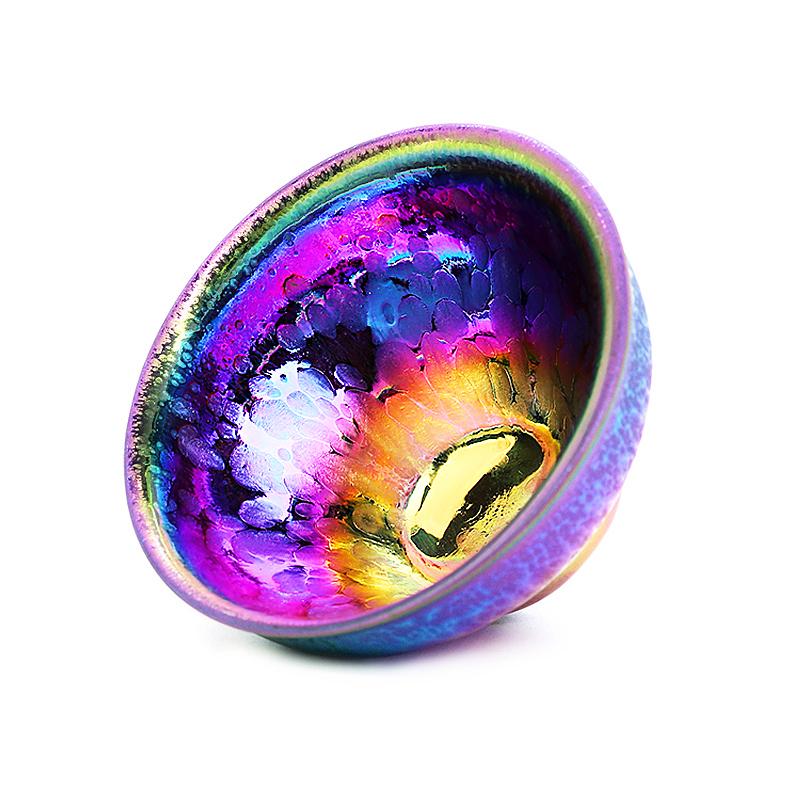
Prendre soin du Jianzhan est l'un des plaisirs que Jianzhan offre aux amateurs de thé, et de nombreux amateurs s'efforcent de cultiver l'éblouissante « lumière aux sept couleurs ». Récemment, de nombreuses personnes se sont demandées en ligne : quel Jianzhan est le plus facile à entretenir ? Comment cultiver la lumière aux sept couleurs ? Pour répondre à ces questions, il est essentiel de comprendre les « trois choses à éviter » à Jianzhan. Alors, quelles sont ces « trois choses à éviter » ? Découvrons-les ensemble !

« Ne soyez pas économe. »

Pour cultiver une « aura arc-en-ciel » éblouissante, il existe une étape cruciale à ne pas manquer : le choix de la théière.

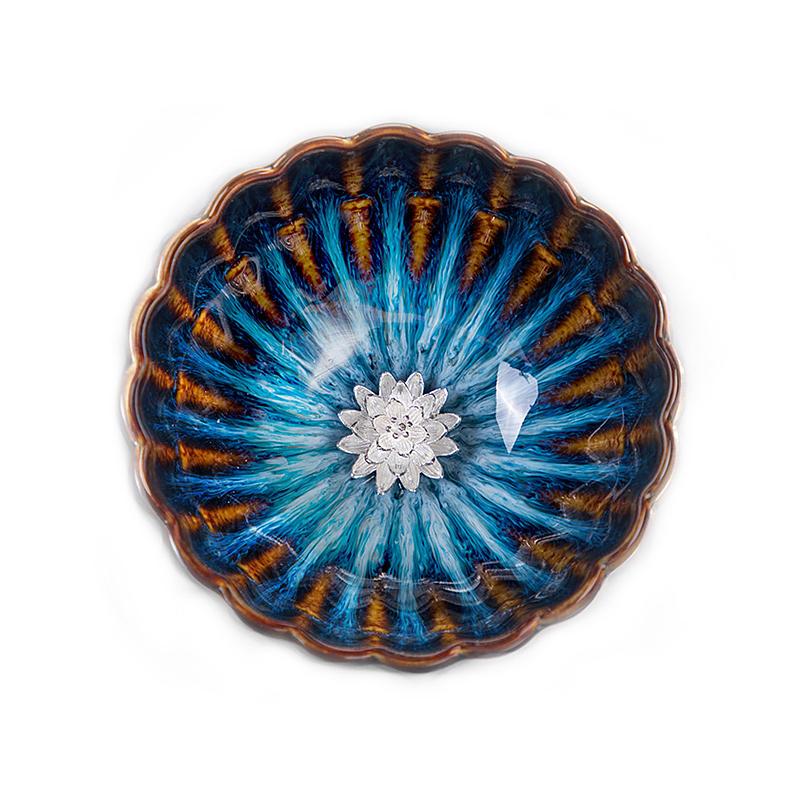
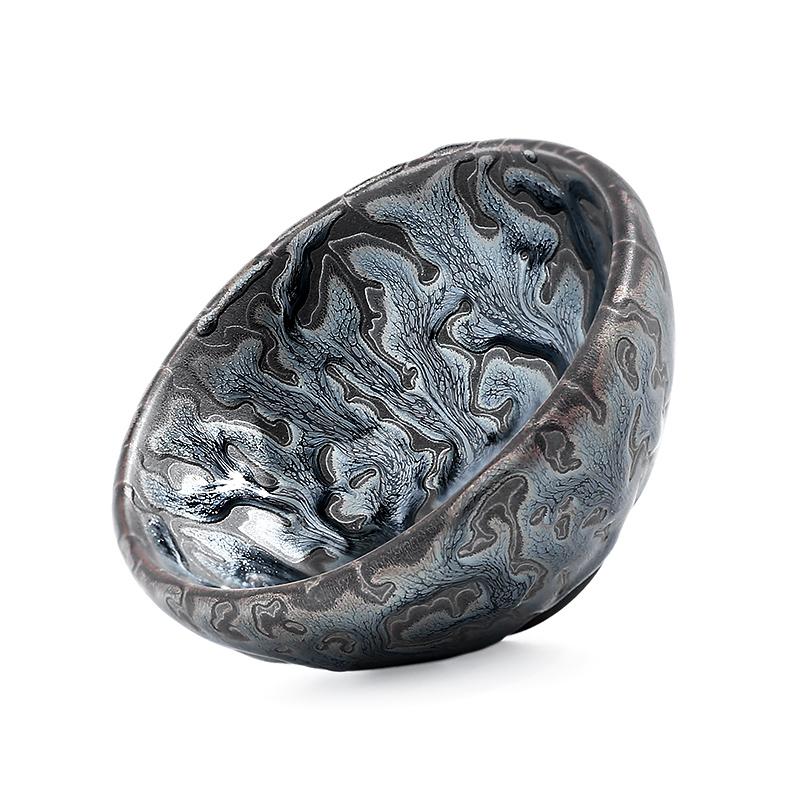
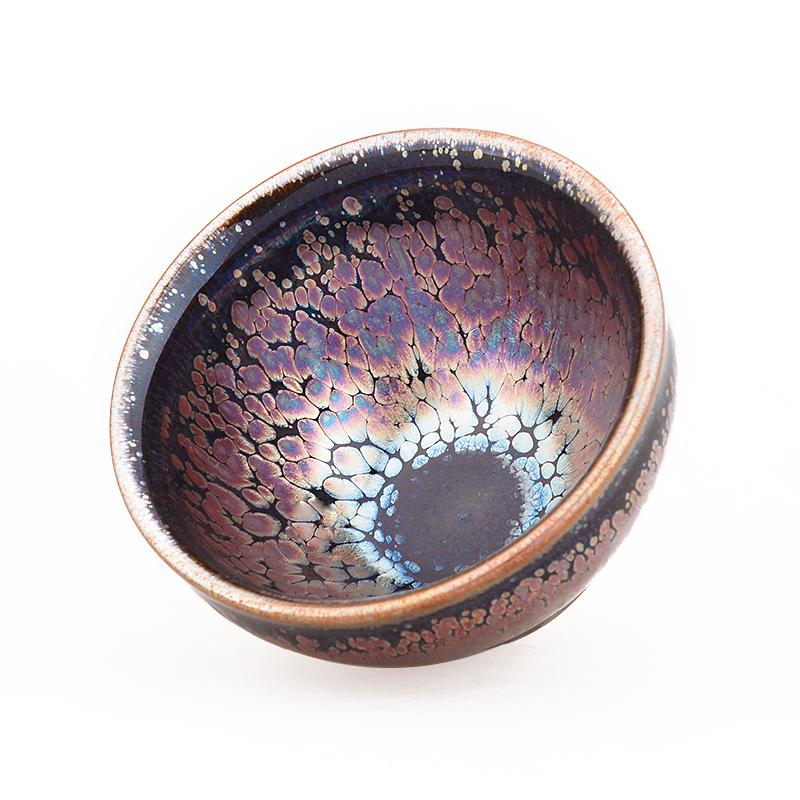
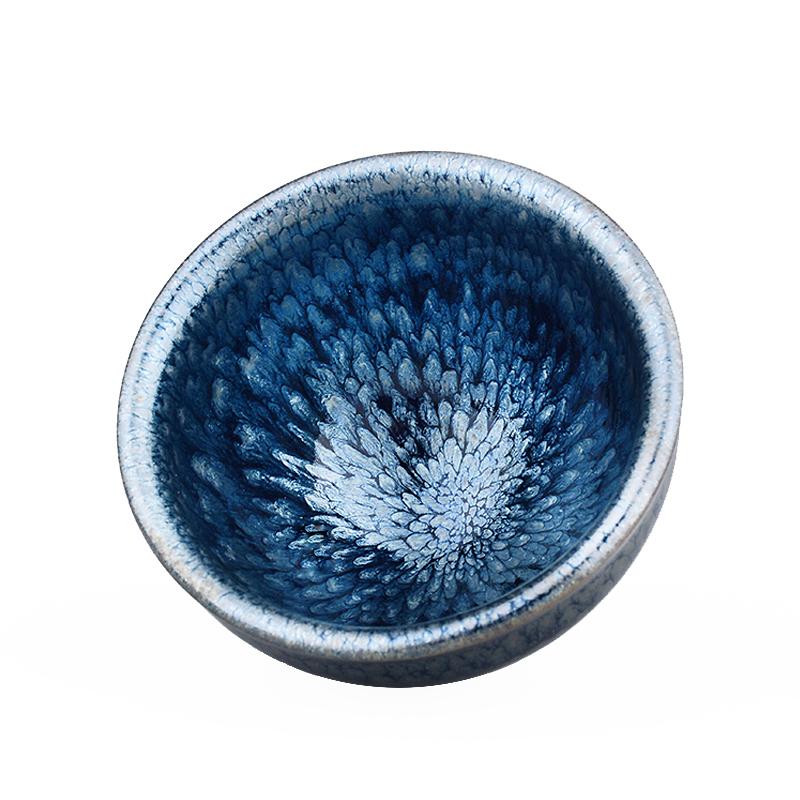
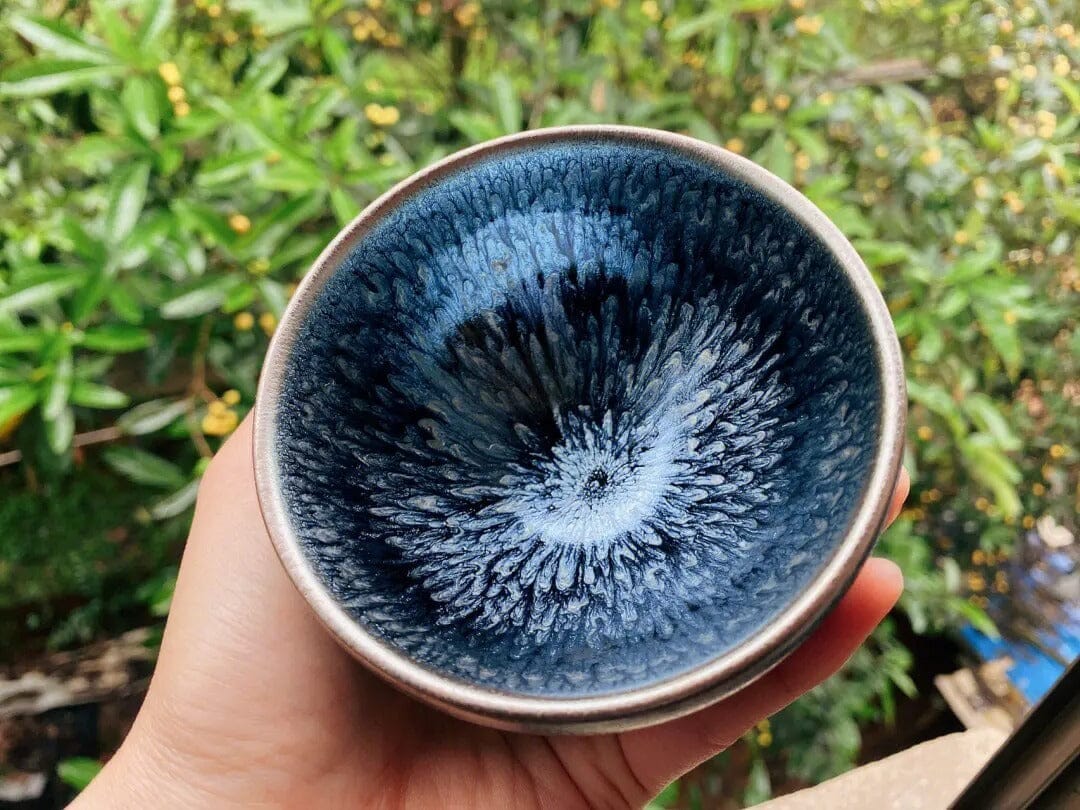
On dit que la grande majorité des théières en fourrure de lapin et un faible pourcentage de théières en forme de goutte d'huile ne peuvent pas être cultivées pour présenter l'« aura arc-en-ciel » souhaitée. Ces théières sont difficiles à cultiver et il est difficile d'en faire ressortir l'éclat, mais cela ne signifie pas que ce soit impossible. En général, les théières dotées d'une couche protectrice vitrifiée et d'un bon effet miroir sont plus difficiles à cultiver pour présenter l'« aura arc-en-ciel ». Pour obtenir rapidement cette « aura arc-en-ciel », on peut choisir des couleurs de glaçure à expression cristalline active, comme certaines théières en forme de goutte d'huile, à la texture cristalline et à l'expression active, qui permettent de faire ressortir plus facilement l'éclat. En résumé, on peut choisir des théières à vitrification modérée. Les théières faiblement vitrifiées ou ayant subi une cuisson excessive ne peuvent pas présenter l'« aura arc-en-ciel » et peuvent même rouiller avec le temps, tandis que les théières à vitrification excessive ont une absorption lente du thé et sont plus difficiles à cultiver. Les théières avec des cristaux actifs peuvent être ressenties comme étant inégales sur la surface émaillée à la main et peuvent être vues comme ayant des formations de cristaux sous une loupe, ce qui sont de meilleurs choix.

Par conséquent, si la théière choisie au départ est difficile à cultiver ou ne peut atteindre l'éclat souhaité, même avec beaucoup d'efforts, il sera difficile d'obtenir cet éclat. Cependant, avec le temps, la théière gagnera en douceur et en vitalité.

Ne vous précipitez pas.

« Entretenir une théière » exige de la patience ; sinon, on risque de faire deux fois plus d'efforts pour un résultat deux fois moins bon. Par exemple, certains amis apprécient la méthode de « l'entretien paresseux », qui consiste à négliger le nettoyage de la théière pendant l'entretien. À la longue, cette approche ne fera qu'abîmer votre précieuse théière. Si vous entretenez une théière de cette manière pendant longtemps, non seulement la surface émaillée deviendra plus sèche et terne, mais les cristaux perdront aussi progressivement leur éclat.

La surface émaillée de la paroi intérieure de la théière présente des taches visibles et sa couleur est terne. Il est conseillé de nettoyer la théière rapidement après chaque consommation, de préférence avec un torchon dédié, puis de la laisser sécher à l'air libre. La théière a également besoin d'un temps de repos. Une utilisation intermittente de la théière donnera de meilleurs résultats. Vous pouvez utiliser plusieurs théières en alternance, ce qui permettra à la surface émaillée de sécher complètement et facilitera la préparation. Il n'est donc pas nécessaire de se précipiter pour préparer une théière.

Ne gaspillez pas

Certains amateurs de théières pensent que ne pas laver la théière après avoir bu du thé ou la laisser tremper directement dans la soupe de thé permettra de révéler son éclat. Or, c'est totalement faux. Après chaque utilisation, la théière ne doit contenir aucun résidu de thé, et la garder propre est la clé de son entretien.

Bien que la théière ait pour fonction de préserver le thé et d'empêcher la corrosion, laisser le thé toute la nuit est toujours très dommageable pour la théière elle-même.De plus, il est très peu hygiénique de le faire pendant une longue période, ce qui est également nocif pour l'organisme. Il est donc important d'utiliser fréquemment la théière pour boire du thé et de la maintenir propre en la nettoyant et en l'essuyant régulièrement. Après avoir bu votre dernière tasse de thé chaque jour, rincez-la à l'eau chaude, puis lavez-la soigneusement comme d'habitude. Laissez ensuite sécher à l'air libre dans un endroit bien aéré.
Quick answers for Tenmoku teaware shoppers

Use this guide to connect the article topic with practical buying decisions: what Jianzhan Tenmoku teaware is, who it suits, how to choose a piece, and how to care for it after purchase.

How to use this guide before buying

Read the article first for the main explanation, then compare the product photos, glaze variation, form, seller clarity, return policy, and whether the piece fits daily tea, display, collecting, or gifting.

Common buying mistakes to avoid

Avoid choosing only by dramatic claims, copied photos, unusually low prices, or vague master language. A better decision uses visible product details, clear use case, realistic care needs, and trustworthy shop policies.

Recommended next step

After reading, compare a few real products side by side by size, glaze family, rim shape, capacity, price, and gift suitability instead of relying on one photo or one keyword.

What is Jianzhan Tenmoku teaware?

Jianzhan Tenmoku teaware is ceramic tea ware known for dark mineral-glaze effects and natural kiln variation. Common forms include tea cups, bowls, teapots, tea sets, and matcha bowls.

Who is it best for?

It is best for tea drinkers, ceramic collectors, and gift shoppers who value functional objects with visible handmade character. It is not ideal if you need every piece to look exactly identical.

How do I care for it?

Hand wash with warm water, avoid abrasive cleaners, and dry fully before storage. Gentle daily use helps preserve the surface and keeps the glaze easy to inspect over time.

How do I choose the right Tenmoku piece?

Choose by the main use first: daily tea, matcha, Gongfu brewing, display, or gifting. Then compare capacity, rim shape, glaze family, photos, and whether natural variation is acceptable for your needs.

Is Jianzhan Tenmoku teaware good as a gift?

Yes. It works well for tea lovers, ceramic collectors, birthdays, holidays, and housewarming gifts because it is both usable and visually distinctive. For gifts, choose an easy-to-use form and a glaze style with clear photos.

Related products and categories

Compare the guide above with real Tenmokus categories and representative pieces. Start with the use case, then compare glaze style, form, price, and whether the piece is mainly for daily tea, display, collecting, or gifting.

Handmade Tenmoku tea cups

Best for daily tea drinking, first Jianzhan purchases, ceramic gifts, and comparing glaze patterns across cup shapes.

Tenmoku tea sets

Best when you want a coordinated tea table, a hosting setup, or a complete gift instead of one individual cup.

Real vs fake Tenmoku guide

Use this guide to compare seller claims, glaze appearance, photos, and practical buying signals before choosing a piece.

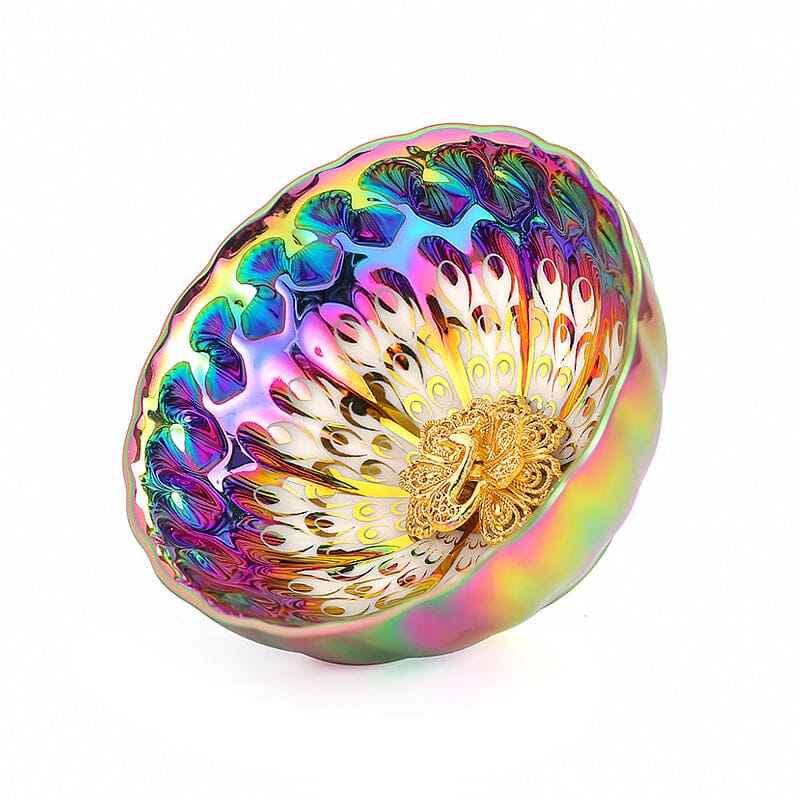
Paon vif

A representative Tenmoku tea cup to compare by glaze depth, cup shape, price, and gift fit.

Paon doré

Compare this piece when you want a clear visual reference for a gold-toned Tenmoku glaze style.

Fée II

Use this product as another comparison point for handmade form, glaze variation, and gift suitability.

shop handmade Tenmoku tea cups compare Jianzhan teapots browse Tenmoku tea sets choose Tenmoku matcha bowls view Tenmoku tea cups read the real vs fake Tenmoku tea bowl guide browse Jianzhan buying guides learn about Tenmokus

From Tenmoku guide to teaware choice

Tenmokus is focused on handmade Jianzhan Tenmoku teaware for tea rituals, display, and gifting. If you are choosing after reading this guide, start with Tenmoku tea cups for daily tea tasting, Tenmoku teapots for loose leaf brewing, Tenmoku coffee cups for daily coffee, Tenmoku tea sets for coordinated gifts, Tenmoku matcha bowls for matcha preparation, Tenmoku beer cups for home bar drinkware, or Tenmoku sake sets for serving and display.

Dernières histoires

Keep exploring Tenmoku care, gift ideas, teaware selection, and the difference between Tenmoku and Jianzhan.

Afficher tous

Why a Tenmoku Tea Bowl Is Worth the Price for Tea Lovers

Why a Tenmoku Tea Bowl Is Worth the Price for Tea Lovers

Why a Tenmoku Tea Bowl Is Worth the Price for Tea Lovers A tenmoku tea bowl can cost more than an everyday cup because it is a fired work of handmade ceramic art, not a factory-made drinking vessel. For someone...

En savoir plus

The Tenmoku Tea Bowl Story: A More Meaningful Gongfu Tea Ritual

The Tenmoku Tea Bowl Story: A More Meaningful Gongfu Tea Ritual

A tenmoku tea bowl brings color, texture, and a slower rhythm to a gongfu tea session.The Tenmoku Tea Bowl Story: A More Meaningful Gongfu Tea Ritual A tenmoku tea bowl is a dark-glazed tea vessel whose character comes from clay,...

En savoir plus

Tenmoku Tea Bowl Authenticity: How to Buy with Confidence

Tenmoku Tea Bowl Authenticity: How to Buy with Confidence

Tenmoku Tea Bowl Authenticity: How to Buy with Confidence A real tenmoku tea bowl is best recognized through its material, glaze behavior, firing marks, and clear origin story—not one flashy rainbow pattern. If you want a handmade ceramic cup for...

En savoir plus