

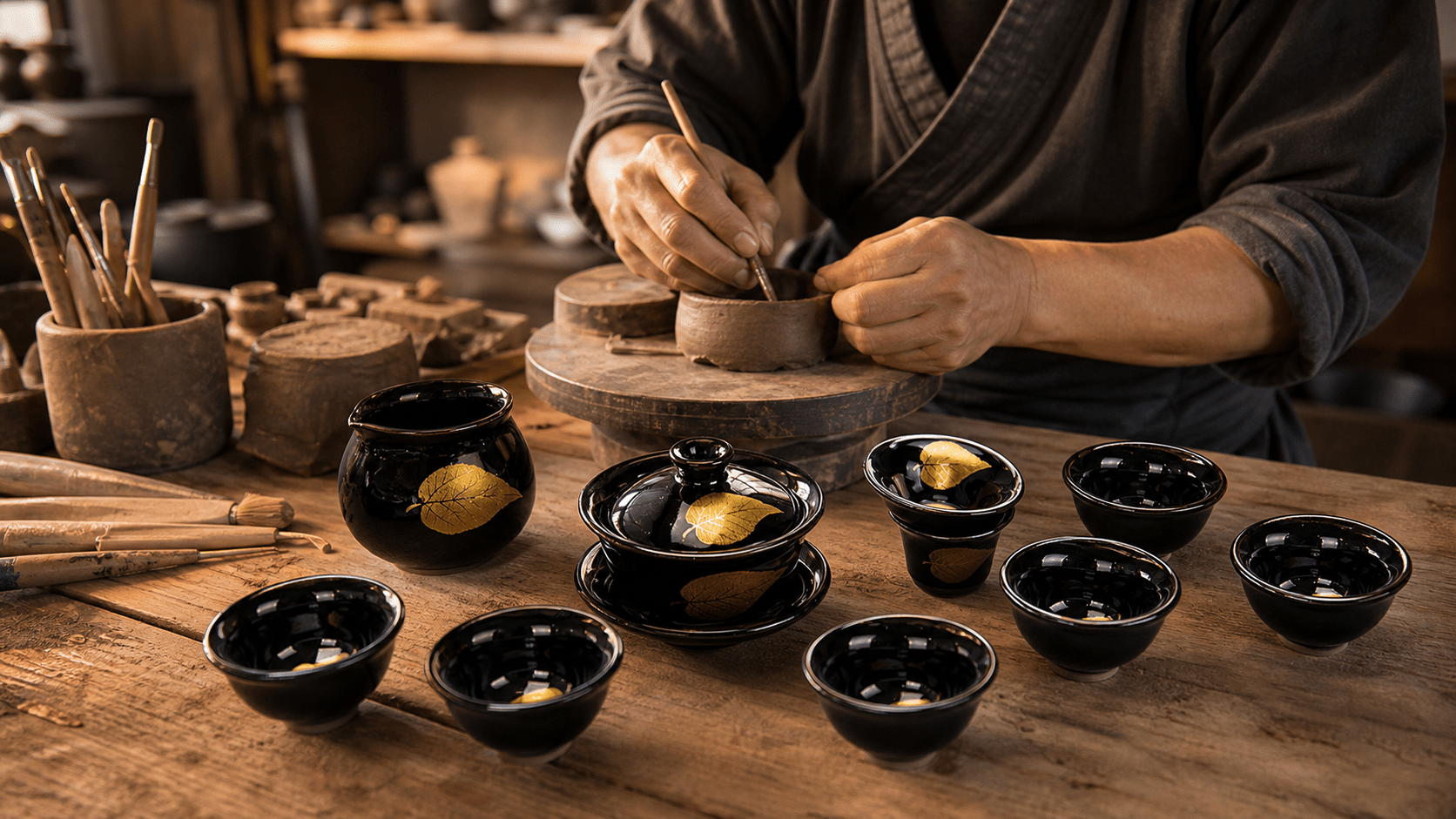

When I first held a true tenmoku tea bowl—a whisper of Song dynasty tea culture cupped in my palms—I knew my life had changed. As a ceramic artist and scholar now based in the United States, my journey into Jianzhan Tenmoku ceramic began not in a classroom, but in the flickering shadows of a wood-fired kiln in Fujian, China. I’m Dr. Elena Chen, and this is the story of how I became a tenmoku artisan, preserving an ancient fujian tea bowl tradition and bringing it to modern gongfu tea lovers right here in America.
What Is the History Behind the Tenmoku Tea Bowl?
Most of my students ask me this when they first glimpse the iridescent patterns swimming across the glaze. The jian zhan history starts in the mountains of Fujian province during China’s Song Dynasty (960–1279). Potters near the village of Shuiji discovered that the local iron-rich clay, when fired at staggering temperatures, produced a deep, glossy black that was anything but simple. Emperors and monks prized these bowls for whipped tea ceremonies—what we’d call the ancestor of Japanese matcha. The dark glaze made the green foam appear luminous, like jade floating on a moonless night. This was the golden age of song dynasty tea culture, where aesthetics, philosophy, and craft fused into a single object.
Later, Japanese monks studying in Fujian carried these bowls home, calling them tenmoku tea bowl after the Chinese mountain Tianmu where they trained. The tradition evolved into a cornerstone of japanese pottery, but the original fire-born magic—the hare’s fur, the oil spots, the partridge feather patterns—remained a Chinese secret. I spent years in those Fujian kilns, breathing in the legacy, before I understood that I wasn’t just learning to make a jianzhan; I was holding a conversation with centuries of masters.
What Makes a Kiln Change So Mysterious and Irreplaceable?
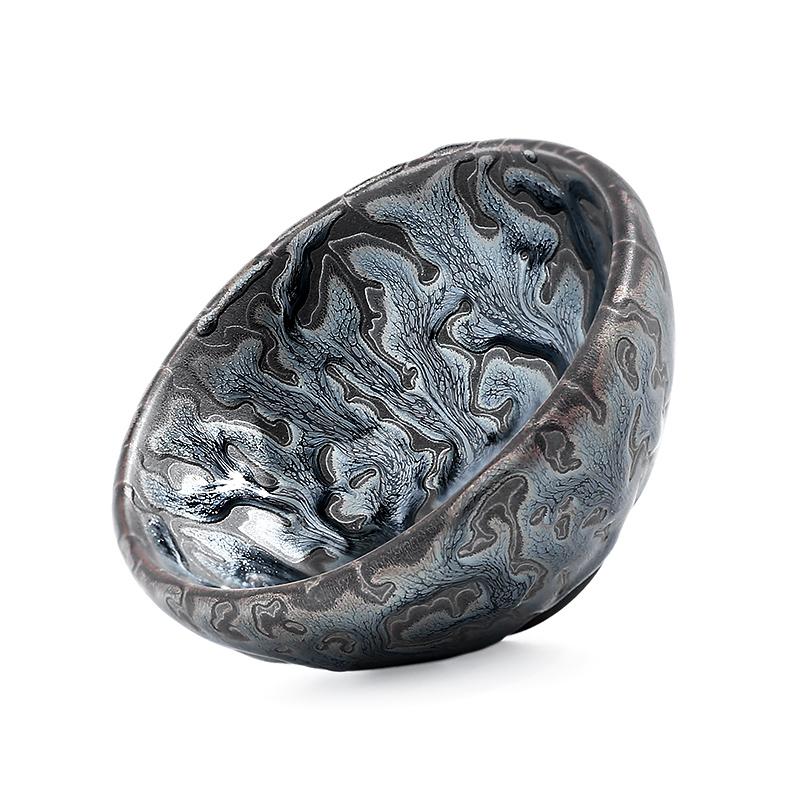
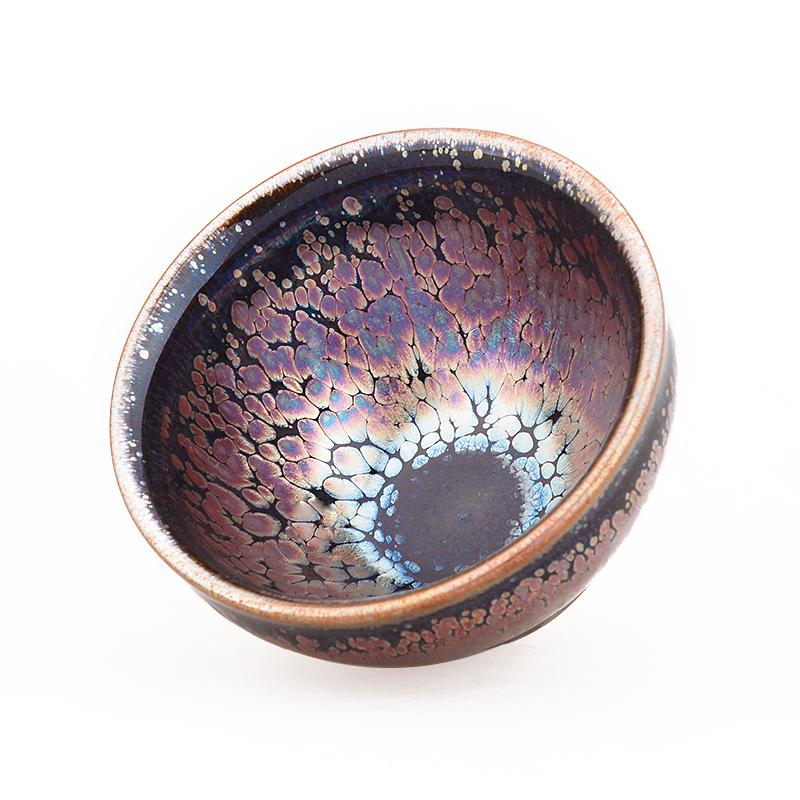
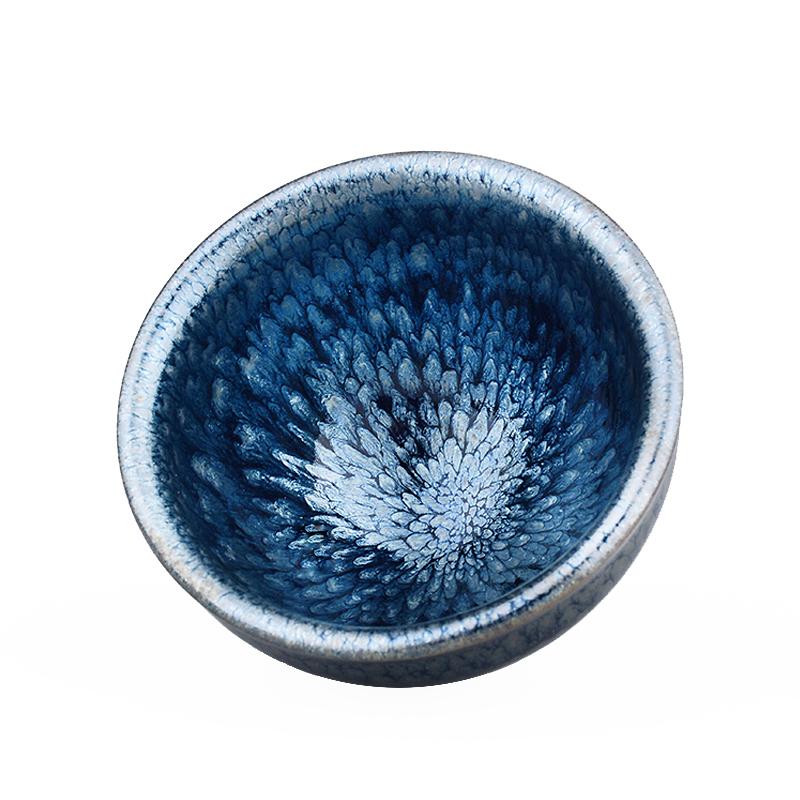
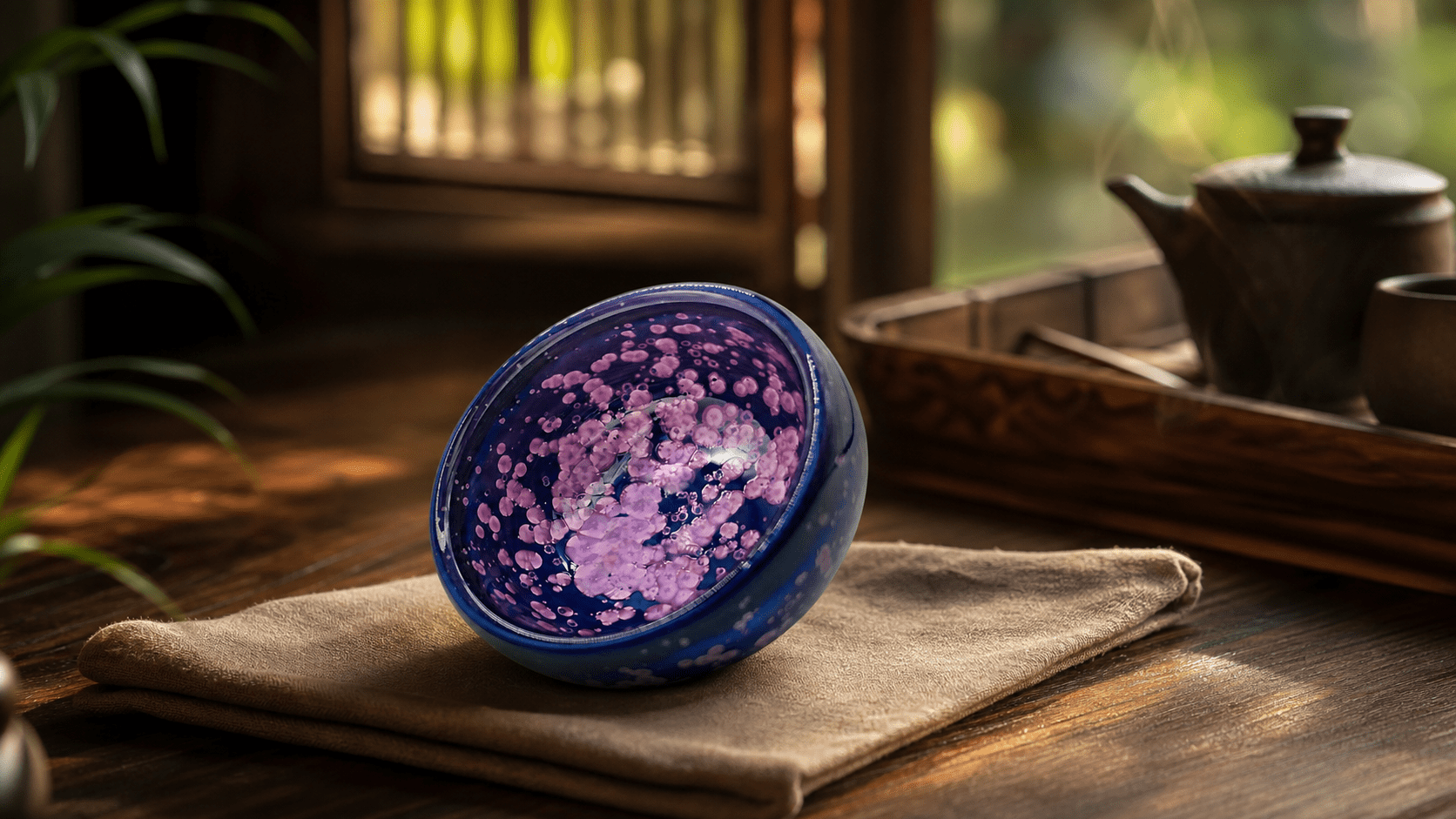
If you’ve ever looked into a tenmoku tea bowl and seen a galaxy of crystalline blooms, you’ve witnessed a kiln change (yao bian). This isn’t paint. It isn’t a predictable chemical reaction like those in industrial ceramics. It’s the kiln’s breath, the dance of iron oxide crystals racing across molten glass as the temperature crashes from over 1300°C. Every bowl is a fingerprint of flame and fate.
Imagine baking a cake where the frosting arranges itself into snowflakes, but only if the oven’s mood is right. That’s a tenmoku artisan’s life: a thousand variables—clay body, glaze thickness, wood type, cooling rate, even the humidity outside—conspire to create the pattern. Some days I open the kiln to find dazzling silver oil spots, each one a perfect mirror. Other days, the gods give me a mute black shell. I bow to both. The unpredictability is why true japanese tenmoku for sale from master potters can command small fortunes, and why every collector knows his or her bowl is utterly alone in the world.
How Does a Fujian Tea Bowl Tradition Live in a Modern Studio?
My own journey began in a master’s cramped workspace in Shuiji, where an eighty-year-old guardian of the fujian tea bowl tradition agreed to teach me. He had no name for the glazes, just gestures: the way water falls, the sound of a stick hitting wet clay, the smell of pine ash when the kiln reaches its peak. I learned that jian zhan history isn’t in books; it’s in the muscles.
Back in my US studio, I adapted everything. American electric kilns couldn’t replicate the intense reduction atmosphere of a dragon kiln, so I built a small gas-fired train kiln, stoking it by hand through the night. I use authentic Fujian iron clay, imported in small batches, and grind my own ash glazes from local hardwoods. Each tenmoku tea bowl I make today carries the DNA of that valley, but also the whisper of my own American story. When you browse our hare's fur Jianzhan series, you’re not just seeing a product; you’re seeing a bridge between worlds.
Why Every Gongfu Tea Enthusiast Deserves a Handmade Tenmoku Bowl
Gongfu tea isn’t about speed. It’s about attention. The small, concentrated infusions demand a vessel that holds heat and magnifies aroma. The thick, iron-dense body of a jianzhan retains warmth like a miniature hearth, while the high-gloss glaze gently softens the water’s texture—many tea lovers swear their oolong tastes rounder, less astringent. I’ve done blind tastings with my students, and they consistently pick the tenmoku tea bowl for delivering a silkier mouthfeel. Science suggests the iron ions and micro-textures on the glaze may bind to tannins, but honestly, the experience is beyond measurement. It’s like the difference between listening to music on a phone speaker and a vinyl record player.
For beginners intimidated by the vast world of japanese pottery or Chinese teaware, a single tenmoku tea bowl is an entry point. It’s deceptively simple to use—no lid, no handle—just cradle it, pour, and observe the tea’s color against the black canvas. That simplicity hones your senses. It’s also an incredible jianzhan tea cup gift for anyone who appreciates mindful living. I’ve had customers tell me that giving one to a stressed-out friend became an invitation to slow down and reconnect.
Who Should Buy This Tenmoku Tea Bowl?
You don’t need to be a tea master. If any of these resonate, a tenmoku tea bowl belongs in your life:
- The curious beginner: You want your first piece of authentic teaware that comes with a story, not just a barcode.
- The premium lifestyle buyer: You value craftsmanship over mass production. Your home reflects a blend of cultures and thoughtful design.
- The gift-giver: You’re looking for a jianzhan tea cup gift that says “I see your depth.” Perfect for weddings, retirements, or a mentor who loves tea.
- The daily gongfu tea drinker: You seek the tactile joy and flavor enhancement that only iron-rich Jianzhan Tenmoku ceramic can provide.
- The collector: You understand that a genuine kiln change pattern appreciates in both beauty and value over time.
When you’re ready to welcome one of these into your home, I’d be honored if you shop authentic Tenmoku tea bowls from my collection. Each piece is signed, dated, and comes with my personal notes on its glaze personality.
Frequently Asked Questions
Here are the questions I answer most often in my studio and at tea gatherings.
What exactly is a Jianzhan or Tenmoku tea bowl?
A jianzhan (Jian ware) is a type of Chinese black-glazed stoneware originating from the Jian kilns of Fujian. The term tenmoku tea bowl is the Japanese pronunciation, widely adopted in the West. Both refer to the same tradition of dark, iron-saturated bowls celebrated for their spontaneous glaze effects resembling fur, spots, or oil drops.
How should I care for my Jianzhan Tenmoku ceramic tea bowl?
Rinse with warm water and a soft cloth; avoid detergents that can strip the seasoned patina. The unglazed foot ring absorbs tea oils over time, deepening its character. Treat it like a cast-iron skillet—rinse, dry completely, and it will only become more beautiful with use.
Can I use a tenmoku tea bowl for coffee or other drinks?
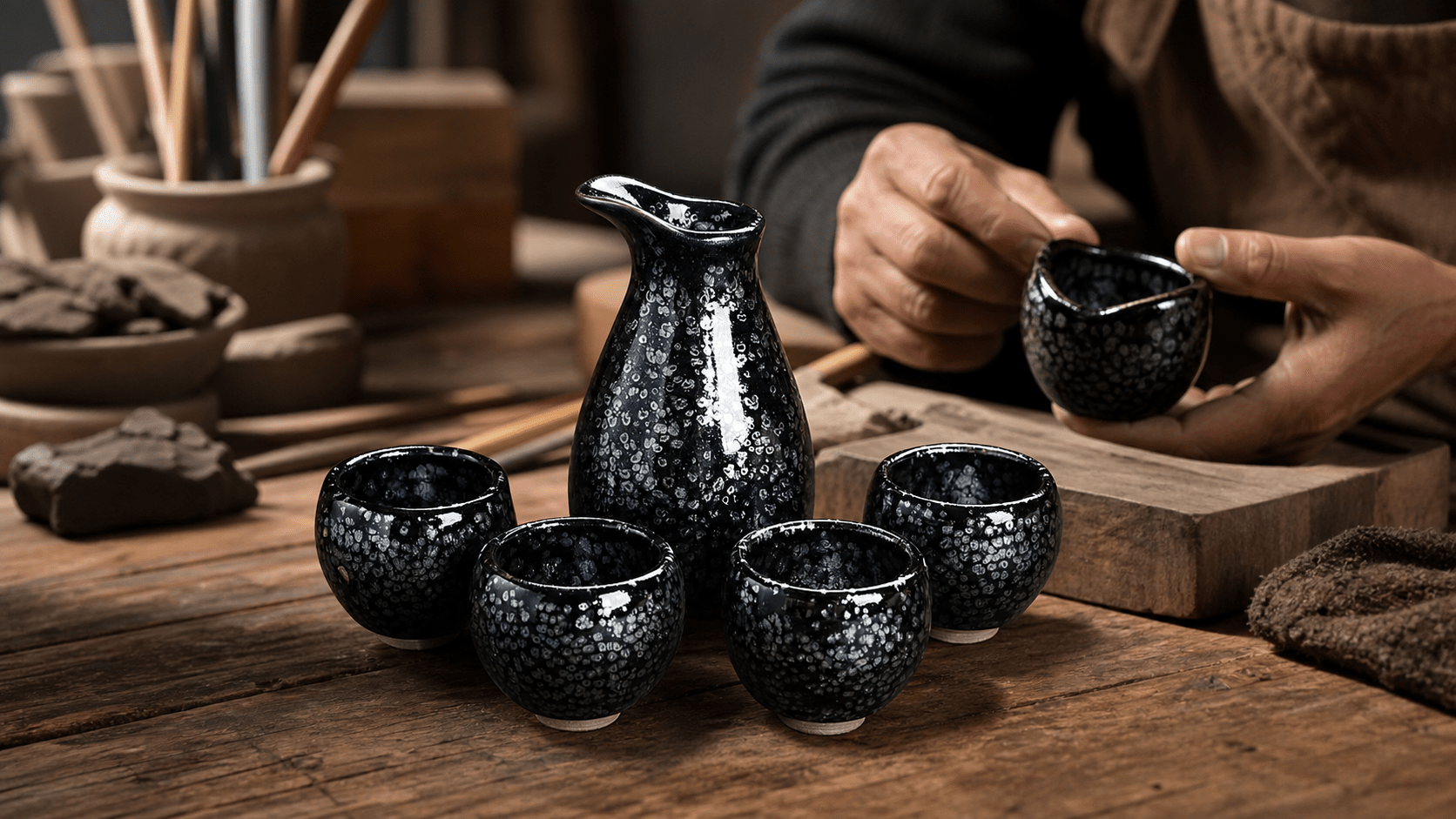
Absolutely. While rooted in song dynasty tea culture, the thick walls make it superb for espresso or even small servings of sake. The japanese tea bowl tradition already embraces this versatility. I’ve used mine for a perfect cortado.
What is the price range for a genuine tenmoku tea bowl for sale?
A genuine, handmade tenmoku tea bowl for sale from a trained artisan starts around $80–$150 for simpler patterns and can reach several thousand dollars for museum-grade kiln change effects. My studio pieces aim to be accessible without compromising on authentic materials and firing practices.
Why does the same tea taste different in a tenmoku bowl?
Iron-rich clay and the micro-crystalline surface interact chemically and physically with the tea liquor. Many perceive a softer mouthfeel and enhanced sweetness. The visual contrast against the black interior also heightens the sensory experience, much like how plating changes the perception of food.
Is every oil spot or hare’s fur pattern unique?
Yes, and that’s the soul of jian zhan history. No two bowls are ever identical. The pattern is born from the chaotic movement of iron crystals during cooling, influenced by minute variations in temperature and atmosphere. Your bowl owns a pattern no other collector will ever hold.
My fingers trace the rim of a freshly unloaded bowl. The glaze caught a wild, streaking hare’s fur pattern this morning—silver on midnight, like rain on a window. In that moment, I’m back in the Fujian mountains, hearing my teacher’s gentle laughter. The fire never lies. If you feel the call of Jianzhan Tenmoku ceramic and want a piece of living song dynasty tea culture on your tea table, I invite you to explore my craft. Each tenmoku tea bowl is a diary entry from the kiln, waiting to begin a new chapter with you.
Explore Our Collection
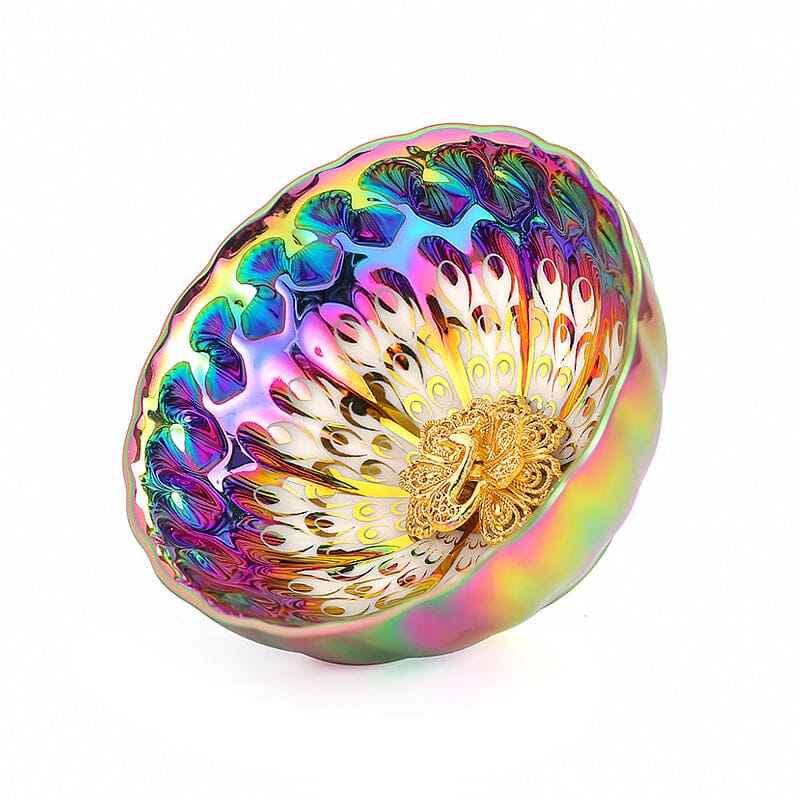
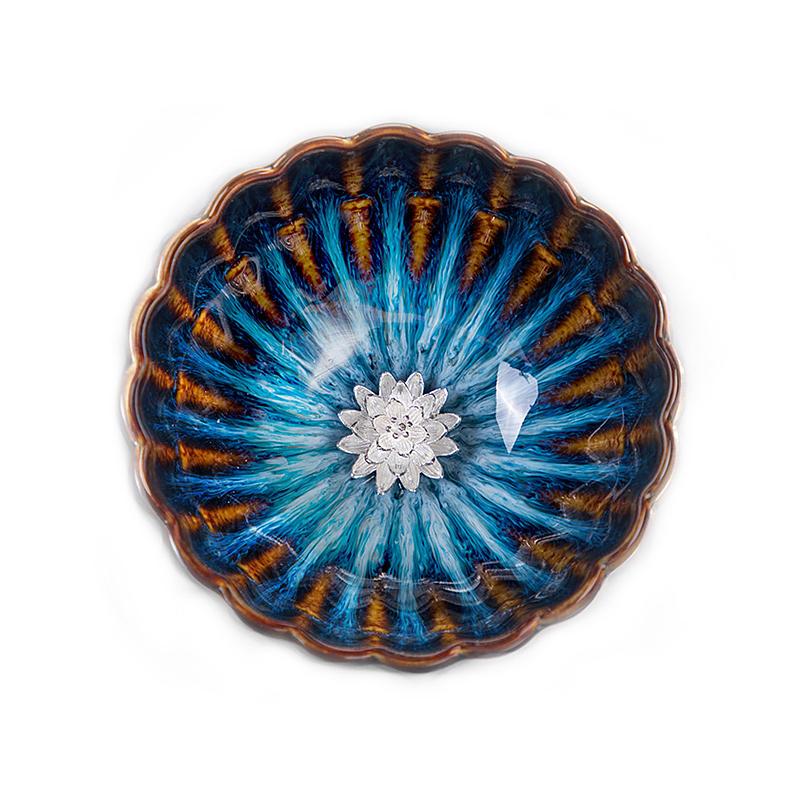
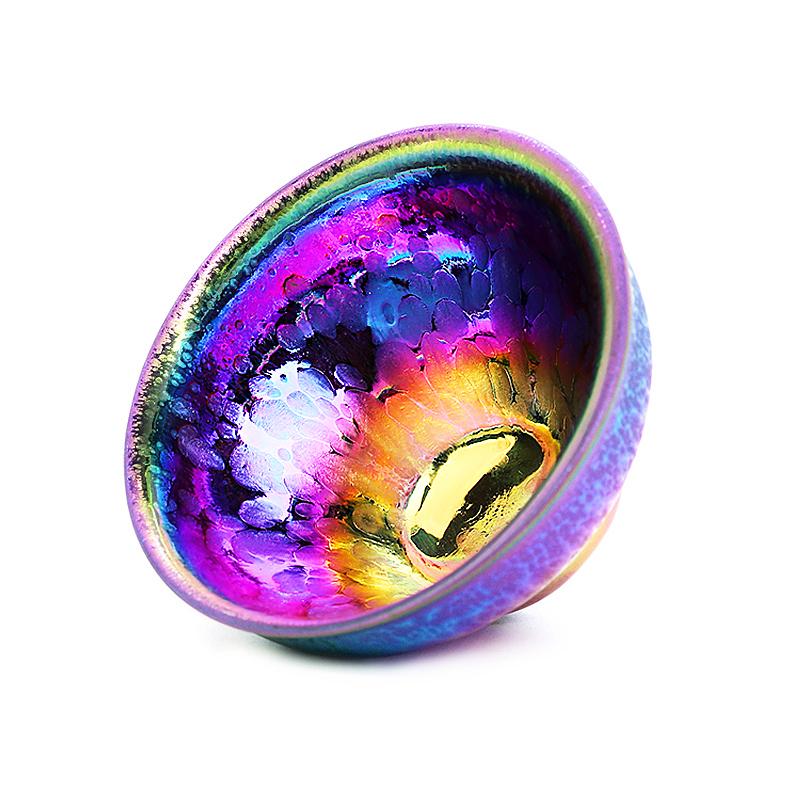
Ready to experience the world of tenmoku tea bowl? Browse our curated collection:
Disclaimer: This article is for informational purposes. Products and pricing subject to change.


Partager:
Real vs Fake Tenmoku Tea Bowls: A Complete Identification Guide
How a Handmade Tenmoku Tea Cup Transforms Your Daily Tea into a Zen Ritual