


If you're choosing between a Jianzhan tenmoku tea cup and a porcelain tea cup, the answer hinges on what you value most: Jianzhan offers enhanced flavor, heat retention, and a meditative visual experience, while porcelain brings clarity, light weight, and a classic neutral canvas.
- Jianzhan (tenmoku) cups use iron‑rich clay and unique glazes to mellow astringency and highlight sweetness; porcelain cups are neutral and let the tea’s natural profile shine unchanged.
- Jianzhan retains heat much longer—ideal for gongfu cha and oolong—while porcelain cools faster, which can be an advantage for delicate greens.
- The dynamic glaze patterns in Jianzhan evolve with use, becoming a personal ritual piece; porcelain stays pristine and is easier to clean.
- Price is a major difference: authentic handcrafted Jianzhan typically costs $50–$500+, whereas fine porcelain cups range from $5–$50.
- For daily mindfulness, strong teas, and artistic appreciation, go Jianzhan. For clarity, versatility, and budget, porcelain holds its ground.
What Is a Jianzhan Tenmoku Tea Cup?
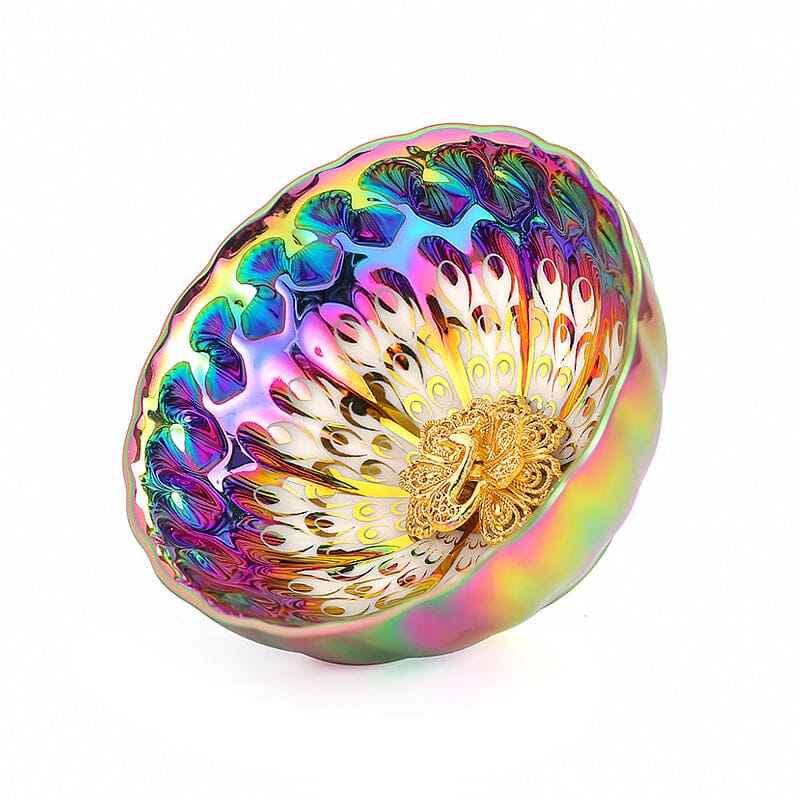
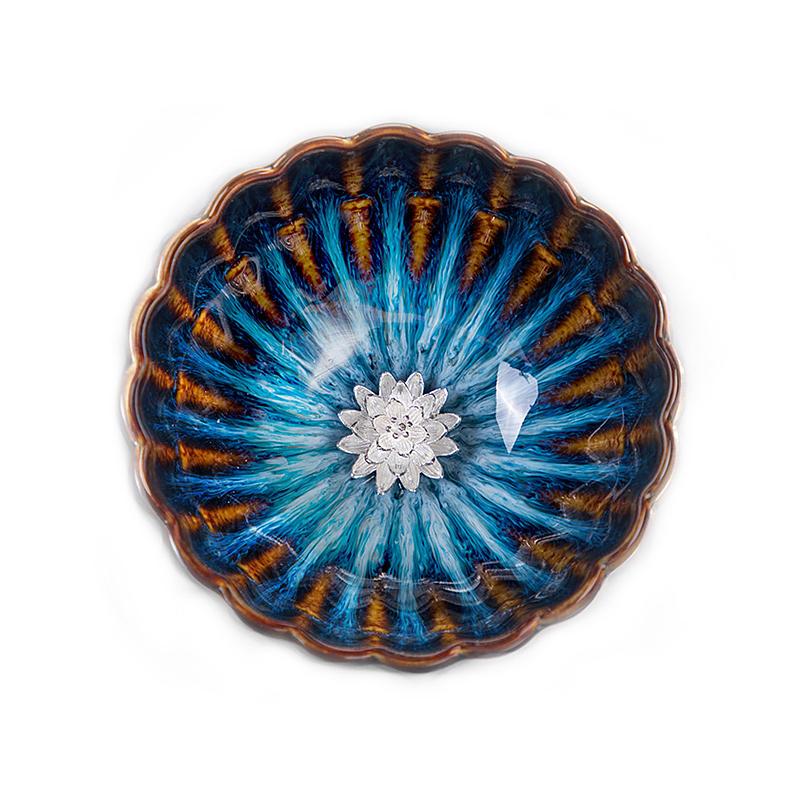
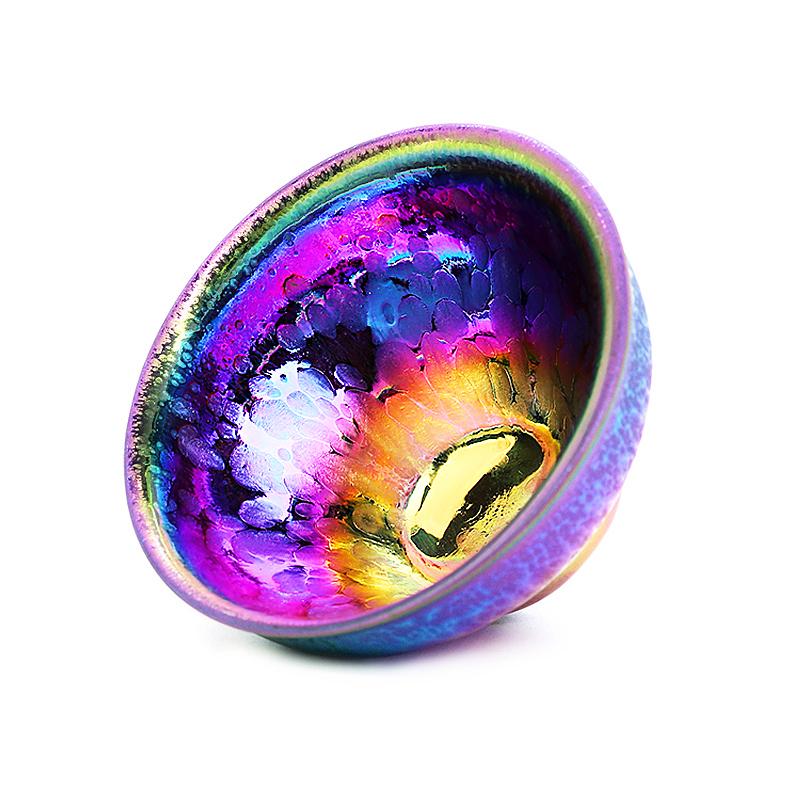
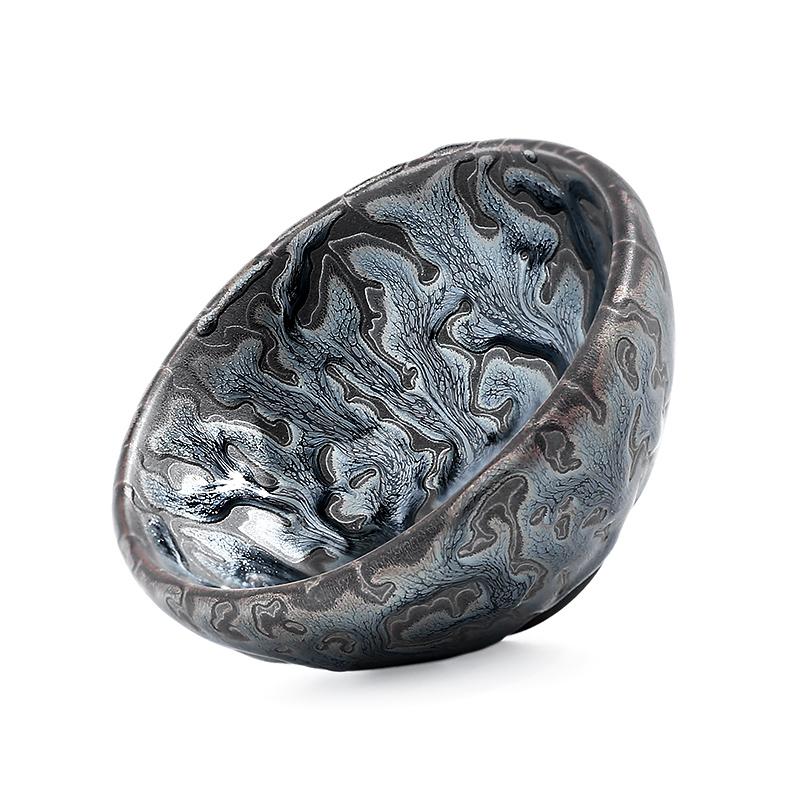
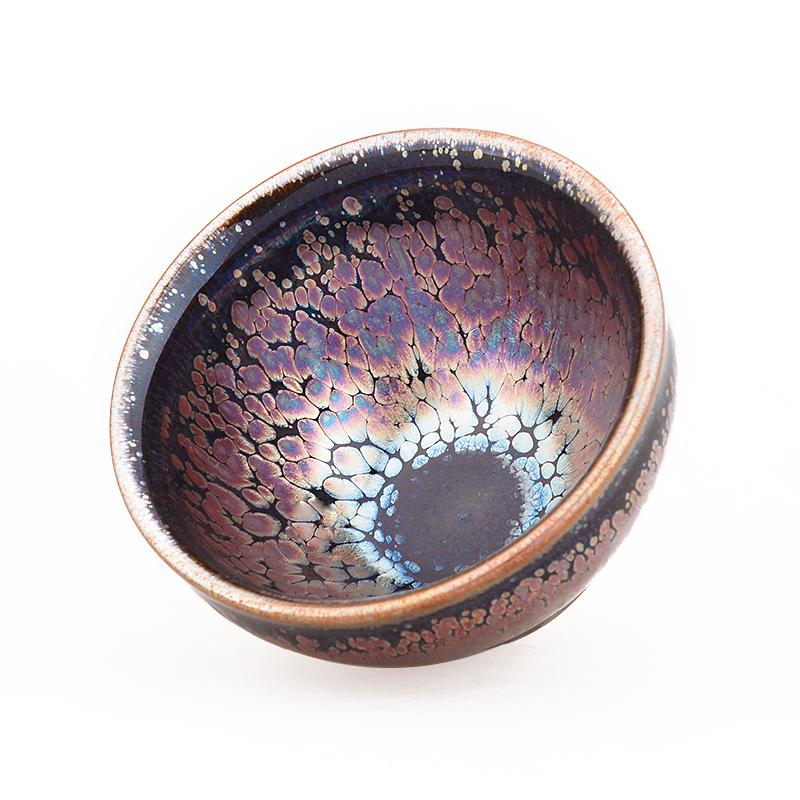
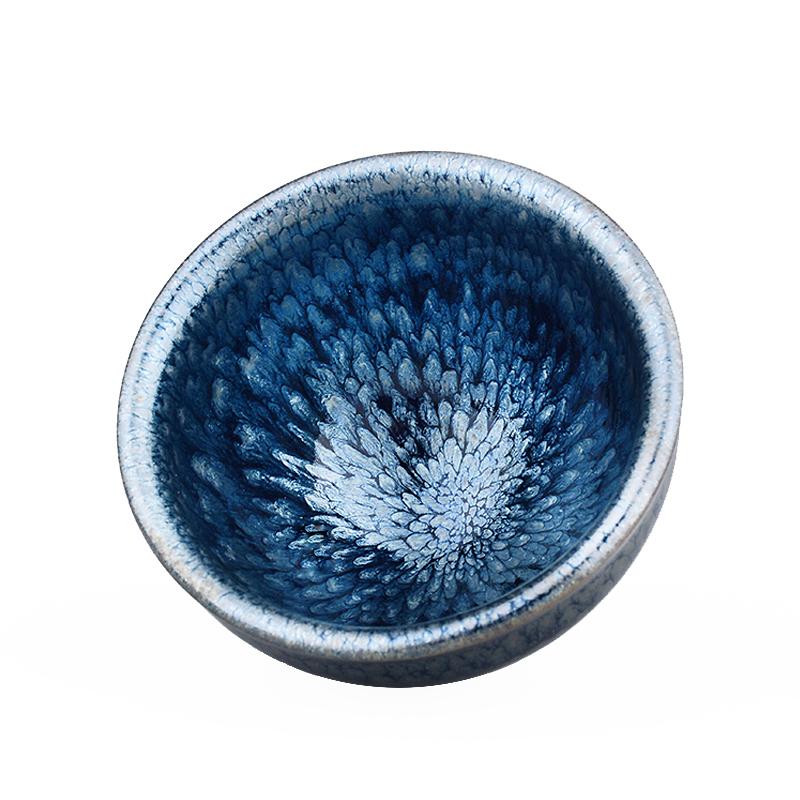
Originating in Fujian, China, during the Song dynasty, Jianzhan (also called tenmoku in Japan) is a stoneware tea bowl made from iron‑rich clay and coated with a thick, flowing glaze. The magic happens inside the kiln: temperatures above 1300°C create crystalline patterns—oil spots, hare’s fur, partridge feathers, or the rare yohen “kiln change” effect. Each cup is one of a kind. Explore our authentic Jianzhan oil spot tea bowls to see these patterns in action.
What Are Porcelain Tea Cups?
Porcelain cups—whether Chinese gaiwan cups, Japanese yunomi, or Western bone china—are made from kaolin clay fired at high temperatures. They are thin, lightweight, and often translucent. The smooth white surface offers a clean backdrop, letting the tea liquor’s color shine. Because porcelain is non‑porous and chemically inert, it adds nothing to the taste, making it the default tool for tea judges and many everyday drinkers.
The Great Tea Cup Showdown: Jianzhan vs Porcelain at a Glance
| Feature | Jianzhan (Tenmoku) | Porcelain |
|---|---|---|
| Heat retention | Excellent – thick iron body holds warmth for 10‑15+ minutes | Fair – thinner walls lose heat faster |
| Taste influence | Softens astringency, rounds sharp notes, brings out sweetness | Neutral – true, untouched flavor profile |
| Weight | Substantial, grounding feel (150‑350g) | Light and delicate (30‑100g) |
| Visual experience | Dynamic glaze; patterns shift with tea and age, creating a “living” bowl | Classic white/translucent; consistent appearance |
| Price range (handcrafted) | $50–$500+ | $5–$50 |
| Maintenance | Needs gentle hand‑washing; no soap to preserve patina | Dishwasher‑safe; virtually care‑free |
| Best for | Oolong, pu‑erh, black tea, gongfu cha, mindfulness rituals | Green tea, white tea, tea tasting, everyday casual use |
Why the Cup Material Matters for Your Tea Experience
In the U.S., many tea lovers start their journey with a generic mug. But once you move into loose‑leaf teas, the vessel shapes your entire session. Think of porcelain like a clear wine glass that lets the wine’s hue dazzle; Jianzhan is more like a seasoned cast‑iron skillet that deepens the flavor. The cup material affects heat, aroma perception, mouthfeel, and even the psychological pleasure of the ritual. For premium teas, this subtle difference can be the line between “nice” and “unforgettable.”
Key Benefits of Jianzhan Teacups
- Flavor enhancement: The iron‑rich clay and glaze interact with the tea’s polyphenols, reducing bitterness and emphasizing sweet, caramel‑like notes—especially with roasted oolongs or aged pu‑erh.
- Heat retention that rewards slow sipping: A Jianzhan cup keeps tea at the ideal temperature through a long gongfu session, so you don’t feel rushed.
- Meditative visual art: Watching light dance across oil spots or hare’s fur becomes a moment of calm. Over time, the bowl develops a unique patina, turning it into a personal heirloom.
- Tactile connection: The substantial weight and textured glaze feel satisfying in the hand, grounding you in the present.
- Conversation starter: The storied heritage and one‑of‑a‑kind patterns make Jianzhan a centerpiece when hosting guests.
Key Benefits of Porcelain Teacups
- True taste representation: If you want to evaluate the tea’s natural character—say, a first‑flush Darjeeling or a delicate silver needle—porcelain is the honest judge.
- Lightweight ease: Perfect for children, the elderly, or anyone who prefers a delicate cup; no wrist fatigue.
- Versatility and hygiene: Dishwasher‑safe, microwave‑safe, and non‑staining. You can swirl between drastically different teas without flavor carryover.
- Affordable exploration: You can build a colorful collection for every mood without breaking the bank.
- Color showcase: The white interior highlights the liquor’s hue—emerald green sencha, pale jade gyokuro, ruby black tea—essential for tea photography and sensory appraisal.
How to Choose Between Jianzhan and Porcelain: A Buyer’s Flowchart
Ask yourself these four questions:
- What teas do you drink most? If you love bold, roasted, or aged styles (rock oolong, shou pu‑erh, hojicha), Jianzhan will elevate them. If green, white, or floral fragrances dominate your cupboard, porcelain preserves their subtlety.
- What’s your ritual style? Do you set aside 30 minutes for a mindful gongfu session? Choose Jianzhan. Do you pour a quick morning cup and go? Porcelain fits seamlessly.
- Are you collecting or simply sipping? A Jianzhan bowl is a piece of functional art—a statement. Porcelain cups are workhorses; you can have many without worry.
- Budget and care tolerance: Authentic Jianzhan is an investment, and it needs hand‑washing. If you’re cost‑conscious or prefer low‑maintenance, porcelain is the pragmatic winner.
If you answered “yes” to Gongfu, oolong, and mindfulness, browse our curated Jianzhan collection to find your match.
Care and Maintenance: Which Cup Is Easier?
Jianzhan care: Rinse with warm water and a soft cloth immediately after use. Avoid soap, which can strip the developing patina. Never scrub with abrasives—the glaze is durable but will lose its luster if mistreated. Air‑dry upside down. Over months, the iron body will show gentle tea stains that are cherished, not flaws.
Porcelain care: Toss it in the dishwasher. Soap, hot water, even a gentle bleach occasionally—porcelain handles it all. No seasoning, no special steps. For tea judges, a quick rinse between tastings resets the cup to zero.
Bottom line: porcelain is worry‑free; Jianzhan invites a small daily act of care that deepens your relationship with the object.
Real‑Life Scenarios: When to Use Jianzhan vs Porcelain
- Morning gongfu with a premium Da Hong Pao: Reach for Jianzhan. The thick walls keep the tea hot, and the iron glaze rounds out the rock tea’s minerality, turning the floral‑char character into velvet.
- Tasting six new green tea samples for a blog: Use a porcelain cup or a gaiwan set. The neutral surface ensures you judge only the leaf, not the vessel.
- A casual afternoon with Earl Grey and cookies: Porcelain—easy, no‑fuss, and you can pop it in the dishwasher later.
- An evening meditation with aged sheng pu‑erh: This is Jianzhan terrain. The slow cooling keeps the tea alive for multiple infusions, and the shifting glaze patterns hold your gaze as you unwind.
- Hosting a tea party for friends new to Chinese tea: Mix both. Give guests a choice: the artistic Jianzhan for the adventurous, and familiar porcelain for the cautious. It sparks conversation.
Frequently Asked Questions
Conclusion: Which Cup Deserves a Spot on Your Tea Tray?
There is no universal “better”—only the right tool for your tea style and temperament. Jianzhan tenmoku cups are transformative for those who savor dark, complex teas and treat the brewing ritual as meditation. Porcelain cups are the reliable, transparent companion for daily exploration and delicate leaves. The smartest move? Own at least one of each. Use porcelain to taste and assess, and let Jianzhan become your personal ceremony vessel.
Who Should Buy a Jianzhan Tenmoku Cup?
- Gongfu cha enthusiasts who want to elevate each steep.
- Collectors of functional art and Song‑dynasty heritage.
- Mindfulness seekers looking to slow down with tea.
- Anyone who loves oolong, pu‑erh, or aged white tea.
Who Should Stick with Porcelain?
- Green tea purists who demand unaltered flavor.
- Busy households where cups go straight to the dishwasher.
- Newcomers wanting to sample many teas affordably.
- Those who prioritize light, stackable teaware for compact kitchens.
Ready to experience the difference? Explore our handcrafted Jianzhan collection or reach out for a personal recommendation—we’ll help you find the bowl that feels like home.


Partager:
How to Care for Your Jianzhan Tea Bowls: A Complete Guide
Jianzhan vs Raku Tea Bowls: Which Handcrafted Tea Bowl Elevates Your Tea Ritual?