Vente de Pâques: Achetez 3 Obtenez le 4e gratuit!

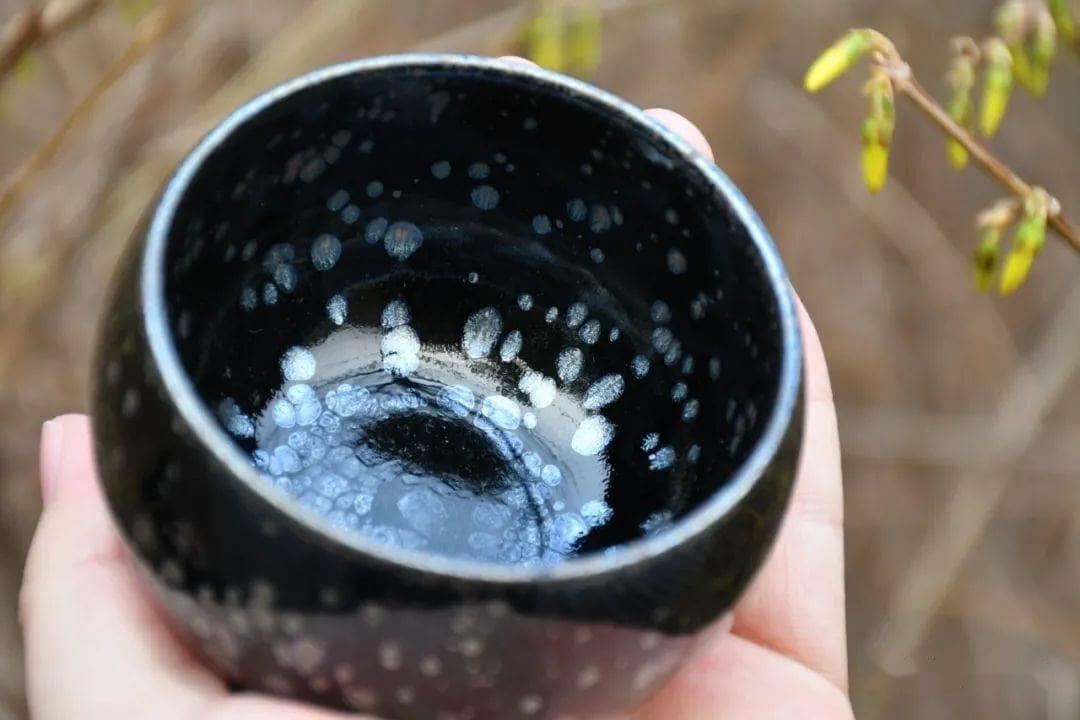
Si le Jianzhan n'est pas nettoyé correctement au fil du temps, une couche de taches de thé se formera à l'intérieur du Jianzhan, mais ce n'est pas la « lumière colorée du trésor » cultivée en nourrissant le Jianzhan.

Si le thé n'est pas terminé et est laissé dans le Jianzhan pendant une longue période, ou si le Jianzhan utilisé n'est pas nettoyé à temps et n'est pas utilisé, les polyphénols du thé dans les feuilles de thé et les éléments métalliques dans la rouille du thé subiront une réaction d'oxydation, entraînant la formation de taches de thé qui adhèrent à la paroi intérieure du Jianzhan.

1. Les taches de thé doivent-elles être nettoyées ??

  1. Affectant l'esthétique :

Le thé peut certes nourrir le Jianzhan, mais cela ne signifie pas qu'il doive être constamment en contact avec la soupe au thé. Non seulement il en perdrait l'éclat coloré, mais cela pourrait aussi provoquer la formation de rouille sur le Jianzhan.

Le corps du Jianzhan est en fer et la glaçure est en cristal de fer, en particulier pour le Jianzhan à motif de goutte d'huile ! (De nombreux Jianzhan à motif de goutte d'huile sur le marché n'ont pas de couche vitrifiée pour isoler l'oxygène et la vapeur d'eau, tandis que la plupart des Jianzhan à motif de fourrure de lièvre ont une couche vitrifiée pour isoler l'oxygène et la vapeur d'eau.)

Étant donné que le fer s'oxyde facilement en oxyde de fer brunâtre dans l'air, s'il est trempé dans une soupe au thé ou non séché après utilisation, il sera progressivement oxydé par la vapeur d'eau en Fe3O4, qui est brun rougeâtre et ressemble à de la rouille, et cela affectera grandement l'esthétique.

Taches de thé sur les théières en argile de Yixing.

  1. Affectant la santé :

D'un point de vue sécurité et santé, ne pas nettoyer Jianzhan n'est pas propice à la santé physique car ne pas nettoyer les taches de thé pendant une longue période peut entraîner la croissance de moisissures.

  1. Affectant l'efficacité du Jianzhan lui-même :

Le corps du Jianzhan est doté de nombreux petits pores qui contribuent à maintenir la température de la soupe au thé. L'amélioration de la qualité de l'eau dépend de la couverture des pores. Ces pores absorbent les particules de calcium et de magnésium, réduisant ainsi la dureté de l'eau et la rendant douce et moelleuse. De plus, le Jianzhan préserve efficacement la fraîcheur de la soupe au thé et prévient son altération. Un Jianzhan mal nettoyé et taché de thé obstrue les pores, ce qui compromet son isolation, l'amélioration de la qualité de l'eau et sa conservation.

  1. Comment nettoyer Jianzhan ?
  2. Nettoyage quotidien : Après avoir bu la dernière tasse de thé de la journée, rincez le Jianzhan à l'eau chaude pour éliminer les petites taches de thé incrustées sur la surface émaillée. Rincez-le ensuite à l'eau claire et placez-le dans un endroit aéré ou séchez-le avec un chiffon spécialement conçu à cet effet.
  3. Nettoyage en profondeur : En général, un nettoyage complet est nécessaire tous les trois à cinq jours. Vous pouvez alors utiliser du dentifrice ou du liquide vaisselle, puis essuyer avec un chiffon ou laisser sécher à l'air libre. N'oubliez pas : un nettoyage quotidien et régulier est tout aussi important pour Jianzhan.

Garder Jianzhan propre et hygiénique en permanence, c'est comme se garder propre et rafraîchi. Nous prenons soin de Jianzhan, et Jianzhan nous prend soin.

Ne vous précipitez pas pour nourrir Jianzhan et ne forcez pas son éclat coloré légendaire. Laissez faire le temps et le destin.
Quick answers for Tenmoku teaware shoppers

Use this guide to connect the article topic with practical buying decisions: what Jianzhan Tenmoku teaware is, who it suits, how to choose a piece, and how to care for it after purchase.

What is Jianzhan Tenmoku teaware?

Jianzhan Tenmoku teaware is ceramic tea ware known for dark mineral-glaze effects and natural kiln variation. Common forms include tea cups, bowls, teapots, tea sets, and matcha bowls.

Who is it best for?

It is best for tea drinkers, ceramic collectors, and gift shoppers who value functional objects with visible handmade character. It is not ideal if you need every piece to look exactly identical.

How do I care for it?

Hand wash with warm water, avoid abrasive cleaners, and dry fully before storage. Gentle daily use helps preserve the surface and keeps the glaze easy to inspect over time.

How do I choose the right Tenmoku piece?

Choose by the main use first: daily tea, matcha, Gongfu brewing, display, or gifting. Then compare capacity, rim shape, glaze family, photos, and whether natural variation is acceptable for your needs.

Is Jianzhan Tenmoku teaware good as a gift?

Yes. It works well for tea lovers, ceramic collectors, birthdays, holidays, and housewarming gifts because it is both usable and visually distinctive. For gifts, choose an easy-to-use form and a glaze style with clear photos.

Related products and categories

Compare the guide above with real Tenmokus categories and representative pieces. Start with the use case, then compare glaze style, form, price, and whether the piece is mainly for daily tea, display, collecting, or gifting.

Handmade Tenmoku tea cups

Best for daily tea drinking, first Jianzhan purchases, ceramic gifts, and comparing glaze patterns across cup shapes.

Tenmoku tea sets

Best when you want a coordinated tea table, a hosting setup, or a complete gift instead of one individual cup.

Real vs fake Tenmoku guide

Use this guide to compare seller claims, glaze appearance, photos, and practical buying signals before choosing a piece.

Paon vif

A representative Tenmoku tea cup to compare by glaze depth, cup shape, price, and gift fit.

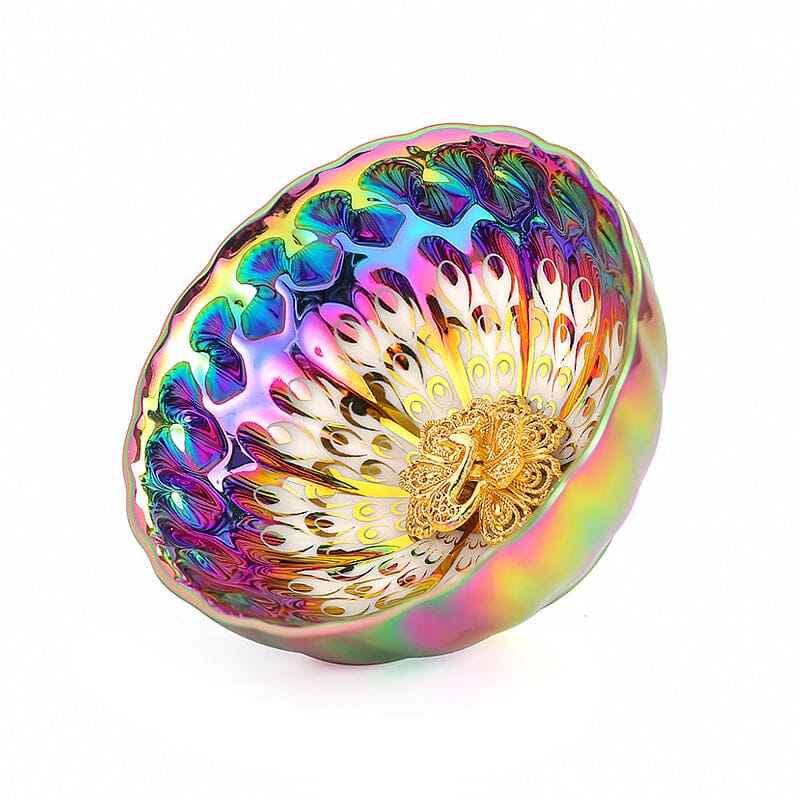
Paon doré

Compare this piece when you want a clear visual reference for a gold-toned Tenmoku glaze style.

Fée II

Use this product as another comparison point for handmade form, glaze variation, and gift suitability.

shop handmade Tenmoku tea cups compare Jianzhan teapots browse Tenmoku tea sets choose Tenmoku matcha bowls view Tenmoku tea cups read the real vs fake Tenmoku tea bowl guide browse Jianzhan buying guides learn about Tenmokus

From Tenmoku guide to teaware choice

Tenmokus is focused on handmade Jianzhan Tenmoku teaware for tea rituals, display, and gifting. If you are choosing after reading this guide, start with Tenmoku tea cups for daily tea tasting, Tenmoku teapots for loose leaf brewing, Tenmoku tea sets for coordinated gifts, or Tenmoku matcha bowls for matcha preparation.

Dernières histoires

Keep exploring Tenmoku care, gift ideas, teaware selection, and the difference between Tenmoku and Jianzhan.

Afficher tous

Jian Zhan vs Japanese Tenmoku Tea Bowl: Which Offers the Best Value for Gongfu Tea?

Jian Zhan vs Japanese Tenmoku Tea Bowl: Which Offers the Best Value for Gongfu Tea?

Jian Zhan vs Japanese Tenmoku Tea Bowl: Which Offers the Best Value for Gongfu Tea? If you’re diving into gongfu tea ceremony and seeking the perfect tenmoku tea bowl, you’ve likely encountered two alluring paths: the ancient Chinese Jian Zhan...

En savoir plus

Tenmoku Tea Bowl: A Handmade Cup With History, Beauty, and Meaning

Tenmoku Tea Bowl: A Handmade Cup With History, Beauty, and Meaning

Tenmoku Tea Bowl: A Handmade Cup With History, Beauty, and Meaning A tenmoku tea bowl is a dark-glazed tea cup, often called Jianzhan, known for dramatic patterns created by fire, minerals, and chance. For gongfu tea, it gives a quiet,...

En savoir plus

How to Identify Real vs Fake Tenmoku Tea Bowl: A Jian Zhan Buyer’s Guide for US Tea Lovers

How to Identify Real vs Fake Tenmoku Tea Bowl: A Jian Zhan Buyer’s Guide for US Tea Lovers

If you’ve ever brewed a fine oolong tea and wanted an authentic tenmoku tea bowl to match its depth, you’ve likely stumbled into a minefield of fakes. I’m Aiden Wei, and after years of studying Jian Zhan (the Chinese name...

En savoir plus