Vente de Pâques: Achetez 3 Obtenez le 4e gratuit!

Prendre soin des tasses à thé est la quête d’un style de vie raffiné.

Prendre soin des tasses à thé n’est pas quelque chose qui peut être accompli du jour au lendemain, mais plutôt un processus à long terme et méticuleux.

Prendre soin des tasses à thé nécessite un effort dévoué pour apprécier chaque détail et profiter du processus.

Pendant les loisirs, ajoutez une touche d'élégance à la vie banale et trépidante.

En période d’insatisfaction, c’est aussi un « bon remède » pour se réconforter mentalement.

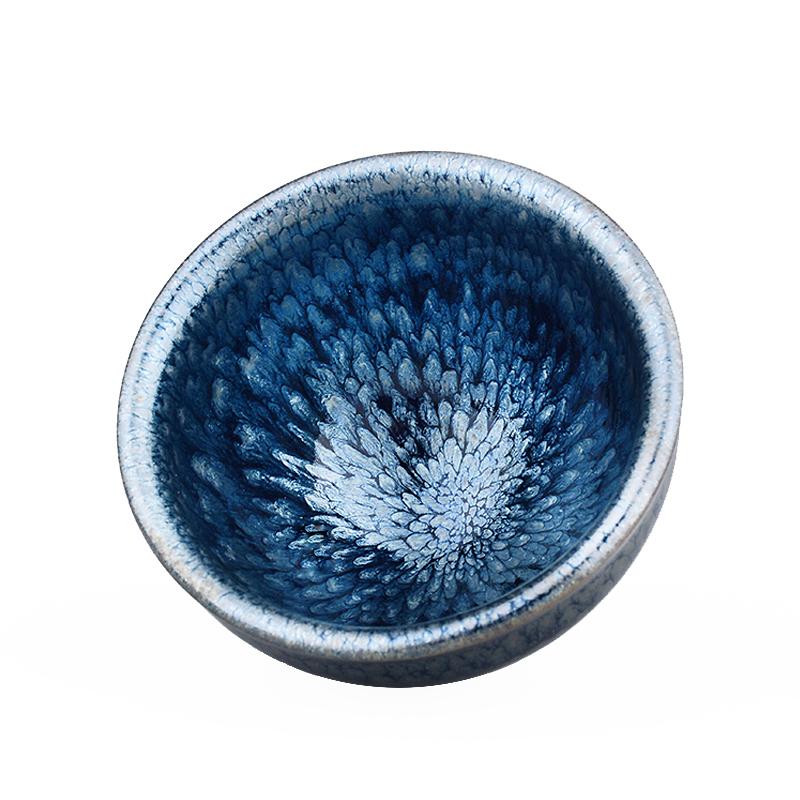
Je pense que de nombreux amateurs de tasses à thé veulent savoir comment prendre soin de leur nouvelle tasse à thé Jianzhan ou à quoi ils doivent faire attention dès le moment où ils la reçoivent.

Contrairement aux théières Yixing, les tasses Jianzhan ne nécessitent pas de culottage particulier. Après un nettoyage à l'eau chaude, la nouvelle tasse Jianzhan est prête à l'emploi.

Bien sûr, si vous souhaitez être plus méticuleux, vous pouvez également faire bouillir ou infuser du thé dans la tasse à thé, puis la nettoyer soigneusement à l'intérieur et à l'extérieur, en éliminant les particules de sable restantes et en utilisant des feuilles de thé infusées pour l'essuyer.

Il existe de nombreuses opinions sur l’entretien des tasses à thé en ligne, mais nous soulignerons deux points qui méritent d’être notés.

1.

Bien que les tasses Jianzhan conviennent à tous les types de thé, il est recommandé d'assortir la tasse à la couleur du thé. Voici comment procéder :

Par exemple, le thé Wuyi Rock, le thé noir et le thé Pu'er, qui ont des couleurs similaires, peuvent être utilisés dans la même tasse à thé.

De même, le thé Tie Guan Yin et le thé Longjing peuvent être mélangés sans aucun problème.

Cependant, si les tasses à thé sont mélangées au hasard et utilisées pour différents types de thé pendant une période prolongée, elles peuvent devenir mates et perdre leur éclat.

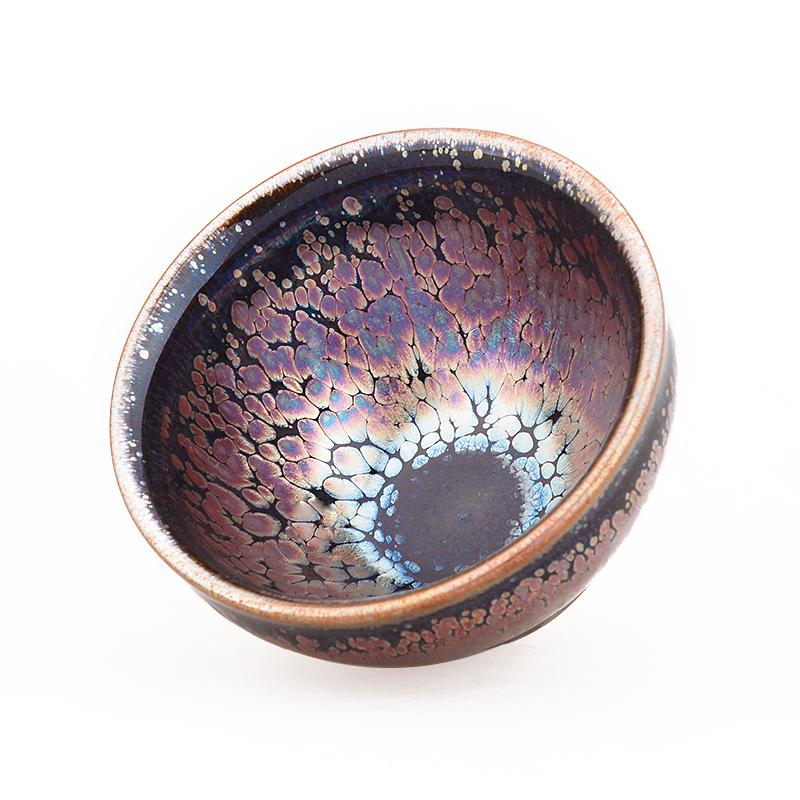
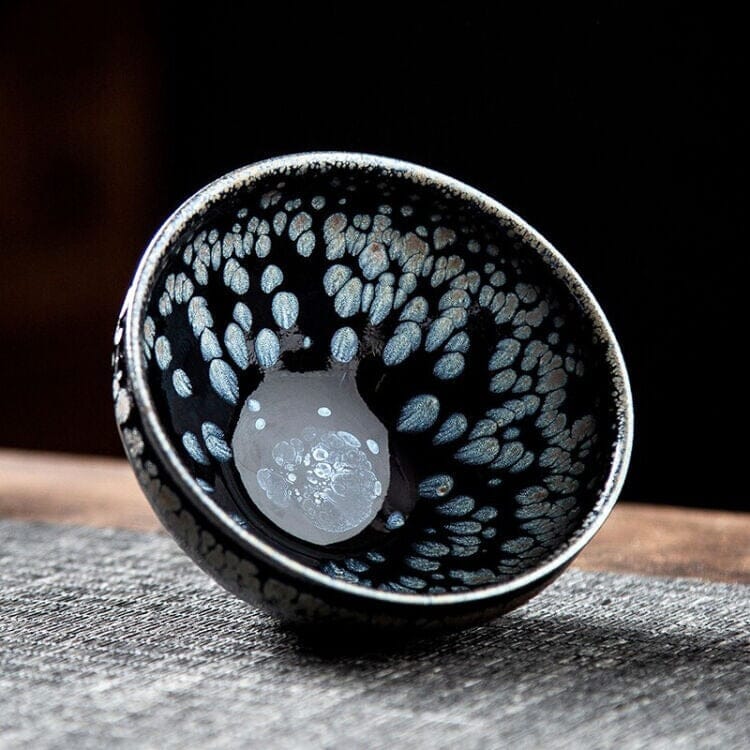
Si vous souhaitez développer rapidement ce que l'on appelle le « lustre à sept couleurs », il est recommandé d'utiliser des tasses à thé telles que des gouttelettes d'huile.

Les tasses à thé en poils de lapin ayant généralement une forme de bol robuste, la soupe au thé y pénètre difficilement. Les tasses à thé en gouttes d'huile, quant à elles, présentent un motif différent, ce qui les rend plus adaptées pour obtenir rapidement un éclat sept couleurs. Par conséquent, pour obtenir rapidement cet éclat, il est recommandé d'utiliser des tasses à gouttes d'huile.

Quant à la couleur qui peut être développée, le temps le dira.

Boire du thé peut cultiver l'esprit et le tempérament, tandis que prendre soin des tasses à thé est une action subconsciente qui se produit pendant le processus de consommation du thé.

Après les vicissitudes de l'histoire, le changement de la mer et le retour des champs de mûriers, la Chine s'est progressivement tournée vers le renouveau après un siècle d'humiliation. La tasse à thé Jianzhan, ce phénix qui a connu la renaissance par le feu, est le symbole de cette renaissance.
Quick answers for Tenmoku teaware shoppers

Use this guide to connect the article topic with practical buying decisions: what Jianzhan Tenmoku teaware is, who it suits, how to choose a piece, and how to care for it after purchase.

How to use this guide before buying

Read the article first for the main explanation, then compare the product photos, glaze variation, form, seller clarity, return policy, and whether the piece fits daily tea, display, collecting, or gifting.

Common buying mistakes to avoid

Avoid choosing only by dramatic claims, copied photos, unusually low prices, or vague master language. A better decision uses visible product details, clear use case, realistic care needs, and trustworthy shop policies.

Recommended next step

After reading, compare a few real products side by side by size, glaze family, rim shape, capacity, price, and gift suitability instead of relying on one photo or one keyword.

What is Jianzhan Tenmoku teaware?

Jianzhan Tenmoku teaware is ceramic tea ware known for dark mineral-glaze effects and natural kiln variation. Common forms include tea cups, bowls, teapots, tea sets, and matcha bowls.

Who is it best for?

It is best for tea drinkers, ceramic collectors, and gift shoppers who value functional objects with visible handmade character. It is not ideal if you need every piece to look exactly identical.

How do I care for it?

Hand wash with warm water, avoid abrasive cleaners, and dry fully before storage. Gentle daily use helps preserve the surface and keeps the glaze easy to inspect over time.

How do I choose the right Tenmoku piece?

Choose by the main use first: daily tea, matcha, Gongfu brewing, display, or gifting. Then compare capacity, rim shape, glaze family, photos, and whether natural variation is acceptable for your needs.

Is Jianzhan Tenmoku teaware good as a gift?

Yes. It works well for tea lovers, ceramic collectors, birthdays, holidays, and housewarming gifts because it is both usable and visually distinctive. For gifts, choose an easy-to-use form and a glaze style with clear photos.

Related products and categories

Compare the guide above with real Tenmokus categories and representative pieces. Start with the use case, then compare glaze style, form, price, and whether the piece is mainly for daily tea, display, collecting, or gifting.

Handmade Tenmoku tea cups

Best for daily tea drinking, first Jianzhan purchases, ceramic gifts, and comparing glaze patterns across cup shapes.

Tenmoku tea sets

Best when you want a coordinated tea table, a hosting setup, or a complete gift instead of one individual cup.

Real vs fake Tenmoku guide

Use this guide to compare seller claims, glaze appearance, photos, and practical buying signals before choosing a piece.

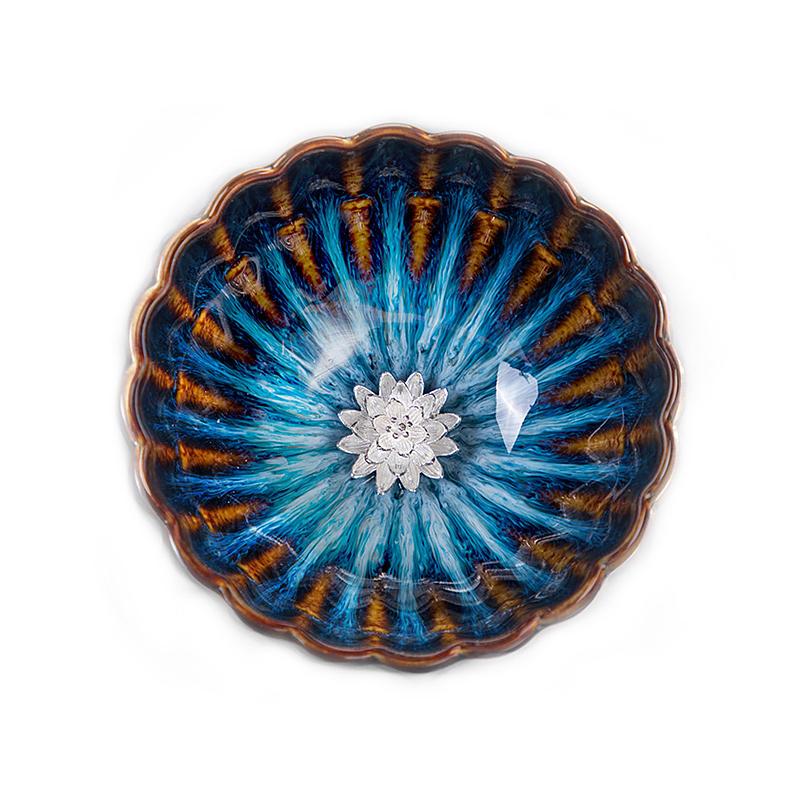
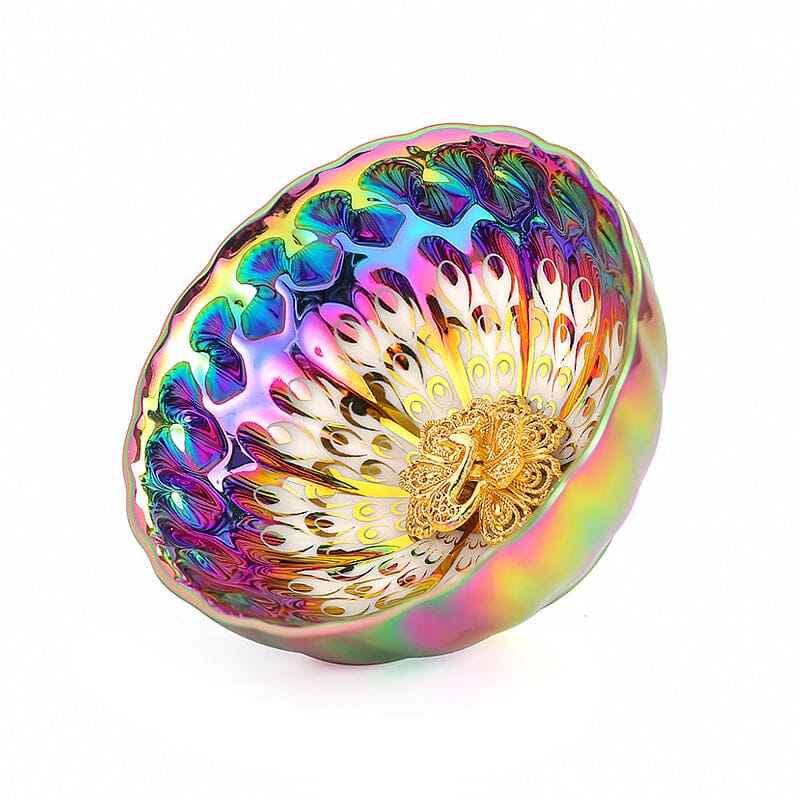
Paon vif

A representative Tenmoku tea cup to compare by glaze depth, cup shape, price, and gift fit.

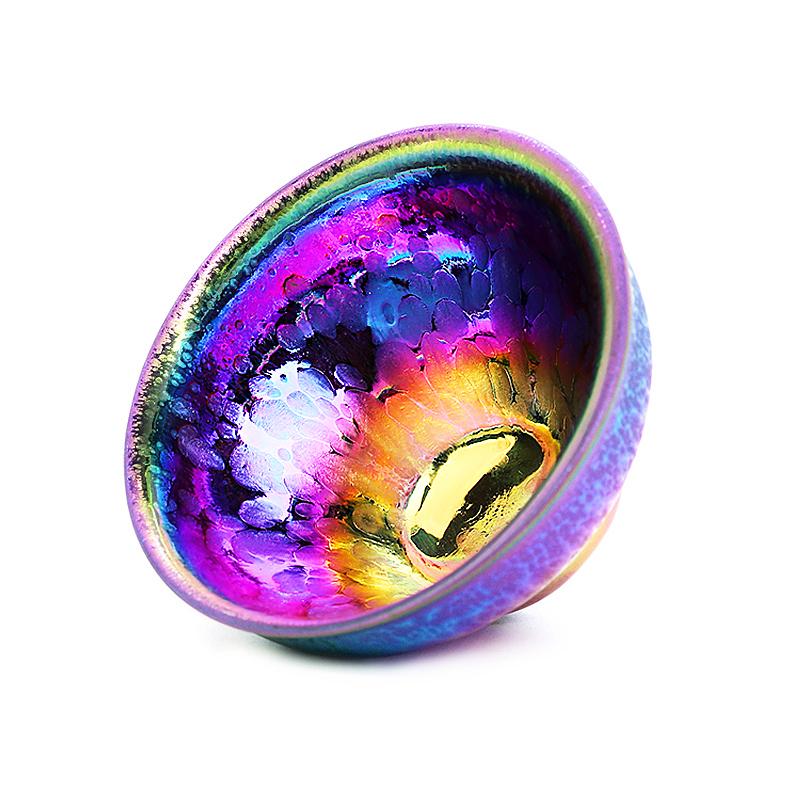
Paon doré

Compare this piece when you want a clear visual reference for a gold-toned Tenmoku glaze style.

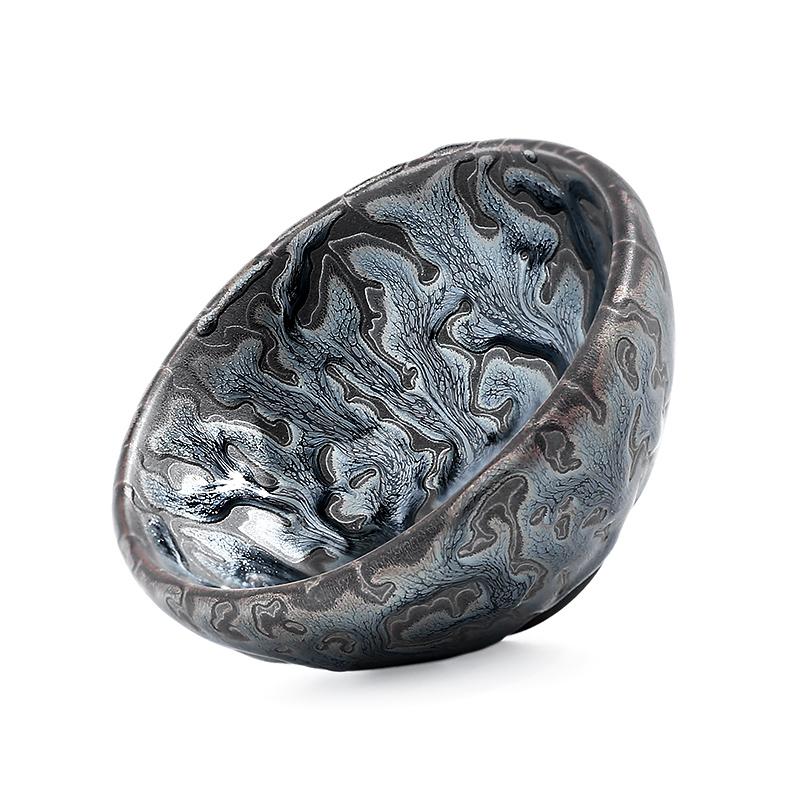
Fée II

Use this product as another comparison point for handmade form, glaze variation, and gift suitability.

shop handmade Tenmoku tea cups compare Jianzhan teapots browse Tenmoku tea sets choose Tenmoku matcha bowls view Tenmoku tea cups read the real vs fake Tenmoku tea bowl guide browse Jianzhan buying guides learn about Tenmokus

From Tenmoku guide to teaware choice

Tenmokus is focused on handmade Jianzhan Tenmoku teaware for tea rituals, display, and gifting. If you are choosing after reading this guide, start with Tenmoku tea cups for daily tea tasting, Tenmoku teapots for loose leaf brewing, Tenmoku tea sets for coordinated gifts, or Tenmoku matcha bowls for matcha preparation.

Dernières histoires

Keep exploring Tenmoku care, gift ideas, teaware selection, and the difference between Tenmoku and Jianzhan.

Afficher tous

How to Spot a Real Handmade Tenmoku Tea Bowl: An Expert’s Authenticity Guide for Tea Lovers

How to Spot a Real Handmade Tenmoku Tea Bowl: An Expert’s Authenticity Guide for Tea Lovers

If you’ve ever held a real tenmoku tea bowl in your hands during a gongfu tea session, you know there’s nothing quite like it—the way the iron-rich glaze catches the light, the warmth it holds, the silent story of a...

En savoir plus

Jian Zhan vs Japanese Tenmoku Tea Bowl: Which Offers the Best Value for Gongfu Tea?

Jian Zhan vs Japanese Tenmoku Tea Bowl: Which Offers the Best Value for Gongfu Tea?

Jian Zhan vs Japanese Tenmoku Tea Bowl: Which Offers the Best Value for Gongfu Tea? If you’re diving into gongfu tea ceremony and seeking the perfect tenmoku tea bowl, you’ve likely encountered two alluring paths: the ancient Chinese Jian Zhan...

En savoir plus

Tenmoku Tea Bowl: A Handmade Cup With History, Beauty, and Meaning

Tenmoku Tea Bowl: A Handmade Cup With History, Beauty, and Meaning

Tenmoku Tea Bowl: A Handmade Cup With History, Beauty, and Meaning A tenmoku tea bowl is a dark-glazed tea cup, often called Jianzhan, known for dramatic patterns created by fire, minerals, and chance. For gongfu tea, it gives a quiet,...

En savoir plus