

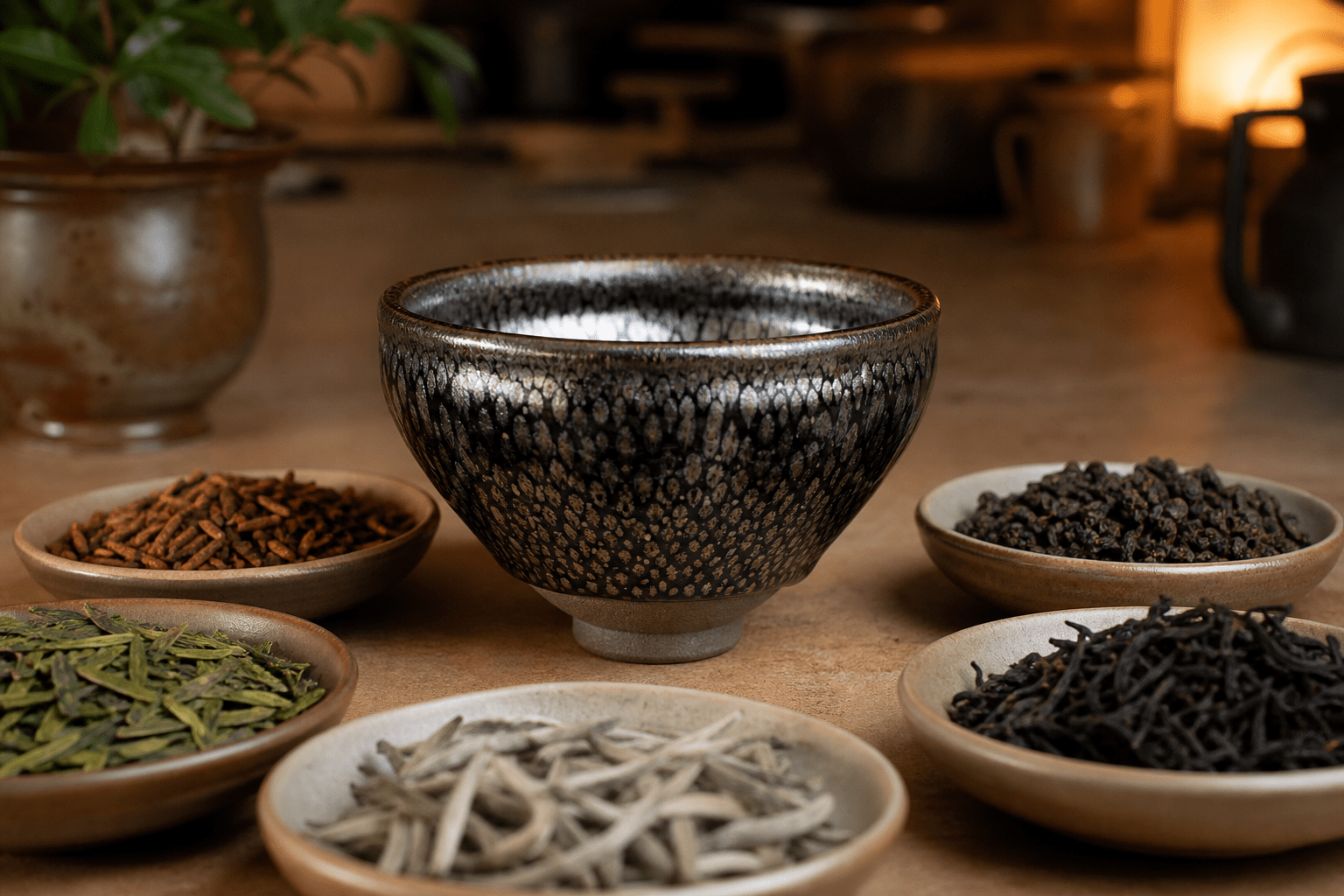
Introduction: Why Jianzhan Changes Everything About Tea
If you've been drinking tea from ordinary porcelain cups and then switch to a Jianzhan, the difference is immediate and startling. The same tea — same leaves, same water, same temperature — tastes different in a Jianzhan.
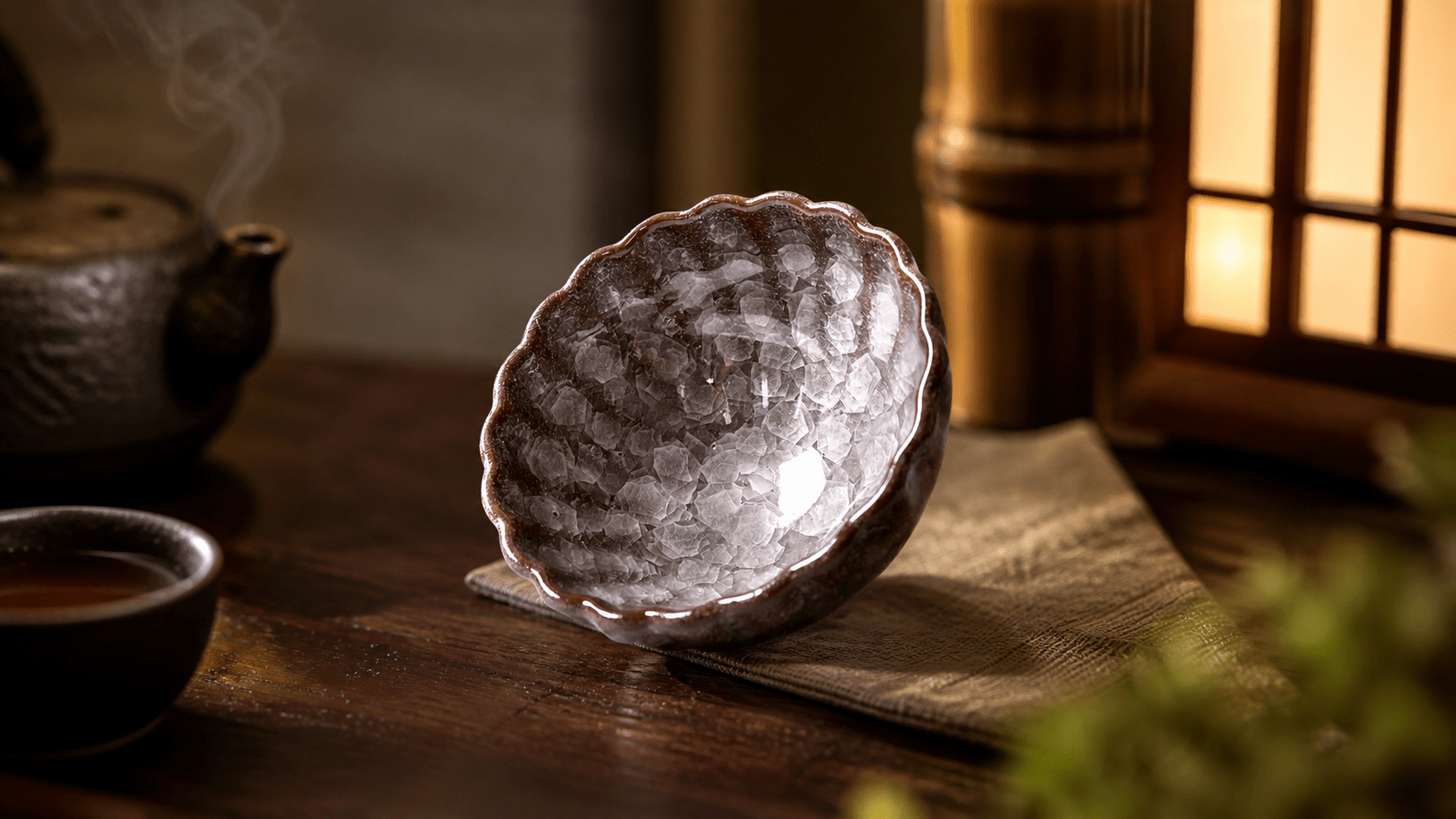
This isn't superstition. It's chemistry — combined with physics and a touch of alchemy. The iron-rich clay and mineral glaze of a Jianzhan bowl affect tea in three measurable ways:
- Heat retention: Jianzhan walls are thick (4–8mm) and dense with iron. Tea stays warmer 15–20 minutes longer than in a standard porcelain cup.
- Alkalinity effect: The iron and mineral content slightly raises the alkalinity of the tea liquor, softening bitterness and enhancing aroma compounds.
- Oxidation buffer: Thick walls reduce thermal shock and slow oxidation after steeping, keeping flavors fresher longer.
But the visual effect is equally important. The deep black or bronze interior creates a natural backdrop that makes the color of the tea liquor glow. This matters enormously for matcha and oolong, where color is part of the experience.
Matcha + Oil Spot Jianzhan: The Perfect Pairing
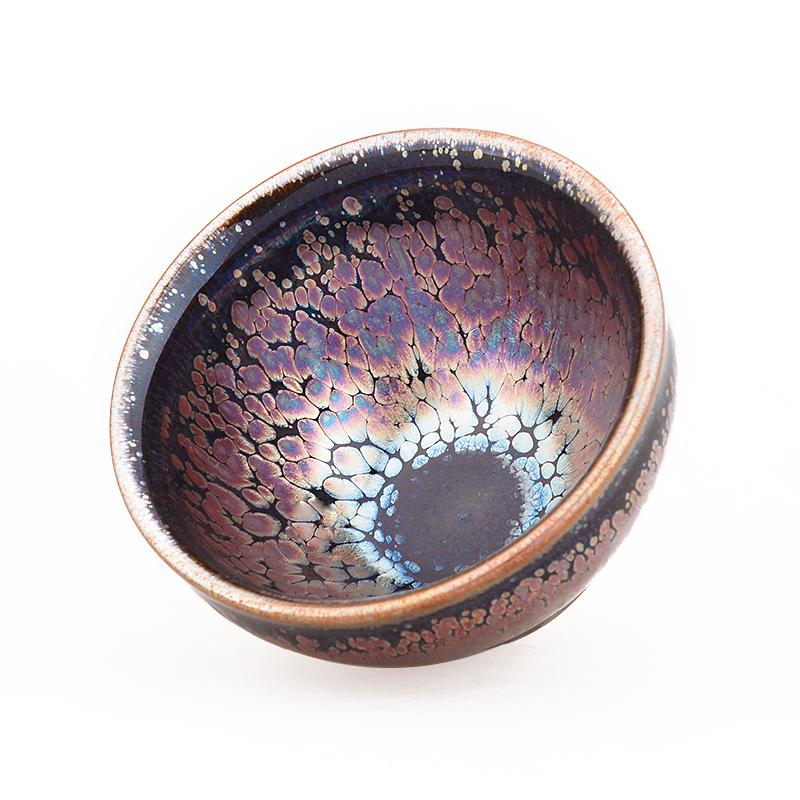
Why: This is the most traditional and visually dramatic pairing in tea culture. In Song Dynasty doucha (competitive tea tasting), judges evaluated tea partly by the color and persistence of the foam against the bowl's interior. A dark Jianzhan bowl against bright green matcha foam creates maximum visual contrast — which is why it was prized then and remains so today.
How to do it: (1) Sift 2g matcha into a dry Jianzhan bowl. (2) Add 70ml water at 75–80°C. (3) Whisk vigorously in M-shaped strokes with a chasen (bamboo whisk). (4) Watch the foam hold its shape against the dark釉面.
Best Jianzhan for matcha: Oil Spot (bronze-metallic dots create beautiful contrast with green foam) or 乌金 (pure black).
Oolong / Yancha (Rock Tea) + Hare's Fur
Why: Aged oolongs and yancha from Wuyi Mountains have deep, complex flavors with notes of orchid, rock mineral, and toasted grain. The heat retention of a Jianzhan keeps these flavors expressive as the tea cools gradually — and the hare's fur streaks catch the light beautifully against amber liquor.
Best Jianzhan for oolong: Hare's Fur (warm gold streaks complement amber liquor) or Partridge Spot (rust tones pair well with roasted notes).
Aged Pu-erh + Oil Spot or Partridge Spot
Why: Aged pu-erh has deep, earthy, woodsy flavors that deserve a vessel with equal depth. The dark interior amplifies the rich mahogany color of aged pu-erh liquor, and the thick walls are perfect for the long, slow drinking sessions that aged tea deserves.
How to do it: Use a gaiwan or small teapot to rinse the pu-erh twice, then pour into the Jianzhan. The Jianzhan holds the tea at the ideal temperature for continued sipping.
White Tea + Yohen or Silver Rabbit Fur
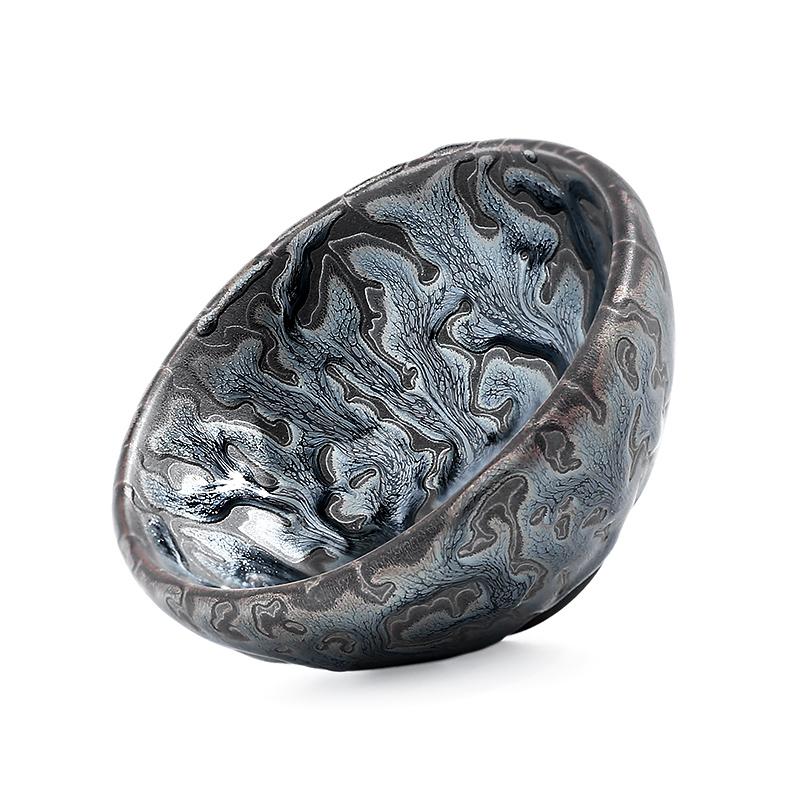
Why: White tea (especially aged Silver Needle or White Peony) has the most delicate flavor profile. A Yohen or Silver Rabbit Fur Jianzhan doesn't overwhelm the subtle flavors, and the visual beauty adds a contemplative dimension to the quiet ritual of white tea.
Green Tea — Proceed with Caution
Most green teas are best brewed at lower temperatures (60–75°C). At these temperatures, the heat retention advantage of Jianzhan is less relevant, and the dark interior can make it harder to judge the color of the liquor.
Exception: High-quality Chinese green teas like Longjing (Dragon Well) brewed at higher temperatures (80–85°C) can work beautifully in a Jianzhan.
A Surprise: Jianzhan for Coffee
This isn't traditional, but it's real. The same properties that make Jianzhan excellent for tea work equally well for coffee: Japanese-style iced coffee, pour-over when you want to sip slowly, and espresso-based drinks where chocolate and caramel notes benefit from mineral enhancement.
Pairing Summary Table
| Tea Type | Best Jianzhan Glaze | Why It Works |
|---|---|---|
| Matcha | Oil Spot / 乌金 | Maximum visual contrast with green foam |
| Aged Oolong / Yancha | Hare's Fur / Partridge Spot | Heat retention + complementary color |
| Aged Pu-erh | Oil Spot / Partridge Spot | Depth of flavor + rich liquor color |
| White Tea | Yohen / Silver Rabbit Fur | Subtle enhancement, contemplative beauty |
| Green Tea | Hare's Fur (thin streak) | Only at higher brewing temperatures |
| Black Tea | Partridge Spot / Oil Spot | Amber liquor pops against dark glaze |
Conclusion
The beauty of Jianzhan is that no pairing is "wrong." Each bowl is unique, each tea moment is different, and part of the joy of collecting Jianzhan is discovering your own favorite combinations over time. Start experimenting. Brew the same tea in different Jianzhan bowls. Notice how the flavor shifts. That discovery process is what makes Jianzhan more than a cup — it's a practice.
Written by Tenmoku Studio | Last updated: 2026-04-15
Frequently Asked Questions
What makes Jianzhan different from other tea cups?
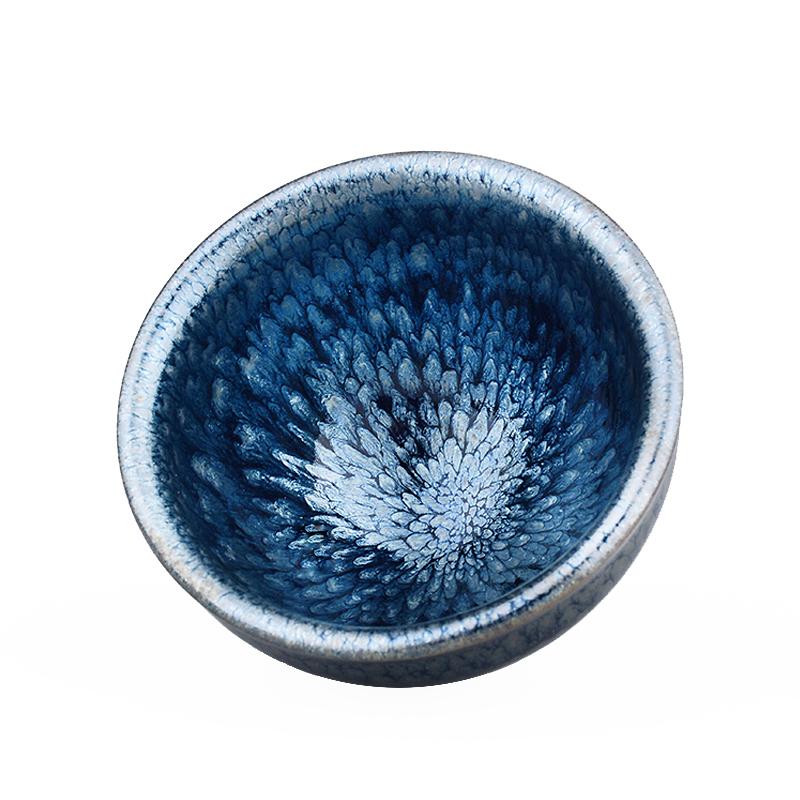
Jianzhan are made from iron-rich clay (8-12% Fe₂O₃) fired at temperatures exceeding 1300°C in Jianyang, Fujian. The spontaneous kiln transformation creates unique glaze patterns — oil spots, hare's fur, or partridge feathers — that cannot be replicated by machines. No two pieces are ever identical.
How do I care for my Jianzhan?
Clean with hot water only — never use dish soap as it strips the metallic sheen. Dry completely after washing. Store upside down. Avoid thermal shock (don't rinse hot bowls with cold water). With regular use, the glaze develops a beautiful patina called yang zhan.
What tea should I drink from a Jianzhan?
Jianzhan pairs exceptionally well with oolong teas and aged pu-erh. The dark glaze creates dramatic visual contrast with the tea liquor. The iron-rich clay also retains heat well, keeping tea warm longer during extended sessions.
Are all Jianzhan on the market authentic?
Unfortunately, no. The surge in Jianzhan popularity has brought many mass-produced counterfeits, often selling for under $30. Authentic Jianzhan require skilled artisans, traditional kilns, and weeks of labor. Always buy from verified sellers with documented provenance.


Partager:
Jianzhan vs Ruoqingshi vs Oriibe: Which Tea Bowl Is Right for You?
From Song Dynasty Doucha to Your Morning Ritual: The 1,000-Year Journey of Jianzhan