

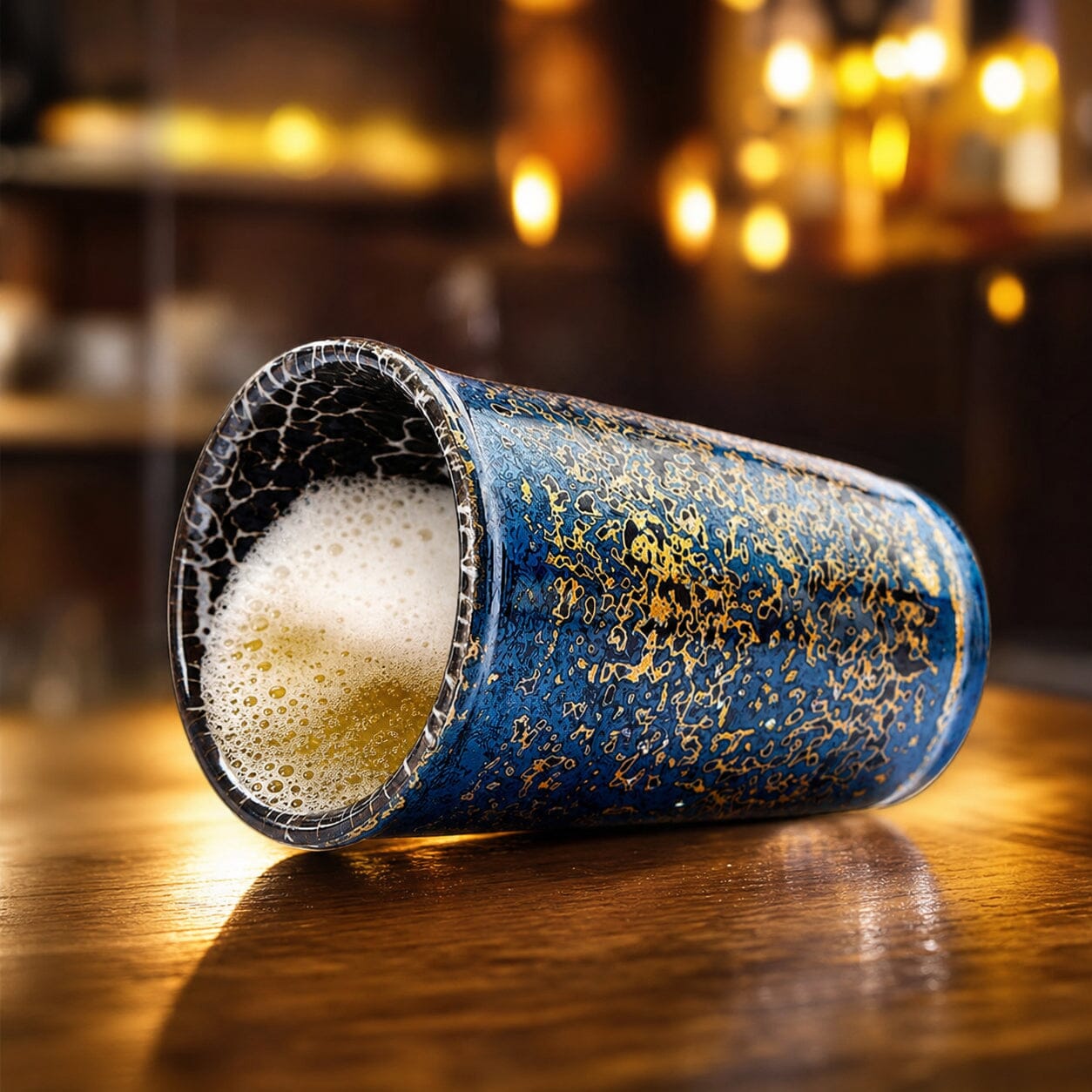

A tenmoku tea bowl isn’t just ceramic—it’s a kiln’s heartbeat frozen in iron and ash. When I first held a genuine Jianzhan tea bowl, its oil-spot glaze glinting under tea light, I felt a direct line to the Song Dynasty tea culture that birthed it. For modern tea ceremony lovers, these bowls bring a touch of wabi-sabi that no machine can replicate. In this story, I’m taking you into the world of the tenmoku artisan, where a single firing can yield 90% failure and one perfect partridge feather bloom.
What Is the Fujian Tea Bowl Tradition?
The tenmoku tea bowl is born from a tradition that goes back over a thousand years in the mountainous Jianyang region of Fujian, China. I like to compare it to a terroir-driven wine—the mineral-rich, iron-heavy clay from Fujian’s red soil gives each bowl its soul. Jian zhan history is rooted in the everyday lives of Song Dynasty scholars and monks. By the 10th century, the kilns of Shuiji town were producing hundreds of thousands of bowls with iron-rich glazes. The term “Tenmoku” itself is a Japanese tribute—Zen monks who visited China’s Tianmu Mountain brought these matcha bowl-sized tea vessels back to their temples, seeding a deep japanese pottery reverence for Jian ware. The fujian tea bowl tradition was never a static museum piece; it pulsed with each firing, a living connection between earth, fire, and tea.
I’ve stood in the ruins of those ancient dragon kilns, and you can still feel the heat in the stones. Local master artisans, or tenmoku artisan inheritors, sift through raw clay with the same eye for density that their ancestors did a millennia ago. This isn’t mass production—it’s a lineage.
How Did Song Dynasty Tea Culture Shape These Bowls?
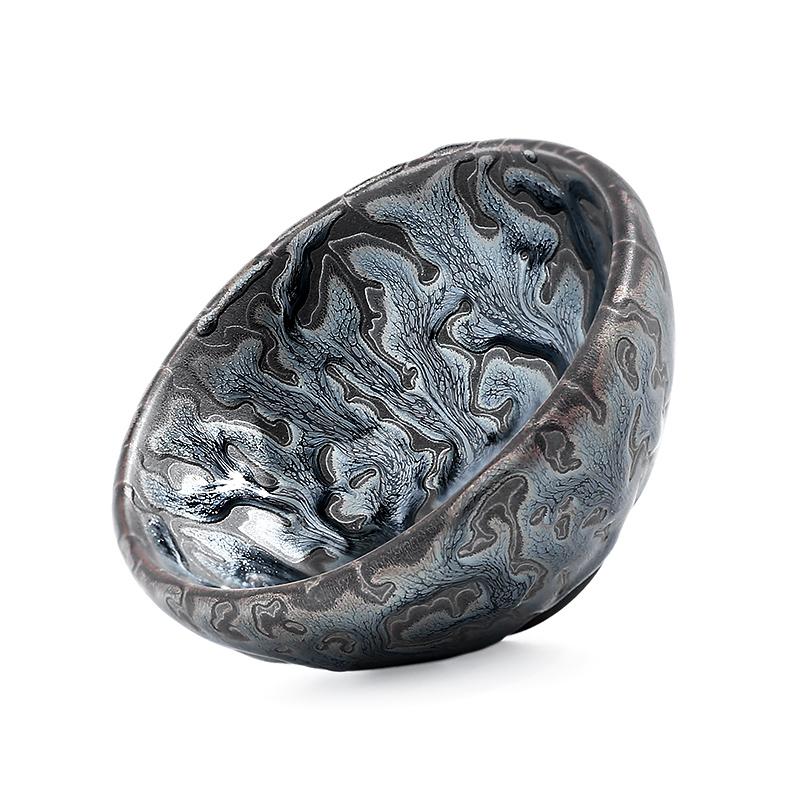
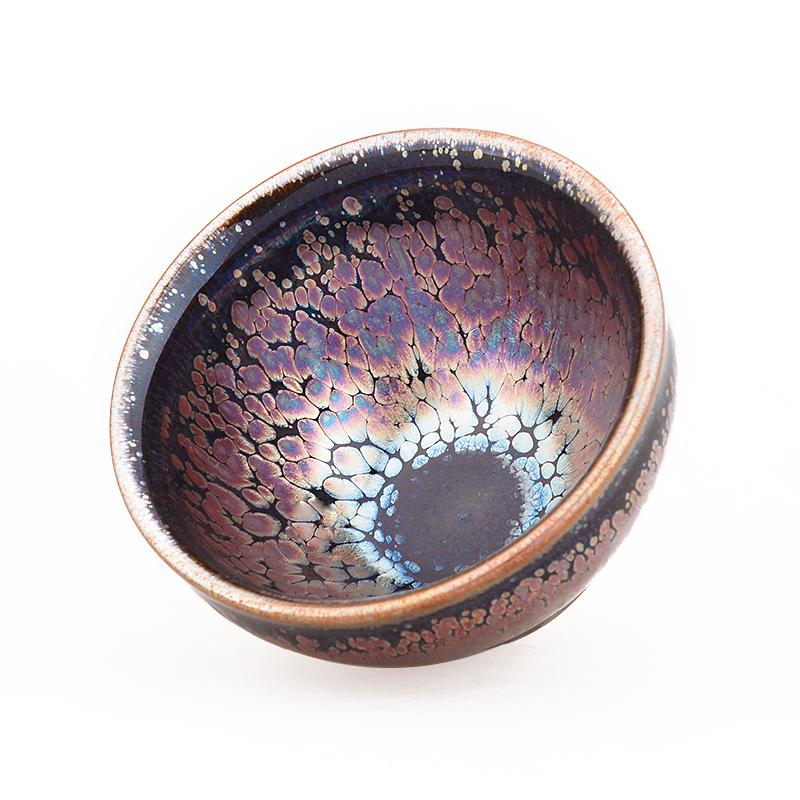
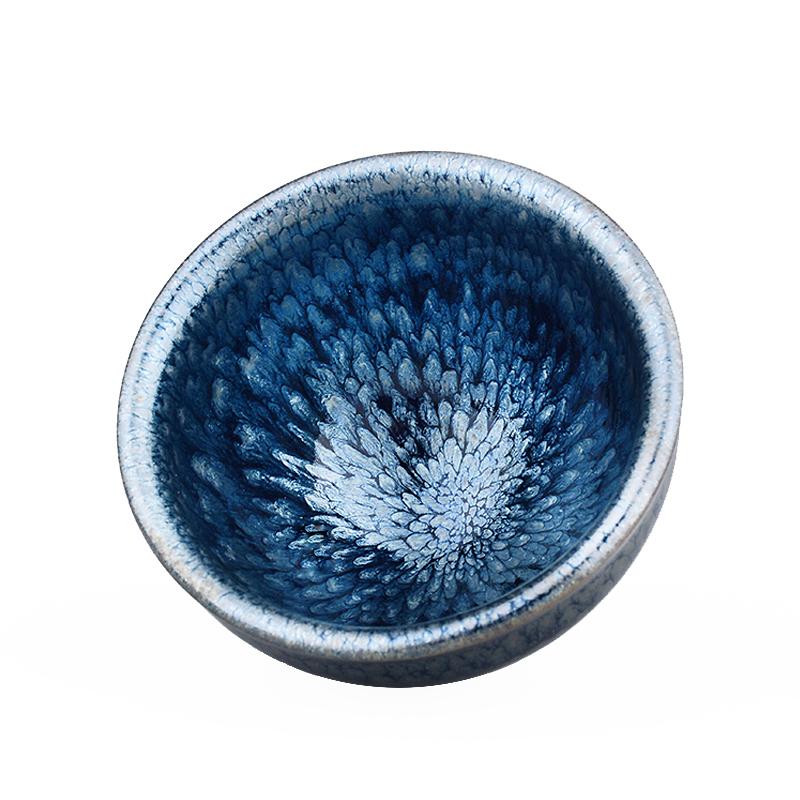
The golden age of the tenmoku tea bowl was fueled by an obsession: song dynasty tea culture revolved around whisked powdered tea, much like modern matcha. Emperors and literati held fiercely competitive tea contests—who could whisk up the most persistent white froth? To show off that snowy foam, they needed a bowl that was deeply, intensely black. The answer was Jianzhan, with its mirror-dark body and unpredictable surface crystals. What we now call a partridge feather or hare’s fur glaze became the aesthetic peak—individual iron crystals stretching like streaks of oil on water.
I often tell my students to picture a dark night sky: some bowls capture starry speckles (oil spots), others comet-like streaks (hare’s fur). The Song emperor Huizong himself praised the bluish-black hare’s fur type in his tea treatise. When this culture traveled to Japan, the appreciation deepened into a full tea ceremony ethos. The Japanese classified these bowls as national treasures, seeing in their imperfect perfection the very heart of wabi-cha. To this day, a fine japanese tenmoku for sale is less an object and more a statement of honor—but every collector knows the true soul is in the Fujian soil.
Inside the Kiln: The Art of the Tenmoku Artisan
Making a handmade tenmoku tea cup is a dance with catastrophe. I remember watching Master Lin in Shuiji open his wood-fired dragon kiln after a 72-hour burn. The temperature inside had held at 1300°C for hours; the air was thick with pine reduction. When he pulled out the first saggar, his hands—calloused from decades—trembled slightly. Inside, a single bowl shimmered with an electric blue oil-spot pattern, a iron-rich glaze miracle. Over the next hour, only 7 out of 40 bowls survived without major flaws. The rest were smashed on the spot. That’s the tenmoku artisan’s truth: no two kiln openings are alike.
This is why I never romanticize the process without acknowledging the grit. The clay body—heavy with iron—warps easily. The glaze, mixed from local stone and plant ash, flows dangerously at peak heat, threatening to seal the bowl to its furnace support. Master Lin explained that in the old days, a potter might fire a hundred bowls to get ten decent ones. Today, the handmade jian zhan tea cups you see on a collector’s shelf represent not just ancient chemistry but a deliberate refusal to take shortcuts. If you’re drawn to the mysterious hare’s fur effect, you can Browse our hare’s fur Jianzhan series to see patterns that can never be exactly duplicated.
| Characteristic | Mass-Produced Glaze Bowl | Authentic Handmade Tenmoku |
|---|---|---|
| Glaze Texture | Uniform, synthetic-feel | Deep crystalline structures, no two alike |
| Clay Body | Lightweight, often low-iron | Heavy, iron-rich, dark unglazed foot |
| Heat Retention | Moderate | Excellent—thick walls keep tea warm longer |
| Cultural Value | None | Direct link to Song Dynasty tea culture |
| Investment Potential | Zero | Rises with artisan reputation |
Why Does a Handmade Tenmoku Tea Cup Feel So Alive?
I once handed a warm, freshly brewed cup of aged pu-erh tea to a friend who’d never used a tenmoku bowl before. She closed her eyes, held the bowl in both hands, and said, “It breathes.” The handmade tenmoku tea cup doesn’t just serve tea—it interacts with it. The iron-rich clay is believed by many aficionados to subtly soften water, rounding out the sharp edges of young sheng pu-erh or adding a mineral whisper to a Japanese matcha bowl session. Scientifically, the micro-pores in the glaze and the bowl’s high heat capacity make it an ideal vessel for gongfu tea, where multiple short infusions demand stable temperature.
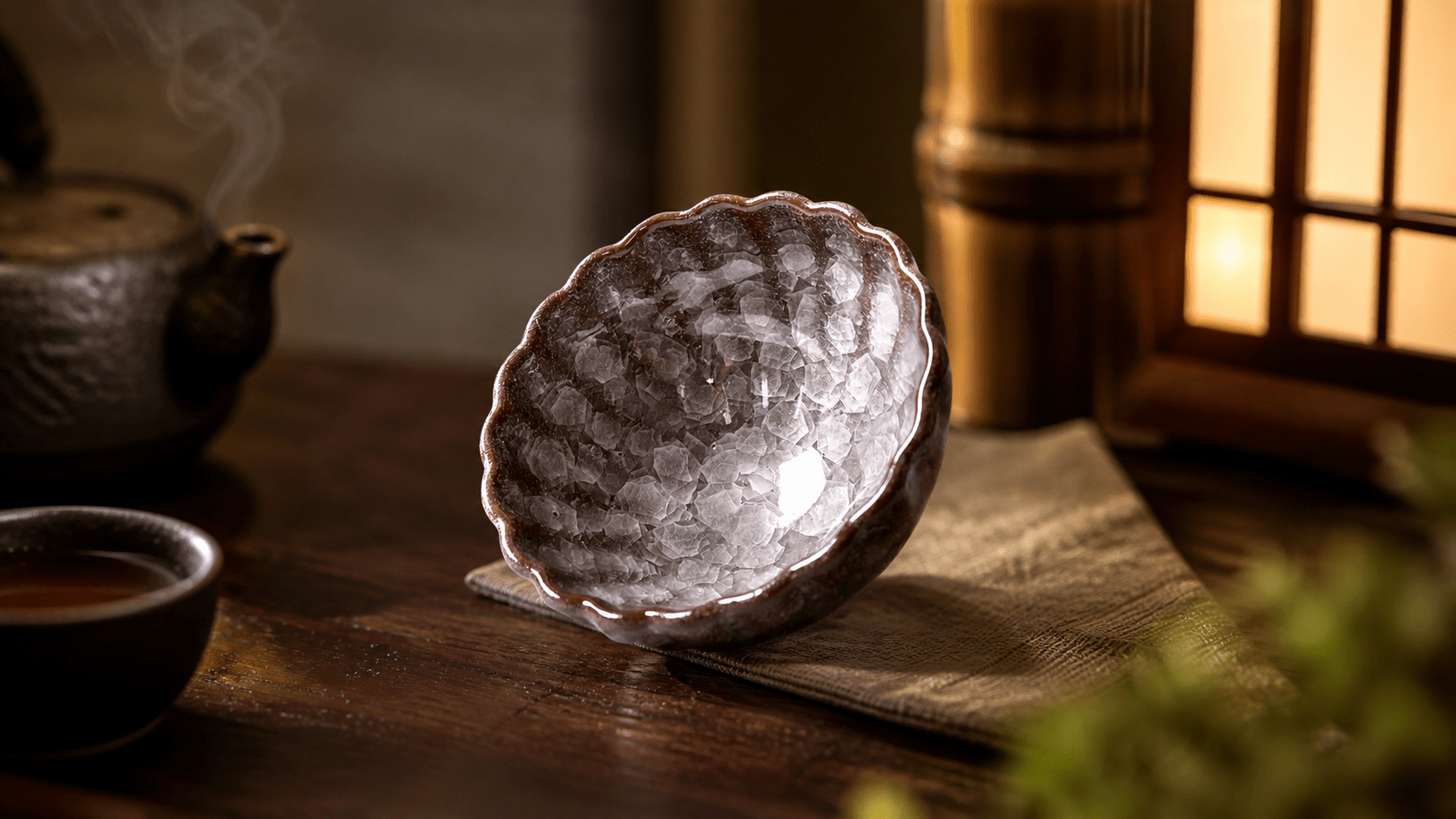
If you’re searching for a gift for tea lovers that goes beyond the ordinary, this is where I point to the jian zhan’s sensory presence. Each partridge feather or oil spot pattern catches light differently as you rotate the bowl, turning your daily tea ceremony into a slow, grounding ritual. Ready to experience this yourself? You can Shop authentic Tenmoku tea bowls that carry this very energy.
Who Should Buy a Tenmoku Tea Bowl?
After years of guiding collectors, I’ve learned these bowls find three types of people. First, the curious beginner who wants their first un-glitzy bridge to Chinese history—a handmade jian zhan tea cup that’s both a utensil and a conversation. Second, the premium lifestyle buyer who already owns hand-ground matcha and a cast-iron kettle, seeking a handmade tenmoku tea cup to complete the japanese pottery table. Third, the serious collector chasing documented kiln provenance and living national treasure tenmoku artisan signatures. If you see yourself here, you’re not buying a cup; you’re stewarding a millennium of fire-worshipping art.
When you browse a japanese tenmoku for sale or its Jianzhan original, always confirm the foot ring is exposed dark clay—a hallmark of true Jian ware—and that the pattern isn’t a decal. A real tenmoku bowl often has tiny pinprick pores, proof of its iron-rich body breathing during firing. That imperfection is your guarantee of authenticity, not a defect.
A Final Word from the Kiln
Every tenmoku tea bowl carries a story of risk. The next time you cradle one, remember the 1300-degree heat, the pine smoke, and the artisan who gambled a week’s work on a single reduction atmosphere. The fujian tea bowl tradition never truly ended; it just waited for hands like Master Lin’s—and yours—to bring it back to steam. Whether you’re pouring a dark oolong for gongfu or whisking vibrant matcha, a true tenmoku turns tea into a dialogue with history.
Explore Our Collection
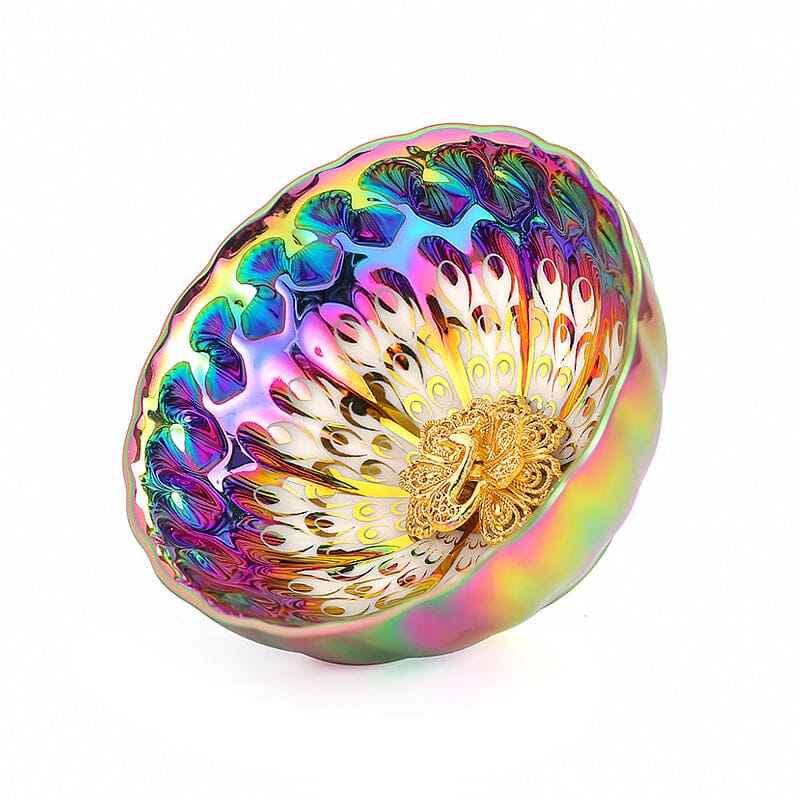
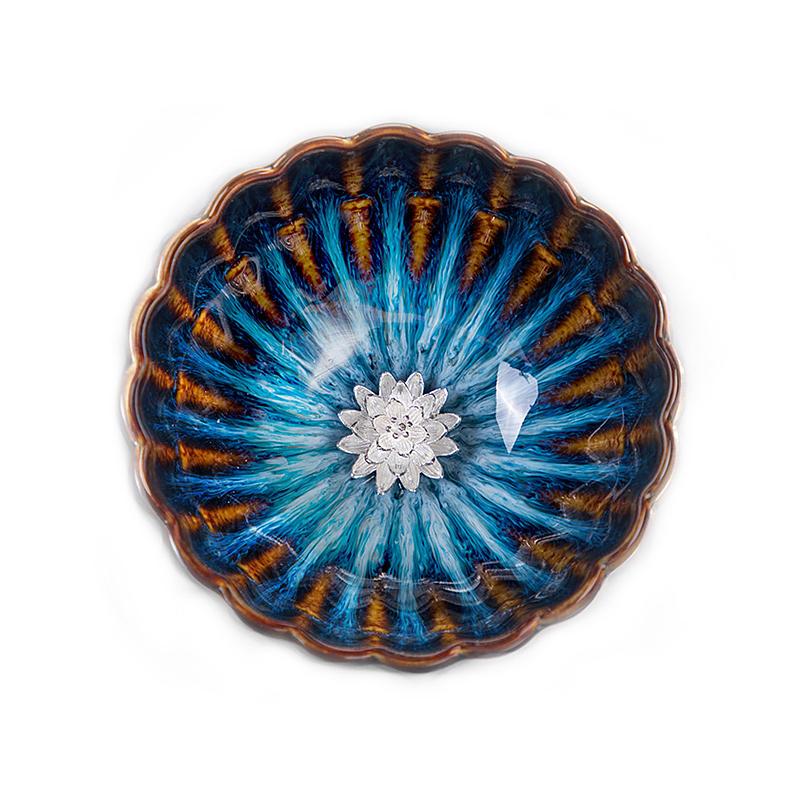
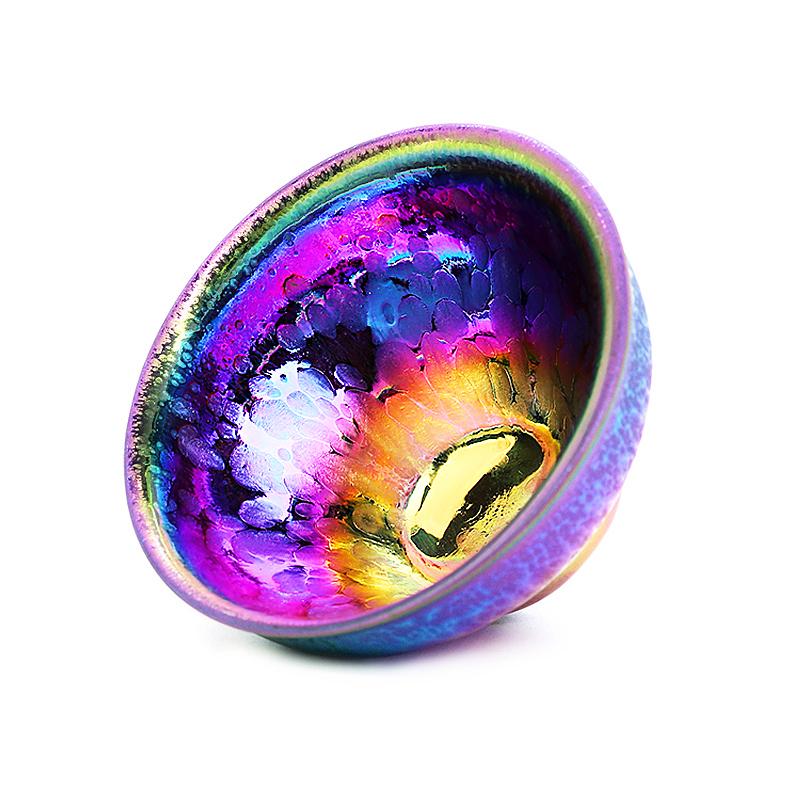
Ready to experience the world of tenmoku tea bowl? Browse our curated collection:
Disclaimer: This article is for informational purposes. Products and pricing subject to change.


Condividere:
Tenmoku Tea Bowl Authenticity Guide: How to Buy the Real Thing With Confidence
Why Is a Tenmoku Tea Bowl So Expensive? A Guide to Jian Zhan Value