

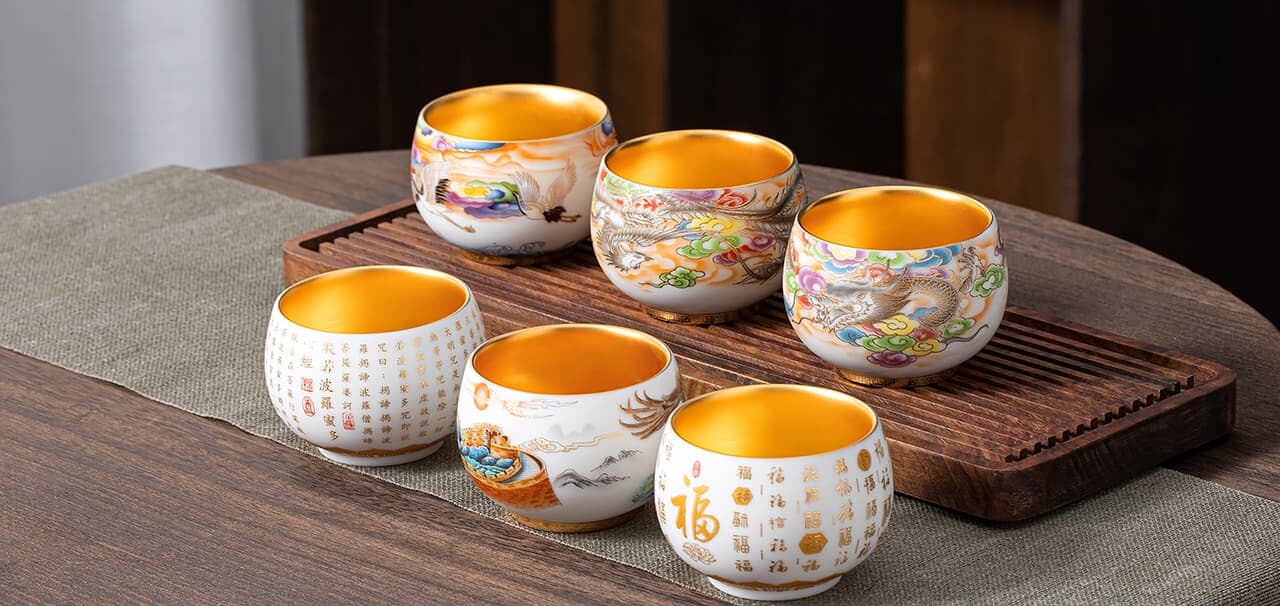
Yes, you can spot a real tenmoku tea bowl — but only if you know exactly where to look. Authentic Japanese tenmoku bowls show specific glaze patterns, firing signatures, and material clues that mass‑produced fakes simply can’t replicate. Think of it like a vintage wine glass: the weight, the ring, the subtle imperfections are all honest markers of the maker’s hand.
Key Takeaways
- Real tenmoku is handmade in Japan, typically from iron‑rich clay fired in a wood‑burning kiln.
- Glaze effects like “oil spot” (yuteki) and “hare’s fur” (nogime) are natural, never printed.
- Authentic bowls feel heavy in the palm, have a fine unglazed foot (kōdai), and a distinct iron‑black color that shifts in light.
- Fakes often use chemical glazes, dark glassy coatings, and show no kiln‑transformation irregularities.
- Price is a strong signal — real Japanese tenmoku under $150 is extremely rare.
What Is a Tenmoku Tea Bowl? (And Why Japan Made It Legendary)
A tenmoku tea bowl (天目茶碗) is a conical, black‑glazed ceramic cup originally inspired by Chinese Jian ware. Japanese potters perfected the form starting in the 14th century, giving it a spiritual weight in the tea ceremony. Real tenmoku bowls are not glossy novelty mugs — they are stoneware vessels that feel like iron, with surfaces that seem to breathe.
In the US, many “tenmoku” products are actually modern Chinese reproductions sold under the same name. True Japanese tenmoku is tied to specific kilns, master ceramists, and a lineage of wood‑fired artistry. Understanding that cultural anchor is your first filter in authentication.
Why Authenticity Matters for Your Experience and Investment
An authentic tenmoku bowl changes the way tea tastes and feels. The porous clay softens water, the thick glaze retains heat, and the visual depth intensifies the matcha experience. A fake, coated in a uniform glassy finish, does none of that. Moreover, genuine pieces appreciate in value over time, while fakes simply break or fade.
Collectors and tea practitioners learn to read a bowl like a biography. When you know it’s real, every sip becomes a connection to a centuries‑old tradition.
Key Benefits of Genuine Japanese Tenmoku
- Superior tea chemistry: The iron–rich clay interacts with hot water, subtly softening the mouthfeel and rounding out bitter notes — a feature no synthetic glaze can mimic.
- Thermal stability: Real stoneware holds heat evenly and feels comfortable in your hands, never scalding like thin porcelain impostors.
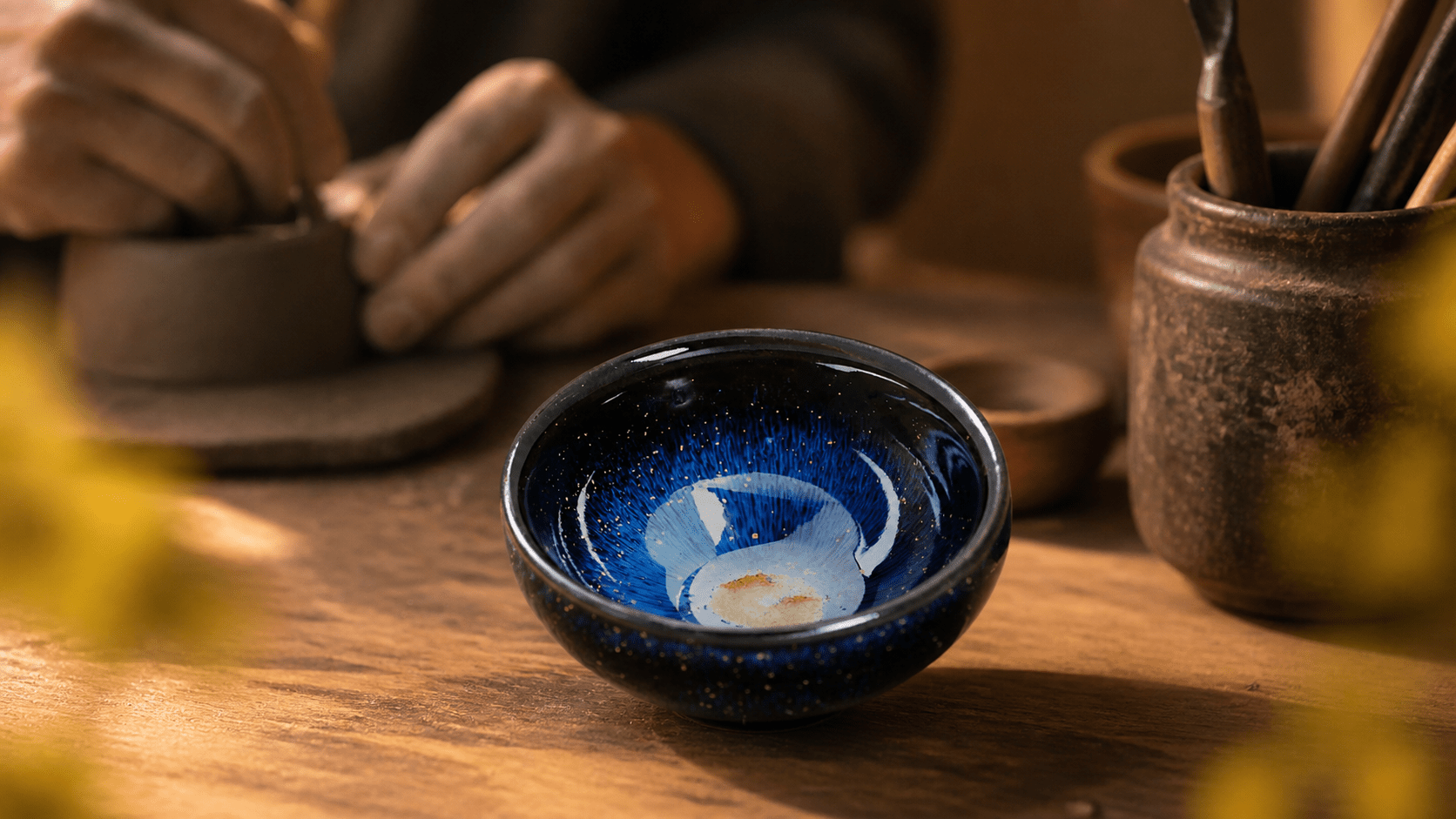
- Aesthetic depth: Glaze effects like crystalized “oil spots” or streaked “hare’s fur” form unpredictably in the kiln, making each bowl unique.
- Artisan legacy: You support living Japanese potters and preserve a craft recognized by UNESCO as Intangible Cultural Heritage.
- Conversation art: A genuine bowl becomes a centerpiece — a tactile story of fire, clay, and time.
Real vs Fake Tenmoku: Telltale Signs You Can Check Yourself
Take your bowl (or a photo listing) and go through this checklist. No single point guarantees authenticity, but three or more mismatches are a red flag.
1. The Glaze: Natural Crystallization vs Painted Pattern
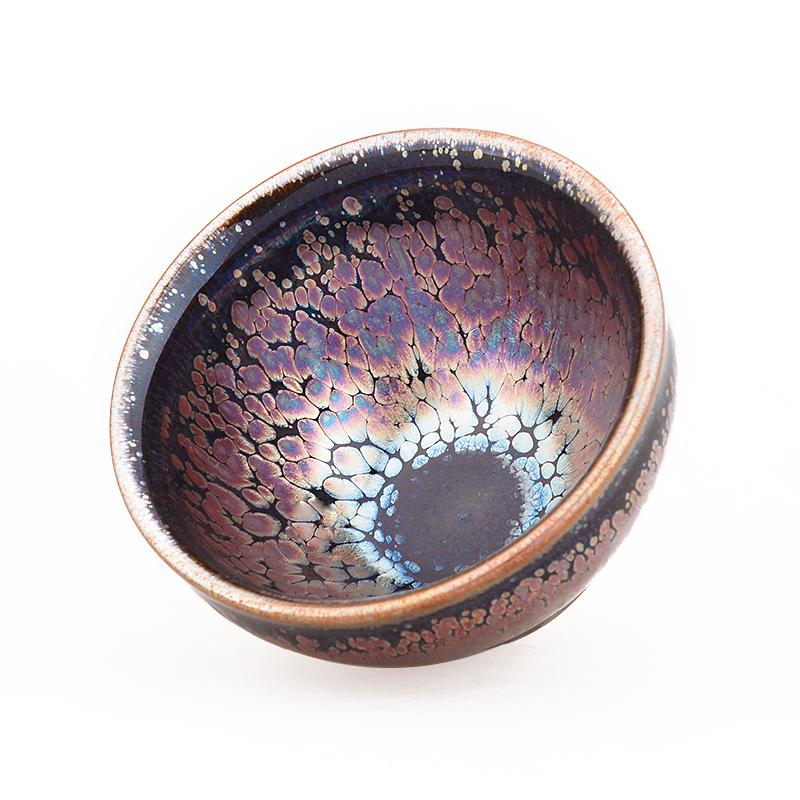
Real oil spot (yuteki) glazes are created by iron crystals that grow during cooling. Under a 10× loupe, you’ll see tiny faceted metallic islands floating in a glassy matrix, not a flat print. Fake “oil spots” are often screen‑printed dots or bubbles in a glossy overglaze — they lack depth and look identical across pieces.
2. The Foot (Kōdai): Unvarnished Honesty
Turn the bowl over. An authentic Japanese tenmoku has an unglazed, carefully trimmed foot ring showing the raw clay body — a dark, slightly granular brown‑black. The foot never looks bleached white or chalky. It often bears the potter’s signature or stamp carved into the clay. Fakes often fully glaze the bottom or leave a messy, machine‑cut base.
3. Weight & Wall Thickness
Real tenmoku feels substantial — heavier than it looks. The walls are moderately thick (around 3‑5 mm) and taper evenly to a slightly flared rim. Lightweight, thin bowls with a uniform glassy feel are almost certainly fakes.
4. Sound Test (Tapping)
Flick the rim with your fingernail. A high‑pitched, glass‑like “ting” suggests a hard porcelain body with a chemical glaze. Authentic tenmoku gives a lower, woodier “tock” — akin to tapping stoneware. (Do this very gently!)
5. Surface Texture: Alive vs Dead
Run your clean hand over the surface. Real iron‑glazed bowls have a subtle undulation, micro‑craters, or even tiny pinprick marks from escaping gas during wood‑firing. Fake glazes feel perfectly smooth, like a smartphone screen.
The Most Common Types of Fakes (And How to Spot Them Instantly)
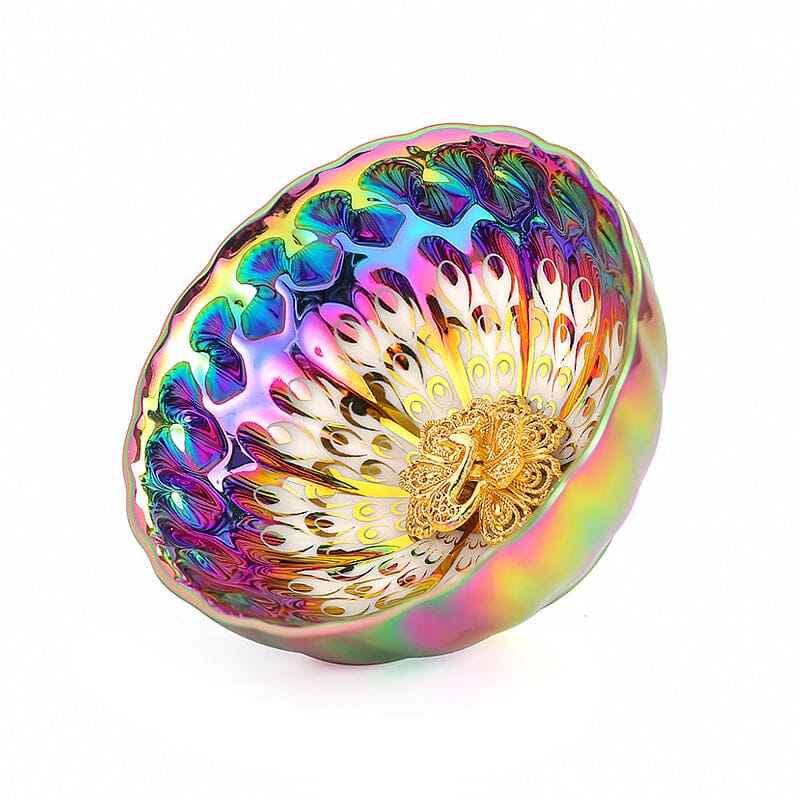
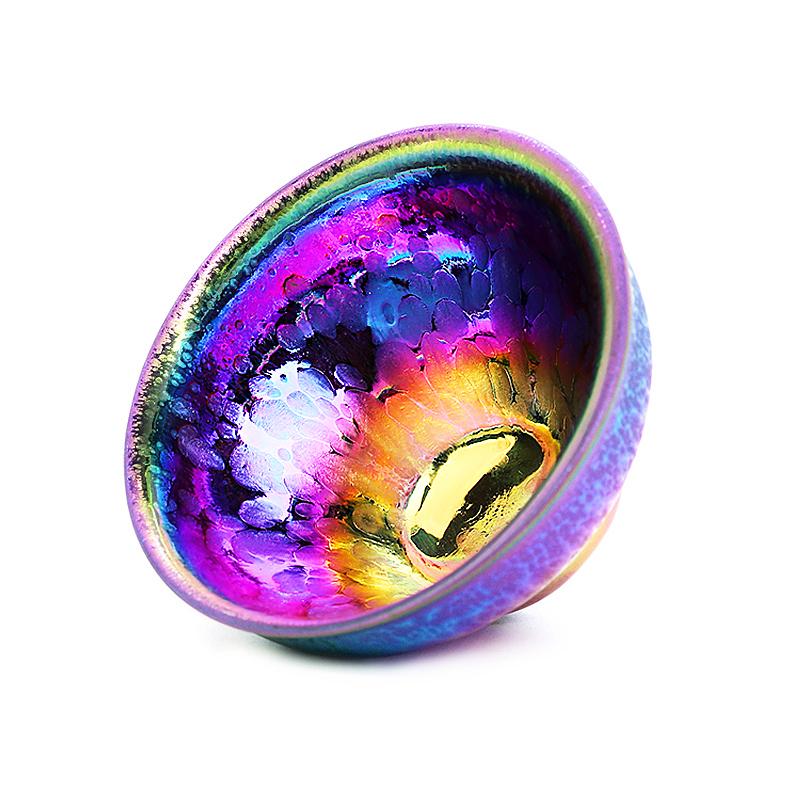
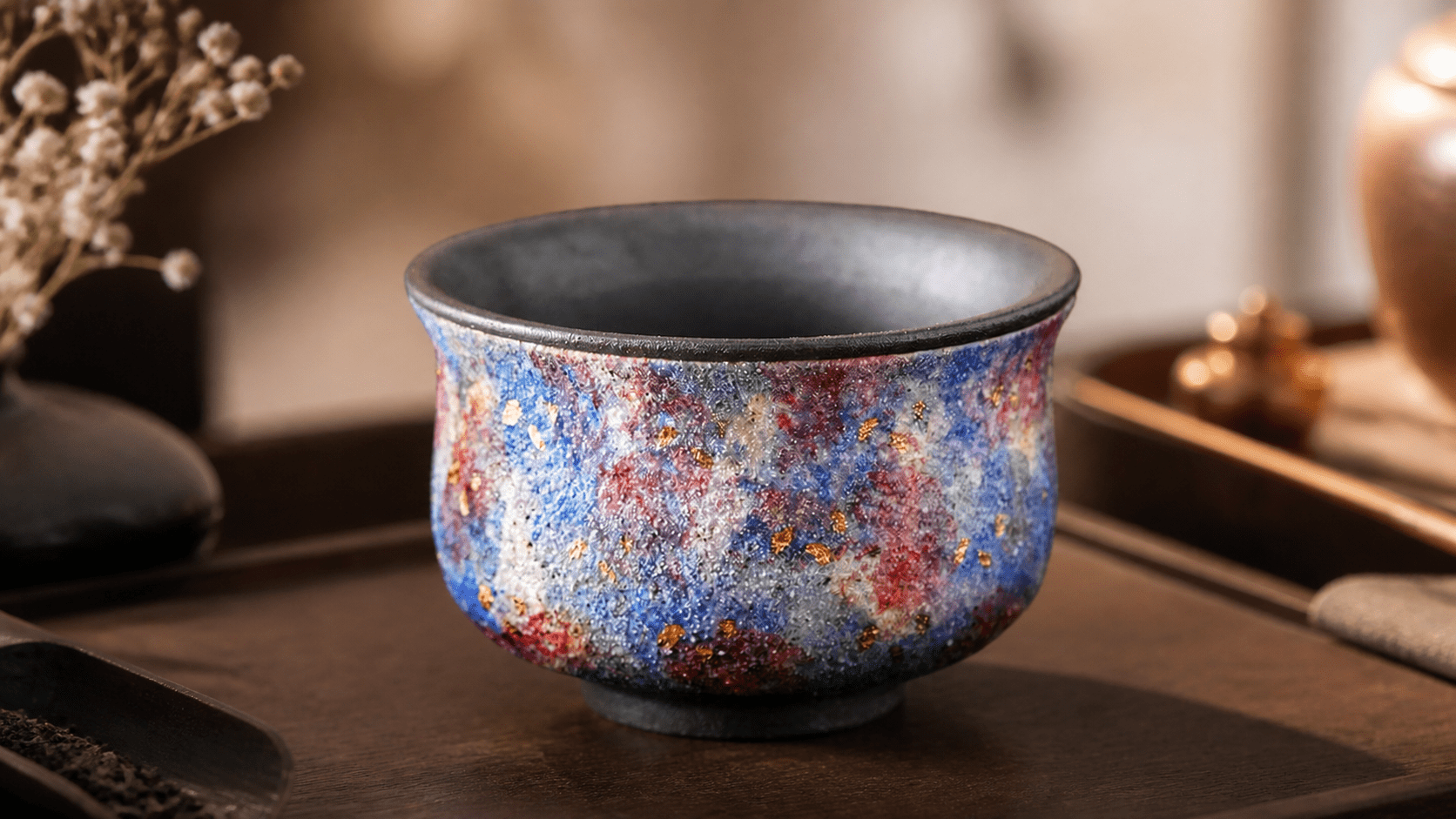
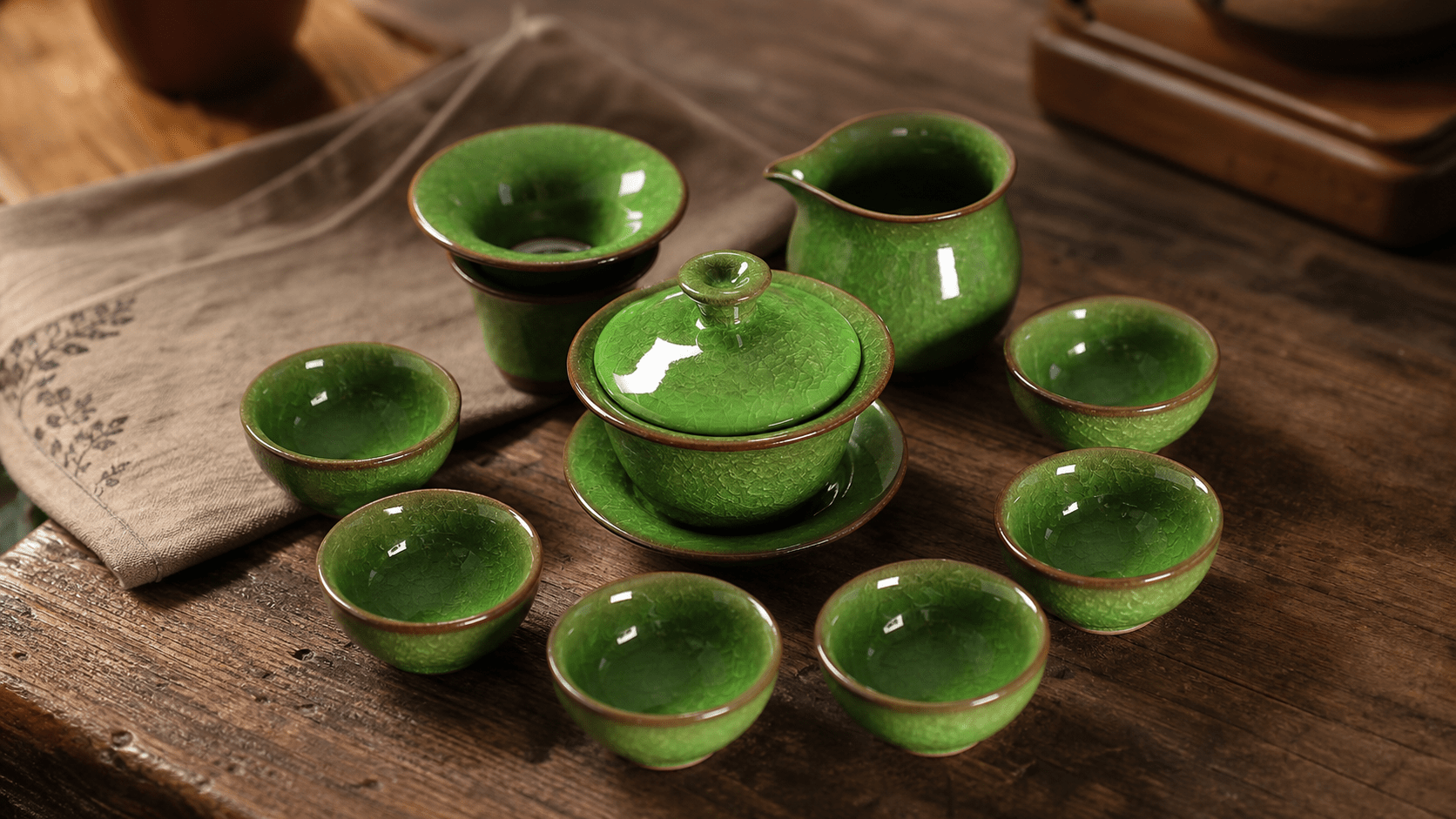
- Chemical “Tenmoku Glaze” Ramen Bowls: Sold online as “tenmoku teacup” for $20‑40. They are brightly colored (red, blue, green) with a high‑gloss finish, no iron content, and a stark white clay foot. Purely decorative, not for tea.
- Chinese “Jianzhan” Style Knockoffs: While genuine Chinese Jianzhan can be authentic, many mass‑produced versions use electric kilns and commercial glazes. They often feature a perfectly uniform “oil spot” pattern that is too symmetrical and lacks the organic randomness of wood‑fired Japanese pieces. Look for the potter’s mark and the clay body color (Japanese is dark, many Chinese fakes are lighter).
- Antique Reproductions with Artificially Aged Soles: Sellers may rub dirt or ash on the foot to fake age. Real aged wear is smooth and integrated; faked dirt sits on the surface and can be scraped off with a fingernail.
Smart Buying Guide: What to Look for When Purchasing
Whether you’re buying online or in a gallery, keep these filter steps handy:
- Ask for the potter’s name and kiln location. Reputable Japanese artists belong to associations like the Japan Kōgei Association. If the seller can’t name the maker, walk away.
- Check for a signed box (tomobako). Most fine pieces come in a wooden box signed by the artist — this is part of the authentication ecosystem in Japan.
- Demand natural‑light photos of the foot, rim, and interior. Avoid listings with only studio‑lit, contrast‑boosted images.
- Feel the price floor. Authentic modern Japanese tenmoku from a decent kiln rarely retails under $150. Gallery‑represented masters start at $500 and climb fast. If it’s under $100, it’s almost certainly a reproduction.
- Trust your nose. Real wood‑fired pots can carry a faint smoky scent, especially when dampened. A synthetic, plastic‑like smell is a giveaway.
Comparison Table: Real Japanese Tenmoku vs Common Fakes
| Feature | Authentic Japanese Tenmoku | Fake / Commercial Reproduction |
|---|---|---|
| Glaze | Iron oxide‑based, natural crystallization (oil spot, hare’s fur); subtle variations in color | Painted, printed, or chemically stained; uniform flat color, no depth |
| Clay Body (foot) | Dark iron‑rich stoneware, unglazed, hand‑trimmed with potter’s stamp | White or light porcelain, often fully glazed or machine‑finished |
| Weight | Heavy, dense; feels like river stone | Light, hollow feel |
| Firing | Wood‑fired reduction kiln; natural ash and flame marks possible | Electric or gas kiln; no kiln signatures |
| Price (new, modern) | $150 – $5,000+ depending on artist | $15 – $80 |
Real‑Life Scenarios: Where Authentic Tenmoku Fits Your Lifestyle
The Home Barista Turned Matcha Lover: After buying a cheap “tenmoku” on Amazon, Sarah noticed her matcha tasted bitter and the bowl scratched easily. She invested in a genuine Kirigama‑fired bowl and immediately noticed smoother texture in the tea and a lovely patina developing over time. The bowl became her morning ritual.
The Interior Designer’s Statement Piece: Marcus wanted a conversation starter for his minimalist coffee table. A real oil‑spot tenmoku, displayed on a simple wood stand, draws guests to ask about its origins — and it’s a joy to hold during the occasional whisky tasting.
The Collector Upgrading from Souvenirs: Linda realized her “antique tenmoku” from a trip was actually a chemically treated replica. She now only buys from certified Japanese galleries and has a small but curated collection that tells a true story.
Care Tips for Your Authentic Tenmoku Bowl
- Hand wash only with warm water; mild, unscented soap is okay if needed, but never use a dishwasher — the high heat and detergents can damage the iron glaze.
- After rinsing, dry immediately with a soft cloth to prevent water spots on the micro‑porous surface.
- Before first use, soak the bowl in lukewarm rice water for an hour to seal pores and develop a protective tea patina.
- Never pour boiling water directly onto a cold bowl; warm it gradually with a little hot water first to avoid thermal shock.
- Store in a padded box or on a soft cloth away from direct sunlight; real tenmoku glazes can fade very slightly over decades if exposed to constant UV.
Who Should Buy an Authentic Japanese Tenmoku Tea Bowl?
This isn’t for someone who wants a quick, colorful teacup. You’ll love a genuine tenmoku if:
- You practice chanoyu (Japanese tea ceremony) or prepare matcha daily and want the authentic experience.
- You’re a collector of ceramic art who values the stories behind handmade pieces.
- You gift with intention — a real tenmoku is a lifetime heirloom, not a disposable trinket.
- You appreciate subtlety over flashy design and prefer to see nature’s fingerprints in your objects.
If you’re simply looking for a dark‑colored cup for coffee, a well‑made stoneware mug will serve you better. But if you feel that pull toward a piece of living Japanese history, then start your search with the authentication points above.
Frequently Asked Questions
Conclusion: The Real Bowl Is Worth the Hunt
Distinguishing a real Japanese tenmoku tea bowl from the flood of imitations comes down to understanding material, process, and touch. Once you’ve held a genuine piece, the difference is immediate — like the difference between hearing a live cello and a synthetic speaker. Trust your senses, turn the bowl over, and always buy the artist, not just the label.
Ready to add a true tenmoku to your collection? Browse our hand‑selected authentic Japanese tenmoku bowls, each vetted for the telltale signs you’ve just learned.
Explore Our Collection
Ready to experience the world of tenmoku tea bowl? Browse our curated collection:
Disclaimer: This article is for informational purposes. Products and pricing subject to change.


Condividere:
Japanese Master Potter's Quest to Perfect Tenmoku Tea Bowls
From Earth and Fire: The Soul of a Japanese Tenmoku Tea Bowl