


Learn how to spot authentic Jianzhan vs mass-produced imitations. Expert tips on identifying real Tenmoku tea cups by glaze, weight, sound, and price.
Introduction
The surge in popularity of Jianzhan (建盏) and Tenmoku tea cups has brought a troubling wave of counterfeits flooding the market. If you've ever been burned by buying what you thought was an authentic handmade piece — only to discover it's a cheap reproduction — you're not alone. As a tea enthusiast who cares about quality, knowing how to identify a **real Tenmoku tea cup** is essential before you spend your money.
This guide walks you through the key differences between authentic Jianzhan and mass-produced fakes, so you can shop with confidence.
What Makes Jianzhan Authentically Valuable?
**Authentic Jianzhan** are handmade ceramic tea bowls produced in Jianyang, Fujian Province — the historic birthplace of Jianzhan ware during the Song Dynasty (960–1279 AD). What sets them apart is the iron-rich clay body (containing 8-12% iron oxide) and the spontaneous glaze patterns created during wood-firing at temperatures exceeding 1300°C.
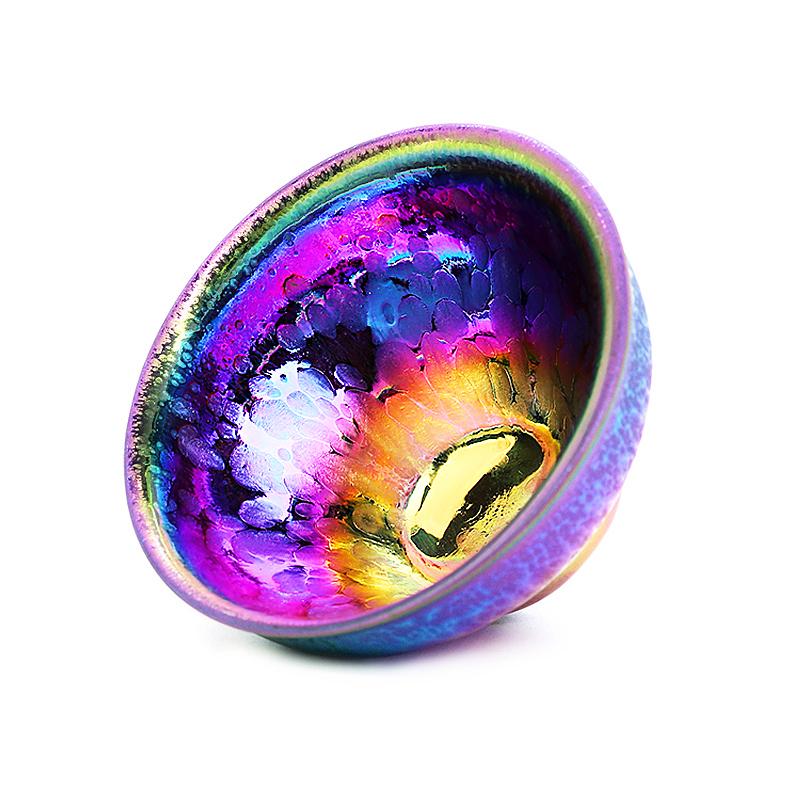
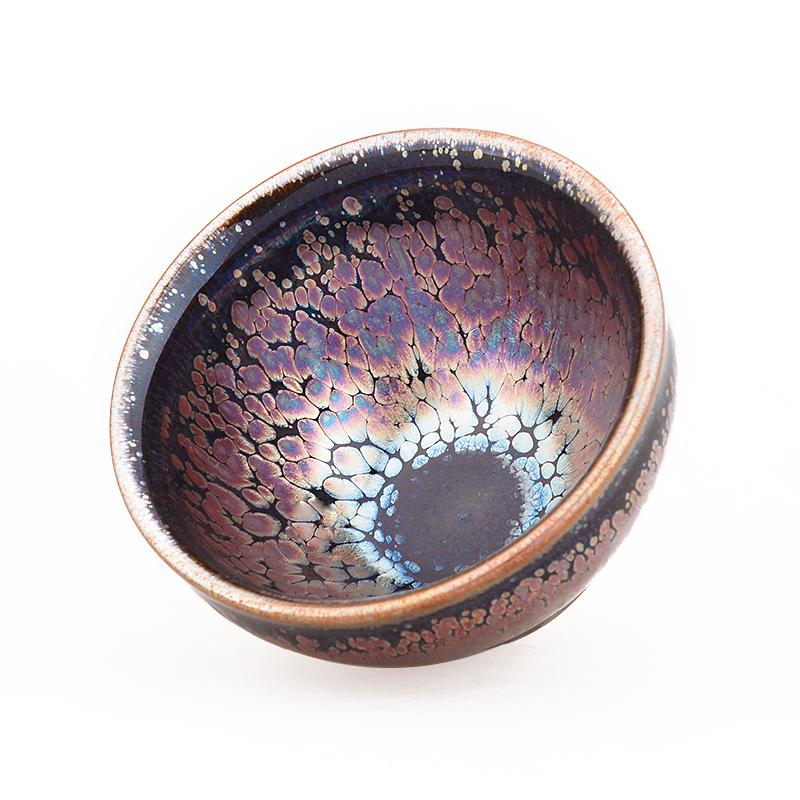
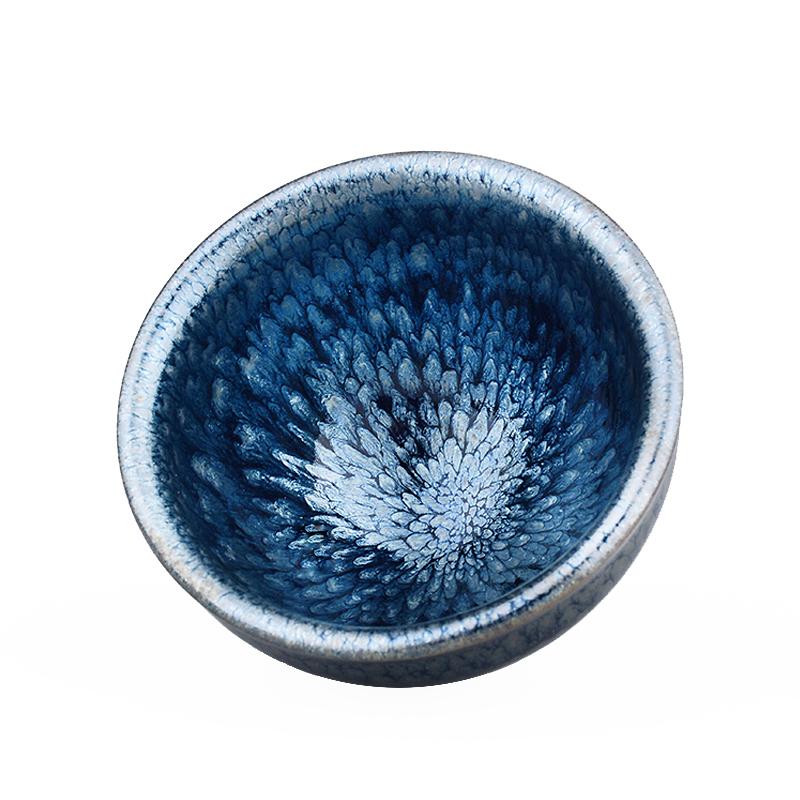
No two authentic pieces are alike. The窑变 (yao bian — kiln transformation) creates unpredictable glaze effects: oil spots, hare's fur streaks, or partridge feather speckles that can't be replicated by machines.
7 Ways to Spot a Fake Jianzhan
1. Price That's Too Good to Be True
Authentic Jianzhan require skilled artisans, traditional kilns, and weeks of labor. If you see a "handmade Tenmoku cup" selling for under $30, it's almost certainly a mass-produced imitation. Quality handmade pieces typically start at $80-150 for smaller cups, and can reach thousands for master-grade works.
2. Uniform, Perfectly Symmetrical Glaze
Real Jianzhan glazes are inherently irregular. If the oil spots are perfectly spaced, the color is uniform throughout, or the bowl looks "too perfect" — that's a red flag. The beauty of authentic pieces lies in their natural imperfection.
3. Light Weight
Authentic Jianzhan use heavy, iron-rich clay. A genuine cup should feel substantial in your hand, with a satisfying heft. Lightweight cups are typically made from common porcelain or stoneware clay without the characteristic iron content.
4. Hollow, Thin Sound When Tapped
Gently tap the rim of the cup with your fingernail. An authentic Jianzhan produces a deep, resonant, slightly dull tone — like a wooden percussion instrument. Thin, high-pitched ringing sounds indicate cheap materials and thin walls.
5. Rough or Gritty Foot Ring
The foot ring (the unglazed base) of authentic Jianzhan should feel slightly rough, showing natural grinding from the potter's wheel. Smooth, perfectly polished, or glazed foot rings are signs of mass production.
6. No Visible Wire or Tool Marks on the Base
Handmade bowls show subtle tool marks from the potter's hands. If the base is suspiciously clean and smooth, it was likely finished by machine.
7. Packaging and Provenance
Reputable sellers provide certificates of authenticity, kiln records, or artisan information. Vague sourcing ("made in China") without specific kiln or region details should raise suspicion.
What About Common Terms Like "Doucha" or "Yohen"?
These are legitimate Jianzhan classification terms, not quality indicators. **Doucha** (斗茶) refers to tea competing culture where these bowls originated. **Yohen** (油滴 — oil spot) describes a specific glaze pattern. However, many fakes now use these terms misleadingly in listings. Always verify the seller, not just the terminology.
Why Does Authenticity Matter?
Beyond ethics (paying fair prices to real artisans), authentic Jianzhan deliver genuine benefits:
- **Thermal properties**: Iron-rich clay retains heat better - **Chemical stability**: Natural materials are food-safe - **Aging character**: Real Jianzhan develop richer patina over years of use - **Resale value**: Authentic pieces hold or appreciate in value
Where to Buy Authentic Jianzhan
Look for sellers who: - Specify the kiln or artisan (e.g., Jianyang traditional kilns) - Show detailed process photos - Offer certificates or kiln documentation - Have transparent return policies
At Tenmokus.com, every cup in our collection is sourced directly from verified Jianyang artisans with documented provenance. [Explore our authentic collection] to find your first genuine piece.
Conclusion
Spotting a fake Jianzhan takes practice, but once you know what to look for — the weight, the sound, the irregularity of glaze, the roughness of the foot ring — you'll never be fooled again. Authentic Tenmoku cups are investments in living tradition, and they deserve to be bought with knowledge.
Don't rush. Take your time, examine carefully, and when in doubt, ask the seller for documentation. A genuine artisan will be proud to share their craft's story.
Ready to find an authentic piece? [Browse our Jianzhan collection] and experience the real thing.
---
Have questions about identifying authentic Jianzhan? Drop a comment below or [contact our tea specialists] — we're happy to help you make an informed choice.
- [Explore our authentic collection] -> /collections/tenmoku-cups - [first genuine piece] -> /collections/beginner-tenmoku-cups - [Browse our Jianzhan collection] -> /collections/jianzhan-tea-cups - [contact our tea specialists] -> /pages/contact
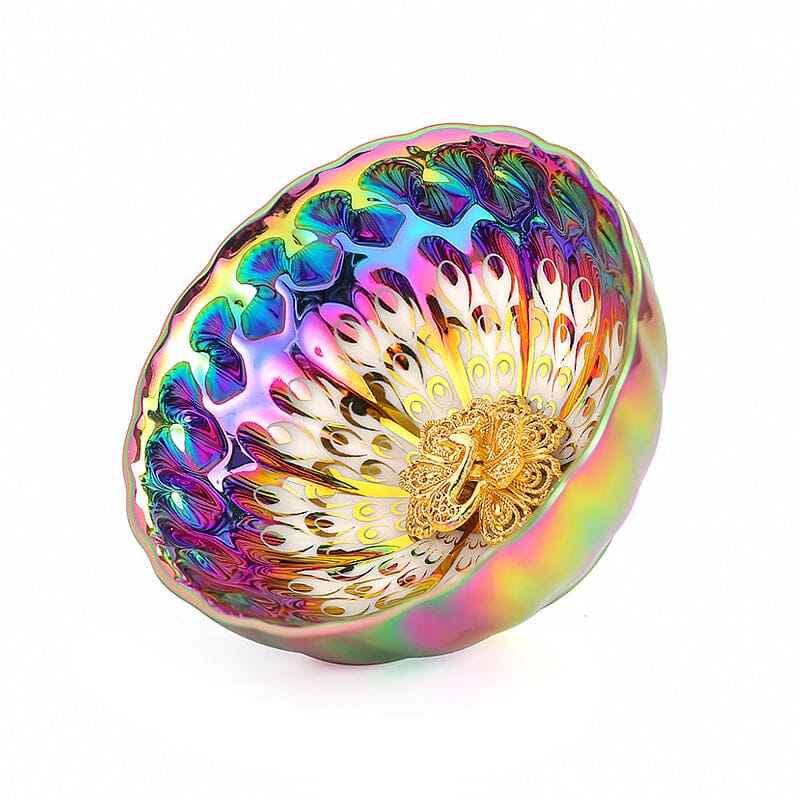
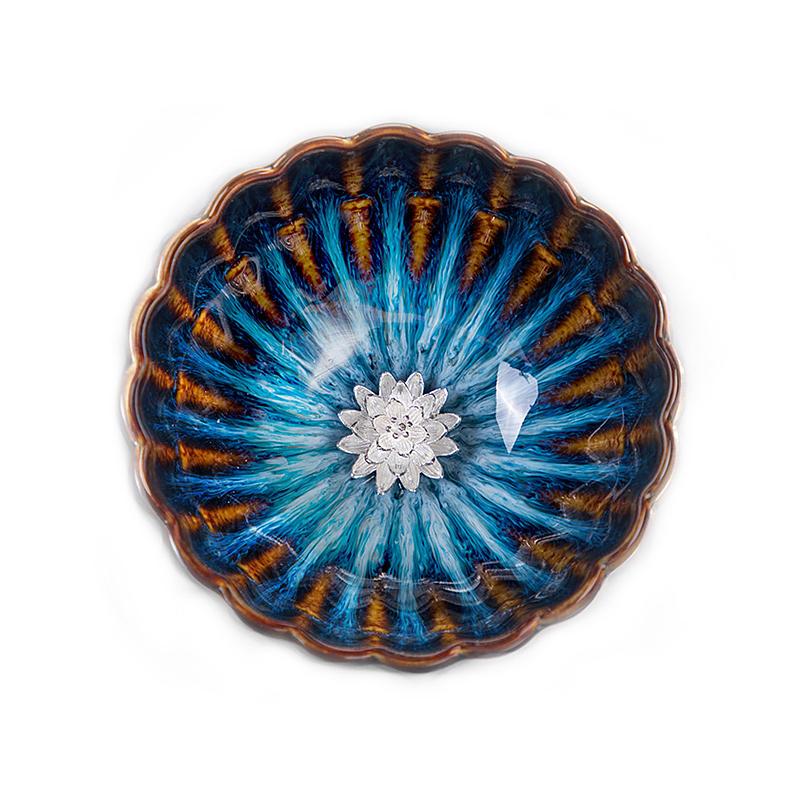
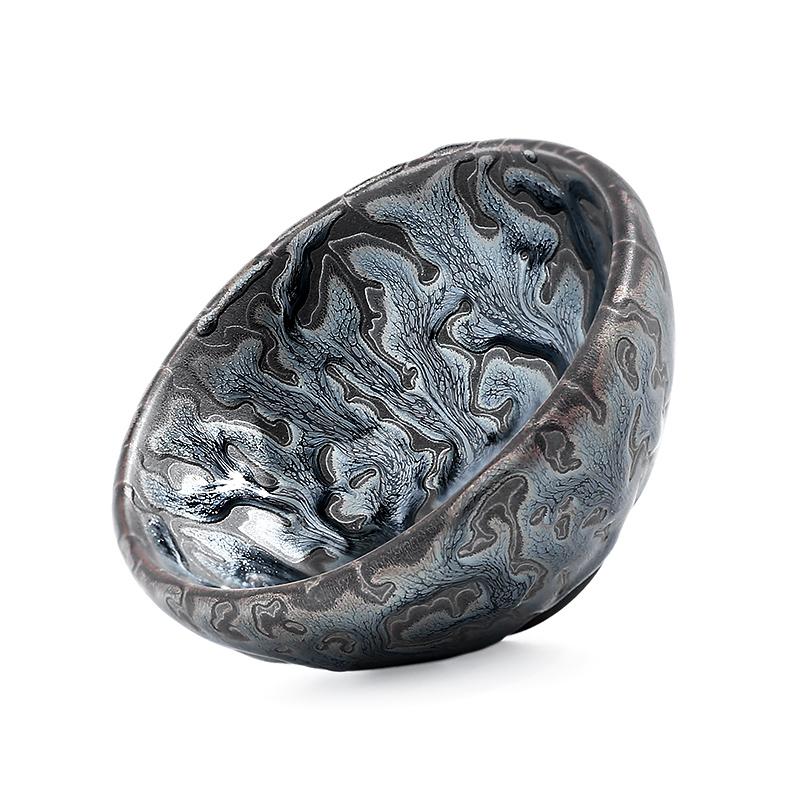
1. Comparison of authentic vs fake Jianzhan bases - Alt text: Authentic Jianzhan vs fake replica foot ring comparison 2. Close-up of real oil spot glaze pattern - Alt text: Real Yohen oil spot Tenmoku glaze detail 3. Hand tapping a Tenmoku cup rim - Alt text: Testing Tenmoku cup authenticity by sound
Frequently Asked Questions
How can I tell if a Jianzhan is authentic or fake?
Key indicators of authentic Jianzhan include: 1) Substantial weight from iron-rich clay (8-12% Fe₂O₃), 2) Deep resonant sound when tapped, 3) Irregular glaze patterns (oil spots, hare's fur) that aren't perfectly symmetrical, 4) Slightly rough foot ring from hand-grinding, 5) Price typically starting at $80+ for genuine handmade pieces.
What is the average price of an authentic Jianzhan?
Authentic handmade Jianzhan typically start at $80-150 for smaller cups. Master-grade pieces from named craftsmen can reach $500-3000+. Cups selling for under $30 are almost always mass-produced reproductions.
Does Jianzhan quality vary by kiln type?
Yes. Dragon kiln (longyao) fired pieces are considered most traditional and valuable due to the natural ash deposits. Gas kiln pieces offer consistent quality, while electric kiln pieces are more affordable. The firing method affects the glaze patterns and metallic sheen.
What glaze patterns are most valuable in Jianzhan?
Oil Spot (Yohen) and Yohen (mysterious moon) glazes are considered most prestigious. Hare's Fur and Partridge Feather are classic patterns. Among Song Dynasty surviving pieces, the three Yohen bowls in Japan are National Treasures.


Condividere:
The Ultimate Jianzhan Gift Guide: 6 Occasions, Every Budget
The Complete Guide to Jianzhan Glaze Types: Oil Spot, Hare's Fur, Yohen & Partridge Spot Explained