

Introduction
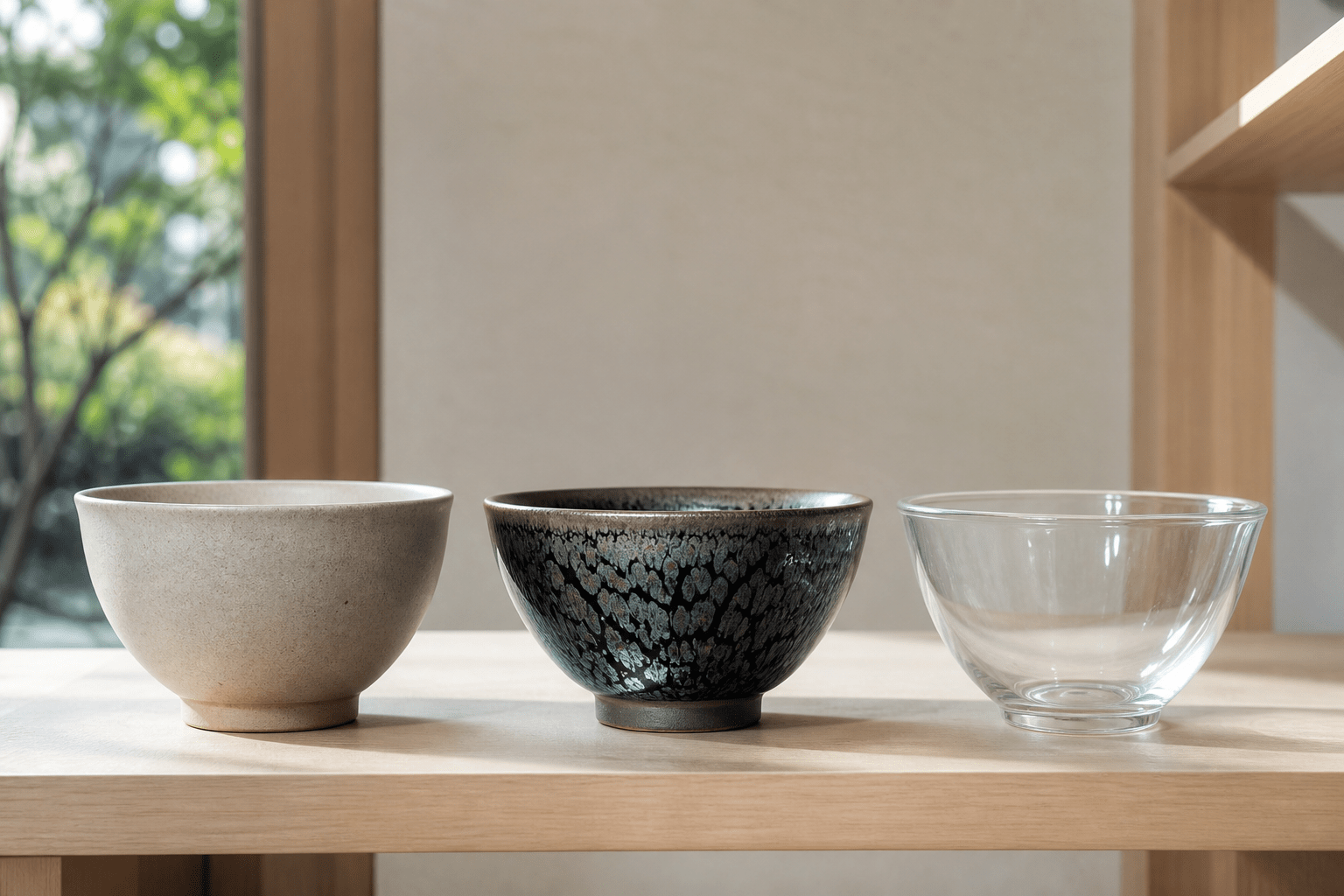
The world of premium tea bowls is rich with options — each with its own personality, heritage, and purpose. If you've been exploring tea culture beyond the basics, you've likely encountered three names that stand out: Jianzhan (建盏), Ruoqingshi, and Oriibe.
But how do you know which one belongs in your hands? This guide breaks down each tea bowl style honestly — what they are, where they come from, what makes them different, and which one fits your tea practice best.
Quick Comparison Table
| Feature | Jianzhan / Tenmoku | Ruoqingshi | Oriibe |
|---|---|---|---|
| Origin | Jianyang, Nanping, Fujian | Longquan, Zhejiang | Seto, Japan (Mino region) |
| Glaze type | High-iron, oil spot, hare's fur, yohen | Celadon, translucent, crackle | Lead-colored, copper-green, kuro-raku |
| Color palette | Black, bronze, gold, purple-blue | Seafoam green, grey-blue | Green, black, white, red |
| Primary use | Matcha, oolong, aged pu-erh | Green tea, white tea | Japanese tea ceremony (koicha) |
| Heat retention | Excellent (thick iron-rich walls) | Moderate | Moderate |
| Price range | ¥80–¥10,000+ CNY | ¥200–¥5,000+ CNY | ¥300–¥8,000+ CNY |
Jianzhan / Tenmoku
What it is: Jianzhan is a black-glazed tea bowl from the Jianyang kilns in Fujian Province, China, dating to the Song Dynasty (960–1279 AD). The Japanese call it Tenmoku, after Tianmu Mountain in Zhejiang where Japanese monks first encountered it.
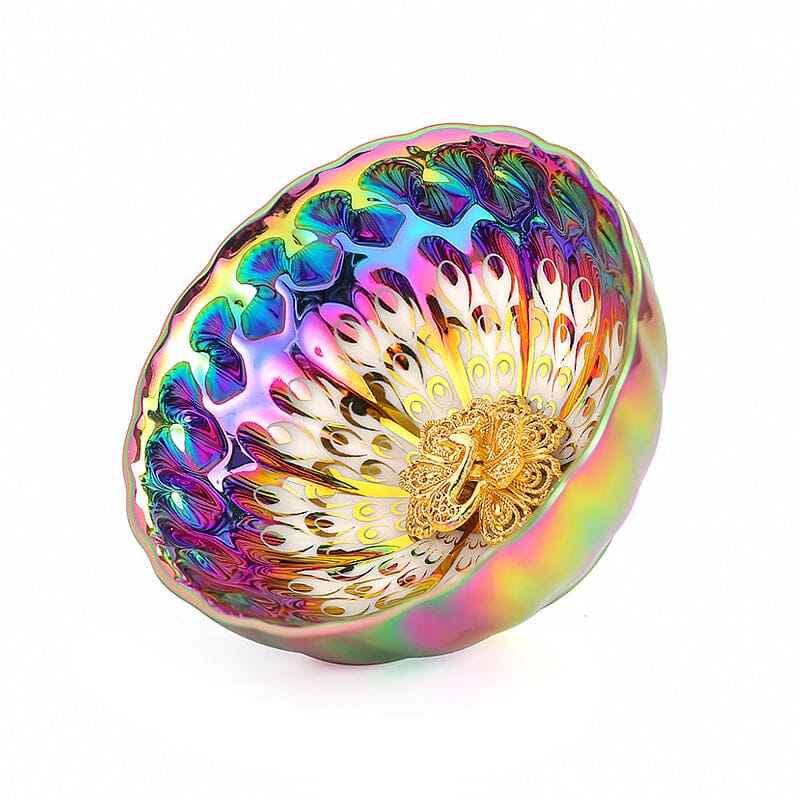
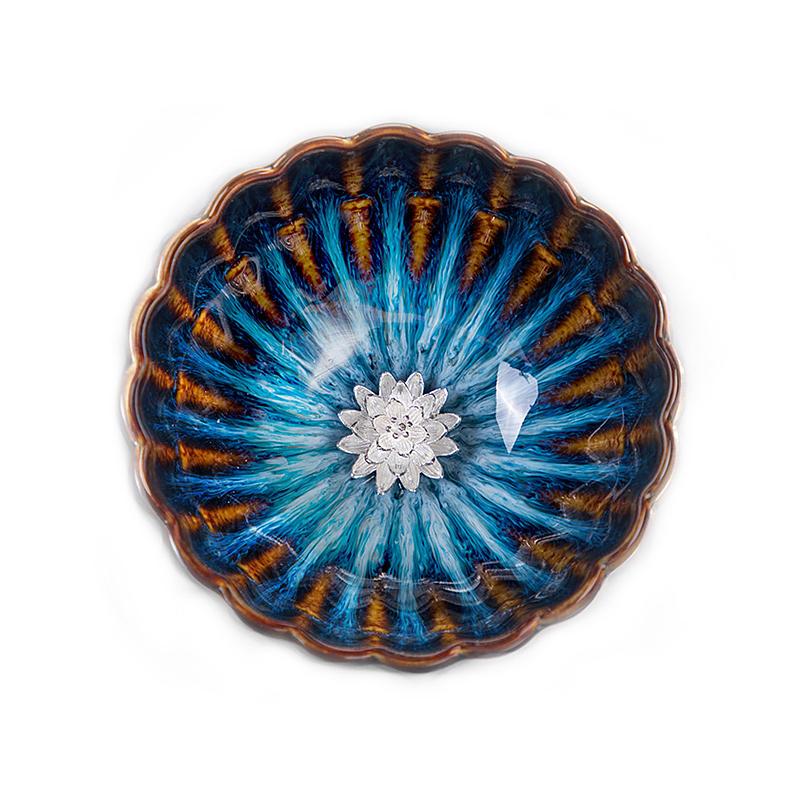
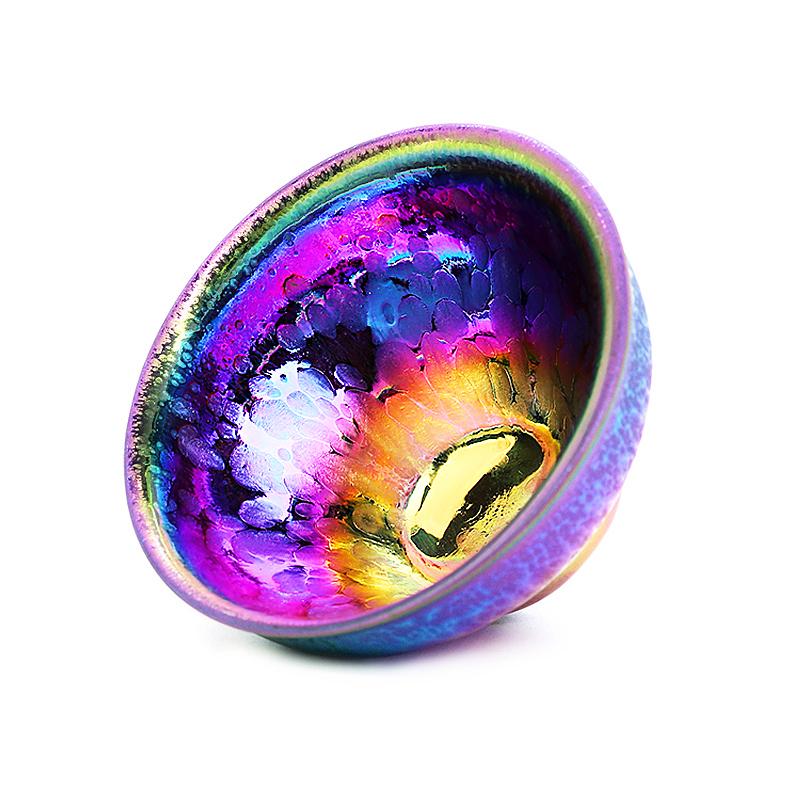
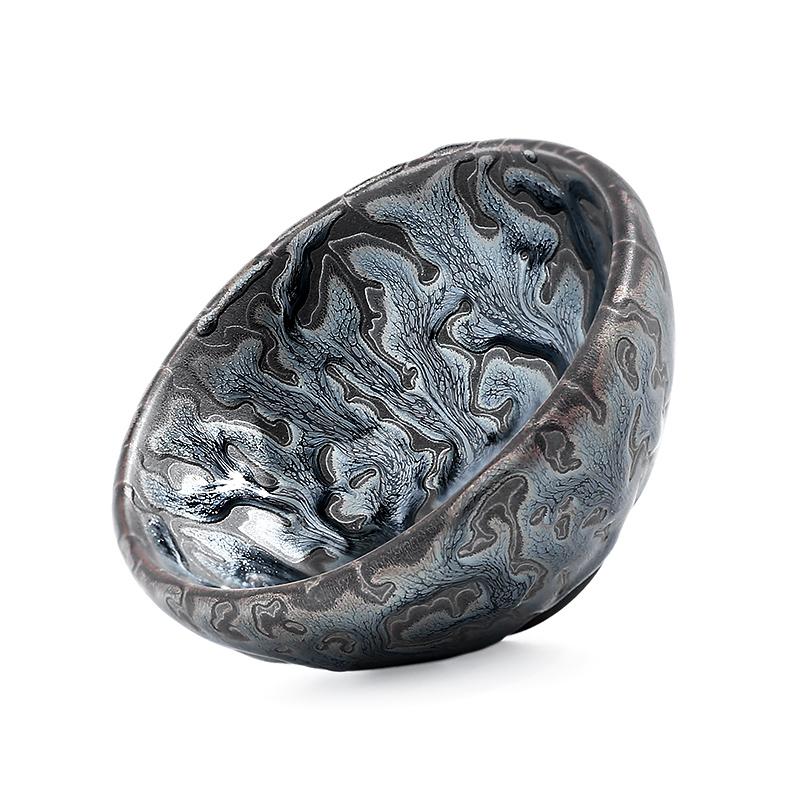
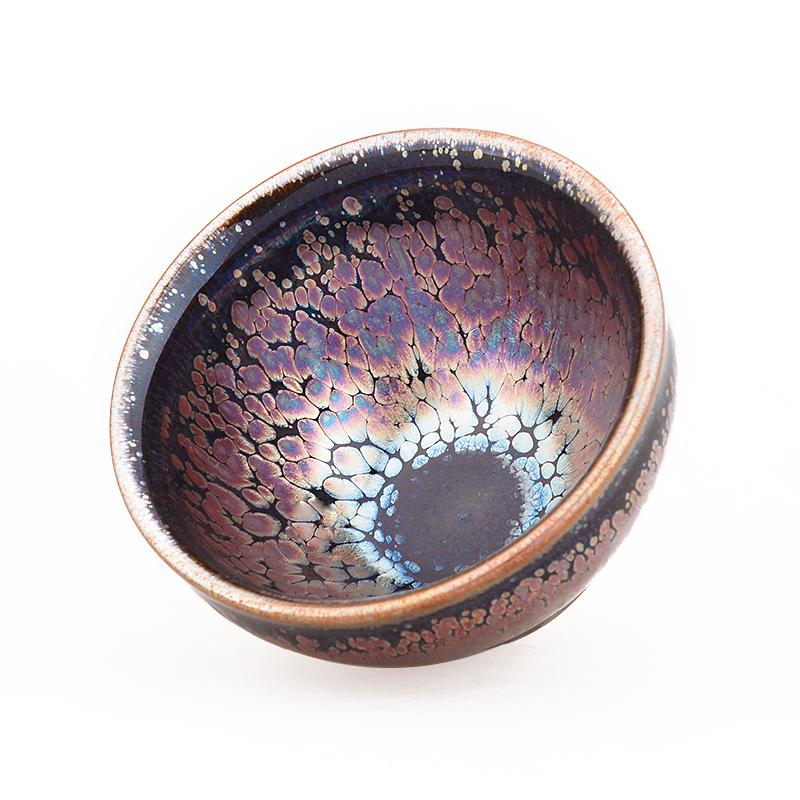
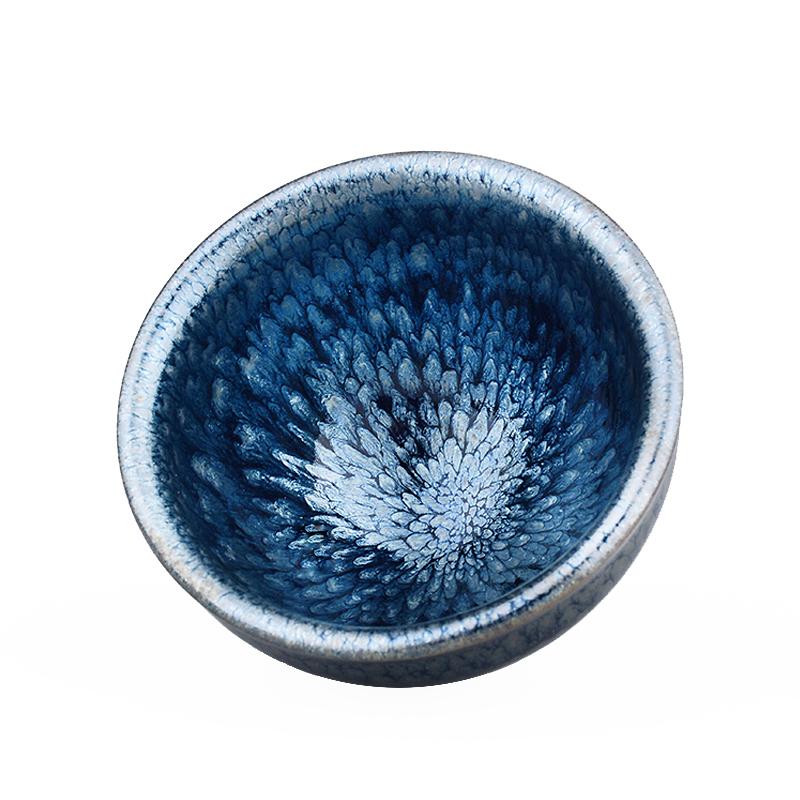
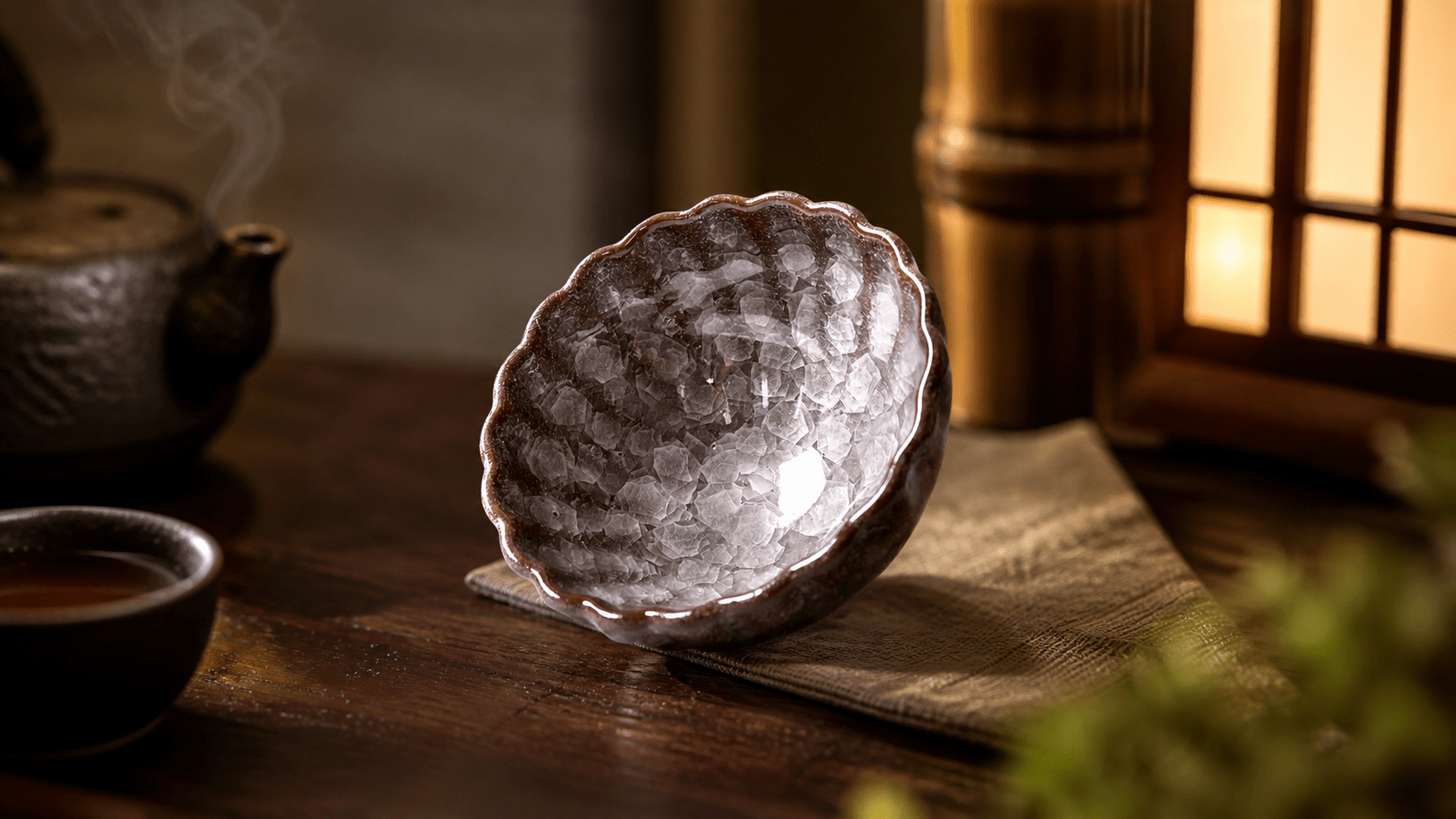
What makes it special: The high iron content in the glaze (typically 6–10% Fe₂O₃) creates stunning natural patterns during firing — metallic oil spots, flowing hare's fur streaks, and the mythical iridescent yohen. No two pieces are alike. The thick walls (4–8mm) and iron-rich clay provide exceptional heat retention.
Best for: Tea drinkers who value drama and individuality. The dark glaze creates spectacular contrast with matcha foam and aged oolong liquor. Excellent heat retention keeps tea warmer 15–20 minutes longer than standard porcelain.
Why choose Jianzhan: You want a bowl with history, craft prestige, and visual conversation-starting power. You want to own something that connects you to 1,000 years of tea culture.
Ruoqingshi (汝青石)
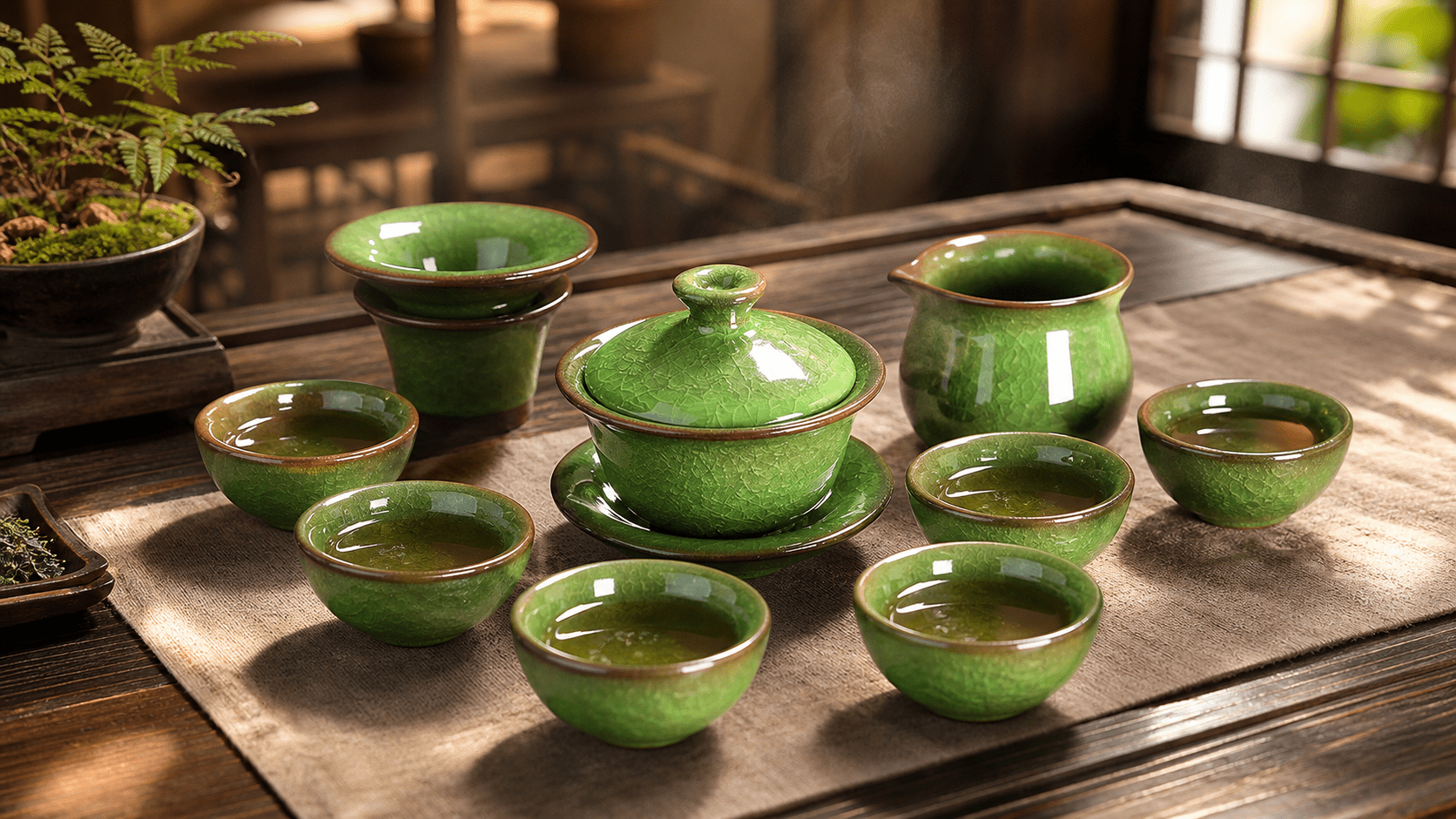
What it is: Ruoqingshi refers to a style of celadon tea bowl inspired by the Longquan kiln tradition in Zhejiang Province — famous for the ge (割) or "crackle" effect where the glaze deliberately cracks to create organic patterns that develop over years of use.
What makes it special: The translucent celadon glaze over a pale clay body produces a luminous, jade-like quality. The subtle crackle patterns are unique to each user — developed by their specific tea drinking habits over time.
Best for: Green tea and white tea drinkers who prefer a lighter, more delicate vessel. The pale glaze preserves the subtle, delicate flavors of high-quality green teas and doesn't compete visually with the tea liquor.
Oriibe (织部)
What it is: Oriibe is a Japanese tea bowl style from the Mino region, developed during the Momoyama period (1573–1615) under the influence of tea masters Oda Nobunaga and Toyotomi Hideyoshi. Deeply connected to the Japanese tea ceremony (chado).
What makes it special: Known for asymmetrical, sculptural forms and bold colored glazes — particularly kuro-raku (black) and aka-raku (red), as well as copper-green (midori). Designed to be held and admired from multiple angles — each piece is a sculptural object.
Best for: Those interested in Japanese tea ceremony aesthetics, wabi-sabi philosophy, and sculptural ceramic art. Oriibe bowls are often displayed as art objects when not in use.
Can You Use Them All for the Same Tea?
Technically yes — all three can hold any hot beverage. But experienced tea drinkers know that the bowl changes the tea:
- Matcha: Jianzhan is the traditional and visually superior choice (dark glaze vs. white foam contrast)
- Green tea: Ruoqingshi better preserves the delicate flavor profile
- Oolong / Yancha: Jianzhan's heat retention and alkalinity effect enhance complex flavors
- Aged pu-erh: Jianzhan's thick walls complement the depth of aged teas
Conclusion
There is no single "best" tea bowl — only the right one for you and the moment you're creating. Jianzhan brings the drama and history of the Song Dynasty to your table. Ruoqingshi offers refined elegance and jade-like serenity. Oriibe connects you to the Japanese tea ceremony tradition.
The best tea bowl is the one you reach for most.
Written by Tenmoku Studio | Last updated: 2026-04-14
Frequently Asked Questions
What makes Jianzhan different from other tea cups?
Jianzhan are made from iron-rich clay (8-12% Fe₂O₃) fired at temperatures exceeding 1300°C in Jianyang, Fujian. The spontaneous kiln transformation creates unique glaze patterns — oil spots, hare's fur, or partridge feathers — that cannot be replicated by machines. No two pieces are ever identical.
How do I care for my Jianzhan?
Clean with hot water only — never use dish soap as it strips the metallic sheen. Dry completely after washing. Store upside down. Avoid thermal shock (don't rinse hot bowls with cold water). With regular use, the glaze develops a beautiful patina called yang zhan.
What tea should I drink from a Jianzhan?
Jianzhan pairs exceptionally well with oolong teas and aged pu-erh. The dark glaze creates dramatic visual contrast with the tea liquor. The iron-rich clay also retains heat well, keeping tea warm longer during extended sessions.
Are all Jianzhan on the market authentic?
Unfortunately, no. The surge in Jianzhan popularity has brought many mass-produced counterfeits, often selling for under $30. Authentic Jianzhan require skilled artisans, traditional kilns, and weeks of labor. Always buy from verified sellers with documented provenance.


Condividere:
The Complete Guide to Jianzhan Glaze Types: Oil Spot, Hare's Fur, Yohen & Partridge Spot Explained
Which Tea Goes Best with Jianzhan? A Complete Tea Pairing Guide