Vendita di Pasqua: acquista 3 Ottieni il 4 ° GRATUITO!

Gli amici che hanno utilizzato le tazze da tè Jianzhan potrebbero tutti porsi una domanda: come è possibile che le tazze da tè Jianzhan si arrugginiscano?

È perché le tazze da tè Jianzhan sono più costose rispetto alle altre porcellane o perché sono più delicate del celadon, della porcellana bianca e di altri tipi di porcellana?

In realtà, non è affatto così. Alcune tazze da tè Jianzhan potrebbero arrugginire, mentre altre no. Tutto è determinato dal momento in cui la tazza esce dal forno.

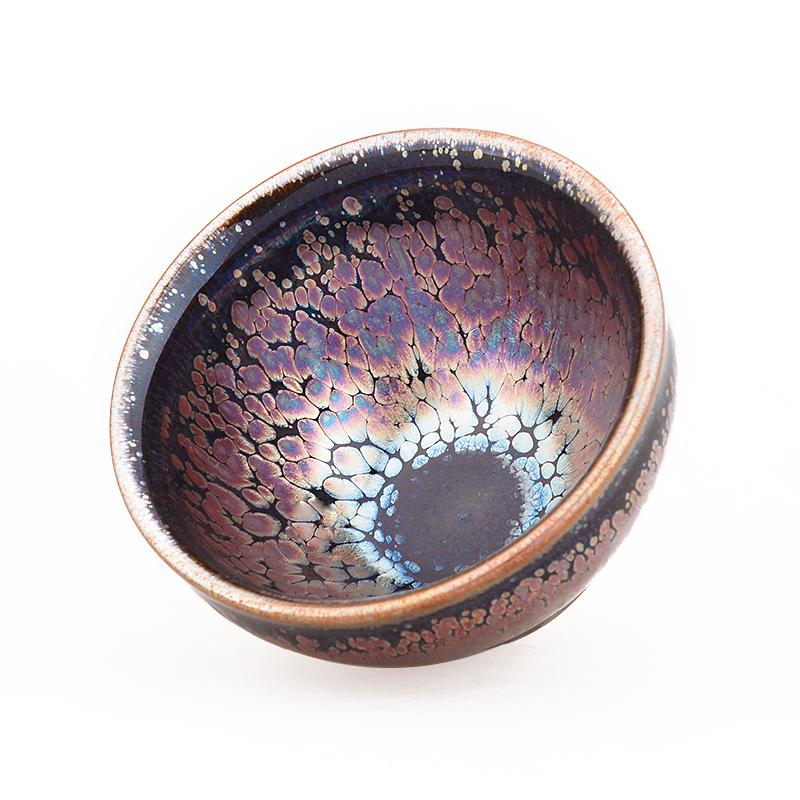
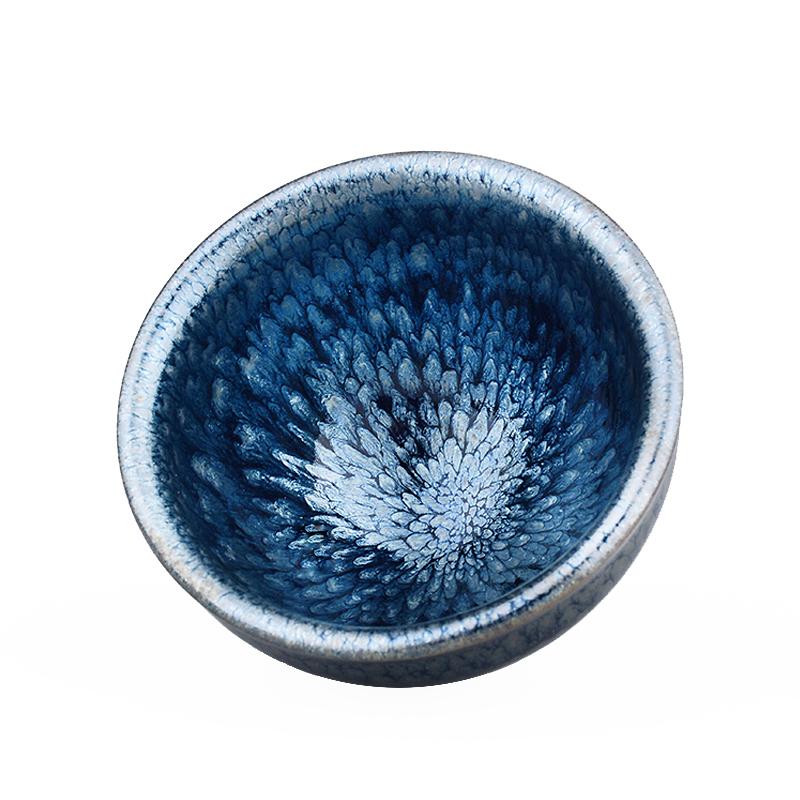
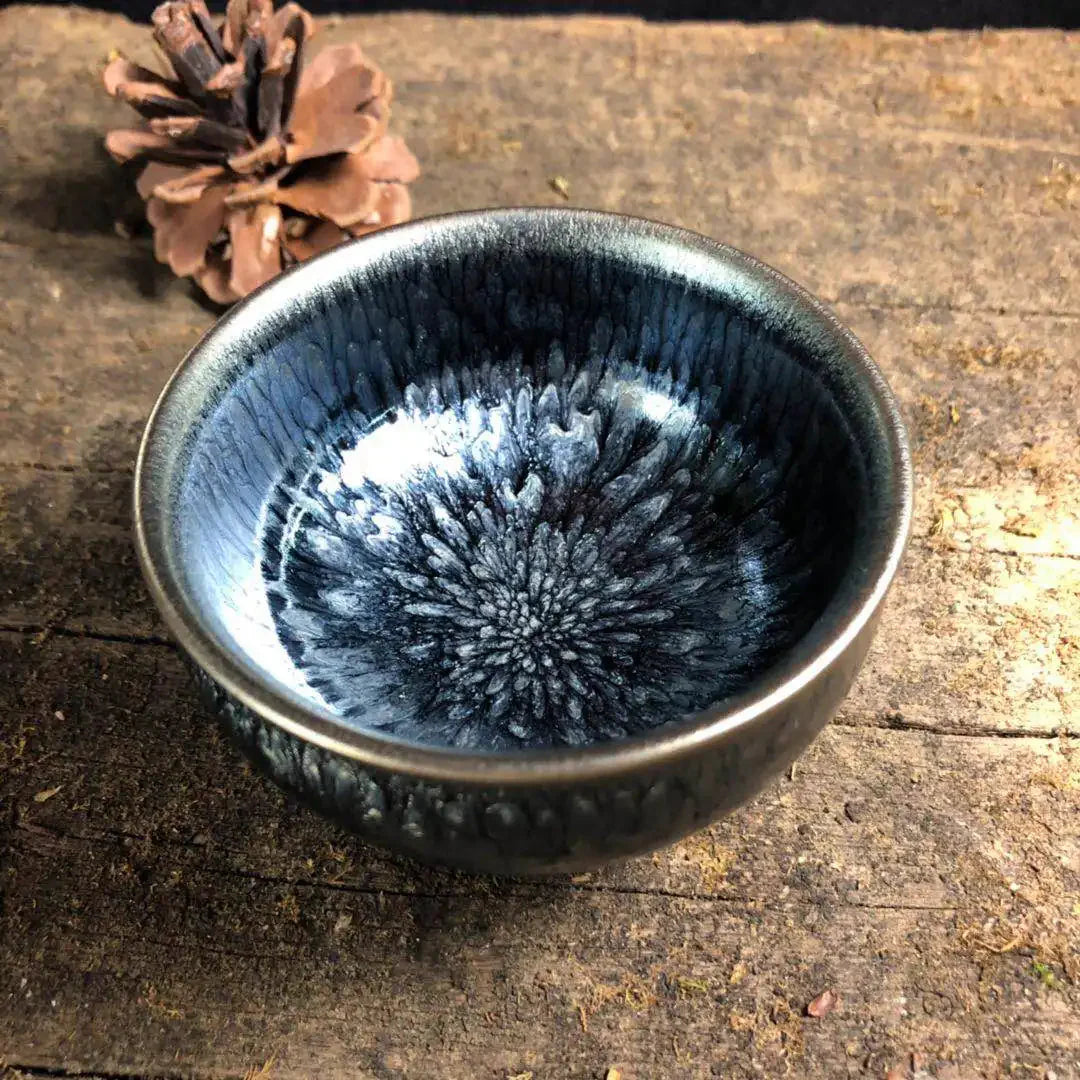
Come accennato in precedenza, i motivi superficiali delle tazze da tè Jianzhan con gocce d'olio sono cristalli di ferro precipitati e il ferro è uno dei componenti di questi cristalli.

Nell'aria, il ferro si ossida facilmente in ossido di ferro marrone. Se la tazza da tè non viene asciugata e pulita dopo aver bevuto il tè, col tempo il ferro presente nei cristalli di ferro precipitati verrà ossidato dal vapore acqueo in Fe3O4, che ha un colore bruno-rossastro, noto anche come ruggine.

La ruggine è più facilmente visibile sul bordo di una tazza da tè Jianzhan, soprattutto su quelle con gocce d'olio. La maggior parte delle tazze da tè con gocce d'olio attualmente sul mercato non è smaltata, quindi non riesce a isolare ossigeno e vapore acqueo (rendendole così più soggette a sviluppare una patina, poiché vengono facilmente assorbite).

Tuttavia, la maggior parte delle tazze da tè in pelo di coniglio sono smaltate, quindi la possibilità che arrugginiscano è quasi inesistente (il che rende anche molto difficile la formazione di patina).

Note importanti:

Per le tazze da tè Jianzhan non smaltate, ricordatevi di asciugarle dopo ogni utilizzo e di riporle in un luogo ventilato per farle asciugare all'aria. Per le tazze da tè Jianzhan smaltate, è importante mantenerle asciutte ed evitare di immergerle in acqua, poiché alcune tazze da tè smaltate potrebbero avere una vetrificazione inferiore e assorbire comunque l'umidità, causando la formazione di ruggine.

Se sei troppo pigro per asciugarla dopo l'uso, puoi provare ad asciugarla all'aria capovolta ed evitare di lasciare il tè nella tazza.

Un amico mi chiese: "Cosa devo fare se compare la ruggine?"

In realtà, non c'è motivo di preoccuparsi. È possibile mantenere la tazza da tè Jianzhan in perfette condizioni immergendola in aceto bianco e pulendola normalmente. Dopo un uso prolungato, i cristalli di ferro superficiali della tazza da tè Jianzhan si consumeranno gradualmente, rivelando la smaltatura nera e un aspetto lucido simile a quello delle perle nere.

Bevendo il tè quotidianamente, scoprirai che più usi le tazze Jianzhan, più diventano lucide. Se non le usi dopo solo pochi utilizzi, diventeranno opache o addirittura arrugginite.

Inoltre, mantenere puliti gli utensili è anche una responsabilità verso se stessi. Bere macchie di tè può causare il cancro.

Gli utensili hanno emozioni, calore senza suono; quando sorseggiate il tè, date priorità all'interesse e non dimenticate mai le intenzioni originali!
Quick answers for Tenmoku teaware shoppers

Use this guide to connect the article topic with practical buying decisions: what Jianzhan Tenmoku teaware is, who it suits, how to choose a piece, and how to care for it after purchase.

What is Jianzhan Tenmoku teaware?

Jianzhan Tenmoku teaware is ceramic tea ware known for dark mineral-glaze effects and natural kiln variation. Common forms include tea cups, bowls, teapots, tea sets, and matcha bowls.

Who is it best for?

It is best for tea drinkers, ceramic collectors, and gift shoppers who value functional objects with visible handmade character. It is not ideal if you need every piece to look exactly identical.

How do I care for it?

Hand wash with warm water, avoid abrasive cleaners, and dry fully before storage. Gentle daily use helps preserve the surface and keeps the glaze easy to inspect over time.

How do I choose the right Tenmoku piece?

Choose by the main use first: daily tea, matcha, Gongfu brewing, display, or gifting. Then compare capacity, rim shape, glaze family, photos, and whether natural variation is acceptable for your needs.

Is Jianzhan Tenmoku teaware good as a gift?

Yes. It works well for tea lovers, ceramic collectors, birthdays, holidays, and housewarming gifts because it is both usable and visually distinctive. For gifts, choose an easy-to-use form and a glaze style with clear photos.

Related products and categories

Compare the guide above with real Tenmokus categories and representative pieces. Start with the use case, then compare glaze style, form, price, and whether the piece is mainly for daily tea, display, collecting, or gifting.

Handmade Tenmoku tea cups

Best for daily tea drinking, first Jianzhan purchases, ceramic gifts, and comparing glaze patterns across cup shapes.

Tenmoku tea sets

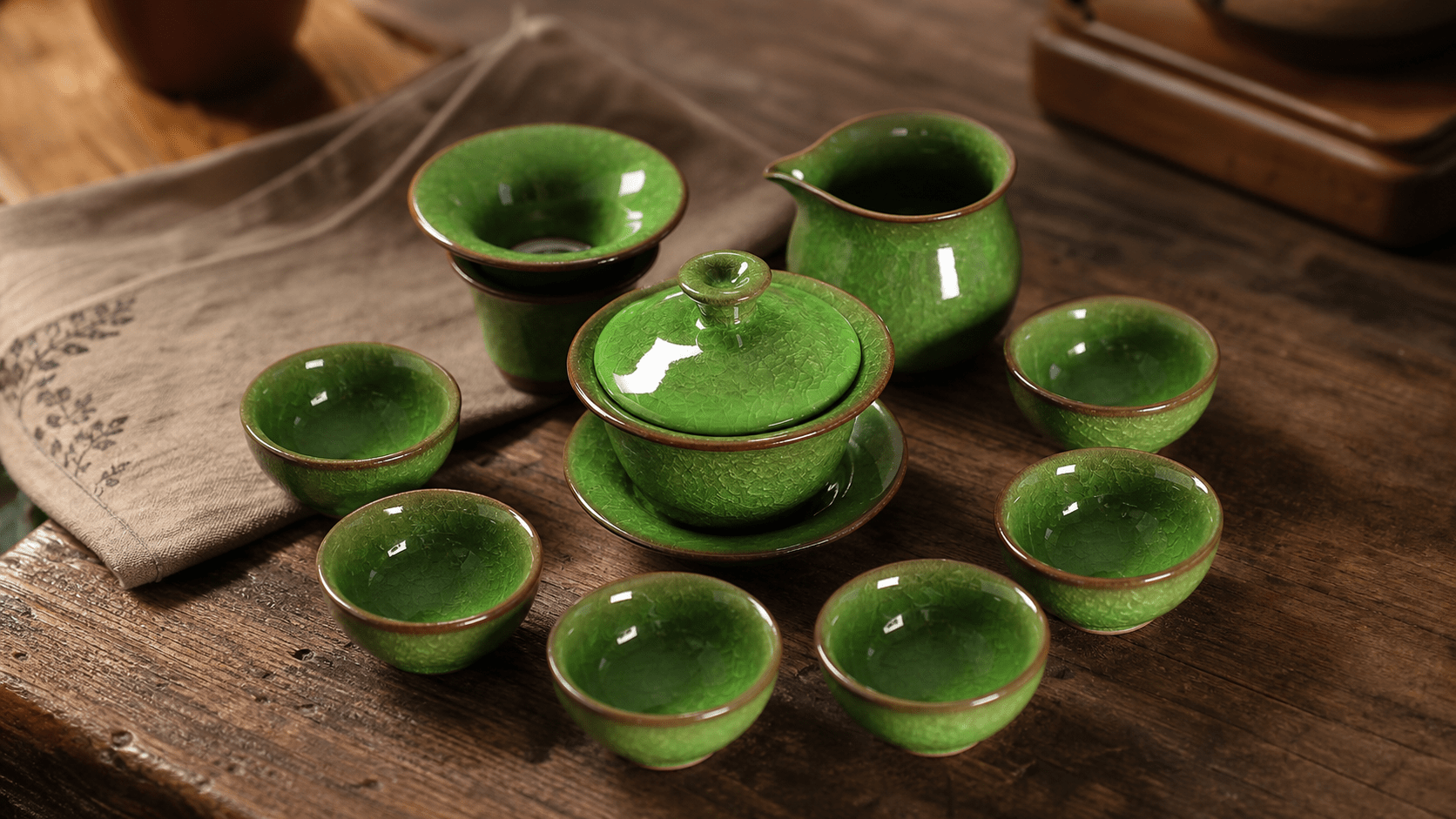
Best when you want a coordinated tea table, a hosting setup, or a complete gift instead of one individual cup.

Real vs fake Tenmoku guide

Use this guide to compare seller claims, glaze appearance, photos, and practical buying signals before choosing a piece.

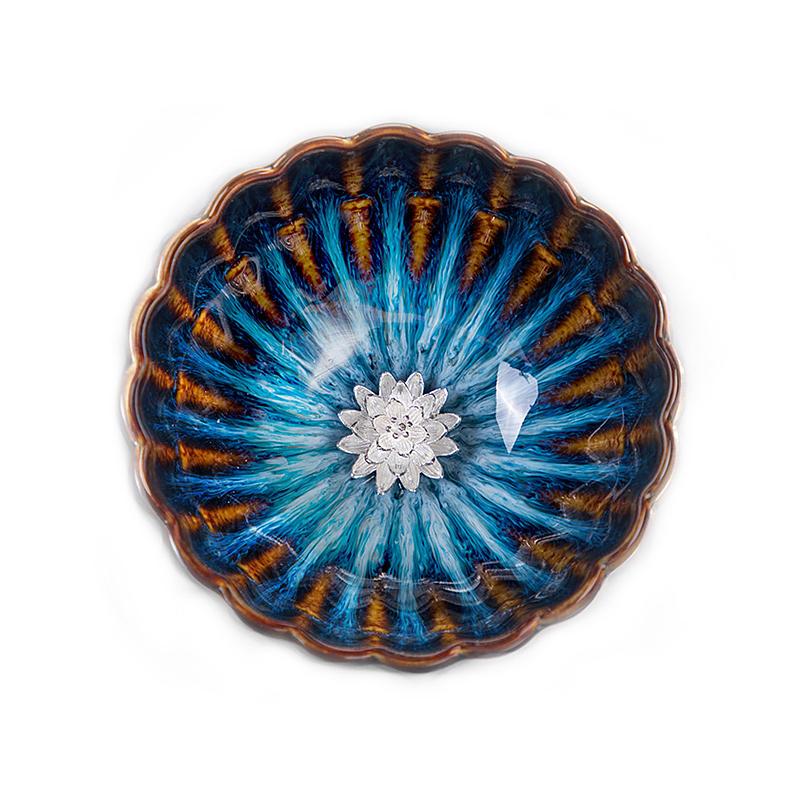
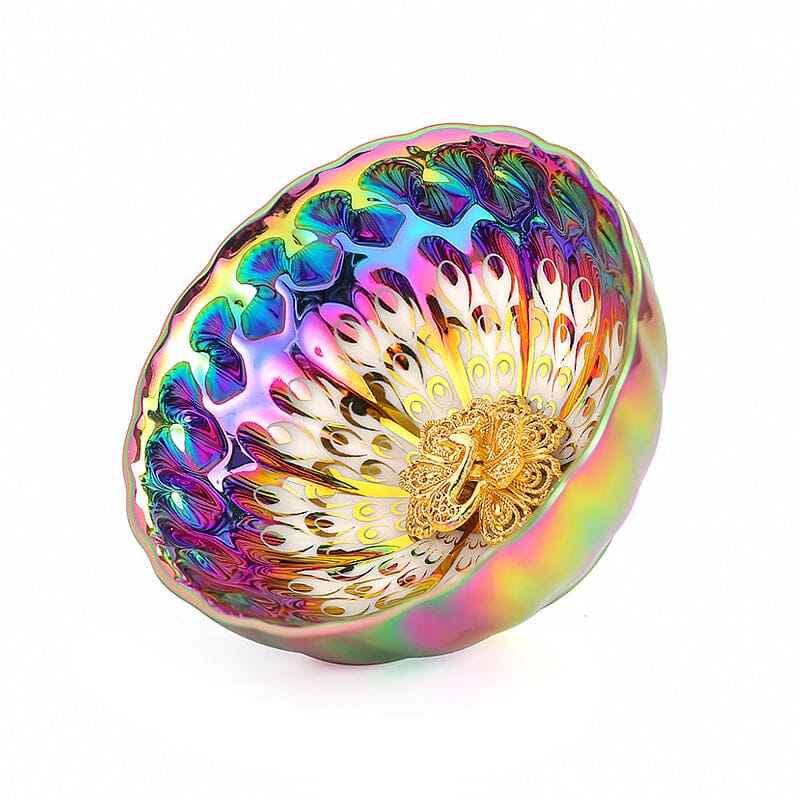
Pavone vivido

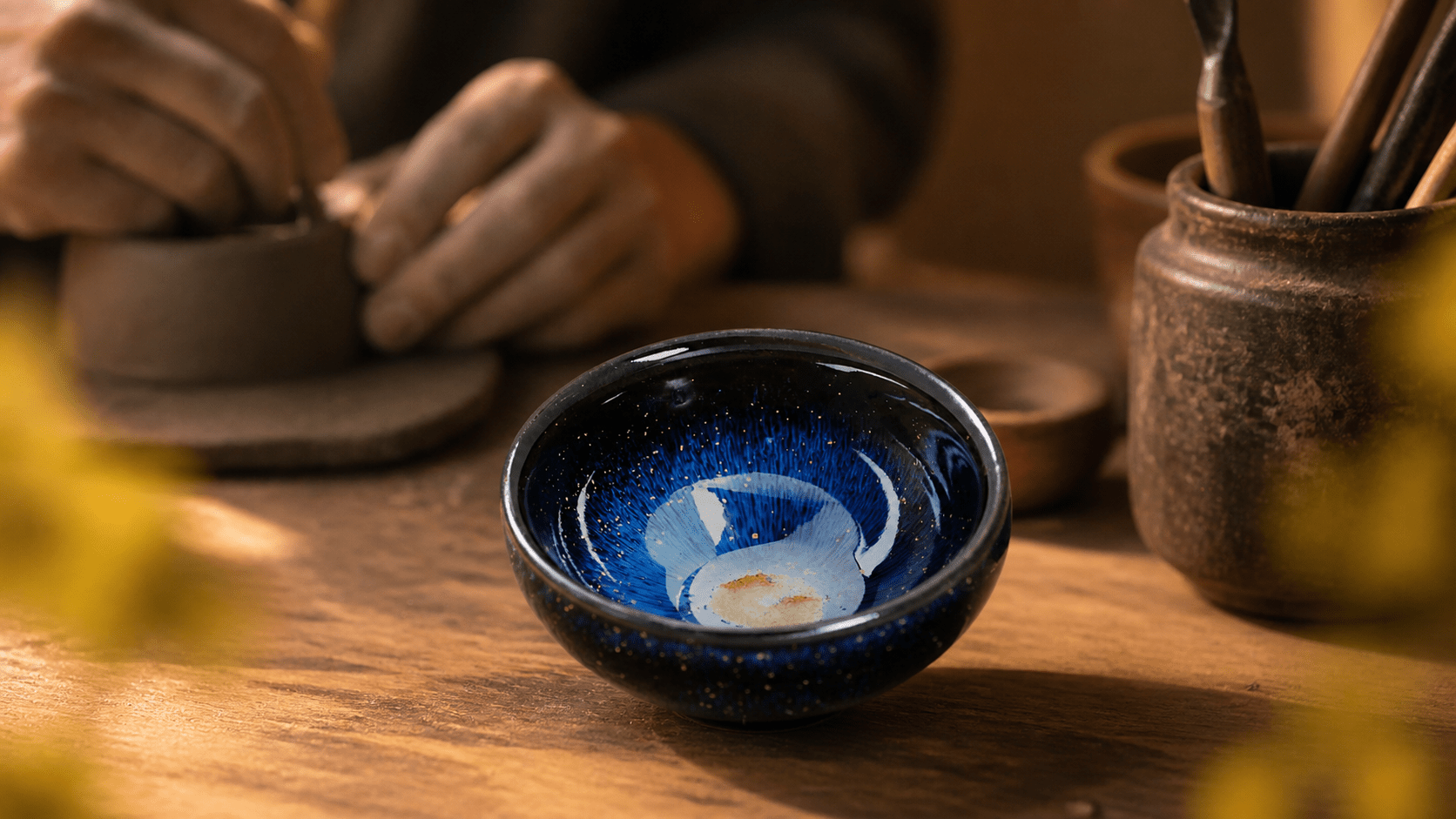
A representative Tenmoku tea cup to compare by glaze depth, cup shape, price, and gift fit.

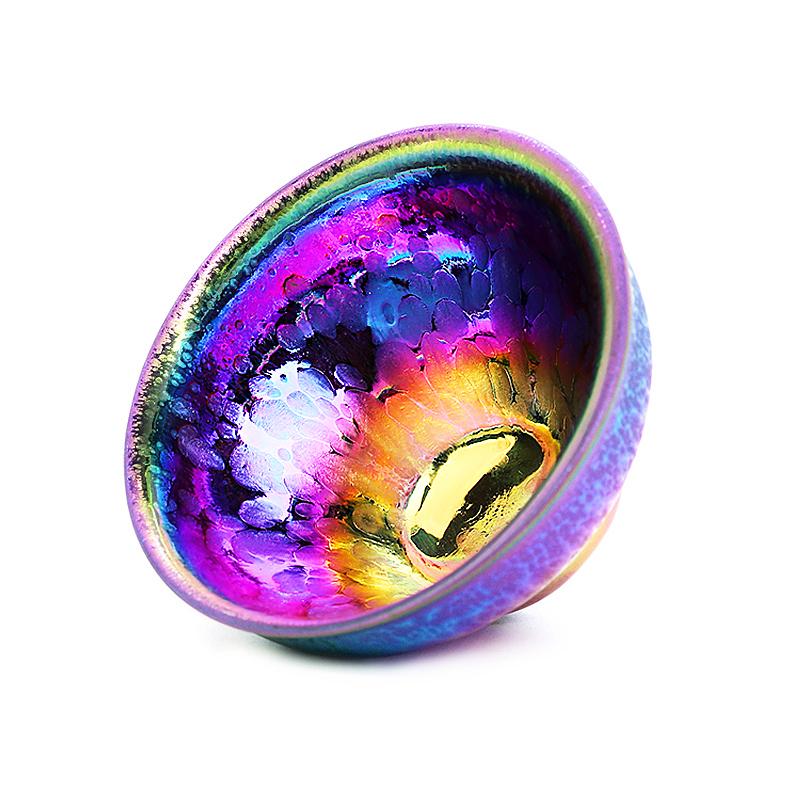
Pavone d'oro

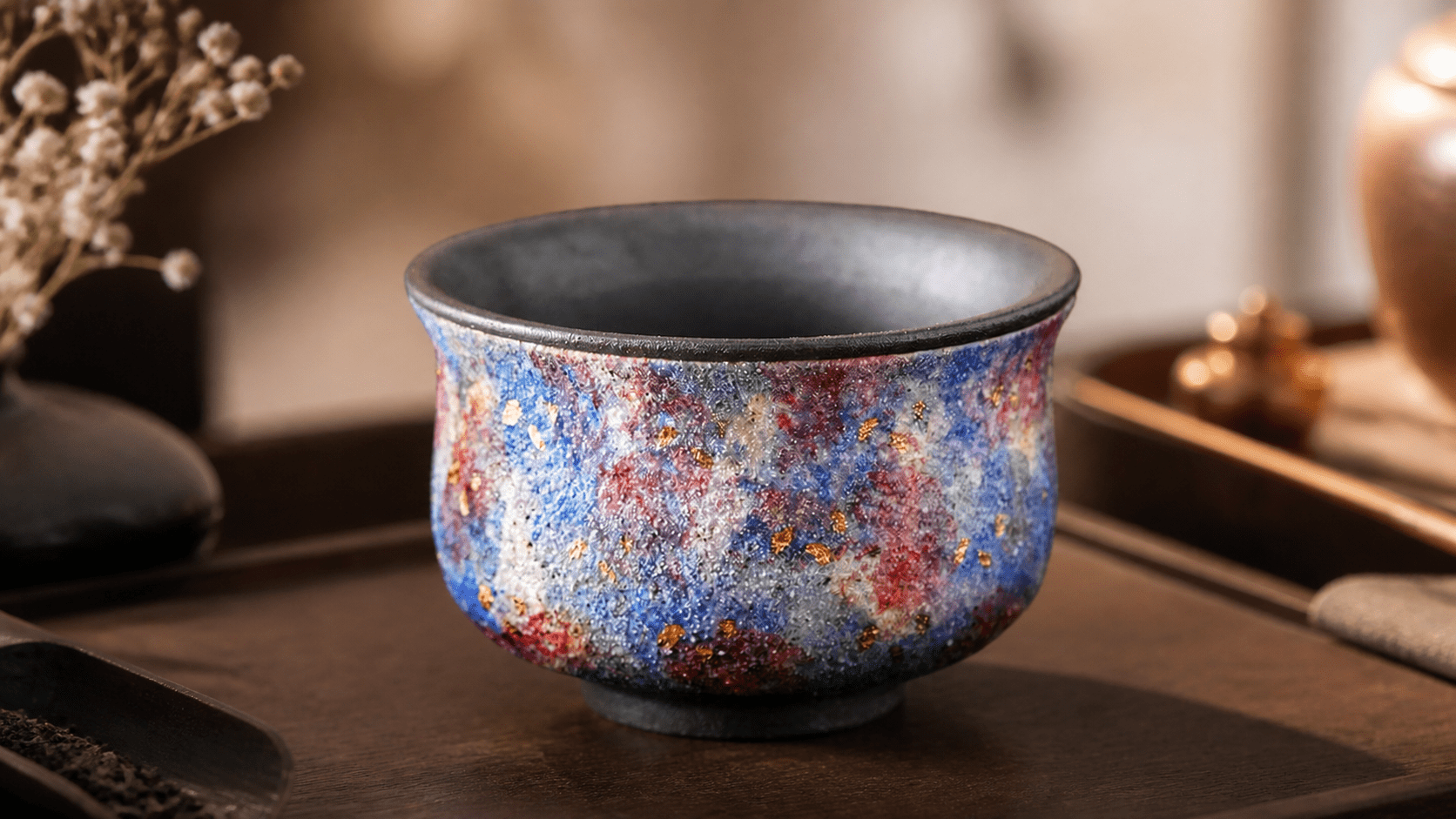
Compare this piece when you want a clear visual reference for a gold-toned Tenmoku glaze style.

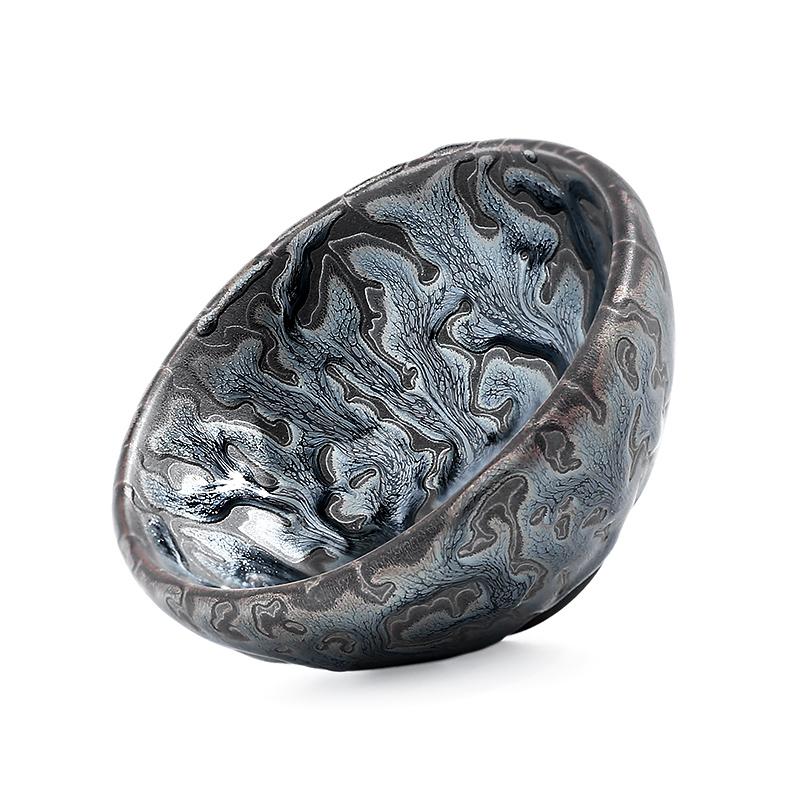
Fata II

Use this product as another comparison point for handmade form, glaze variation, and gift suitability.

shop handmade Tenmoku tea cups compare Jianzhan teapots browse Tenmoku tea sets choose Tenmoku matcha bowls view Tenmoku tea cups read the real vs fake Tenmoku tea bowl guide browse Jianzhan buying guides learn about Tenmokus

From Tenmoku guide to teaware choice

Tenmokus is focused on handmade Jianzhan Tenmoku teaware for tea rituals, display, and gifting. If you are choosing after reading this guide, start with Tenmoku tea cups for daily tea tasting, Tenmoku teapots for loose leaf brewing, Tenmoku tea sets for coordinated gifts, or Tenmoku matcha bowls for matcha preparation.

Ultime storie

Keep exploring Tenmoku care, gift ideas, teaware selection, and the difference between Tenmoku and Jianzhan.

Visualizza tutto

Tenmoku Tea Bowl: A Handmade Cup With History, Beauty, and Meaning

Tenmoku Tea Bowl: A Handmade Cup With History, Beauty, and Meaning

Tenmoku Tea Bowl: A Handmade Cup With History, Beauty, and Meaning A tenmoku tea bowl is a dark-glazed tea cup, often called Jianzhan, known for dramatic patterns created by fire, minerals, and chance. For gongfu tea, it gives a quiet,...

Per saperne di più

How to Identify Real vs Fake Tenmoku Tea Bowl: A Jian Zhan Buyer’s Guide for US Tea Lovers

How to Identify Real vs Fake Tenmoku Tea Bowl: A Jian Zhan Buyer’s Guide for US Tea Lovers

If you’ve ever brewed a fine oolong tea and wanted an authentic tenmoku tea bowl to match its depth, you’ve likely stumbled into a minefield of fakes. I’m Aiden Wei, and after years of studying Jian Zhan (the Chinese name...

Per saperne di più

Handmade Tenmoku Tea Bowl: Luxury Home Ritual for Relaxation

Handmade Tenmoku Tea Bowl: Luxury Home Ritual for Relaxation My nightly unwind used to be a chaotic mix of scrolling and half-hearted herbal tea. Then I held a handmade tenmoku tea bowl — its iron-rich glaze glimmering with an oil...

Per saperne di più