Vendita di Pasqua: acquista 3 Ottieni il 4 ° GRATUITO!

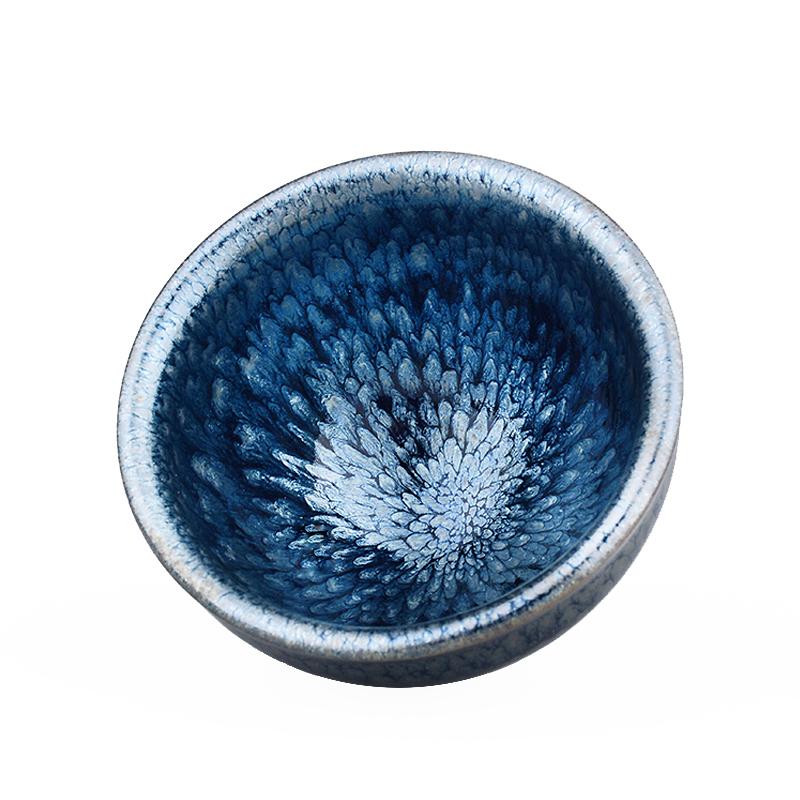
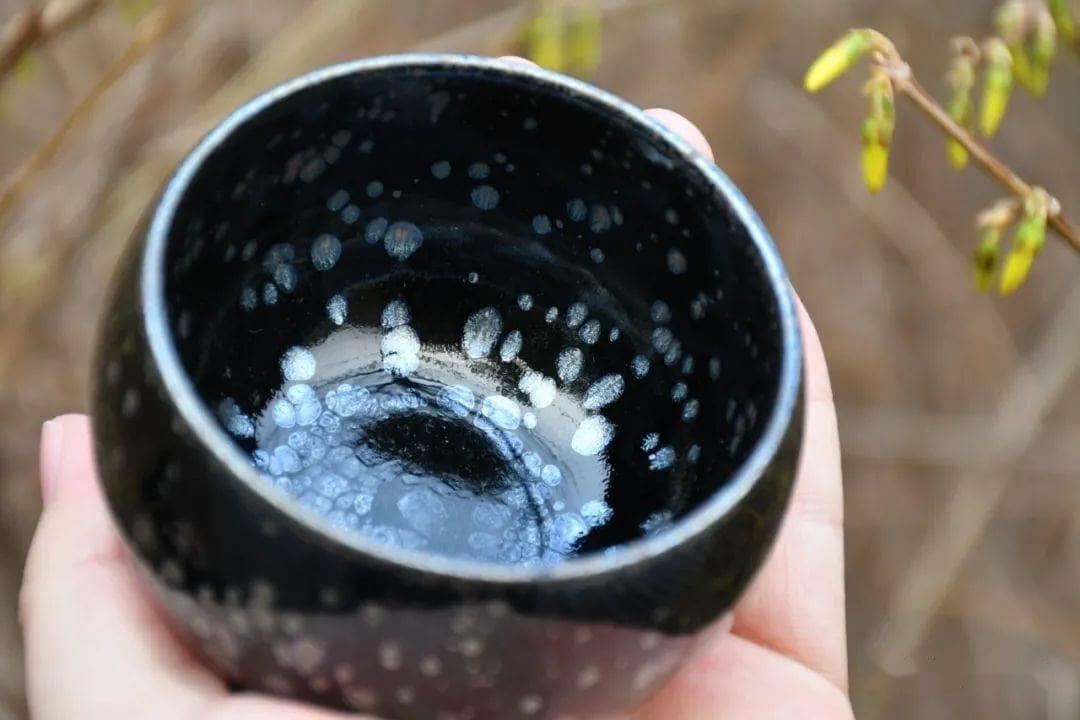
Se nel tempo il Jianzhan non viene pulito correttamente, al suo interno si formerà uno strato di macchie di tè, ma questa non è la "luce colorata e preziosa" che si coltiva coltivando il Jianzhan.

Se il tè non è pronto e viene lasciato a lungo nello Jianzhan, oppure se lo Jianzhan usato non viene pulito in tempo e non viene utilizzato, i polifenoli del tè nelle foglie e gli elementi metallici nel tè arrugginiranno subiranno una reazione di ossidazione, con conseguente formazione di macchie di tè che aderiscono alla parete interna dello Jianzhan.

Uno. Le macchie di tè dovrebbero essere pulite??

  1. Influenza sull'estetica:

Il tè può effettivamente nutrire lo Jianzhan, ma ciò non significa che debba essere sempre a contatto con la zuppa di tè. Non solo non si otterrebbe la lucentezza colorata, ma potrebbe anche causare la formazione di ruggine sullo Jianzhan.

Il corpo della Jianzhan è fatto di ferro e la smaltatura è in cristallo di ferro, in particolare per la Jianzhan con motivo a goccia d'olio! (Molte Jianzhan con motivo a goccia d'olio in commercio non hanno uno strato vetrificato per isolare l'ossigeno e il vapore acqueo, mentre la maggior parte delle Jianzhan con motivo a pelliccia di lepre presenta uno strato vetrificato per isolare l'ossigeno e il vapore acqueo.)

Poiché il ferro si ossida facilmente nell'aria trasformandosi in ossido di ferro brunastro, se viene immerso nel tè o non viene asciugato dopo l'uso, verrà gradualmente ossidato dal vapore acqueo in Fe3O4, che è di colore bruno-rossastro e ha l'aspetto della ruggine, compromettendone notevolmente l'estetica.

Macchie di tè sulle teiere di argilla Yixing.

  1. Influenza sulla salute:

Dal punto di vista della sicurezza e della salute, non pulire Jianzhan non è salutare per la salute fisica, perché non pulire le macchie di tè per lungo tempo può portare alla formazione di muffa.

  1. Influenzano l'efficacia dello stesso Jianzhan:

Il corpo della Jianzhan contiene un gran numero di piccoli pori, che contribuiscono a mantenere la temperatura della zuppa di tè. Il grado di miglioramento della qualità dell'acqua dipende dalla copertura dei pori. I pori all'interno del corpo possono assorbire particelle di calcio e magnesio, riducendo la durezza dell'acqua e rendendola morbida e delicata. Inoltre, la Jianzhan ha un buon effetto nel mantenere la zuppa di tè fresca e può impedirne il deterioramento. Se la Jianzhan non viene mantenuta pulita e si ricopre di macchie di tè, i pori si ostruiranno, compromettendo l'isolamento della Jianzhan, il miglioramento della qualità dell'acqua e le sue funzioni di conservazione.

  1. Come pulire Jianzhan?
  2. Pulizia quotidiana: dopo aver bevuto l'ultima tazza di tè della giornata, sciacquare la Jianzhan con acqua calda per rimuovere eventuali macchie di tè attaccate alla superficie smaltata. Quindi risciacquare nuovamente con acqua normale e infine riporre la Jianzhan in un luogo ventilato o utilizzare un panno appositamente preparato per asciugarla.
  3. Pulizia profonda: in genere, è necessaria una pulizia completa ogni tre o cinque giorni. In questo caso, è possibile utilizzare un dentifricio o un detersivo per piatti per la pulizia, quindi asciugare con un panno o lasciare asciugare all'aria. Ricorda: la pulizia quotidiana e quella regolare sono altrettanto importanti per Jianzhan.

Mantenere Jianzhan sempre pulita e igienica è come mantenere noi stessi puliti e rinfrescati. Noi ci prendiamo cura di Jianzhan, e Jianzhan si prende cura di noi.

Non avere troppa fretta nel coltivare Jianzhan e non forzare il suo leggendario splendore colorato. Lascia fare al tempo e al destino.
Quick answers for Tenmoku teaware shoppers

Use this guide to connect the article topic with practical buying decisions: what Jianzhan Tenmoku teaware is, who it suits, how to choose a piece, and how to care for it after purchase.

What is Jianzhan Tenmoku teaware?

Jianzhan Tenmoku teaware is ceramic tea ware known for dark mineral-glaze effects and natural kiln variation. Common forms include tea cups, bowls, teapots, tea sets, and matcha bowls.

Who is it best for?

It is best for tea drinkers, ceramic collectors, and gift shoppers who value functional objects with visible handmade character. It is not ideal if you need every piece to look exactly identical.

How do I care for it?

Hand wash with warm water, avoid abrasive cleaners, and dry fully before storage. Gentle daily use helps preserve the surface and keeps the glaze easy to inspect over time.

How do I choose the right Tenmoku piece?

Choose by the main use first: daily tea, matcha, Gongfu brewing, display, or gifting. Then compare capacity, rim shape, glaze family, photos, and whether natural variation is acceptable for your needs.

Is Jianzhan Tenmoku teaware good as a gift?

Yes. It works well for tea lovers, ceramic collectors, birthdays, holidays, and housewarming gifts because it is both usable and visually distinctive. For gifts, choose an easy-to-use form and a glaze style with clear photos.

Related products and categories

Compare the guide above with real Tenmokus categories and representative pieces. Start with the use case, then compare glaze style, form, price, and whether the piece is mainly for daily tea, display, collecting, or gifting.

Handmade Tenmoku tea cups

Best for daily tea drinking, first Jianzhan purchases, ceramic gifts, and comparing glaze patterns across cup shapes.

Tenmoku tea sets

Best when you want a coordinated tea table, a hosting setup, or a complete gift instead of one individual cup.

Real vs fake Tenmoku guide

Use this guide to compare seller claims, glaze appearance, photos, and practical buying signals before choosing a piece.

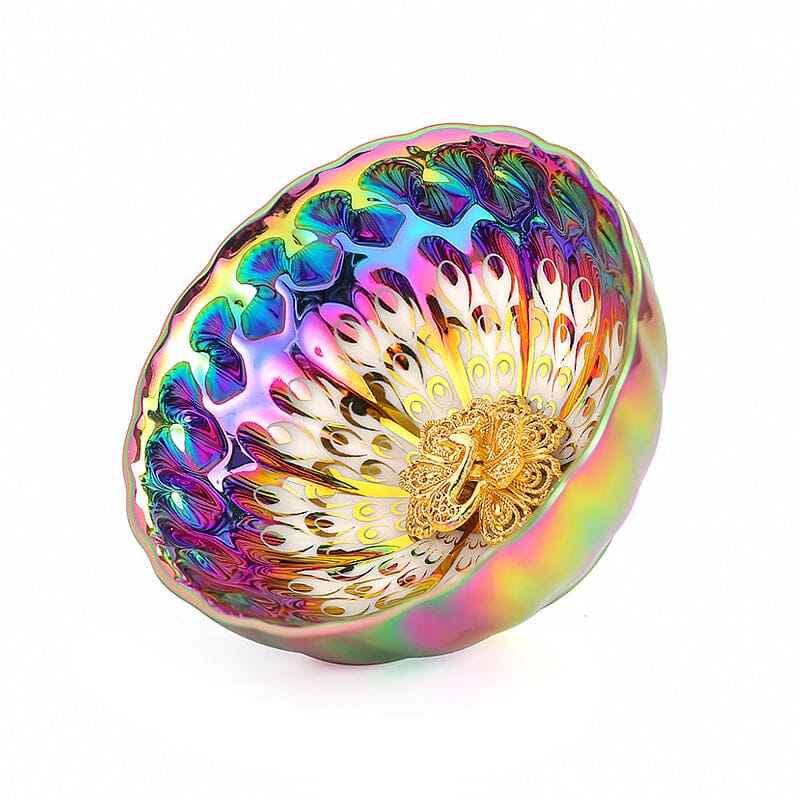
Pavone vivido

A representative Tenmoku tea cup to compare by glaze depth, cup shape, price, and gift fit.

Pavone d'oro

Compare this piece when you want a clear visual reference for a gold-toned Tenmoku glaze style.

Fata II

Use this product as another comparison point for handmade form, glaze variation, and gift suitability.

shop handmade Tenmoku tea cups compare Jianzhan teapots browse Tenmoku tea sets choose Tenmoku matcha bowls view Tenmoku tea cups read the real vs fake Tenmoku tea bowl guide browse Jianzhan buying guides learn about Tenmokus

From Tenmoku guide to teaware choice

Tenmokus is focused on handmade Jianzhan Tenmoku teaware for tea rituals, display, and gifting. If you are choosing after reading this guide, start with Tenmoku tea cups for daily tea tasting, Tenmoku teapots for loose leaf brewing, Tenmoku tea sets for coordinated gifts, or Tenmoku matcha bowls for matcha preparation.

Ultime storie

Keep exploring Tenmoku care, gift ideas, teaware selection, and the difference between Tenmoku and Jianzhan.

Visualizza tutto

Jian Zhan vs Japanese Tenmoku Tea Bowl: Which Offers the Best Value for Gongfu Tea?

Jian Zhan vs Japanese Tenmoku Tea Bowl: Which Offers the Best Value for Gongfu Tea?

Jian Zhan vs Japanese Tenmoku Tea Bowl: Which Offers the Best Value for Gongfu Tea? If you’re diving into gongfu tea ceremony and seeking the perfect tenmoku tea bowl, you’ve likely encountered two alluring paths: the ancient Chinese Jian Zhan...

Per saperne di più

Tenmoku Tea Bowl: A Handmade Cup With History, Beauty, and Meaning

Tenmoku Tea Bowl: A Handmade Cup With History, Beauty, and Meaning

Tenmoku Tea Bowl: A Handmade Cup With History, Beauty, and Meaning A tenmoku tea bowl is a dark-glazed tea cup, often called Jianzhan, known for dramatic patterns created by fire, minerals, and chance. For gongfu tea, it gives a quiet,...

Per saperne di più

How to Identify Real vs Fake Tenmoku Tea Bowl: A Jian Zhan Buyer’s Guide for US Tea Lovers

How to Identify Real vs Fake Tenmoku Tea Bowl: A Jian Zhan Buyer’s Guide for US Tea Lovers

If you’ve ever brewed a fine oolong tea and wanted an authentic tenmoku tea bowl to match its depth, you’ve likely stumbled into a minefield of fakes. I’m Aiden Wei, and after years of studying Jian Zhan (the Chinese name...

Per saperne di più