

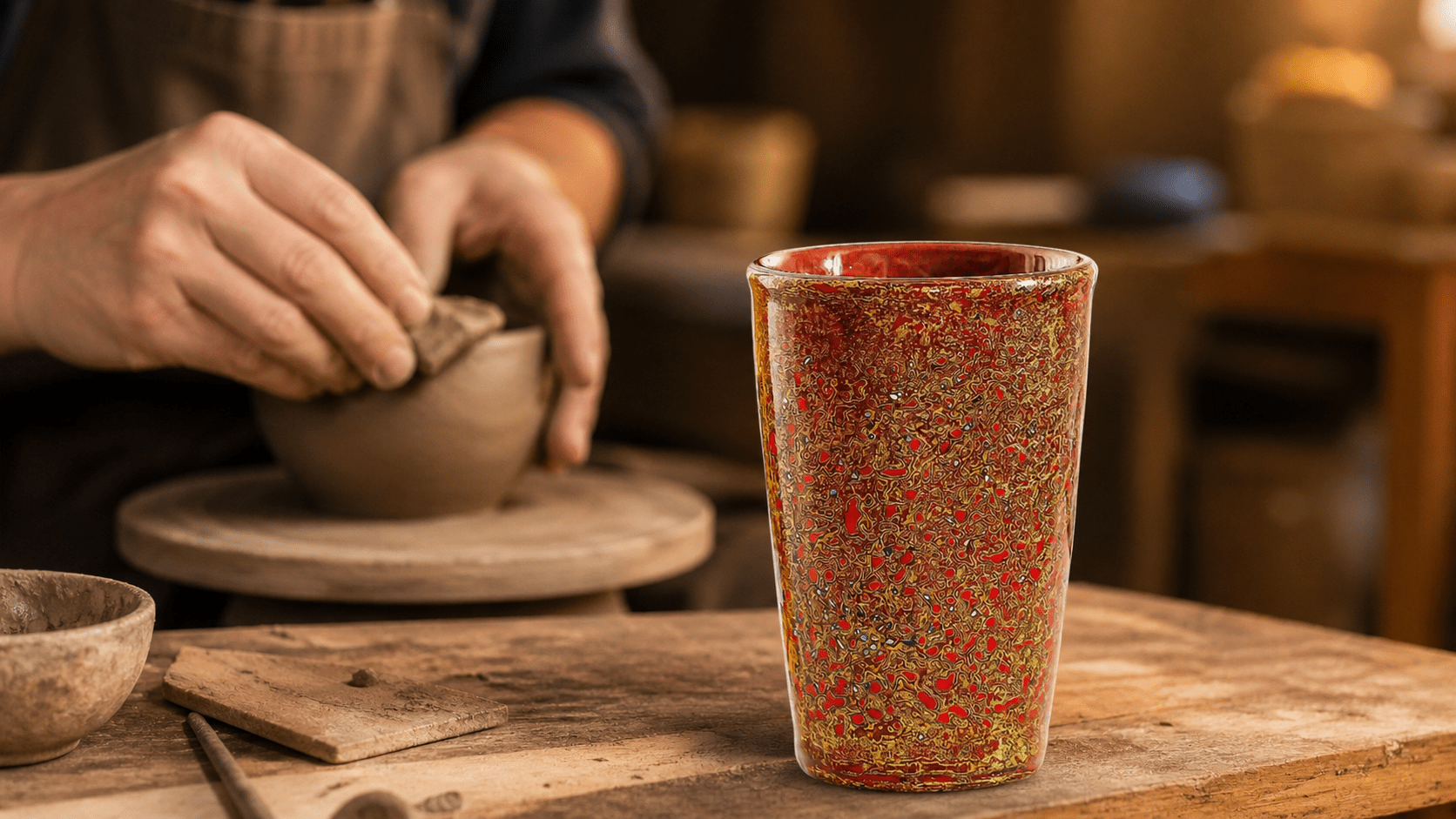

Tenmoku Tea Bowl: A Handmade Story for Gongfu Tea, Heritage, and Meaningful Gifting
A tenmoku tea bowl is a handmade ceramic tea vessel known for its dark, iron-rich glaze and natural kiln effects such as oil spot, hare's fur, and star-like patterns. For gongfu tea, a tenmoku bowl or jianzhan adds visual depth, warmth, and a quiet ritual feeling, making it a thoughtful gift for tea lovers who value craft, culture, and everyday beauty.
Unlike a mass-produced mug, each piece carries small differences from clay, fire, glaze thickness, and firing atmosphere. That is why premium lifestyle buyers often see a tenmoku tea bowl as both a practical tea cup and a collectible object.


Key Takeaways
- A tenmoku tea bowl is closely connected to Jian ware, also called jianzhan, a black-glazed ceramic tradition from Fujian, China.
- The beauty of tenmoku glaze comes from iron minerals, high heat, and kiln atmosphere rather than painted decoration.
- Oil spot, hare's fur, and other effects make every handmade ceramic cup visually different.
- It works especially well with oolong tea, pu-erh tea, roasted teas, and slow gongfu tea sessions.
- For gifting, an authentic jian zhan tea cup feels personal because no two glaze patterns are exactly alike.
What makes a tenmoku tea bowl meaningful for gongfu tea?
A tenmoku tea bowl is meaningful because it turns a simple pour of tea into a visual ritual. In gongfu tea, the cup is small, the brewing is repeated, and the drinker pays attention to aroma, color, temperature, and texture. A dark-glazed bowl makes those details feel more concentrated.
For a beginner in the United States, think of it like using a hand-thrown whiskey glass instead of a plain tumbler. The drink may be the same, but the vessel changes the pace and the mood. With oolong tea, the amber liquor can glow against a deep black or brown surface. With pu-erh tea, the earthy color feels grounded and calm.
The tenmoku tea bowl also invites touch. Many handmade ceramic cups have slight variations in weight, curve, rim thickness, and foot ring. These details are not defects when they are within normal craft standards. They are part of the human presence behind the piece.
For tea lovers, this matters. Tea is not only about caffeine or flavor. It is about slowing down, noticing small changes, and creating a moment that feels separate from the rest of the day.
How does song dynasty tea culture shape the story of tenmoku bowls?
Song dynasty tea culture shaped the identity of the tenmoku tea bowl by connecting dark-glazed ceramics with refined tea practice. During the Song Dynasty in China, powdered tea preparation and tea contests helped make black-glazed bowls highly valued because the dark surface highlighted pale tea foam.
This does not mean every modern tenmoku bowl is an antique or a direct historical object. Most pieces available today are contemporary handmade ceramics inspired by older Jian ware traditions. The cultural connection is important, but it should be described honestly.
The Japanese word “tenmoku” became widely associated with these bowls after Chinese tea bowls traveled to Japan and were admired in Japanese tea culture. In Japan, the bowls became part of a different aesthetic world: quiet rooms, seasonal utensils, and the discipline of tea ceremony.
For modern American buyers, this cross-cultural journey is part of the appeal. A tenmoku tea bowl carries a story that moves from Fujian kilns to Japanese tea rooms, and now to home tea tables, kitchen counters, and gift boxes around the world.
That layered history gives the object emotional weight. It is not loud luxury. It is a kind of understated beauty that rewards close looking.
What is jian zhan history, and why does the Fujian tea bowl tradition matter?
Jian zhan history begins with the Jian kilns in Fujian, China, where iron-rich clay and high-temperature firing created distinctive black-glazed bowls. This fujian tea bowl tradition is the foundation of what many people now call jianzhan or tenmoku.
The word “zhan” means a small bowl or cup. Jianzhan refers to bowls associated with the Jian kiln tradition. The clay body is often dark and mineral-rich, and the glaze can separate, crystallize, or flow in unpredictable ways during firing.
That unpredictability is central to the craft. A tenmoku artisan can prepare clay, mix glaze, shape the cup, control firing temperature, and adjust kiln atmosphere, but the final surface still depends on fire. This is why collectors often describe the best pieces as “born from the kiln” rather than simply manufactured.
In practical terms, the Fujian tradition matters because it gives the cup a real cultural anchor. When a seller calls something an authentic jian zhan tea cup, buyers should expect more than a dark color. They should look for a connection to Jian-style materials, forms, firing methods, and glaze effects.
That does not mean every good tenmoku-style cup must be expensive or rare. It means the story should be clear, the product description should avoid exaggeration, and the buyer should understand what they are paying for.
What does a tenmoku artisan actually do to create the glaze?
A tenmoku artisan works through a long sequence of choices before the cup reaches your hand. The process usually includes selecting clay, forming the bowl, drying it slowly, trimming the foot, applying tenmoku glaze, loading the kiln, firing, cooling, inspecting, and sorting.
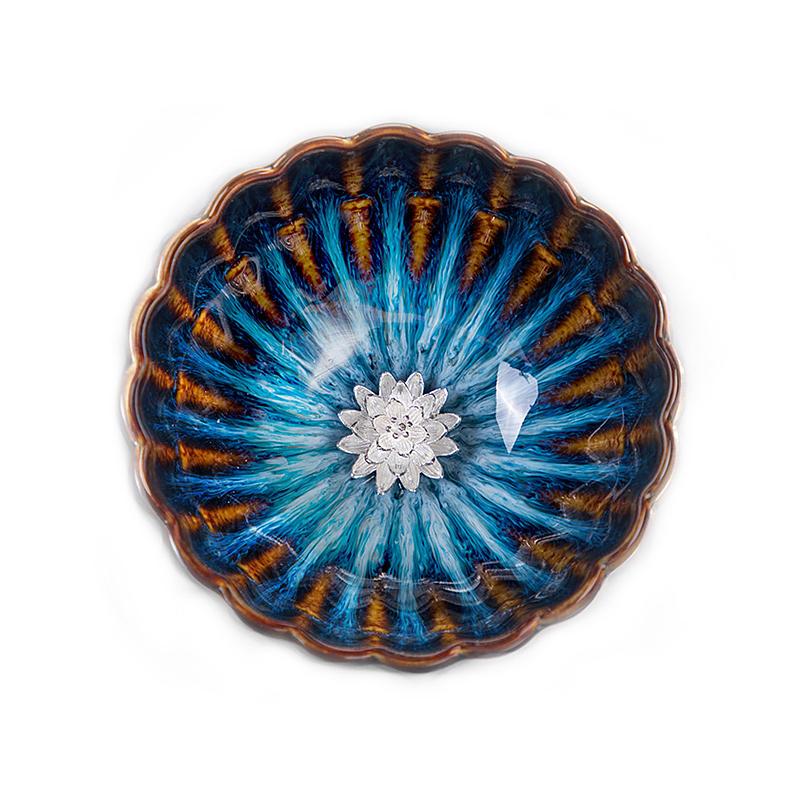
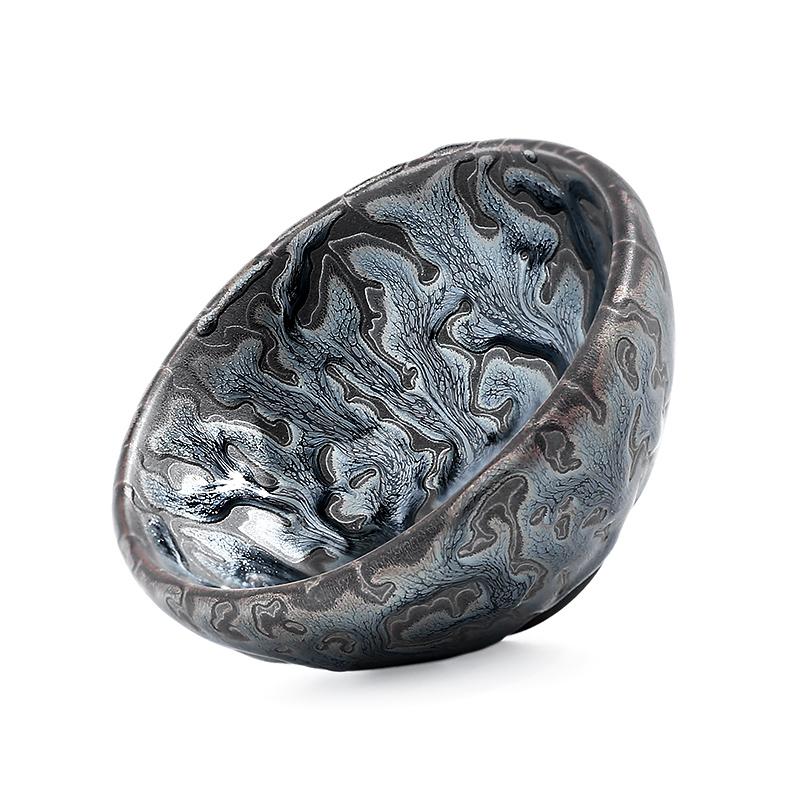
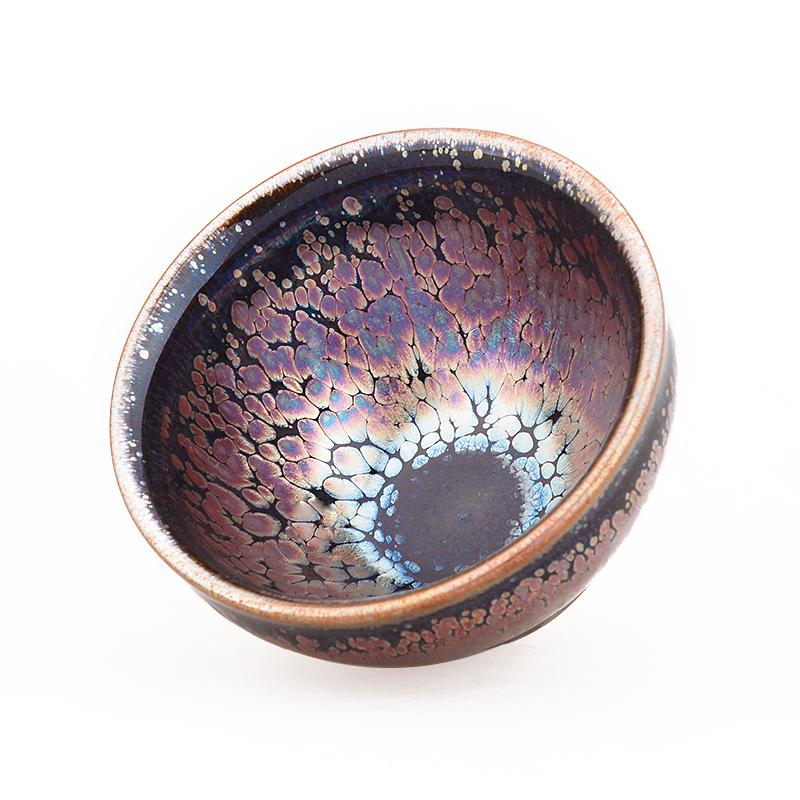
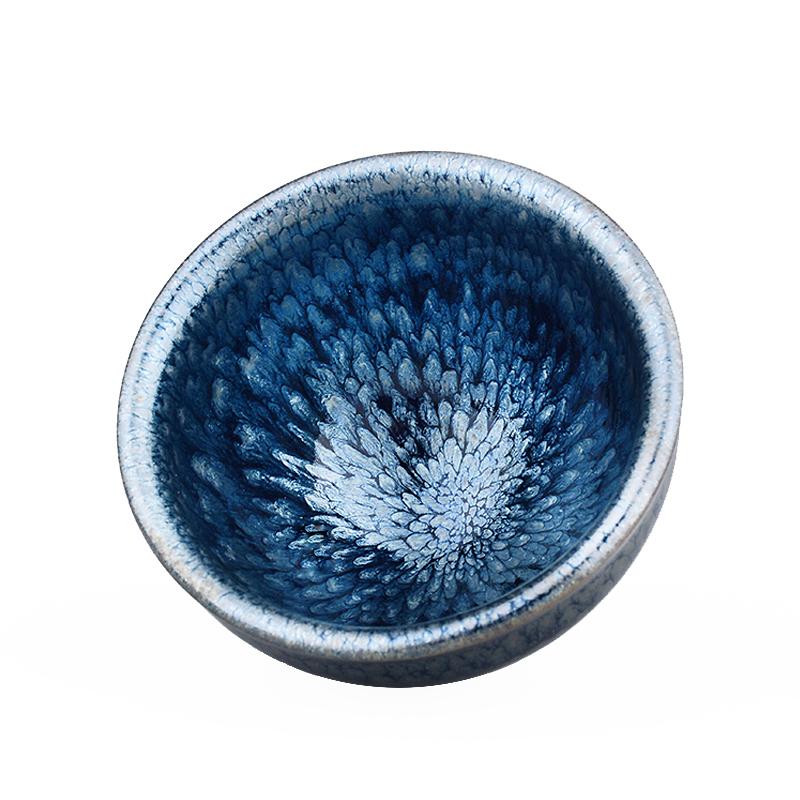
The most dramatic part is the glaze. Tenmoku glaze is usually iron-rich. Under high heat, iron reacts with oxygen, temperature changes, and glaze movement. The result may appear as oil spot, hare's fur, silver streaks, blue-black depth, bronze tones, or tiny star-like crystals.
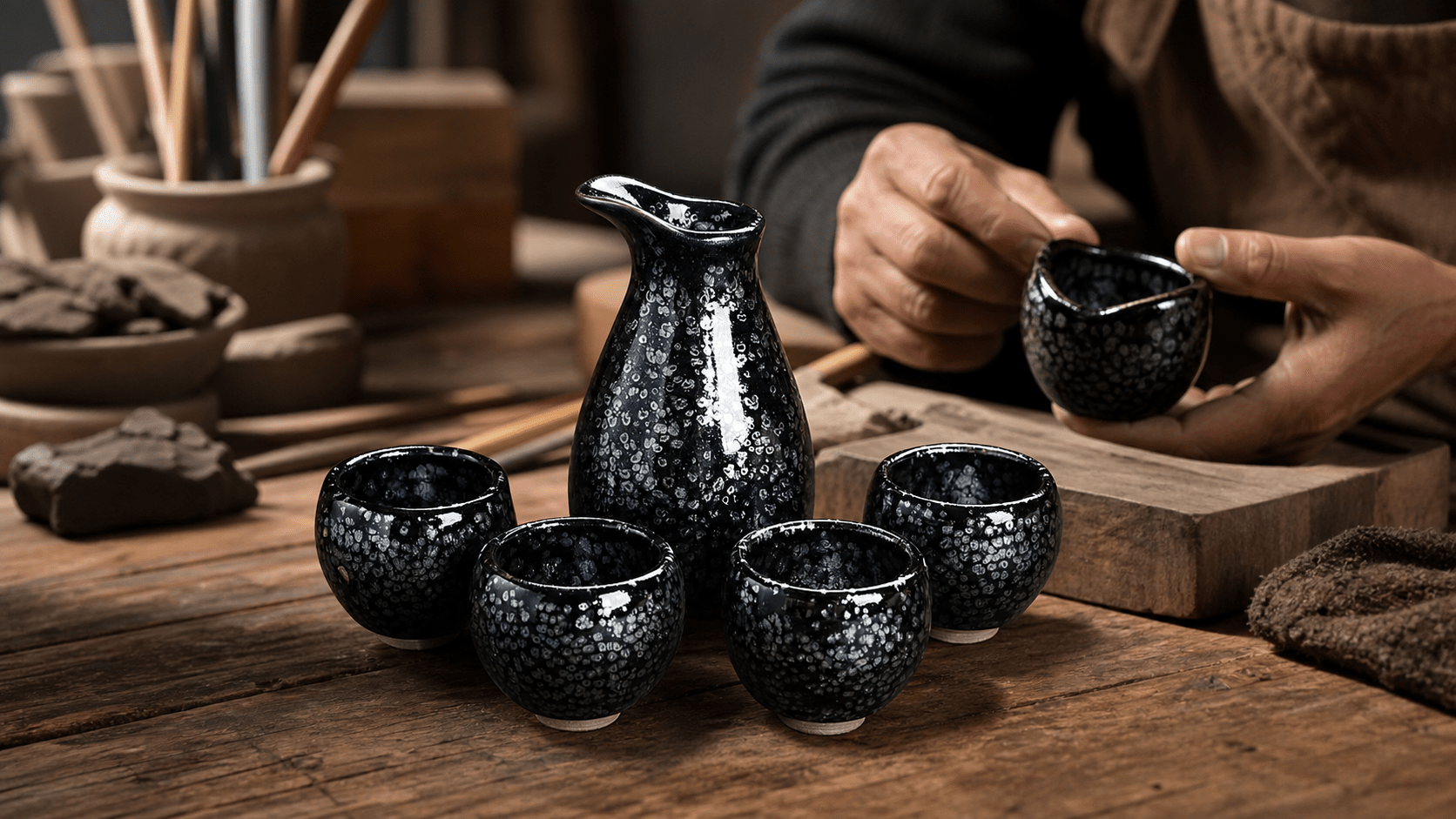
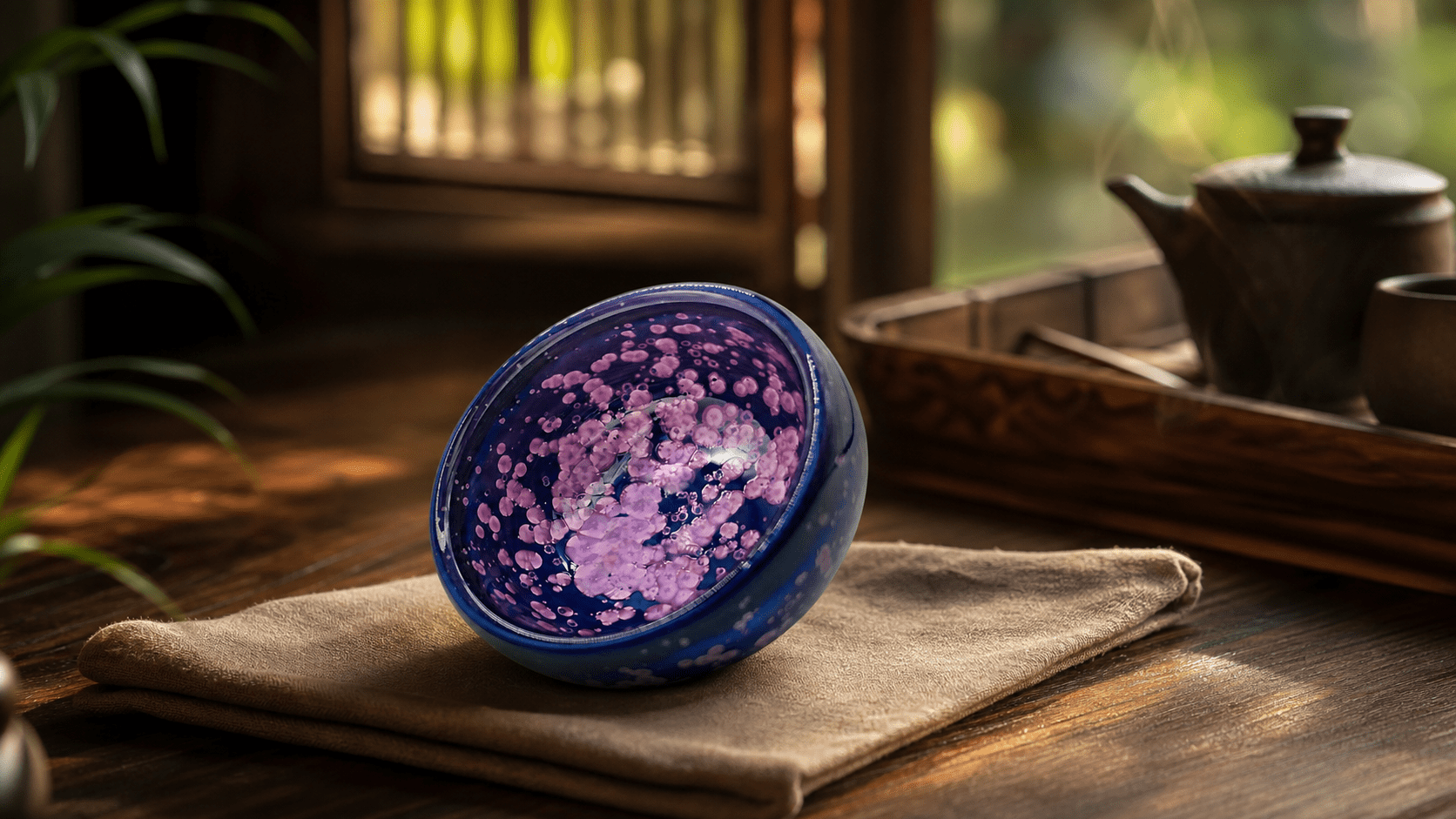
An oil spot tenmoku cup is especially admired because its surface can look like metallic droplets floating on a dark night sky. These spots are not painted one by one. They form through chemistry and heat. That natural formation is what gives the cup its organic beauty.
The artisan's skill is partly control and partly patience. They must know how thick the glaze should be, how the cup shape affects flow, where to place pieces in the kiln, and when a firing has the right conditions. Even then, some cups will come out better than others.
This is why handmade tenmoku should be judged with a different eye than factory dinnerware. Perfect sameness is not the goal. Balance, glaze depth, comfortable use, and character are more important.
How do oil spot, hare's fur, and tenmoku glaze compare?
Tenmoku bowls are often described by glaze effect. These names can be poetic, but they also help buyers understand what they are seeing. The table below gives a simple comparison for beginners.
| Glaze Style | Visual Look | Best For | Buyer Note |
|---|---|---|---|
| Oil spot | Metallic dots or speckles over a dark base | Collectors, gift buyers, dramatic tea presentation | Look for natural variation and depth, not printed dots |
| Hare's fur | Fine vertical streaks that resemble soft fur lines | Classic Song-inspired aesthetics and Japanese tea style | Streak direction and flow should feel natural |
| Black tenmoku | Deep black, brown-black, or blue-black glaze | Minimalist tea tables and daily gongfu tea | Simple color can still show depth under light |
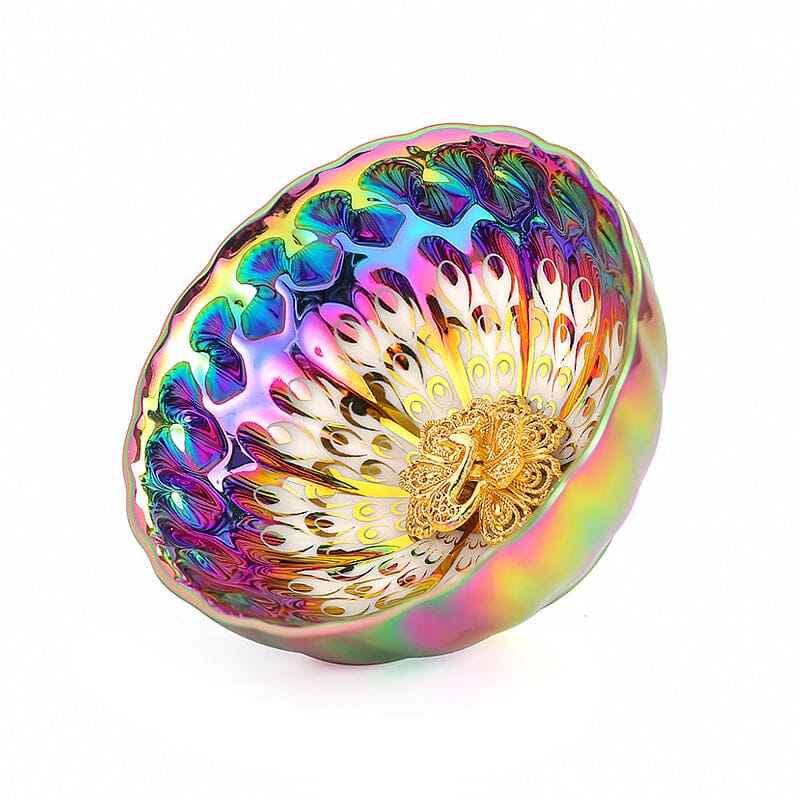
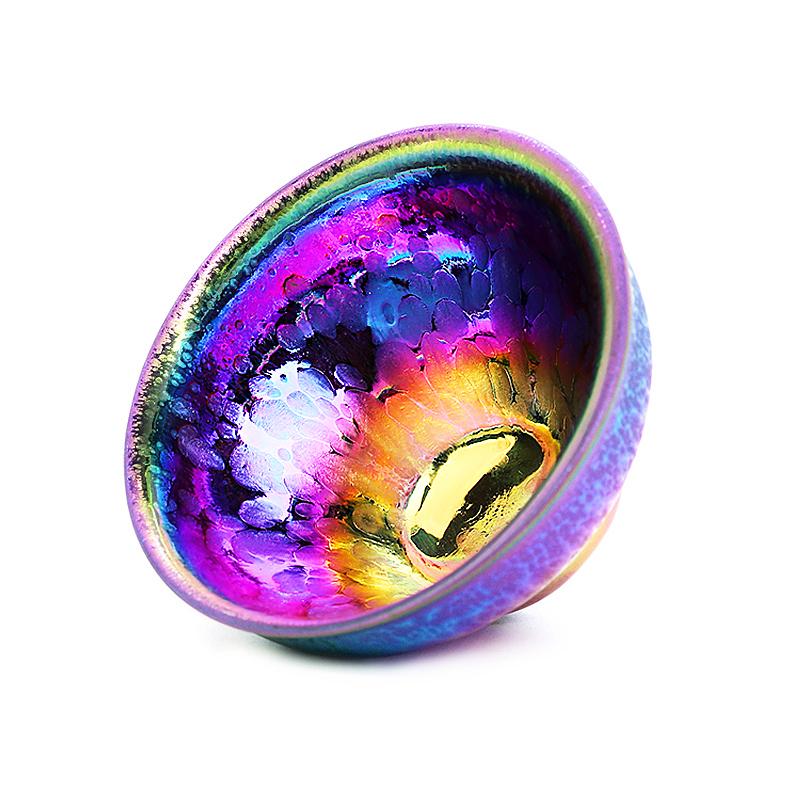
| Yohen-inspired effects | Color shifts, halos, or iridescent areas | Display pieces and advanced collectors | Descriptions should be careful and not overclaim rarity |
If you are choosing a first tenmoku tea bowl, oil spot is often the easiest to appreciate because the pattern is visible and gift-friendly. A hare's fur pattern feels quieter and more traditional. A plain black tenmoku bowl can be the most versatile for daily tea.
Why do Japanese and Japan-related tenmoku searches matter to buyers?
Many US buyers search for japanese tenmoku for sale because they first encounter tenmoku through Japanese tea ceremony, museum collections, or Japanese design language. That search behavior is understandable, but the history is more layered.
Tenmoku has deep roots in Chinese Jian ware, while Japan helped preserve and reinterpret the appreciation of these bowls through tea culture. In simple terms, China is central to the origin of Jian-style bowls, and Japan is central to the global recognition of the tenmoku name.
For buyers, the key is not choosing one culture over the other. The better question is: what kind of piece are you buying? Is it a Japanese-made tenmoku bowl, a Chinese jianzhan, or a modern tenmoku-style handmade ceramic cup?
Clear product descriptions should tell you the origin, material, size, glaze style, and intended use. If those details are not available, treat the piece as decorative or tenmoku-style rather than assuming it is an authentic jian zhan tea cup.
How should beginners choose an authentic jian zhan tea cup as a gift for tea lovers?
For a gift, choose a cup that is beautiful, usable, and easy to understand. A tea lover may enjoy the cultural story, but they will also care about how the cup feels in the hand.
- Choose the right size: Smaller cups work well for gongfu tea. Larger bowls may suit matcha-style or ceremonial presentation.
- Match the glaze to personality: Oil spot feels bold and collectible. Hare's fur feels classic and calm. Deep black feels minimal and modern.
- Check the rim: A comfortable rim improves daily use.
- Look for honest descriptions: Avoid listings that make unsupported claims about masters, antiques, certificates, or rare status.
- Think about tea type: Oolong tea and pu-erh tea are especially natural pairings for dark-glazed cups.
If you are buying for someone new to tea, include a short note explaining the meaning of the glaze. That small gesture turns the cup from an object into a story.
You can Explore our handmade Jianzhan tea cups if you want a starting point for giftable forms, glaze styles, and everyday tea use.
Where does a tenmoku tea bowl fit in a modern American home?
A tenmoku tea bowl fits naturally into a modern American home because it bridges function and atmosphere. It can sit on a tea tray, a kitchen shelf, a reading table, or a small home bar area where beautiful objects are used rather than hidden.
For premium lifestyle buyers, the appeal is similar to hand-thrown pottery, small-batch glassware, or artisan coffee tools. The value comes from use, story, and tactile pleasure.
It also makes sense as a gift because it does not require the recipient to be a tea expert. A curious beginner can use it for oolong tea, pu-erh tea, roasted green tea, or even as a small contemplative cup for evening rituals. A more experienced tea drinker can appreciate the Jian ware background and glaze variation.
For shoppers drawn to visible kiln effects, Discover our collection of oil spot tenmoku cups and compare how each glaze pattern changes under light.
FAQ: Tenmoku tea bowls, Jianzhan, and buying with confidence
What is a tenmoku tea bowl used for in gongfu tea?
A tenmoku tea bowl is used for drinking tea in small, mindful servings. In gongfu tea, it pairs well with oolong tea, pu-erh tea, and roasted teas because the dark glaze makes the tea color feel rich and focused.
How is song dynasty tea culture connected to the tenmoku tea bowl?
Song dynasty tea culture helped popularize dark-glazed bowls because they visually highlighted pale tea foam during powdered tea preparation. Modern tenmoku bowls are usually contemporary pieces inspired by that historical ceramic tradition.
What should I know about jian zhan history before buying?
Jian zhan history is tied to the Jian kilns of Fujian, China. Buyers should understand that true Jian-style bowls are valued for iron-rich clay, high-temperature firing, and natural glaze effects rather than painted decoration.
What makes the Fujian tea bowl tradition different from ordinary ceramics?
The Fujian tea bowl tradition is known for dark clay bodies, iron-rich glaze, and kiln-born patterns such as oil spot and hare's fur. The beauty depends heavily on fire, minerals, and firing atmosphere.
How can I identify an authentic jian zhan tea cup?
Look for clear information about origin, clay, glaze style, firing method, size, and use. Be cautious with unsupported claims about antique status, famous masters, or certificates unless documentation is provided.
Is an oil spot tenmoku cup a good gift for tea lovers?
Yes. An oil spot tenmoku cup is visually striking, easy to explain, and suitable for both beginners and experienced tea drinkers. It feels personal because every oil spot pattern varies.
Why do people search for Japanese tenmoku for sale if Jianzhan comes from China?
The term tenmoku became strongly associated with Japanese tea culture, while Jianzhan has roots in Chinese ceramic history. Many buyers use Japanese search terms because they discovered the style through Japan or Japanese tea ceremony.
Conclusion: Why a tenmoku tea bowl is more than a cup
A tenmoku tea bowl is more than a vessel for hot tea. It is a meeting point of clay, fire, history, and daily ritual. For beginners, it offers an accessible way to enter gongfu tea. For premium lifestyle buyers, it brings handmade ceramic character into the home without feeling decorative for decoration's sake.
The best reason to choose one is simple: it makes tea feel more intentional. Whether you are buying for yourself or choosing a gift for tea lovers, a well-made tenmoku bowl carries a quiet story every time it is used.
Start with a glaze that speaks to you, choose a size that fits your tea habit, and let the cup become part of your own ritual.
Explore Our Collection
Ready to experience the world of tenmoku tea bowl? Browse our curated collection:
Disclaimer: This article is for informational purposes. Products and pricing subject to change.


Condividere:
Tenmoku Tea Bowl Authentication Guide: How to Buy the Real Thing With Confidence
Why Are Tenmoku Tea Bowls So Expensive? The Craft, Rarity, and True Value Behind This Gongfu Tea Treasure