

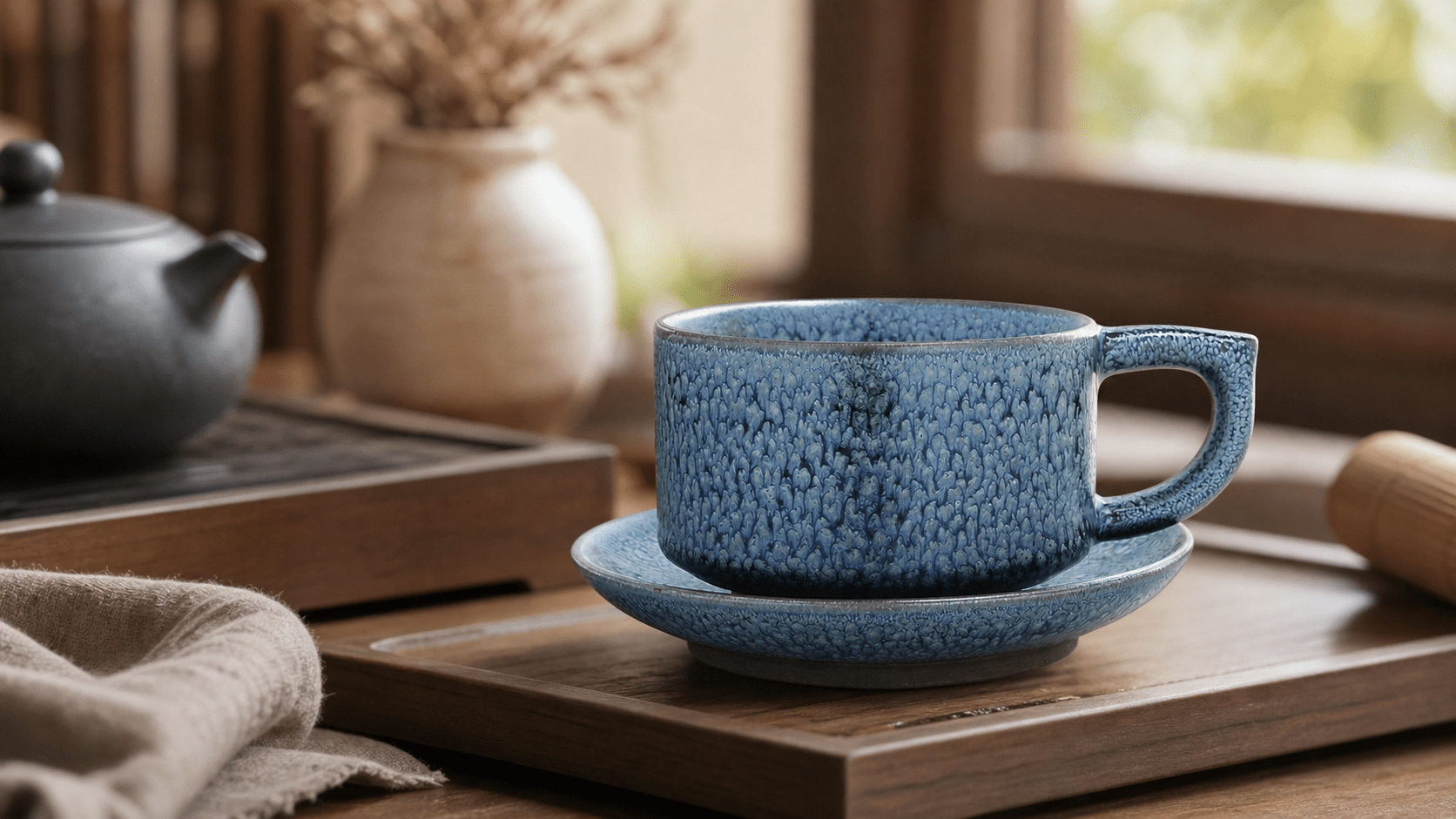

Tenmoku Tea Bowl: Turn a Daily Cup of Tea Into a Restorative Ritual
A tenmoku tea bowl is more than a vessel for drinking tea: it is a small, handmade object that can make an ordinary pause feel intentional. Whether you are preparing gongfu tea after work, whisking a weekend matcha bowl, or setting out a thoughtful gift, the deep surface of a tenmoku cup turns a familiar routine into a more tactile, calming experience.
For a US home, think of it like choosing a well-made cast-iron skillet, a favorite linen robe, or a hand-blown whiskey glass. It does not need to be used only on special occasions. Its value comes from making everyday moments feel considered.
Key Takeaways
- A tenmoku tea bowl is valued for its dark glaze, changing surface patterns, and grounding feel in the hand.
- It can suit gongfu tea, pu-erh tea, matcha, or a quiet solo tea break, depending on its shape and size.
- Handmade pieces vary naturally; those variations are part of the appeal, not necessarily defects.
- A well-chosen bowl can be a meaningful tea ceremony gift because it combines function, craftsmanship, and personal ritual.
- When shopping, focus on comfort, firing character, glaze clarity, and the maker or retailer’s product details rather than dramatic claims.
Why does a tenmoku tea bowl feel like luxury at home?
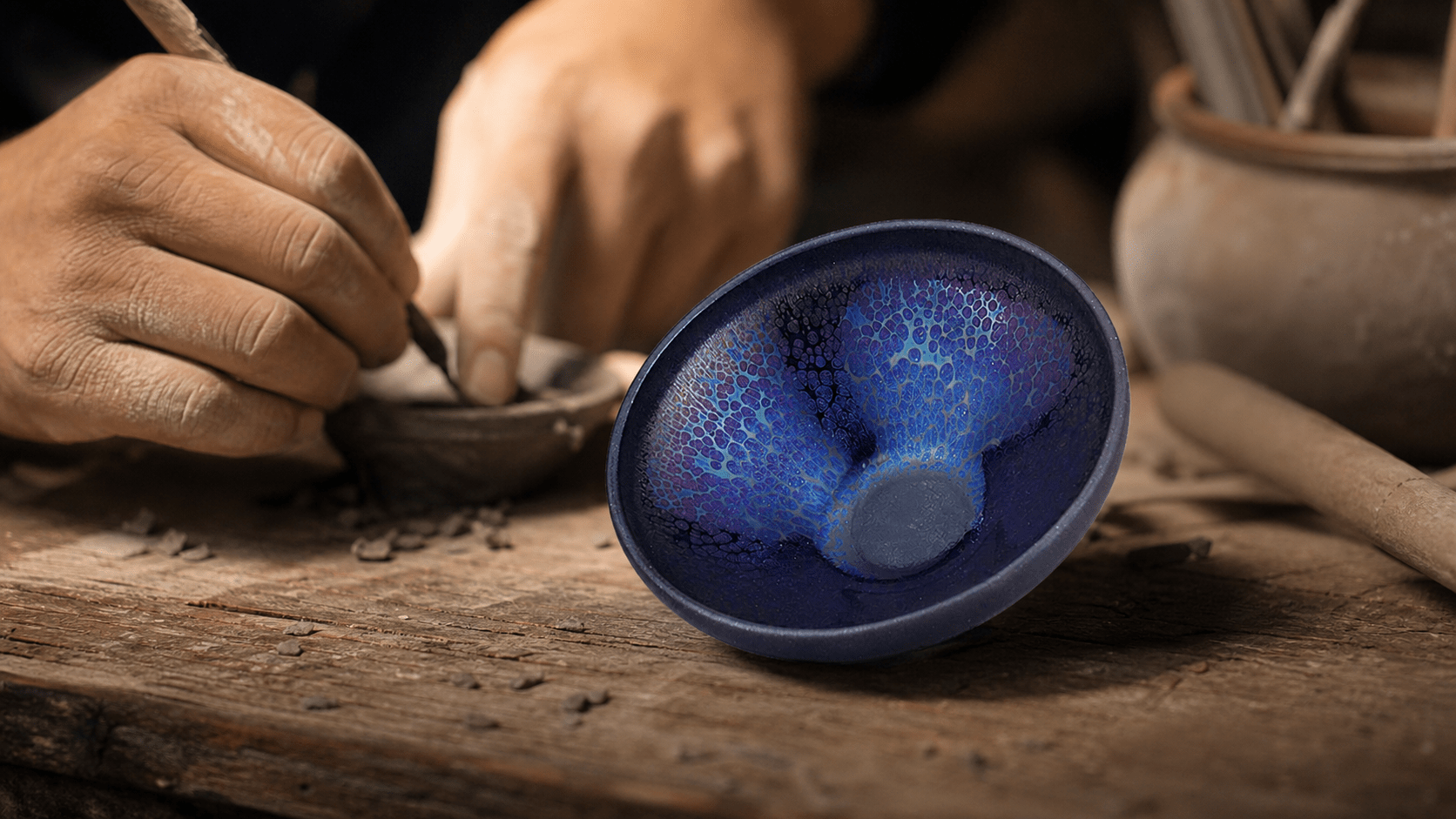
Luxury at home is not always about owning more things. Often, it is about choosing a few objects that make you slow down and pay attention. A handmade tenmoku tea cup does that especially well because its visual character changes with light, tea color, and the angle of your hand.
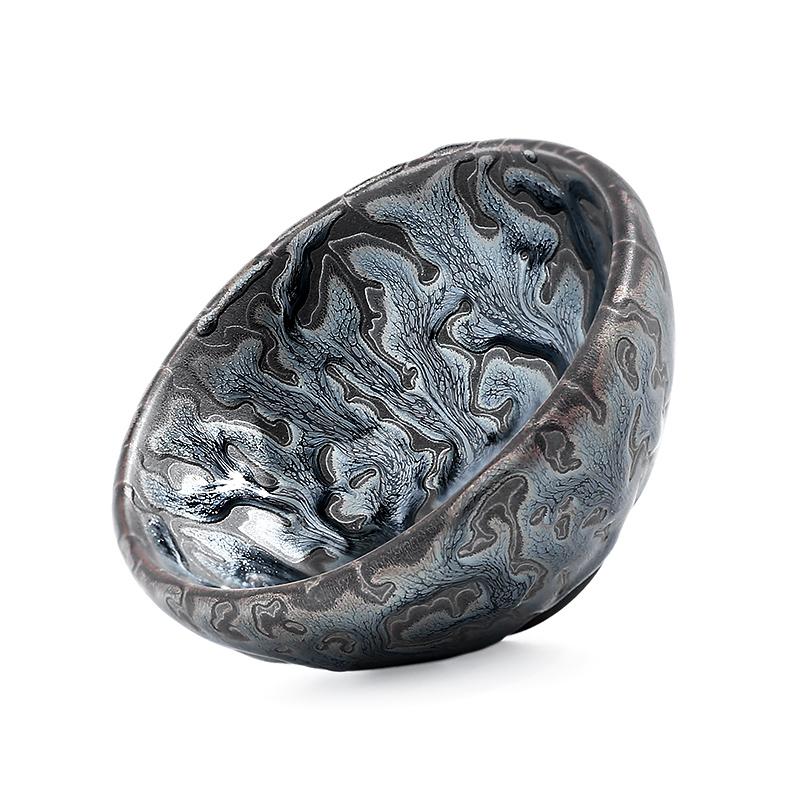
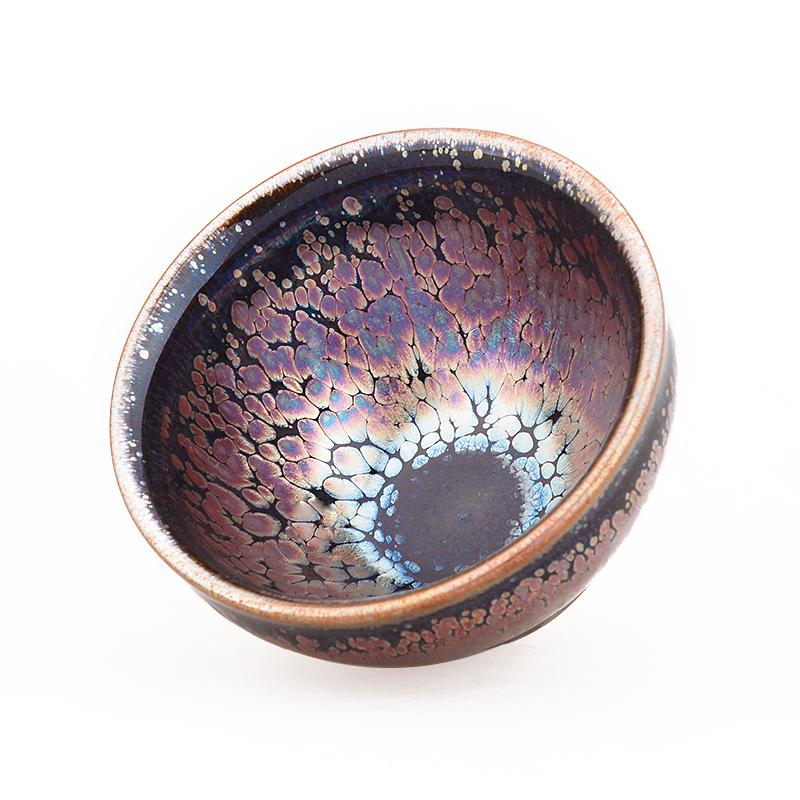
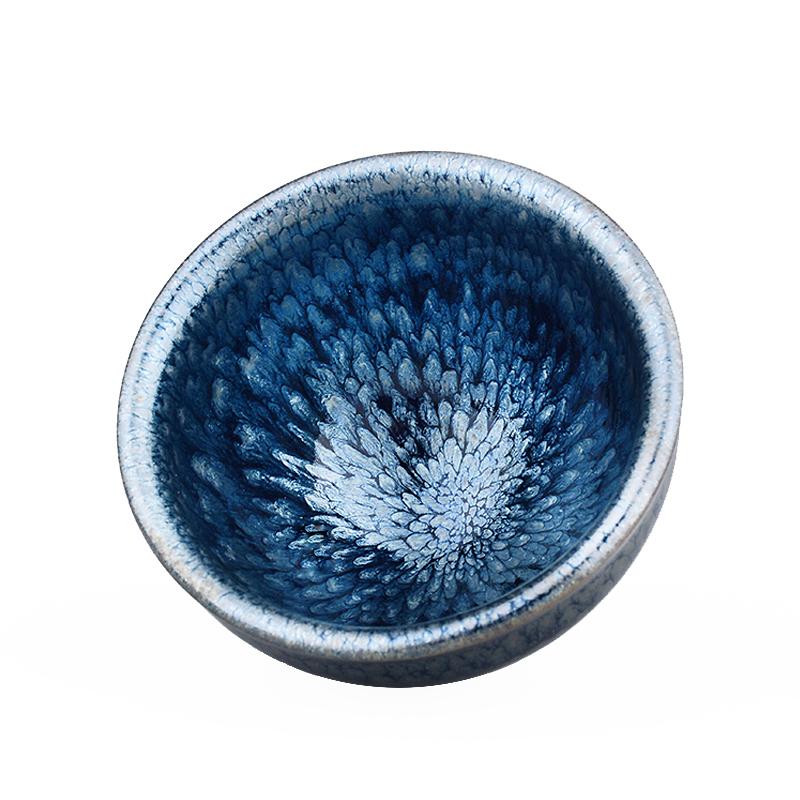
Tenmoku refers broadly to a family of dark, high-fired glazes associated with East Asian tea culture. The name is linked to Tianmu Mountain in China and later became familiar in Japan through Japanese tea traditions. Today, people may use “tenmoku” for bowls and cups with dark, iron-rich glazes, including surfaces that show oil spot, hare’s fur, or partridge feather effects.
Unlike a perfectly uniform white mug, a tenmoku tea bowl invites a second look. A dark surface can reveal fine lines, metallic flecks, or layered color only when light catches it. That visual pause is useful in a daily routine. It is a simple cue to put the phone down, notice the steam, and take the first sip more slowly.
Black porcelain and related dark stoneware also create a strong contrast with pale tea foam and amber tea liquor. If you drink ripe pu-erh tea, oolong, or black tea, the bowl can frame the color in a way that feels warm rather than clinical. For matcha, the green against a dark interior can be especially striking.
The appeal is not that a bowl somehow transforms the tea chemically or promises wellness outcomes. The real benefit is behavioral: a beautiful, comfortable cup can help create a repeatable moment of rest. In a busy home, that is a form of everyday luxury.
What makes a handmade tenmoku tea cup special for gongfu tea?
Gongfu tea is a Chinese style of brewing that uses a higher leaf-to-water ratio and several short infusions. It is not complicated once you try it: brew a small amount, taste, repeat, and notice how the tea changes. A tenmoku tea bowl or small cup fits naturally into that rhythm because each pour is brief and deliberate.
For gongfu tea, a cup should feel stable but not bulky. A smaller bowl lets you taste tea while it is warm and encourages you to notice aroma, texture, and finish. A gently curved rim can make sipping comfortable, while a foot ring helps insulate your fingers from heat.
Handmade jian zhan tea cups are often appreciated in gongfu settings because their glaze is visually active without needing extra decoration. “Jianzhan” refers to black-glazed tea ware associated with the Jian kilns of Fujian, China. In modern shopping language, the term may be used broadly, so it is wise to read the product description carefully and avoid assuming every dark cup has the same origin, clay, or firing method.
A good handmade piece should work for your actual tea habits. If you mainly drink pu-erh tea or roasted oolong, choose a cup that holds a modest pour and feels easy to rinse between sessions. If you prefer one larger cup for a slow morning, a broader tenmoku tea bowl may be the better fit.
Explore surface styles as well. Discover our collection of oil spot tenmoku cups if you enjoy a constellation-like finish that catches light. If you prefer fine, flowing streaks that feel more linear and understated, Browse our hare's fur Jianzhan series.
How can a tea ceremony gift fit modern American life?
A tea ceremony gift does not require the recipient to own a formal tea room or know a long list of traditions. In the US, it can be a thoughtful invitation to create a personal pause: five quiet minutes before the workday, a screen-free break in the afternoon, or a shared cup after dinner.
This is why a tea cup gift for tea lovers can feel more personal than another generic home item. It says, “I noticed how you make space for yourself.” The best gifts support a person’s existing habits while giving them a new detail to enjoy.
For a friend who loves coffee, consider pairing a bowl with loose-leaf tea and a simple brewing guide. For a couple setting up a home bar or hosting corner, two complementary cups can add a quiet counterpoint to their glassware. For someone who already drinks matcha, a larger bowl may serve as a practical matcha bowl as well as a display-worthy object.
A unique tea cup gift works especially well for birthdays, housewarmings, weddings, Father’s Day, holiday hosting, and thank-you occasions. It feels elevated without being overly formal. The key is to match the piece to the person rather than chase the most dramatic glaze.
- For the daily tea drinker: choose a medium-size cup with a comfortable rim and easy-to-hold profile.
- For the design-minded recipient: choose a glaze with clear oil spot, hare’s fur, or partridge feather detail.
- For the beginner: include a small tea sample and a note explaining that no formal ceremony is required.
- For a couple: choose two related bowls with individual differences, not necessarily identical pieces.
- For a serious collector: prioritize clear product information, maker context when available, and photographs that show the actual item.
A handmade tea cup gift set can be especially useful when you want the gift to feel complete. Two cups plus tea are enough for a shared ritual; a bowl, tea tray, and brewing vessel create a more involved experience. Start with the smallest set that the recipient is likely to use.
Is a Japanese tenmoku for sale the same as a Jianzhan cup?
Not necessarily. The terms overlap in tea culture, but they do not always identify the same thing. “Tenmoku” is commonly used in Japan and Japanese tea contexts for dark-glazed tea bowls inspired by a long cross-cultural history. “Jianzhan” is more specific to the historical black-glazed tea ware connected to Jian kilns in China.
Retail listings can use these names differently, especially online. A search for Japanese tenmoku for sale may show Japanese-made tea bowls, Japanese-style pieces made elsewhere, antique-inspired work, and cups marketed with broad tenmoku terminology. A listing for handmade jian zhan tea cups may describe a particular Chinese tradition, but you should still verify the stated origin and materials.
| Term | Simple meaning | What to check before buying |
|---|---|---|
| Tenmoku | A broad tea-ware term often linked to dark, high-fired glazes and Japanese tea culture. | Country of origin, clay body, glaze description, size, and whether photos show the actual piece. |
| Jianzhan | Black-glazed tea ware associated with the Jian kiln tradition in China. | How the retailer describes provenance, firing, maker information, and care guidance. |
| Hare’s fur | Fine streak-like glaze effects that can resemble animal fur. | Look for natural variation and clear close-up images rather than an expectation of perfect symmetry. |
| Partridge feather | A spotted or feather-like glaze pattern historically associated with prized tea ware. | Confirm that the wording describes appearance, not an unsupported historical claim. |
This distinction matters because a premium purchase should be based on accurate expectations. You can appreciate a Japanese tea aesthetic, a Chinese jianzhan tradition, or a contemporary handmade interpretation without treating them as interchangeable. Good buying is less about using the most prestigious label and more about choosing a piece you understand and will enjoy using.
What should you look for in a unique tea cup gift or personal bowl?
Start with use, then let aesthetics narrow the choices. A striking bowl that feels awkward in your hand will probably stay on a shelf. A piece that is easy to reach for can become part of your life.
- Choose a practical size. Small cups are ideal for gongfu tea. Larger bowls suit matcha, casual sipping, or a more generous serving.
- Check the rim and weight. The rim should feel smooth, and the bowl should feel balanced when full. Handmade does not mean uncomfortable.
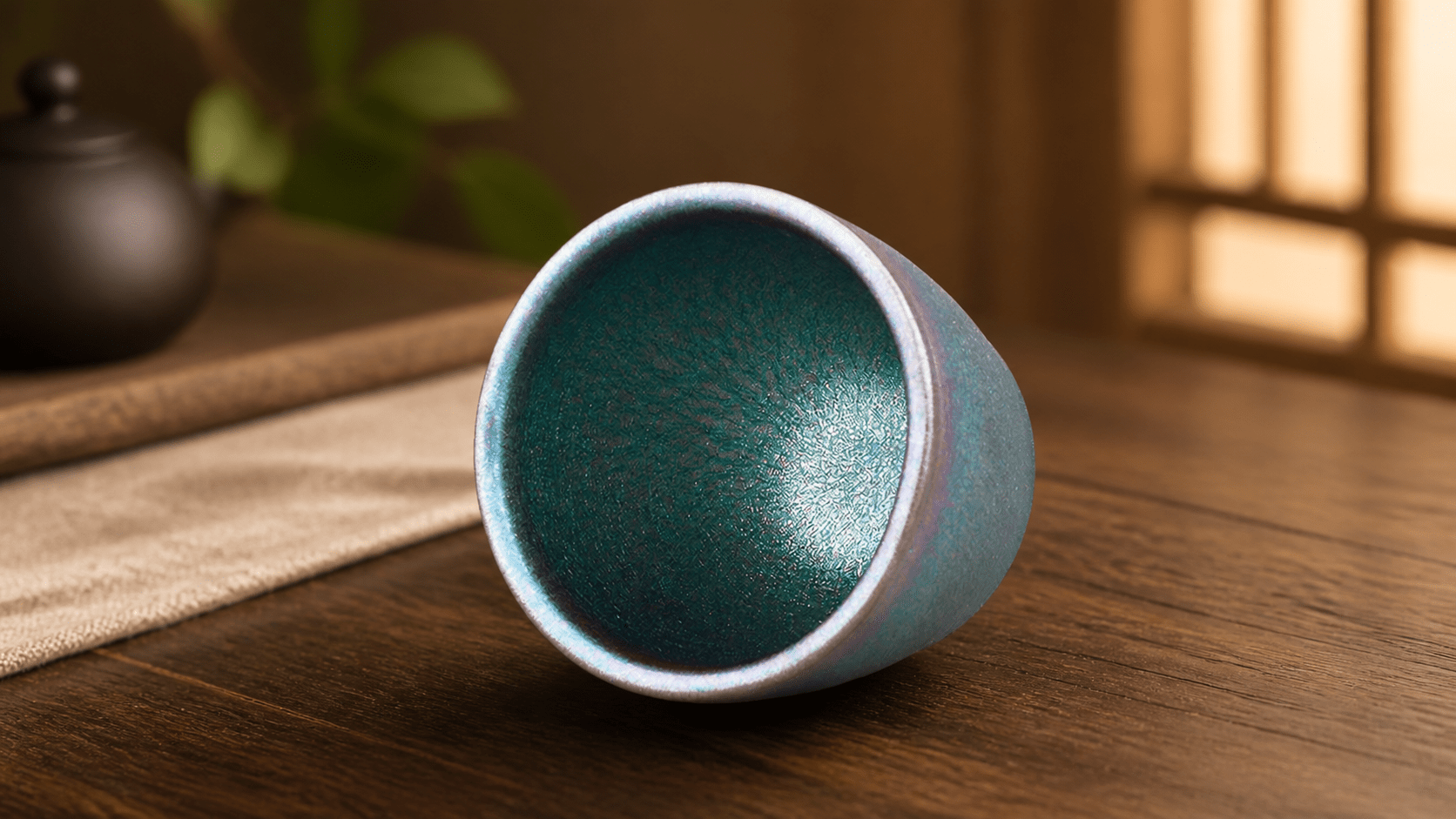
- Study actual glaze variation. Tenmoku glaze is shaped by heat, minerals, atmosphere, and placement in the kiln. Variations in color and pattern are expected.
- Read care instructions. Ask whether the maker recommends hand-washing, whether the piece is microwave-safe, and how to avoid thermal shock.
- Look for honest descriptions. Trust product pages that specify dimensions, materials when known, and what makes each piece individual.
A handmade tenmoku tea cup can be a strong choice for someone who values craft, but the phrase alone does not guarantee quality. Product photography, transparent details, and a retailer’s willingness to explain variation are more useful signals than vague claims of rarity.
For a luxury-at-home ritual, consider building a small station rather than accumulating a large collection. One bowl, a favorite tea, a small tray, and a linen napkin can create a setup that feels as intentional as a bedside reading corner or a well-stocked cocktail cart.
How do you make a tenmoku tea bowl part of a relaxing daily ritual?
Keep the ritual light enough to repeat. You do not need special music, formal tools, or an hour of free time. The aim is to create a reliable transition between parts of your day.
Try this five-minute approach:
- Choose one tea and one bowl instead of deciding among many options.
- Warm the tenmoku tea bowl with hot water, then discard the water.
- Brew a small serving of tea. Pu-erh tea, oolong, and black tea are all approachable starting points.
- Hold the bowl for a moment before sipping and notice its weight, warmth, and glaze in the light.
- Drink without multitasking for the first few sips.
That is enough. The bowl becomes useful because it marks the boundary: work is paused, dinner is finished, or the morning has begun. Over time, the object can carry memory in the same way a favorite chair does. It is not about performing a perfect ceremony; it is about creating a repeatable moment that belongs to you.
Frequently Asked Questions
Is a tenmoku tea bowl a good tea ceremony gift for a beginner?
Yes. A tenmoku tea bowl can be an excellent tea ceremony gift for a beginner because it is useful without requiring formal knowledge. Pair it with approachable loose-leaf tea and a short note explaining simple brewing.
What makes a tea cup gift for tea lovers feel more personal?
A tea cup gift for tea lovers feels personal when it matches how the recipient drinks tea. Consider whether they enjoy gongfu sessions, matcha, large mugs, design objects, or sharing tea with a partner.
Can a unique tea cup gift be used for matcha and gongfu tea?
It depends on size and shape. A wider, larger tenmoku tea bowl can work as a matcha bowl, while smaller cups are generally more practical for gongfu tea. Check capacity before purchasing.
What should be included in a handmade tea cup gift set?
A simple handmade tea cup gift set can include one or two cups, a tea sample, and clear care instructions. For a more complete set, add a brewing vessel or small tea tray, but avoid adding tools the recipient may not use.
Are handmade Jianzhan tea cups all identical?
No. Handmade Jianzhan tea cups naturally vary in glaze pattern, color, texture, and placement of visual effects. If uniformity matters to you, review individual product photos and descriptions before ordering.
Why do partridge feather and hare’s fur patterns look different from one cup to another?
These effects develop during firing and depend on glaze composition, heat, kiln atmosphere, and each piece’s placement. Variation is a normal part of high-fired handmade ceramics.
Where should I look when comparing Japanese tenmoku for sale online?
Look for clear information about origin, dimensions, care, materials when available, and whether the photos represent the exact item. Be cautious of listings that make grand historical or material claims without details.
Conclusion: Choose the Bowl You Will Actually Reach For
A tenmoku tea bowl is a modest way to bring more texture, calm, and intention into a daily routine. It can serve as a personal ritual object, a conversation piece on a shelf, or a memorable gift for someone who values tea and thoughtful design.
Choose the shape that fits your tea habit, the glaze that you want to see in changing light, and the level of craftsmanship information that gives you confidence. A well-chosen handmade tea cup is not reserved for a formal occasion. It is made meaningful by the ordinary mornings and quiet evenings when you use it.


Explore Our Collection
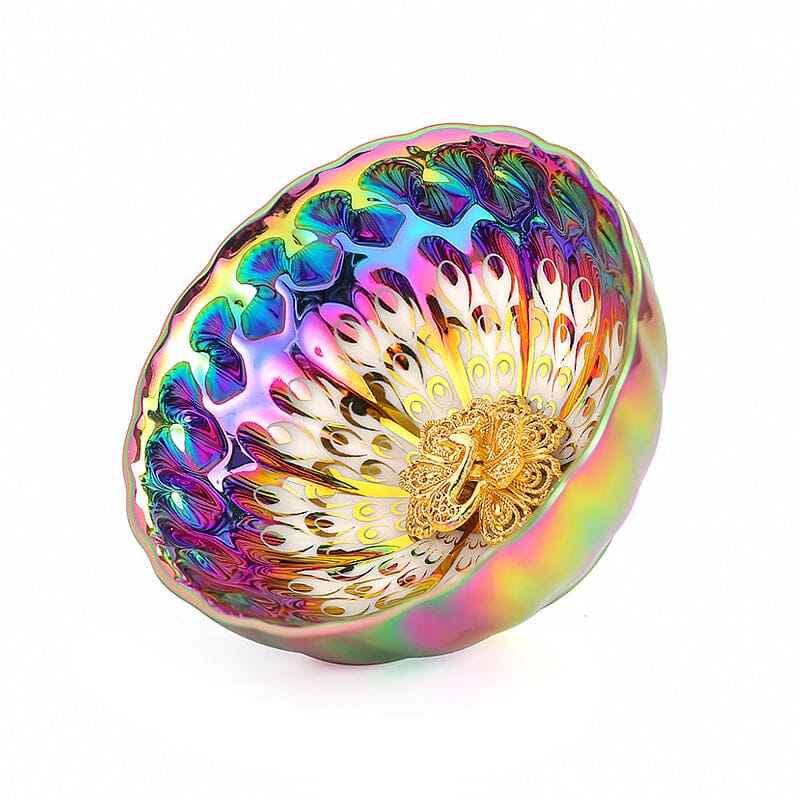
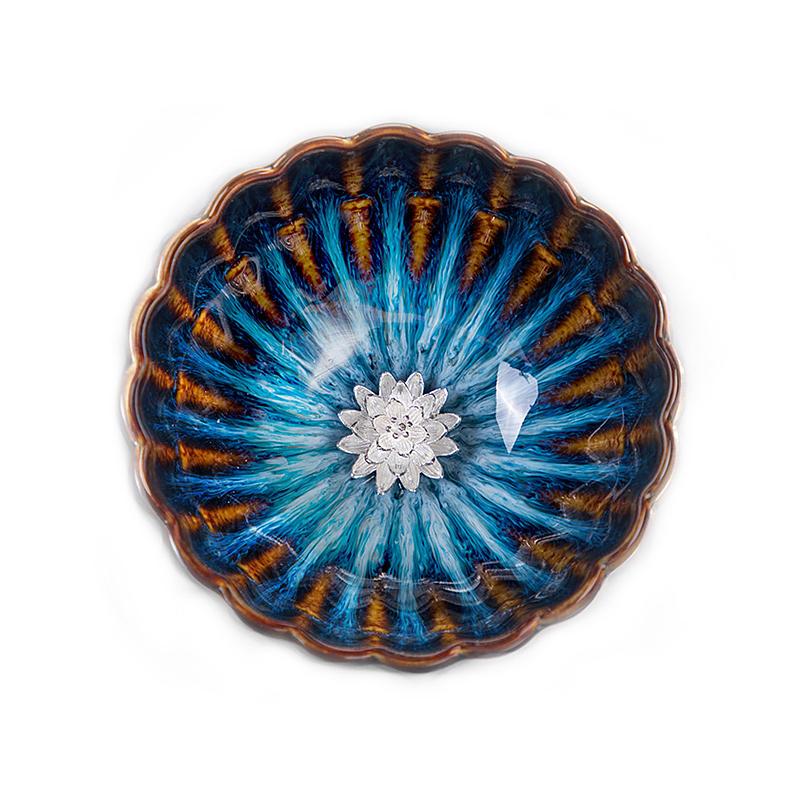
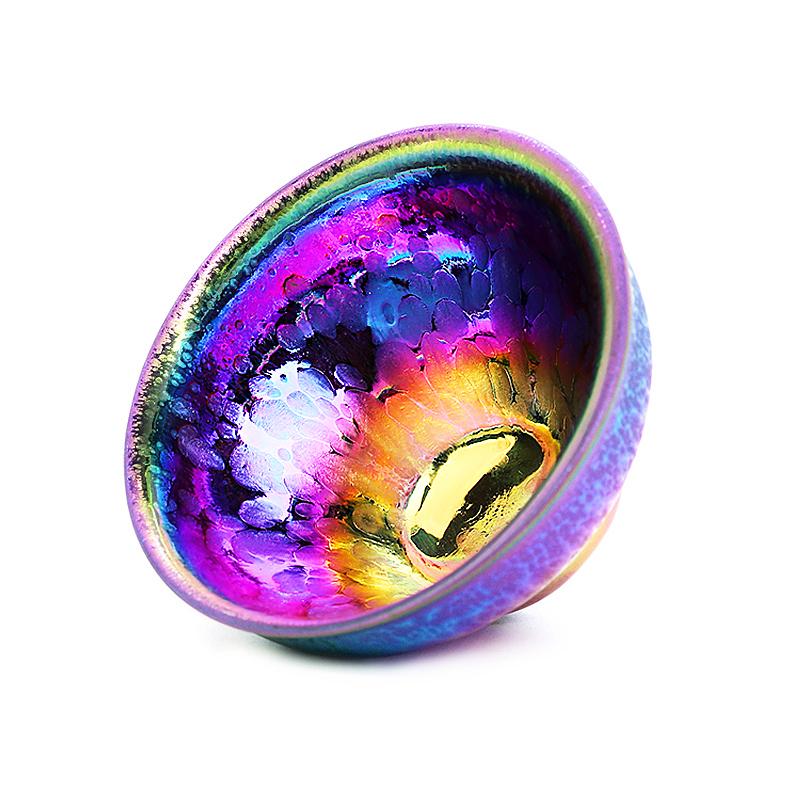
Ready to experience the world of tenmoku tea bowl? Browse our curated collection:
Disclaimer: This article is for informational purposes. Products and pricing subject to change.


Condividere:
Tenmoku Tea Bowl Price: Why Handmade Cups Are Worth It