Pasenverkoop: koop 3 Koop de 4e gratis!

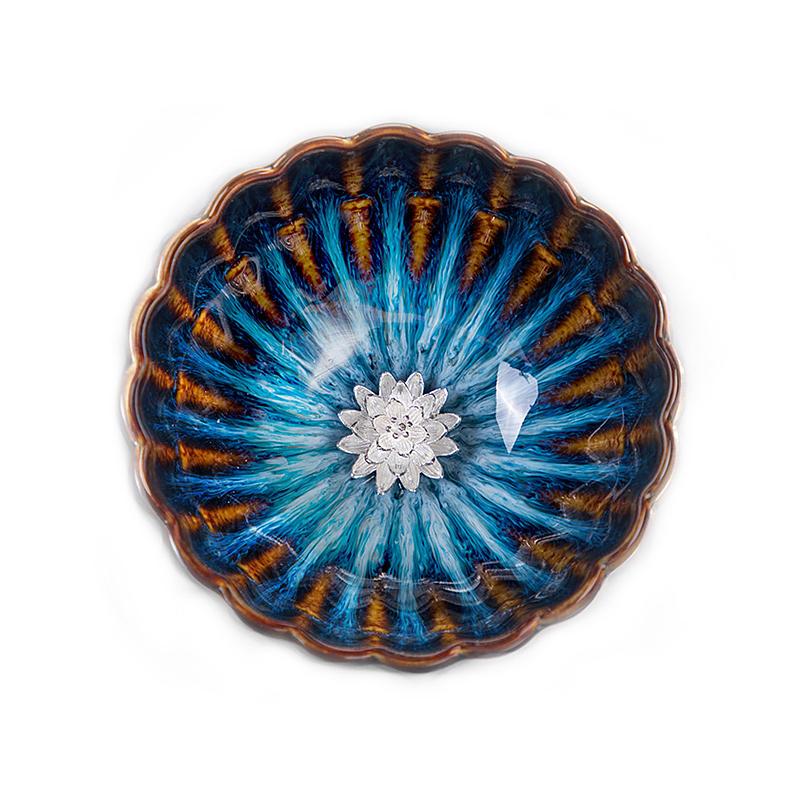
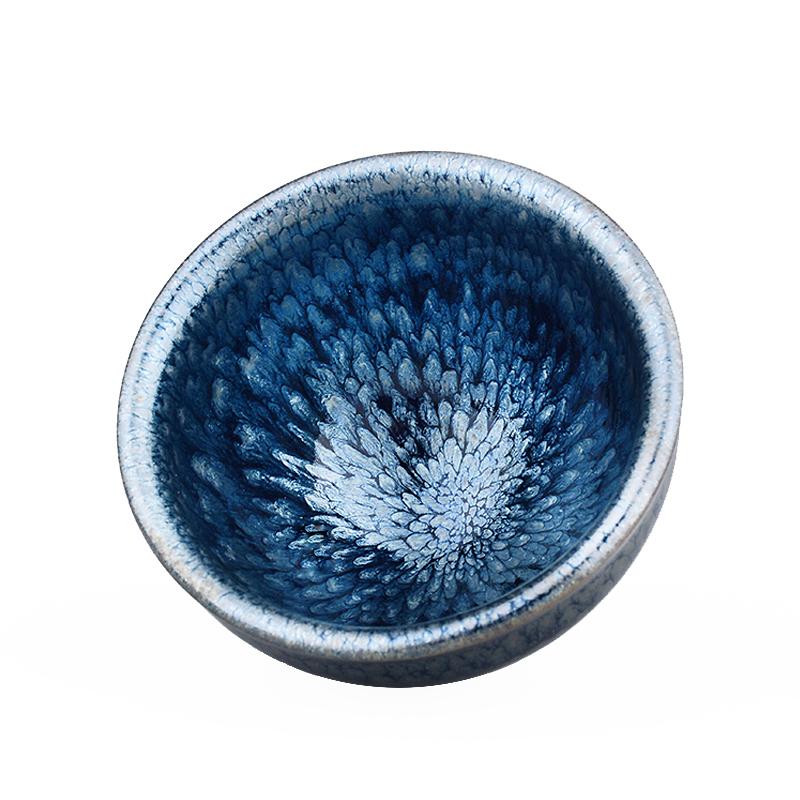
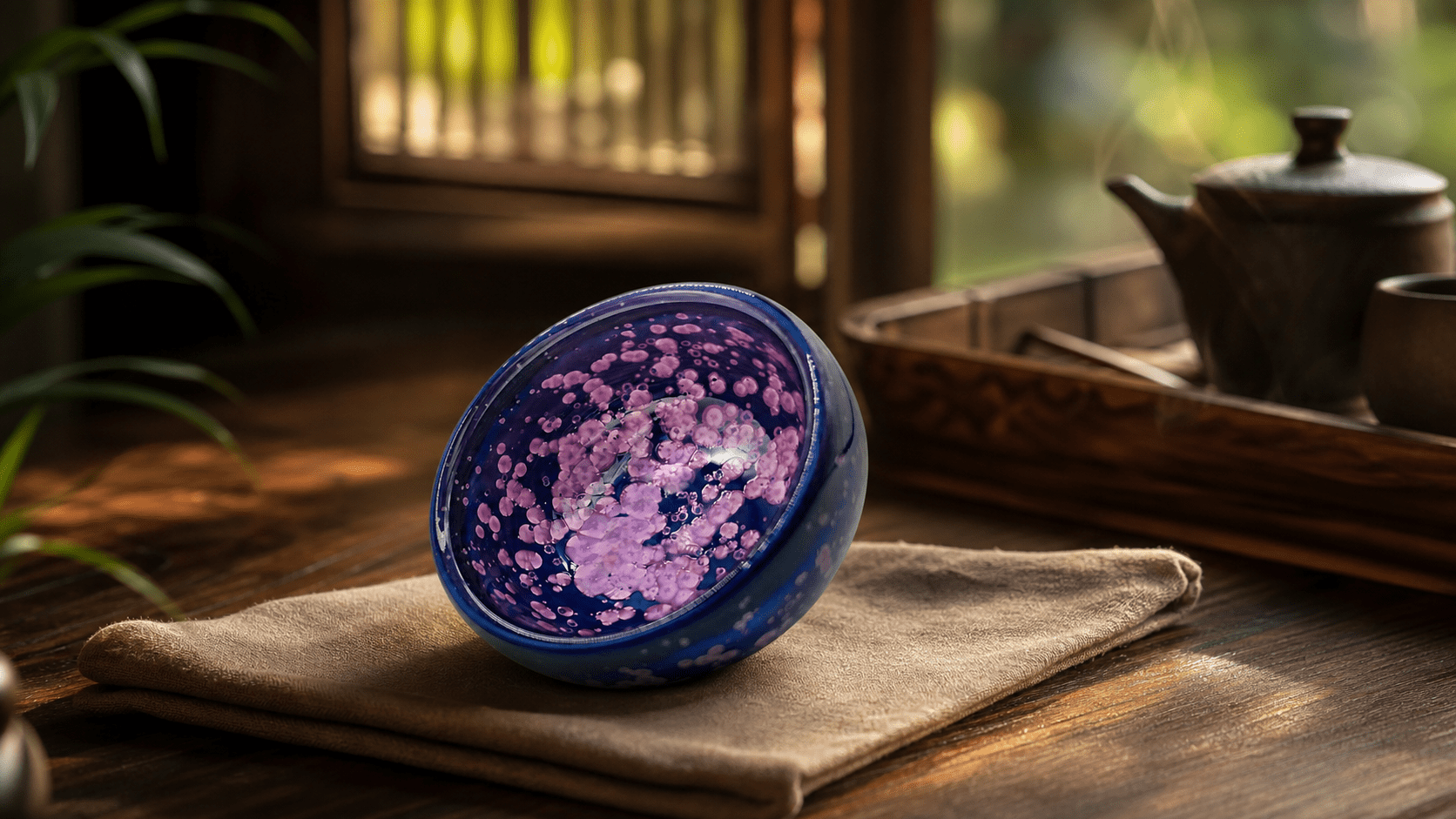
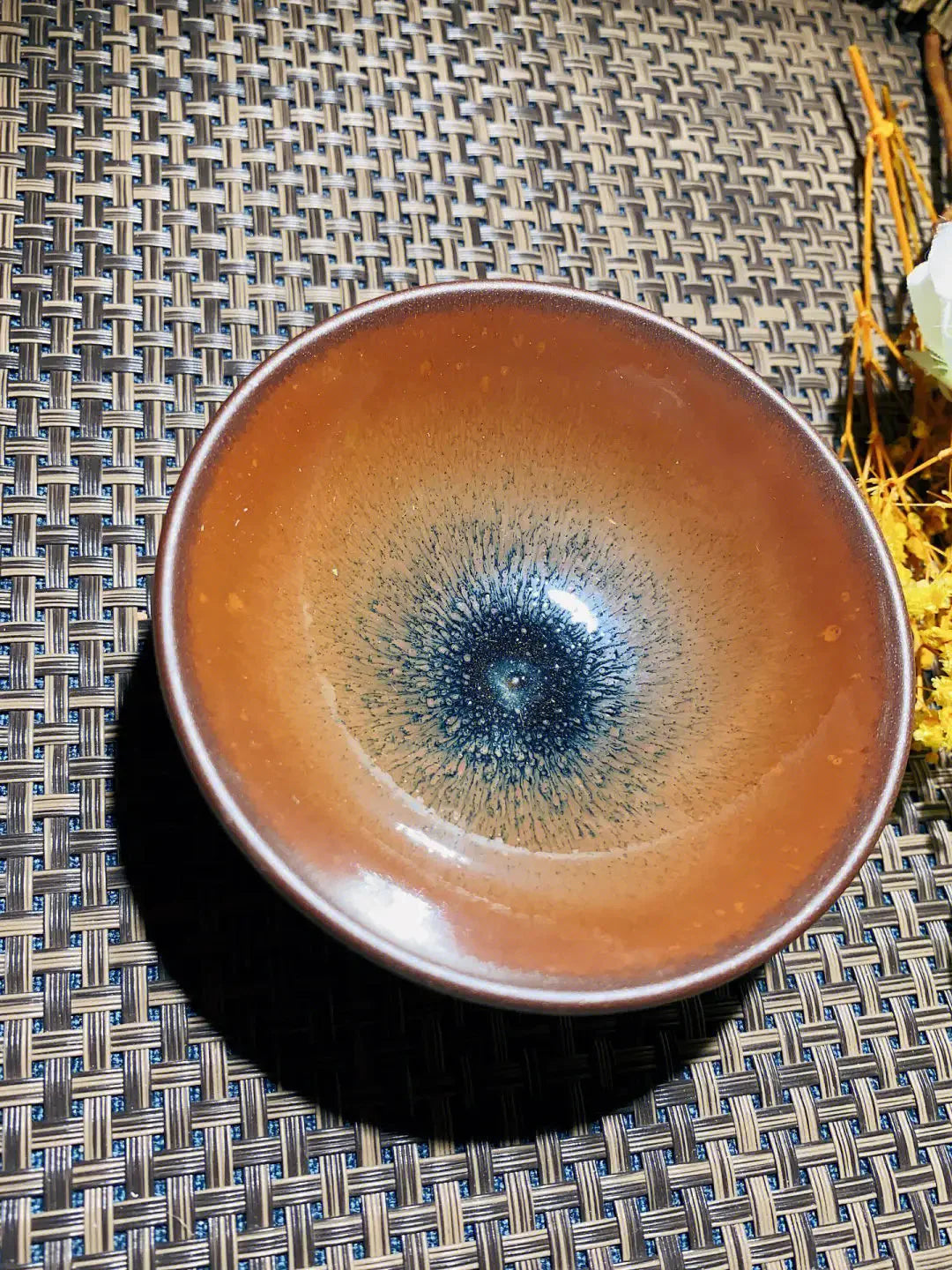
China heeft een geschiedenis van porseleinproductie die duizenden jaren teruggaat. De erfenis en ontwikkeling van elke dynastie hebben ook de eisen aan de kwaliteit van keramiek verhoogd. Houtstook is een eeuwenoude stookmethode die zijn oorsprong vindt in de Song-dynastie en nog steeds wordt gebruikt. Verschillende soorten brandhout en dennenhars worden als brandstof gebruikt. Tijdens het stoken van Jianzhan wordt een doosvormige ketel gebruikt om het af te dekken. Hierdoor worden de houtas en het vuur gescheiden om direct contact te voorkomen en ervoor te zorgen dat het glazuuroppervlak van Jianzhan intact en consistent blijft.

De Longquan-oven maakt gebruik van natuurlijke ventilatie en de vlammen in de oven stromen grotendeels parallel aan de bodem. Bovendien is het schoorsteeneffect, doordat de oven op een heuvel is gebouwd, sterk, wat zorgt voor snelle opwarming en afkoeling. De oven kan snel worden gestookt of een reducerende vlam behouden voor het stoken van celadon volgens traditionele methoden. Volgens de oude methode wordt de Longquan-oven drie dagen en drie nachten op hout gestookt bij hoge temperaturen, om uiteindelijk te transformeren in magnifieke en verfijnde meesterwerken, waarvan er slechts enkele de eindfase bereiken. Een stuk klei is als een feniks die uit de as herrijst en talloze beproevingen en ontberingen doorstaat voordat het een groot kunstwerk wordt.

Daarom wordt gezegd dat de Longquan-oven de bakermat van het porselein is. Invloedrijke werken, zoals celadon en zwart geglazuurd keramiek, werden grotendeels in de Longquan-oven gebakken. Het gladde glazuuroppervlak van houtgestookt Jianzhan-porselein is volledig afkomstig van het bakproces in de oven, de versmelting van de kleimassa en de as van gras en hout. Elk stuk wordt een delicaat kunstwerk van porselein, en de sporen van vuur die tijdens het bakproces achterblijven, zijn de mysterieuze en verfijnde kenmerken die moeilijk te imiteren zijn met kunstmatige technieken in houtgestookt Jianzhan-porselein.

Er worden veel soorten ovens gebruikt voor het bakken van Jianzhan, maar de Dragon Kiln heeft de volgende hoofdkenmerken tijdens het bakproces.

  1. Hoewel de glazuurpatronen op Jianzhan, gestookt in een houtoven, misschien niet zo opvallend zijn als die op moderne, druppelgeglazuurde oppervlakken, gestookt in elektrische ovens, benadrukt de subtiele en rijke schoonheid van de monotonie van Jianzhan, gestookt in een houtoven, de antieke charme. Wanneer gebruikt voor thee, heeft Jianzhan, gestookt in een houtoven, het unieke vermogen om de waterkwaliteit te verzachten en een ongeëvenaarde smaak te creëren. Deze effecten kunnen alleen worden benadrukt door Jianzhan, gestookt in een houtoven.
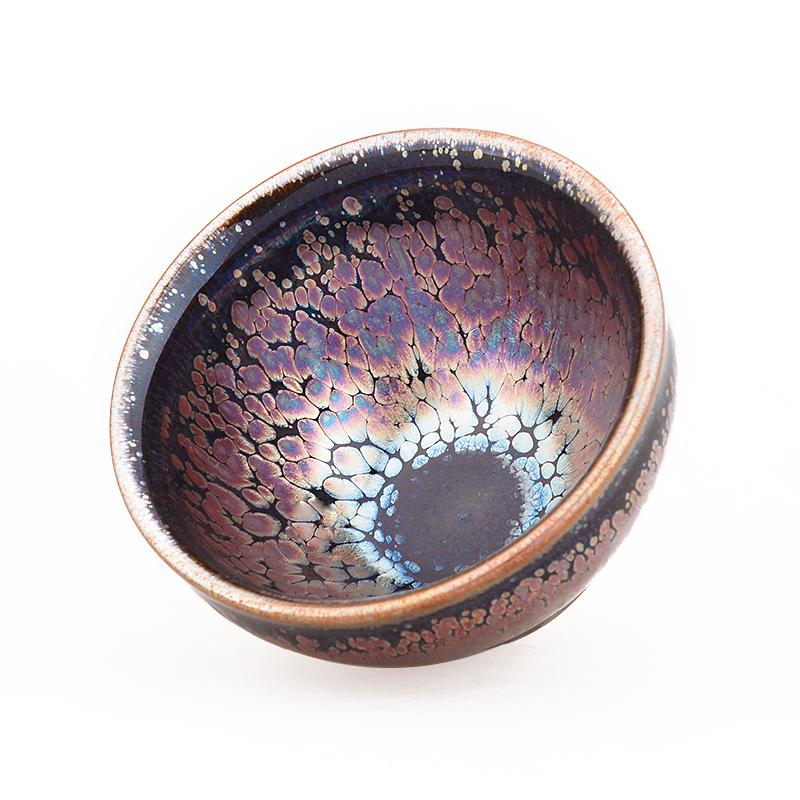
  2. Tijdens het stookproces van Jianzhan-brandhout, gestookt in een oven, fluctueert de temperatuur door de continue toevoeging van brandhout. Dit resulteert in bellen van verschillende groottes en een zeker gevoel van hiërarchie. Bij dagelijks theedrinken heeft Jianzhan-brandhout een dikker en rustieker glazuuroppervlak dan theekommen die in andere ovens zijn gestookt.
  3. Het lichaam van de Jianzhan is zacht en van nature delicaat, met een rijke en olieachtige textuur.Dit komt doordat de Jianzhan drie dagen en drie nachten wordt gebakken met grenenhout dat rijk is aan olie, wat resulteert in een textuur die niet droog en niet stijf is. De Jianzhan wordt volledig met de hand gemaakt, van het vormen van de romp tot het repareren ervan, en de klassieke vorm is gekozen door hem te vergelijken met die van de Jianzhan uit de Song-dynastie. De romp van de Jianzhan is gemaakt van puur ijzererts en gebakken met brandhout, dat hetzelfde is als dat van de Jianzhan uit de Song-dynastie. De binnenkant van de romp wordt zwart en het glazuuroppervlak vertoont onderglazuurpatronen die zijn ontstaan ​​door reductie van het oorspronkelijke erts bij hoge temperatuur.
Quick answers for Tenmoku teaware shoppers

Use this guide to connect the article topic with practical buying decisions: what Jianzhan Tenmoku teaware is, who it suits, how to choose a piece, and how to care for it after purchase.

How to use this guide before buying

Read the article first for the main explanation, then compare the product photos, glaze variation, form, seller clarity, return policy, and whether the piece fits daily tea, display, collecting, or gifting.

Common buying mistakes to avoid

Avoid choosing only by dramatic claims, copied photos, unusually low prices, or vague master language. A better decision uses visible product details, clear use case, realistic care needs, and trustworthy shop policies.

Recommended next step

After reading, compare a few real products side by side by size, glaze family, rim shape, capacity, price, and gift suitability instead of relying on one photo or one keyword.

What is Jianzhan Tenmoku teaware?

Jianzhan Tenmoku teaware is ceramic tea ware known for dark mineral-glaze effects and natural kiln variation. Common forms include tea cups, bowls, teapots, tea sets, and matcha bowls.

Who is it best for?

It is best for tea drinkers, ceramic collectors, and gift shoppers who value functional objects with visible handmade character. It is not ideal if you need every piece to look exactly identical.

How do I care for it?

Hand wash with warm water, avoid abrasive cleaners, and dry fully before storage. Gentle daily use helps preserve the surface and keeps the glaze easy to inspect over time.

How do I choose the right Tenmoku piece?

Choose by the main use first: daily tea, matcha, Gongfu brewing, display, or gifting. Then compare capacity, rim shape, glaze family, photos, and whether natural variation is acceptable for your needs.

Is Jianzhan Tenmoku teaware good as a gift?

Yes. It works well for tea lovers, ceramic collectors, birthdays, holidays, and housewarming gifts because it is both usable and visually distinctive. For gifts, choose an easy-to-use form and a glaze style with clear photos.

Related products and categories

Compare the guide above with real Tenmokus categories and representative pieces. Start with the use case, then compare glaze style, form, price, and whether the piece is mainly for daily tea, display, collecting, or gifting.

Handmade Tenmoku tea cups

Best for daily tea drinking, first Jianzhan purchases, ceramic gifts, and comparing glaze patterns across cup shapes.

Tenmoku tea sets

Best when you want a coordinated tea table, a hosting setup, or a complete gift instead of one individual cup.

Real vs fake Tenmoku guide

Use this guide to compare seller claims, glaze appearance, photos, and practical buying signals before choosing a piece.

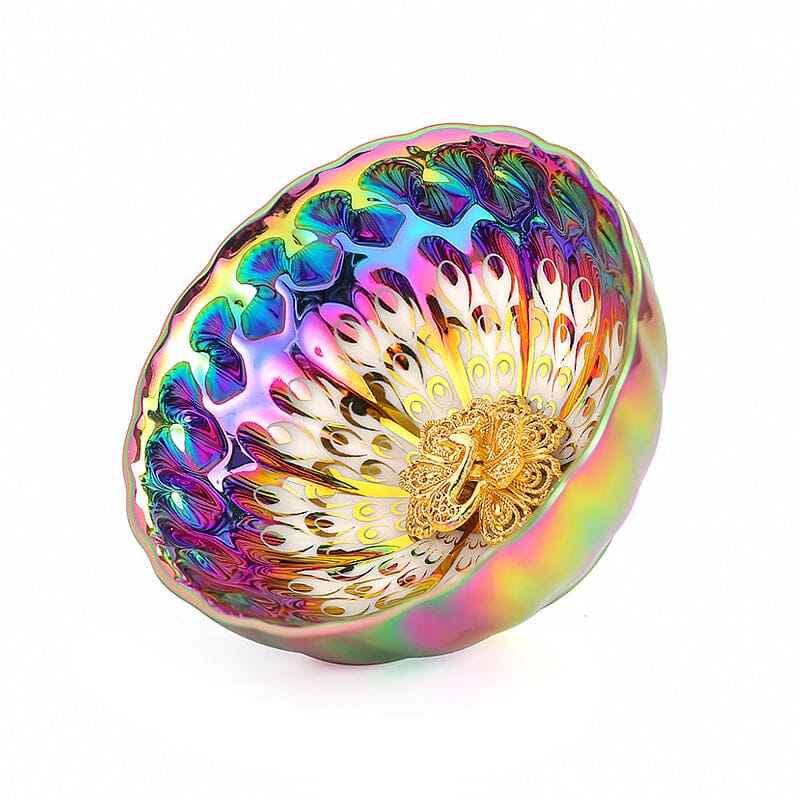
Levendige pauw

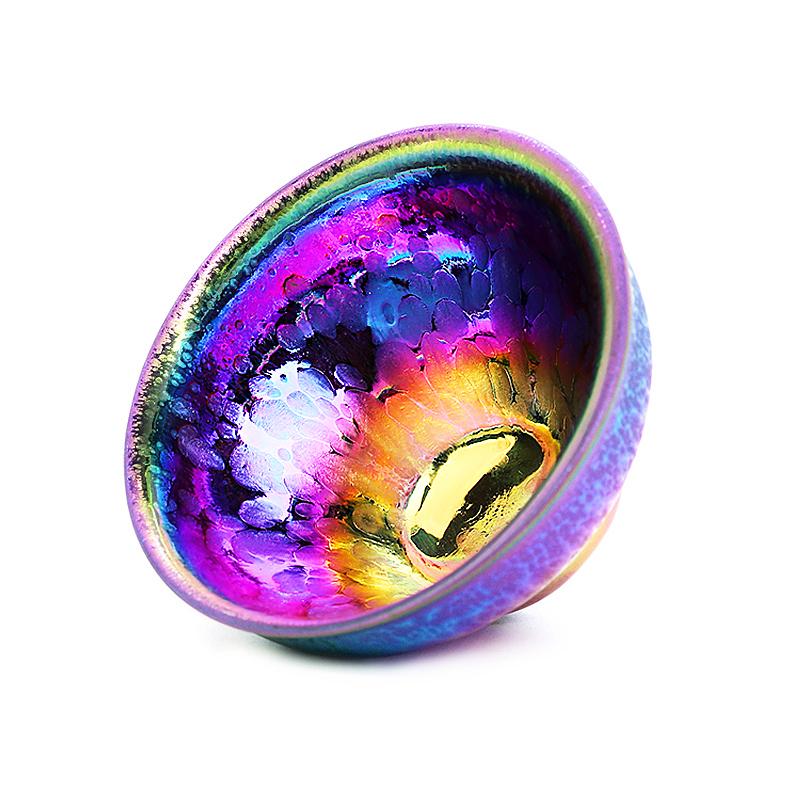
A representative Tenmoku tea cup to compare by glaze depth, cup shape, price, and gift fit.

Gouden Peacock

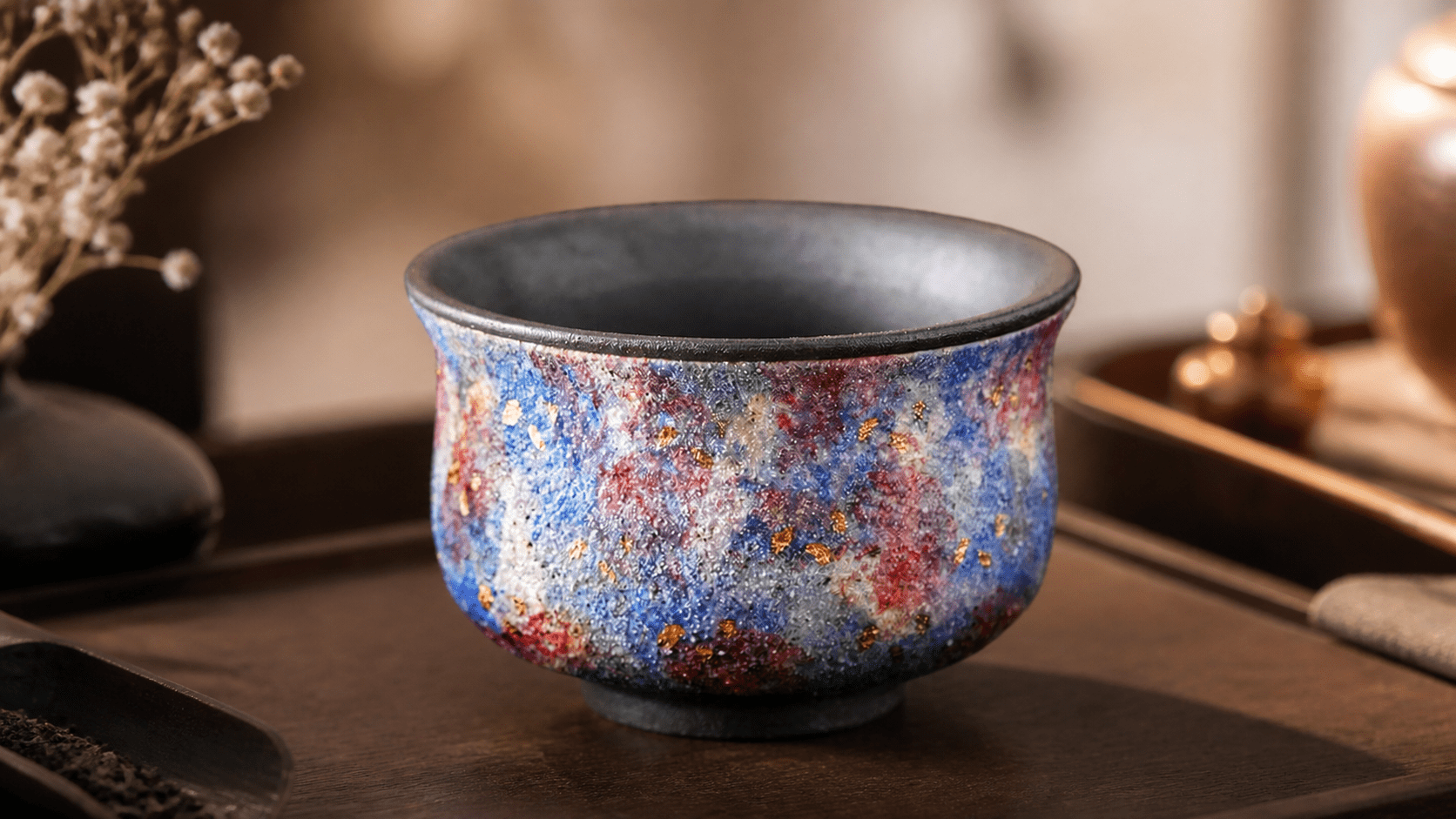
Compare this piece when you want a clear visual reference for a gold-toned Tenmoku glaze style.

Fairy II

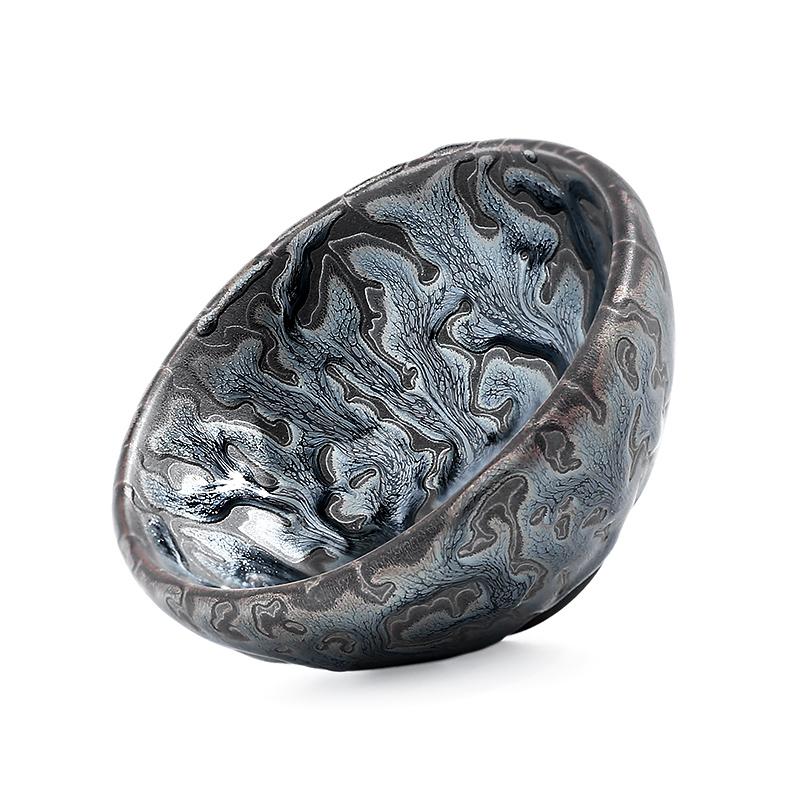
Use this product as another comparison point for handmade form, glaze variation, and gift suitability.

shop handmade Tenmoku tea cups compare Jianzhan teapots browse Tenmoku tea sets choose Tenmoku matcha bowls view Tenmoku tea cups read the real vs fake Tenmoku tea bowl guide browse Jianzhan buying guides learn about Tenmokus

From Tenmoku guide to teaware choice

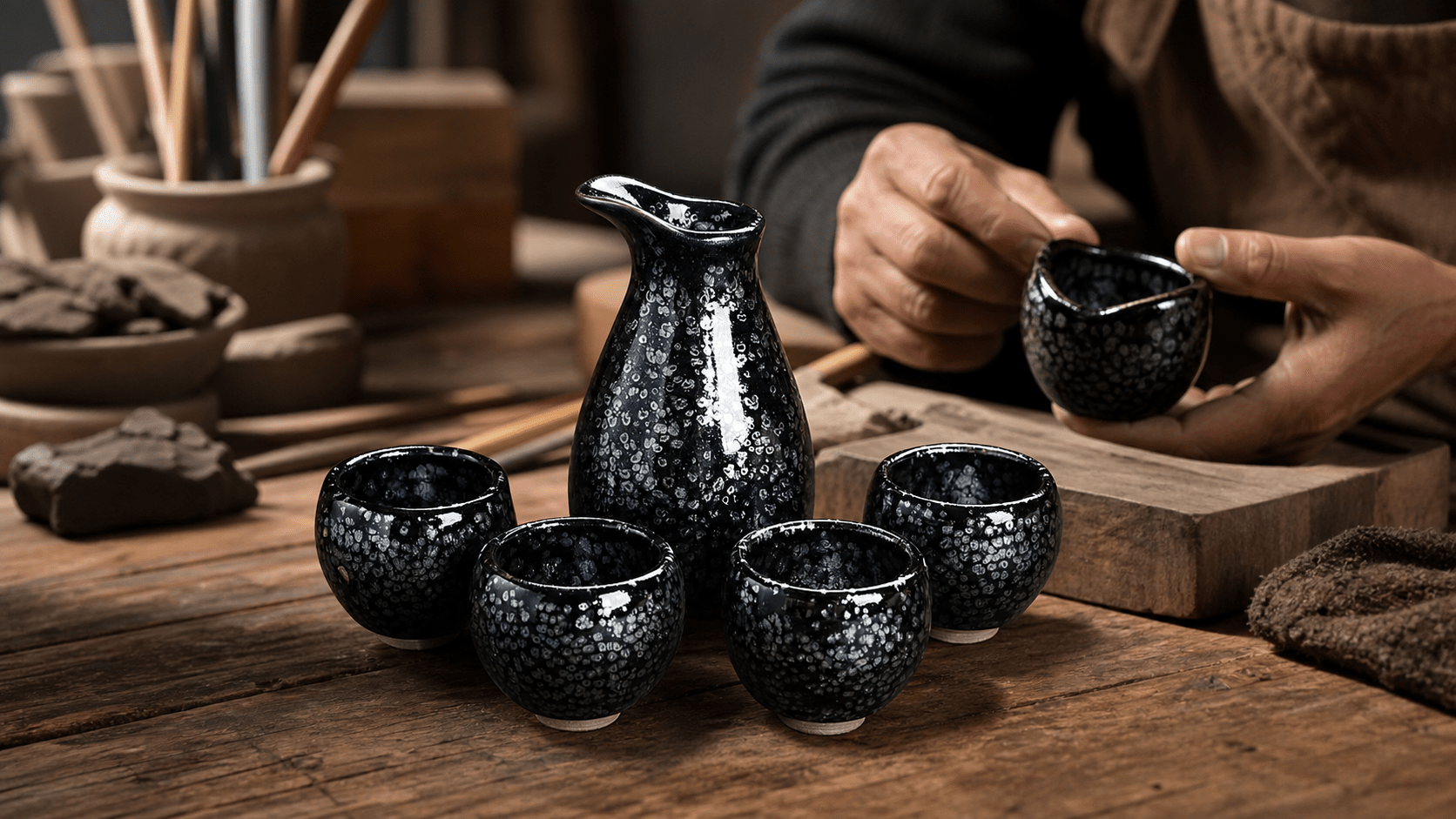
Tenmokus is focused on handmade Jianzhan Tenmoku teaware for tea rituals, display, and gifting. If you are choosing after reading this guide, start with Tenmoku tea cups for daily tea tasting, Tenmoku teapots for loose leaf brewing, Tenmoku coffee cups for daily coffee, Tenmoku tea sets for coordinated gifts, Tenmoku matcha bowls for matcha preparation, Tenmoku beer cups for home bar drinkware, or Tenmoku sake sets for serving and display.

Nieuwste verhalen

Keep exploring Tenmoku care, gift ideas, teaware selection, and the difference between Tenmoku and Jianzhan.

Bekijk alles

Tenmoku Tea Bowl: The Handmade Story Behind a More Meaningful Tea Ritual

Tenmoku Tea Bowl: The Handmade Story Behind a More Meaningful Tea Ritual

Tenmoku Tea Bowl: The Handmade Story Behind a More Meaningful Tea Ritual A tenmoku tea bowl is more than a dark-glazed cup: it is a handmade vessel shaped by fire, mineral-rich glaze, and a long tea tradition. Whether you are...

Lees meer

Tenmoku Tea Bowl: Bring a Calmer, More Intentional Tea Ritual Home

Tenmoku Tea Bowl: Bring a Calmer, More Intentional Tea Ritual Home

Tenmoku Tea Bowl: Bring a Calmer, More Intentional Tea Ritual Home A tenmoku tea bowl is more than a vessel for tea: it is a small, handmade object that can make an ordinary pause feel considered. Whether you are brewing...

Lees meer

Why a Tenmoku Tea Bowl Is Worth the Price for Tea Lovers

Why a Tenmoku Tea Bowl Is Worth the Price for Tea Lovers

Why a Tenmoku Tea Bowl Is Worth the Price for Tea Lovers A tenmoku tea bowl can cost more than an everyday cup because it is a fired work of handmade ceramic art, not a factory-made drinking vessel. For someone...

Lees meer