Pasenverkoop: koop 3 Koop de 4e gratis!

The History of Jian Zhan: How a Song Dynasty Tea Bowl Conquered the World

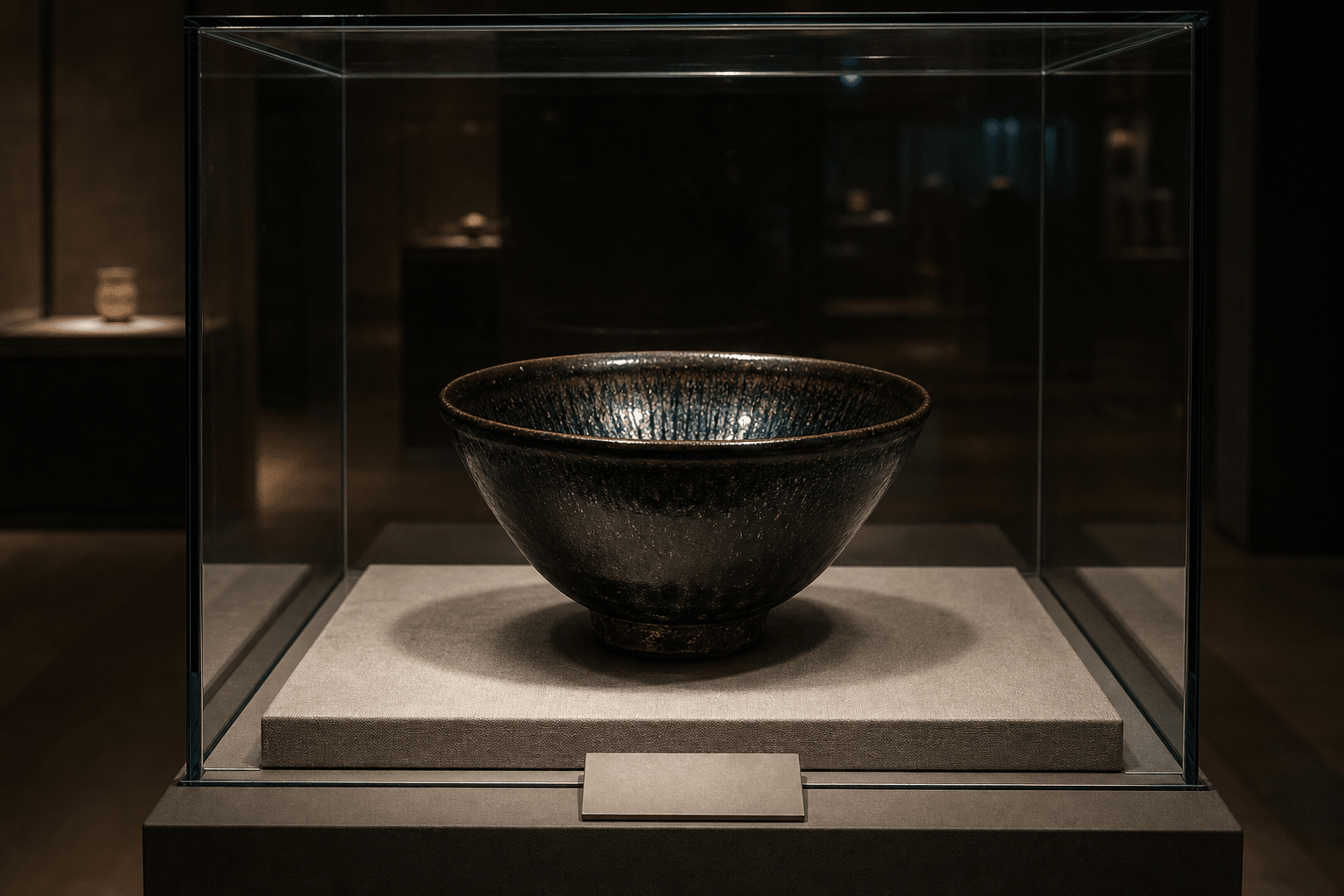
Few objects in the history of craft have traveled as far, been lost as completely, and made as spectacular a comeback as the Jian Zhan tea bowl. What began as a regional pottery tradition in Fujian Province, China, became the most coveted tea vessel in the known world — then almost vanished entirely for 700 years.

Origins: The Jianyang Kilns (10th Century)

The story begins in Jianyang County, Fujian Province. Local potters worked with clay unusually rich in iron oxide, giving it a dark, almost black color when fired. This clay, combined with local mineral-heavy water, produced glazes that no other region in China could replicate.

The Song Dynasty: Imperial Obsession (960–1279 CE)

The Song Dynasty was the golden age of Chinese tea culture. Tea was a competitive art form — the aristocracy practiced "tea competition" (dou cha), comparing the quality of their tea, skill, and vessels. For this ritual, the Jian Zhan bowl was not merely preferred. It was considered the only legitimate choice.

Emperor Huizong himself wrote: "The cups made at Jianzhou are the finest. Their dark hue makes the whiteness of the whisked tea most visible."

The Japanese Chapter: Tenmoku (12th–16th Century)

Chinese Buddhist monks brought their tea culture and Jian Zhan bowls to Japan. Monks returning from study near Tianmu Mountain called these bowls "Tenmoku" — literally "Eye of Heaven." During the Muromachi period (1336–1573), owning a genuine Tenmoku bowl was a mark of extraordinary status. Three specific Jian Zhan bowls — known as the "Three Tenmoku of the World" — are still preserved in Japanese museums today.

The Great Disappearance (14th–20th Century)

When the Ming Dynasty replaced the Song in 1368, the new rulers abolished the culture of whisked tea. The dark, heavy Jian Zhan bowl was suddenly obsolete. The kilns went cold. The knowledge of how to create the crystalline glazes was gradually lost. By the 17th century, the art of Jian Zhan was essentially extinct.

The Revival (1980s – Present)

Beginning in the 1970s and 1980s, Chinese ceramic researchers began a systematic effort to reconstruct the lost techniques. The breakthrough came in 1981: the first authentic Oil Spot glaze bowls in centuries. Today, Jian Zhan pottery is recognized as an Intangible Cultural Heritage of China, and the best contemporary pieces rival their Song Dynasty predecessors in quality and beauty.

When you hold a Jian Zhan cup today, you hold an object with more than a thousand years of tradition behind it. The same clay, the same mountains, the same firing techniques that captivated emperors and Zen monks are still producing these extraordinary objects today.

Explore our collection — carrying 1,000 years of tradition into your daily ritual.


Frequently Asked Questions

When was Jianzhan first created?

Jianzhan originated during the Song Dynasty (960-1279 AD) in Jianyang, Fujian Province, China. The kilns of Jianyang produced these black-glazed tea bowls specifically for the competitive tea culture (斗茶, doucha) of the period.

Why is Jianzhan also called Tenmoku?

Tenmoku (天目) is the Japanese reading of Tianmu Mountain in Zhejiang Province, where Japanese Buddhist monks encountered these tea bowls during the Song Dynasty. They brought them back to Japan as religious objects, and the name stuck.

What happened to Jianzhan after the Song Dynasty?

When the Ming Dynasty replaced the Song in 1368, the new rulers abolished the culture of whisked tea. Jianzhan bowls became obsolete almost overnight. The kilns shifted to white and celadon wares, and the knowledge of how to fire the distinctive glazes was lost for nearly 700 years.

When was Jianzhan revived?

The revival began in 1979-1981. A joint team from the Central Academy of Arts and Design and Fujian authorities successfully replicated the lost glazes, with the first authentic oil spot bowl emerging in 1981. Jianzhan was inscribed on China's National Intangible Cultural Heritage list in 2011.
Quick answers for Tenmoku teaware shoppers

Use this guide to connect the article topic with practical buying decisions: what Jianzhan Tenmoku teaware is, who it suits, how to choose a piece, and how to care for it after purchase.

How to use this guide before buying

Read the article first for the main explanation, then compare the product photos, glaze variation, form, seller clarity, return policy, and whether the piece fits daily tea, display, collecting, or gifting.

Common buying mistakes to avoid

Avoid choosing only by dramatic claims, copied photos, unusually low prices, or vague master language. A better decision uses visible product details, clear use case, realistic care needs, and trustworthy shop policies.

Recommended next step

After reading, compare a few real products side by side by size, glaze family, rim shape, capacity, price, and gift suitability instead of relying on one photo or one keyword.

What is Jianzhan Tenmoku teaware?

Jianzhan Tenmoku teaware is ceramic tea ware known for dark mineral-glaze effects and natural kiln variation. Common forms include tea cups, bowls, teapots, tea sets, and matcha bowls.

Who is it best for?

It is best for tea drinkers, ceramic collectors, and gift shoppers who value functional objects with visible handmade character. It is not ideal if you need every piece to look exactly identical.

How do I care for it?

Hand wash with warm water, avoid abrasive cleaners, and dry fully before storage. Gentle daily use helps preserve the surface and keeps the glaze easy to inspect over time.

How do I choose the right Tenmoku piece?

Choose by the main use first: daily tea, matcha, Gongfu brewing, display, or gifting. Then compare capacity, rim shape, glaze family, photos, and whether natural variation is acceptable for your needs.

Is Jianzhan Tenmoku teaware good as a gift?

Yes. It works well for tea lovers, ceramic collectors, birthdays, holidays, and housewarming gifts because it is both usable and visually distinctive. For gifts, choose an easy-to-use form and a glaze style with clear photos.

Related products and categories

Compare the guide above with real Tenmokus categories and representative pieces. Start with the use case, then compare glaze style, form, price, and whether the piece is mainly for daily tea, display, collecting, or gifting.

Handmade Tenmoku tea cups

Best for daily tea drinking, first Jianzhan purchases, ceramic gifts, and comparing glaze patterns across cup shapes.

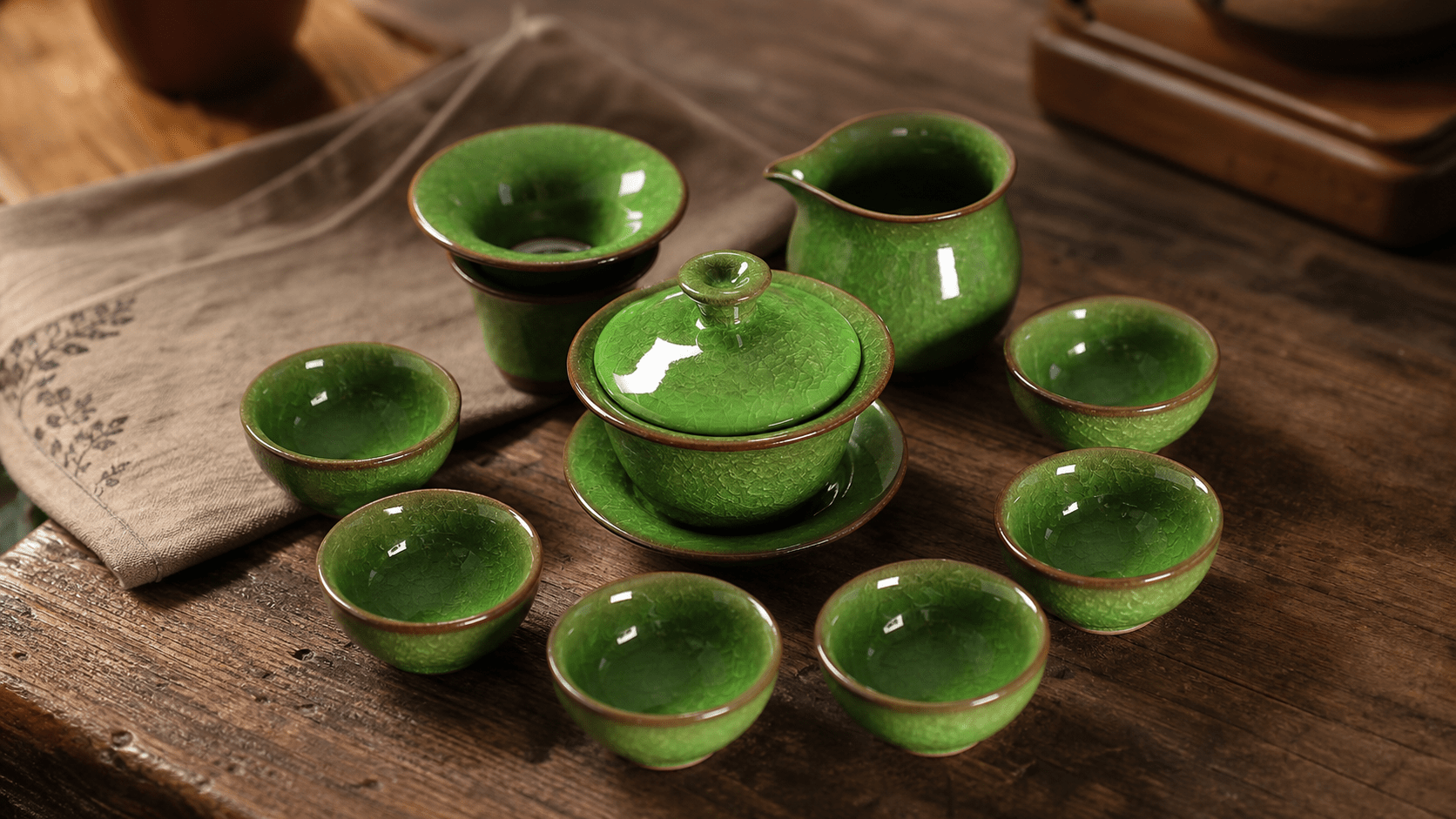
Tenmoku tea sets

Best when you want a coordinated tea table, a hosting setup, or a complete gift instead of one individual cup.

Real vs fake Tenmoku guide

Use this guide to compare seller claims, glaze appearance, photos, and practical buying signals before choosing a piece.

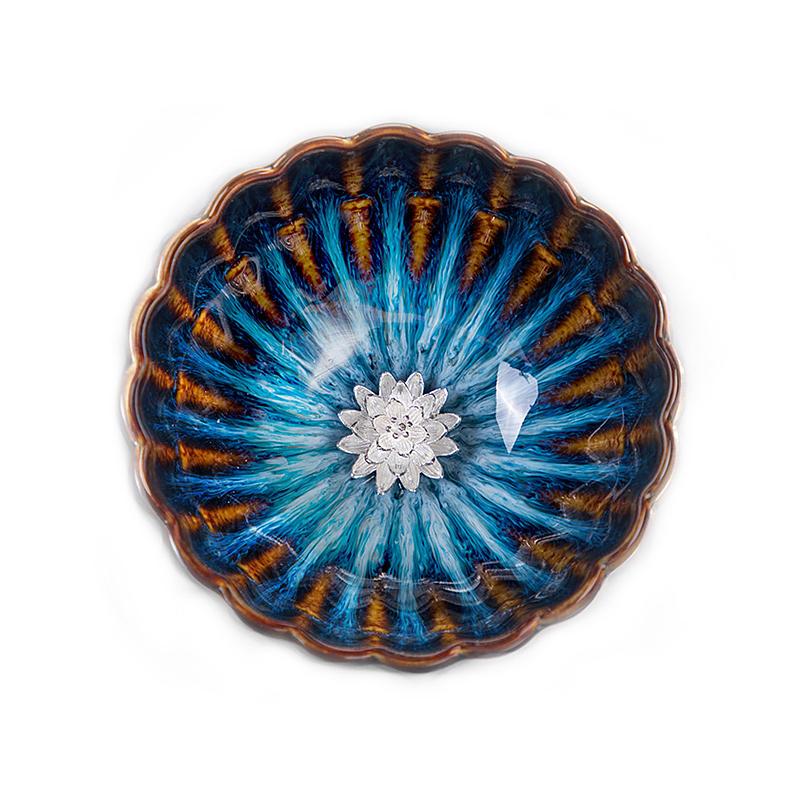
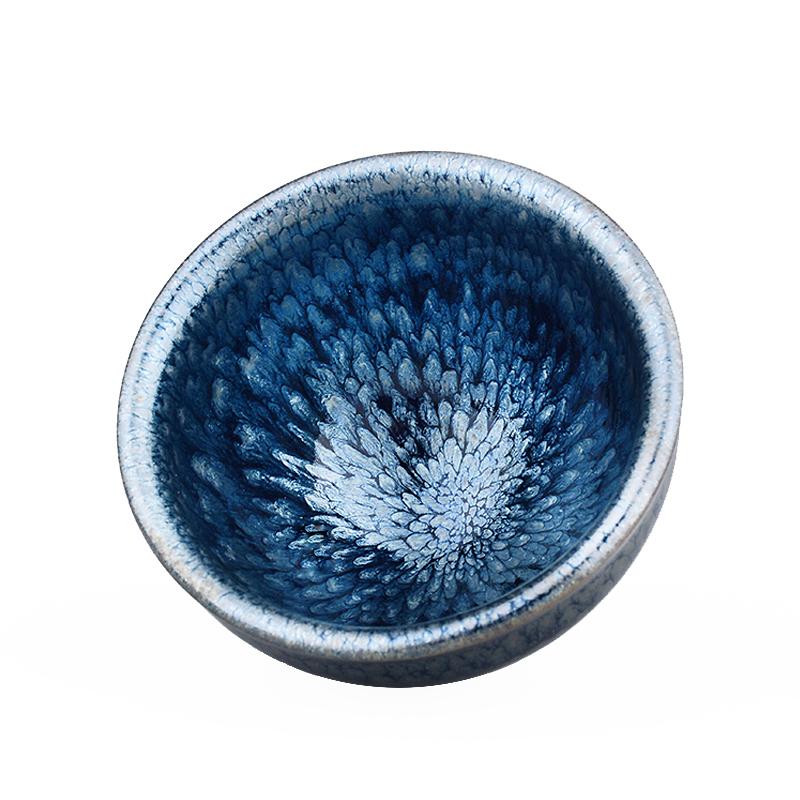
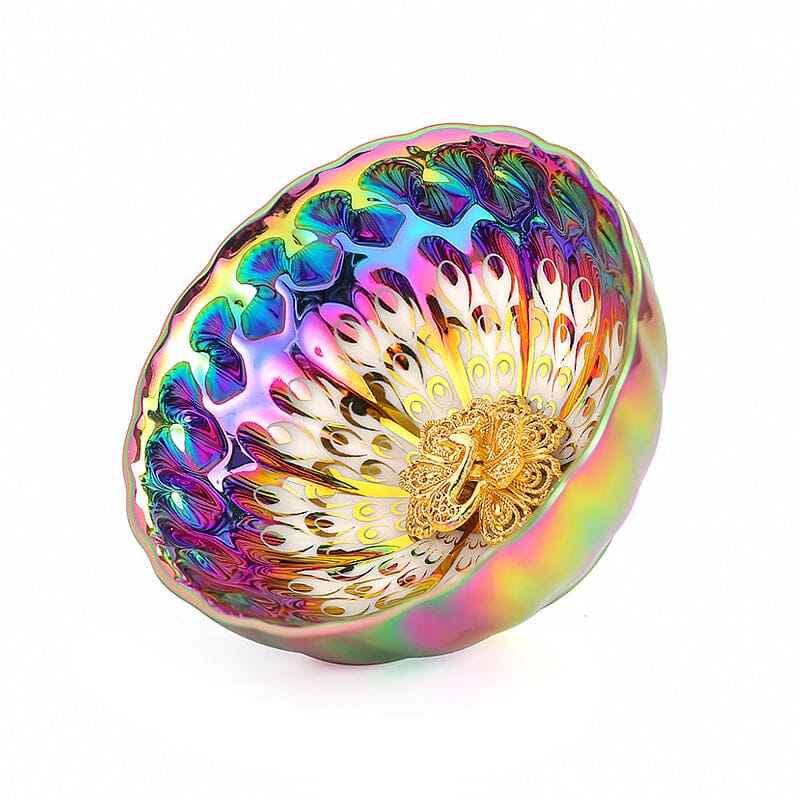
Levendige pauw

A representative Tenmoku tea cup to compare by glaze depth, cup shape, price, and gift fit.

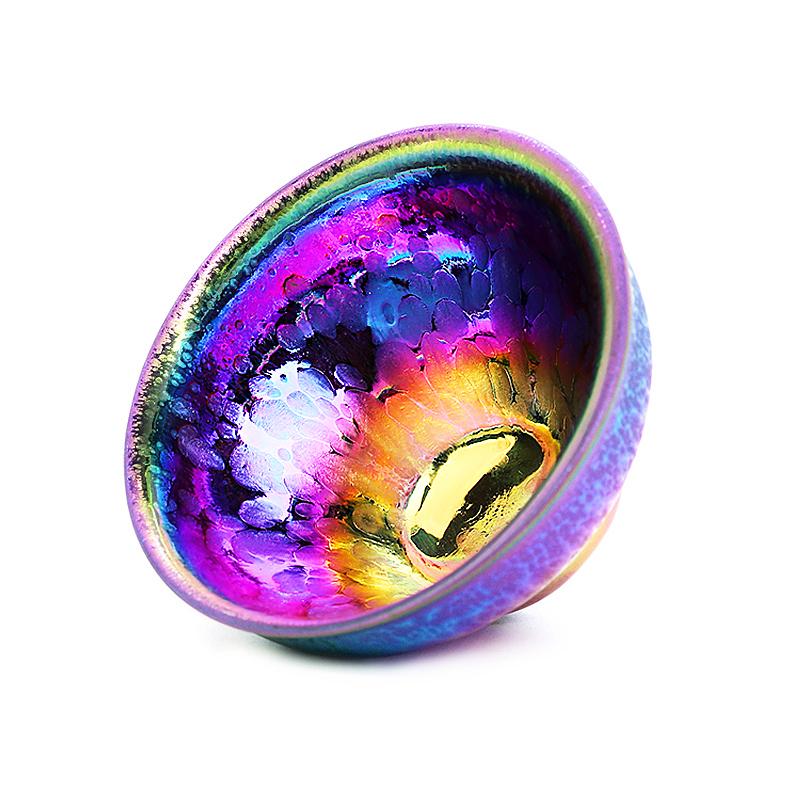
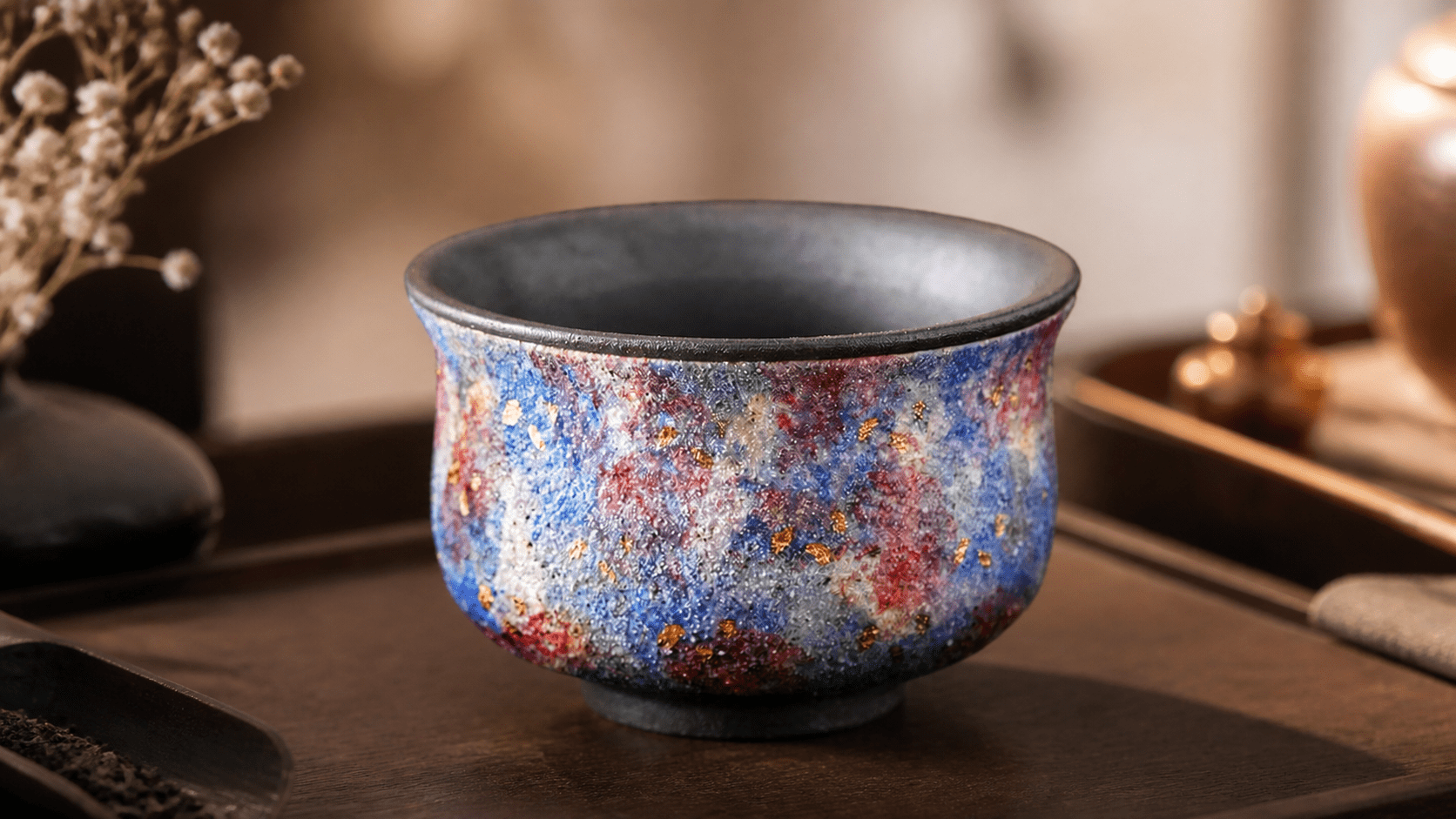
Gouden Peacock

Compare this piece when you want a clear visual reference for a gold-toned Tenmoku glaze style.

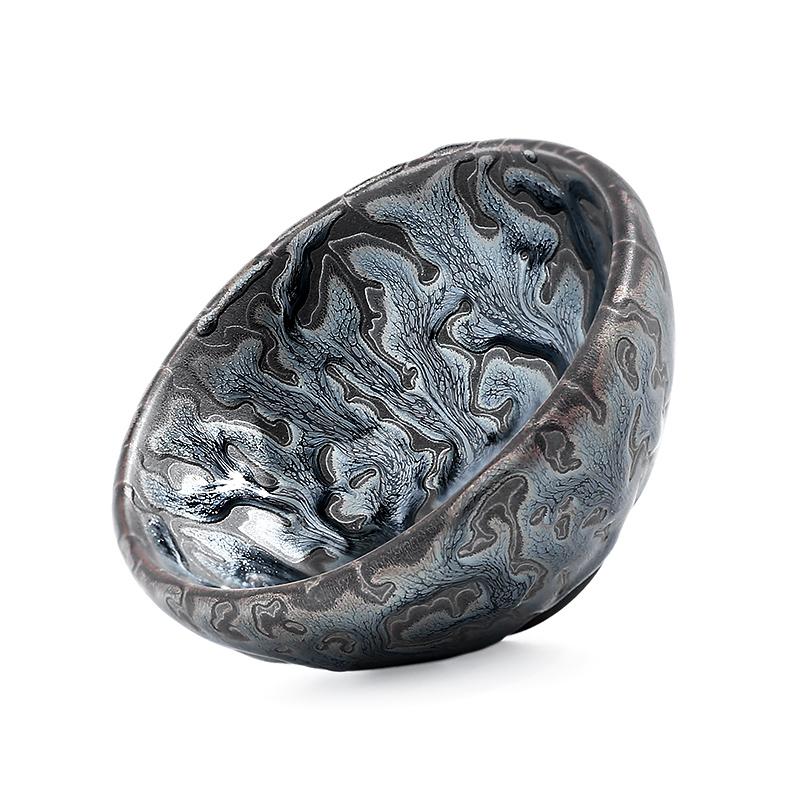
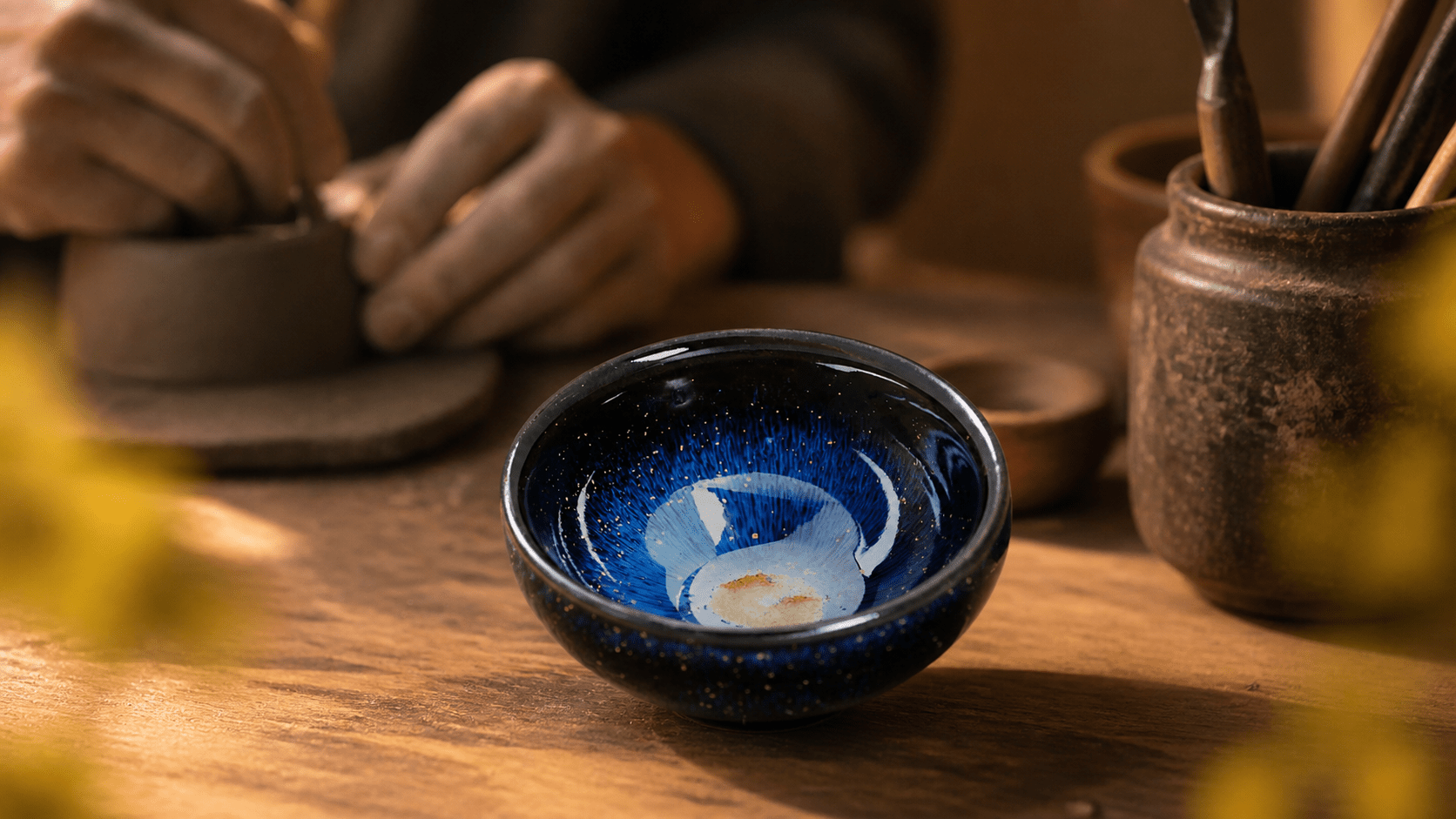
Fairy II

Use this product as another comparison point for handmade form, glaze variation, and gift suitability.

shop handmade Tenmoku tea cups compare Jianzhan teapots browse Tenmoku tea sets choose Tenmoku matcha bowls view Tenmoku tea cups read the real vs fake Tenmoku tea bowl guide browse Jianzhan buying guides learn about Tenmokus

From Tenmoku guide to teaware choice

Tenmokus is focused on handmade Jianzhan Tenmoku teaware for tea rituals, display, and gifting. If you are choosing after reading this guide, start with Tenmoku tea cups for daily tea tasting, Tenmoku teapots for loose leaf brewing, Tenmoku tea sets for coordinated gifts, or Tenmoku matcha bowls for matcha preparation.

Nieuwste verhalen

Keep exploring Tenmoku care, gift ideas, teaware selection, and the difference between Tenmoku and Jianzhan.

Bekijk alles

Tenmoku Tea Bowl Price Guide: Why It Costs More and How to Choose Better Value

Tenmoku Tea Bowl Price Guide: Why It Costs More and How to Choose Better Value A tenmoku tea bowl costs more because it is not just a tea vessel; it is a small ceramic work shaped by clay, fire, an...

Lees meer

Why Are Tenmoku Tea Bowls So Expensive? The True Value Behind the Price

Why Are Tenmoku Tea Bowls So Expensive? The True Value Behind the Price

Key Takeaways: Why Tenmoku Tea Bowls Cost So Much Every genuine tenmoku tea bowl is handmade through a 12+ step, weeks-long process that has barely changed since the Song Dynasty. The signature oil spot and hare's fur patterns emerge randomly...

Lees meer

Why a Tenmoku Tea Bowl Is the Ultimate Luxury Ritual for Daily Wellness

Why a Tenmoku Tea Bowl Is the Ultimate Luxury Ritual for Daily Wellness

Why a Tenmoku Tea Bowl Is the Ultimate Luxury Ritual for Daily Wellness I’m Aiden Wei, and I have a confession: my most sacred evening ritual isn’t a glass of expensive bourbon or a trendy wellness app. It’s pouring a...

Lees meer