

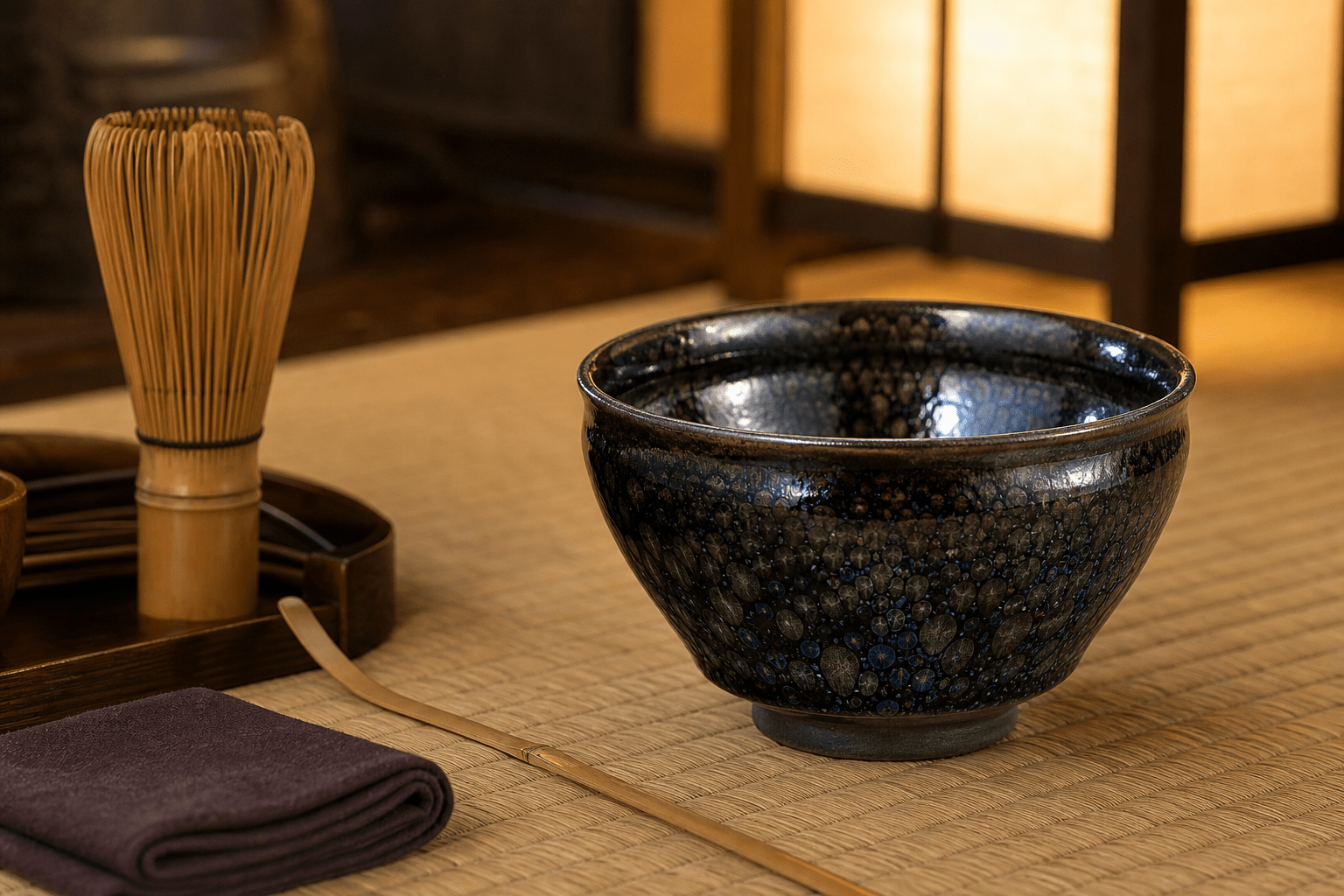

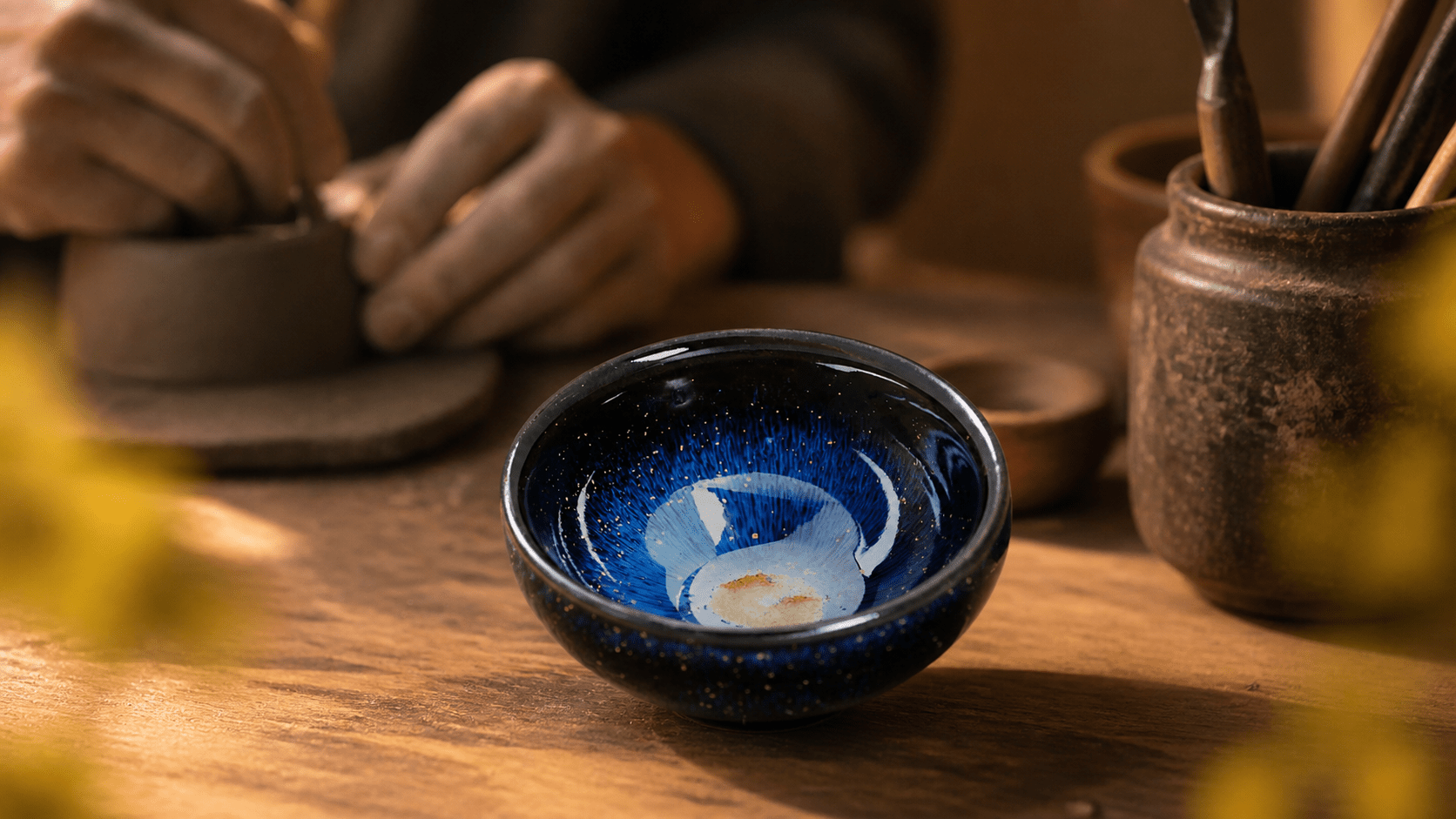
There are treasures in the world of tea that transcend mere function. A tenmoku tea bowl — known by its original Chinese name, jianzhan — is one such treasure. For centuries, this handmade ceramic has been the heart of gongfu tea ceremonies and a coveted gift for tea lovers. Born from Song Dynasty tea culture, the tenmoku tea bowl carries the whispers of ancient kilns in Fujian’s Jianyang region and the quiet mastery of Japanese artisans who embraced it. This is the story of fire, glaze, and human hands shaping a vessel that turns every sip into an experience.
What Is the History Behind the Tenmoku Tea Bowl?
To truly understand a tenmoku tea bowl, we have to travel back to the Song Dynasty (960-1279 AD). In China’s Fujian province, the Jianyang kilns were producing dark-glazed stoneware that would later be called jian zhan. The fujian tea bowl tradition was born from the local iron-rich clay and a tea culture obsessed with whipped, frothy tea — the ancestor of today’s matcha. Tea lovers prized bowls with deep, glossy glazes that made the bright green foam pop, and the jian zhan history is filled with connoisseurs comparing patterns like “hare’s fur” and “oil spot.”
When Buddhist monks from Japan visited Chinese monasteries, they brought back tea seeds, tea practices, and the dark-glazed bowls they admired. This is where the name “tenmoku” (from the Japanese reading of Tianmu Mountain) took root. Over time, Japanese pottery traditions elevated the bowl from a functional import to a revered object of wabi-sabi beauty.
How Did Japanese Potters Transform Jianzhan into Tenmoku?
While the original Chinese kilns in Fujian eventually fell silent, Japan became the guardian of the tenmoku tea bowl. In regions like Seto, Mino, and Karatsu, skilled tenmoku artisan potters began replicating and reimagining the deep black glazes. They injected their own sensibility: slightly different clay bodies, altered firing rhythms, and a profound reverence for asymmetry. A japanese tea bowl made in this lineage is not just a copy; it’s a living dialogue between Song heritage and Japanese aesthetics.
Today, you can still visit working kilns in Japan that have been producing japanese tenmoku for sale for generations. Their work preserves the unpredictable magic of high-temperature reduction firing, where iron crystals emerge on the surface like a dream. The story of each bowl is a conversation between the potter, the kiln, and the flame.
Why Is Every Handmade Tenmoku Tea Bowl a One-of-a-Kind Creation?
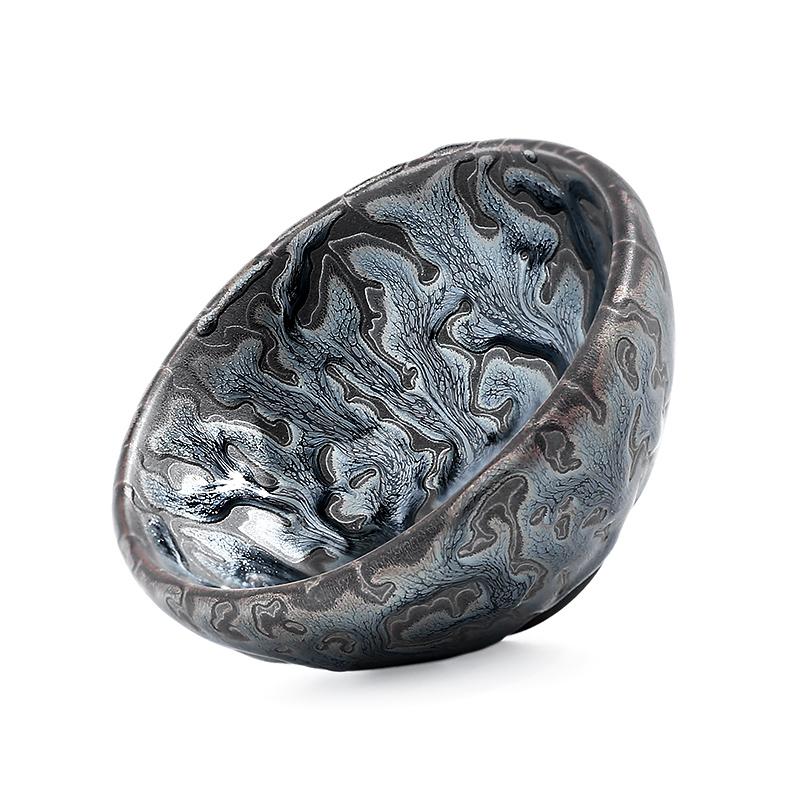
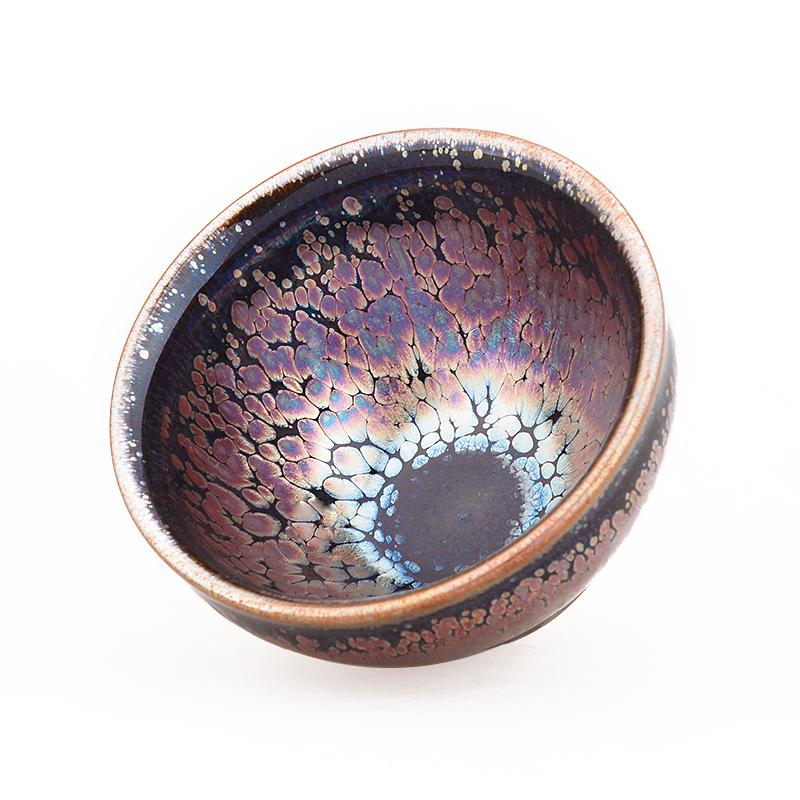
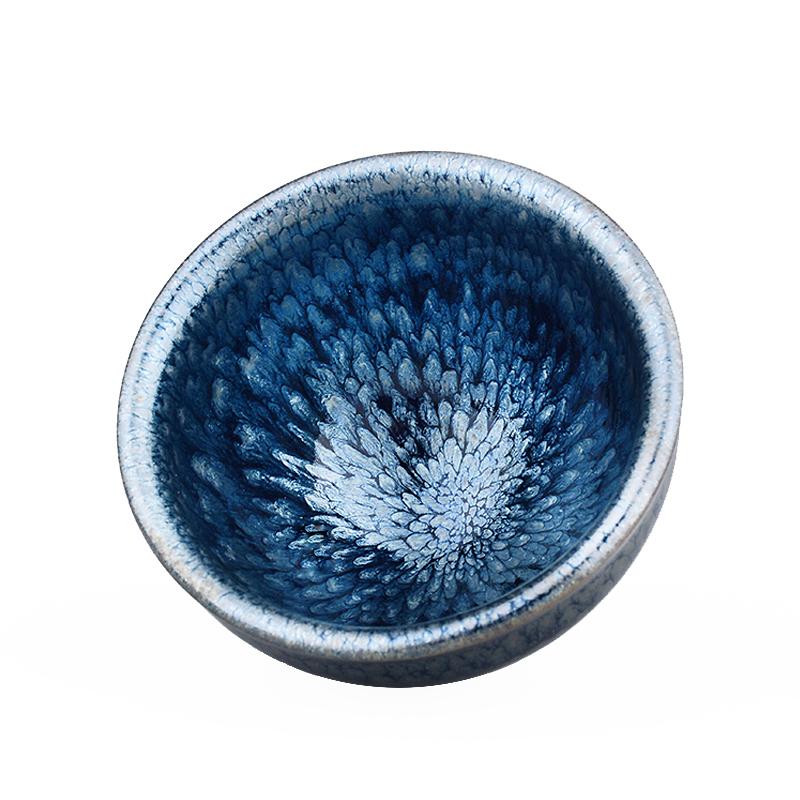
Think of a tenmoku tea bowl as a snowflake forged in fire. No two can ever be identical because the glaze patterns are born from a cascade of natural variables. The iron-rich clay from Jianyang (or its Japanese equivalent) melts and interacts with the ash and heat inside the kiln. A slight shift in temperature, humidity, or air flow can transform the surface into a swirling galaxy of “oil spot” silver crystals or graceful “hare’s fur” streaks. For a tenmoku artisan, every firing is a blend of science, instinct, and surrender.
This unpredictability makes the search for the best jian zhan tea cup deeply personal. Collectors often speak of “raising” a bowl through repeated use, watching its patterns deepen as tea oils seep into the micro-crystalline surface. A mass-produced cup can never tell that story.
Comparing Jianzhan and Japanese Tenmoku
| Feature | Jianzhan (Fujian) | Japanese Tenmoku |
|---|---|---|
| Origin | Jianyang, Fujian, China (Song Dynasty) | Various Japanese kilns (Seto, Mino, etc.) |
| Glaze Character | Deep black with vivid hare's fur or oil spot; thicker, rougher body | Often darker, more muted; refined shape; sometimes with intentional drips |
| Cultural Role | Imperial tribute and connoisseur collecting during Song Dynasty | Central to Japanese tea ceremony, deeply tied to wabi-sabi philosophy |
Where Can You Find the Best Jianzhan Tea Cup or Authentic Japanese Tenmoku for Sale?
The revival of both Chinese jianzhan and Japanese tenmoku tea bowl traditions means there are more choices than ever, but authenticity matters. When you see a tenmoku tea bowl for sale, look for evidence of handmade character: subtle throwing rings, glaze pooling at the base, and a storyteller’s unpredictability in the pattern. Avoid perfectly uniform, machine-perfect pieces — they miss the soul.
If you’re drawn to the mesmerizing metallic spots of oil spot glazes, Discover our collection of oil spot tenmoku cups. For the elegant streaked patterns that resemble rabbit fur, Browse our hare’s fur Jianzhan series. Each bowl we offer has been selected for its artistic integrity and functional beauty, whether you’re steeping a powerful gongfu session or simply enjoying the quietude of a solo cup.
Who Should Buy a Handmade Tenmoku Tea Bowl?
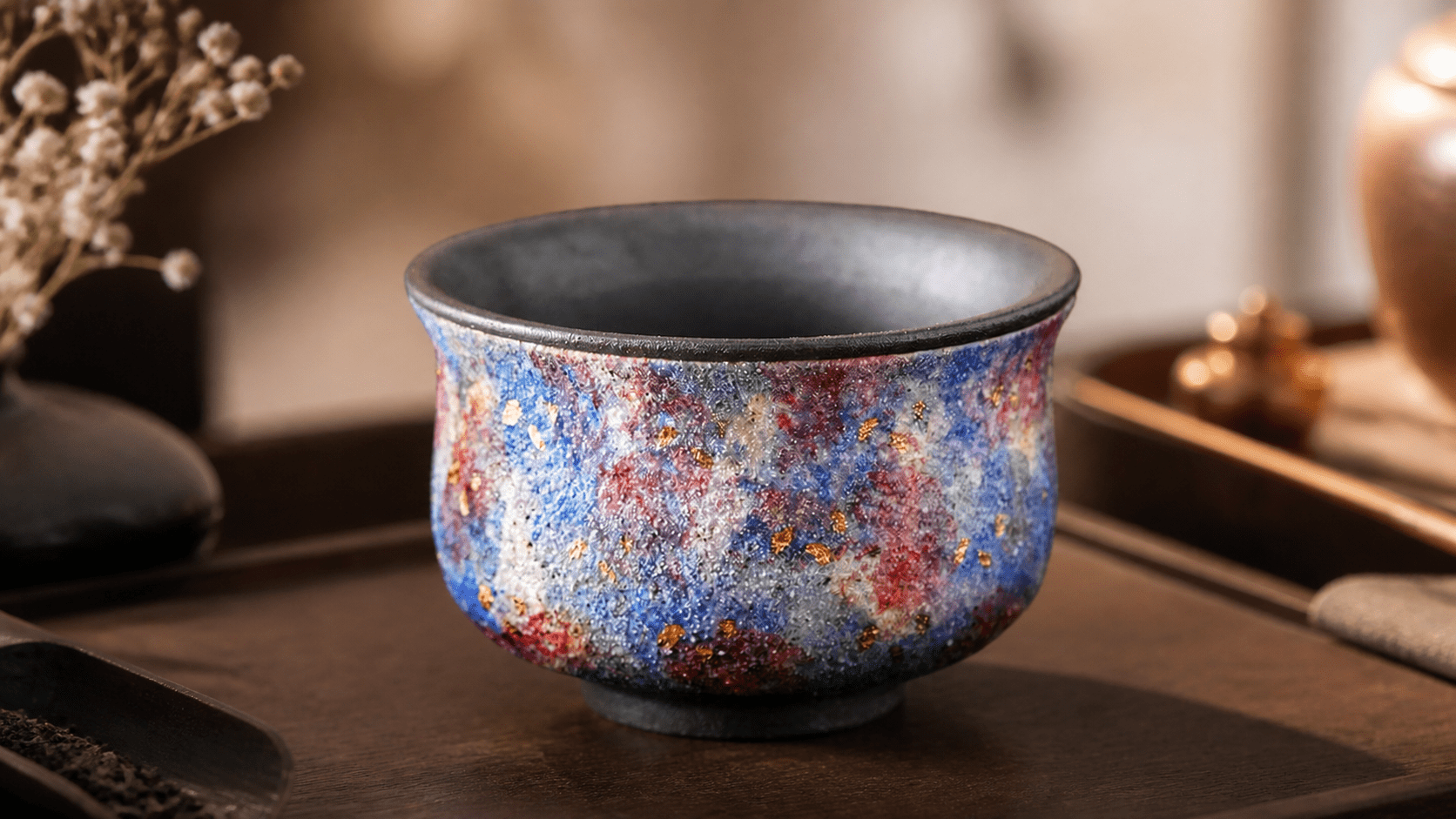
A tenmoku tea bowl is for you if you see tea as more than a beverage. It’s an heirloom for the curious beginner who wants to taste history, and for the seasoned collector who understands that the vessel shapes the flavor. It’s a meaningful gift for the tea lover who already has every gadget, and a personal ritual-object for anyone pursuing slowness in a fast world. If you appreciate that true luxury lies in craftsmanship, then a handmade ceramic bowl like this becomes not just a purchase, but a companion.
You don’t need to be an expert to start; the bowl itself will teach you. Over months of use, its glaze will gently shift, and you’ll notice how the tea’s aroma lingers in its textured interior. That’s the quiet conversation between you and the fire-born art.
Frequently Asked Questions About Tenmoku Tea Bowls
What is the difference between oil spot and hare’s fur tenmoku tea bowls?
Both patterns are caused by iron crystals forming during the kiln cooling process. Oil spot glazes show small, round metallic spots (often silver or golden) reminiscent of oil floating on water. Hare’s fur features elongated streaks that look like fine rabbit fur. The differences come from slight shifts in temperature, atmosphere, and clay composition.
How do I care for a handmade tenmoku tea bowl?
Rinse with warm water and a soft cloth; avoid harsh soaps or abrasive scrubbers, as they can strip the tea patina that enhances the bowl over time. Dry thoroughly. Never put a true handmade tenmoku bowl in the microwave or dishwasher — sudden temperature changes can crack the piece.
Can a tenmoku tea bowl be used for matcha?
Absolutely. In fact, the wide, shallow shape of many tenmoku bowls is ideal for whisking matcha. The dark interior highlights the bright green color of the tea, creating a beautiful visual contrast often prized in Japanese tea ceremony.
Why is a tenmoku tea bowl a good gift for tea lovers?
Because no two bowls are alike, it feels deeply personal. It combines art, history, and daily ritual into a single object. For a tea lover, receiving a tenmoku bowl is like being handed a piece of living Song Dynasty culture — a tool that elevates every steep into something special.
Are Japanese tenmoku tea bowls safe to drink from?
Yes, authentic pieces are fired at such high temperatures (over 1300°C) that the glazes fully vitrify and are inert. Reputable artisans use only natural, food-safe materials. Just confirm that your bowl comes from a trusted maker, as some decorative replicas may use non-food-safe low-fire glazes.
The tenmoku tea bowl is a rare gift from the past that still breathes today. Whether you’re tasting the layered notes of a gongfu session or enjoying a quiet matcha moment, a bowl born from the same fire that captivated Song scholars and Japanese masters adds depth no mass-produced cup can. Explore our handpicked collection and bring home a piece of tea’s most luminous heritage.
Your journey into tea artistry starts here.
Explore Our Collection
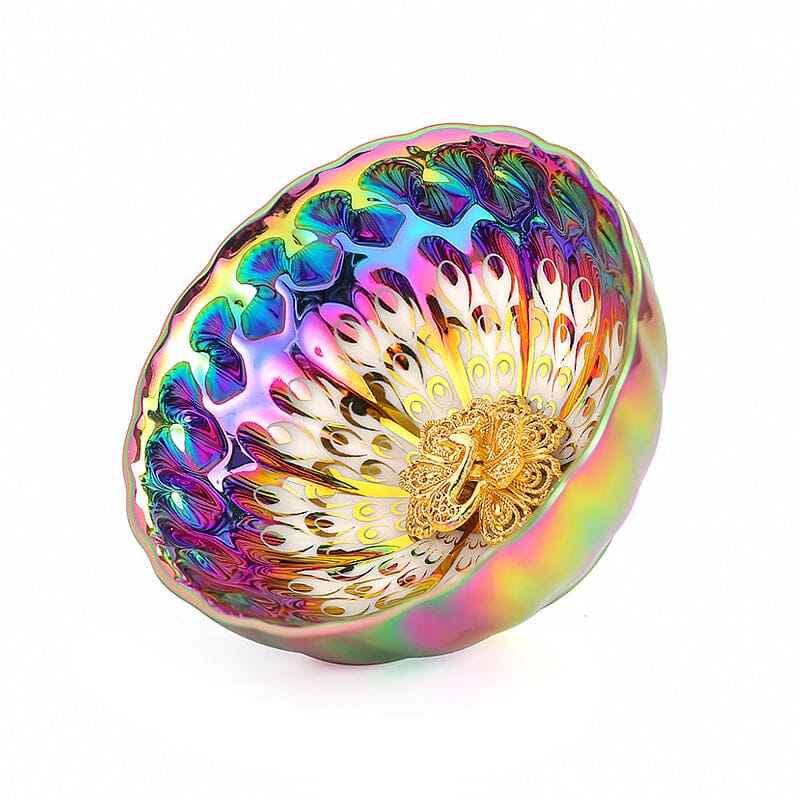
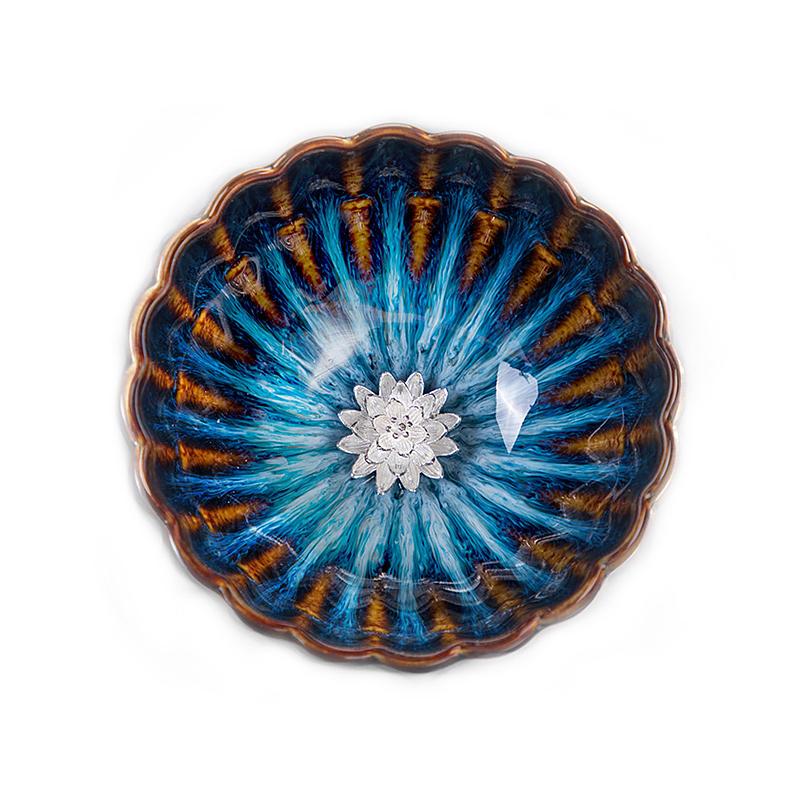
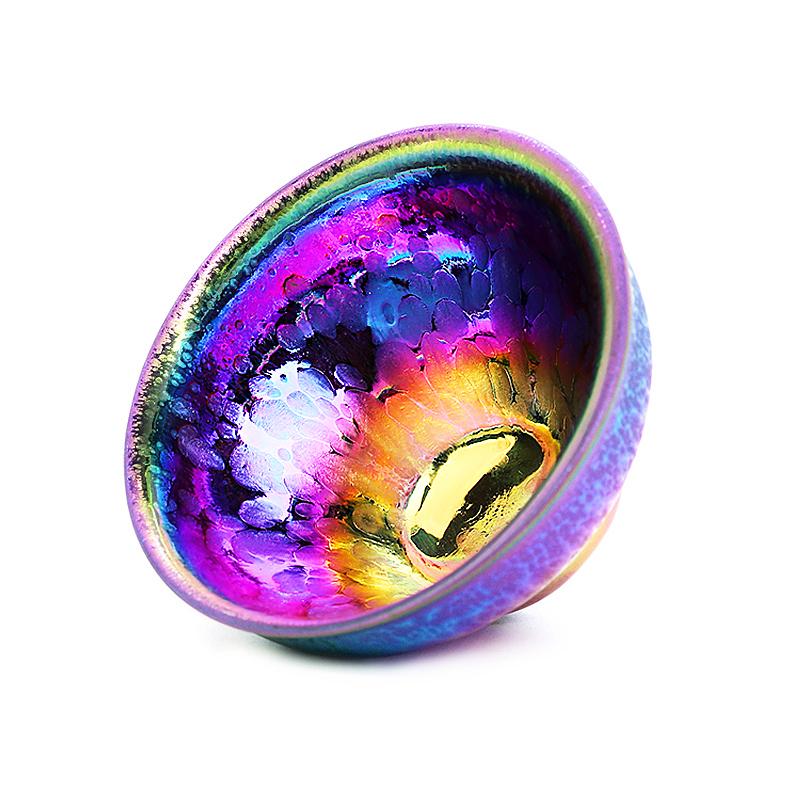
Ready to experience the world of tenmoku tea bowl? Browse our curated collection:
Disclaimer: This article is for informational purposes. Products and pricing subject to change.


Deel:
Tenmoku Tea Bowl: Japanese Luxury for Daily Mindfulness
Why Are Handmade Tenmoku Tea Bowls So Expensive? A Deep Dive into Jian Zhan Cost & Craft