Pasenverkoop: koop 3 Koop de 4e gratis!

Vrienden die Jianzhan-theekopjes hebben gebruikt, vragen zich waarschijnlijk allemaal één ding af: Hoe kunnen Jianzhan-theekopjes roesten?

Komt het doordat Jianzhan-theekopjes duurder zijn dan ander porselein, of doordat ze delicater zijn dan celadon, wit porselein en andere soorten porselein?

In werkelijkheid is het helemaal niet zo. Sommige Jianzhan-theekopjes kunnen roesten, terwijl andere dat niet doen. Het wordt allemaal bepaald vanaf het moment dat de theekop uit de oven komt.

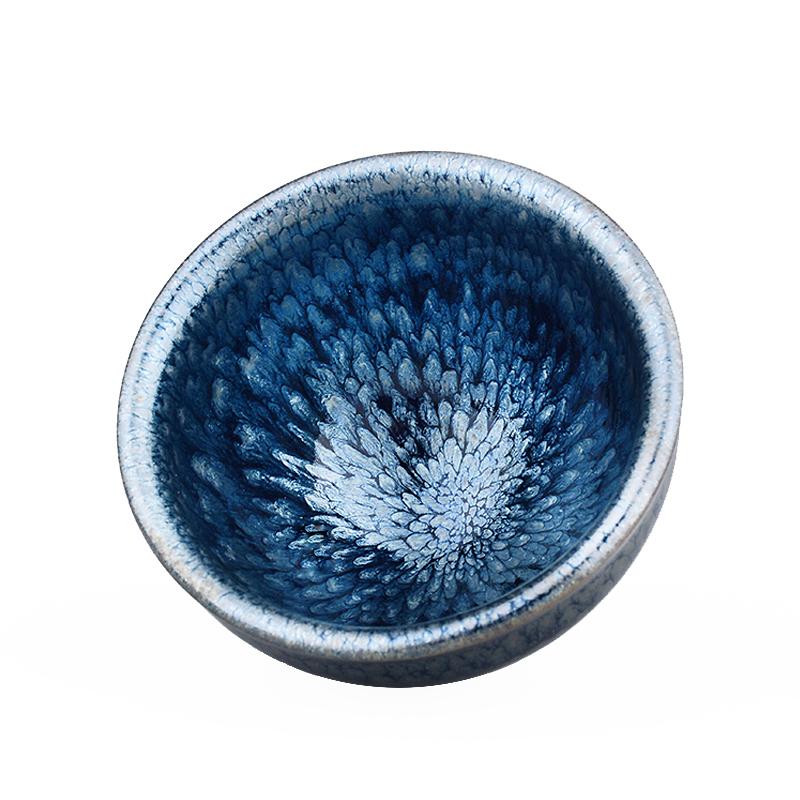
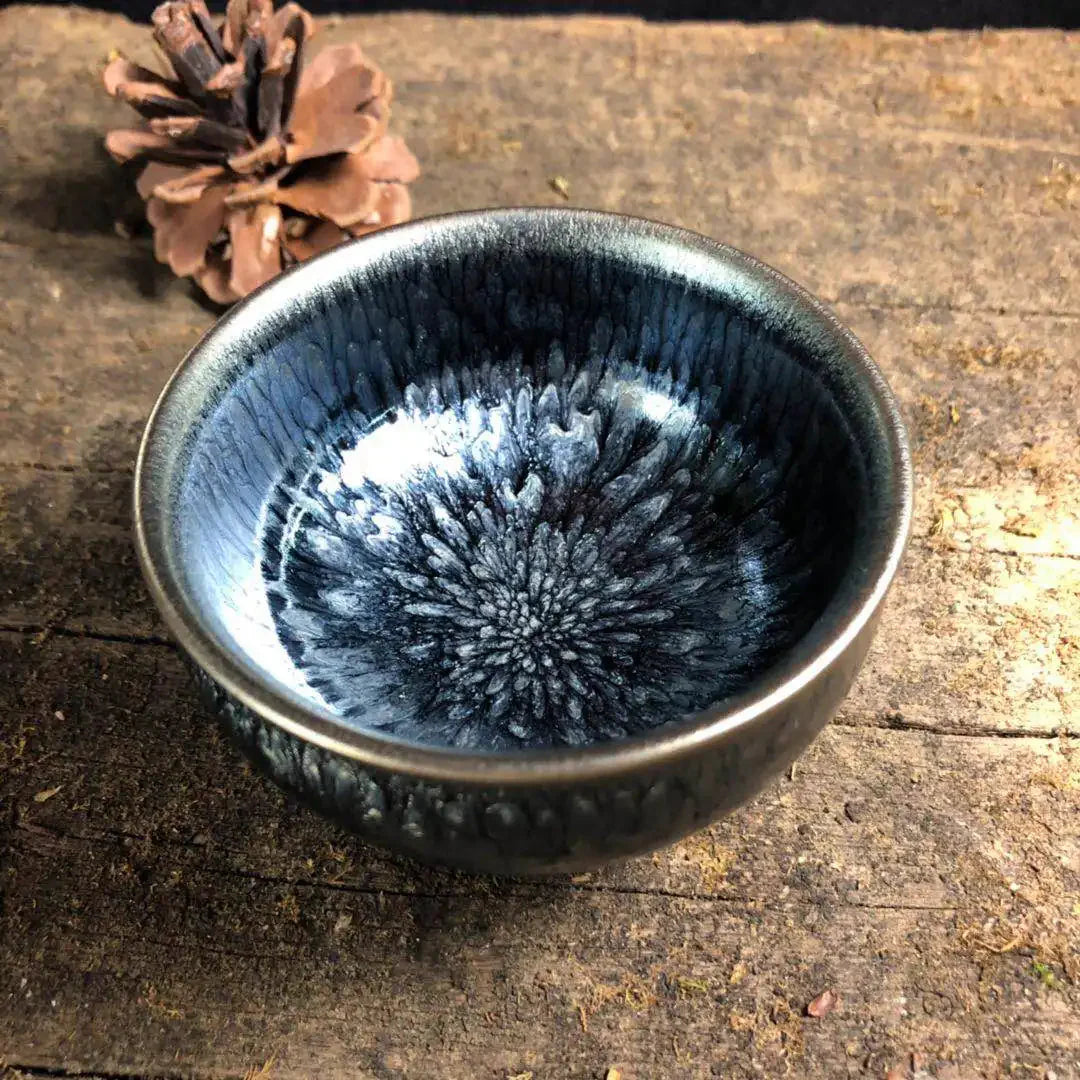
Zoals eerder vermeld, worden de oppervlaktepatronen met oliedruppels op Jianzhan-theekopjes veroorzaakt door neergeslagen ijzerkristallen. IJzer is een van de bestanddelen van deze kristallen.

In de lucht oxideert ijzer gemakkelijk tot bruin ijzeroxide. Als de theekop na het drinken van thee niet wordt afgedroogd en schoongemaakt, zal het ijzer in de neergeslagen ijzerkristallen na verloop van tijd door waterdamp worden geoxideerd tot Fe3O4, dat een roodbruine kleur krijgt, ook wel roest genoemd.

Roest is gemakkelijker zichtbaar op de rand van een Jianzhan-theekopje, vooral bij theekopjes met oliedruppels. De meeste theekopjes met oliedruppels die momenteel op de markt zijn, zijn niet geglazuurd, waardoor ze geen zuurstof en waterdamp kunnen isoleren (waardoor ze vatbaarder zijn voor patina, omdat ze gemakkelijk worden geabsorbeerd).

De meeste theekopjes van konijnenhaar zijn echter geglazuurd, waardoor de kans op roestvorming vrijwel nihil is (en het dus ook heel moeilijk is om patina te ontwikkelen).

Belangrijke opmerkingen:

Vergeet niet om ongeglazuurde Jianzhan-theekopjes na elk gebruik droog te vegen en ze in een geventileerde ruimte te laten drogen. Geglazuurde Jianzhan-theekopjes moeten droog worden gehouden en mogen niet in water worden geweekt, omdat sommige geglazuurde theekopjes een lagere vitrificatie hebben en nog steeds vocht kunnen absorberen, wat kan leiden tot roestvorming.

Als u te lui bent om de theekop na gebruik droog te vegen, kunt u de theekop ook ondersteboven aan de lucht laten drogen. Zo laat u geen thee in de kop achter.

Een theekopjevriend vroeg: "Wat moet ik doen als er roest ontstaat?"

Eigenlijk hoeft u zich geen zorgen te maken. U kunt de Jianzhan theekop onderhouden door hem in witte azijn te laten weken en hem vervolgens op de gebruikelijke manier schoon te maken. Na langdurig gebruik zullen de ijzerkristallen op de Jianzhan theekop geleidelijk slijten, waardoor de zwarte glazuurlaag en een glanzende uitstraling, vergelijkbaar met die van zwarte parels, zichtbaar worden.

Bij dagelijks theedrinken zul je merken dat hoe vaker je Jianzhan theekopjes gebruikt, hoe meer ze glanzen. Als ze na een paar keer gebruiken ongebruikt blijven, worden ze dof of zelfs roestig.

Daarnaast is het ook een verantwoordelijkheid van jezelf om je servies schoon te houden. Theevlekken kunnen kanker veroorzaken.

Gebruiksvoorwerpen hebben emoties, warmte zonder geluid. Wanneer u geniet van een kopje thee, geef dan prioriteit aan het specifieke aspect en vergeet nooit de oorspronkelijke bedoeling!
Quick answers for Tenmoku teaware shoppers

Use this guide to connect the article topic with practical buying decisions: what Jianzhan Tenmoku teaware is, who it suits, how to choose a piece, and how to care for it after purchase.

What is Jianzhan Tenmoku teaware?

Jianzhan Tenmoku teaware is ceramic tea ware known for dark mineral-glaze effects and natural kiln variation. Common forms include tea cups, bowls, teapots, tea sets, and matcha bowls.

Who is it best for?

It is best for tea drinkers, ceramic collectors, and gift shoppers who value functional objects with visible handmade character. It is not ideal if you need every piece to look exactly identical.

How do I care for it?

Hand wash with warm water, avoid abrasive cleaners, and dry fully before storage. Gentle daily use helps preserve the surface and keeps the glaze easy to inspect over time.

How do I choose the right Tenmoku piece?

Choose by the main use first: daily tea, matcha, Gongfu brewing, display, or gifting. Then compare capacity, rim shape, glaze family, photos, and whether natural variation is acceptable for your needs.

Is Jianzhan Tenmoku teaware good as a gift?

Yes. It works well for tea lovers, ceramic collectors, birthdays, holidays, and housewarming gifts because it is both usable and visually distinctive. For gifts, choose an easy-to-use form and a glaze style with clear photos.

Related products and categories

Compare the guide above with real Tenmokus categories and representative pieces. Start with the use case, then compare glaze style, form, price, and whether the piece is mainly for daily tea, display, collecting, or gifting.

Handmade Tenmoku tea cups

Best for daily tea drinking, first Jianzhan purchases, ceramic gifts, and comparing glaze patterns across cup shapes.

Tenmoku tea sets

Best when you want a coordinated tea table, a hosting setup, or a complete gift instead of one individual cup.

Real vs fake Tenmoku guide

Use this guide to compare seller claims, glaze appearance, photos, and practical buying signals before choosing a piece.

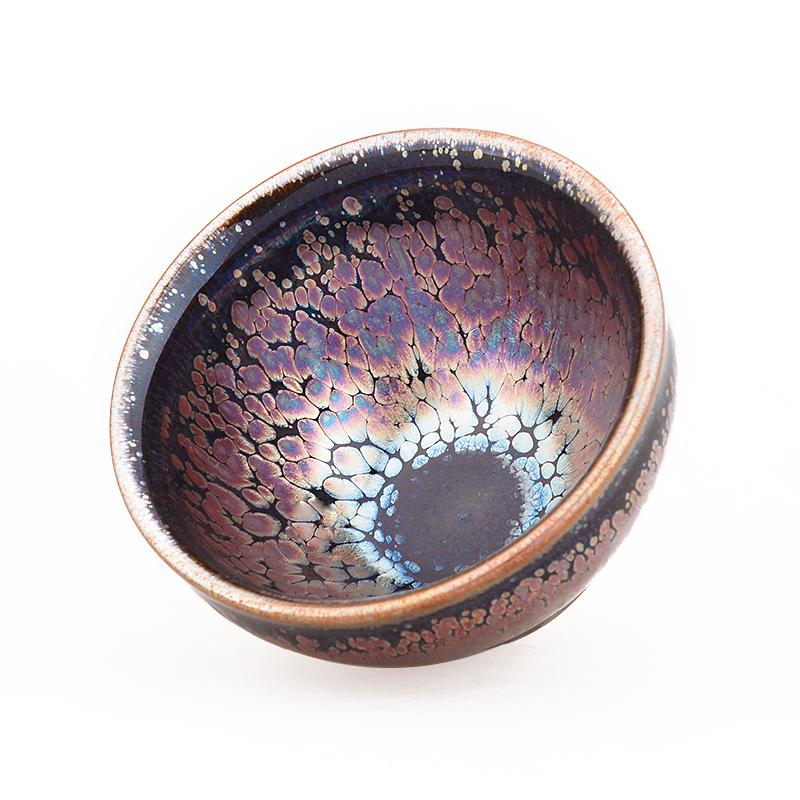
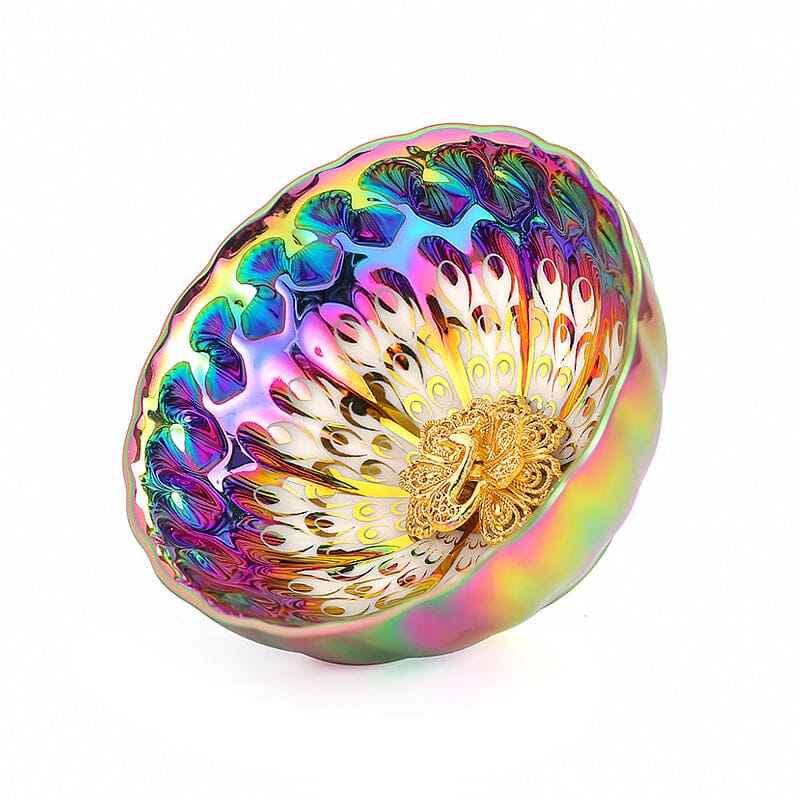
Levendige pauw

A representative Tenmoku tea cup to compare by glaze depth, cup shape, price, and gift fit.

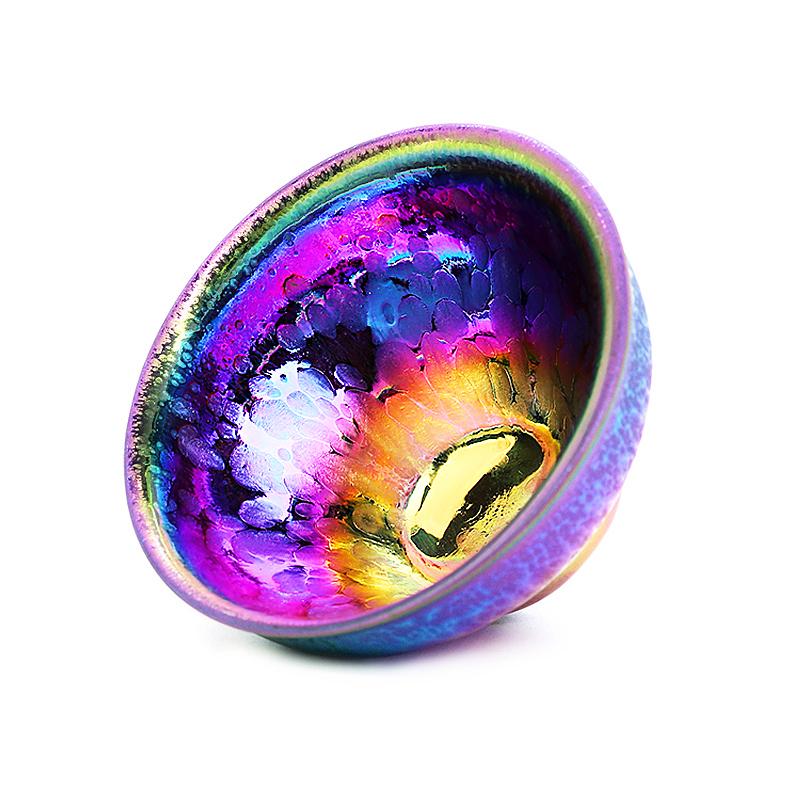
Gouden Peacock

Compare this piece when you want a clear visual reference for a gold-toned Tenmoku glaze style.

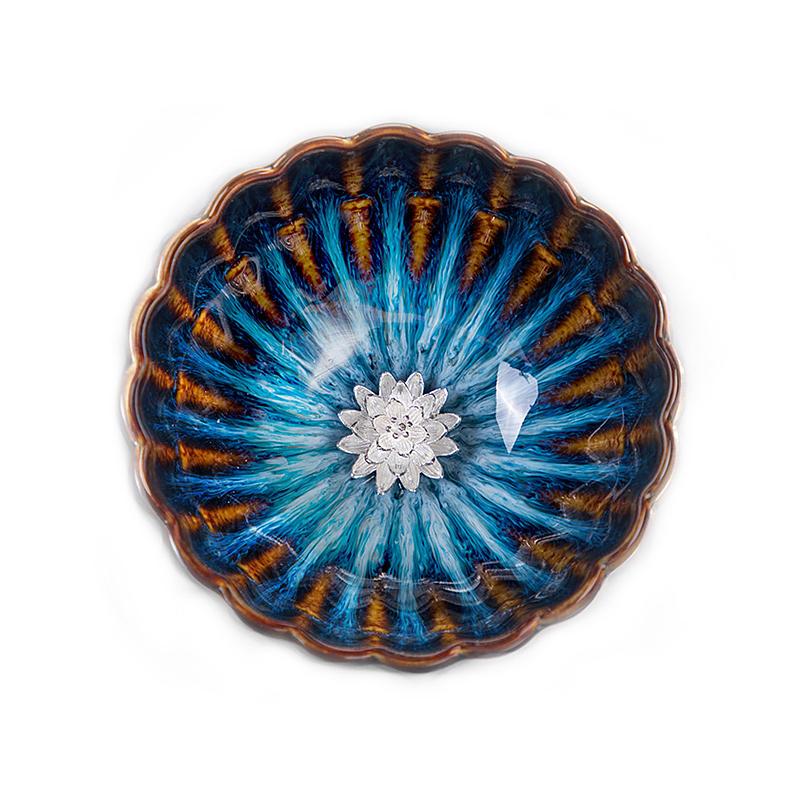
Fairy II

Use this product as another comparison point for handmade form, glaze variation, and gift suitability.

shop handmade Tenmoku tea cups compare Jianzhan teapots browse Tenmoku tea sets choose Tenmoku matcha bowls view Tenmoku tea cups read the real vs fake Tenmoku tea bowl guide browse Jianzhan buying guides learn about Tenmokus

From Tenmoku guide to teaware choice

Tenmokus is focused on handmade Jianzhan Tenmoku teaware for tea rituals, display, and gifting. If you are choosing after reading this guide, start with Tenmoku tea cups for daily tea tasting, Tenmoku teapots for loose leaf brewing, Tenmoku tea sets for coordinated gifts, or Tenmoku matcha bowls for matcha preparation.

Nieuwste verhalen

Keep exploring Tenmoku care, gift ideas, teaware selection, and the difference between Tenmoku and Jianzhan.

Bekijk alles

Tenmoku Tea Bowl: A Handmade Cup With History, Beauty, and Meaning

Tenmoku Tea Bowl: A Handmade Cup With History, Beauty, and Meaning

Tenmoku Tea Bowl: A Handmade Cup With History, Beauty, and Meaning A tenmoku tea bowl is a dark-glazed tea cup, often called Jianzhan, known for dramatic patterns created by fire, minerals, and chance. For gongfu tea, it gives a quiet,...

Lees meer

How to Identify Real vs Fake Tenmoku Tea Bowl: A Jian Zhan Buyer’s Guide for US Tea Lovers

How to Identify Real vs Fake Tenmoku Tea Bowl: A Jian Zhan Buyer’s Guide for US Tea Lovers

If you’ve ever brewed a fine oolong tea and wanted an authentic tenmoku tea bowl to match its depth, you’ve likely stumbled into a minefield of fakes. I’m Aiden Wei, and after years of studying Jian Zhan (the Chinese name...

Lees meer

Handmade Tenmoku Tea Bowl: Luxury Home Ritual for Relaxation

Handmade Tenmoku Tea Bowl: Luxury Home Ritual for Relaxation My nightly unwind used to be a chaotic mix of scrolling and half-hearted herbal tea. Then I held a handmade tenmoku tea bowl — its iron-rich glaze glimmering with an oil...

Lees meer