

Real vs Fake Tenmoku Tea Bowls: A Complete Identification Guide
I’ve spent years collecting and studying tenmoku tea bowls, and one question comes up constantly: “Is my Jianzhan real?” The world of Jianzhan Tenmoku ceramic, from Song Dynasty oil spot glazes to modern Japanese pottery tea bowls, is filled with both breathtaking artistry and clever imitations. If you’re preparing for a tea ceremony or looking for a unique gift, knowing how to tell a genuine tenmoku tea bowl from a fake is essential. In this guide, I’ll share my hands-on experience to help you spot authentic jian zhan with confidence.
Key Takeaways
- Authentic tenmoku tea bowls are handmade from iron-rich stoneware clay and fired at extreme temperatures, creating unique, unrepeatable glaze patterns.
- Real jian zhan pieces carry distinct markers like a dark “iron foot,” a sharp, bell-like tone, and random, organic oil spots or hare’s fur streaks.
- Most fakes use low-fire chemical glazes, uniform patterns, and sound dull when tapped—knowing what to look for saves you money and disappointment.
- Japanese pottery traditions have embraced tenmoku for centuries, but the authentic origin remains the Jian kilns of China’s Song Dynasty.
What Makes a Tenmoku Tea Bowl Authentic?
Before I dive into fakes, let’s talk about what an authentic jian zhan actually is. The term “tenmoku” comes from the Japanese reading of Tianmu Mountain, where Japanese monks first encountered these Jianzhan Tenmoku ceramic bowls during the Song Dynasty (960–1279). In China, they are called Jianzhan, named after the Jian kilns in Fujian province. Authentic tenmoku tea bowls are built from iron-rich clay that turns dark brown or black after firing, often showing a rough, unglazed “iron foot” at the base.
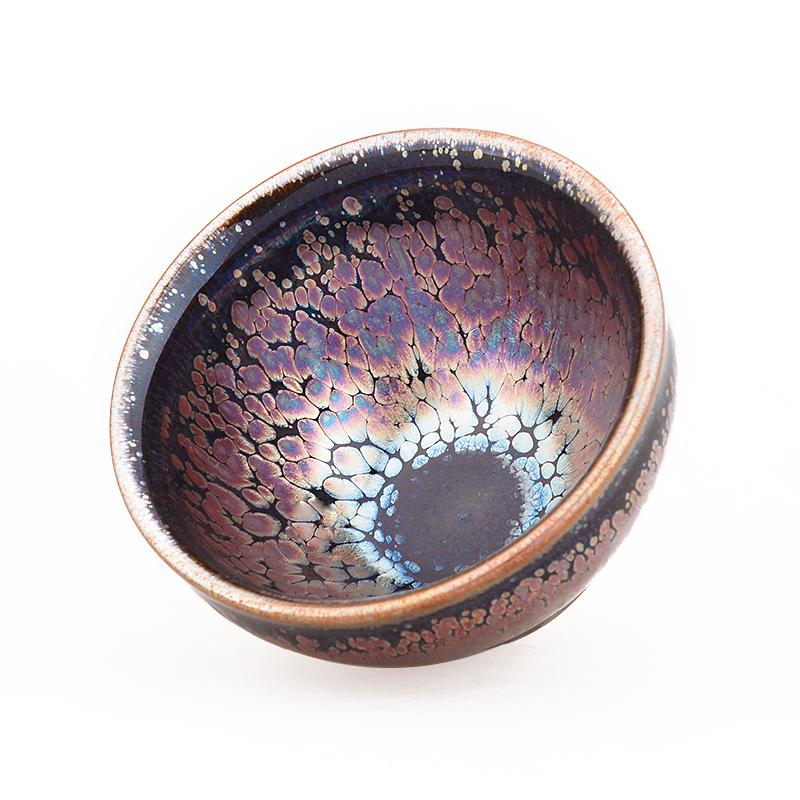
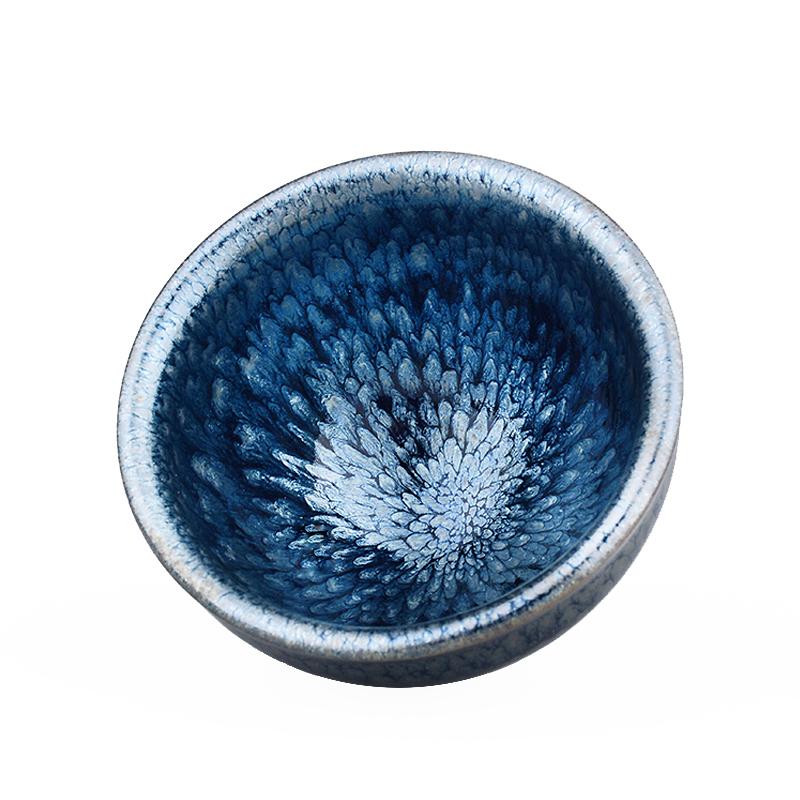
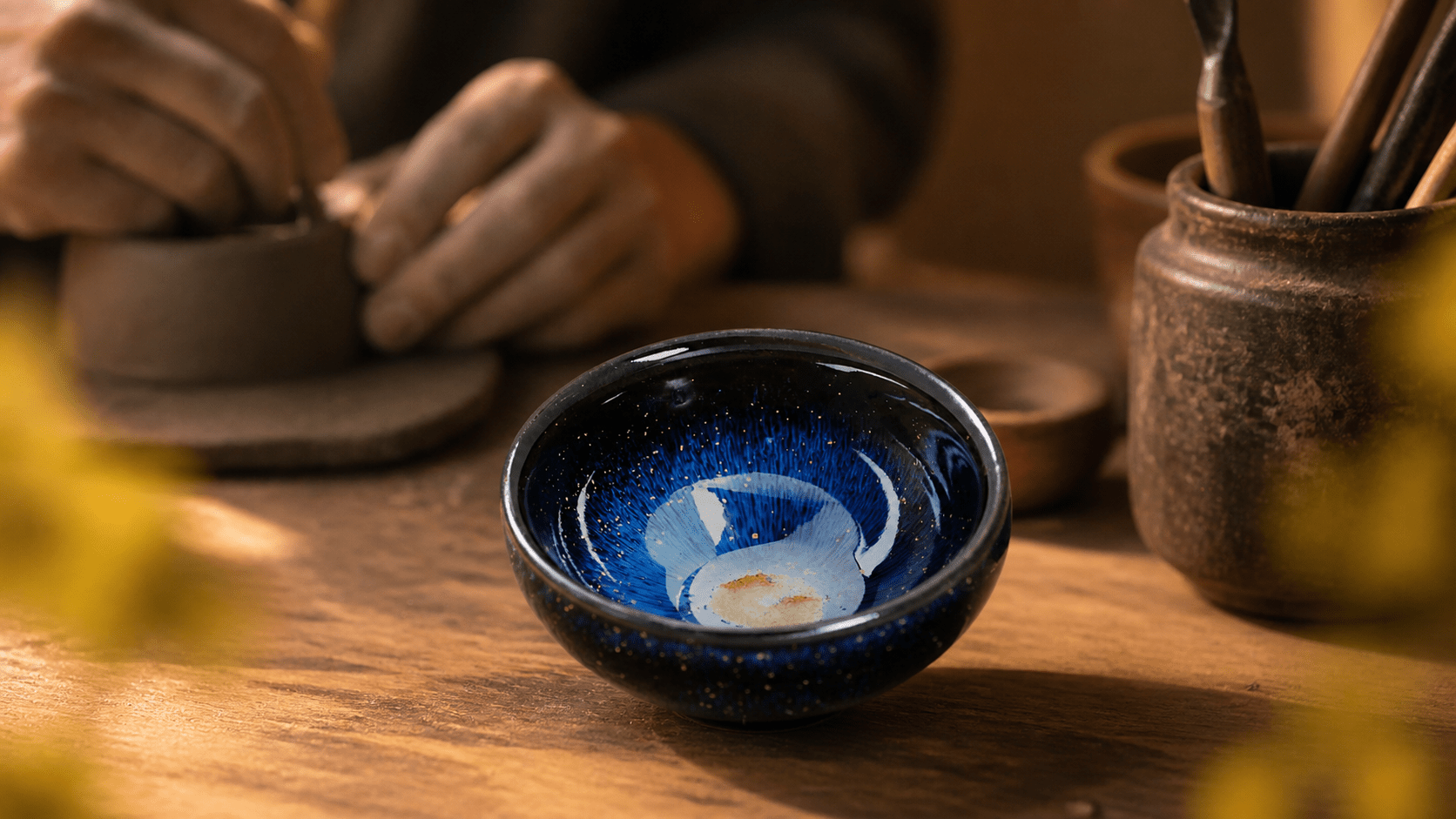
The magic happens in a wood-fired or gas dragon kiln where temperatures reach 1300°C (2370°F) or more. The glaze—made from iron oxide, wood ash, and feldspar—melts and crystallizes in unpredictable ways, forming oil spots, hare’s fur streaks, or partridge feather patterns. No two cups are alike. This is why a genuine handmade jian zhan tea cup feels like a living piece of the tea ceremony, not just a vessel.
In Japan, tenmoku bowls are central to the tea ceremony, valued for their earthy texture and how they make matcha’s green color pop. However, many mass-produced “japanese tea bowl” lookalikes lack the ancestry that defines true tenmoku. Understanding this heritage is your first line of defense.
How to Identify Real Jianzhan: 5 Clear Signs to Look For
When someone asks me how to spot a real jian zhan, I always start with the five practical checks I’ve learned from master craftsmen and personal mistakes. Here’s what separates an authentic jian zhan tea cup from a clever copy:
- The Iron Foot Test. Flip the bowl over. Authentic tenmoku tea bowls have a rough, dark brown or black unglazed foot rim that reveals the natural iron-rich clay. Fakes often paint a dark ring or use a uniform gray body that lacks the slight sparkle and uneven texture of real “tiekou” (iron foot).
- The Tap Sound. Lightly tap the rim with your fingernail. A genuine, high-fired piece emits a clear, prolonged bell-like ring—almost metallic. Low-temperature fakes or those with a softer clay body produce a dull thud, like tapping a piece of chalk.
- Weight and Heft. Real tenmoku bowls feel satisfyingly weighted for their size, thanks to the dense iron-rich clay. They are not overly heavy but have a solid presence. Many resin or low-fire replicas feel surprisingly light and hollow.
- Glaze Randomness & Depth. An authentic oil spot or hare’s fur pattern never repeats. The crystals form in layers, shifting color with the light. Fakes tend toward perfect uniformity, printed-on dots, or an unnatural glossy sheen that looks more like plastic than molten iron.
- Kiln Transformation Marks. Real jian zhan often show subtle “rainbow light” oil sheens, small crusty kiln drips on the foot, or slight warping from extreme heat. These are prized, not flaws. A perfectly symmetrical bowl with a flawless mirror finish is almost always a replica.
Jianzhan Oil Spot vs. Fake: Glaze Patterns and Surface Textures
Oil spot glazes are the most famous—and the most faked—tenmoku decoration. On a real tenmoku tea bowl, oil spots form when iron oxide melts and separate into tiny crystalline circles during the cooling phase. Under magnification, each spot has a slightly raised rim and may exhibit an iridescent halo. The spots vary in size, color (silver, blue, or golden), and spacing, often resembling scattered caviar beads.
Fake oil spots are far too orderly. Many are stamped with a template or created with chemical stains that sit flat on the glaze surface instead of partly sinking into it. When you run a finger over a real oil spot jian zhan, you feel a gentle, almost sandy topography. A fake feels glassy and smooth, with no texture difference between the background and the “spots.”
Similarly, real hare’s fur patterns feature elongated, flowing streaks that move with the glaze drips. Counterfeits use brush-painted or transfer-printed lines that look static, as if someone drew them with a felt-tip pen. Trust your eyes and your fingertips; real tenmoku surfaces are as textured as a fingerprint.
Common Fake Tenmoku Tea Bowls and How to Spot Them
Unfortunately, the market is flooded with pieces marketed as “tenmoku tea bowl for sale” that are anything but genuine. Here are the most frequent impostors I encounter:
- Chemical Glaze Low-Fire Bowls. These are produced in bulk at temperatures below 1200°C using synthetic pigments. They appear overly glossy and may even emit a chemical smell when hot water is added. The interior often lacks depth—just a uniform gray-black with no crystalline activity.
- Mold-Made “Pottery” Replicas. True handmade jian zhan tea cups show tool marks and slight asymmetry. Fakes molded from slip-casting are perfectly symmetrical and have a smooth, unbroken seam on the foot. They are often heavier because the clay isn’t the same iron-rich recipe.
- Printed Decal Bowls. Some fakes use heat-transfer decals to simulate oil spots or hare’s fur on a plain black glaze. Look closely: decal edges are sharp, while real tenmoku transitions are soft and organic. Over time, decals can even wear off, revealing a white or buff body underneath the “Jianzhan Tenmoku ceramic.”
- Japanese-Inspired Tourist Bowls. Japan has a proud tradition of tenmoku revival, but many cheap bowls sold as “japanese pottery tea bowls” are actually tourist-grade souvenirs. They often use a glossy black glaze with a few painted-on gold or silver lines. An authentic Japanese tenmoku will still follow the Chinese principles of iron-rich clay and high-fire reduction, producing a quiet, noble appearance.
Real vs Fake Tenmoku: At-a-Glance Comparison Table
| Feature | Authentic Tenmoku Bowl | Fake/Replica |
|---|---|---|
| Clay & Iron Foot | Dark, gritty, iron-rich stoneware with visible sparkle; sharp ridge on foot | White or light gray clay with dark paint; smooth, indistinct foot |
| Firing Temperature | 1300°C+ in reduction kiln (wood or gas) | Often below 1200°C, electric kiln, oxidized |
| Glaze Pattern | Random, layered crystals; oil spots with halo; hare’s fur flows | Uniform dots, decals, or brushed lines; no depth |
| Sound | Clear, sustained bell-like ring | Short, dull thud |
| Texture | Subtle roughness on glaze, organic drips | Slick, glossy, no tactile variation |
| Price Range | $150–$1,500+ for masterwork pieces | $15–$50 for mass-produced copies |
Where to Find Authentic Tenmoku Tea Bowls for Sale
Once you know the signs, finding a genuine tenmoku tea bowl becomes a rewarding treasure hunt. I always recommend buying from studios that openly share their clay source and firing process. Look for artisans from Jianyang, Fujian, or Japanese kilns with a documented lineage. A truly authentic jian zhan tea cup will come with a certificate from the maker, and often the potter’s stamp is pressed into the clay near the foot—not just painted on.
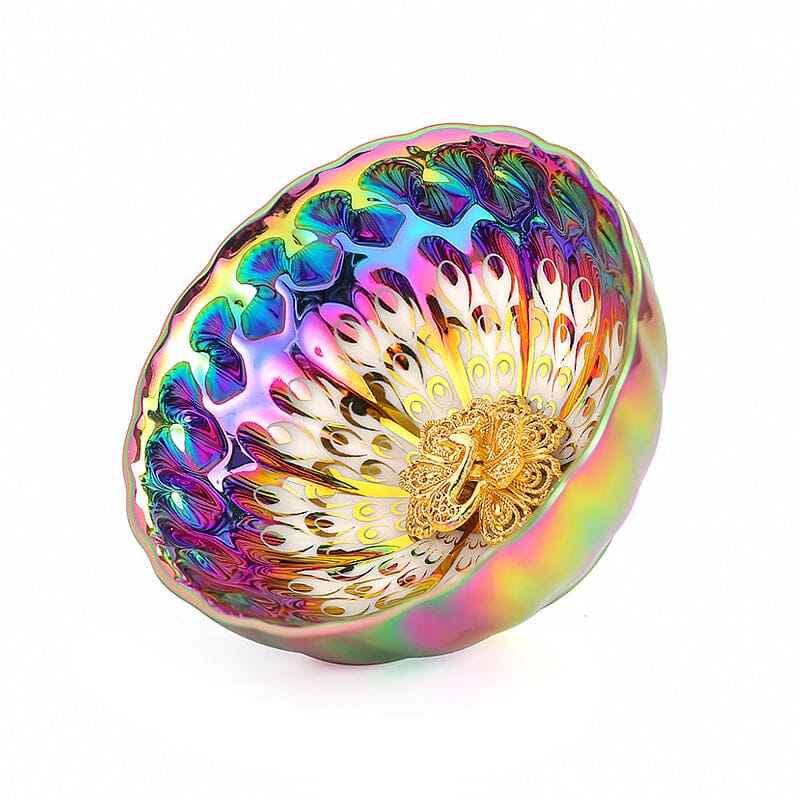
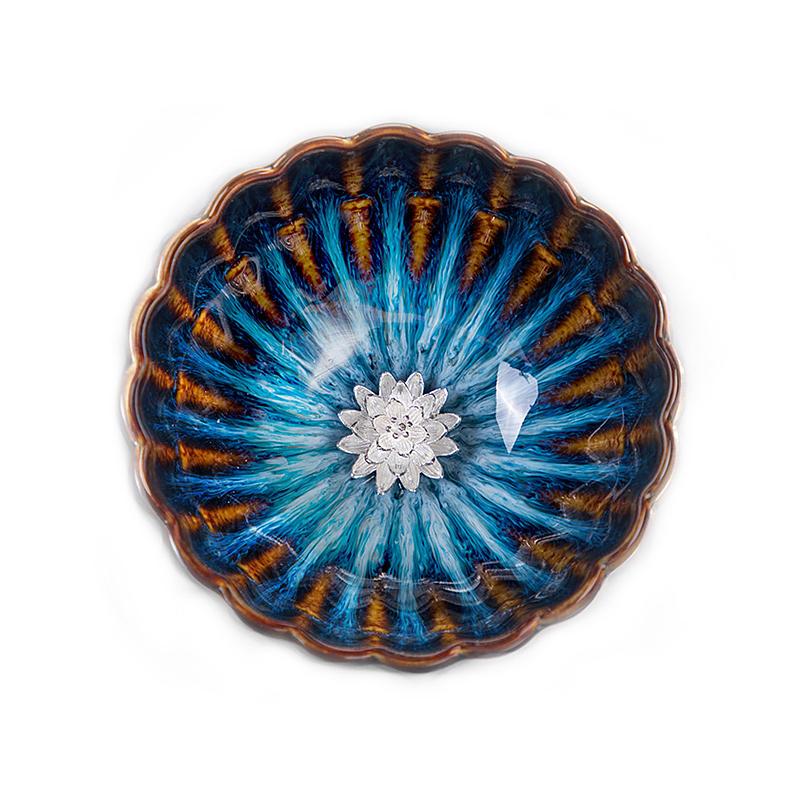
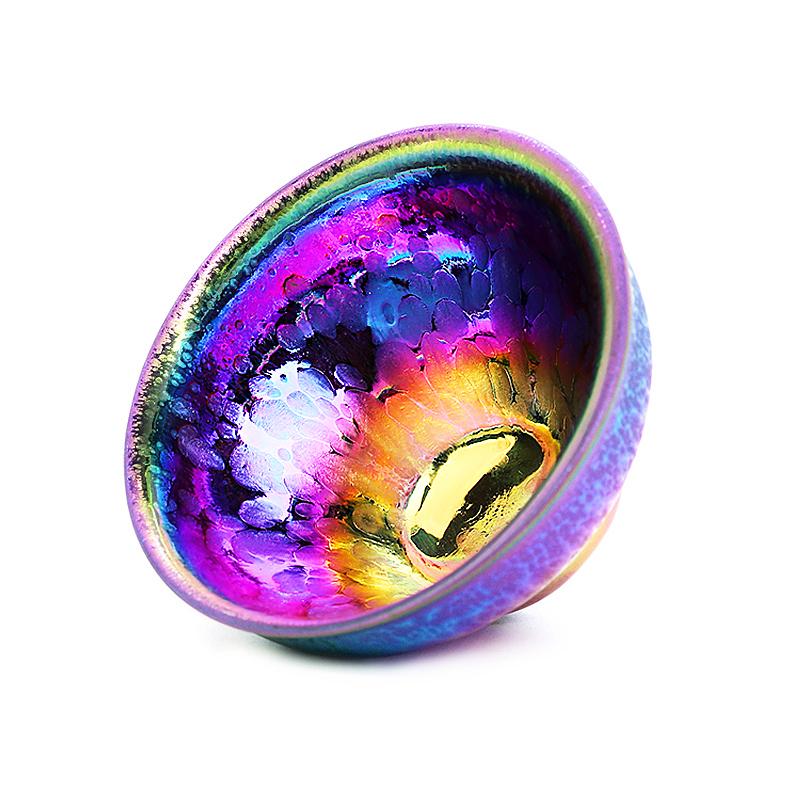
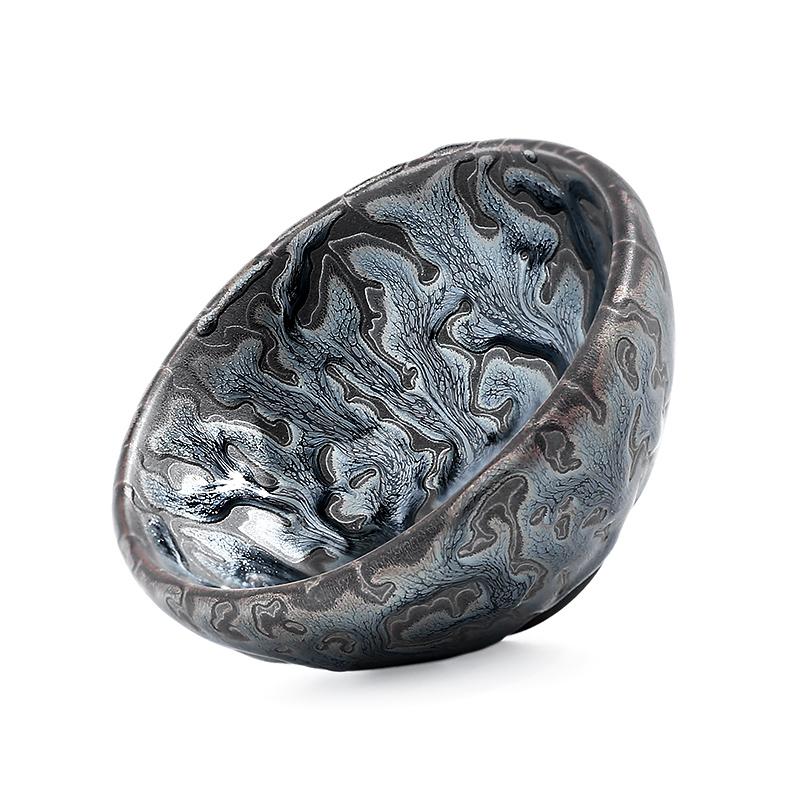
If you’re ready to explore, I’ve put together an edited collection that I stand behind. Browse our hare’s fur Jianzhan series to see living examples of what we’ve discussed—every piece is hand-selected for its iron-rich body and dynamic glaze movement. For those who want the purest expression of Jianzhan Tenmoku ceramic, I invite you to Shop authentic Tenmoku tea bowls that honor the Song Dynasty tradition while fitting beautifully into modern tea practice.
Frequently Asked Questions
How can I tell if my tenmoku tea bowl is real?
Start with three quick checks: look for a dark, rough iron foot, tap it for a clear ring, and examine the glaze for organic randomness. If it looks too perfect or feels lightweight, it’s probably a fake.
What is the difference between oil spot and hare’s fur tenmoku?
Oil spot glazes show individual crystalline circles that look like scattered pearls, while hare’s fur patterns consist of long, streaky lines. Both are authentic Song Dynasty styles and depend on the kiln atmosphere during cooling.
Are all Jianzhan Tenmoku ceramic bowls considered tenmoku?
No. Many black bowls exist, but a true tenmoku tea bowl must be made of iron-rich clay, high-fired in reduction, and show natural kiln transformation effects. Simple black glazed pottery without these markers is not authentic jian zhan.
Can authentic jian zhan be made outside of China?
Yes, but with caution. Japanese potters have created beautiful tenmoku for centuries using local materials, and they are respected as authentic Japanese tenmoku. However, they still follow the same principles. Beware of any bowl labeled “tenmoku” that uses synthetic glazes or low-fire techniques.
Why are handmade jian zhan tea cups so expensive?
Each cup requires weeks of preparation, a single high-risk firing where many pieces are lost, and a crystal pattern that cannot be controlled. The price reflects the artistry, the raw material cost (pure iron clay is scarce), and the fact that no two cups can ever be duplicated.
Where can I find an authentic jian zhan tea cup for sale near me?
Specialized online galleries, artist direct studios, and curated shops are the safest avenues. I’ve gathered a range of verified tenmoku tea bowls for sale that pass every test in this guide—you can see them in our collection linked above.
Real vs fake tenmoku tea bowl identification is ultimately about trust—trust in the materials, the fire, and the hands that shaped the clay. Once you’ve held a genuine example, the charades become obvious. I hope this guide empowers you whether you’re building a collection, deepening your tea ceremony practice, or seeking that one unforgettable gift. Take your time, ask questions, and let the cup speak. I’m confident you’ll find a tenmoku tea bowl that stirs the same awe I felt the first time I lifted one to the light.
Explore Our Collection
Ready to experience the world of tenmoku tea bowl? Browse our curated collection:
Disclaimer: This article is for informational purposes. Products and pricing subject to change.


Deel:
Tenmoku Tea Bowl Price Guide: Why It Costs More and How to Choose Better Value
Handmade Tenmoku Tea Bowl: An Artisan’s Journey Through Fire and Glaze