

In the profound Pu'er tea culture, Baoshan old tree raw Pu'er, with its unique quality and charm, has become a treasure in old tree Pu'er tea and is deeply loved by tea lovers. Mastering scientific and standardized brewing methods can fully display the excellent characteristics of this tea and bring a rich tasting experience. The following will detailedly analyze the characteristics and professional brewing methods of Baoshan old tree raw Pu'er tea.
1. Baoshan Old Tree Raw Pu'er Tea: Unique Charm of Tea
Tea Characteristics
Baoshan old tree raw Pu'er belongs to a high - end tea product with quiet and beautiful characteristics. It is not processed by traditional flattening in the production process, thus completely retaining the natural leaf shape of the tea. This unique craftsmanship lays a high - quality foundation for the flavor release and nutrient precipitation of the tea during brewing, and it is a typical representative of original ecological Pu'er tea.
Raw Material Characteristics
It is carefully made from high - altitude pure old tree raw materials. It is these high - quality old tree raw materials that endow Baoshan old tree raw Pu'er with a unique sweet and mellow taste. Every sip allows people to deeply feel the unique mellow and full flavor of old tree tea, showing the excellent quality of old tree tea raw materials.
Aroma Characteristics
The moment you open the package, a strong mountain wild flower fragrance will come to your face, with the original natural atmosphere of deep mountains and jungles, fresh and layered. This highly recognizable aroma is a Iconic feature of Baoshan old tree raw Pu'er and a vivid interpretation of the aroma charm of high - altitude old tree Pu'er.

2. Brewing Method of Baoshan Old Tree Raw Pu'er Tea: Fully Displaying the Charm of Tea
(1). Dry Tea Characteristics
Appearance
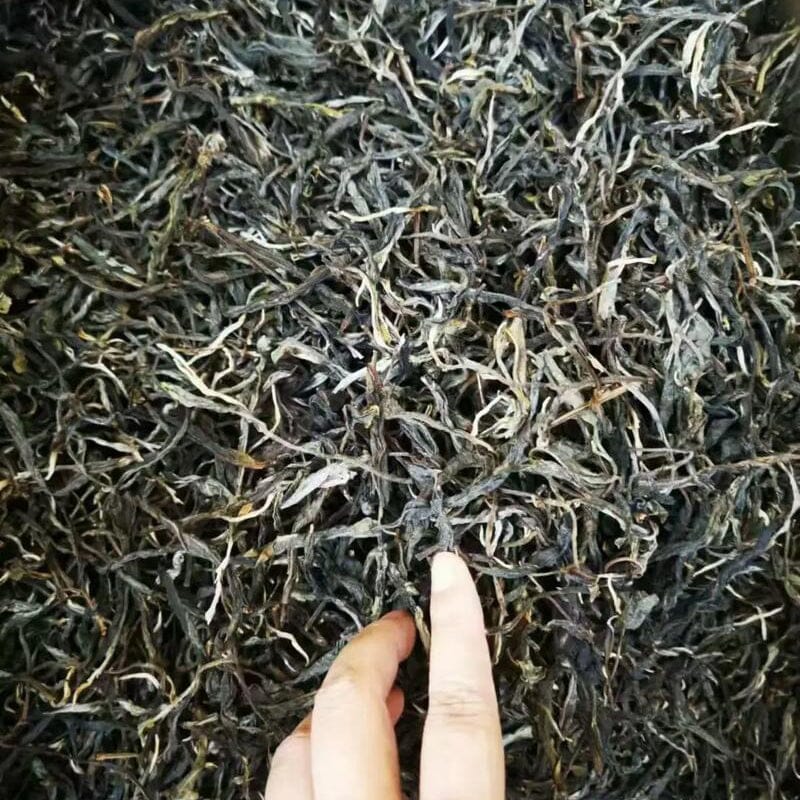
The dry tea of Baoshan old tree raw Pu'er has clear and neat strips, showing a dark green and oily color, with tight and shiny leaves. From the appearance, we can preliminarily judge the high quality of this tea, which is a typical display of the form of high - quality raw Pu'er dry tea.
Aroma
In the dry tea state, it emits a rich nectar aroma, which is fresh and lasting. You can smell its fragrance before tasting the tea, adding a sense of expectation and pleasure to the whole brewing process.
(2). Tea Dosage
Tea Dosage Standard
The amount of tea added should be accurately determined according to the capacity of the main brewing vessel. In a common brewing example, if a 120ml covered bowl is used as the main brewing vessel, it is recommended to add 6 grams of tea. A reasonable tea - to - water ratio is a key factor to ensure a balanced taste of the tea soup, which is a basic point in accurate Pu'er tea brewing.
Tea Characteristics
Baoshan old tree raw Pu'er is in a loosely pressed form. This form makes the tea contact with water more fully and evenly during brewing, which is conducive to the rapid release of tea flavor and nutrients, allowing the tea soup to show its excellent quality more quickly.

(3). Tea Moistening Skills
Time Control
In the tea moistening step, it is recommended to strictly control the soaking time of the first three infusions at about 3 seconds to let the tea wake up initially. The subsequent infusions can be flexibly adjusted according to personal taste preferences and the concentration of the tea soup. This is an important detail in old tree Pu'er brewing skills.
Water Injection Requirements
When injecting water, keep the water flow stable, the water column soft and uniform, and pour it slowly along the wall of the bowl. Avoid too rapid water flow impacting the tea leaves, which may lead to excessive precipitation of bitter substances. This way of water injection can better show the sweet and mellow characteristics of the tea, which is the core point of delicate brewing of raw Pu'er.
(4). Tea Soup Performance
Color
The brewed tea soup presents a bright light orange - yellow color, which is transparent and pure without any impurities. From the color of the soup, we can intuitively feel the clarity and high quality of the tea soup, which is a typical feature of the color of high - quality raw Pu'er tea soup.
Aroma
The aroma of the tea soup is dominated by a rich nectar fragrance, which echoes with the aroma of dry tea and is more intense and lasting. During the brewing process, the whole space is filled with fresh tea fragrance, making people feel physically and mentally comfortable.
Taste
It tastes pure, fresh and delicate. The sweet and mellow taste spreads quickly in the mouth, with significant sweet aftertaste and fluid production effects, and no bitter taste at all. It fully reflects the excellent taste quality of Baoshan old tree raw Pu'er, bringing a top - level raw Pu'er tasting experience.

(5). Tea Value
Origin Value
Baoshan old tree raw Pu'er is made from pure old tree materials in the core producing area of Baoshan, with unique regional living tasting value. Its quality is closely related to the high - altitude geographical environment, high - quality soil and climatic conditions of the origin, and it is an important representative of Baoshan characteristic Pu'er tea.
Collection Significance
This tea not only has excellent immediate drinking value, but also has long - term collection value. As time goes by, its flavor will undergo unique transformation, with a more mellow and Warm taste. It is favored by many tea collection enthusiasts and is a high - end old tree Pu'er collection tea with both drinking and collection value.


Deel:
Teaching Guide for Tea Pouring Etiquette in Tea Art
How to Brew Taiping Houkui Tea