Teaching Guide for Tea Pouring Etiquette in Tea Art
door Tenmokus Editorial Team
In the profound tea art culture, tea pouring etiquette is a key link to display the essence of tea culture and convey the host's sincere intentions. Standard and elegant tea art pouring etiquette can not only show the host's humanistic quality, but also make guests deeply feel comfort and respect in the leisurely tea-tasting process. The following will elaborate on the relevant etiquette points of tea pouring in tea art.
1. Serving Tea to Guests
Cultural Tradition
In China's long-standing traditional culture, "serving tea to guests when they arrive" is a thousand-year-old traditional hospitality custom, carrying a profound cultural heritage. This custom is by no means a simple act of offering tea, but a profound manifestation of the host's respect and warm welcome to the guests, and an important part of Chinese tea art etiquette. In the scene of interpersonal communication, tea turns into a warm bridge for emotional communication. When guests come to visit, a cup of steaming fragrant tea is offered, which can instantly shorten the spiritual distance between each other and make guests truly feel the warmth and comfort of being at home, perfectly interpreting the connotation of tea ceremony culture.
2. Tea Pouring Etiquette
(1). Tea Pouring Standards
Basic Norms
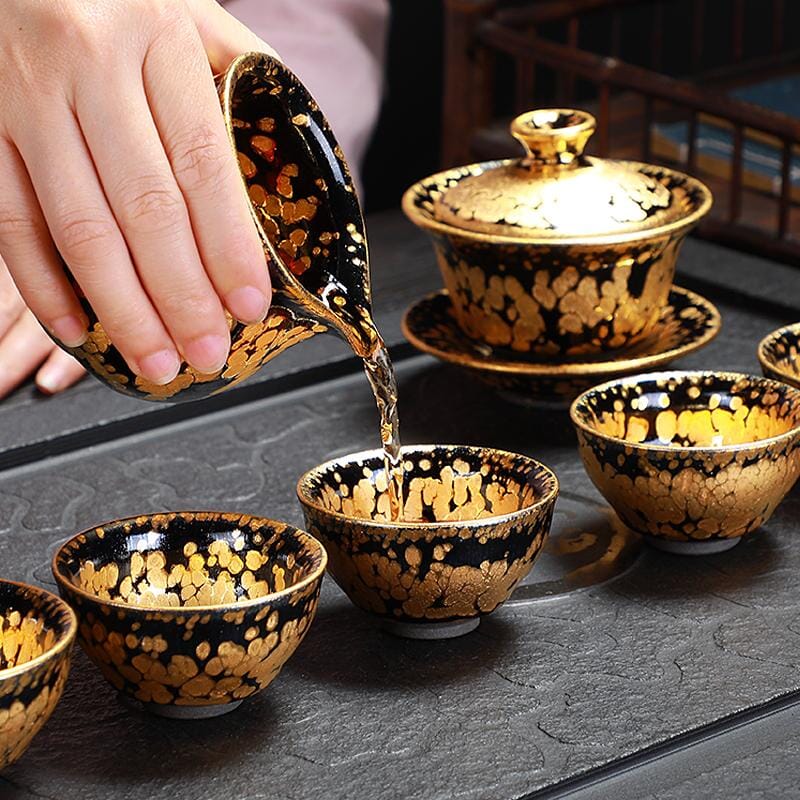
When pouring tea, "seven tenths full" is the appropriate standard of traditional tea pouring norms, and three tenths of space should be specially left in the cup. This norm is the crystallization of wisdom summed up by tea lovers through long-term practice, and it is also an indispensable important criterion in professional tea art etiquette, which is widely used in various tea activities.
Safety Considerations
The temperature of the newly brewed tea soup is quite high. If it is poured too full, it is easy to get scalded when holding the cup, and it is also easy to cause the tea soup to spill and stain clothes or the table. The amount of tea soup that is seven tenths full can effectively reduce these potential risks and provide a safety guarantee for the tea-tasting process, which is also the embodiment of practical tea art skills.
Tasting Experience
Properly leaving space has many benefits for the tasting experience. In terms of smelling fragrance, keeping a certain distance between the tea soup and the cup mouth allows the rich aroma of tea leaves to emit more naturally, making it convenient for guests to carefully smell and taste the layers and charm of the tea fragrance; in terms of color observation, the reserved space enables guests to clearly observe the color changes of the tea soup and feel the clarity and unique charm of the tea soup; in terms of taste, the amount of tea soup that is seven tenths full is just right, allowing guests to better taste the mellow taste of the tea soup in small sips, without causing a taste burden due to too much amount and affecting the taste experience, fully enhancing the professional tea tasting experience.
(2). Regional Differences
In some regions of China, the unique practice of pouring tea quite full is closely tied to the distinctive traditional tea brewing methods and long-established drinking habits. This pouring method, determined by factors such as the characteristics of local tea, traditional brewing utensils, and drinking preferences, vividly reflects the unique characteristics of regional tea art. This practice also vividly embodies the local people's warm and hospitable character. They express their sincere gratitude to their guests through a full cup of tea, conveying a deep sense of hospitality. These fascinating regional variations enrich the cultural heritage of Chinese tea art, allowing people to experience the local customs and cultural charm of different regions during tea tasting, and showcasing the diversity of tea etiquette.
Quick answers for Tenmoku teaware shoppers
Use this guide to connect the article topic with practical buying decisions: what Jianzhan Tenmoku teaware is, who it suits, how to choose a piece, and how to care for it after purchase.
How to use this guide before buying
Read the article first for the main explanation, then compare the product photos, glaze variation, form, seller clarity, return policy, and whether the piece fits daily tea, display, collecting, or gifting.
Common buying mistakes to avoid
Avoid choosing only by dramatic claims, copied photos, unusually low prices, or vague master language. A better decision uses visible product details, clear use case, realistic care needs, and trustworthy shop policies.
Recommended next step
After reading, compare a few real products side by side by size, glaze family, rim shape, capacity, price, and gift suitability instead of relying on one photo or one keyword.
What is Jianzhan Tenmoku teaware?
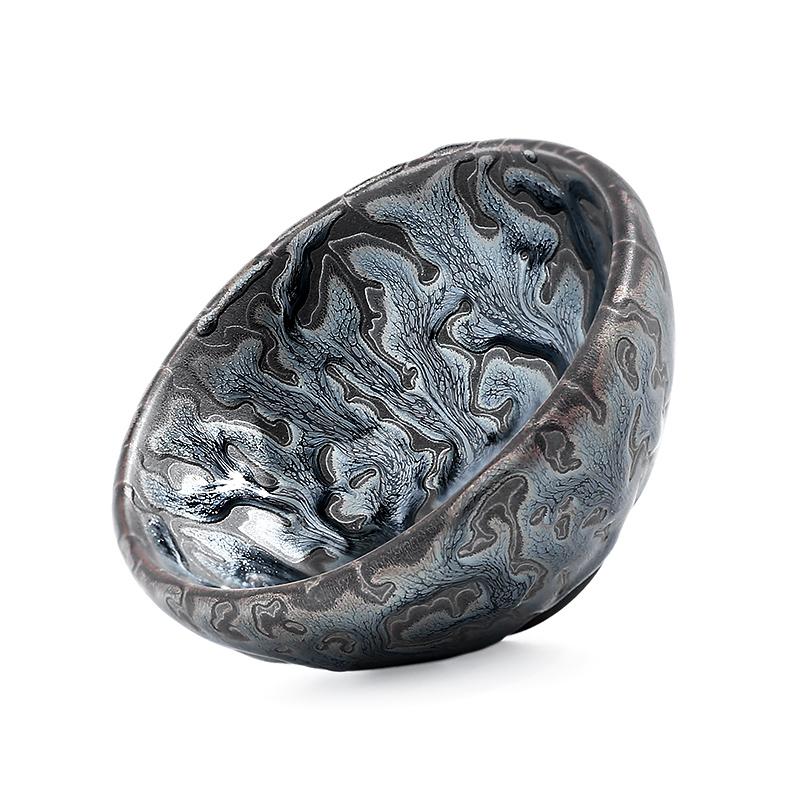
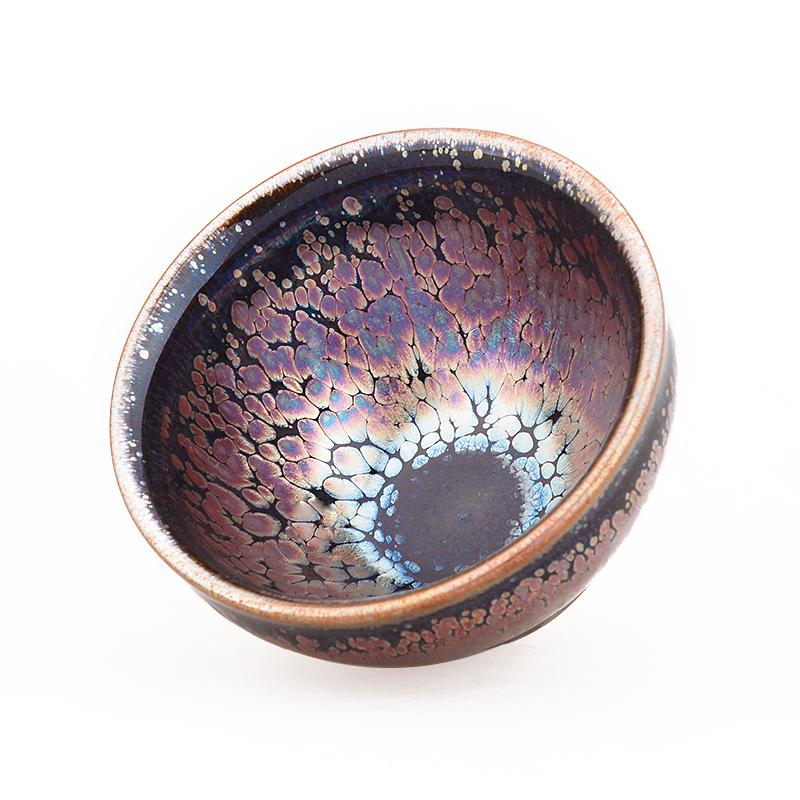
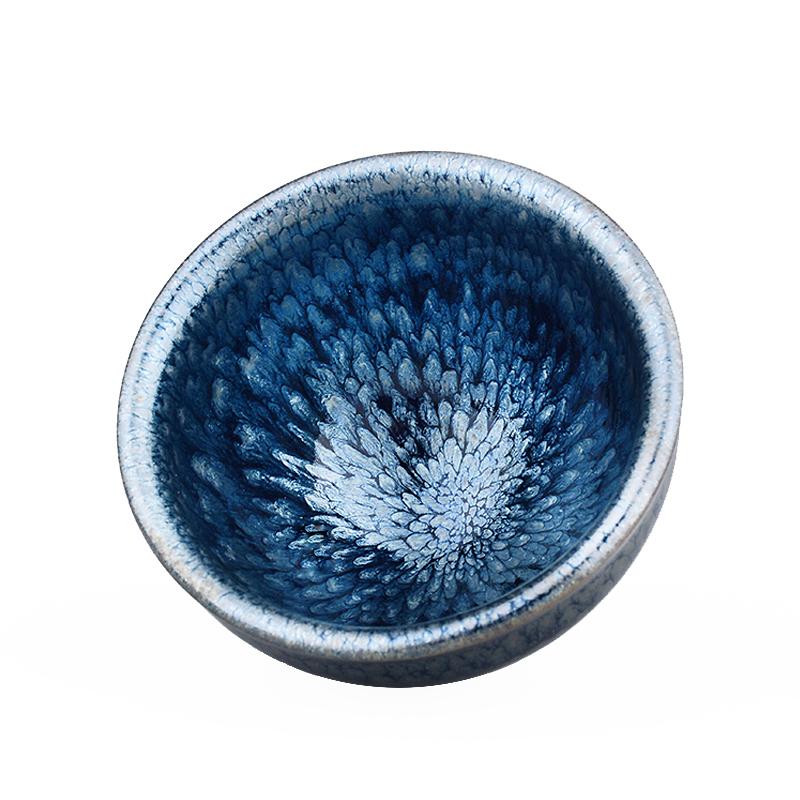
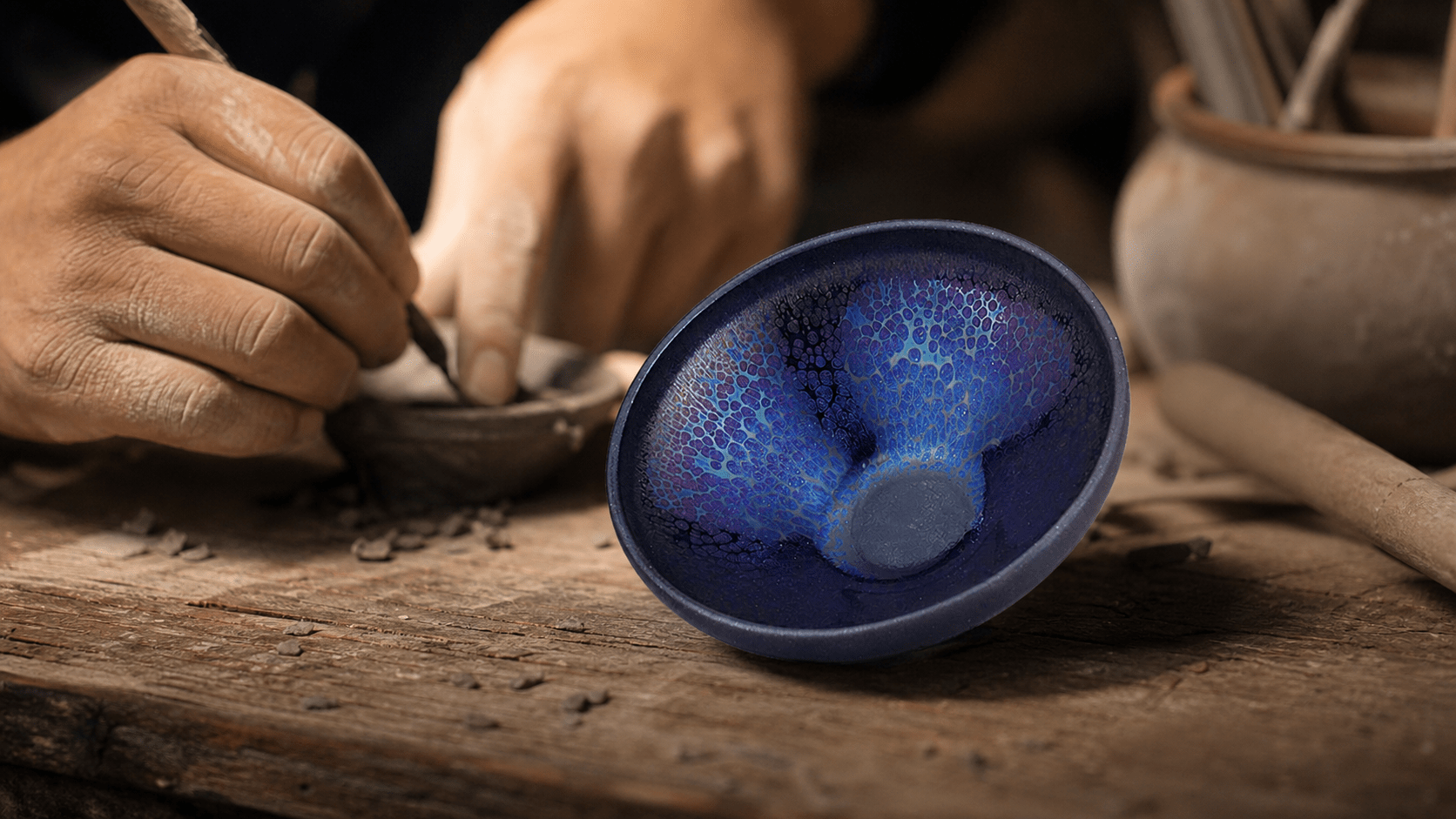
Jianzhan Tenmoku teaware is ceramic tea ware known for dark mineral-glaze effects and natural kiln variation. Common forms include tea cups, bowls, teapots, tea sets, and matcha bowls.
Who is it best for?
It is best for tea drinkers, ceramic collectors, and gift shoppers who value functional objects with visible handmade character. It is not ideal if you need every piece to look exactly identical.
How do I care for it?
Hand wash with warm water, avoid abrasive cleaners, and dry fully before storage. Gentle daily use helps preserve the surface and keeps the glaze easy to inspect over time.
How do I choose the right Tenmoku piece?
Choose by the main use first: daily tea, matcha, Gongfu brewing, display, or gifting. Then compare capacity, rim shape, glaze family, photos, and whether natural variation is acceptable for your needs.
Is Jianzhan Tenmoku teaware good as a gift?
Yes. It works well for tea lovers, ceramic collectors, birthdays, holidays, and housewarming gifts because it is both usable and visually distinctive. For gifts, choose an easy-to-use form and a glaze style with clear photos.
Related products and categories
Compare the guide above with real Tenmokus categories and representative pieces. Start with the use case, then compare glaze style, form, price, and whether the piece is mainly for daily tea, display, collecting, or gifting.
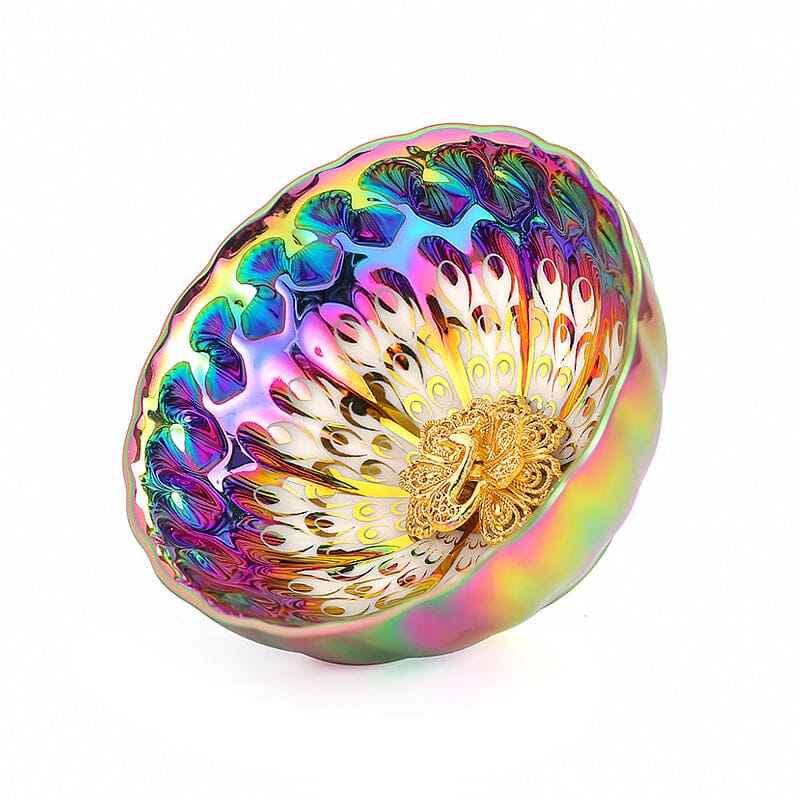
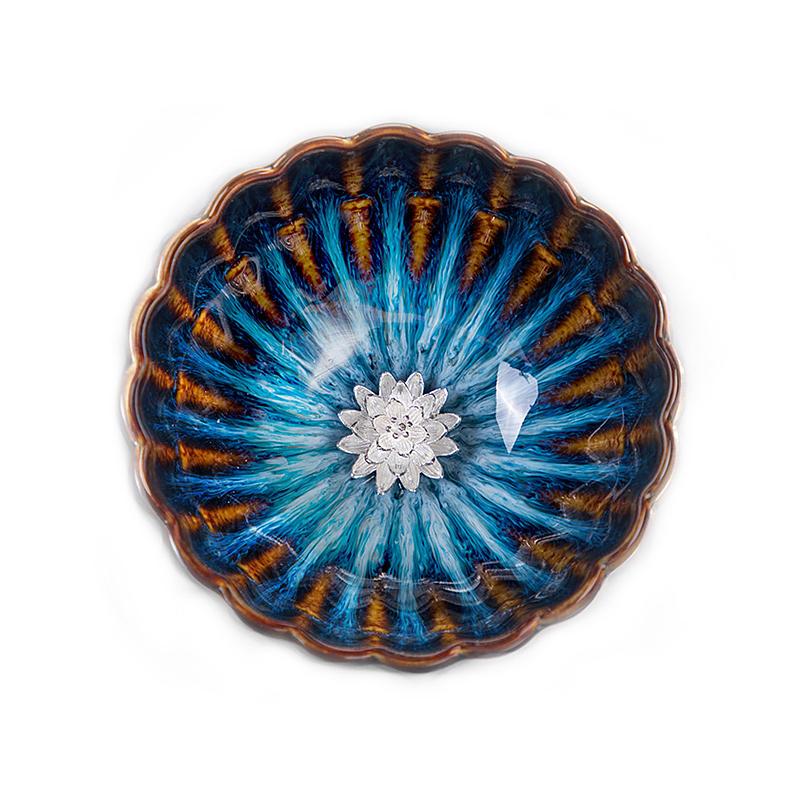
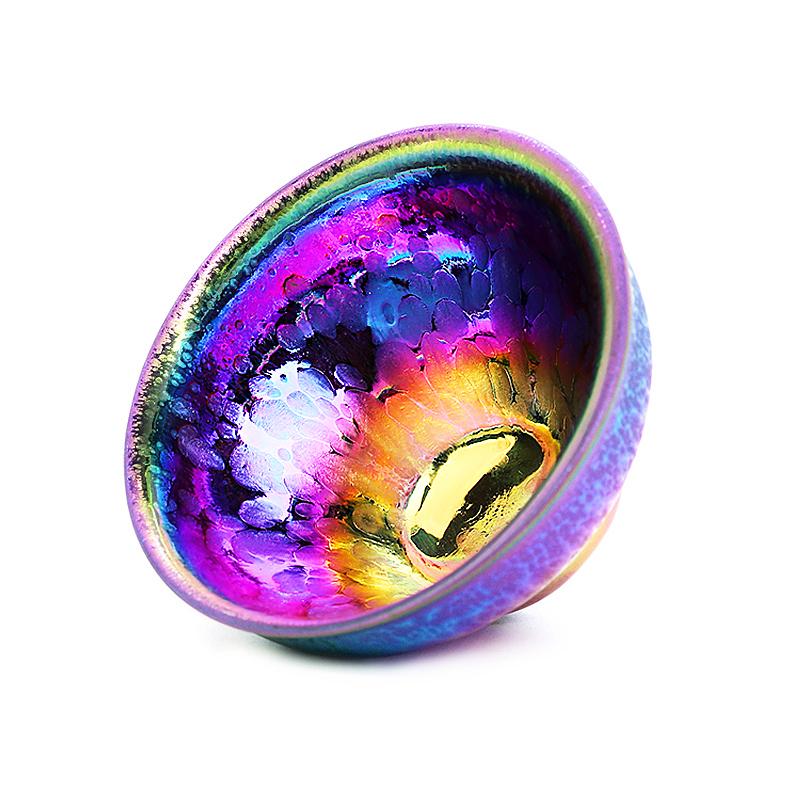
Compare handmade Jianzhan Tenmoku tea cups by glaze style, cup size, hand feel, and gift intent. Check each product page for current photos, capacity, availability, care details, shipping, and return information.
Tenmoku Tea Bowl: Bring Craft and Calm to Every Tea Ritual A tenmoku tea bowl is more than a dark-glazed vessel: it is a handmade tea cup that makes a daily gongfu tea session feel more deliberate and personal. Whether...
Tenmoku Tea Bowl Authenticity Guide: Choose a Better Cup for Gongfu Tea A real tenmoku tea bowl is more than a dark cup with shiny speckles: it is a high-fired ceramic piece whose clay, iron-rich glaze, and kiln atmosphere work...
If you’ve ever wanted to own a tenmoku tea bowl that feels uniquely yours, you’re not alone. These iron-rich glazed wonders from the Song Dynasty have captivated tea lovers for a thousand years—and today, a real jian zhan oil spot...






Deel:
Teaching Guide for Tea Practitioners' Dressing Selection
Teaching Document on Brewing Method of BaoShan Old Tree Raw Pu'er Tea