

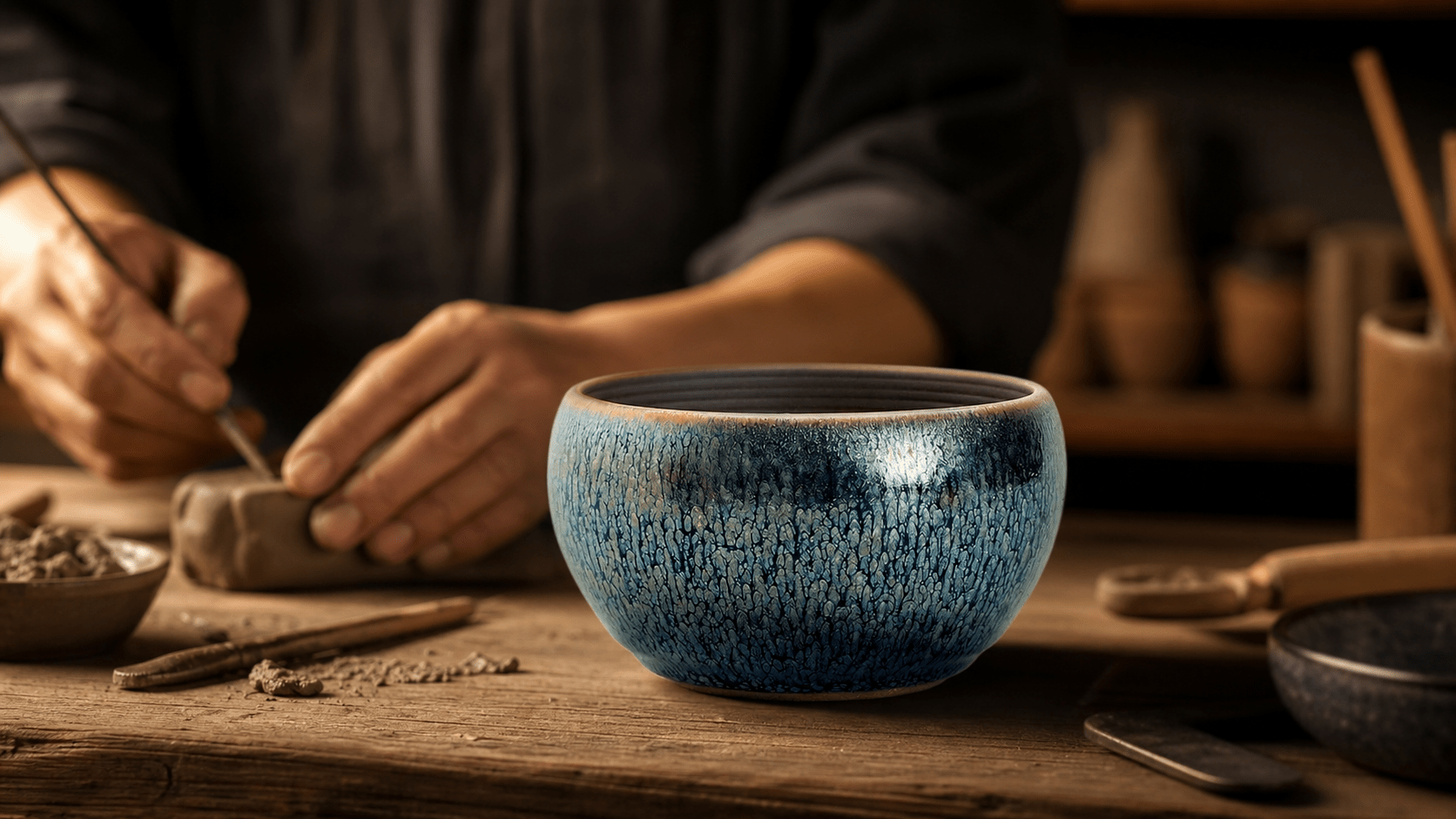

Tenmoku Tea Bowl: A Handmade Cup With History, Beauty, and Meaning
A tenmoku tea bowl is a dark-glazed tea cup, often called Jianzhan, known for dramatic patterns created by fire, minerals, and chance. For gongfu tea, it gives a quiet, tactile way to slow down, appreciate aroma, and turn an everyday tea session into a small ritual.
If you are new to Chinese tea culture, think of a tenmoku bowl like a hand-forged chef’s knife or a studio-made whiskey glass. It is useful, but its deeper value comes from material, craft, history, and the maker’s touch.
Key Takeaways
- A tenmoku tea bowl is traditionally linked to Jian kiln wares from Fujian, China.
- The beauty comes from an iron-rich glaze and high-temperature firing, where kiln change creates unique effects.
- Common patterns include hare's fur, oil spot, and other natural crystalline markings.
- Tenmoku bowls became influential in Japan and Japanese tea culture after monks and tea practitioners admired Chinese Jian ware.
- For buyers, the best jian zhan tea cup is one that fits your hand, tea style, aesthetic taste, and gifting purpose.
What Is a Tenmoku Tea Bowl and Why Does It Feel So Different?
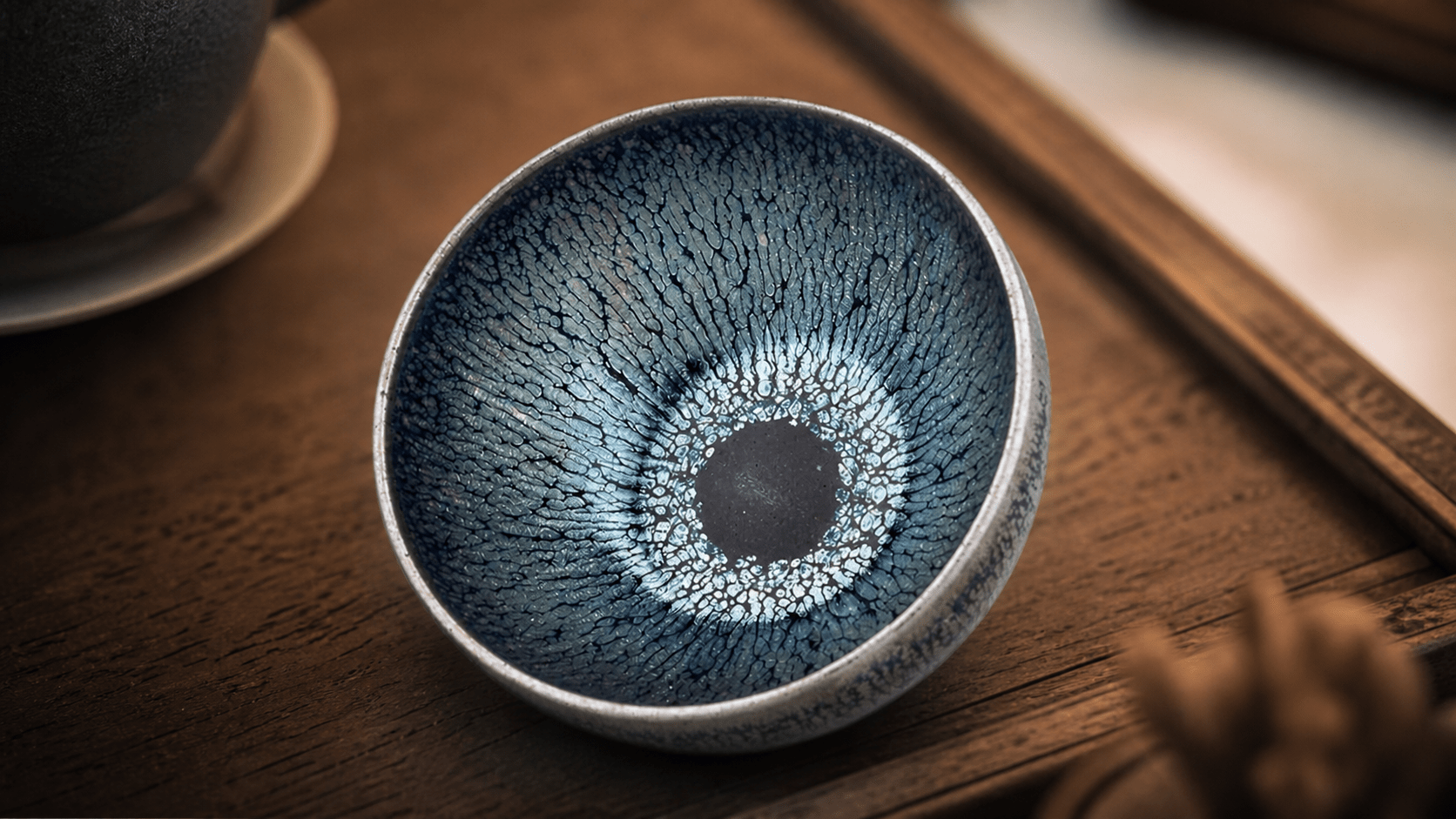
A tenmoku tea bowl is a small tea vessel with a dark, mineral-rich glaze that can reveal silver, bronze, blue, gold, or brown patterns after firing. In China, this tradition is closely connected with Jianzhan, the Jian kiln tea bowls of Fujian.
The word “Tenmoku” became widely known through Japan. Japanese monks and tea people treasured these dark bowls after encountering Chinese tea wares associated with Tianmu Mountain and Song-era tea practice. Over time, “tenmoku” became a familiar term in Japanese ceramics for black and dark-glazed tea bowls with expressive surfaces.
For a US tea drinker, the easiest way to understand it is this: a tenmoku bowl is not designed to be visually perfect like a factory cup. It is designed to feel alive. The glaze may pool, streak, sparkle, or bloom because the firing process allows minerals to move naturally.
That is why no two handmade pieces are exactly the same. A handmade tenmoku tea cup can hold the same tea as a plain ceramic cup, but it changes the mood. It makes the session feel slower, warmer, and more intentional.
How Does Jianzhan History Connect to Song Dynasty Tea Culture?
To understand jian zhan history, start with the Song Dynasty, roughly 960 to 1279. This was a period when tea was not only a drink but also an art form, a social ritual, and a mark of refinement.
During song dynasty tea culture, powdered tea was whisked into a light foam. Dark bowls were prized because they made the pale tea foam easier to see. The contrast helped tea drinkers judge color, texture, and technique.
Jian kiln bowls from Fujian became especially admired. Their dark bodies, thick glaze, and mineral patterns made them both practical and beautiful. A deep black or brown-black surface could highlight the tea while also giving the hand a grounded, substantial feeling.
This is where the fujian tea bowl tradition becomes important. Fujian was not just a production location. It was part of a tea world shaped by mountains, clay, kilns, and skilled hands. The region’s iron-rich materials helped create the visual effects that collectors still admire today.
As tea culture moved across East Asia, these bowls gained attention in Japan. Japanese tea masters later valued tenmoku wares for their quiet power, imperfect beauty, and connection to earlier Chinese tea practice.
So when you hold a tenmoku tea bowl today, you are not just holding a cup. You are holding a form shaped by centuries of tea, fire, and cultural exchange between China, Japan, and the wider tea world.
What Does a Tenmoku Artisan Actually Do?
A tenmoku artisan does much more than shape clay and apply glaze. The craft is a long sequence of decisions, many of which cannot be fully controlled once the bowl enters the kiln.
First, the artisan chooses the clay body. Traditional Jian-style bowls often use clay with a firm, mineral character. The body must hold shape under high heat and work well with the glaze.
Next comes the form. Some bowls are rounded and quiet. Some have a flared lip. Some feel compact and dense, while others feel more open. For gongfu tea, the cup must feel comfortable in the hand and allow aroma to rise naturally.
Then the glaze is prepared. The classic look depends on an iron-rich glaze. Iron behaves dramatically under heat. In the kiln, it can separate, crystallize, streak, or gather into spots. This is where patterns such as hare's fur and oil spot come from.
Finally, the kiln firing begins. This stage is where skill meets uncertainty. Temperature, oxygen level, placement in the kiln, glaze thickness, and firing duration all matter. A small difference can change the final surface.
This process is often described as kiln change. It means the final appearance is transformed by fire in ways that cannot be painted on by hand. The artisan sets the conditions, but the kiln completes the story.
That tension is part of the appeal. A fine bowl feels intentional, but not mechanical. It carries both human judgment and natural surprise.
Why Is the Fujian Tea Bowl Tradition Still Meaningful Today?
The fujian tea bowl tradition matters because it connects a modern tea habit to a place, a material language, and a long craft memory. Fujian is one of China’s most important tea regions, known for tea culture, mountain landscapes, and ceramic traditions tied to daily use.
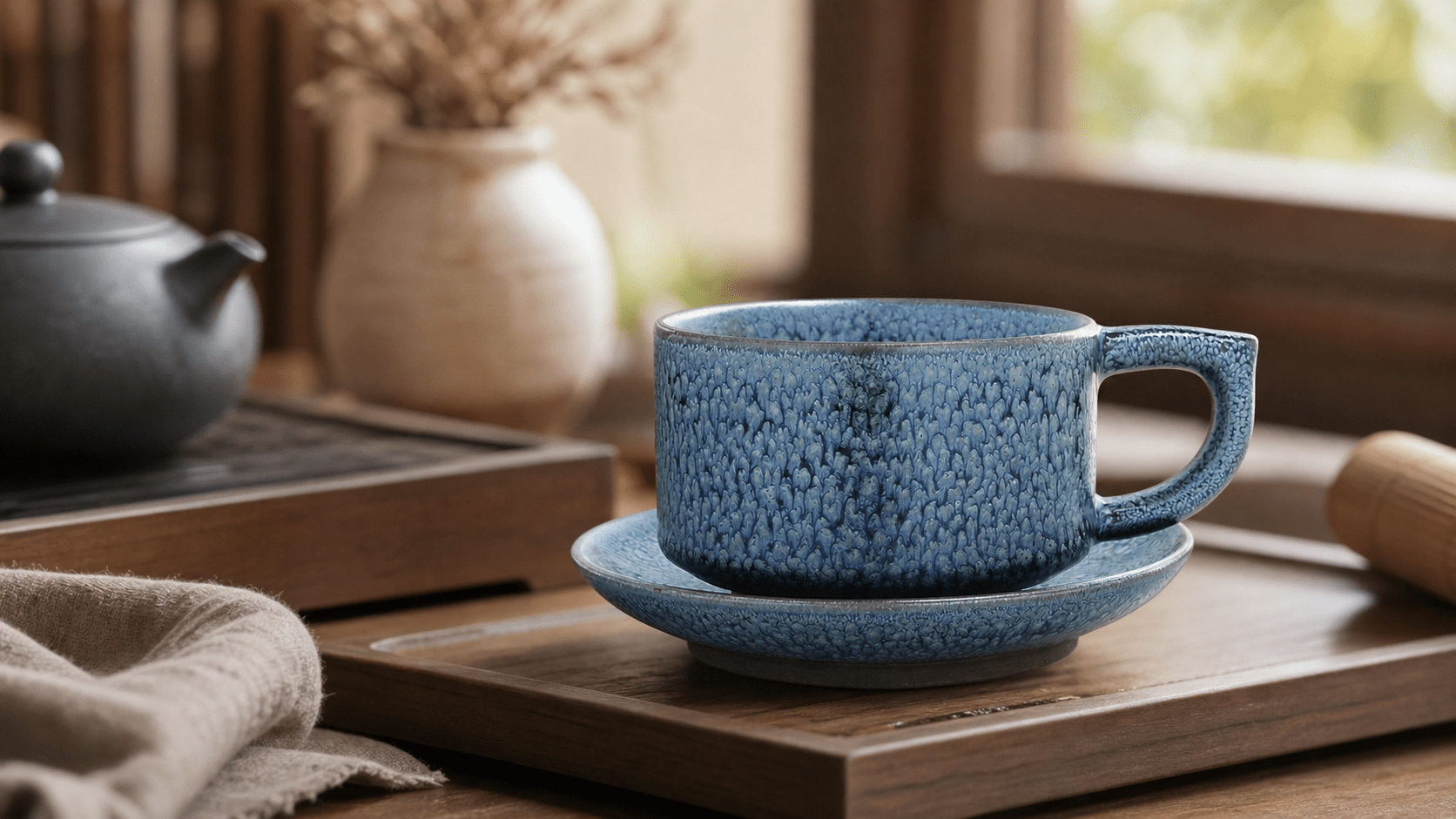
In a modern American home, a tenmoku bowl can sit beside an electric kettle, a walnut tea tray, or a simple kitchen counter. It does not need a museum setting. Its strength is that it brings heritage into daily life.
For curious beginners, the bowl is an easy entry point into Chinese tea without needing to master every term. You can start with one cup, one tea, and a few quiet minutes.
For premium lifestyle buyers, the appeal is different. A handmade bowl has texture, rarity, and emotional weight. It is not loud luxury. It is closer to a well-made leather notebook, a handmade ceramic dinner plate, or a small-batch fragrance. The value is in the details.
This is also why a tenmoku tea bowl makes a strong gift for tea lovers. It is personal, useful, and story-rich. It says, “I chose something with meaning,” without being overly formal.
If you want to browse pieces made for everyday tea sessions and gifting, you can Explore our handmade Jianzhan tea cups.
How Do Hare's Fur and Oil Spot Patterns Form in a Tenmoku Tea Bowl?
The most famous tenmoku surfaces are not painted decorations. They are glaze effects formed during firing.
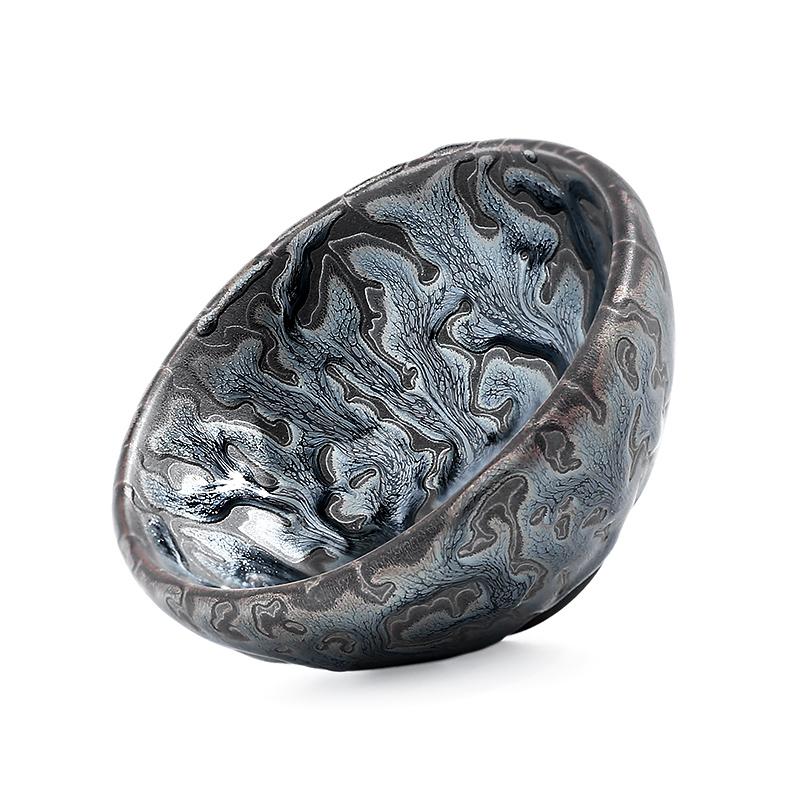
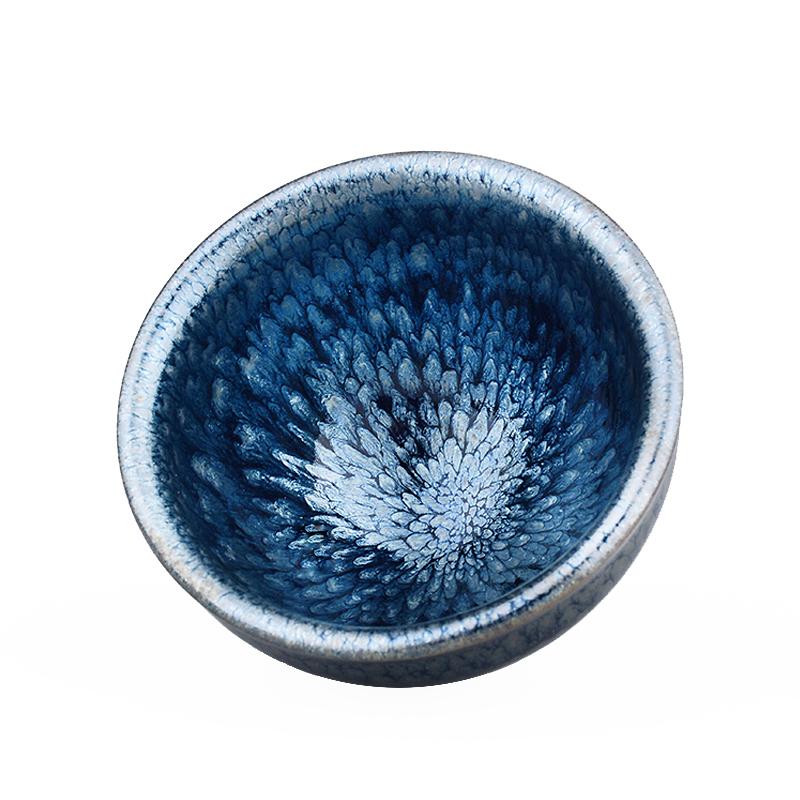
Hare's fur usually appears as fine vertical streaks running down the bowl. The name comes from the resemblance to soft animal fur, though the effect is mineral, not organic. In tea culture, these lines can feel elegant and restrained.
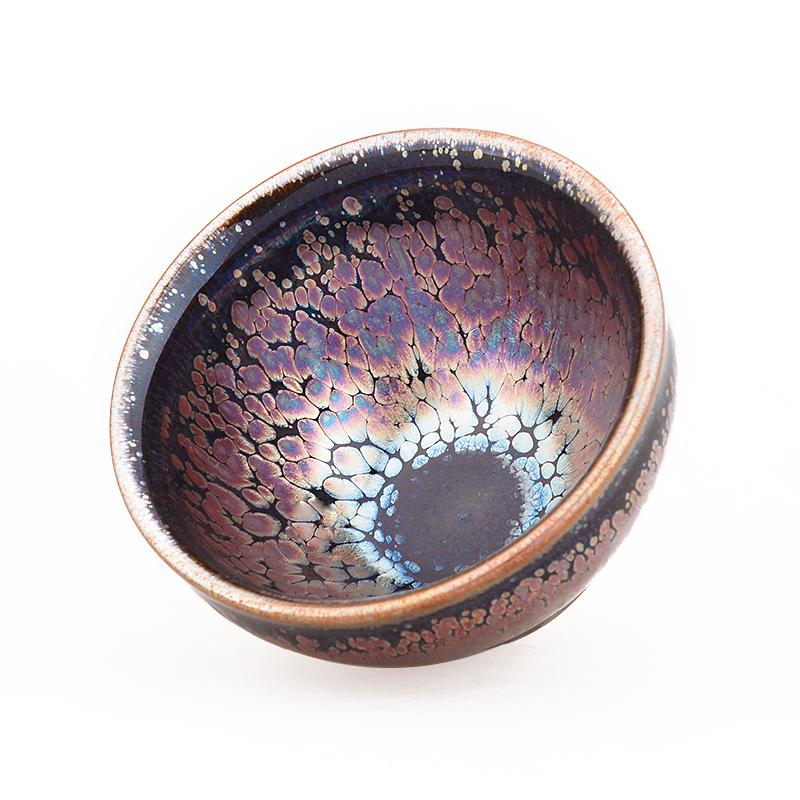
Oil spot patterns appear as round or irregular metallic spots across the dark glaze. A good oil spot tenmoku cup may show silver, bronze, or blue-toned highlights depending on the firing result and light angle.
Both effects come from the behavior of an iron-rich glaze. Under high heat, iron compounds can move, gather, crystallize, or separate. The surface is shaped by chemistry, heat, air, and gravity.
This is why collectors often rotate a cup under natural light. A pattern may look quiet at first, then reveal tiny flashes when tilted. The bowl rewards attention.
For beginners, do not worry about memorizing every glaze category. Start with what you can see and feel:
- Does the surface look natural rather than printed?
- Does the pattern have depth under light?
- Does the bowl feel balanced in your hand?
- Does the glaze suit your tea ritual or gift purpose?
The right bowl is not only the rarest pattern. It is the one you want to reach for again.
What Is the Difference Between a Tenmoku Tea Bowl, Jianzhan, and a Japanese Tenmoku Cup?
The terms can be confusing because they overlap. Here is a simple comparison for US buyers.
| Term | Simple Meaning | Best Way to Understand It |
|---|---|---|
| Jianzhan | Chinese Jian kiln style tea bowl, traditionally linked to Fujian | The historical root and craft tradition behind many tenmoku bowls |
| Tenmoku tea bowl | Dark-glazed tea bowl inspired by Chinese Jian ware and later Japanese tea culture | A broad buyer-friendly term for this style of tea vessel |
| Japanese Tenmoku cup | Japanese interpretation or naming tradition connected to tenmoku glaze | Shows how Chinese ceramic influence traveled into Japan and Japanese tea practice |
| Oil spot tenmoku cup | A tenmoku cup with metallic spot-like glaze effects | A popular visual style for collectors and gift buyers |
If you are shopping, do not get stuck on terminology alone. Look at form, glaze, maker information, and how the bowl will be used.
A collector may care deeply about origin, firing method, and kiln lineage. A tea lover buying a daily cup may care more about comfort, size, warmth, and visual connection.
Both approaches are valid. The key is to buy honestly described pieces and avoid claims that sound too grand to verify.
How Can You Choose the Best Jianzhan Tea Cup for Gongfu Tea?
The best jian zhan tea cup for gongfu tea depends on how you drink tea. Gongfu tea uses smaller servings, repeated infusions, and close attention to aroma, temperature, and mouthfeel.
For beginners, start with a cup that feels comfortable and not too large. A small cup encourages you to sip slowly and notice how the tea changes across infusions.
For oolong, black tea, roasted tea, and aged tea, a tenmoku bowl can feel especially fitting. The dark glaze visually supports warm tea colors, while the weight of the cup adds a sense of calm.
When choosing a bowl, consider these points:
- Size: Smaller cups work well for gongfu tea; larger bowls may suit matcha-style or display use.
- Shape: A slightly open rim can help aroma rise.
- Weight: A heavier cup feels grounded, but it should not feel awkward.
- Glaze: Choose hare's fur for quiet elegance or oil spot for more visual drama.
- Gift value: A handmade tenmoku tea cup with a strong story makes a thoughtful gift for tea lovers.
If the piece is for a premium gift, choose a bowl with a balanced shape, clear glaze character, and simple presentation. Avoid overly exaggerated claims. The craft should speak through the object.
For a curated starting point, you can Shop authentic Tenmoku tea bowls.
Why Does a Handmade Tenmoku Tea Cup Make a Meaningful Gift for Tea Lovers?
A tea gift works best when it feels personal but remains practical. A handmade tenmoku tea cup does both.
It is useful because the recipient can drink tea from it. It is meaningful because the bowl carries a story of jian zhan history, Fujian craft, Song Dynasty tea aesthetics, and the unpredictable beauty of kiln change.
For a US buyer, this matters because many gifts feel disposable. A tenmoku tea bowl feels different. It can become part of someone’s morning routine, desk ritual, weekend tea session, or quiet evening reset.
It also suits many gift occasions:
- Birthday gifts for tea lovers
- Holiday gifts for people who enjoy slow living
- Housewarming gifts for design-conscious friends
- Anniversary gifts for someone who values handmade objects
- Personal rewards for building a better tea ritual
The bowl does not need to be explained with a long lecture. A short note is enough: “This cup is inspired by Jian ware, a dark-glazed tea bowl tradition from Fujian connected to Song Dynasty tea culture.”
That one sentence gives the gift context without making it feel heavy.
What Should Buyers Watch Out for Before Buying a Tenmoku Tea Bowl?
Buyers should be careful with vague or inflated product claims. A beautiful bowl does not need fake history, fake master titles, or impossible promises.
Look for clear descriptions of the glaze style, approximate size, use case, and whether the piece is handmade. If a seller claims rare museum-level value, famous lineage, or special certification, those claims should be supported.
Also remember that handmade ceramics can have natural variation. Slight differences in pattern, tone, and glaze flow are normal. That is part of the appeal.
For tea use, check whether the cup is intended for drinking, not only display. A usable cup should feel stable, have a comfortable rim, and be easy to rinse after tea.
For gifting, choose a piece that matches the recipient’s style. Some people love dramatic oil spot patterns. Others prefer the quieter movement of hare's fur. Premium does not always mean flashy.
FAQ: Tenmoku Tea Bowl Questions for Beginners and Buyers
What is the jian zhan history behind a tenmoku tea bowl?
Jian zhan history begins with Jian kiln tea bowls from Fujian, China, especially admired during the Song Dynasty. These dark-glazed bowls were valued for powdered tea practice because the dark surface made pale tea foam easier to see. Over time, their influence traveled to Japan and became part of the broader tenmoku ceramic tradition.
How did song dynasty tea culture influence the tenmoku tea bowl?
Song dynasty tea culture emphasized whisked tea, visual appreciation, and refined tea competitions. Dark bowls helped highlight tea foam, while iron-rich glaze patterns added beauty and status. This practical and aesthetic role helped make Jian-style bowls highly respected.
What should I look for in a handmade tenmoku tea cup?
Look for a comfortable shape, balanced weight, clear glaze character, and honest product information. A handmade tenmoku tea cup should feel good in the hand and show natural glaze movement rather than a printed or artificial pattern.
Is an oil spot tenmoku cup good for gongfu tea?
Yes, an oil spot tenmoku cup can be excellent for gongfu tea if the size and shape fit your drinking style. The metallic spots create visual interest, while the small cup format supports slow sipping through multiple infusions.
What is the difference between hare's fur and oil spot glaze?
Hare's fur usually appears as fine streaks running down the glaze, while oil spot appears as metallic dots or clusters. Both effects come from iron-rich glaze and kiln change during high-temperature firing.
How is the fujian tea bowl tradition connected to Japan and Japanese tea culture?
Fujian Jian ware influenced tea culture beyond China. Japanese monks and tea practitioners admired these bowls, and the term tenmoku became widely used in Japan for dark-glazed tea bowls connected to Chinese ceramic influence.
What makes the best jian zhan tea cup for a gift?
The best jian zhan tea cup for a gift has a comfortable form, attractive glaze, clear story, and practical size. For most tea lovers, a well-balanced handmade cup with either oil spot or hare's fur glaze is a meaningful and usable choice.
Conclusion: A Small Bowl With a Long Story
A tenmoku tea bowl is more than a dark ceramic cup. It is a meeting point of Fujian clay, Song Dynasty tea culture, Japanese appreciation, artisan skill, and the unpredictable beauty of fire.
For beginners, it offers an approachable way to make tea feel more intentional. For premium lifestyle buyers, it offers craft, heritage, and quiet visual depth. For gift buyers, it carries a story without becoming impractical.
If you are choosing your first piece, start with the bowl you would actually use. Let the glaze catch the light. Let the weight settle into your hand. Then let the tea do the rest.
Featured image alt text options: authentic jian zhan tenmoku tea bowl oil spot glaze; japanese tenmoku cup with hare's fur pattern.
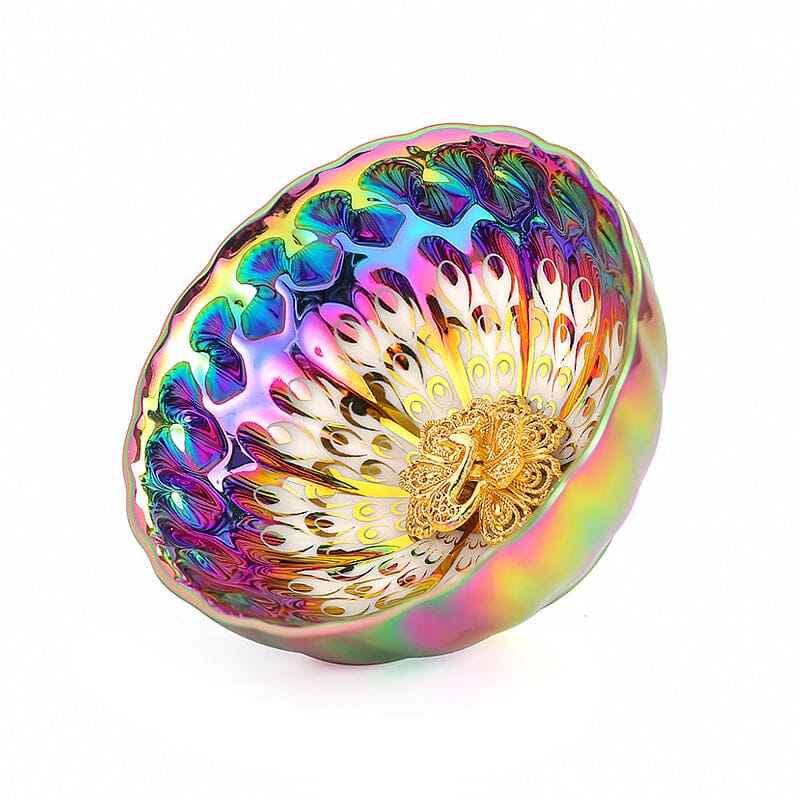
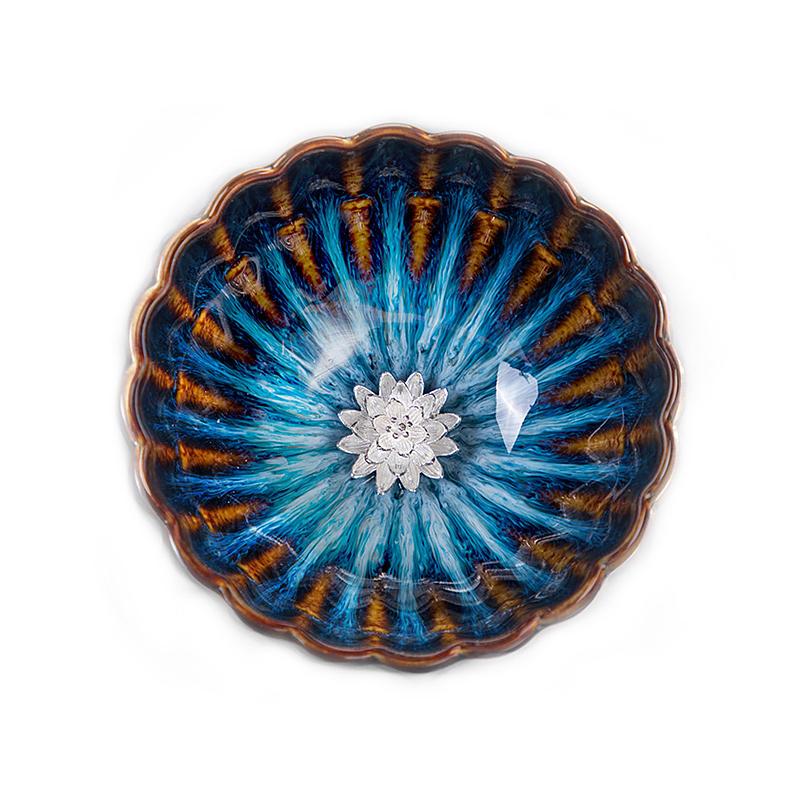
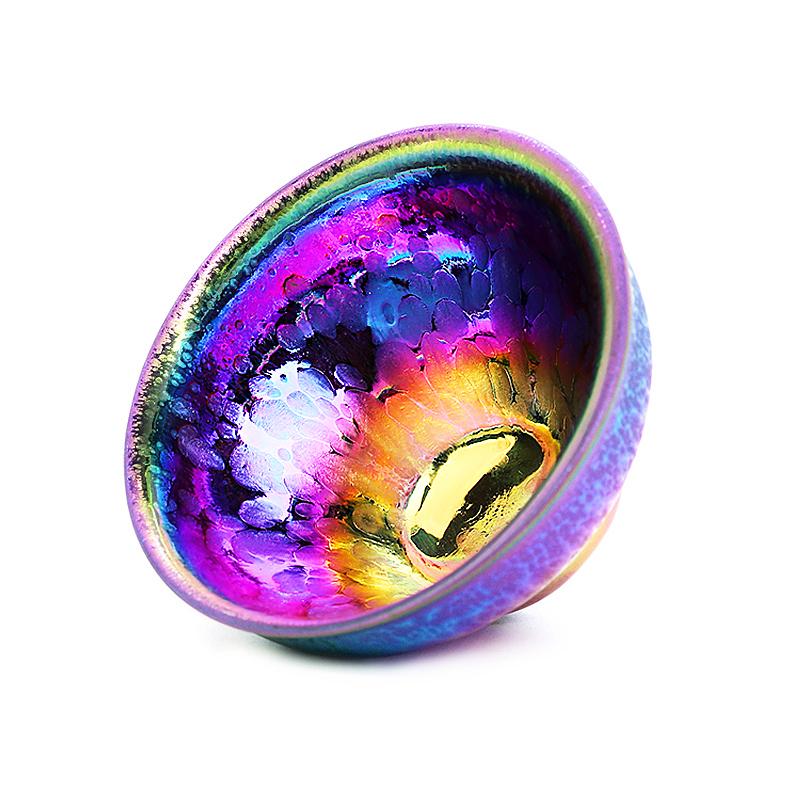
Explore Our Collection
Ready to experience the world of tenmoku tea bowl? Browse our curated collection:
Disclaimer: This article is for informational purposes. Products and pricing subject to change.


Deel:
How to Identify Real vs Fake Tenmoku Tea Bowl: A Jian Zhan Buyer’s Guide for US Tea Lovers
Jian Zhan vs Japanese Tenmoku Tea Bowl: Which Offers the Best Value for Gongfu Tea?