

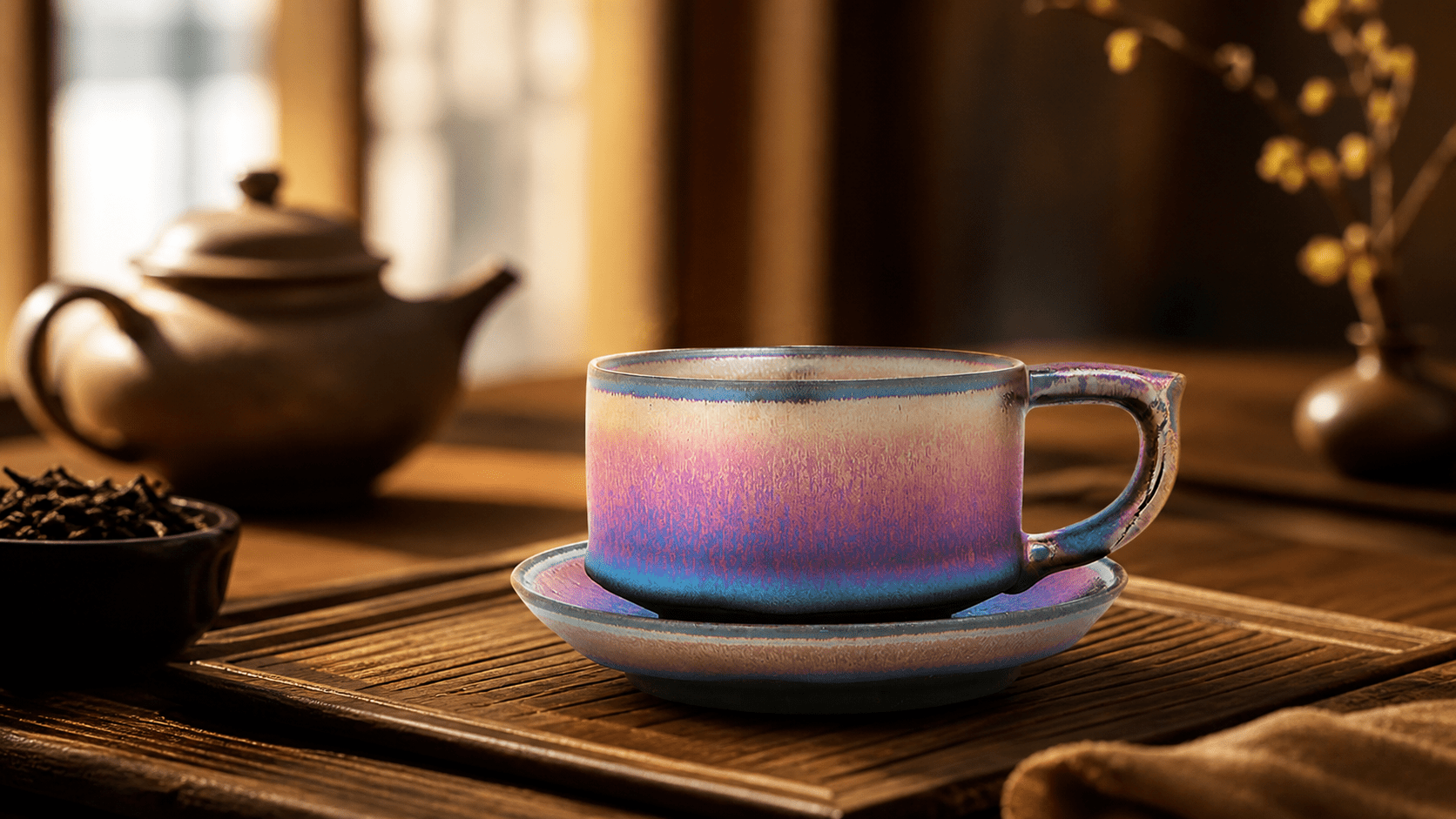

Jianzhan vs Japanese Tenmoku Tea Bowl: Which Offers the Best Value for Gongfu Tea?
If you’re diving into gongfu tea ceremony and seeking the perfect tenmoku tea bowl, you’ve likely encountered two alluring paths: the ancient Chinese Jianzhan (Jianzhan) from Fujian, and Japanese tenmoku pottery inspired by it. I’ve been collecting and using both for over a decade, and I’m often asked which is truly worth your money—especially when the price of a handmade tenmoku tea cup can vary from $30 to over $500. This direct, no-fluff comparison will help you decide based on glaze, craftsmanship, daily use, and, yes, the jian zhan cost versus perceived mystique.
Here’s the short answer: an authentic handmade Jianzhan from the Jianyang region of Fujian delivers the best value for most tea lovers. It gives you genuine Song Dynasty glaze chemistry, a rich tactile experience, and unparalleled beauty—often at a more honest tenmoku tea bowl price than many Japanese studio pieces. But there’s nuance, and I’ll walk you through it all.
Key Takeaways
- Jianzhan originated in Fujian, China, during the Song Dynasty and uses iron-rich clay and natural ash glazes; Japanese tenmoku evolved from these bowls and often focuses on refined kiln control.
- The best value jian zhan offers vivid hare’s fur or oil spot patterns at $50–$150, while an equivalent Japanese oil spot tenmoku cup can start at $200+.
- If you prize authenticity, wild kiln-change effects, and a direct link to gongfu tea history, go with a handmade jian zhan tea cup.
- If you favor a more controlled aesthetic, lighter body, and a connection to Japanese pottery lineages, a Japanese tenmoku may be worth the premium.
What Exactly Is a Tenmoku Tea Bowl — and How Is Jianzhan Different from Japanese Pottery?
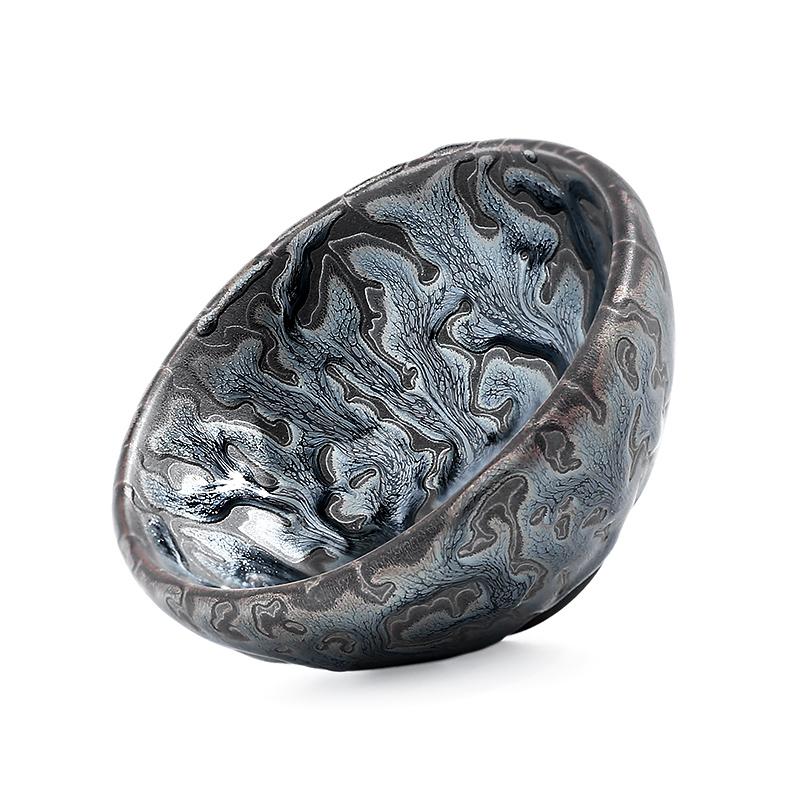
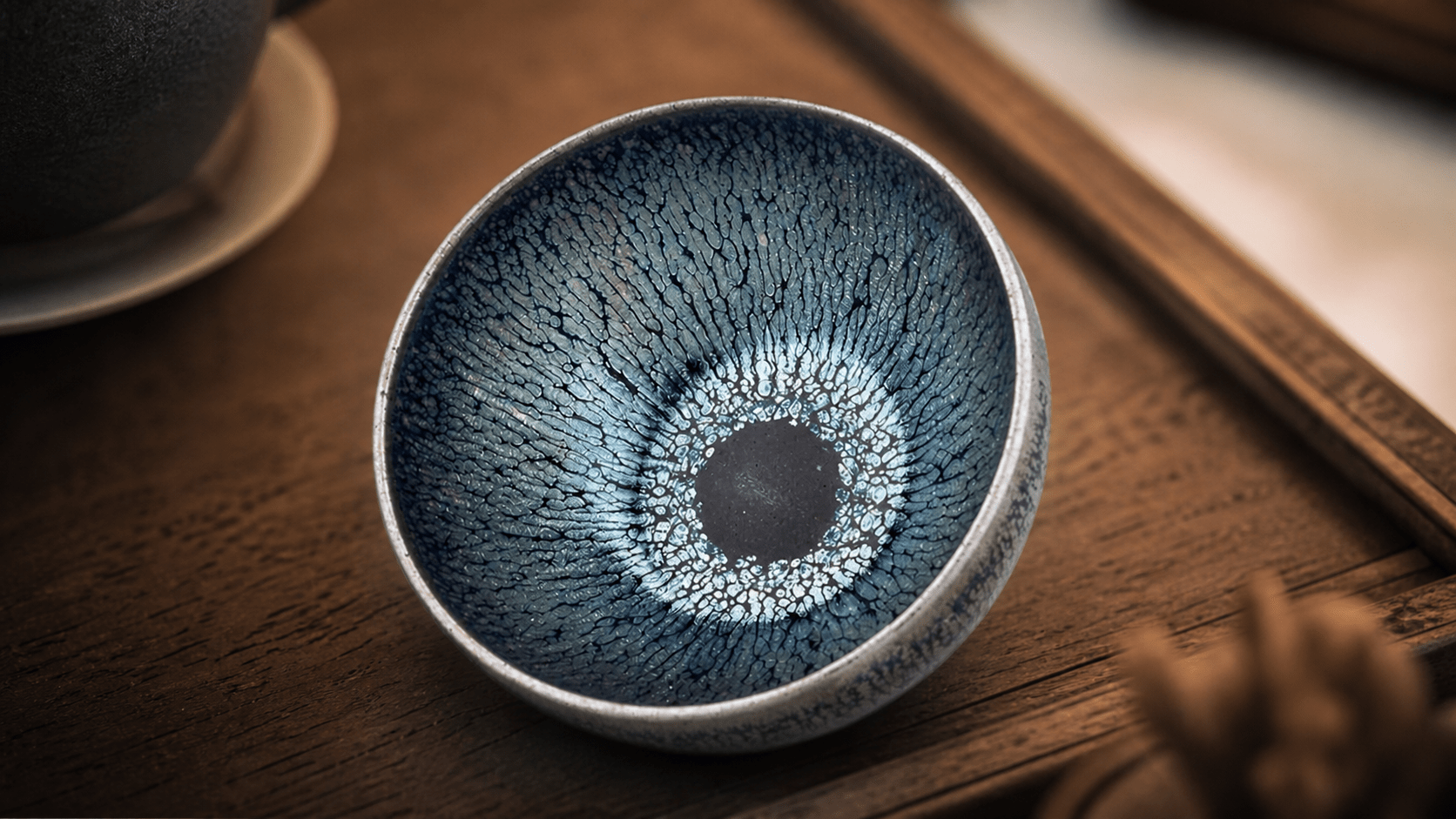
Simply put, a tenmoku tea bowl is a dark-glazed stoneware cup born in China’s Jian kilns (Jianzhan) and later adopted and adapted by Japanese potters. In the Song Dynasty, Buddhist monks from Japan visited temples in Fujian and brought these bowls back, calling them “tenmoku” after Mount Tianmu. The original Jianzhan is defined by its iron-heavy black body, thick pooling glazes, and the mesmerizing crystalline patterns that form spontaneously in the kiln—hare’s fur, oil spot, and the rare yohen (kiln-change) effects.
Japanese tenmoku pottery, on the other hand, evolved along a parallel track. While early Japanese pieces faithfully copied the Chinese originals, modern Japanese tenmoku often uses refined porcelain or lighter stoneware bodies, smoother glazes, and a more curated aesthetic. They’re beautiful, but for me, they rarely capture the raw, almost alive energy of a true Fujian jianzhan pulled from a dragon kiln. When you hold a classic hare’s fur Jianzhan, you feel the 1,300°C fire that birthed it; many Japanese tenmoku bowls feel, by contrast, more like an elegant painting than a force of nature.
Jianzhan vs Japanese Tenmoku: Which Offers the Best Value for Gongfu Tea?
Let’s talk numbers and everyday use. For the same tenmoku tea bowl price range—say $80 to $120—a handmade jian zhan tea cup from a workshop in Shuiji or Nanshan usually flaunts a livelier glaze, more dramatic hare’s fur streaks, and a thicker, heat-retaining iron body that’s perfect for gongfu tea. A comparably priced Japanese tenmoku tea bowl might have a more even, polished oil spot pattern, but the bowl will often be thinner, lighter, and fired in an electric or gas kiln with fewer wild variables. I’ve tested both with high-mountain oolong tea, and the Jianzhan consistently rounds out the tea’s mouthfeel because the porous clay oxidizes and softens the water subtly over time.
The table below sums up the key differences when you’re shopping for the best value jian zhan versus an authentic Japanese piece:
| Feature | Chinese Jianzhan (Fujian) | Japanese Tenmoku |
|---|---|---|
| Clay body | Iron-rich dark stoneware, dense and heat-retentive | Often lighter stoneware or porcelain, smoother surface |
| Firing method | Wood or charcoal dragon kiln, heavy reduction atmosphere | Gas, electric, or traditional climbing kiln; more controlled |
| Glaze character | Thick, pooling, spontaneous hare’s fur/oil spot/yohen | Even, refined, deliberate patterns; less dramatic pooling |
| Price entry (handmade, high-quality glaze) | $50–$150 for a remarkable piece | $100–$300 for similar visual complexity |
| Best tea match | Oolong tea, raw pu-erh, aged white tea | Matcha, sencha, lighter oolongs |
| Cultural vibe | Raw, historic, true Song Dynasty spirit | Refined, meditative, wabi-sabi elegance |
In my experience, the jian zhan cost is almost always more justified for a daily gongfu tea practice. You get a conversation-starting, tea-softening workhorse. A high-end Japanese tenmoku can feel more like a display treasure—stunning but less willing to clink around a busy tea tray.
Why Is Tenmoku So Expensive? Breaking Down Jianzhan Cost Factors
This is the question I hear most: why tenmoku is expensive—especially when you see a small cup selling for $300. The answer lies in failure rate and skill. A genuine Jianzhan is fired at over 1,300°C with raw, iron-heavy clay that warps, cracks, or fuses to the kiln shelf in nearly 60% of attempts. Achieving a crisp hare’s fur or a well-defined oil spot tenmoku cup isn’t a matter of painting—the iron crystals must segregate perfectly as the glaze cools, and even a five-second difference in reduction timing can ruin a whole batch. The master potter’s experience, the wild dragon kiln, and the natural materials all push the jian zhan cost higher, but they also guarantee that no two cups are alike.
Japanese tenmoku is expensive for different reasons: meticulous studio practice, brand lineage, and sometimes the use of imported or reconstructed glazes. But in my eyes, you’re paying more for artistry and tradition than for the alchemical risk that makes a Fujian jianzhan so thrilling. If you’re wondering whether to stretch your budget, a $120 handmade Jianzhan with a vibrant hare’s fur often outperforms a $250 Japanese piece in pure tea-enhancing character—and that’s exactly why I keep landing on the best value jian zhan for my own collection.
Oil Spot Tenmoku Cup vs Hare’s Fur: Which Glaze Complements Your Oolong Tea?
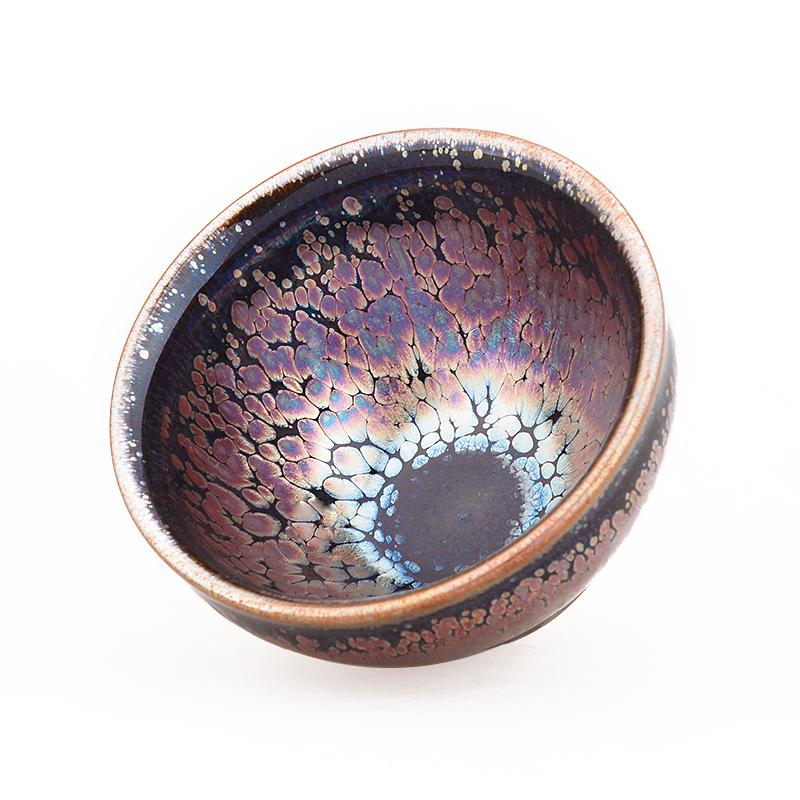
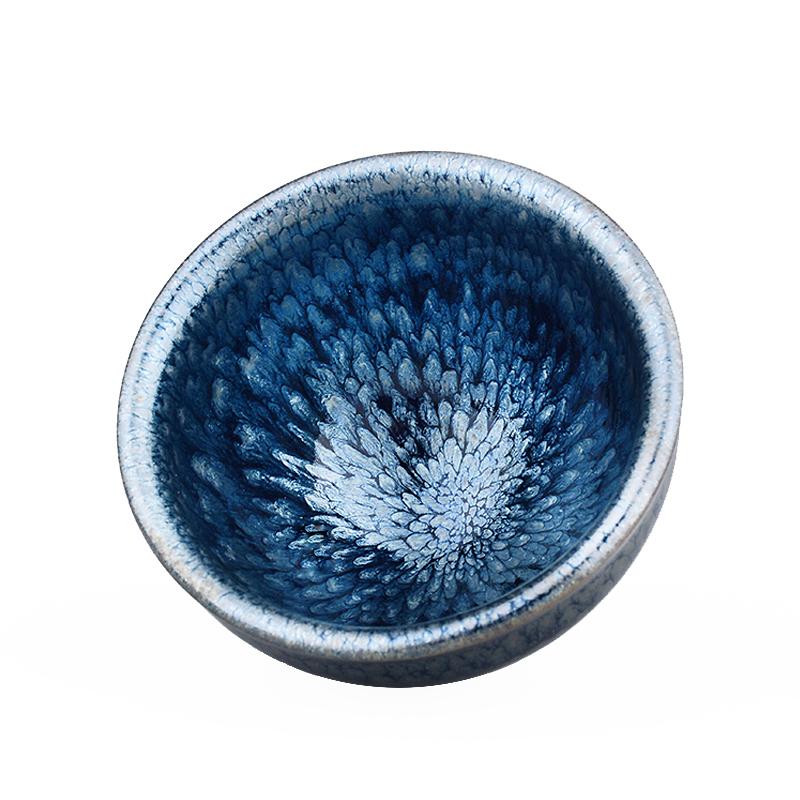
Within the world of Jianzhan, the two most common patterns spark their own debate. Oil spot tenmoku cup glazes resemble tiny metallic or silvery dots suspended in deep black, like a galaxy captured in ceramic. Hare’s fur features fine, feathery streaks that shimmer from amber to blue-silver as you rotate the bowl under light. Both are traditionally produced in Fujian, and both enhance the tea ceremony experience immensely—but they interact with tea liquor differently.
I’ve found that hare’s fur bowls tend to make the tea color dance, creating a visual depth that particularly suits golden oolong tea. The streaks break up the light on the dark background, making the tea look richer. Oil spot bowls, conversely, create a starry contrast that heightens the appreciation of lighter jade-green teas. Neither affects flavor directly, but the psychological focus they provide can absolutely change your tasting experience. When choosing a handmade tenmoku tea cup as a gift for tea lovers, I usually lean toward oil spot for its instant “wow factor,” while hare’s fur is for the purist who prizes subtlety and heritage.
Handmade Jianzhan Tea Cups as a Gift: What Makes Them Perfect for Tea Lovers?
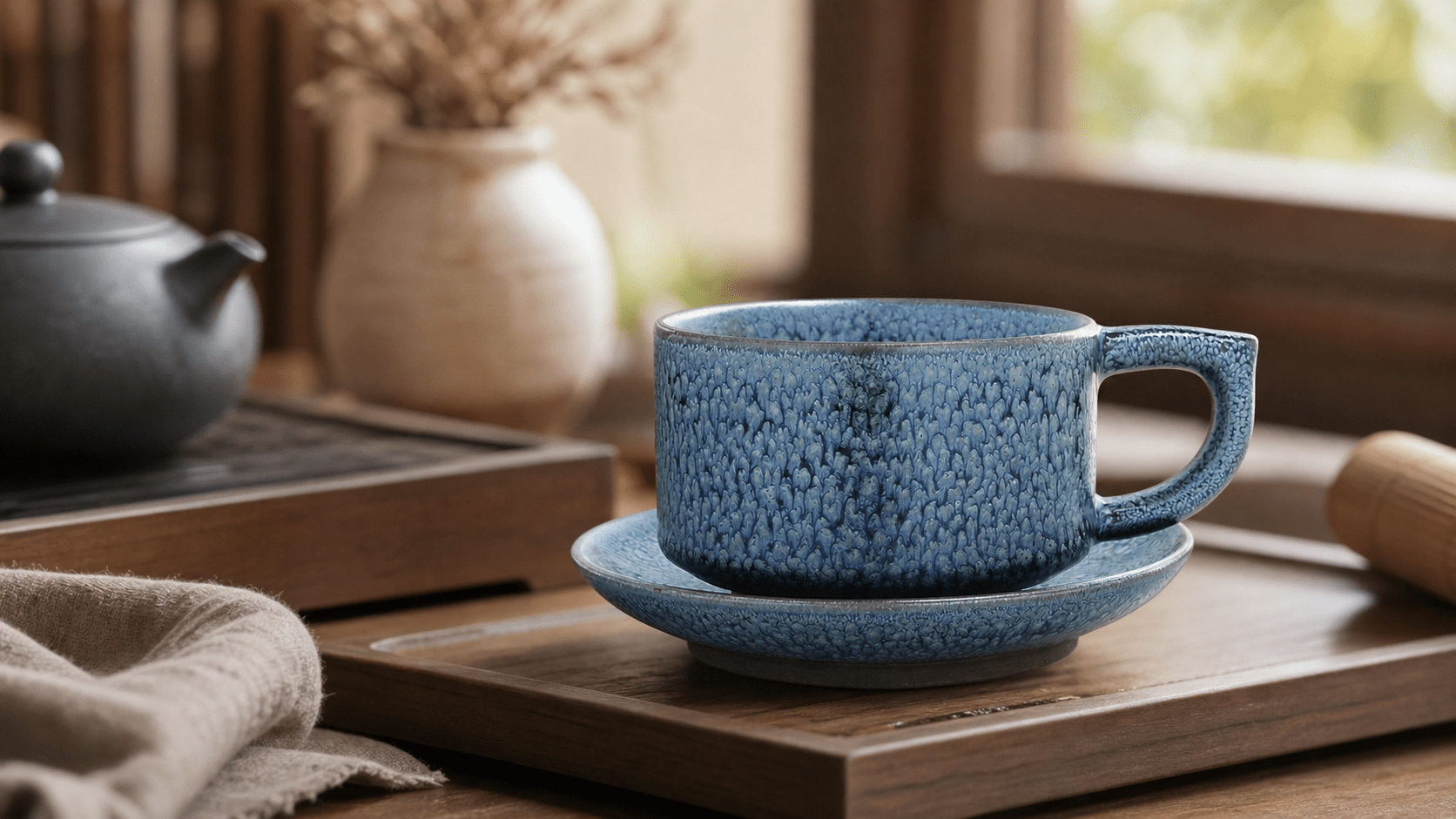
If you’re hunting a gift for tea lovers, a handmade jian zhan tea cup from Fujian checks every box: uniqueness, practicality, and a backstory that spans a thousand years. Because no two kiln-change glazes can be replicated, giving a Jianzhan is like gifting a snowflake. I always recommend including a short card explaining that the cup was fired in a wood-burning dragon kiln in Fujian and that its hare’s fur or oil spot pattern is a direct descendant of Song Dynasty artistry. That narrative transforms a cup into a conversation piece. And unlike fragile porcelain, the thick, iron-rich body stands up to daily use, making it a gift that won’t gather dust.
Who Should Buy a Jianzhan, and Who Should Choose a Japanese Tenmoku?
- Choose a handmade Fujian Jianzhan if: you brew gongfu tea daily with oolong or pu-erh, you want the most character for your money, you prize historical authenticity, or you’re buying a memorable gift for tea lovers with a story to tell.
- Choose a Japanese tenmoku if: you primarily drink matcha or sencha, you appreciate the refined, predictable beauty of studio pottery, or you’re drawn to the contemplative wabi-sabi philosophy and don’t mind paying a premium for a name lineage.
That said, many of my friends start with a $70 hare’s fur Jianzhan, fall in love, and later add a Japanese piece for variety. The journey is yours.
FAQ: Tenmoku Tea Bowl Questions Answered by a Collector
What is the difference between a tenmoku tea bowl and a regular tea cup?
A tenmoku tea bowl is defined by its dark iron glaze, crystalline patterns (hare’s fur, oil spot), and thick stoneware body designed to enhance tea temperature and visual contrast. Regular porcelain cups lack the iron-rich clay and spontaneous glaze effects.
Why are tenmoku tea bowls so expensive?
High failure rates in wood-firing, the skill required to control iron crystallization at 1300°C, and the use of rare natural materials drive up the tenmoku tea bowl price. A true jian zhan cost reflects the fact that more than half of a kiln load may be discarded.
How do I choose between a hare’s fur and an oil spot tenmoku glaze?
Choose hare’s fur if you want a subtle, flowing elegance that works beautifully with darker oolong tea; choose an oil spot tenmoku cup if you love bold, metallic speckles and a dramatic backdrop for lighter teas. Both are classic and equally functional.
Is a Japanese tenmoku bowl as good as a Chinese Jianzhan?
Yes, for certain aesthetics and teas. Japanese tenmoku focuses on controlled perfection and delicate beauty, while Jianzhan emphasizes raw, unpredictable kiln magic. For gongfu tea, I find Jianzhan better value; for matcha, a Japanese bowl is ideal.
Can I use a tenmoku tea bowl for everyday tea or just ceremonies?
Absolutely. I use my handmade Jianzhan daily. The durable iron body and dense glaze hold up to frequent rinsing and pouring; just avoid sudden temperature shocks. They actually improve with regular use, developing a richer patina over time.
What is the best value jian zhan for a beginner?
Look for a handmade jian zhan tea cup in the $50–$100 range from a trusted studio in Fujian, with a well-defined hare’s fur or oil spot glaze. Avoid pieces that look painted or too perfect—real kiln-change effects are never identical. Shop authentic Tenmoku tea bowls to find pieces with genuine dragon kiln character.
Final Thoughts: Your Next Cup Should Tell a Story
Whether you end up with a fierce Fujian jianzhan or a serene Japanese tenmoku, the right cup will deepen every tea ceremony. I always urge buyers to hold out for a piece that makes them pause when they first unwrap it—the sparkle of an oil spot, the silk of hare’s fur, or the warmth of the clay. If you want to start that journey with a bowl that balances history, performance, and honest price, Discover our collection of oil spot tenmoku cups or explore our full range of handmade jian zhan tea cups. Every piece is a one-of-a-kind bridge to a thousand-year-old tradition, ready for your gongfu table.
Explore Our Collection
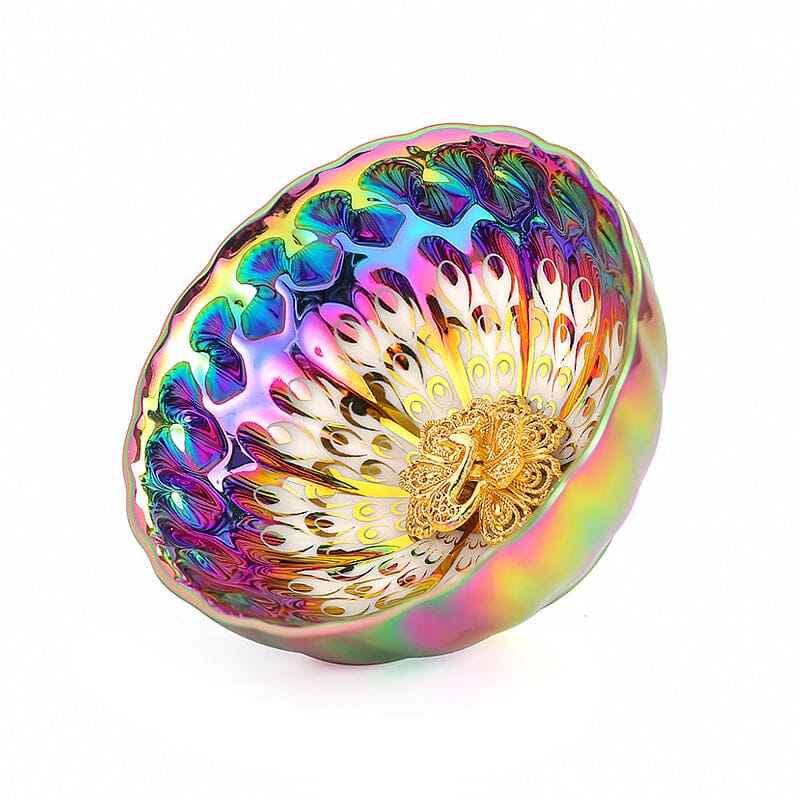
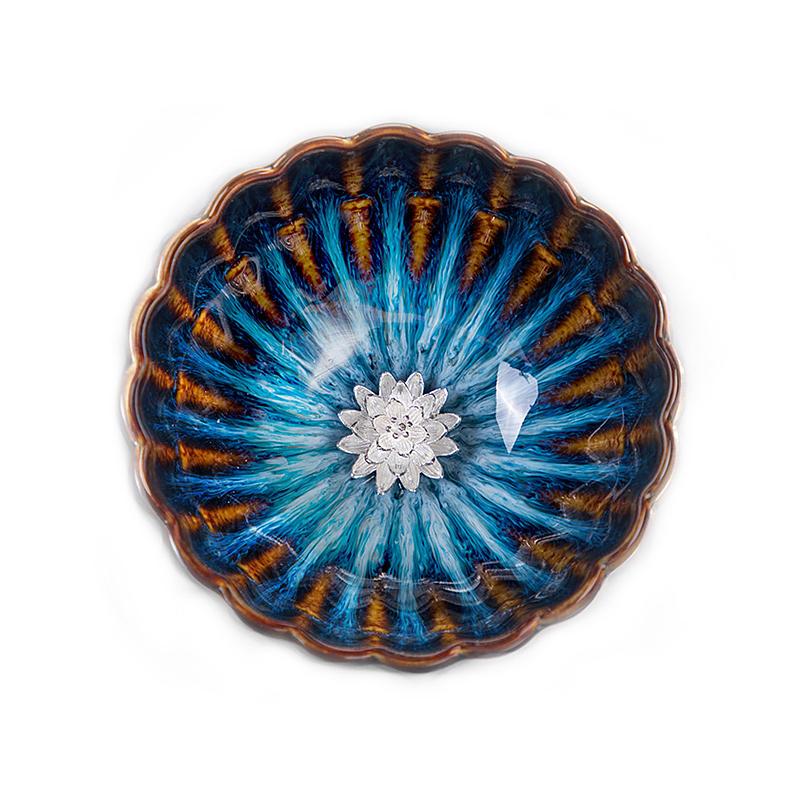
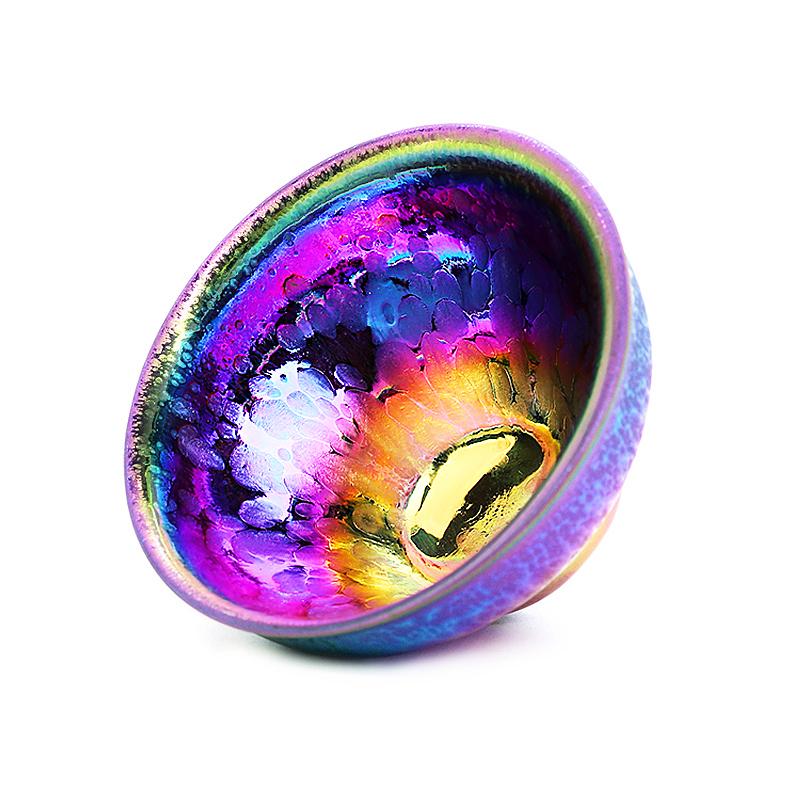
Ready to experience the world of tenmoku tea bowl? Browse our curated collection:
Disclaimer: This article is for informational purposes. Products and pricing subject to change.


Deel:
Tenmoku Tea Bowl: A Handmade Cup With History, Beauty, and Meaning
How to Spot a Real Handmade Tenmoku Tea Bowl: An Practical Authenticity Guide for Tea Lovers