

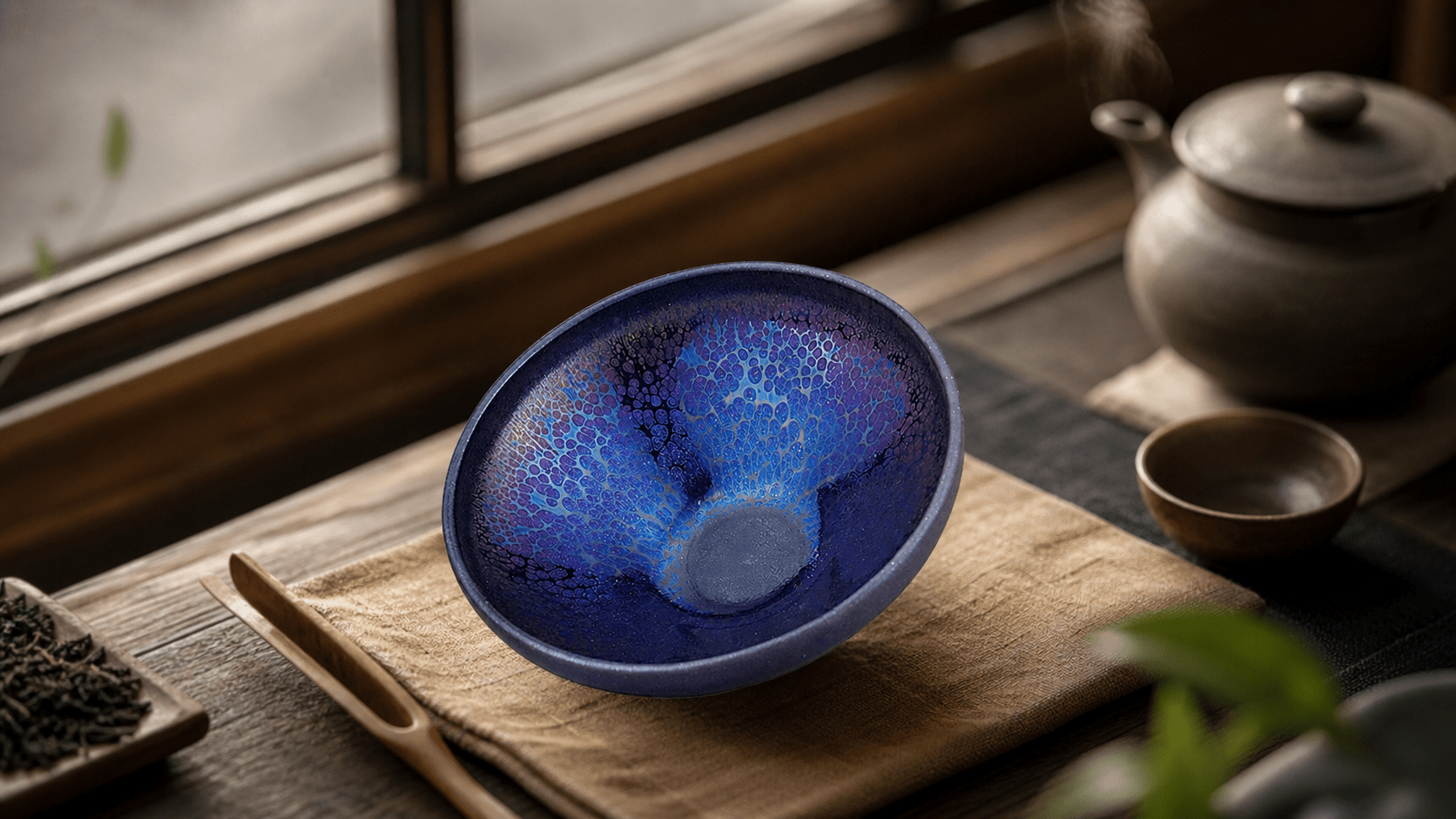

Tenmoku Tea Bowl: A Quiet Luxury Upgrade for Gongfu Tea, Daily Calm, and Meaningful Gifts
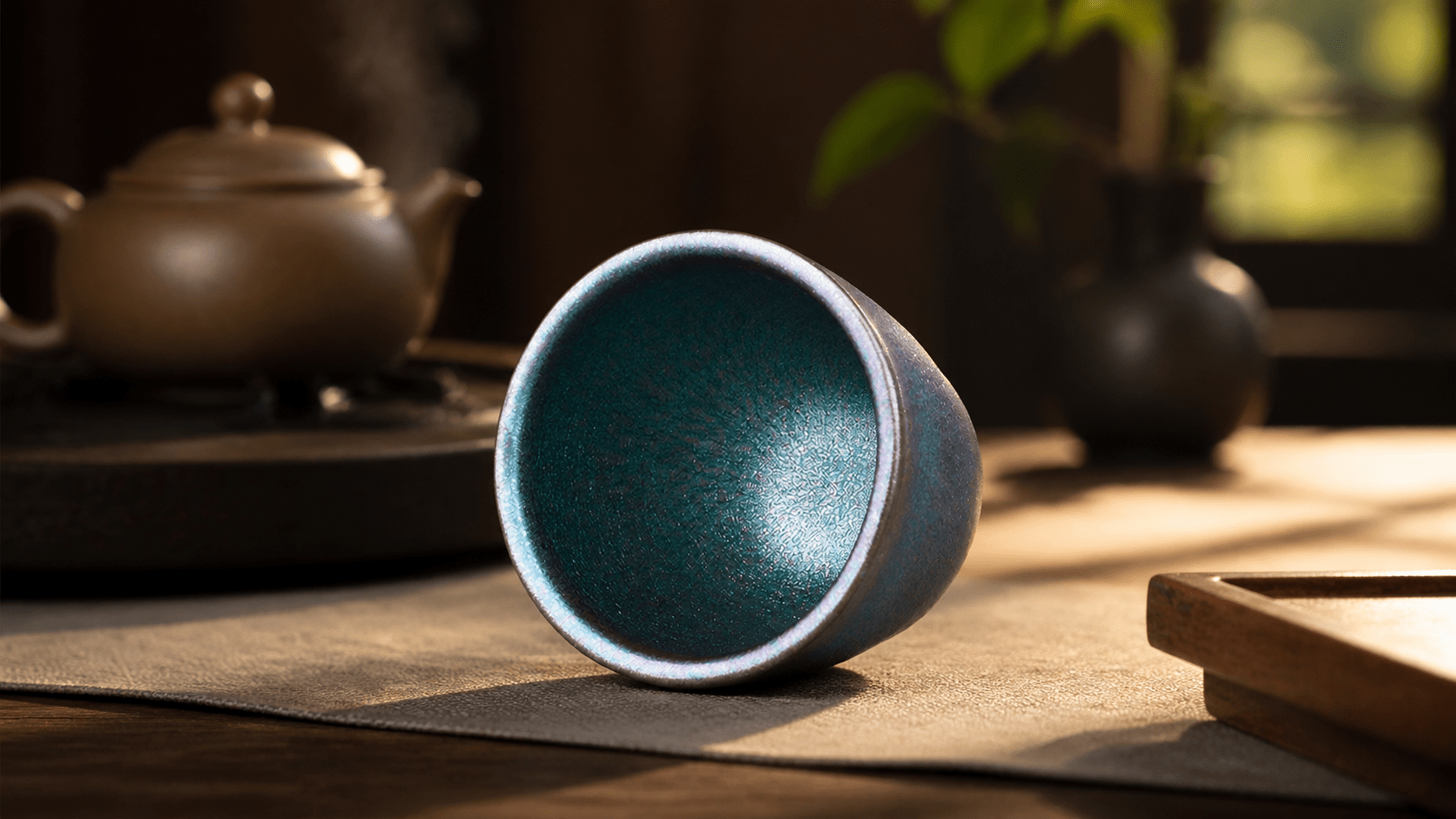
A tenmoku tea bowl is a dark-glazed ceramic cup or bowl valued for its deep color, natural glaze movement, and calm ritual feeling. For a beginner building a gongfu tea setup at home, this handmade tenmoku tea cup can turn a simple tea break into a small daily luxury.
Think of it like a favorite Japanese chef knife, linen robe, or hand-thrown coffee mug: it is functional, but the real value is how it makes an ordinary moment feel intentional. A tenmoku piece is often associated with Japanese pottery and the Japanese tea bowl tradition, but its roots also connect deeply to Jianzhan Jianzhan Tenmoku ceramic from Fujian, China.


Key Takeaways
- A tenmoku tea bowl is best for people who want a tea cup with texture, story, and visual depth.
- It works beautifully for gongfu tea, quiet evening tea, desk rituals, and mindful weekend routines.
- Common glaze styles include oil spot, hare's fur, partridge feather, and other kiln-transformed patterns.
- It makes a strong tea ceremony gift because it feels personal without being difficult to use.
- When comparing japanese tenmoku for sale, look for glaze clarity, hand feel, size, drinking comfort, and honest product details.
What Makes a Tenmoku Tea Bowl a Good Tea Ceremony Gift?
A tenmoku tea bowl makes a strong tea ceremony gift because it carries both beauty and use. Many premium lifestyle gifts are attractive but end up sitting on a shelf. A good tea bowl can become part of someone’s morning, afternoon reset, or slow evening routine.
For a US buyer, the easiest way to understand it is to compare it with a high-end candle, a handmade espresso cup, or a well-made bar glass. The object is small, but the experience around it feels elevated. It signals taste without needing to be loud.
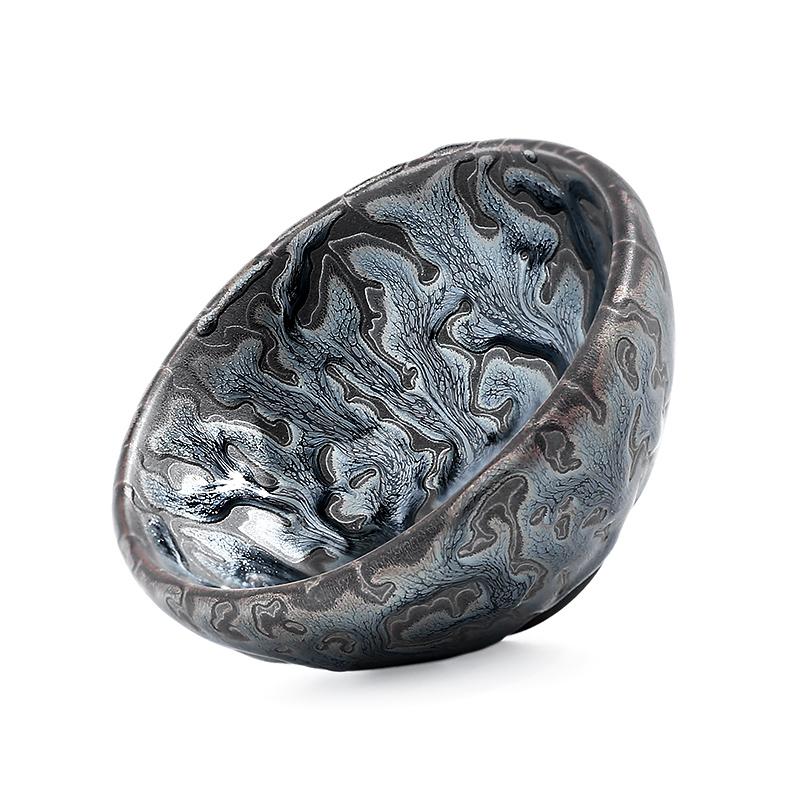
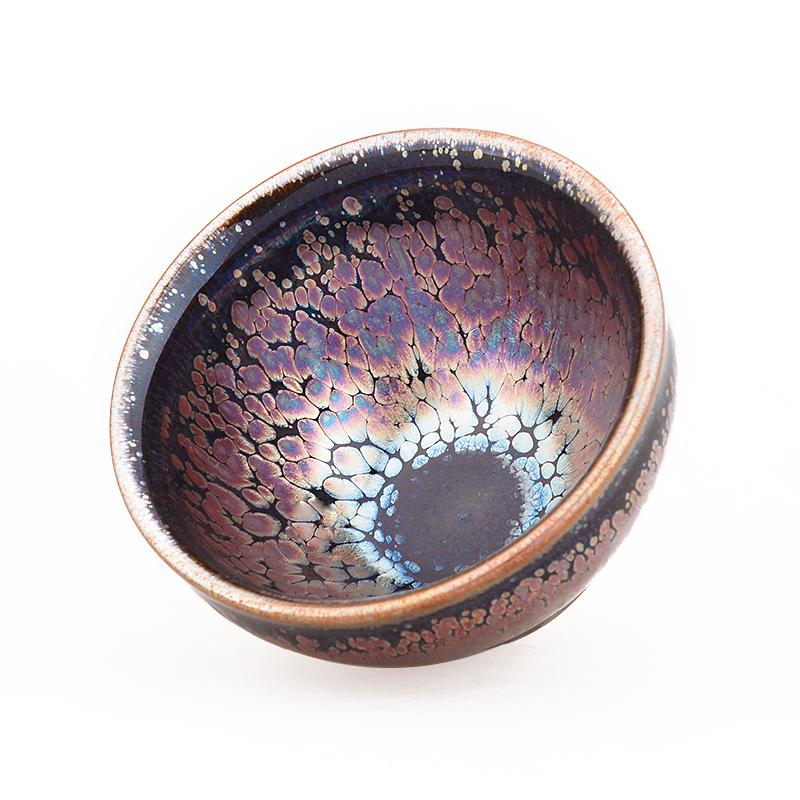
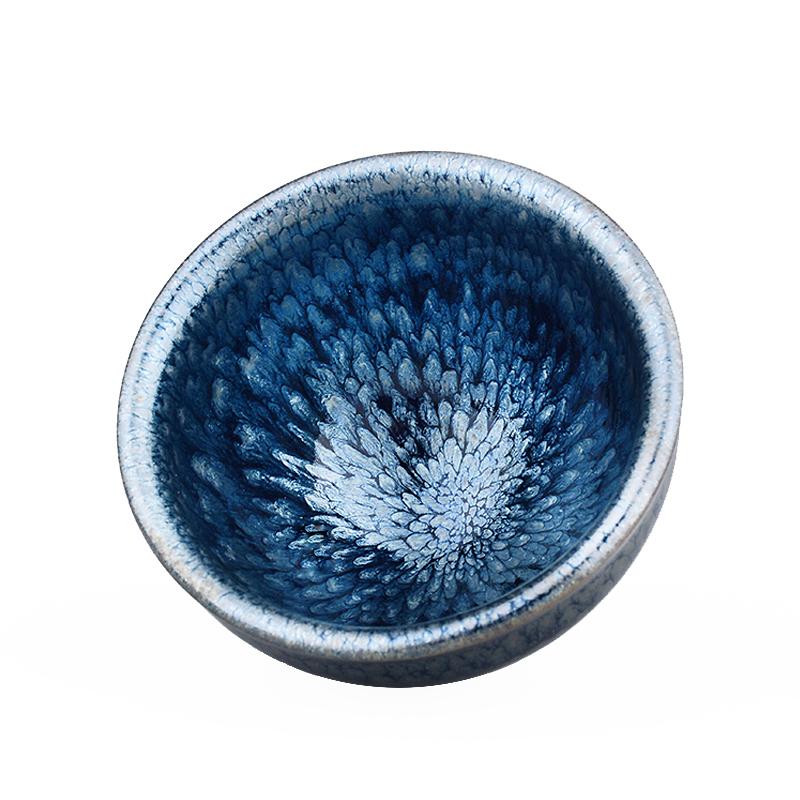
A tenmoku bowl also has the advantage of individuality. Because many pieces are handmade ceramic and kiln-fired, the glaze can vary from cup to cup. One may show a bright oil spot effect. Another may have fine streaks like hare's fur. Another may show a partridge feather pattern that feels layered and atmospheric.
This makes it a thoughtful tea cup gift for tea lovers who already own basic mugs or mass-produced cups. Instead of giving another generic item, you are giving them a vessel that invites attention.
If the recipient enjoys Japan, Japanese tea culture, matcha, loose-leaf tea, or gongfu tea, a tenmoku piece fits naturally into that world. It is especially good for someone who appreciates objects with craft value, not just brand names.
Why Is a Handmade Tenmoku Tea Cup Different From a Regular Mug?
A regular mug is designed for convenience. A handmade tenmoku tea cup is designed for attention. The difference is not only visual; it changes how you drink.
Most American mugs are larger, thicker, and meant for coffee, herbal tea, or casual sipping. A tenmoku cup is usually smaller and more focused. That smaller size suits gongfu tea, where tea is brewed in short infusions and enjoyed in concentrated sips.
The dark interior also changes the visual experience. In a white mug, tea looks bright and direct. In Jianzhan Tenmoku ceramic or a deep tenmoku glaze, the tea color appears warmer, deeper, and more reflective. This can make oolong, black tea, roasted tea, and pu-erh feel more layered.
The hand feel matters too. A good handmade ceramic cup has weight, curve, and texture. The rim should feel comfortable. The foot should sit steadily. The glaze should invite a second look without distracting from the tea.
For many buyers, this is the appeal: it is not just a cup. It is a small design object that supports a daily ritual.
How Does a Tenmoku Tea Bowl Fit Into a Luxury at Home Lifestyle?
Luxury at home does not always mean expensive furniture or a full renovation. Often, it means choosing a few daily objects that make routine moments feel richer. A tenmoku tea bowl fits this idea especially well.
In the US, many people already understand the value of small rituals: grinding coffee beans, lighting a candle after work, using a weighted blanket, setting up a home bar, or choosing a favorite wine glass. Gongfu tea can play a similar role.
A tenmoku bowl brings visual calm to that routine. The dark glaze, metallic highlights, and organic pattern create a quiet focal point. It slows the pace. You notice the steam, the color of the tea, and the warmth in your hands.
This is why tenmoku works well for curious beginners and premium lifestyle buyers. You do not need to be a tea scholar. You only need a willingness to pause for five minutes and make the moment feel intentional.
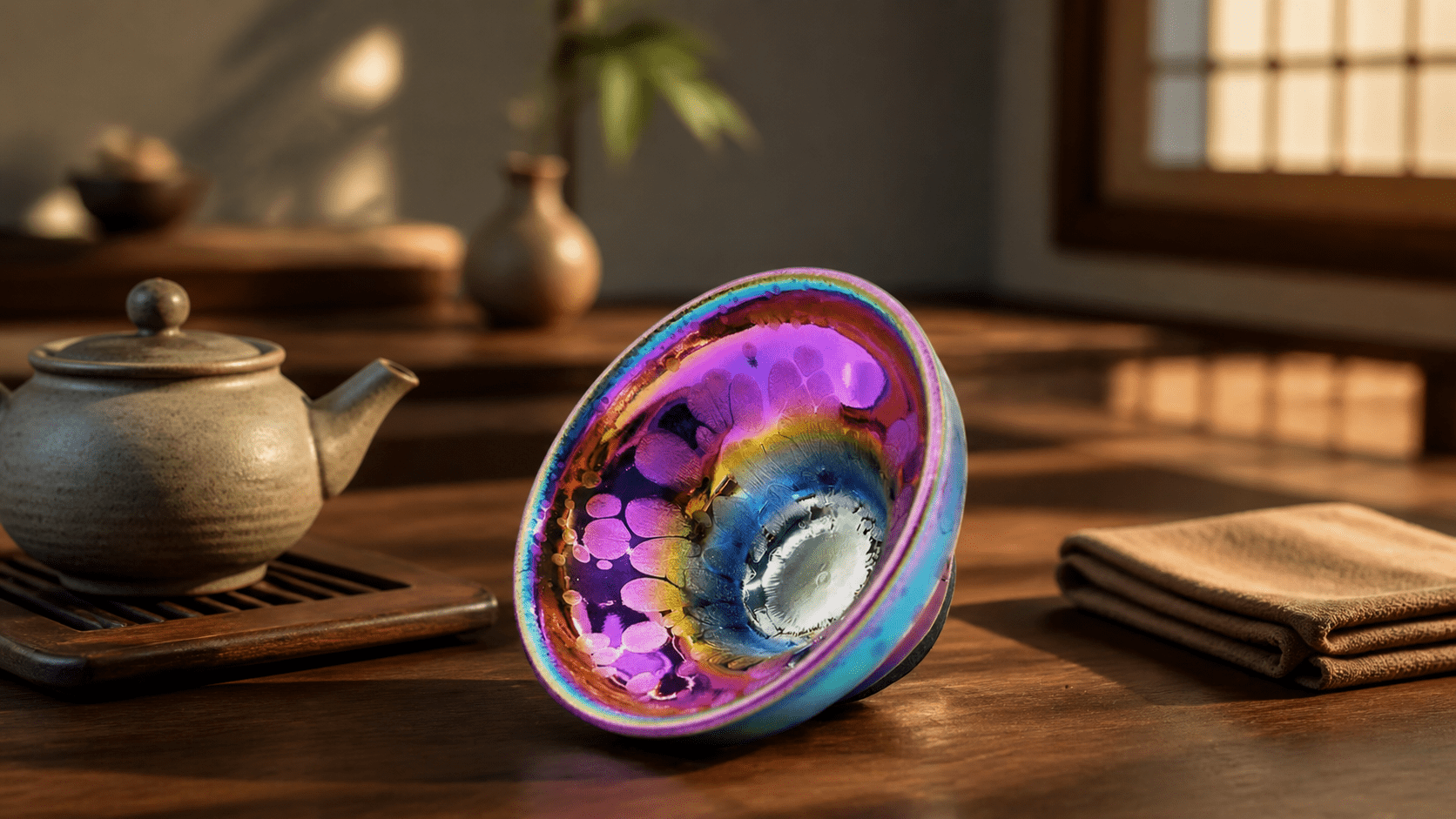
For home styling, a tenmoku piece also pairs well with wood trays, stone counters, linen napkins, cast iron kettles, and minimalist shelves. It can sit comfortably beside Japanese pottery, a Japanese tea bowl, or modern ceramic tableware.
Is a Tenmoku Tea Bowl Good for Gongfu Tea Beginners?
Yes, a tenmoku tea bowl can be excellent for gongfu tea beginners, especially if the size is practical and the rim feels comfortable. Gongfu tea simply means brewing tea with more leaves, less water, and shorter steeping times. It is not complicated once you try it.
For beginners, the ideal setup is simple: a small teapot or gaiwan, a fairness pitcher if desired, and a few small cups. A handmade tenmoku tea cup works well because it encourages smaller pours and repeated tasting.
Compared with a large mug, a smaller tenmoku cup helps you notice changes across each infusion. The first cup may be aromatic and light. The second may be richer. The third may become softer. This is one reason tea lovers enjoy gongfu tea so much.
If you are buying for someone new to tea, a handmade tea cup gift set can be easier than choosing a single cup. A set gives the recipient a complete starting point and makes the gift feel more substantial.
For a more personal option, a jianzhan tea cup gift is a good choice when the recipient likes darker, more dramatic ceramics. Jianzhan is known for Jianzhan Tenmoku ceramic and kiln effects that can look like stars, feathers, or flowing metal.
Which Tenmoku Glaze Style Should You Choose?
Tenmoku is not one single look. It is a family of dark-glazed ceramic styles, and each glaze creates a different mood. The right choice depends on whether you want something calm, dramatic, classic, or gift-friendly.
| Glaze Style | Visual Feel | Best For | Gift Impression |
|---|---|---|---|
| Oil Spot | Bright speckles that can resemble stars or metal droplets | Collectors, design lovers, visual impact | Premium and eye-catching |
| Hare's Fur | Fine vertical streaks moving through the glaze | People who like Japanese pottery and classic tea aesthetics | Elegant and traditional |
| Partridge Feather | Layered markings with a feather-like rhythm | Buyers who want something distinctive | Artful and unique |
| Deep Black Glaze | Minimal, dark, and reflective | Modern homes, quiet rituals, daily use | Understated and refined |
If you want a safe gift, choose a balanced oil spot or hare's fur cup. These styles are recognizable, beautiful, and easy to appreciate. If the recipient likes rare objects, a partridge feather pattern may feel more personal.
When browsing japanese tenmoku for sale, remember that photos matter. Look for clear images of the interior, exterior, rim, and foot. A high-quality listing should help you understand the actual glaze pattern, not hide it behind dramatic lighting.
You can Explore our handmade Jianzhan tea cups if you want a broader view of dark-glazed pieces inspired by this tradition. For a more luminous look, Discover our collection of oil spot tenmoku cups.
How Do You Choose a Unique Tea Cup Gift Without Overthinking It?
Choosing a unique tea cup gift is easier when you focus on the recipient’s lifestyle, not just the object. Ask one simple question: where will this cup fit into their day?
If they drink tea at a desk, choose something stable, comfortable, and not too large. If they enjoy weekend rituals, choose a more expressive glaze. If they host guests, consider a handmade tea cup gift set. If they collect Japanese or Chinese ceramics, choose a piece with a stronger glaze story.
For tea lovers who value calm design, a tenmoku tea bowl with a subtle black glaze may be best. For someone who likes statement pieces, oil spot or partridge feather patterns create more visual impact.
Size also matters. A very small cup is good for gongfu tea but may feel too specialized for casual drinkers. A slightly larger bowl can be more flexible for daily tea, matcha-inspired moments, or relaxed evening sipping.
Finally, consider the gift message. A tenmoku cup says, “Take a moment for yourself.” That is why it works well for birthdays, holidays, housewarming gifts, thank-you gifts, and tea ceremony gift occasions.
What Should Buyers Check Before Choosing Japanese Tenmoku for Sale?
Before buying japanese tenmoku for sale, look beyond the headline. Tenmoku is a popular term, and product quality can vary. A beautiful cup should also be comfortable, usable, and accurately described.
- Material: Look for ceramic or porcelain descriptions. If a piece is described as Jianzhan Tenmoku ceramic, the listing should be clear and consistent.
- Origin and style: Some pieces are inspired by Japanese tea bowl traditions; others connect more directly to Jianzhan from Fujian. Both can be beautiful, but they are not identical.
- Glaze pattern: Check whether the cup shows oil spot, hare's fur, partridge feather, or another natural kiln effect.
- Size: Confirm capacity. Gongfu tea cups are usually smaller than Western mugs.
- Rim and shape: A comfortable rim matters because tea is sipped slowly.
- Care instructions: Most handmade ceramic tea cups should be handled with basic care, washed gently, and protected from sudden impact.
Be careful with exaggerated claims. A seller should not need to invent mystical benefits or unsupported health promises. The beauty of a tenmoku tea bowl is already strong enough: craft, glaze, history, and daily use.
If you are buying a jianzhan tea cup gift, choose a piece with honest photos and a clear description. The best gift is not always the most dramatic one. It is the one the recipient will actually use.
How Can You Style a Tenmoku Tea Bowl at Home?
A tenmoku tea bowl looks best when the setting is simple. Let the glaze be the focal point. Dark tenmoku pieces pair especially well with natural textures and quiet colors.
For a modern US home, try a walnut tray, a linen cloth, and a small glass pitcher. For a Japanese-inspired setup, place the cup near a bamboo scoop, iron kettle, or simple ceramic vase. For a warmer evening ritual, use soft lighting and pair the cup with roasted oolong or black tea.
You can also use a tenmoku piece as part of a wellness routine. Brew tea after work instead of opening another screen. Use the short steeping time as a pause. Hold the warm cup and notice the glaze. This is not about performance. It is about creating a repeatable moment of calm.
That is the real luxury: a daily object that makes you slow down without asking for much space, time, or explanation.
FAQ
Is a tenmoku tea bowl a good tea ceremony gift?
Yes. A tenmoku tea bowl is a thoughtful tea ceremony gift because it combines beauty, function, and cultural meaning. It is especially suitable for people who enjoy loose-leaf tea, Japanese pottery, gongfu tea, or handmade ceramic objects.
What makes a tenmoku tea bowl a unique tea cup gift?
It is unique because the glaze can vary naturally during firing. Patterns such as oil spot, hare's fur, and partridge feather give each piece its own character. This makes it feel more personal than a standard factory-made mug.
Is a tenmoku tea bowl a good tea cup gift for tea lovers?
Yes. It is a strong tea cup gift for tea lovers because it improves the sensory experience of tea. The small size, dark glaze, and handmade feel encourage slower sipping and more attention to aroma, color, and texture.
Should I buy a handmade tea cup gift set or one special cup?
Choose a handmade tea cup gift set if the recipient is new to gongfu tea or likes hosting. Choose one special tenmoku cup if they already have a tea setup or enjoy collecting individual pieces.
What is the difference between a Japanese tea bowl and a Jianzhan cup?
A Japanese tea bowl is often associated with Japanese tea culture and matcha traditions. Jianzhan refers to a Jianzhan Tenmoku ceramic tradition from Fujian, China, known for dramatic kiln-fired glazes. Tenmoku connects these worlds because Japanese tea culture historically admired dark-glazed bowls inspired by Chinese ceramics.
Can beginners use a handmade tenmoku tea cup every day?
Yes. Beginners can use a handmade tenmoku tea cup daily as long as they choose a practical size and handle it with care. It works well for gongfu tea, quiet evening tea, and small mindful breaks during the day.
What should I look for when browsing japanese tenmoku for sale?
Look for clear photos, honest size details, visible glaze patterns, a comfortable rim, and accurate material descriptions. Avoid listings that rely on unsupported health claims or vague luxury language without showing the actual cup clearly.
Conclusion: Choose a Tenmoku Tea Bowl for Ritual, Beauty, and Everyday Calm
A tenmoku tea bowl is more than a decorative tea cup. It is a small daily object that brings craft, calm, and visual depth into the home. For curious beginners, it makes gongfu tea feel approachable. For premium lifestyle buyers, it offers the kind of quiet luxury that becomes better through use.
If you want a meaningful tea ceremony gift, a unique tea cup gift, or a refined tea cup gift for tea lovers, tenmoku is a strong choice. Start with the glaze style that fits the recipient’s taste, choose a comfortable size, and look for honest craftsmanship over exaggerated claims.
For a darker, more traditional look, explore Jianzhan styles. For a luminous, star-like surface, consider oil spot tenmoku. Either way, the right cup can turn an ordinary tea break into a ritual worth keeping.
Explore Our Collection
Ready to experience the world of tenmoku tea bowl? Browse our curated collection:
Disclaimer: This article is for informational purposes. Products and pricing subject to change.
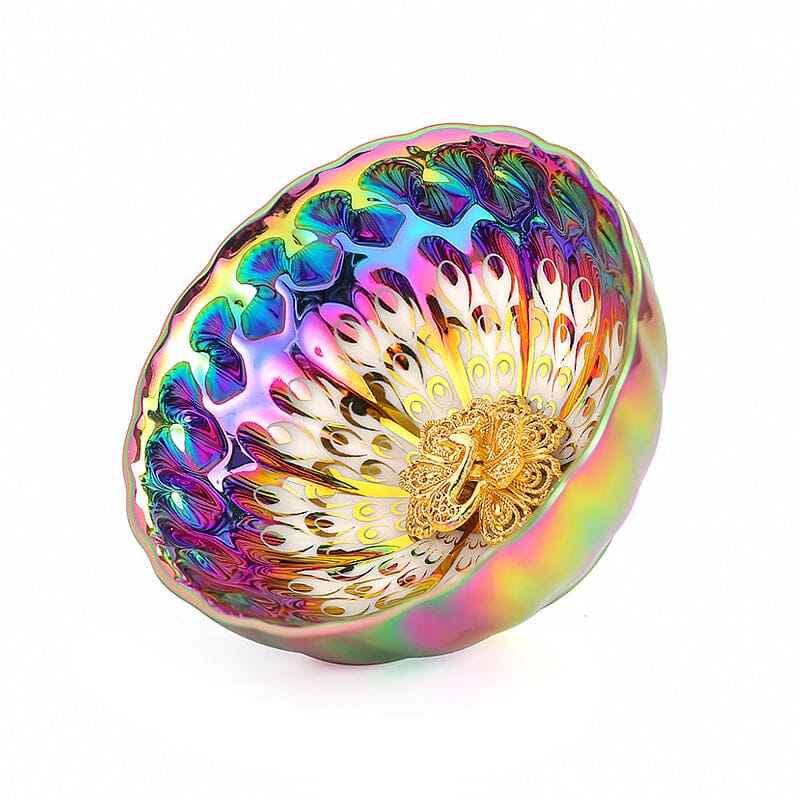


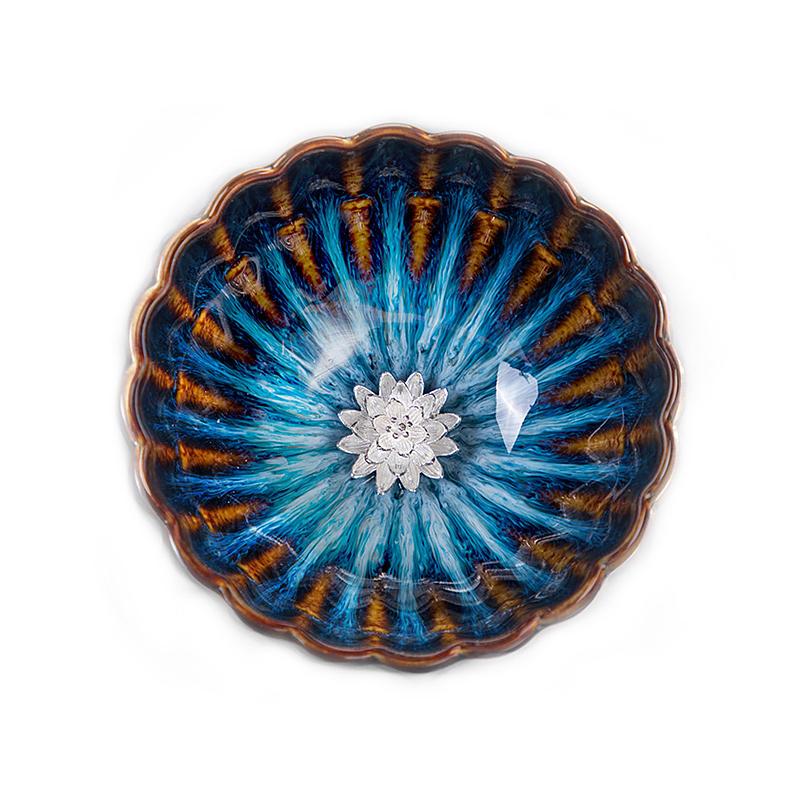
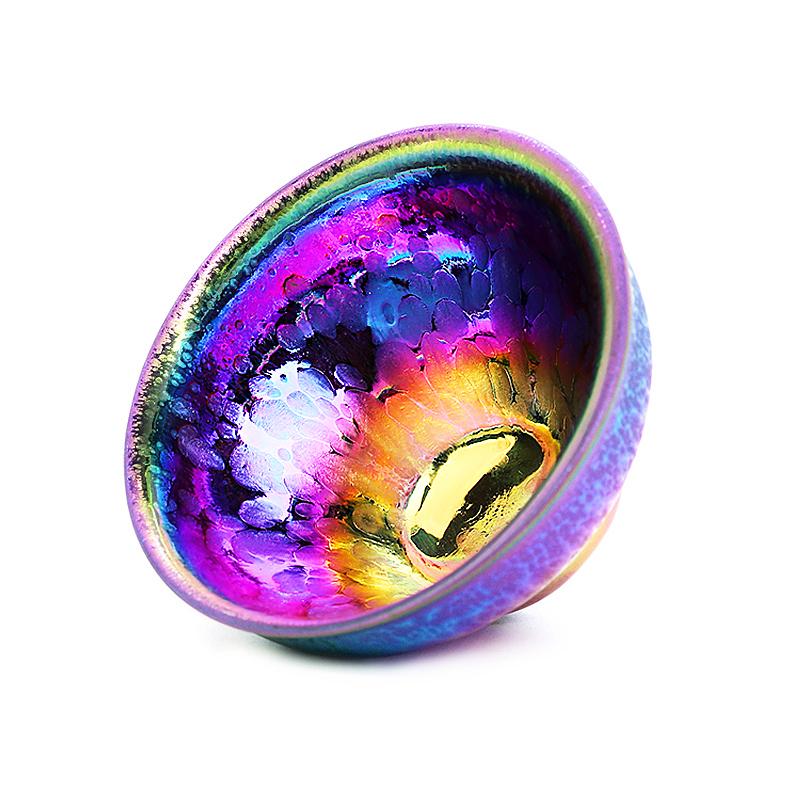
Deel:
Why Is a Tenmoku Tea Bowl Expensive? The Artistry Behind the Price