Pasenverkoop: koop 3 Koop de 4e gratis!

Ongeveer 1000 jaar geleden ontstond er een theeservies dat speciaal voor thee bedoeld was: de "theepot".

Oorspronkelijk werd de theepot in traditionele ovens gemaakt, maar door veranderingen in de theedrinkgewoonten en de liefde van heersers en de hogere klasse in die tijd werd de theepot een zeldzaamheid. Hierdoor vond er een overgang plaats van een traditionele naar een officiële productie.

Na het einde van de Song-dynastie en het begin van de Yuan-dynastie werd de productie van de theepot, die een tijdlang populair was, stopgezet en raakte deze uiteindelijk in verval.

Pas in 1981 slaagden een groot aantal instellingen, waaronder de Centrale Academie voor Kunst en Ambachten, het voormalige Fujian Light Industry Research Institute en de voormalige Jianyang Porseleinfabriek, er na jaren van onderzoek en experimenten in om de antieke theepot te repliceren. Daarmee werd het verloren gegane vakmanschap van de antieke theepot, dat al honderden jaren verloren was, weer tot leven gewekt.

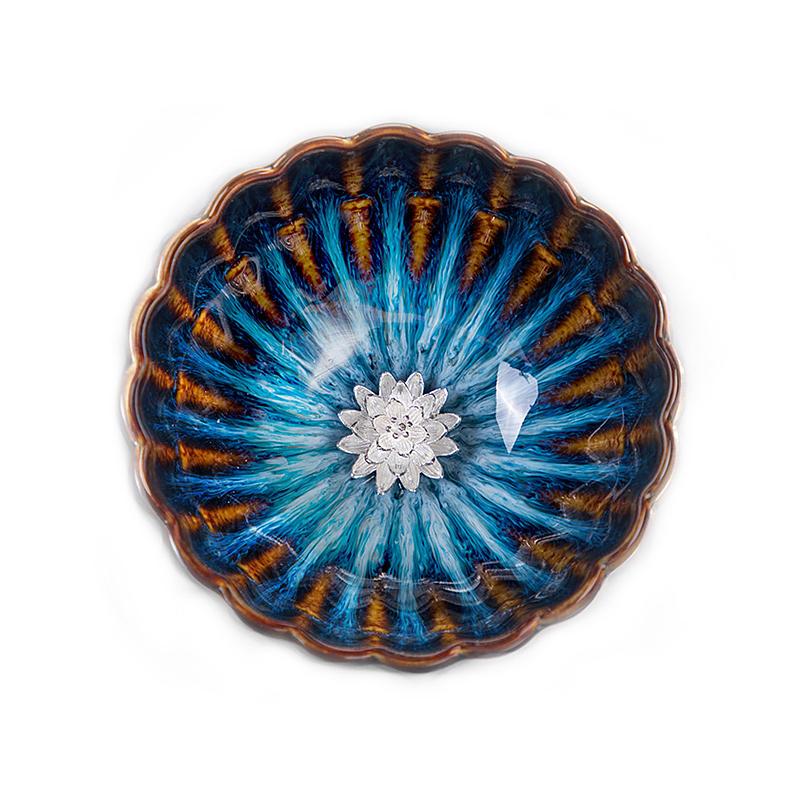
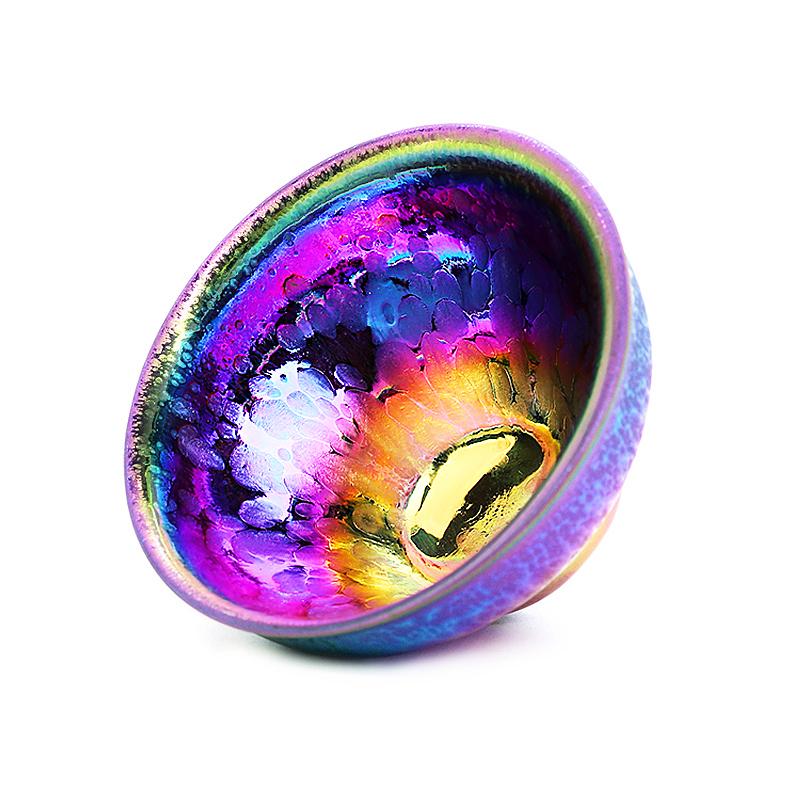
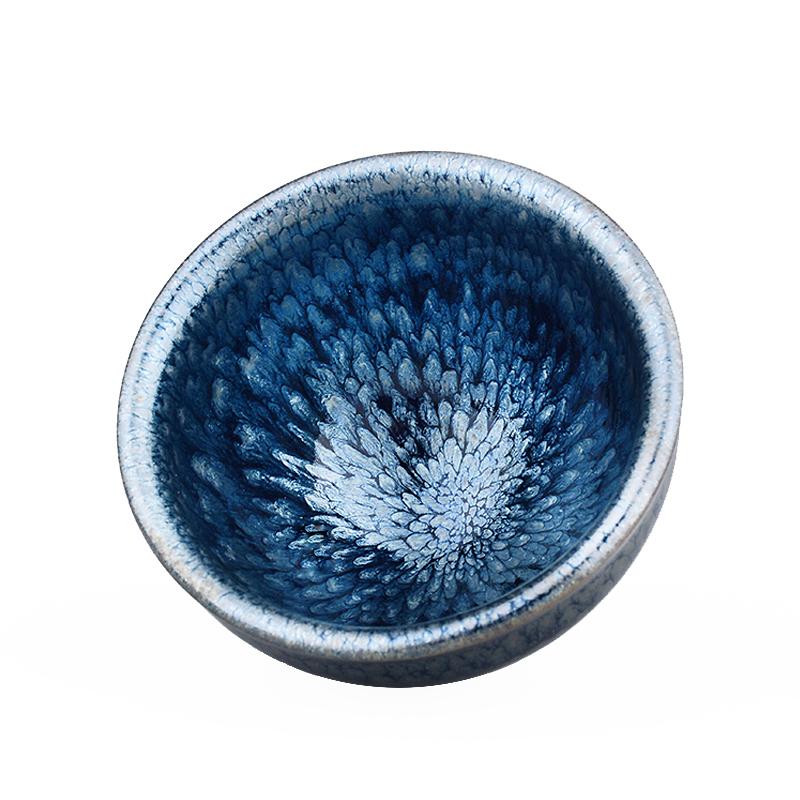
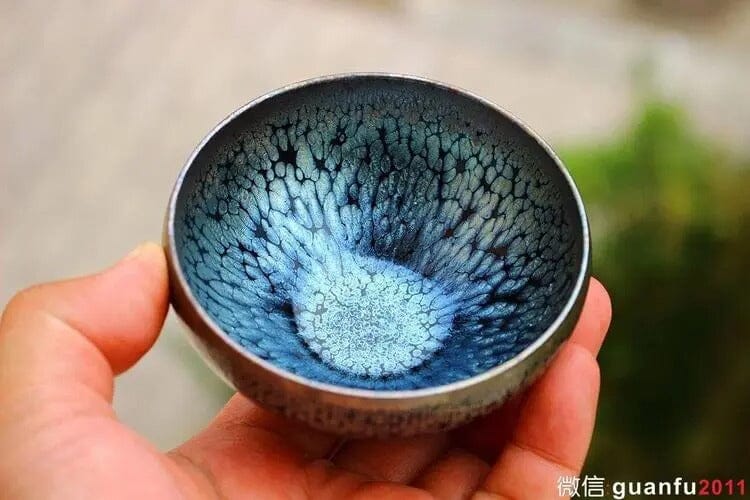
Wat de theepot onderscheidt, is het unieke stippenpatroon. De glazuurkleuren kunnen grofweg worden onderverdeeld in "yao bian", "you di", "tu mao", "zwart glazuur" en enkele andere kleuren.

Ik zou graag met jullie willen praten over welke glazuurkleur jullie het mooist vinden onder deze klassieke theepotvormen.

Omdat "yao bian"-theepotten zeldzaam en moeilijk te vinden zijn, zullen we ze hier niet bespreken.

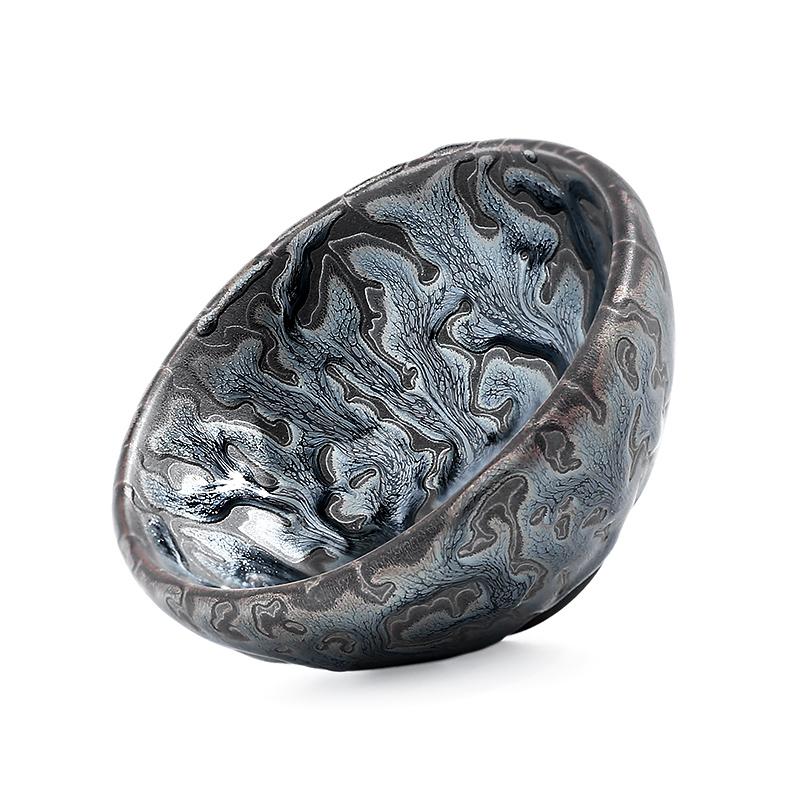
01: Zwarte glazuur.

Theepotten werden oorspronkelijk gemaakt van zwart porselein, dus zwart glazuur is de meest authentieke variant. Het staat ook bekend als "ganhei-glazuur" of "wujin-glazuur".

Het heeft een zwarte, glanzende kleur en het verglazingseffect van het glazuur is goed. Het glazuur is over het algemeen dik en er is sprake van een fenomeen van ophoping en afhangend glazuur aan de blootgestelde basis, waardoor de glazuurstroom zichtbaar is. Sommige glazuurlagen vertonen zelfs vaag zichtbare vlekkerige patronen.

Zwart is diep en puur en symboliseert de komst van de dageraad.

02: Konijnenbont glazuur.

Konijnenbontglazuur is het meest typische en grootste product van de Jian-oven. Daarom worden konijnenbonttheepotten vaak als synoniem voor Jian-theepotten gebruikt.

Wat is "konijnenbont" glazuur?

Eigenlijk verwijst het naar de fijne, dichte zijdeachtige strepen die uit de zwarte basisglazuur neerslaan en die lijken op de konijnenvacht op een konijnenlijf.

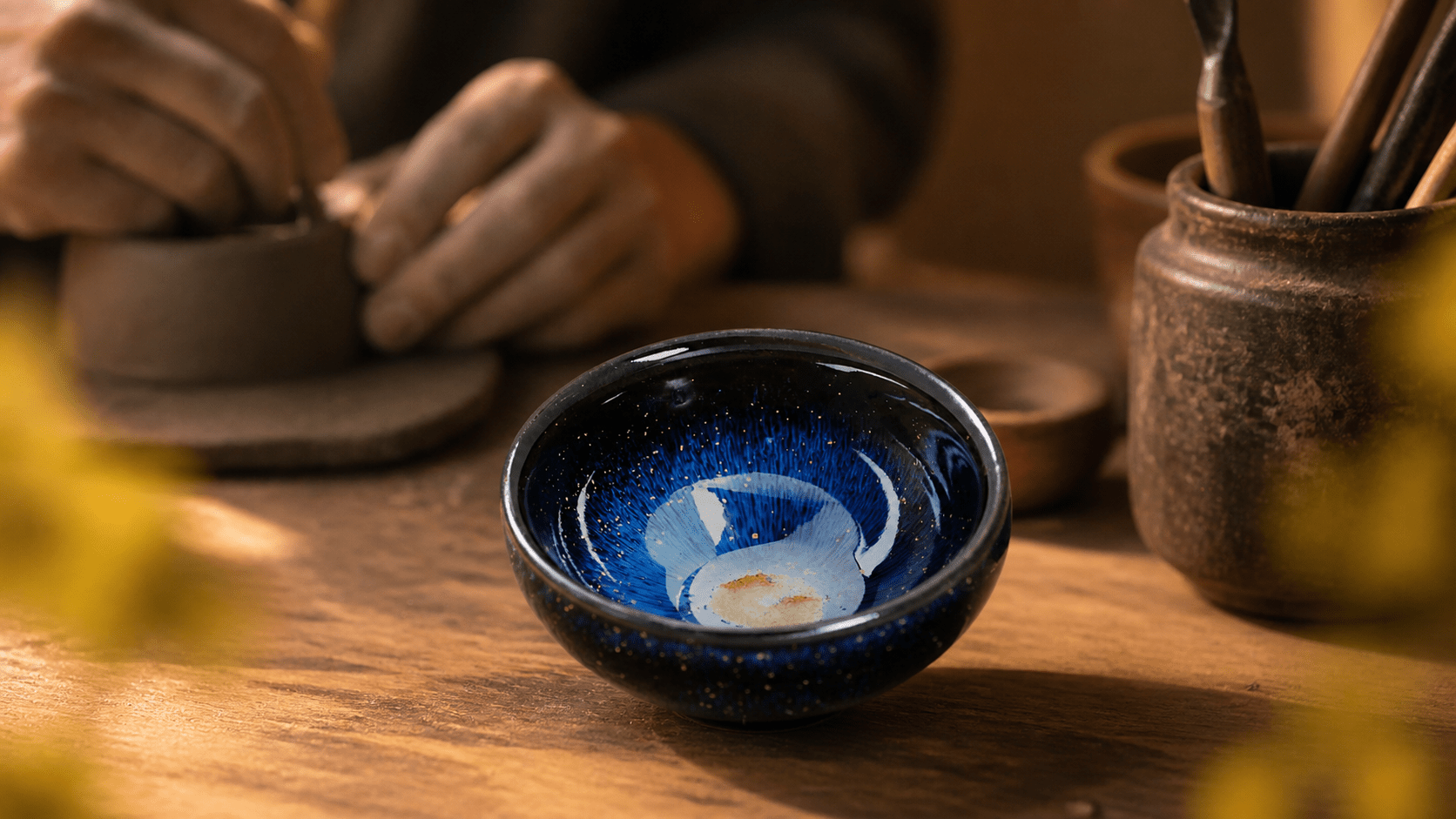
Het meest klassieke citaat over konijnenbontglazuur komt waarschijnlijk van keizer Huizong van Song, die zei: "De kleur van de theepot moet kostbaar zijn in zijn blauwzwarte kleur, en die met jade-achtige bontstrepen zijn het mooist."

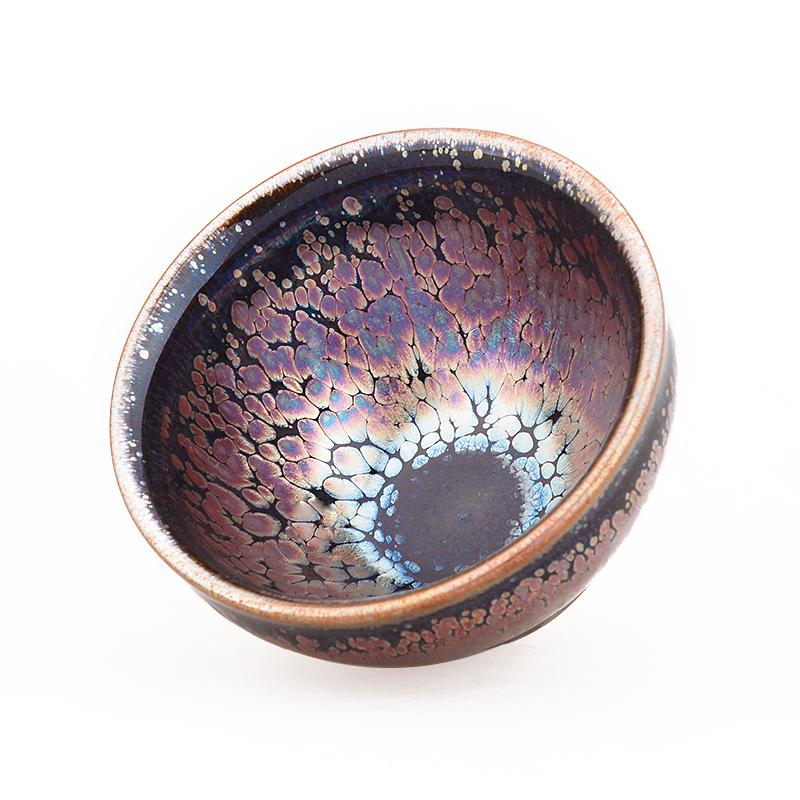
03: Oliedruppelglazuur.

Over de term "oliedruppel" gesproken, de reden voor het gebruik ervan komt eigenlijk uit Japan. Deskundigen in China zijn over het algemeen van mening dat de term "oliedruppel" verwijst naar de kwartelpunt.

In de vroege Noordelijke Song-dynastie schreef Tao Gu in zijn boek "Qing Yi Lu": "Theekenners in Fujian koesteren theeserviezen met patronen die lijken op kwartelstippen." Dit laat zien hoe waardevol dit soort theeserviezen zijn.

De vlekken op theeservies met kwartelstippen variëren in grootte en zijn over het algemeen rond of ovaal van vorm.

De kleuren van theeservies met kwartelstippen zijn zilver, zilvergrijs, geel, enzovoort.

De vlekken kunnen dicht of schaars verspreid zijn, vergelijkbaar met oliedruppels die op het wateroppervlak drijven.

04: Bonte glazuur.

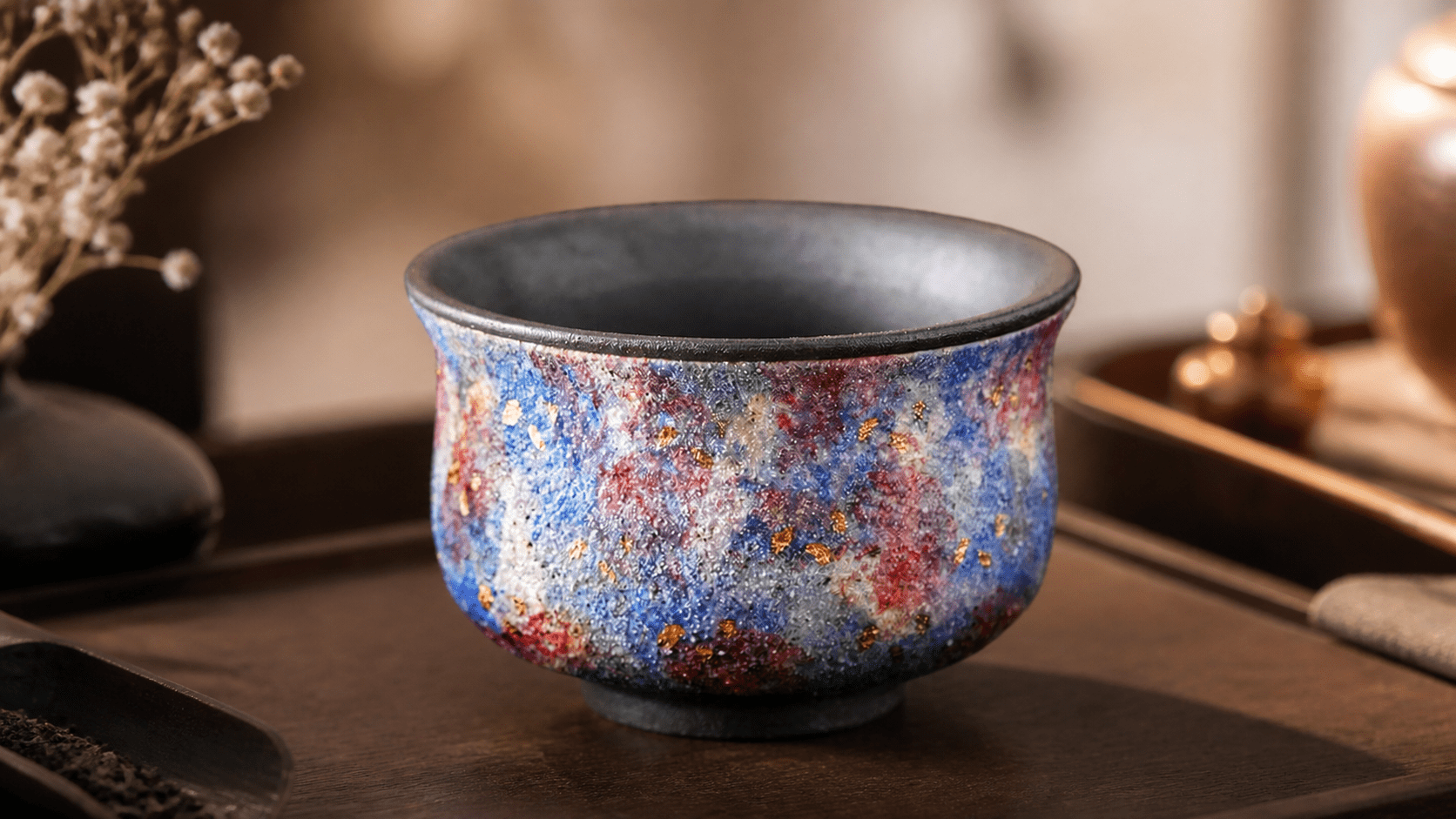
Naast de hierboven genoemde klassieke glazuurkleuren vallen alle andere kleuren onder de categorie bonte glazuur.

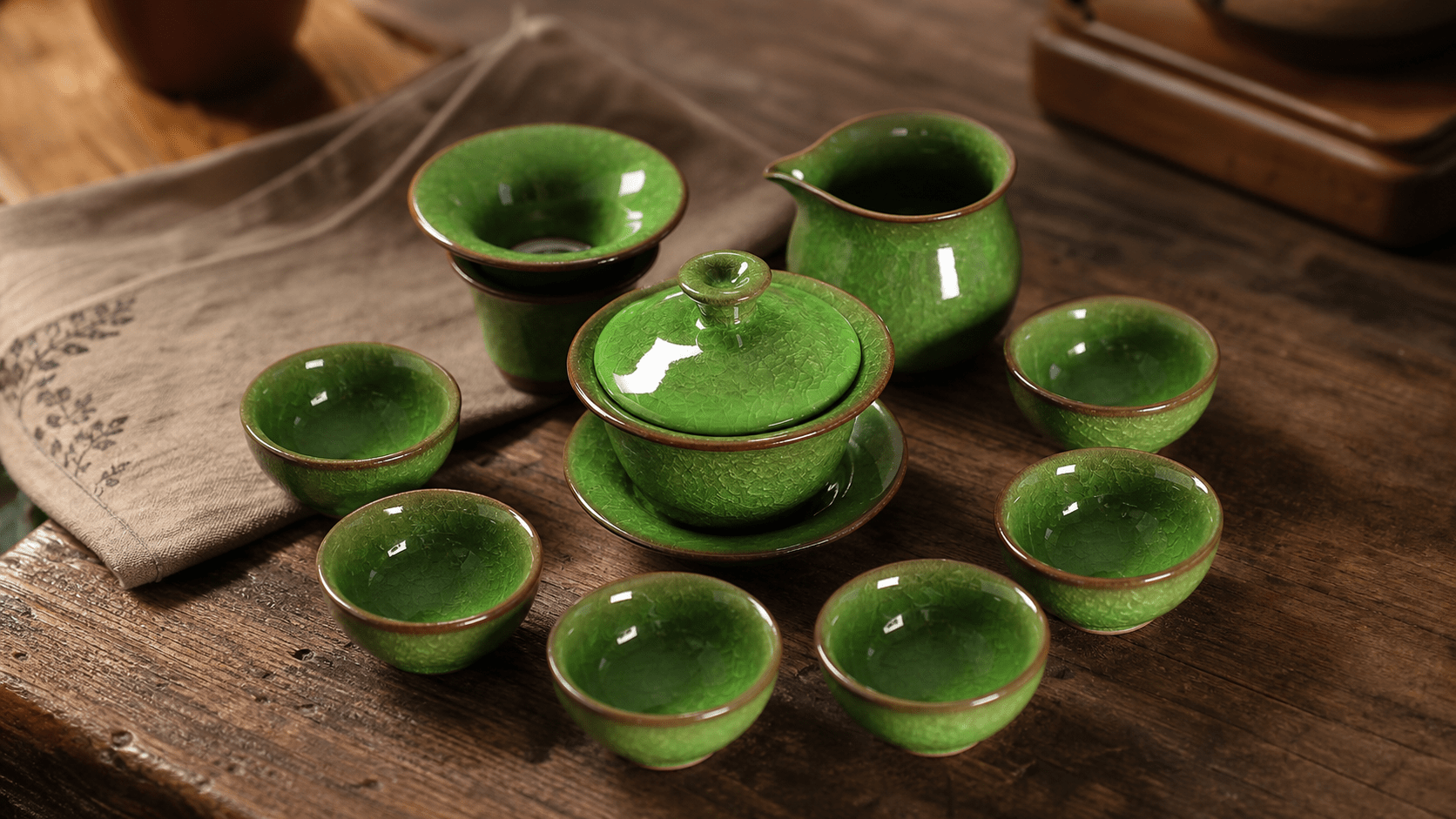
De algemene varianten zijn onder meer persimmonroodglazuur, theestofglazuur, celadonglazuur, craqueléglazuur, asglazuur, grijswit glazuur, sojasausglazuur, enzovoort.
Quick answers for Tenmoku teaware shoppers

Use this guide to connect the article topic with practical buying decisions: what Jianzhan Tenmoku teaware is, who it suits, how to choose a piece, and how to care for it after purchase.

How to use this guide before buying

Read the article first for the main explanation, then compare the product photos, glaze variation, form, seller clarity, return policy, and whether the piece fits daily tea, display, collecting, or gifting.

Common buying mistakes to avoid

Avoid choosing only by dramatic claims, copied photos, unusually low prices, or vague master language. A better decision uses visible product details, clear use case, realistic care needs, and trustworthy shop policies.

Recommended next step

After reading, compare a few real products side by side by size, glaze family, rim shape, capacity, price, and gift suitability instead of relying on one photo or one keyword.

What is Jianzhan Tenmoku teaware?

Jianzhan Tenmoku teaware is ceramic tea ware known for dark mineral-glaze effects and natural kiln variation. Common forms include tea cups, bowls, teapots, tea sets, and matcha bowls.

Who is it best for?

It is best for tea drinkers, ceramic collectors, and gift shoppers who value functional objects with visible handmade character. It is not ideal if you need every piece to look exactly identical.

How do I care for it?

Hand wash with warm water, avoid abrasive cleaners, and dry fully before storage. Gentle daily use helps preserve the surface and keeps the glaze easy to inspect over time.

How do I choose the right Tenmoku piece?

Choose by the main use first: daily tea, matcha, Gongfu brewing, display, or gifting. Then compare capacity, rim shape, glaze family, photos, and whether natural variation is acceptable for your needs.

Is Jianzhan Tenmoku teaware good as a gift?

Yes. It works well for tea lovers, ceramic collectors, birthdays, holidays, and housewarming gifts because it is both usable and visually distinctive. For gifts, choose an easy-to-use form and a glaze style with clear photos.

Related products and categories

Compare the guide above with real Tenmokus categories and representative pieces. Start with the use case, then compare glaze style, form, price, and whether the piece is mainly for daily tea, display, collecting, or gifting.

Handmade Tenmoku tea cups

Best for daily tea drinking, first Jianzhan purchases, ceramic gifts, and comparing glaze patterns across cup shapes.

Tenmoku tea sets

Best when you want a coordinated tea table, a hosting setup, or a complete gift instead of one individual cup.

Real vs fake Tenmoku guide

Use this guide to compare seller claims, glaze appearance, photos, and practical buying signals before choosing a piece.

Levendige pauw

A representative Tenmoku tea cup to compare by glaze depth, cup shape, price, and gift fit.

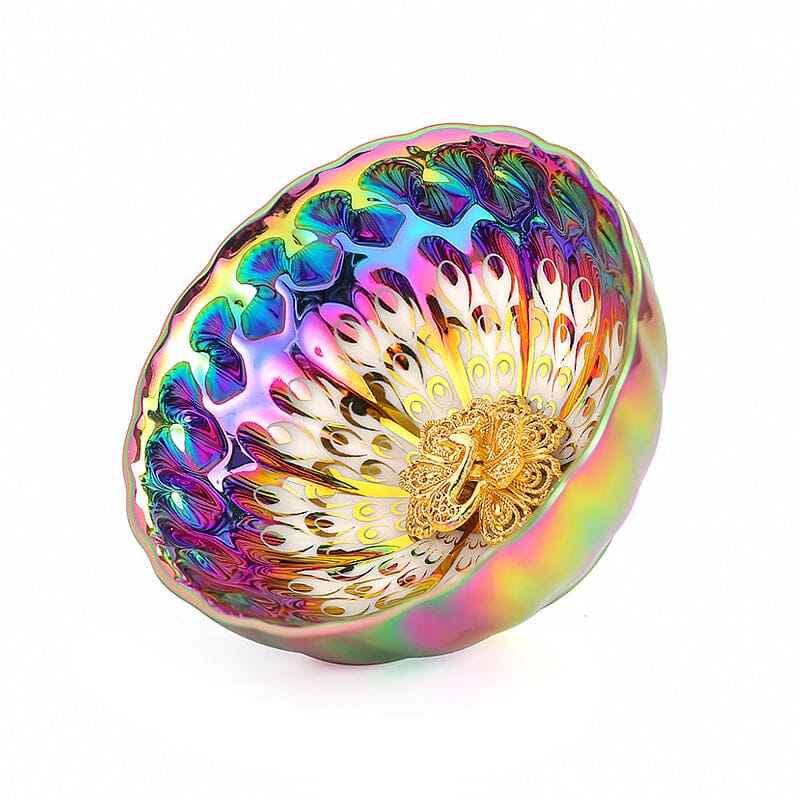
Gouden Peacock

Compare this piece when you want a clear visual reference for a gold-toned Tenmoku glaze style.

Fairy II

Use this product as another comparison point for handmade form, glaze variation, and gift suitability.

shop handmade Tenmoku tea cups compare Jianzhan teapots browse Tenmoku tea sets choose Tenmoku matcha bowls view Tenmoku tea cups read the real vs fake Tenmoku tea bowl guide browse Jianzhan buying guides learn about Tenmokus

From Tenmoku guide to teaware choice

Tenmokus is focused on handmade Jianzhan Tenmoku teaware for tea rituals, display, and gifting. If you are choosing after reading this guide, start with Tenmoku tea cups for daily tea tasting, Tenmoku teapots for loose leaf brewing, Tenmoku coffee cups for daily coffee, Tenmoku tea sets for coordinated gifts, Tenmoku matcha bowls for matcha preparation, Tenmoku beer cups for home bar drinkware, or Tenmoku sake sets for serving and display.

Nieuwste verhalen

Keep exploring Tenmoku care, gift ideas, teaware selection, and the difference between Tenmoku and Jianzhan.

Bekijk alles

Why a Tenmoku Tea Bowl Is Worth the Price for Tea Lovers

Why a Tenmoku Tea Bowl Is Worth the Price for Tea Lovers

Why a Tenmoku Tea Bowl Is Worth the Price for Tea Lovers A tenmoku tea bowl can cost more than an everyday cup because it is a fired work of handmade ceramic art, not a factory-made drinking vessel. For someone...

Lees meer

The Tenmoku Tea Bowl Story: A More Meaningful Gongfu Tea Ritual

The Tenmoku Tea Bowl Story: A More Meaningful Gongfu Tea Ritual

A tenmoku tea bowl brings color, texture, and a slower rhythm to a gongfu tea session.The Tenmoku Tea Bowl Story: A More Meaningful Gongfu Tea Ritual A tenmoku tea bowl is a dark-glazed tea vessel whose character comes from clay,...

Lees meer

Tenmoku Tea Bowl Authenticity: How to Buy with Confidence

Tenmoku Tea Bowl Authenticity: How to Buy with Confidence

Tenmoku Tea Bowl Authenticity: How to Buy with Confidence A real tenmoku tea bowl is best recognized through its material, glaze behavior, firing marks, and clear origin story—not one flashy rainbow pattern. If you want a handmade ceramic cup for...

Lees meer