

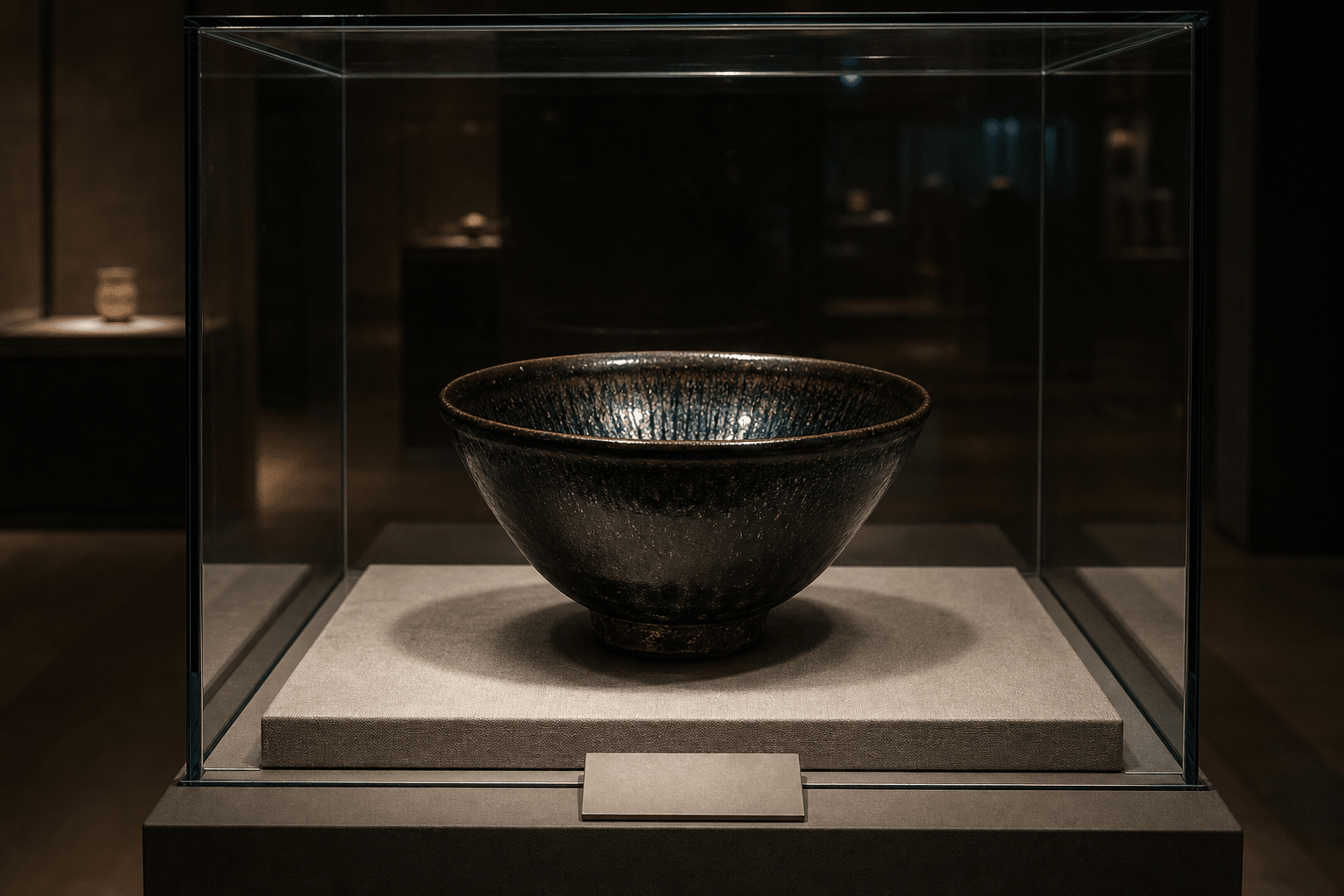
The History of Jianzhan: How a Song Dynasty Tea Bowl Conquered the World
Few objects in the history of craft have traveled as far, been lost as completely, and made as spectacular a comeback as the Jianzhan tea bowl. What began as a regional pottery tradition in Fujian Province, China, became the most coveted tea vessel in the known world — then almost vanished entirely for 700 years.
Origins: The Jianyang Kilns (10th Century)
The story begins in Jianyang County, Fujian Province. Local potters worked with clay unusually rich in iron oxide, giving it a dark, almost black color when fired. This clay, combined with local mineral-heavy water, produced glazes that no other region in China could replicate.
The Song Dynasty: Imperial Obsession (960–1279 CE)
The Song Dynasty was the golden age of Chinese tea culture. Tea was a competitive art form — the aristocracy practiced "tea competition" (dou cha), comparing the quality of their tea, skill, and vessels. For this ritual, the Jianzhan bowl was not merely preferred. It was considered the only legitimate choice.
Emperor Huizong himself wrote: "The cups made at Jianzhou are the finest. Their dark hue makes the whiteness of the whisked tea most visible."
The Japanese Chapter: Tenmoku (12th–16th Century)
Chinese Buddhist monks brought their tea culture and Jianzhan bowls to Japan. Monks returning from study near Tianmu Mountain called these bowls "Tenmoku" — literally "Eye of Heaven." During the Muromachi period (1336–1573), owning a genuine Tenmoku bowl was a mark of extraordinary status. Three specific Jianzhan bowls — known as the "Three Tenmoku of the World" — are still preserved in Japanese museums today.
The Great Disappearance (14th–20th Century)
When the Ming Dynasty replaced the Song in 1368, the new rulers abolished the culture of whisked tea. The dark, heavy Jianzhan bowl was suddenly obsolete. The kilns went cold. The knowledge of how to create the crystalline glazes was gradually lost. By the 17th century, the art of Jianzhan was essentially extinct.
The Revival (1980s – Present)
Beginning in the 1970s and 1980s, Chinese ceramic researchers began a systematic effort to reconstruct the lost techniques. The breakthrough came in 1981: the first authentic Oil Spot glaze bowls in centuries. Today, Jianzhan pottery is recognized as an Intangible Cultural Heritage of China, and the best contemporary pieces rival their Song Dynasty predecessors in quality and beauty.
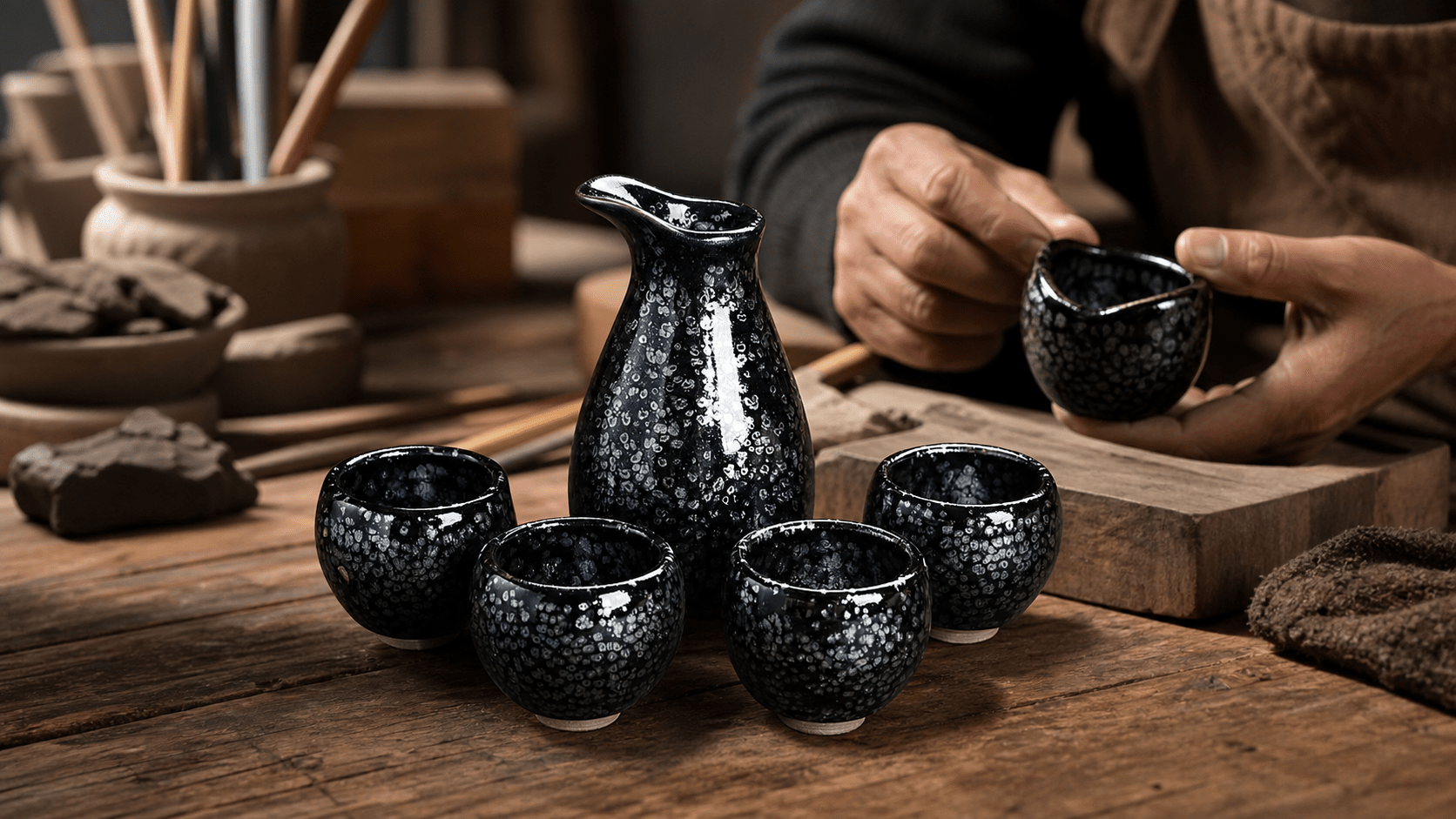
When you hold a Jianzhan cup today, you hold an object with more than a thousand years of tradition behind it. The same clay, the same mountains, the same firing techniques that captivated emperors and Zen monks are still producing these extraordinary objects today.
Explore our collection — carrying 1,000 years of tradition into your daily ritual.
Frequently Asked Questions
When was Jianzhan first created?
Jianzhan originated during the Song Dynasty (960-1279 AD) in Jianyang, Fujian Province, China. The kilns of Jianyang produced these black-glazed tea bowls specifically for the competitive tea culture (斗茶, doucha) of the period.
Why is Jianzhan also called Tenmoku?
Tenmoku (天目) is the Japanese reading of Tianmu Mountain in Zhejiang Province, where Japanese Buddhist monks encountered these tea bowls during the Song Dynasty. They brought them back to Japan as religious objects, and the name stuck.
What happened to Jianzhan after the Song Dynasty?
When the Ming Dynasty replaced the Song in 1368, the new rulers abolished the culture of whisked tea. Jianzhan bowls became obsolete almost overnight. The kilns shifted to white and celadon wares, and the knowledge of how to fire the distinctive glazes was lost for nearly 700 years.
When was Jianzhan revived?
The revival began in 1979-1981. A joint team from the Central Academy of Arts and Design and Fujian authorities successfully replicated the lost glazes, with the first authentic oil spot bowl emerging in 1981. Jianzhan was inscribed on China's National Intangible Cultural Heritage list in 2011.


分享:
Your First Tenmoku Cup: A Beginner's Buying Guide (Price, Style & What to Avoid)
The Ultimate Tea Lover's Gift Guide: Why a Tenmoku Cup Is the Most Thoughtful Present