

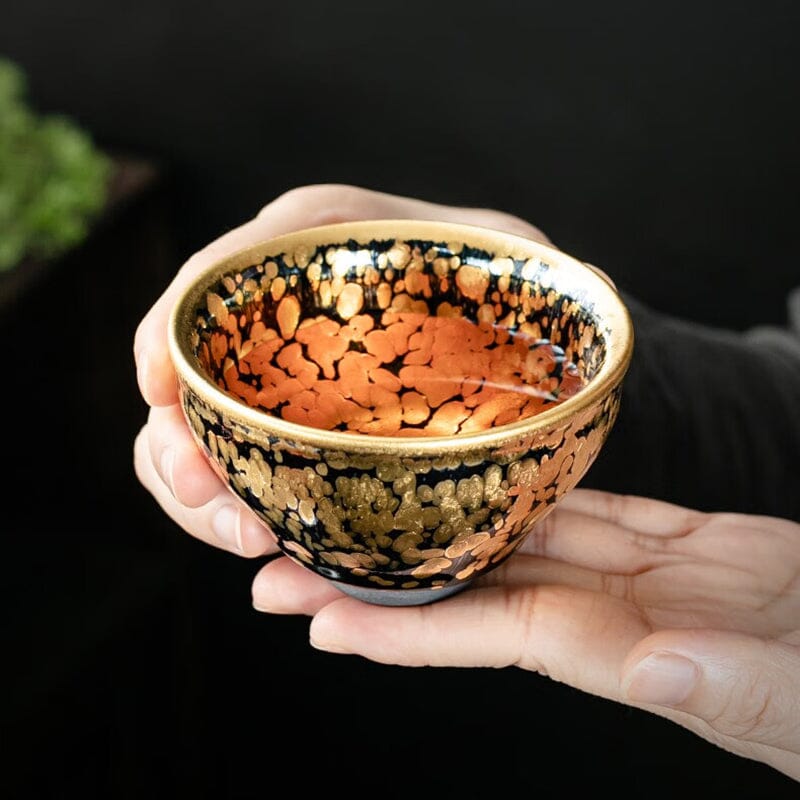
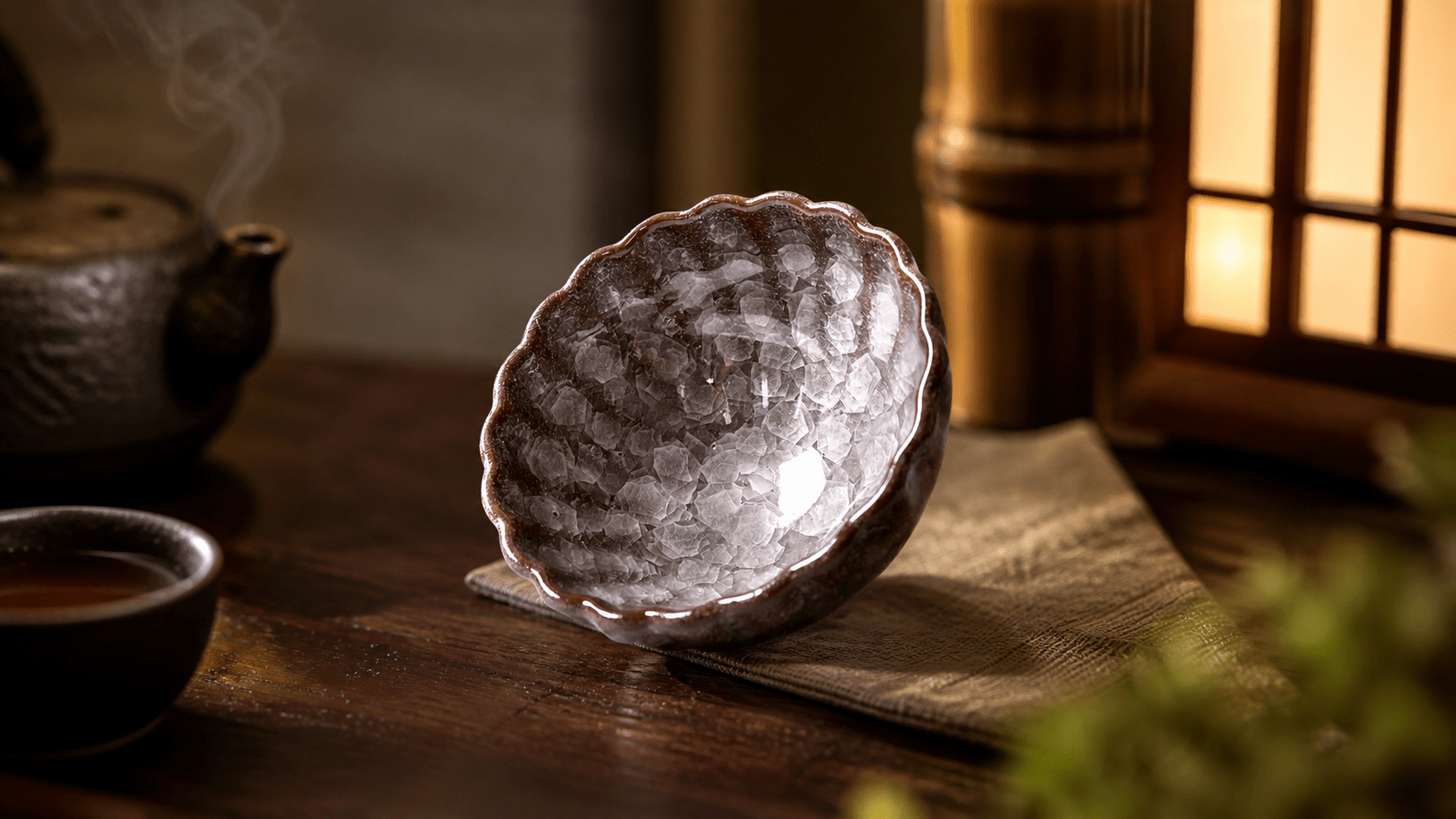
Every tenmoku bowl began as a whisper in the hands of a Japanese artisan—a conversation between clay, fire, and an unbroken lineage of mastery. This isn’t just a tea cup; it’s a universe captured in glaze.
Key Takeaways:
- Tenmoku bowls are born from Japan’s ceramic tradition, revived by dedicated artisans.
- Handcrafting one bowl takes weeks, with glaze effects entirely unique.
- Owning one means holding a piece of living cultural heritage.
- They elevate tea ritual, from everyday mindfulness to formal ceremony.
The Artisan’s Path: Where Passion Meets Obscure Clay
To understand a tenmoku tea bowl, you must first meet its maker. Imagine a figure like Master Kenji Tanaka—a composite of today’s real craftspeople—stooping over a rustic kiln in the hills of Seto, Japan. For forty years, he has dedicated his life to resurrecting the iridescent magic first seen in Song dynasty China but perfected as a Japanese art form.
Tanaka’s journey began in his twenties, leaving a salaryman job to apprentice under the last guardian of a dying kiln tradition. “The clay remembers,” he would say. “My role is to listen.”
What Exactly Is a Tenmoku Tea Bowl?
For the uninitiated, a tenmoku (天目) bowl is a small, often conical ceramic vessel specifically designed for whisking matcha or savoring steeped tea. Its name comes from Mount Tianmu (Temmoku in Japanese) where Japanese monks first encountered these dark-glazed treasures. While the technique originated in China, Japanese potters embraced and evolved it into a national icon of the tea ceremony.
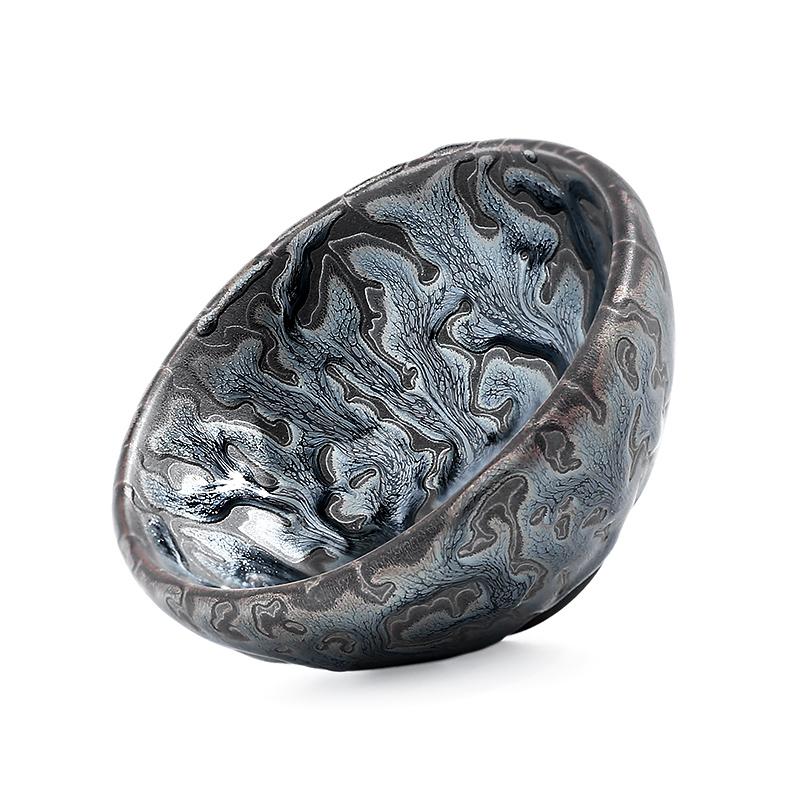
Think of it like a high-end wine glass: the shape, the rim, the texture—all crafted to channel aroma and flavor directly to your senses. But unlike glass, each bowl’s glaze is a one-of-a-kind landscape of crystals, drips, and celestial effects.
Why This Matters: The Cultural Heartbeat in Every Bowl
When you hold a genuine tenmoku bowl, you’re holding wabi-sabi—the Japanese aesthetic of imperfect, transient beauty. You’re touching the same reverence that samurai felt when pausing for tea before battle. In the US, many of us crave moments of stillness. This bowl becomes that anchor.
Mass-produced mugs can’t replicate the story. An artisan-fired tenmoku carries the fingerprint of its creator, the exact atmospheric conditions of a single firing, and a lineage stretching back to the 13th century.
Key Benefits of an Authentic Handcrafted Tenmoku Bowl
- Sensory Elevation: The porous, iron-rich glaze subtly softens water quality, reducing astringency and rounding out tea’s sweetness—similar to how a decanter breathes wine.
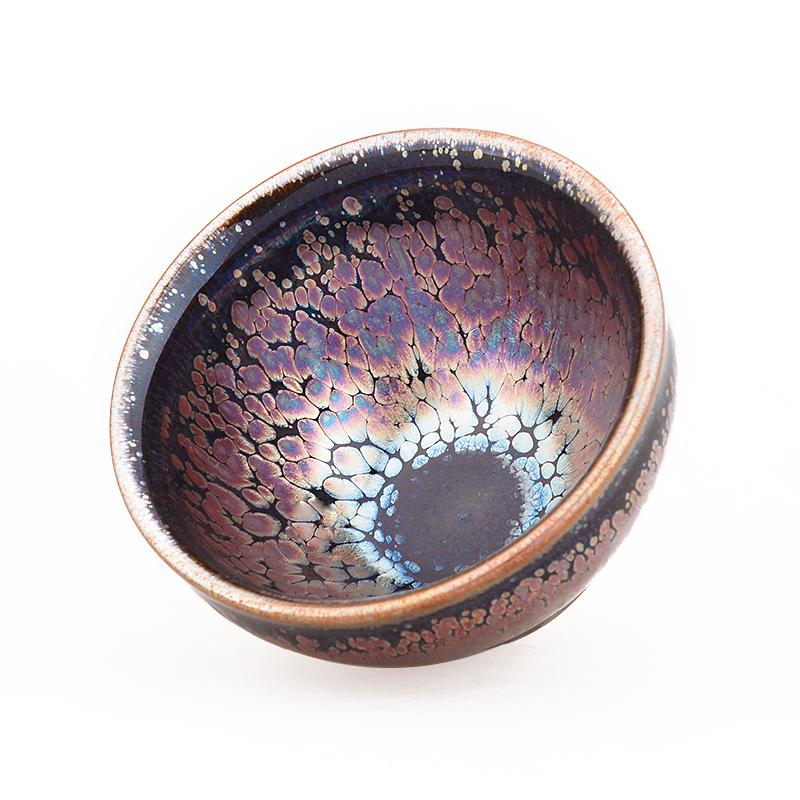
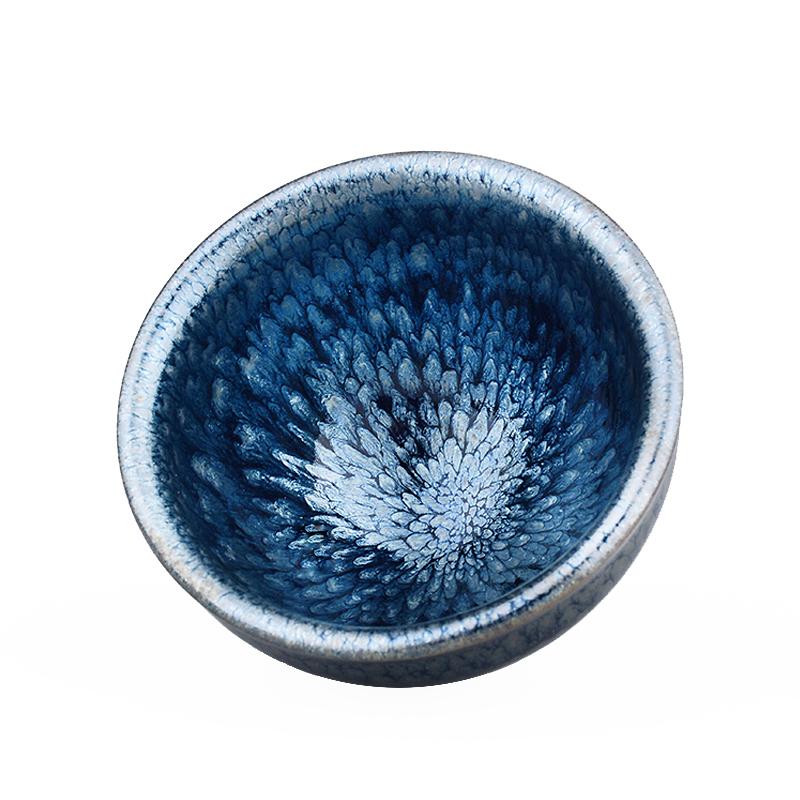
- Visual Masterpiece: Every bowl is a gallery piece. From golden “oil spot” (yuteki) to shimmering “hare’s fur” and the elusive rainbow “yohen,” no two are alike.
- Mindful Ritual: Its weight and warmth in your palms naturally slow you down, turning a 3‑minute tea break into a meditative pause.
- Heirloom Durability: Stoneware fired above 2,300°F is remarkably sturdy and, with simple care, lasts generations.
- Conversation Starter: Display it, and it invites stories—about Japan, craftsmanship, and the beautiful accident of kiln transformation.
A Glimpse Inside the Kiln: How the Magic Happens
The process is equal parts science and spirit. A typical handmade tenmoku bowl travels this path:
- Clay Selection: Local iron-rich clay is dug, aged, and kneaded to remove air pockets.
- Throwing & Shaping: The artisan shapes the bowl on a wheel, sometimes carving a subtle foot ring (kodai) by hand.
- First Bisque Firing: Low-temperature bake to harden the form.
- Glaze Application: A secret suspension of feldspar, wood ash, and iron oxide is dipped or poured. Thickness variations will dictate the final pattern.
- The True Fire: Loaded into a dragon kiln (noborigama) or gas kiln, temperatures climb to near 1,300°C. The extreme reduction atmosphere—where oxygen is starved—causes iron to bloom into crystals, producing the iconic spots and sheens.
- Kiln Gods’ Lottery: Even the master can only invite, never command, the result. Yohen (kiln-transmuted) bowls remain rare and cherished.
Comparing Tenmoku Glaze Styles: A Quick Overview
| Style | Appearance | Cultural Vibe | Tea Pairing |
|---|---|---|---|
| Yuteki (Oil Spot) | Silver or gold freckles on deep black, like a starry night | Bold, celebratory | Matcha, rich oolong |
| Nogime (Hare’s Fur) | Fine pearlescent streaks radiating down | Meditative, classic | Sencha, gyokuro |
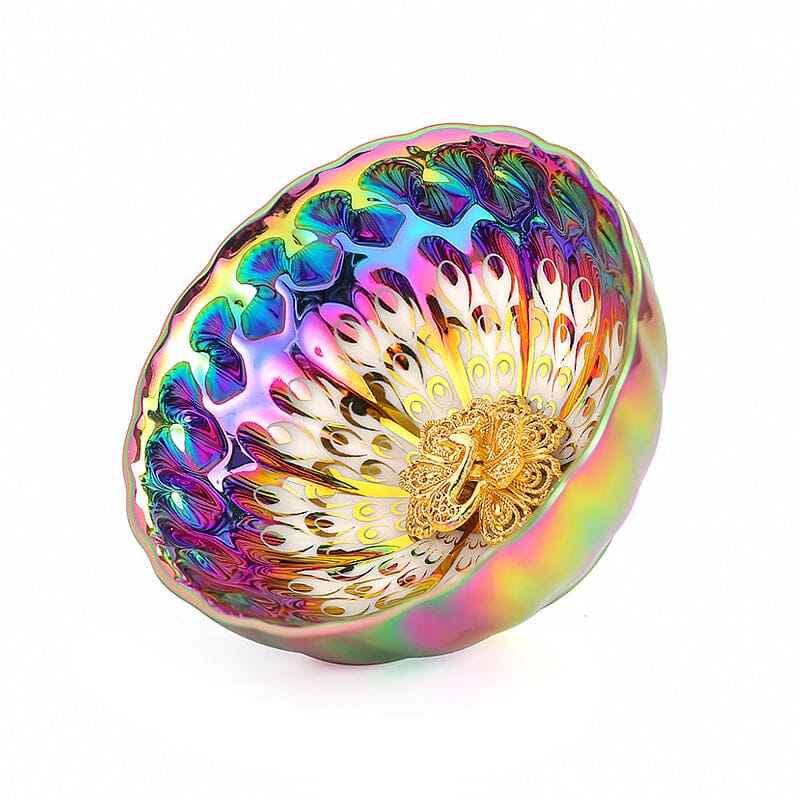
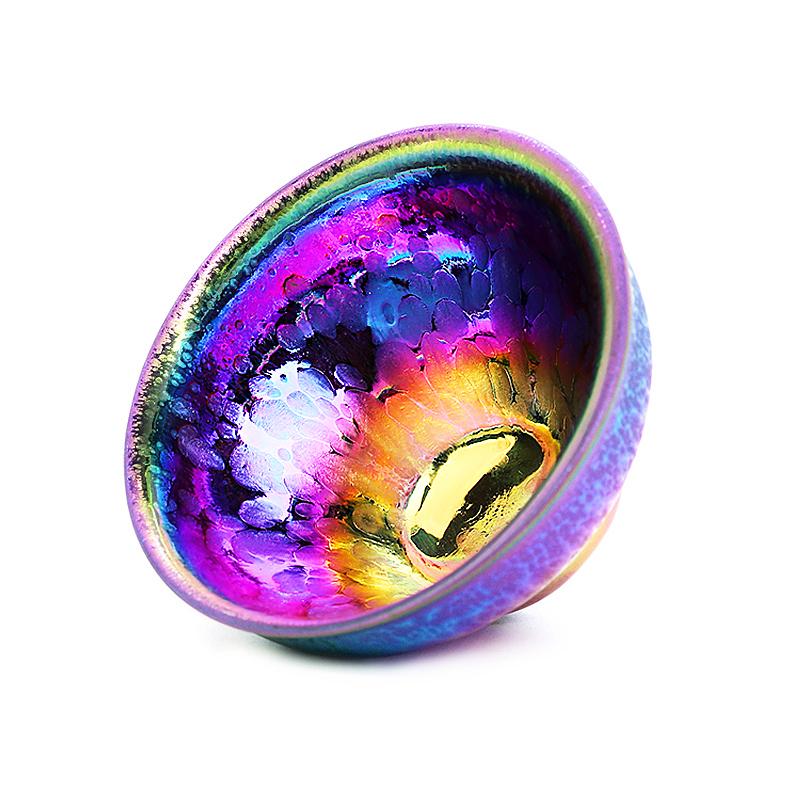
| Yohen (Kiln Change) | Iridescent rainbow hues with fleeting flashes of blue/purple | Extraordinary, collector’s | Special occasions, display |
| Kokuyu (Pure Black) | Glossy, deep black mirror | Zen minimalism | Everyday genmaicha |
Who Should Buy a Tenmoku Tea Bowl?
This is not just for the matcha purist. A tenmoku suits you if:
- You’re a curious beginner who wants a meaningful first step into tea craft.
- You’re a mindfulness seeker who values objects that slow down the day.
- You’re a design lover drawn to organic, handcrafted décor.
- You’re a collector chasing that one-of-a-kind glaze story.
- You need a premium gift that speaks depth over disposable luxury.
Real-Life Scenarios: More Than Just Tea
Picture Sarah in her Seattle studio apartment. Every morning, she whisks matcha in her oil-spot tenmoku. The bowl’s dark interior makes the vivid green foam glow; the ritual replaces doom-scrolling with five minutes of quiet. For Mike in Austin, his bowl sits on a shelf as an art object—until friends come over, and he pours a smoky lapsang souchong, letting the bowl’s slick surface turn the tasting into an event. These bowls travel effortlessly from altar to everyday.
Your Tenmoku Buying Guide: What to Look For
- Provenance: Seek pieces from Japanese kiln regions (Seto, Mino, Karatsu) or directly from named artisans. A wood-fired stamp or signed box (tomobako) adds value.
- Glaze Integrity: Authentic tenmoku has a deep, glassy surface. Run a finger—no sharp pinholes. Inconsistency is charm; flaws are not.
- Balance & Weight: A well-made bowl feels balanced when cradled, not ungainly heavy. The foot ring should sit flat.
- Interior Play: The best bowls have active patterns inside where the tea lives. Tilt it under light; the magic should reveal itself.
- Price Anchoring: Machine-made lookalikes sell for $20; an entry-level handcrafted bowl from a known workshop starts around $80–150. Museum-grade yohen may command thousands.
Caring for Your Tenmoku Bowl: Simple, Soulful Tips
Care is straightforward but respectful. Never put it in a dishwasher—the harsh detergents dull the glaze soul. After use, rinse with warm water and a soft sponge. For stubborn tea stains, a gentle rub with baking soda paste works. Allow it to air-dry upside down on a lint-free cloth. With time, the bowl’s micro-porosity may even develop a rich patina that tea connoisseurs call “nurturing the cup.”
Frequently Asked Questions
What is the difference between tenmoku and jianzhan?
Both trace back to China’s Jian ware. Over time, “jianzhan” became the Chinese term, while “tenmoku” is the Japanese term for the same style, especially after Japan adapted it for tea ceremony. Practically, Japanese tenmoku often emphasizes a more refined, wabi-sabi aesthetic, while Chinese jianzhan may lean bolder.
Why are some tenmoku bowls so expensive?
High prices reflect the artisan’s years of training, extremely low kiln success rates (a flawless yohen may be 1 in 1,000), and the unique artistic value. You’re buying a singular piece of living craft, not a factory product.
How can I tell if my tenmoku bowl is authentic Japanese?
Look for a maker’s seal or signature on the bottom. Authentic bowls often come in a signed paulownia box. The glaze should have organic, non-repeating patterns and a hand-thrown feel—slight asymmetries are evidence of the wheel.
Can I use a tenmoku bowl for everyday tea?
Absolutely. While they are precious, they’re made to be used. In fact, regular tea contact lightly seasons the bowl and deepens its character. Just avoid metal utensils that might scratch the glaze.
Does the glaze affect the taste of tea?
Indirectly, yes. The high iron content in the glaze can soften the water’s minerality, giving tea a rounder, sweeter mouthfeel. Many drinkers report less bitterness and a smoother finish, especially with green teas.
How should I clean my tenmoku bowl?
Rinse with lukewarm water and a soft cloth immediately after use. Avoid soap; if necessary, use a tiny amount of mild, unscented soap and rinse thoroughly. Never soak or scrub harshly.
In a world of disposable mugs, a tenmoku tea bowl stands as a quiet rebellion—a daily invitation to taste deeply and live artfully. Whether you’re starting your journey or curating a collection, the right bowl is the one that speaks to you. Explore our hand-selected pieces and bring a story of earth and fire into your own hands.
Explore Our Collection
Ready to experience the world of tenmoku tea bowl? Browse our curated collection:
Disclaimer: This article is for informational purposes. Products and pricing subject to change.


分享:
How to Spot Real Japanese Tenmoku Tea Bowls: An Practical Guide to Authenticity
The Art of the Tenmoku Tea Bowl: Your Daily Path to Mindful Luxury