

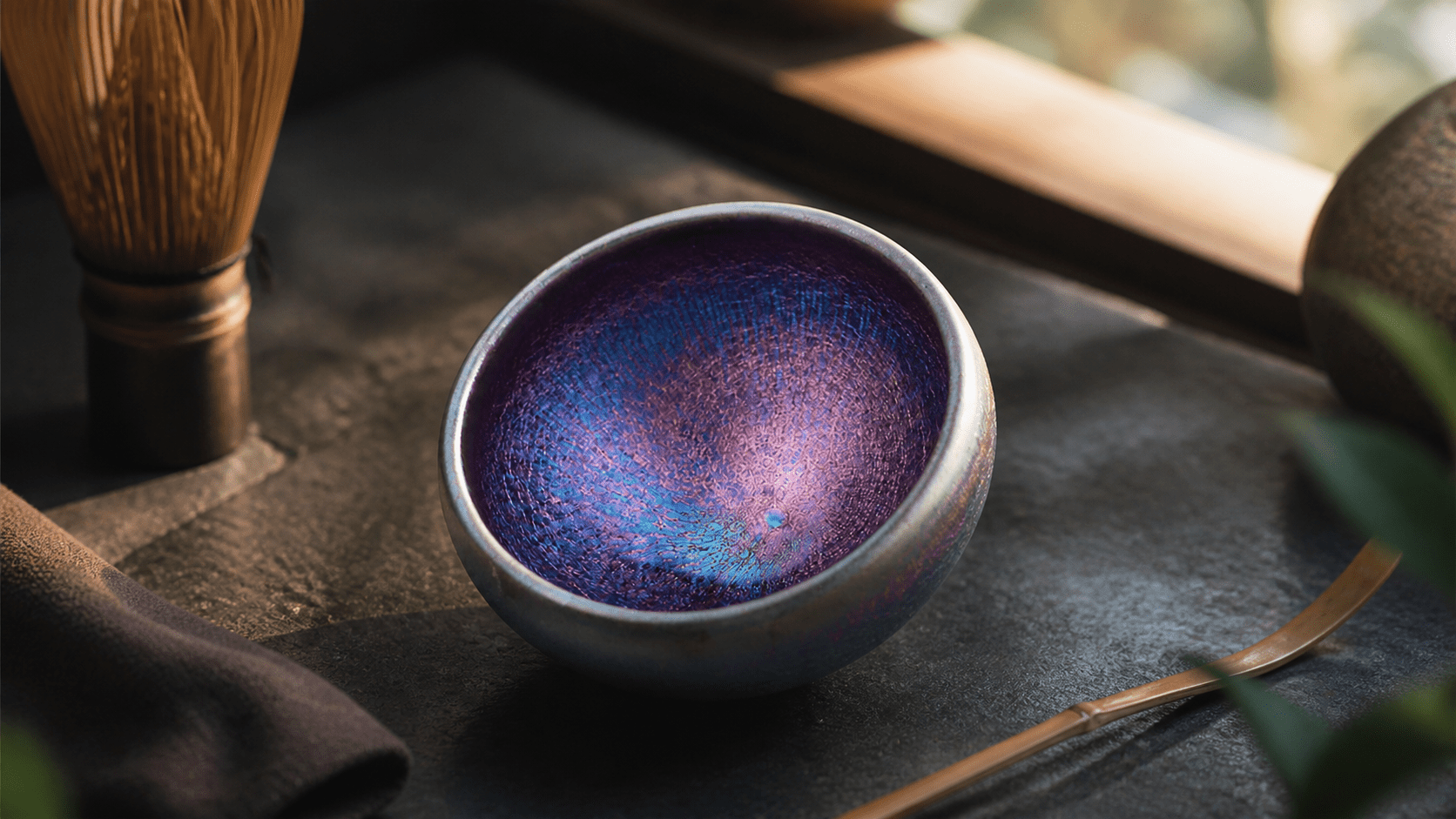

Tenmoku Tea Bowl: A Quiet Luxury Upgrade for Daily Tea Rituals
A tenmoku tea bowl is a handmade ceramic tea vessel known for its dark, luminous glaze and calming presence at the tea table. Also called jianzhan in its Chinese origin and often compared with a Japanese tea bowl, it is ideal for gongfu tea, slow mornings, evening relaxation, or a thoughtful tea ceremony gift.
For US tea lovers, think of it like upgrading from a basic coffee mug to a hand-thrown espresso cup or a well-balanced wine glass. The function is simple, but the experience feels more intentional, personal, and beautiful.

Key Takeaways
- A tenmoku tea bowl is prized for its deep tenmoku glaze, often showing natural patterns like hare's fur, oil spots, or star-like crystals.
- Jianzhan originated in China during the Song Dynasty and later influenced tea culture in Japan and Japanese ceramic traditions.
- It works beautifully for gongfu tea, oolong tea, black tea, matcha-inspired moments, and quiet daily rituals.
- A handmade tenmoku tea cup makes a refined, unique tea cup gift because every glaze result is slightly different.
- Buyers should look for authentic clay, hand-finished form, clear provenance, and a glaze that suits the recipient's style.
What makes a tenmoku tea bowl feel luxurious at home?
The luxury of a tenmoku tea bowl is not loud. It does not sparkle like jewelry or announce itself like a designer logo. Its appeal is closer to a cashmere throw, a handmade candle, or a great chef's knife: useful, tactile, and quietly elevated.
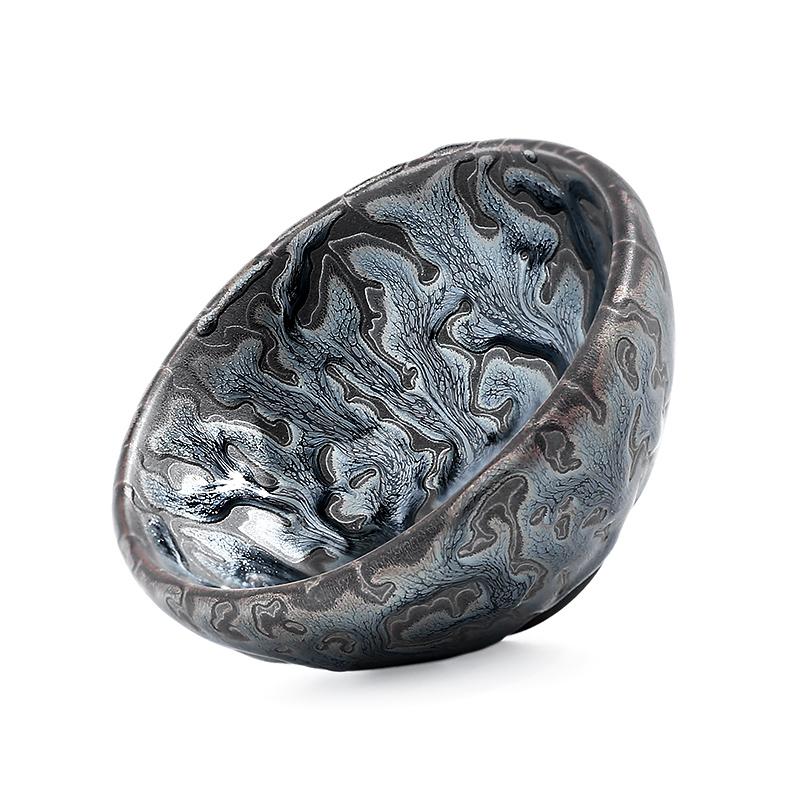
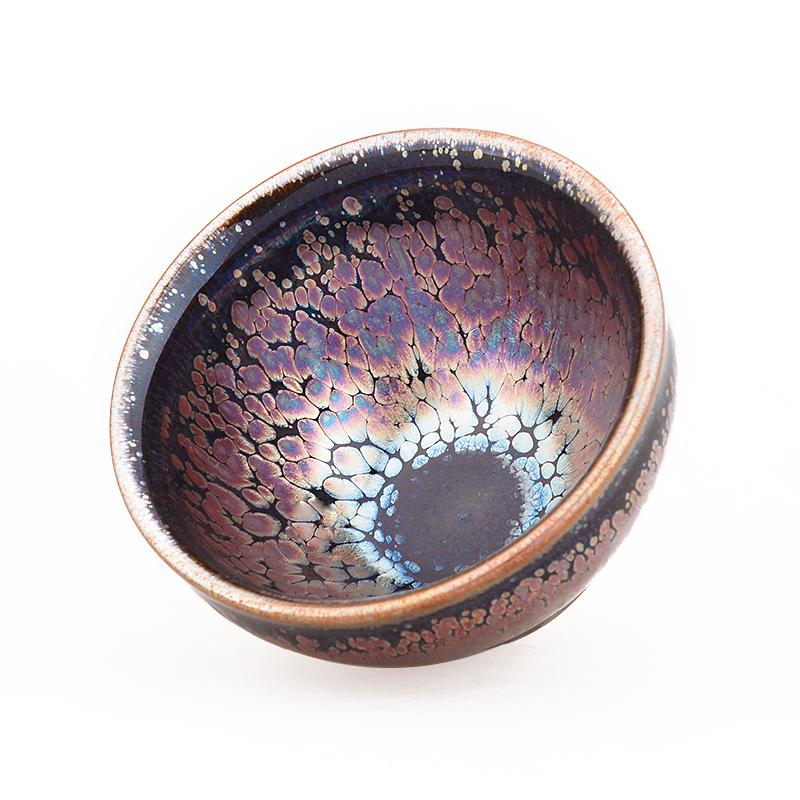
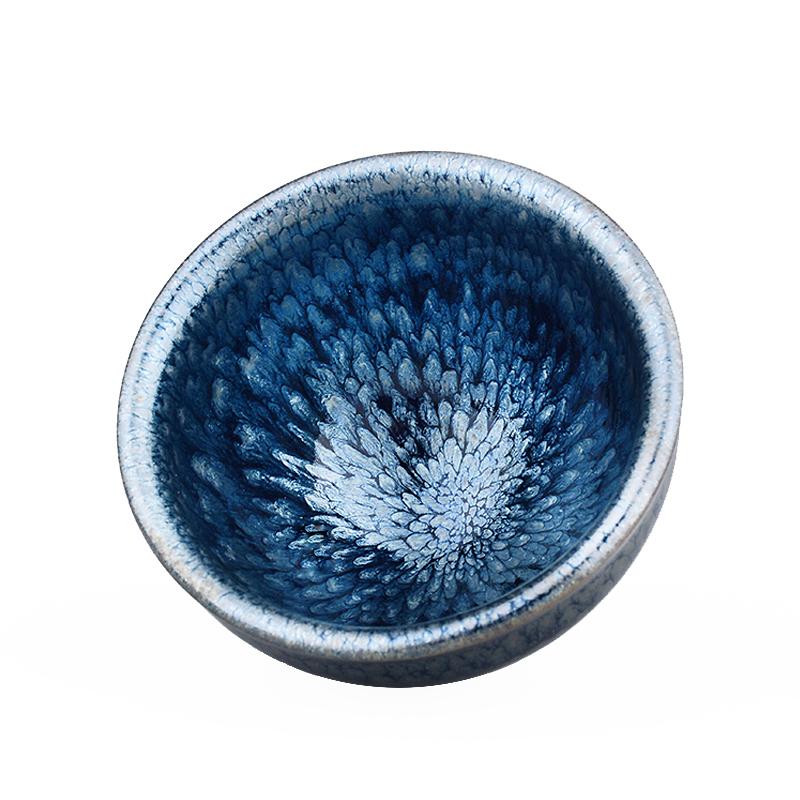
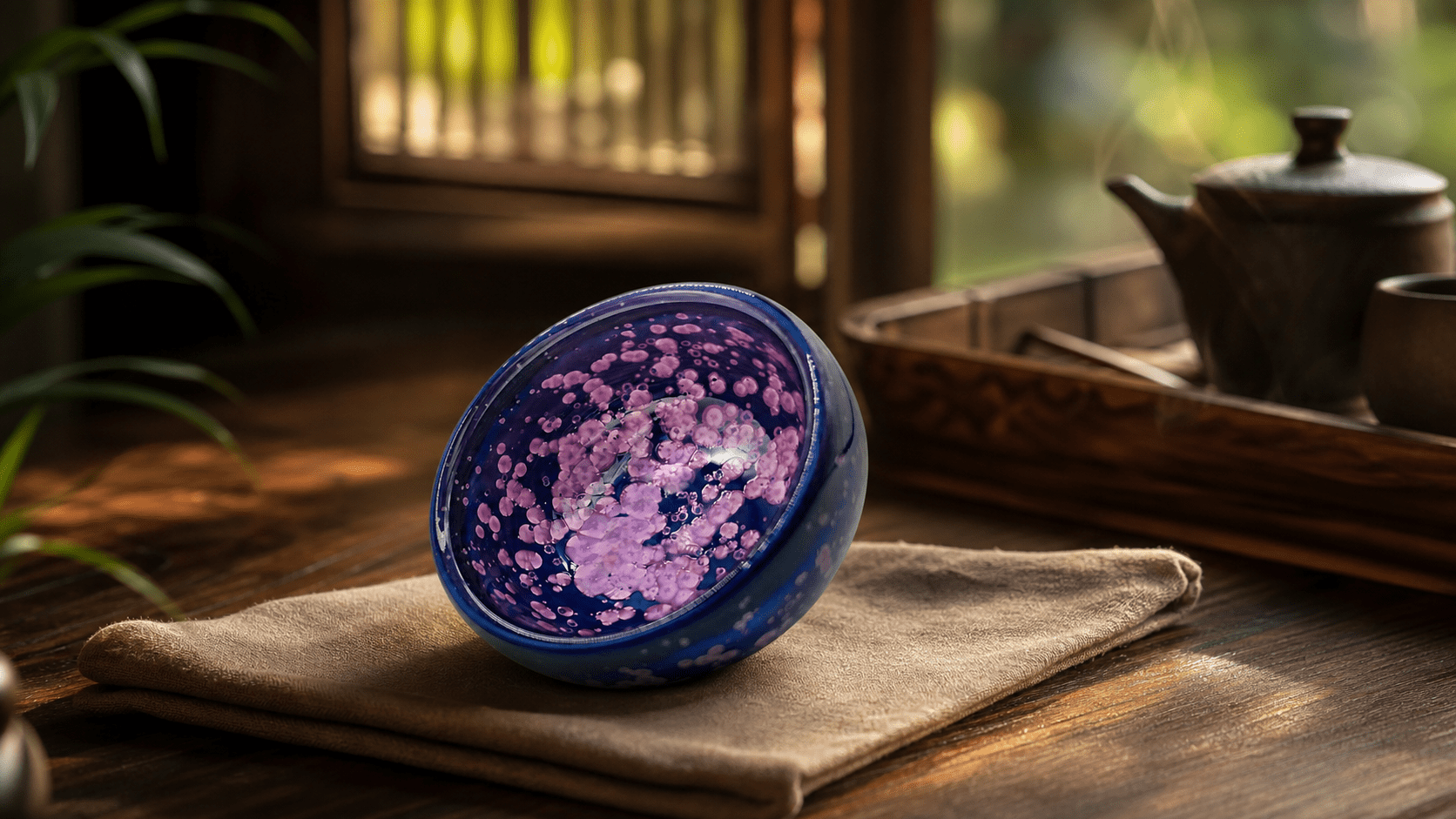
The surface is the first thing most people notice. A true tenmoku glaze can look black at first glance, then reveal bronze, silver, blue, brown, or iridescent tones when light moves across it. This shifting effect is one reason collectors love jianzhan. The bowl changes with the room, the tea, and the angle of your hand.
For beginners, the easiest way to understand it is this: the kiln creates part of the artwork. The artist shapes and glazes the bowl, but heat, minerals, oxygen, and timing decide the final pattern. That makes each handmade tenmoku tea cup feel less like a factory object and more like a small landscape.
In a US home, this fits naturally into the wellness trend around slower routines. Instead of treating tea as a quick beverage, a tenmoku bowl turns it into a pause. It can sit on a kitchen island, office desk, reading table, or bedside tray and signal that five quiet minutes matter.
If your style leans minimalist, the dark glaze feels sculptural. If your home is warmer and layered, the metallic tones add depth. Either way, a tenmoku tea bowl brings the kind of everyday beauty that does not need a special occasion.
How does a tenmoku tea bowl connect Song Dynasty glaze with Japanese tea culture?
The story begins with Jian ware, or jianzhan, from Fujian, China. During the Song Dynasty, dark glazed tea bowls became highly valued because powdered tea was whisked into pale foam. The dark interior made the foam easier to see, a little like serving vanilla ice cream in a dark ceramic dish to heighten contrast.
Over time, these bowls traveled to Japan, where they became admired in tea ceremony culture. The word tenmoku is closely tied to Japanese appreciation of these Chinese black-glazed bowls. Today, many people search for a japanese tea bowl or japanese tenmoku for sale when they are drawn to this cross-cultural tea history.
It helps to separate the terms simply:
- Jianzhan: The Chinese ceramic tradition and tea bowl type that originated from Jian kilns.
- Tenmoku: A term widely used in Japan and internationally for dark, iron-rich glazes inspired by Jian ware.
- Tenmoku glaze: The glaze style known for deep color, mineral movement, and natural kiln effects.
Both China and Japan shaped the way modern tea lovers understand these bowls. China gave the original kiln tradition and Song Dynasty glaze heritage. Japan helped preserve and elevate the aesthetic through tea ceremony practice. For a US buyer, that means a tenmoku tea bowl is not just a pretty cup; it is a bridge between daily life and centuries of tea culture.
That cultural depth is part of its commercial appeal. When you give an authentic jian zhan tea cup, you are giving something with history, not just another ceramic item. It feels collected, considered, and personal.
Is a handmade tenmoku tea cup good for gongfu tea and oolong tea?
Yes, a handmade tenmoku tea cup is especially good for gongfu tea because it supports small, focused servings. Gongfu tea is a Chinese brewing style that uses more tea leaves, less water, and multiple short infusions. Instead of one large mug, you enjoy several small cups as the flavor changes.
For beginners, compare it to tasting good whiskey, espresso, or single-origin coffee. Smaller servings make aroma, texture, and finish easier to notice. With oolong tea, this can be especially rewarding because oolong often shifts from floral to creamy, roasted, fruity, or mineral across several steeps.
A tenmoku tea bowl works well in this setting for three reasons:
- Visual contrast: Amber, gold, and reddish tea liquors look rich against a dark glazed interior.
- Hand feel: Many bowls are shaped to sit comfortably in the palm, making the ritual more tactile.
- Heat experience: Ceramic warmth encourages slower sipping instead of rushing.
Not every bowl is the same size, so choose based on how you drink. A smaller cup is better for gongfu tea sessions with a gaiwan or small teapot. A larger bowl may suit matcha-inspired whisking, loose-leaf tea, or a meditative evening cup.
If you are building a home tea setup, pair your bowl with a tea tray, fairness pitcher, and a few small tasting cups. For a gift, a handmade tea cup gift set can include the bowl, a small tea towel, and a premium oolong tea. That combination feels complete without being overly formal.
What should you look for in an authentic jian zhan tea cup?
When shopping for an authentic jian zhan tea cup, look beyond the first photo. The best pieces have balance: an expressive glaze, a comfortable shape, and enough craftsmanship detail to justify the price.
Start with the glaze. Tenmoku glaze is usually iron-rich and fired at high temperatures. Natural patterns may include hare's fur streaks, oil spot markings,曜变-style cosmic effects, or more subtle black-brown depth. No two handmade pieces should look exactly identical.
Next, check the form. A good bowl should feel stable on the table and easy to lift. The lip should be pleasant to drink from. The foot ring should be cleanly finished. If the piece is meant for frequent use, avoid shapes that look dramatic but feel awkward in the hand.
Also consider whether the seller explains origin, firing style, size, and use. Serious tea buyers appreciate specifics. Measurements, capacity, clay type, glaze description, and care notes all help you choose confidently.
Here is a quick comparison for US shoppers deciding between common tea vessels:
| Tea Vessel | Best For | Style Feel | Gift Appeal |
|---|---|---|---|
| Tenmoku tea bowl | Gongfu tea, oolong tea, tea ceremony moments | Artful, historic, quiet luxury | High for collectors and lifestyle buyers |
| Standard ceramic mug | Everyday large servings | Casual and familiar | Moderate unless personalized |
| Porcelain tasting cup | Comparing tea color and clarity | Clean and minimal | Good for serious tea students |
| Japanese tea bowl | Matcha, tea ceremony, display | Wabi-sabi, traditional, contemplative | High for Japanese culture enthusiasts |
| Glass cup | Watching tea color and leaves | Modern and transparent | Moderate, less artisanal |
If you are drawn to dramatic linear patterns, Browse our hare's fur Jianzhan series. If you want to compare shapes, finishes, and gift-ready pieces, Shop authentic Tenmoku tea bowls.

Why is a tenmoku tea bowl a unique tea cup gift for tea lovers?
A tenmoku tea bowl makes a unique tea cup gift because it feels personal without requiring the buyer to know every detail of the recipient's taste. It is useful, beautiful, and culturally meaningful. That balance is hard to find in lifestyle gifting.
For a tea cup gift for tea lovers, the bowl says, “I noticed what you enjoy.” It works for people who already own loose-leaf tea, people who are curious about gongfu tea, and premium lifestyle buyers who appreciate handmade objects.
It also fits many US gifting occasions:
- Birthday gift for someone who loves tea, ceramics, or Japan-inspired design.
- Housewarming gift for a calm kitchen or home office ritual.
- Holiday gift paired with oolong tea or black tea.
- Tea ceremony gift for someone exploring Asian tea traditions.
- Self-care gift for a person building slower evening routines.
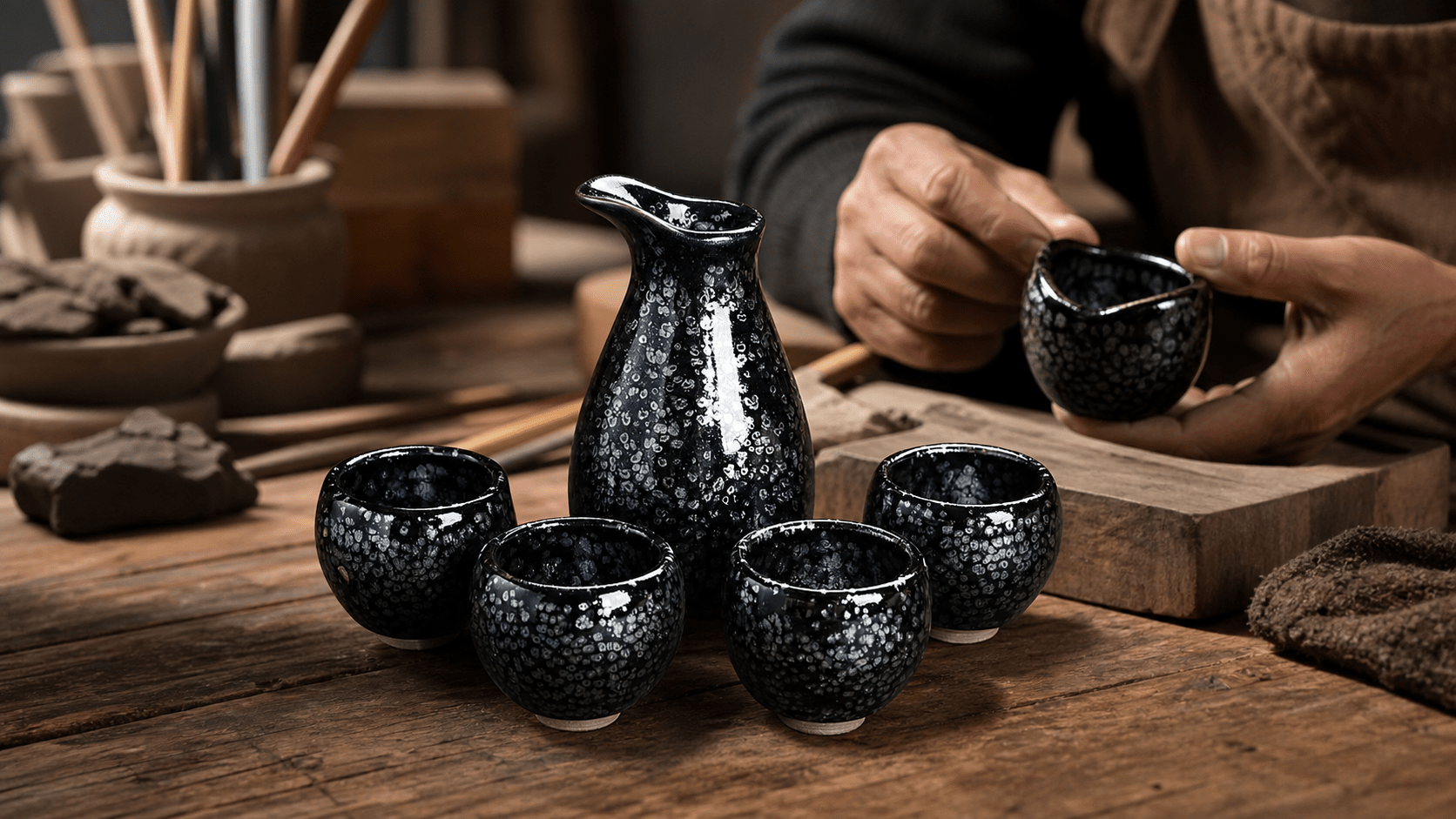
A handmade tea cup gift set can feel especially polished. Pair one tenmoku tea bowl with a small bag of roasted oolong tea, a bamboo scoop, and a simple note about the glaze. The result is more memorable than a generic mug and more accessible than a complex tea set.
For luxury buyers, the appeal is that the gift is not mass-market. Even when two bowls come from the same kiln, the glaze movement differs. That one-of-one quality makes a handmade tenmoku tea cup feel like a small collectible.
How can you style a tenmoku tea bowl in a modern US lifestyle?
You do not need a formal tea room to enjoy a tenmoku tea bowl. In fact, its beauty often stands out most in normal spaces: a kitchen counter, a desk beside a laptop, a reading chair, or a small tray near a window.
For a clean modern look, place the bowl on a walnut tray with a linen napkin and a small teapot. For a warmer spa-like mood, pair it with incense, a candle, and low lighting. For a Japanese-inspired tea corner, keep the arrangement simple: bowl, kettle, tea leaves, and one natural texture such as wood, stone, or cotton.
The key is restraint. Tenmoku glaze already has depth, so it does not need heavy decoration around it. Let the bowl be the focal point, the way a black ceramic vase can anchor a shelf.
Daily use also matters. A beautiful bowl hidden in a cabinet becomes an object. A bowl used three times a week becomes a ritual. Try using it at a consistent time, such as after lunch or before reading at night. Repetition gives the object meaning.
If you are new to tea, start with oolong tea. It is forgiving, aromatic, and varied. A roasted oolong can feel cozy in winter, while a greener floral oolong can feel fresh in warmer months. Over time, the bowl becomes associated with those small transitions in your day.
How do you care for a tenmoku tea bowl without making it complicated?
Caring for a tenmoku tea bowl is simple. Rinse it with warm water after use, wipe it with a soft cloth, and let it dry fully before storing. Avoid harsh detergents, abrasive scrubbers, and sudden temperature shocks.
For regular tea use, mild hand washing is enough. If you drink stronger teas, rinse soon after the session so tea residue does not sit too long. Many owners enjoy the way a frequently used bowl develops a softer visual character over time, but cleanliness still matters.
Do not microwave a handmade bowl unless the seller clearly says it is safe. Handmade ceramics can vary in clay body, glaze thickness, and mineral content. Treat it the way you would treat a handmade chef's plate or artisan mug: durable enough for use, special enough for care.
If you display the bowl, keep it somewhere stable. The foot ring should sit flat, and the shelf should not be crowded. A tenmoku tea bowl looks best when it has breathing room.
FAQ
What is a tenmoku tea bowl?
A tenmoku tea bowl is a dark-glazed ceramic bowl known for iron-rich glaze effects such as hare's fur, oil spots, or subtle metallic patterns. It is closely connected to Chinese jianzhan and later Japanese tea culture.
Is a handmade tea cup gift set a good choice for beginners?
Yes. A handmade tea cup gift set is beginner-friendly when it includes one comfortable bowl, a simple tea, and basic care guidance. It gives the recipient a complete first ritual without overwhelming them with too many tools.
What makes a tenmoku bowl a meaningful tea ceremony gift?
A tenmoku bowl works as a tea ceremony gift because it carries history, craft, and visual depth. It connects Song Dynasty glaze traditions with Japanese tea appreciation, making it both practical and symbolic.
How do I choose a unique tea cup gift for tea lovers?
Choose a unique tea cup gift by looking for handmade character, comfortable size, clear glaze detail, and a style that matches the recipient's home. A tenmoku tea bowl is a strong choice because each glaze pattern is naturally different.
Can I use a tenmoku tea bowl for gongfu tea?
Yes. Many tenmoku bowls are excellent for gongfu tea, especially when sized for small servings. They pair beautifully with oolong tea because the dark glaze highlights the tea's amber color and encourages slow tasting.
Where can I find japanese tenmoku for sale?
When searching for japanese tenmoku for sale, look for sellers who explain the bowl's origin, glaze type, dimensions, and intended use. Also consider authentic jianzhan pieces, since Japanese tenmoku appreciation originally grew from Chinese Jian ware.
Is a tenmoku tea bowl safe for daily use?
A well-made tenmoku tea bowl from a reputable seller is suitable for daily tea use. Hand wash it, avoid abrasive cleaners, and follow any care instructions provided by the maker or shop.
Conclusion: small ritual, lasting beauty
A tenmoku tea bowl brings luxury home in a quiet, usable way. It turns tea into a daily ritual, adds sculptural beauty to a room, and connects your cup to the long story of jianzhan, tenmoku glaze, Japan, Japanese tea culture, and Song Dynasty craftsmanship.
For yourself, it can become a small anchor for relaxation. For someone else, it becomes a thoughtful tea cup gift for tea lovers, especially when paired with oolong tea or presented as a handmade tea cup gift set.
Choose the bowl that makes you pause for a second. That pause is the point.
Explore Our Collection
Ready to experience the world of tenmoku tea bowl? Browse our curated collection:
Disclaimer: This article is for informational purposes. Products and pricing subject to change.


分享:
Why Is a Tenmoku Tea Bowl So Expensive? The Real Value Behind a Handmade Jian Zhan Masterpiece
Tenmoku Tea Bowl Authentication Guide: How to Buy the Real Thing With Confidence